
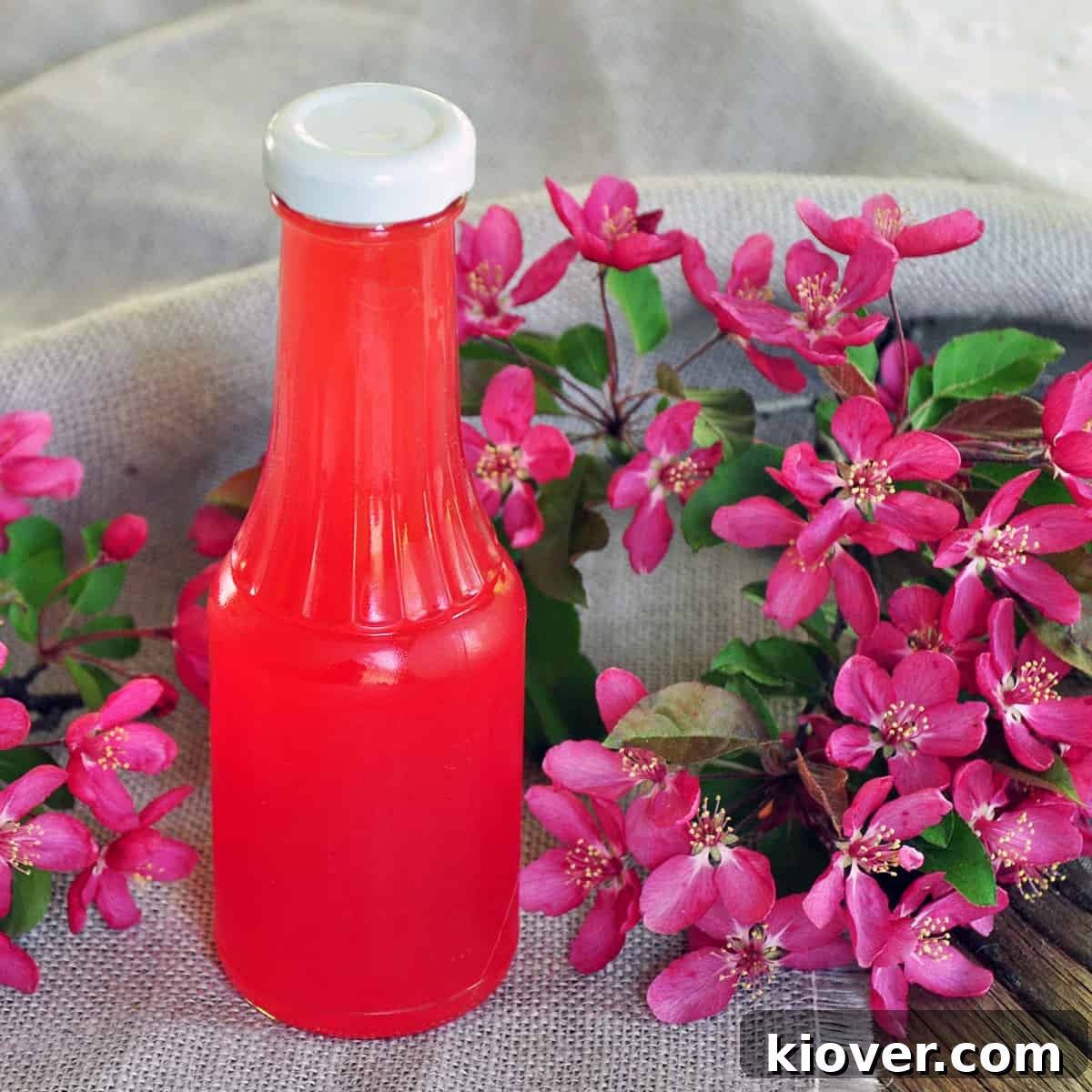
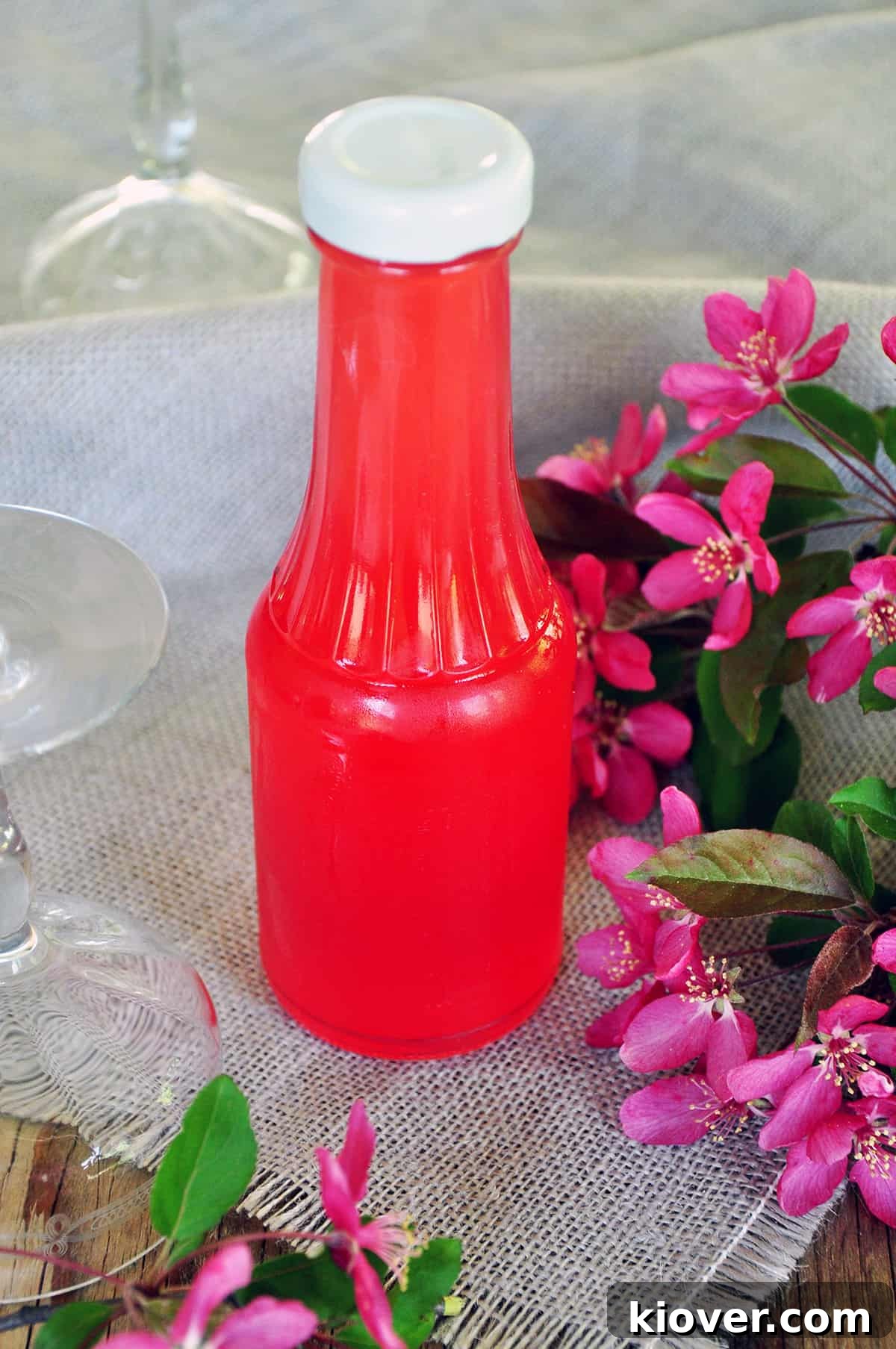
Welcome the vibrant flavors of spring with this incredibly easy and delicious Homemade Rhubarb Syrup! Capturing the unique tartness and beautiful color of fresh rhubarb, this syrup is truly springtime in a bottle. It’s the perfect way to transform your cocktails, mocktails, and culinary creations, elevating them with a burst of seasonal freshness. Whether you’re looking to utilize a bountiful rhubarb harvest or simply keen to level up your home bar game, this recipe offers a simple yet sophisticated solution.
Rhubarb season is a glorious, albeit fleeting, period of abundance. When your garden or local market is overflowing with those beautiful crimson stalks, finding creative ways to preserve and enjoy them is key. This versatile rhubarb simple syrup is not just a delightful ingredient; it’s an ode to the season, allowing you to savor the taste of spring long after the last stalk has been picked. Get ready to infuse your drinks and dishes with a naturally sweet and tangy essence that is both refreshing and invigorating, making every sip and bite a celebration of spring’s bounty.
Why This Homemade Rhubarb Syrup Recipe is a Must-Try
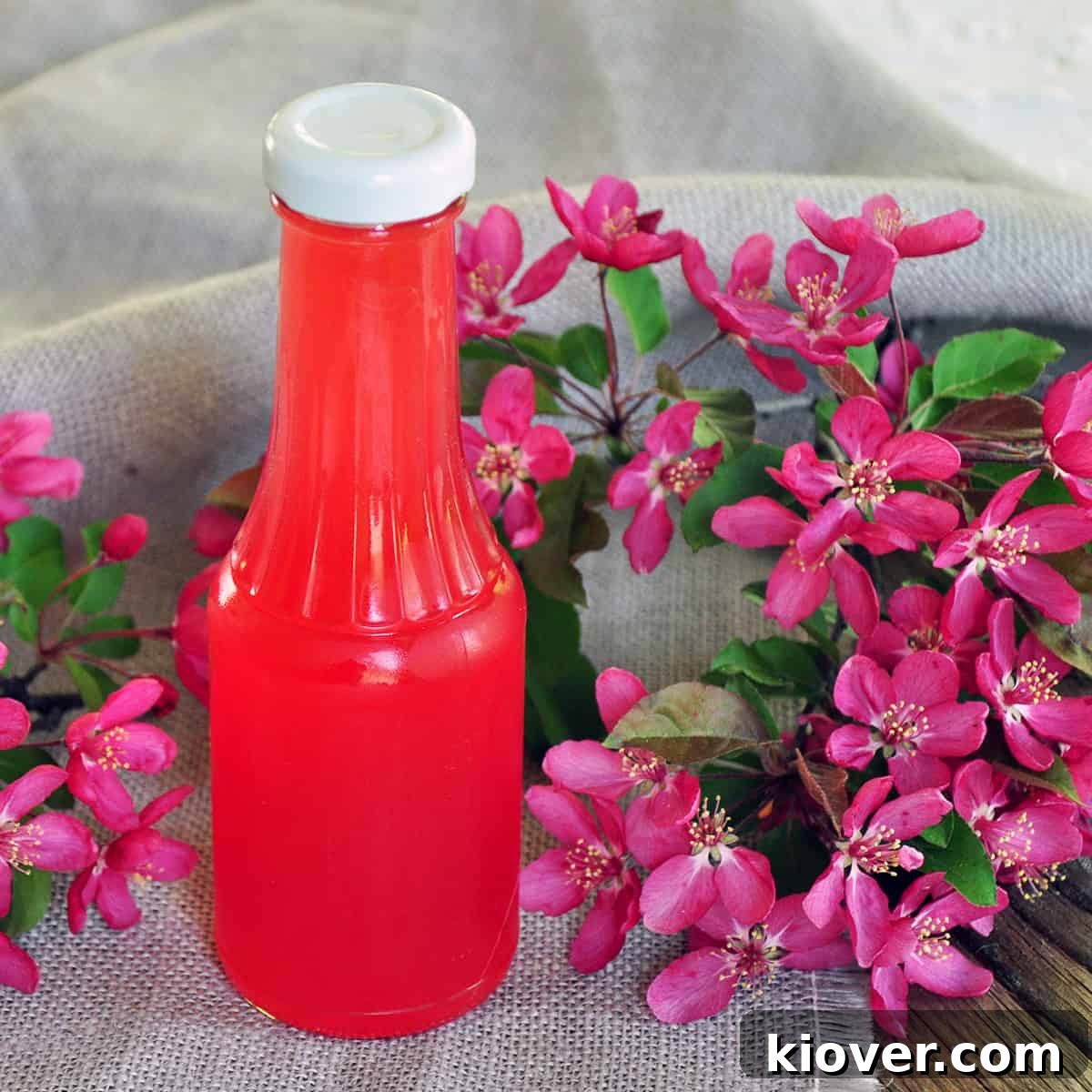
As spring unfurls its splendor, so does the much-anticipated rhubarb season. For those with a green thumb, it often means an overflowing harvest, and for food enthusiasts, it signals an opportunity to indulge in its distinctive flavor. This homemade rhubarb syrup is more than just a seasonal treat; it’s a versatile pantry staple that brings a unique character to anything it touches. Its beautiful natural pink hue and complex tart-sweet profile make it an exceptional ingredient that stands out from typical simple syrups, offering a nuanced flavor that is both bright and comforting.
Beyond its obvious appeal in crafting exquisite cocktails, this rhubarb simple syrup transcends the bar cart. Imagine drizzling it over your morning oatmeal for a gourmet touch, stirring it into a glass of iced tea for a refreshing twist, or using it as a sophisticated sweetener for sparkling water. Its bright, tangy notes are a fantastic counterpoint to sweetness, creating a balanced flavor profile that is both invigorating and soothing. It’s truly a secret weapon for elevating everyday fare into something extraordinary, whether you’re enhancing a breakfast, a dessert, or a savory dish that benefits from a hint of fruity acidity.
Our inspiration for this delectable syrup comes from its incredible potential to enhance a variety of beverages and desserts. While it forms the perfect base for vibrant concoctions like our Limoncello and Rhubarb Cocktail, its nuanced flavor also beautifully complements a classic Old Fashioned, adding a surprising seasonal twist. For those who prefer culinary delights, don’t miss exploring other rhubarb-centric recipes like our comforting Rhubarb Pie or the irresistible Strawberry Rhubarb Cobbler. No matter how you choose to enjoy it, this homemade rhubarb syrup empowers you to treat yourself to the very best of spring’s bounty with minimal effort and maximum flavor impact.
Making your own rhubarb syrup at home offers several distinct advantages. You gain complete control over the quality of ingredients, allowing you to select the freshest rhubarb and preferred sugar. You can also customize the sweetness level and the intensity of the rhubarb flavor to perfectly suit your taste. Unlike many store-bought options that might contain artificial preservatives, colors, or flavors, homemade syrup is pure, ensuring an authentic and natural taste experience. Furthermore, there’s an undeniable satisfaction and sense of accomplishment in crafting something so versatile and delicious from scratch. It’s an easy kitchen project that yields impressive results, making it ideal for both novice and experienced home cooks looking to add a touch of seasonal elegance to their culinary repertoire.
Table of Contents
- Why This Homemade Rhubarb Syrup Recipe is a Must-Try
- Key Ingredients for the Perfect Rhubarb Syrup
- Detailed Instructions for Making Rhubarb Syrup
- Exciting Substitutions and Flavor Variations
- Proper Storage for Extended Freshness
- A Brief History of Rhubarb: From Ancient Medicine to Culinary Delight
- Frequently Asked Questions About Rhubarb Syrup
- Essential Tips and Tricks for Success
- Recommended Products for This Recipe
- Did You Make This Recipe? Share Your Creation!
- Printable Rhubarb Syrup for Cocktails Recipe Card
Key Ingredients for the Perfect Rhubarb Syrup
Creating this delightful homemade rhubarb syrup requires just a handful of simple ingredients. The magic lies in their quality and the careful balance that extracts the best flavors. Here’s what you’ll need, along with some considerations to ensure your syrup is absolutely perfect:
- Fresh or Frozen Chopped Rhubarb: This vibrant vegetable is, without a doubt, the star of our show. When selecting fresh rhubarb, prioritize firm, crisp stalks that boast a vibrant color, ranging from deep crimson to rosy pink or even pale green. While the leaves are toxic and must be completely discarded, the stalks alone offer a wonderful range of visual appeal and flavor. Redder stalks typically yield a more visually striking, pinker syrup. If opting for frozen rhubarb, which is an excellent alternative, ensure it’s thawed before cooking to facilitate a more even breakdown and optimal flavor release.
- Granulated Sugar: Sugar plays a dual role in this recipe: it’s crucial for achieving the desired level of sweetness and acts as a natural preservative, extending the syrup’s shelf life. Standard white granulated sugar is highly recommended here, as it dissolves easily and creates a clear syrup that beautifully showcases the rhubarb’s natural color. While experimenting with raw sugar could introduce a subtle molasses note, it might slightly alter the syrup’s clarity and overall hue.
- Water: As the primary solvent, water forms the liquid base of the syrup and is essential for effectively extracting the complex flavors from the rhubarb. For the purest taste, using filtered water can make a noticeable difference, contributing to a cleaner, more refined syrup. However, good quality tap water will also work perfectly fine.
The inherent beauty of this recipe truly lies in its simplicity. With just these three core ingredients, meticulously chosen and thoughtfully combined, you are well on your way to crafting a truly exceptional homemade rhubarb syrup. The specific quantities and ratios are precisely detailed in the recipe card below, ensuring you achieve the perfect balance of tartness, sweetness, and the ideal consistency for your culinary applications.
Detailed Instructions for Making Rhubarb Syrup
The process of making homemade rhubarb syrup is wonderfully straightforward, essentially involving the infusion of the vibrant rhubarb vegetable (yes, botanically it’s classified as a vegetable!) into a flavorful sugar-water base. It’s a delightful culinary alchemy that transforms simple ingredients into a complex, aromatic, and visually stunning elixir. Here’s a detailed, step-by-step guide to ensure your syrup turns out perfectly every time:
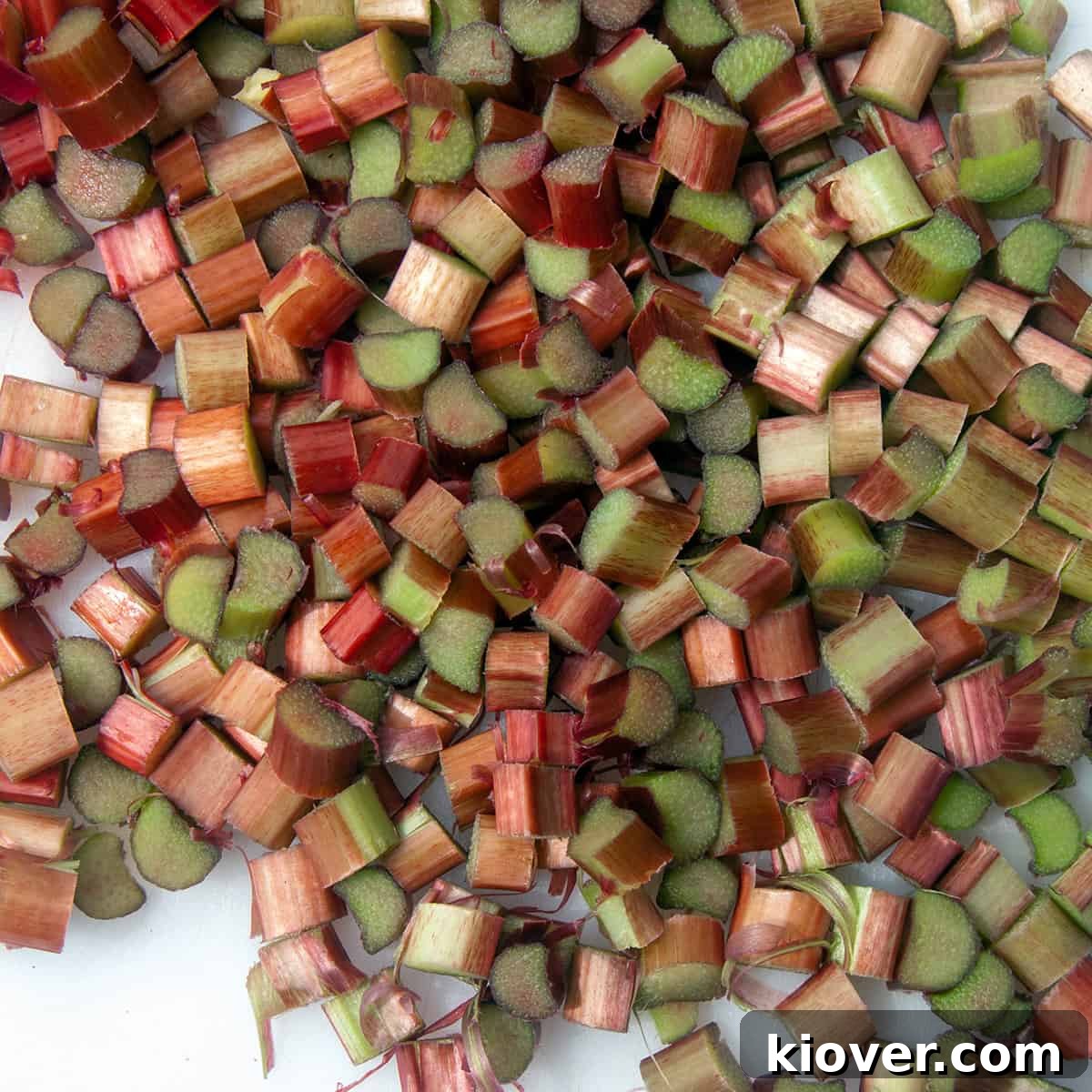
Step 1: Prepare Your Rhubarb. Begin by thoroughly washing your fresh rhubarb stalks under cool running water to remove any dirt, soil, or lingering garden debris. Critically, trim off both ends of the stalks and discard the leaves entirely, as they contain oxalic acid and are not safe for consumption. Once clean, chop the rhubarb stalks into approximately 1-inch (2.5 cm) pieces. Aim for uniform pieces, as this will ensure even cooking and optimal flavor extraction during the simmering process.
Step 2: Combine Ingredients. In a medium to large, heavy-bottomed saucepan, carefully combine the chopped rhubarb, granulated sugar, and measured water. Give the mixture a gentle stir with a spoon or spatula. This initial stir helps the sugar begin to dissolve and ensures that the rhubarb pieces are evenly coated, facilitating a more consistent infusion of flavors once heat is applied.
Step 3: Bring to a Boil. Place the saucepan over medium-high heat. Allow the mixture to gradually come to a full, rolling boil. This initial high heat is crucial for quickly breaking down the rhubarb’s fibrous structure and kickstarting the flavor extraction process. Keep a close watch on the pot to prevent the mixture from boiling over, especially as the rhubarb begins to soften and release its juices.
Step 4: Simmer to Perfection. Once the mixture reaches a boil, immediately reduce the heat to a gentle simmer. Allow it to cook for approximately 50 minutes, stirring occasionally to prevent sticking and ensure even cooking. During this extended simmering period, the rhubarb will soften significantly, practically melting into the liquid, and release its beautiful vibrant color and distinctive tangy flavor into the sugar water. The liquid itself will also begin to reduce and thicken slightly. The duration of simmering is a key factor that directly influences both the syrup’s ultimate thickness and the intensity of its rhubarb flavor. A longer simmer will yield a thicker, more concentrated syrup, while a shorter simmer will result in a lighter consistency and a more subtle flavor.
Step 5: Cool Slightly Before Straining. After the recommended simmering time, carefully remove the saucepan from the heat. It is vitally important to allow the mixture to cool down for at least 15-20 minutes before proceeding to the straining step. This cooling period serves multiple purposes: it makes the hot liquid safer to handle, and perhaps more importantly, it allows the rhubarb to continue infusing its flavor into the syrup as it gradually cools, leading to a richer and more profound taste profile. Additionally, the true viscosity of your syrup might not be fully evident until it has cooled considerably, as hot syrup will always appear much more fluid than its actual chilled consistency.
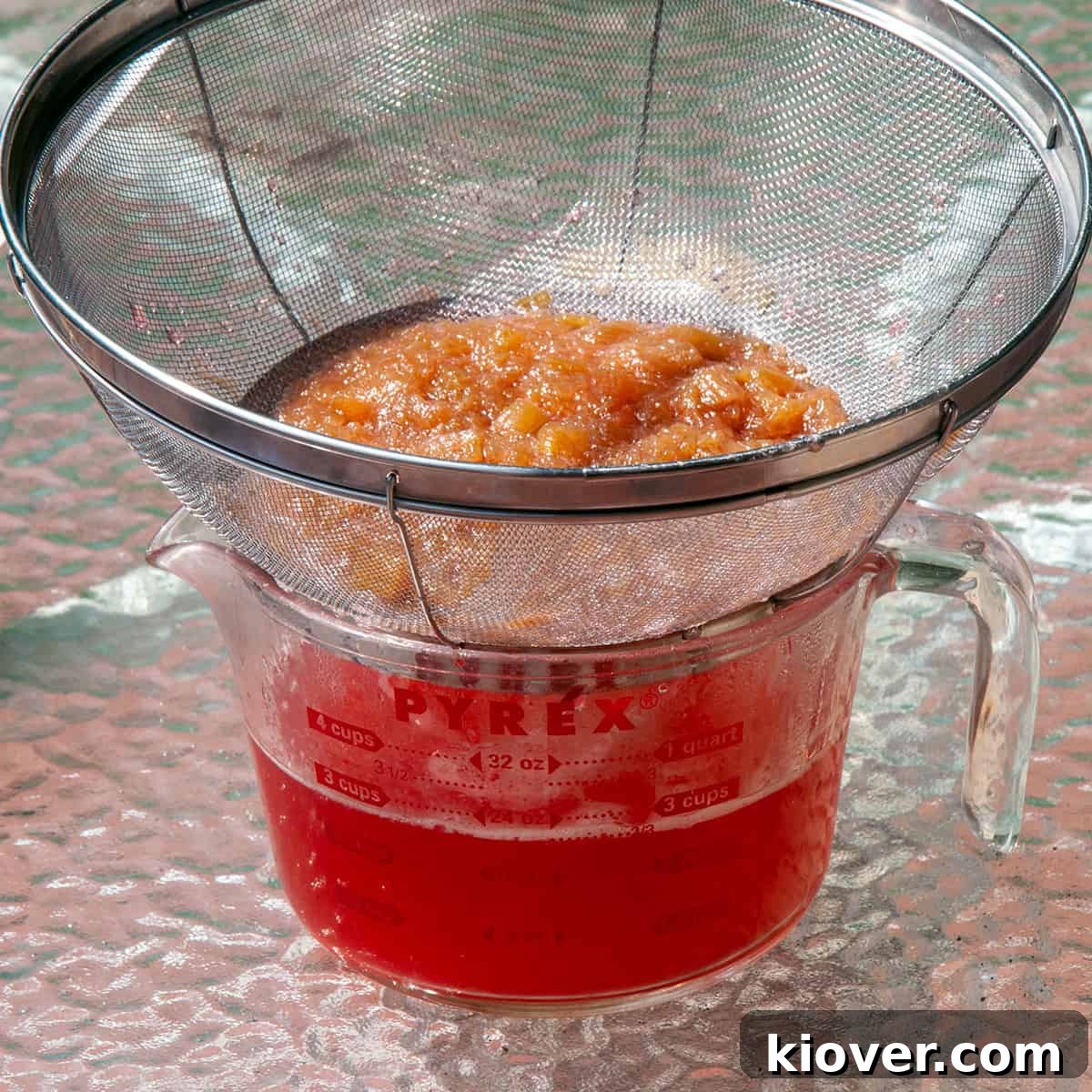
Step 6: Strain the Syrup. Once the mixture has cooled sufficiently to handle comfortably, it’s time to strain. Place a fine-mesh strainer over a clean, heatproof bowl or another suitable container. Carefully pour the entire rhubarb mixture into the strainer, allowing the liquid syrup to drip through into the bowl. Gently but firmly press the cooked rhubarb solids against the mesh of the strainer with the back of a spoon or a sturdy spatula to extract every last drop of the precious syrup. For an even clearer, sediment-free syrup, you can line your fine-mesh strainer with two or three layers of clean cheesecloth. The strained rhubarb pulp can then be discarded, composted, or even repurposed in baked goods or as a delicious compote.
Step 7: Final Cooling and Storage. Let the strained rhubarb syrup cool completely to room temperature before transferring it to a clean, sterilized, and airtight glass bottle or jar. Cooling fully before sealing the container is essential, as it prevents condensation from forming inside, which can introduce moisture and significantly reduce the syrup’s shelf life. Once completely cool, store your homemade rhubarb syrup in the refrigerator.
Remember, the syrup’s final thickness will be most apparent once it’s fully chilled. If you desire an even thicker syrup or a more intensely concentrated rhubarb flavor after the initial process, you can carefully pour the strained syrup back into a clean saucepan and simmer it a second time, gently reducing it further until it reaches your preferred consistency. While you could technically add more rhubarb to the initial mix, our recommended recipe provides an outstanding balance of flavor, sweetness, and viscosity, making it perfect for an exceptional cocktail mixer or a versatile culinary ingredient.
Exciting Substitutions and Flavor Variations
One of the true joys of crafting your own homemade rhubarb syrup is the boundless potential for customization and creative experimentation. While the classic recipe delivers a wonderfully balanced and pure rhubarb flavor, you can effortlessly introduce other complementary flavors to create unique and exciting variations that cater to your personal palate. Here are a few inspiring ideas to ignite your culinary creativity:
- Herbal Infusions: Elevate the rhubarb’s natural tang with the subtle sophistication of aromatic herbs. A small sprig of fresh rosemary, a few delicate thyme leaves, or even a handful of fresh mint added during the simmering process can introduce a beautiful, complex undertone. Consider adding a touch of fresh sage for a more earthy and savory profile, or a few basil leaves for a surprisingly refreshing and aromatic twist.
- Strawberry Rhubarb Synergy: The pairing of strawberry and rhubarb is a timeless classic for an excellent reason—their flavors marry perfectly. Incorporating an equal amount of chopped strawberries alongside the rhubarb during simmering will yield a syrup that is not only sweeter and more luscious but also boasts an even more vibrant and appealing pink hue. This strawberry rhubarb syrup is incredibly delicious and utterly perfect for summery drinks, fruit salads, and desserts.
- Alternative Sweeteners: While granulated sugar provides a clean, neutral sweetness that allows the rhubarb to shine, experimenting with other sweeteners can drastically alter and enhance the syrup’s character:
- Honey: Will impart a distinct floral, rich, and slightly viscous sweetness. When substituting honey, start with a slightly lesser amount than sugar and adjust to taste, as honey is often perceived as sweeter.
- Maple Syrup: Adds a warm, earthy, and distinctly autumnal flavor profile. Again, adjust quantities carefully to achieve your desired sweetness and avoid overpowering the rhubarb.
- Agave Nectar: A neutral-flavored liquid sweetener that can be used for a slightly thinner syrup, offering a clean sweetness with minimal flavor interference.
- Brown Sugar: For a deeper, more caramelized note that adds a hint of molasses. Be aware that brown sugar might affect the syrup’s clarity and slightly mute its vibrant pink color.
- Citrus Zest: Brighten and enhance the rhubarb syrup with the aromatic oils from citrus zest. Adding a few long strips of lemon, orange, or even lime zest (being careful to avoid the bitter white pith) to the pot during simmering will introduce refreshing citrus notes that beautifully complement and amplify the rhubarb’s inherent tartness.
- Spiced Rhubarb Syrup: For a warmer, more comforting, and intriguing syrup, incorporate whole spices during the simmering stage. A cinnamon stick, a few whole cloves, a star anise pod, or a small piece of fresh ginger can create a wonderfully fragrant and complex syrup, making it perfect for cooler weather cocktails, mulled drinks, or as a glaze for roasted meats.
- Vanilla Bean Infusion: A split vanilla bean, added to the pot during simmering, will infuse the syrup with a luxurious, creamy, and deeply aromatic essence. The smooth notes of vanilla beautifully complement and balance the rhubarb’s tartness, creating a truly gourmet syrup.
When embarking on these flavor experiments, always remember to start with small additions and taste as you go. This meticulous approach allows you to fine-tune the flavors precisely to your personal preference and ultimately discover your new favorite homemade rhubarb syrup variation!
Proper Storage for Extended Freshness
Once you’ve lovingly crafted your exquisite batch of homemade rhubarb syrup, proper storage becomes paramount to ensuring its longevity and meticulously maintaining its vibrant flavor and appealing color. Adhering to these essential guidelines will help you confidently enjoy your delicious syrup for weeks to come, minimizing waste and maximizing enjoyment:
- Cool Completely Before Sealing: This step is not merely a recommendation; it is absolutely critical for food safety and shelf life. After straining, it is imperative to allow the rhubarb syrup to cool down completely to room temperature before you transfer it to its storage container and seal it. Sealing a warm syrup will inevitably create condensation inside the container. This introduced moisture can significantly promote the growth of undesirable bacteria and yeasts, thereby drastically reducing the syrup’s freshness and overall shelf life.
- Choose the Right Container: Always opt for impeccably clean, sterilized, and airtight glass bottles or jars for storage. Glass is the material of choice because it is non-reactive, meaning it will not leach any unwanted flavors into your delicate syrup. Furthermore, ensure that the containers, along with their lids, are thoroughly washed and ideally sanitized (e.g., by boiling or running through a hot dishwasher cycle) before use to eliminate any potential contaminants.
- Refrigeration is Essential: Given its natural ingredients and the absence of artificial preservatives, homemade rhubarb syrup is a perishable item and absolutely must be stored in the refrigerator. The consistently cool temperatures within your fridge will effectively slow down the natural spoilage process, helping to maintain its freshness, vibrant color, and exquisite flavor profile.
- Optimal Shelf Life: When stored meticulously and correctly in a sealed, airtight container within the refrigerator, your homemade rhubarb syrup will typically retain its peak quality and freshness for up to one month. While some adventurous sources might suggest a slightly longer duration, adhering to a one-month timeframe is a safe and reliable practice to ensure optimal flavor, texture, and food safety.
- Vigilance for Signs of Spoilage: Always rely on your keen senses to check for freshness before using your syrup. If you observe any visual signs of spoilage, such as mold growth (which might appear as fuzzy spots of various colors), notice an unusual or “off” odor, or detect any signs of fermentation (like bubbling or a yeasty smell), it is unequivocally best to discard the syrup immediately to prevent any health risks.
- Label and Date: As a best practice for organization and food safety, it is highly recommended to clearly label your storage container with the date on which the syrup was made. This simple habit will help you effortlessly keep track of its freshness and ensure that you use it within the recommended optimal timeframe, guaranteeing you enjoy it at its very best.
By adhering to these comprehensive and simple storage tips, you can confidently and repeatedly enjoy your exquisite homemade rhubarb syrup, ensuring it remains perfectly fresh and ready to elevate any beverage or dish whenever the craving for a taste of spring strikes.
A Brief History of Rhubarb: From Ancient Medicine to Culinary Delight
Rhubarb, with its strikingly tart flavor and distinctive crimson-to-green stalks, boasts a history as rich, colorful, and intriguing as its taste. Far from being a recent culinary discovery, this fascinating plant has traversed continents and centuries, undergoing a remarkable transformation from a revered medicinal herb into a beloved and versatile ingredient in kitchens across the globe. Its journey is a testament to human ingenuity and the evolving relationship with the natural world.
The story of rhubarb begins deep in antiquity, thousands of years ago, specifically in the rugged, mountainous regions of Asia, particularly in China and Tibet. Ancient Chinese texts, with records dating back to at least 2700 BC during the reign of Emperor Shen Nung, meticulously document rhubarb’s powerful purgative and digestive properties. In traditional Chinese medicine, it was a highly valued and essential herb, utilized extensively for its ability to treat a wide array of ailments, including stomach complaints, fevers, and various intestinal issues. For many centuries, rhubarb was primarily cultivated not for its stalks, but for its robust roots, which were carefully harvested, dried, and then processed into a potent herbal remedy, making it an incredibly precious and sought-after commodity.
Rhubarb’s epic journey westward was a slow, challenging, and arduous one, unfolding over many centuries. It gradually made its way across the ancient Silk Road, a network of trade routes connecting East and West, reaching the Middle East by approximately the 10th century. Here, Arab traders further disseminated its medicinal fame and expanded its reach. By the 14th century, rhubarb finally made its much-anticipated appearance in Europe, initially introduced as an exotic and incredibly expensive drug. Its extreme rarity and prohibitive cost meant that it was often more expensive than other prized spices like saffron or cinnamon, and consequently, its use was largely reserved for apothecaries, alchemists, and the very wealthiest echelons of society.
It wasn’t until the 18th century that rhubarb began its pivotal transformation from a medicinal root to a widely appreciated culinary ingredient. The high cost of sugar in earlier centuries had previously limited its appeal as a foodstuff, as its extreme tartness required significant sweetening. However, as sugar became more affordable and readily available, particularly with the rise of sugar plantations, Europeans began to fully appreciate rhubarb’s unique and invigorating tartness in desserts. Its culinary use first flourished notably in England, where it rapidly became a popular ingredient in classic pies, tarts, crumbles, and jams, especially during the early spring months when other fresh fruits were still scarce.
The cultivation of rhubarb expanded dramatically across both Europe and North America during the 19th century, with specific regions becoming renowned for their specialized production. In Britain, the famous “Rhubarb Triangle” in West Yorkshire became a prominent center for “forced rhubarb” cultivation, a unique method involving growing rhubarb in darkened sheds to produce sweeter, more tender, and strikingly brighter red stalks. This era witnessed rhubarb solidify its status as a significant commercial crop, firmly cementing its enduring place in popular cuisine across the Western world.
Today, rhubarb is enjoyed globally, celebrated for its remarkable versatility and distinctive tart-sweet flavor profile. Its tangy notes are cherished in a wide array of dishes, ranging from traditional pies, refreshing compotes, and vibrant sauces to innovative savory applications and, of course, the refreshing and colorful cocktails that are wonderfully enhanced by this very syrup. The fascinating evolution of rhubarb from a precious medicinal root to a versatile culinary staple is a compelling testament to its enduring appeal, its unique character, and its remarkable ability to capture the very essence of spring in every delightful bite and refreshing sip.
Frequently Asked Questions About Rhubarb Syrup
Homemade rhubarb syrup offers a delightful and complex balance of sweet and tangy flavors, underpinned by a distinct tartness that is characteristic of fresh rhubarb. It’s bright, incredibly refreshing, and often carries a subtle earthy undertone. Many describe its taste as capturing the very essence of pure springtime, making it a fantastic and unique ingredient to add an exciting twist to classic recipes and everyday beverages alike.
Absolutely! Frozen rhubarb works perfectly for making this syrup and is an excellent way to enjoy the vibrant flavor of rhubarb year-round, even outside of its peak season. You don’t necessarily need to thaw it completely before adding it to the pot, but allowing it to thaw can sometimes contribute to a more even cooking process. Do keep in mind that frozen rhubarb may release more liquid than fresh, so the simmering time might require a slight adjustment to achieve your desired thickness and flavor concentration.
Yes, you can certainly substitute other natural sweeteners like honey, maple syrup, or agave nectar for granulated sugar in this recipe. However, it’s important to be aware that each alternative will alter the syrup’s flavor profile and potentially its final consistency. Honey will impart a richer, more floral sweetness, while maple syrup will contribute a warm, earthy, and distinctly autumnal note. Agave nectar tends to be more neutral. You might also need to adjust the quantity slightly, as these sweeteners can have different sweetness levels and liquid volumes compared to granulated sugar. Experiment to find your preferred balance!
Definitely! Rhubarb syrup is incredibly versatile and shines brilliantly in a wide array of non-alcoholic beverages. It makes a fantastic and sophisticated addition to homemade lemonade, sweetens iced tea with a unique tang, or can be simply mixed with sparkling water for an elegant and refreshing spritzer. You can also drizzle it over fresh fruit salads, yogurt, or use it as a flavorful glaze for baked goods and desserts. Its sweet and tangy profile complements a vast range of drinks and dishes, making it a true kitchen staple.
When stored correctly in a sealed, airtight container in the refrigerator, homemade rhubarb syrup will typically maintain its peak quality and freshness for up to one month. To maximize its shelf life, ensure the syrup is fully cooled to room temperature before sealing the container. Always give the syrup a quick check for any signs of spoilage, such as mold growth, an unusual off-odor, or fermentation (indicated by bubbling), before consumption.
Botanically speaking, rhubarb is classified as a vegetable, as it is grown and harvested for its edible stalks (petioles) rather than its fruit or seeds. However, it is almost exclusively treated culinarily as a fruit, particularly in desserts, due to its distinctly tart flavor profile. This culinary paradox is so prevalent that in the United States, a 1947 court ruling even legally declared rhubarb a fruit for tariff purposes, highlighting its unique position in the culinary world.
Rhubarb syrup is a fantastic and innovative mixer that can elevate a wide variety of cocktails. It particularly shines in drinks that benefit from a balanced tart-sweet element and a touch of unique flavor. Try it as the star in a refreshing Rhubarb Gin Fizz, a vibrant Rhubarb Margarita, a sophisticated seasonal Old Fashioned, or a zesty Rhubarb Moscow Mule. It also pairs wonderfully with prosecco or champagne for a light, effervescent spritzer. Its vibrant color and complex flavor can transform simple drinks into elegantly crafted and memorable concoctions.
Yes, you can! While the pulp might not have much liquid left, it retains some flavor and fiber. It can be added to muffins, quick breads, or oatmeal for extra texture and a hint of rhubarb taste. You could also mix it with a little extra sugar and use it as a simple compote for yogurt or ice cream, or even compost it for a sustainable gardening practice.
Essential Tips and Tricks for Success
Achieving the perfect rhubarb syrup is surprisingly easy, especially when you keep these helpful tips and tricks in mind. They’ll ensure your homemade syrup is flavorful, beautiful, and lasts longer:
- Fresh vs. Frozen Rhubarb: Both fresh and frozen rhubarb perform wonderfully in this recipe. If you’re using fresh, always prioritize stalks that are firm, crisp, and bright in color. If you’re using frozen rhubarb, there’s generally no need to fully thaw it before adding it to the pot; simply proceed with the recipe.
- Cleanliness is Key: Before chopping, always rinse your fresh rhubarb stalks thoroughly under cool running water to remove any lingering dirt, garden critters, or agricultural residues. A clean base is fundamental for a pure-tasting and safe syrup.
- Don’t Overcrowd the Pot: Ensure that your saucepan is sufficiently large to comfortably hold all the ingredients without being too full. This crucial step allows for even simmering, efficient heat distribution, and effectively prevents any messy boil-overs.
- Press for Maximum Flavor Extraction: After the simmering process and once the mixture has cooled slightly, gently but firmly press the cooked rhubarb solids against the mesh of your strainer. This simple action extracts maximum juice and flavor, ensuring you glean every precious drop of goodness from your rhubarb.
- Patience with Cooling: Resist the common urge to bottle your syrup immediately after straining. Allowing it to cool completely to room temperature before transferring it to containers and refrigerating is vital. This prevents condensation from forming inside the bottle, which can introduce unwanted moisture and significantly reduce the syrup’s shelf life.
- For a Brighter Pink Hue: To achieve a syrup with a more vibrant, eye-catching pink color, seek out rhubarb stalks that are deeper red in color. Greenish stalks will still yield a delicious syrup, but it will typically be a lighter, more golden hue. Both are fantastic, but the color can vary based on your rhubarb selection.
- Taste and Adjust: Once your syrup has cooled completely, feel free to give it a taste. If you find you prefer it sweeter, you can gently add a touch more granulated sugar and reheat the syrup just enough for the sugar to fully dissolve. If you desire a slightly tart zing, a small squeeze of fresh lemon juice can effectively brighten the flavors.
- Label and Date Your Bottles: As a best practice for food storage and organization, once your syrup is bottled, clearly label each container with the date it was made. This simple habit helps you easily keep track of its freshness and ensures you enjoy it within its optimal timeframe, preventing any guesswork.
Recommended Products for This Recipe
While this homemade rhubarb syrup recipe is beautifully simple and requires minimal specialized equipment, a few key items can significantly enhance the preparation process, make it smoother, and help ensure you achieve the very best results:
- Fine Mesh Strainer: This is an absolutely essential tool for this recipe. A high-quality fine mesh strainer is crucial for efficiently separating the liquid syrup from the cooked rhubarb pulp, guaranteeing a clear, smooth, and sediment-free final product. Investing in a durable one will serve you well for many culinary adventures.
- Glass Bottles or Jars with Airtight Lids: Perfect for storing your freshly made syrup in the refrigerator. Opt for glass containers with reliable, airtight seals to effectively maintain the syrup’s freshness, prevent contamination, and preserve its vibrant flavor and color for longer periods.
- Heavy-Bottomed Saucepan: While any saucepan will work, a sturdy, heavy-bottomed saucepan is highly recommended. Its design ensures that heat is distributed more evenly across the base, which is crucial for preventing scorching, particularly during the longer simmering process, and contributes to a consistently well-cooked syrup.
- Cutting Board and Sharp Knife: For safely and efficiently chopping your rhubarb stalks into uniform pieces. A good quality, sharp knife makes prep work much easier and safer.
Did You Make This Recipe? Share Your Creation!
It’s absolutely fantastic that you’ve given this vibrant homemade Rhubarb Syrup recipe a try! Your efforts to bring the delightful taste of spring into your kitchen are truly appreciated, and we’re so glad you chose our guide. We would be absolutely thrilled to hear about your experience. If you enjoyed making and using this exquisite syrup, please consider taking a moment to leave a rating and a comment in the section below. Your valuable feedback not only helps us improve our recipes and content but also guides and inspires other home cooks in their own culinary adventures. Don’t forget to sign up for our newsletter to receive more delicious seasonal recipes, exclusive kitchen tips, and exciting updates directly in your inbox. And if you’re proud of your beautiful rhubarb syrup creations, we’d love for you to share them on Pinterest, tagging us so we can see your work! Thank you for being a wonderful part of the Ramshackle Pantry community.
Print Recipe
Rhubarb Syrup for Cocktails
★★★★★
5 from 3 reviews
- Author: Ben Myhre
- Prep Time: 20 minutes
- Cook Time: 1 hour
- Total Time: 1 hour 20 minutes
- Yield: 32 Ounces
- Category: Cocktails
- Method: Simmer
- Cuisine: American
Description
This Rhubarb Syrup is a versatile sweetener perfect for cocktails, mocktails, and any recipe that could use a touch of vibrant springtime flavor. It’s easy to make and stores well, bringing the essence of spring to your table.
Ingredients
- 6 cups chopped fresh rhubarb
- 2 1/4 cups sugar
- 2 1/4 cups water
Instructions
- Add all ingredients to a large pot and bring to a boil over medium-high heat.
- Reduce to a gentle simmer and cook for approximately 50 minutes, or until the rhubarb is very soft and has released its color and flavor.
- Remove from heat and allow the mixture to cool down slightly for about 15-20 minutes.
- Strain the syrup through a fine-mesh strainer into a clean bowl, pressing the solids gently to extract all liquid. Allow the strained syrup to cool completely to room temperature.
- Transfer to a sealed container, store in the fridge, and use within one month for best freshness.
Notes
- Fresh rhubarb works great, but frozen rhubarb (thawed or unthawed) would also work perfectly for this recipe.
- Always rinse off your fresh rhubarb stalks thoroughly to remove any dirt or debris before chopping.
- For a clearer syrup, line your fine-mesh strainer with a few layers of cheesecloth.
- If you desire a thicker syrup, you can simmer the strained syrup for an additional 10-15 minutes until it reaches your preferred consistency.