
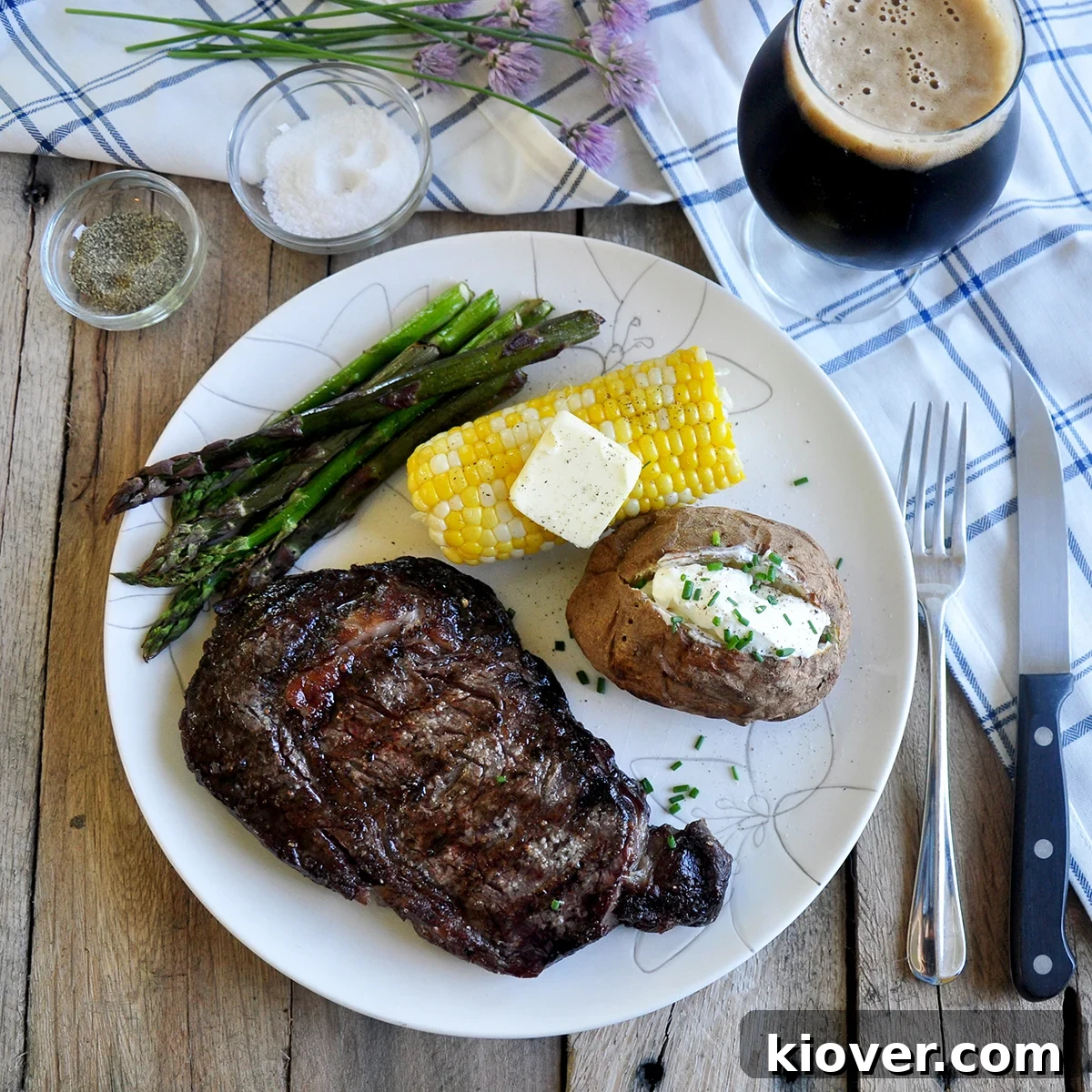
Mastering the art of grilling steak is a rewarding culinary journey, and our comprehensive guide, “Grilling Steak Like a Boss,” is here to walk you through every essential step. Prepare to unlock the secrets to creating some of the most succulent and flavorful steaks you’ve ever tasted. So, fire up your grill, sharpen your notepad, and get ready to transform your backyard into the ultimate steakhouse.
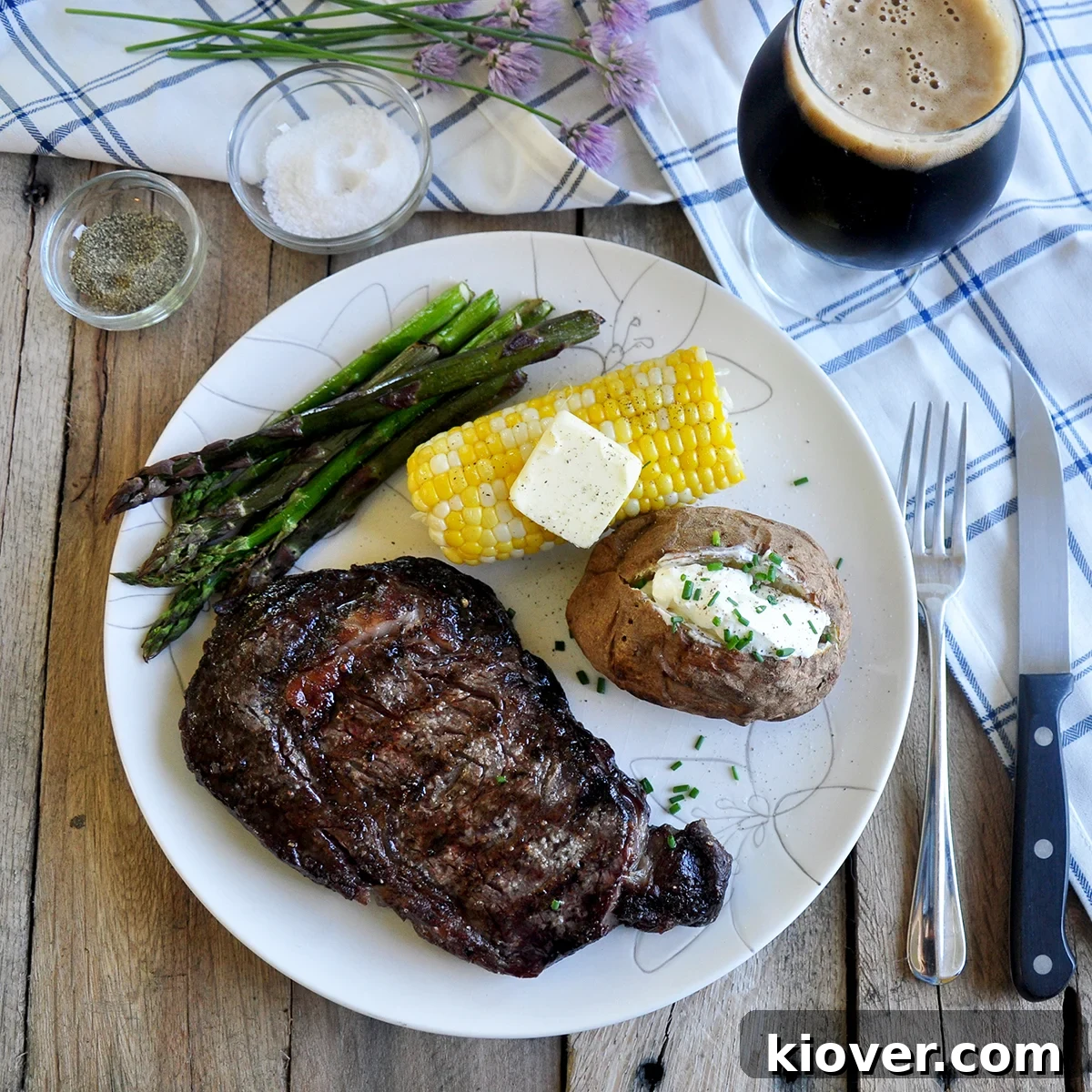
As the weather beckons us outdoors, it’s the perfect time to revisit the timeless pleasure of outdoor cooking. What better way to celebrate the grilling season than by tackling the undisputed monarch of the barbecue: the almighty ribeye steak? Today, we’re diving deep into the world of steak grilling, providing you with all the knowledge and techniques required to craft an exceptional slab of beef right in your own backyard.
A perfectly grilled steak represents the zenith of backyard culinary achievement. It’s an experience that transcends mere cooking, embodying skill, passion, and a touch of heroism. While the act of grilling steak is a craft that offers endless opportunities for refinement, anyone can achieve remarkable results with the right guidance. Gather your grilling essentials, plan a visit to your local butcher for the finest cut, and join us as we explore the best methods for grilling steak to absolute perfection.
Preparation is Paramount: Planning for the Perfect Steak
The journey to grilling an extraordinary steak begins long before the meat even touches the hot grates. Strategic planning and informed choices are crucial to ensuring every bite is sensational. From selecting the ideal equipment to choosing the perfect cut of beef, each decision plays a vital role in the final outcome. Many believe grilling is all about technique over heat, but the truth is, laying a solid foundation with thoughtful preparation is truly half the battle.
While some lesser-known cuts can certainly be elevated with specific preparation methods, our focus today is on mastering the “cream of the crop.” To start your grilling adventure on the right foot, it’s essential to consider all aspects of your approach before you even think about igniting the flame. This foresight ensures you’re equipped for success, leading to an unforgettable grilling experience.
Essential Equipment for Grilling Steak Like a Pro
Your grilling equipment significantly influences your cooking process and results. While the fundamental principles of grilling remain consistent, the type of grill you use will dictate certain adjustments. For this guide, we’re primarily using a Weber Genesis gas grill, which features a dedicated sear station. The convenience of a gas grill, with its quick heat-up time and precise temperature control, makes setting up a breeze. However, rest assured that these instructions can be adapted to various grill types with a little mindfulness.
Though I appreciate the ease of my gas grill, I often ponder the unique flavors imparted by a charcoal grill. There’s an undeniable smoky depth that charcoal brings, which is hard to replicate. While I don’t own a separate smoker, my Genesis is equipped with a smoke box, allowing me to infuse a subtle smoky aroma and flavor into my steaks. Ultimately, the choice between gas and charcoal comes down to personal preference and priorities – speed versus traditional smoky essence. Imagine having an arsenal of grills: gas, charcoal, pellet, and electric smokers! For today’s grilling masterclass, however, our trusty Weber Genesis will be leading the charge.
Beyond the grill itself, a few essential tools are indispensable for achieving steakhouse-quality results. A sturdy pair of tongs is a must for handling your steak safely and efficiently. Crucially, a reliable meat thermometer is your best friend when aiming for precise doneness. If you don’t already own one, now is the time to invest. Seriously, a good digital meat thermometer is vital for grilling. While some experienced grillers swear by the “touch test,” even seasoned chefs can miss the mark. As backyard grillers investing in quality cuts, why risk undercooking or, worse, overcooking? A thermometer eliminates guesswork, ensuring your steak is cooked exactly to your preference every single time.
Choosing Your Champion: The Best Cuts of Steak for Grilling
For years, the T-Bone reigned supreme in my personal steak hierarchy. There’s something undeniably satisfying about that substantial cut, with its distinct bone offering both flavor and a primal gnawing experience. Renowned culinary authority Serious Eats highlights four high-end steaks every enthusiast should know: Ribeye, Strip, T-Bone (or Porterhouse), and Tenderloin. My grilling explorations for this guide, however, sent me down a delightful rabbit hole that profoundly expanded my palate. The verdict? The RIBEYE truly shines as the ultimate grilling steak. Here are compelling reasons why a ribeye might become your new favorite:
- Uniformity for Consistent Cooking: Compared to T-Bones and Porterhouses, the ribeye boasts a more uniform thickness. While I still appreciate the T-Bone (which, anatomically, comprises two distinct cuts), I’ve discovered that the ribeye offers greater control over internal temperature and doneness. This uniformity significantly increases your chances of achieving your desired doneness across the entire steak, minimizing the risk of unevenly cooked areas often found in multi-cut steaks.
- Unmatched Flavor and Marbling: The ribeye is celebrated for its abundant marbling – those delicate streaks of intramuscular fat that melt during cooking, infusing the meat with incredible juiciness and rich beefy flavor. While the tenderloin is prized for its exceptional tenderness, it often lacks the robust flavor of a ribeye, which is why it’s frequently wrapped in bacon to compensate. The ribeye offers a perfect balance of tenderness and flavor, requiring no added embellishments. On the other hand, a sirloin strip, while flavorful, tends to be less tender than a ribeye.
- Bone-In Brilliance (Optional): Part of the allure of a T-Bone is the opportunity to savor the meat right off the bone. While not all ribeyes are sold bone-in, you can certainly opt for one. For an even more dramatic presentation, seek out a “tomahawk steak,” which is essentially a bone-in ribeye with an extended, French-trimmed rib bone. It’s important to note that with colossal bones like those on a tomahawk, you might be paying more for the impressive visual “experience” rather than a significant enhancement in flavor from the bone itself. However, the presence of a bone can contribute to more even cooking and add to the overall sensory pleasure.
Procuring the Perfect Ribeye: A Guide to Quality
Understanding beef grading is key to selecting a truly exceptional ribeye. In the United States, beef is primarily graded into three categories for retail sale: Prime, Choice, and Select. These grades reflect the beef’s tenderness, juiciness, and flavor, primarily based on the amount of marbling. Prime cuts represent the highest quality, boasting abundant marbling and exceptional tenderness. Choice beef is also high quality with good marbling, making it widely available and popular. Select beef is leaner with less marbling, generally offering less flavor and tenderness.
Most standard grocery stores typically stock Choice and Select grades. Prime cuts, being rarer and more premium, are often found at specialty butcher shops or can be ordered from high-end retailers. In my experience, Prime steak makes occasional appearances in local grocery stores, usually coinciding with major holidays like the 4th of July or Memorial Day. It’s important to remember that these grades are assigned visually and in bulk, meaning there can be variations within each category. You might discover a particularly well-marbled Choice cut that rivals some Prime cuts, or occasionally encounter a Prime cut that doesn’t quite meet expectations.
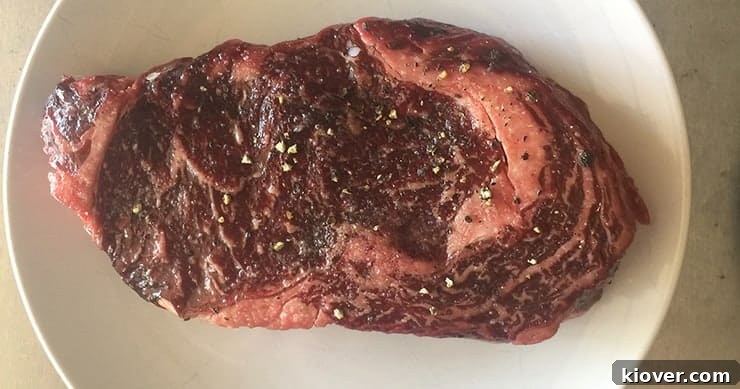
When selecting your ribeye, regardless of the grade, pay close attention to its appearance. Look for a vibrant red color and, most importantly, generous, evenly distributed marbling. These delicate white streaks of fat are crucial for flavor and moisture. Avoid steaks with excessive connective tissue or large, uneven fat pockets. For instance, I once encountered some “Prime” ribeyes that, despite beautiful marbling, were awkwardly shaped and didn’t appear to be worth the premium price. Always trust your eyes; if a steak looks unappealing or unusually structured, it’s best to pass. For this very guide, I scoured my city for a Prime ribeye but had no luck. However, a fantastic Choice cut with excellent marbling will still yield an outstanding grilled steak.
The Importance of Ribeye Thickness
When it comes to grilling steak, thickness truly matters. Pass on those thin, one-inch cuts in the meat case. For a truly satisfying and perfectly cooked steak, aim for a ribeye that is at least 1.5 inches thick, ideally approaching 2 inches. Thicker steaks allow for a proper sear on the exterior without overcooking the interior, giving you that coveted juicy, pink center.
Grilling Steak Mastery: The Fundamental Basics
Before we delve into the grilling process, I must acknowledge the invaluable resource that is Serious Eats. Their extensive research and detailed guides, particularly their comprehensive post on steaks, served as a significant source of inspiration for this tutorial. Their commitment to culinary excellence is truly admirable.
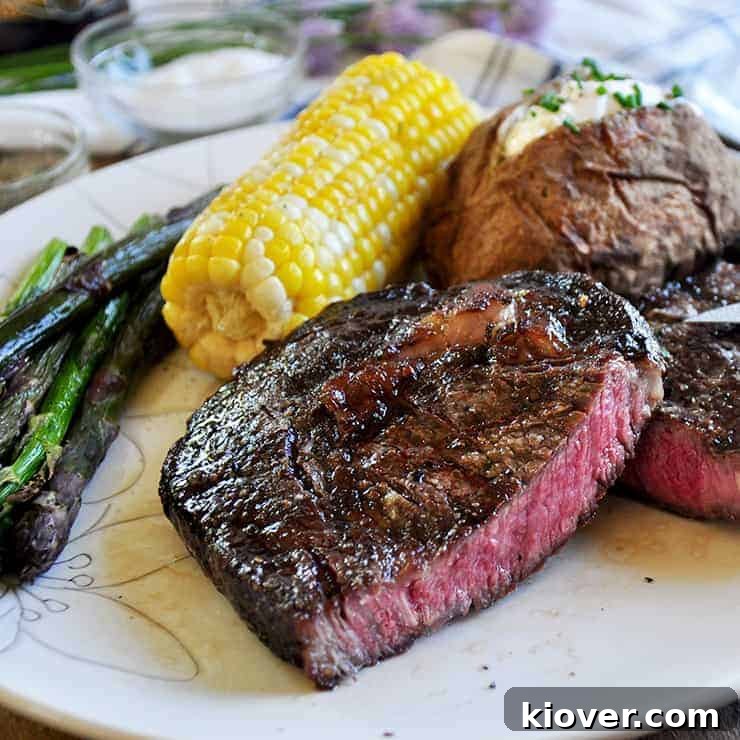
The essence of grilling a superb steak lies in achieving a beautiful, crusty sear on the outside while maintaining a tender, juicy interior that ranges from a deep red rare to a vibrant pink medium-rare (my personal preference). This balance of textures and temperatures is what defines a truly “boss-level” grilled steak.
Preheating Your Grill and Understanding Heat Zones
To achieve that perfect sear, proper grill preheating and zone management are non-negotiable. Your grill needs to be divided into at least two distinct heat zones. One area should be intensely hot – this is your “sear zone” – while the other should be significantly cooler, providing indirect heat. If you’re using a charcoal grill, this means arranging more coals on one side for high heat and fewer coals (or no coals) on the other for a cooler zone. For gas grill users with multiple burners, this translates to having one side on high and the adjacent side set to very low or even off. My Weber Genesis, for example, features a “Sear Station,” which is essentially an extra-hot burner designed specifically for creating an exceptional crust. While not strictly necessary, it certainly gives an extra boost to that coveted steak sear.
The Art of the Steak Sear: Unlocking Flavor and Texture
The magnificent brown, crusty exterior of your steak is not just visually appealing; it’s a testament to the Maillard reaction. This complex chemical process, occurring when amino acids and reducing sugars react at high temperatures, is responsible for the incredible depth of flavor, inviting aroma, and desirable texture we associate with perfectly seared meats. It’s that irresistible smell that wafts from a neighbor’s yard, instantly signaling that delicious grilling is underway. The sear creates a flavorful crust that enhances the natural taste of the beef, a characteristic that can elevate any cut of meat.

The Grilling Process: Direct and Indirect Heat Cooking
While there are several effective ways to grill a steak, I have a preferred method that consistently delivers excellent results. My technique involves initiating the cooking process with an aggressive sear on the hottest zone of the grill. After achieving a rich, brown crust on both sides, I then transfer the steak to the cooler, indirect heat zone to finish cooking until it reaches the desired internal temperature. This approach allows for optimal crust development without overcooking the interior, providing a more foolproof path to perfect doneness than other methods.
Alternatively, many chefs and home cooks favor the “reverse sear” method. This technique involves cooking the steak gently over indirect heat first, bringing it close to the target internal temperature, and then finishing it with a quick, intense sear on both sides. The reverse sear is a perfectly legitimate and highly effective way to cook a steak, often resulting in an incredibly even cook from edge to edge. While both methods have their merits, I personally find the sear-first approach more intuitive and reliable for hitting my desired temperature with a beautiful crust.

Precision Doneness: The Unsung Hero – Your Meat Thermometer
While the “touch test” is a traditional method for gauging steak doneness, it requires significant experience and often leads to inconsistent results for the casual griller. I’ve certainly tried it, and I’ve also ruined a few good steaks in the process! This is precisely why I advocate for the consistent use of a reliable meat thermometer. When you’re investing in a premium cut like a ribeye, there’s absolutely no shame in using a thermometer to ensure perfect doneness. It’s the most accurate and stress-free way to achieve your desired results. I wholeheartedly promote its use.
Here’s a general temperature guide to help you achieve your preferred doneness, measured at the thickest part of the steak before resting:
- Rare: 120-125°F (49-52°C) – Cool red center.
- Medium-Rare: 130-135°F (54-57°C) – Warm red center. This is often considered the ideal doneness for premium steaks.
- Medium: 135-140°F (57-60°C) – Warm pink center.
- Medium-Well: 140-145°F (60-63°C) – Slightly pink center.
- Well-Done: 150°F+ (66°C+) – Little to no pink.
Remember that the internal temperature will rise a few degrees during resting, so remove the steak from the grill just before it hits your target temperature. For a more detailed guide, this chart from Certified Angus Beef is an excellent resource.
The Great Debate: Why the Discourse Around Well-Done Steaks?
First and foremost, let me be clear: you should grill your steak exactly how you enjoy it. Never let others dictate your culinary preferences. While many people jest about well-done steaks, I suspect a large portion simply repeat what they’ve heard without a truly informed opinion. However, there are legitimate culinary reasons behind the common preference for rarer steaks.
I once encountered a fantastic Reddit thread where a chef eloquently explained it. He highlighted that the entire journey of a premium cut of beef – from the meticulous raising of the cattle, to the careful selection by a chef, and ultimately to the thoughtful recipe design – is orchestrated around serving the steak at a rare to medium-rare doneness. If you order such a steak well-done, the chef argued, you are essentially altering the intended experience. While you might still enjoy it, you won’t be tasting the meat as its creators and preparers intended.
This logic holds significant weight, and the full comment thread offers even more interesting insights. Yet, at the end of the day, while I personally prefer my steak blushing red, if you prefer it charred to oblivion, then all power to you. I won’t deny that I might offer a playful remark if I’ve just paid a hefty sum for a well-done steak that I personally cooked. But ultimately, it’s your grill, your rules. Enjoy your steak precisely the way you like it!
Marinades: To Use or Not to Use?
For me, when it comes to a truly great steak, marinades are generally unnecessary. I’m not saying I’ll never use one, but it’s rarely my go-to. I firmly believe that a high-quality cut of beef, especially a well-marbled ribeye, possesses such inherent flavor that it doesn’t require extensive marination. My preferred pre-grilling routine is simple yet effective: about an hour before grilling, I lightly coat the steak with olive oil, then generously season it with coarse salt and freshly ground black pepper. These seasonings are intended not to mask, but to enhance the steak’s natural flavors and contribute to the development of that delicious, savory crust during the searing process.
Exploring Advanced Techniques: Sous Vide Steak
While our focus today is on direct grilling, it’s worth mentioning an advanced cooking method that can elevate your steak game even further: sous vide. This technique involves cooking food in a precisely temperature-controlled water bath for extended periods. The result is an incredibly tender, perfectly cooked steak from edge to edge, with absolutely no risk of overcooking. While not covered in detail here, sous vide is a fantastic method that pairs beautifully with grilling; you still need to finish the steak with a quick sear on the grill to develop that irresistible crust. I personally own a sous vide machine and have cooked some truly killer steaks with it, achieving a level of tenderness and consistency that’s hard to match with traditional grilling alone.
Simplify Your Steak Sourcing: Try Butcher Box
If the idea of meticulously selecting cuts and grades feels overwhelming, consider entrusting the experts. Services like Butcher Box deliver high-quality, ethically sourced meats right to your doorstep. It’s a convenient solution that ensures you always have premium steaks ready for your grill, taking the guesswork out of sourcing. It’s a fantastic way to elevate your cooking with minimal effort.
We’ve embarked on a thorough deep dive into the art and science of grilling steak, covering everything from selecting the right cut to mastering grilling techniques. I sincerely hope this exploration has been as insightful for you as it was for me to compile. There’s immense satisfaction in honing your grilling skills and enjoying the delicious results. If you found this guide helpful and inspiring, please consider subscribing to our email updates and following us on Instagram for more culinary adventures!
Recommended Products for This Recipe
- Weber Genesis III Gas Grill
- High-Quality Digital Meat Thermometer
- Durable Grill Tongs
Print

Grilling Steak Like a Boss
5 Stars 4 Stars 3 Stars 2 Stars 1 Star
5 from 2 reviews
Author: Ben Myhre
Prep Time: 12 Hours
Cook Time: 10 minutes
Total Time: 12 Hours 10 Minutes
Yield: 4 Servings
Category: Grilling
Method: Grilling
Cuisine: American
Description
There’s absolutely no reason you can’t prepare an exceptional steak, and this comprehensive guide provides all the necessary information to grill a truly wonderful one. While this recipe suggests four servings, for me, a truly magnificent steak on a special occasion is often a single, indulgent serving. So go ahead, treat yourself!
Ingredients
- 1 Pound Ribeye (preferably 1.5 to 2 inches thick)
- 2 Tablespoons Olive Oil
- Coarse salt and freshly cracked black pepper, to taste (be generous!)
Instructions
- Optional Overnight Prep: The night before grilling, unwrap the steak and place it uncovered on a plate in the refrigerator. This dry-brining helps tenderize and enhance flavor.
- Bring to Room Temperature: Approximately 30-60 minutes before you plan to start grilling, remove the steak from the refrigerator.
- Season Generously: Lightly coat the ribeye with olive oil, then rub generously with coarse salt and freshly cracked black pepper on all sides.
- Rest at Room Temperature: Allow the seasoned steak to rest on the counter while your grill preheats. This ensures a more even cook.
- Preheat Your Grill for Zones: Preheat your grill to create two distinct heat zones: one side should reach a screaming hot temperature of 500°F (260°C) for searing, and the other side should be set to a very low, indirect heat for finishing.
- First Sear: Once the hot zone is preheated and the grates are scorching, place the steak directly over the high heat. Sear for 90 seconds.
- Second Sear: Flip the steak and sear the other side for another 90 seconds to create an even crust.
- Move to Indirect Heat: Carefully move the seared steak to the cooler, indirect heat zone of the grill.
- Continue Cooking: Allow the steak to cook for approximately 3-5 minutes per side on the indirect heat. Remember, the thickness of your steak will significantly impact cooking time. Do not hesitate to use your meat thermometer for accuracy.
- Check Doneness with Thermometer: Use your digital meat thermometer to check the internal temperature in the thickest part of the steak. Remove from grill when it reaches 125°F (52°C) for rare, 135°F (57°C) for medium-rare, or 140°F (60°C) for medium.
- Rest Your Steak: Transfer the cooked steak to a cutting board and allow it to rest for at least 5-10 minutes. This allows the juices to redistribute, ensuring a tender and moist result.
- Serve and Enjoy: Slice against the grain and savor your perfectly grilled, boss-level steak!
Notes
- Always choose a thick-cut steak, ideally at least 1.5 inches for best results.
- Ensure you understand and utilize grill heat zones: a high-heat zone for searing and a low-heat, indirect zone for finishing.
- Invest in and use a reliable digital meat thermometer to achieve exact desired doneness temperatures.
- Ultimately, enjoy your steak cooked precisely to your personal preference – it’s your meal!
Nutrition
- Serving Size: 1 Whole Steak
- Calories: 1359
- Sodium: 221 mg
- Fat: 107 g
- Saturated Fat: 36 g
- Unsaturated Fat: 23 g
- Trans Fat: 0 g
- Carbohydrates: 0 g
- Fiber: 0 g
- Protein: 70 g
- Cholesterol: 300 mg