
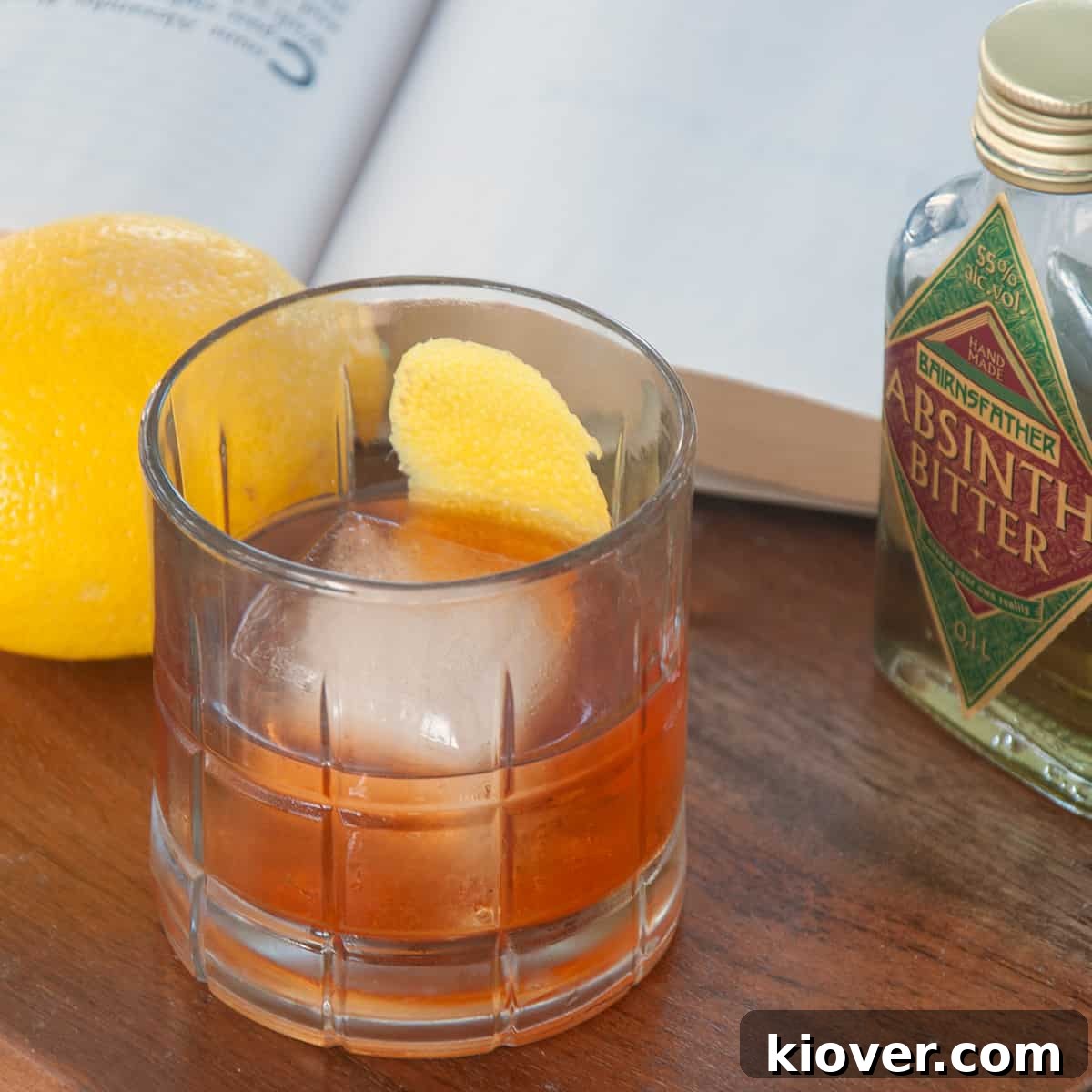
The Ultimate Guide to Crafting the Classic Sazerac Cocktail
Step into the rich heritage of New Orleans with the Sazerac cocktail, an iconic libation that boasts unparalleled character and a fascinating history. This isn’t just a drink; it’s a journey back to the mid-19th century, a time when this exquisite blend of Rye Whiskey and Absinthe first captivated palates in the Crescent City. Known as the official cocktail of New Orleans, the Sazerac is a testament to the art of mixology, offering a sophisticated balance of spice, sweetness, and a subtle herbaceous whisper.
Forget generic concoctions and prepare to elevate your home bar. With this comprehensive guide, you’ll master the creation of an authentic Sazerac, impressing guests and delighting your own senses. We’ll delve into the nuanced interplay of its few, yet essential, ingredients, ensuring every sip transports you to the lively streets of its birthplace.
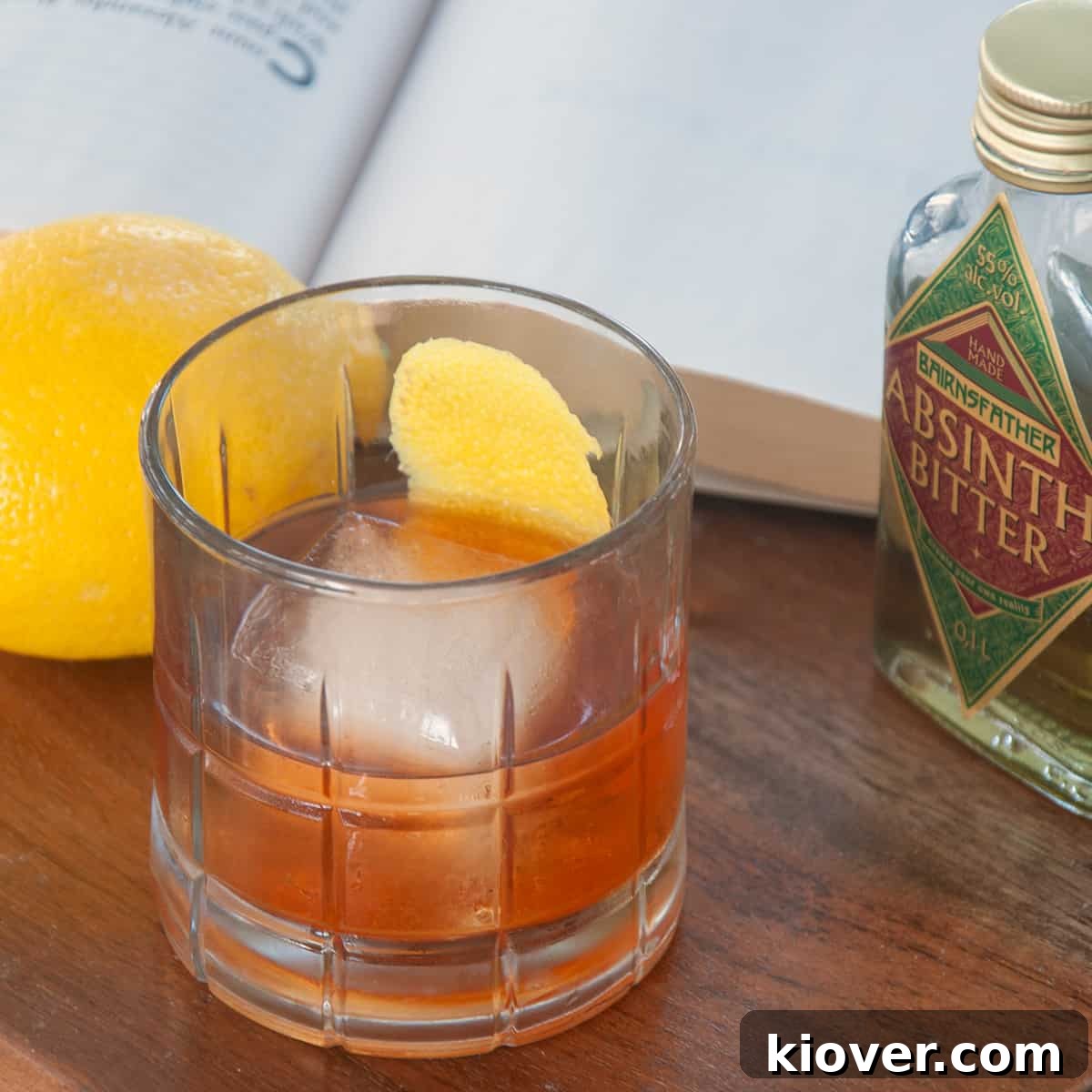
🥃 What Makes This Classic Sazerac Recipe Truly Special?
The Sazerac, while deceptively simple in its ingredient list, demands precision and an understanding of its components to achieve perfection. This recipe stands out because it demystifies the process, guiding you through each step with clarity to ensure a perfectly balanced and authentic cocktail. Many home mixologists find the Sazerac challenging due to its delicate equilibrium – too much of one ingredient can throw the entire drink off. Our approach emphasizes patience and the correct application of each element, allowing even novice enthusiasts to craft a professional-grade Sazerac.
Beyond its simplicity, this recipe celebrates the Sazerac’s heritage. It’s more than just a set of instructions; it’s an invitation to experience a piece of New Orleans history. We focus on the quality and specific characteristics of each ingredient, explaining their roles in creating the cocktail’s signature profile. This dedication to detail transforms a mere drink into an experience, highlighting the subtle dance between robust rye, aromatic bitters, and the ethereal mist of absinthe.
If you’re exploring the world of classic cocktails, don’t stop here! Expand your repertoire with other exciting concoctions like our Monkey Gland Cocktail, a traditional Old Fashioned, or perhaps this intriguing Penicillin recipe. For a truly immersive New Orleans experience, pair your Sazerac with some authentic local cuisine, such as this delicious Baked Shrimp Po’ Boy with Remoulade Sauce.
Table of Contents
- 🥃 What Makes This Recipe Special?
- 🍾 The Essential Ingredients
- 🍲 Step-by-Step Sazerac Instructions
- 🤷 Substitutions and Variations for Your Sazerac
- 🎓 A Sip Through History: The Story of Absinthe and the Sazerac
- ❓ Frequently Asked Questions About the Sazerac
- 📝 Mastering the Sazerac: Tips and Tricks
- 🛠 Tools for the Trade: Products Used in This Recipe
- 😋 Share Your Sazerac Experience!
- The Best Sazerac Recipe
🍾 The Essential Ingredients for a Perfect Sazerac
A true Sazerac relies on a select few, yet highly specific, ingredients. Each component plays a crucial role in building the cocktail’s complex flavor profile, making quality and type paramount for an authentic experience.
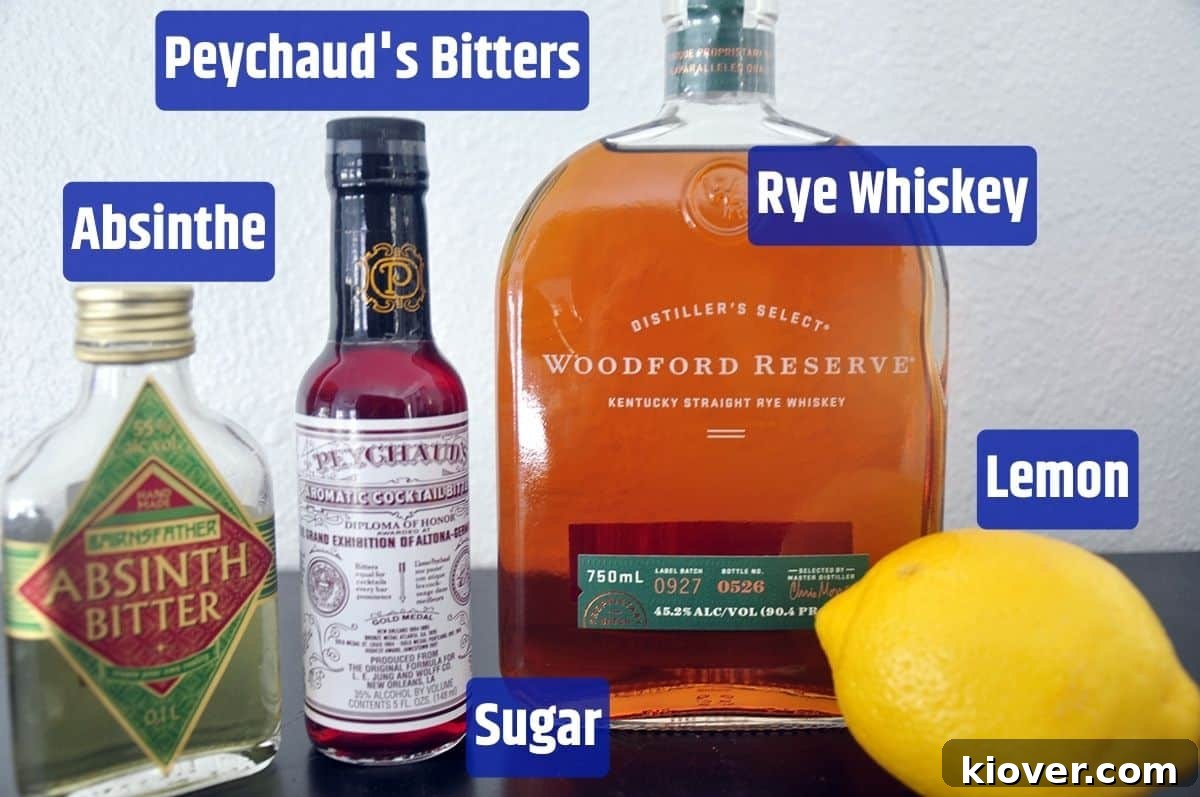
- Granulated Sugar or Sugar Cube
- Peychaud’s Bitters
- Rye Whiskey (or Bourbon)
- Absinthe (or Herbsaint)
- Fresh Lemon Twist
The inspiration for this recipe, particularly regarding the foundational elements, comes directly from The Sazerac Company’s historical recipe. It’s fascinating to consider that The Sazerac Company traces its roots back to The Sazerac Coffee House in New Orleans, where this cocktail first gained renown in the mid-1800s, quickly transforming the coffee house into a celebrated bar. While my final recipe offers a refined approach, it deeply respects this historical lineage. Let’s explore each key ingredient in more detail to understand their profound impact on the Sazerac.
Rye Whiskey: The Heart of the Sazerac
The spirit base of the Sazerac has an intriguing evolution. Originally, the cocktail was crafted with French Cognac. However, as the late 1800s ushered in new tastes and the availability of American spirits grew, Rye Whiskey quickly replaced Cognac, becoming the defining spirit of the Sazerac we know today. Rye, with its distinct spicy and dry notes, offers a robust backbone that stands up to the powerful aromatics of absinthe and bitters, creating a beautifully integrated flavor profile that Cognac simply can’t replicate.
Choosing the right rye whiskey is crucial, as its character significantly influences the final drink. Given that there are only a few ingredients, the quality and flavor profile of your whiskey will shine through. I personally favor Woodford Reserve Rye for its balanced complexity, but the Sazerac brand rye whiskey is also an excellent, historically appropriate choice. While traditionalists will insist on rye, a good quality bourbon can also be used for a slightly sweeter, softer variant, though it deviates from the classic profile. Experiment with your preferred rye to find the perfect expression for your Sazerac.
Peychaud’s Bitters: The Aromatic Soul
No Sazerac is complete without Peychaud’s Bitters. This isn’t merely a suggestion; it’s a fundamental requirement for an authentic Sazerac. Unlike the more ubiquitous Angostura bitters, Peychaud’s offers a unique aromatic bouquet dominated by notes of anise, cherry, and a subtle floral quality. Its lighter, fruitier essence is indispensable to the Sazerac’s identity, providing a delicate spice and complexity that distinguishes it from other whiskey cocktails.
The history of Peychaud’s is intertwined with the Sazerac itself. Antoine Peychaud, a Creole apothecary in New Orleans, formulated these bitters in the early 1800s, using them to enhance his medicinal “tonics” and, famously, his brandy cocktails. The Sazerac Company acquired the brand in the 1800s, solidifying its place in cocktail history. While once a small-batch apothecary product, Peychaud’s Bitters is now a globally recognized brand, yet its unique flavor remains unchanged and irreplaceable in this classic cocktail.
Absinthe: The Enigmatic Finisher
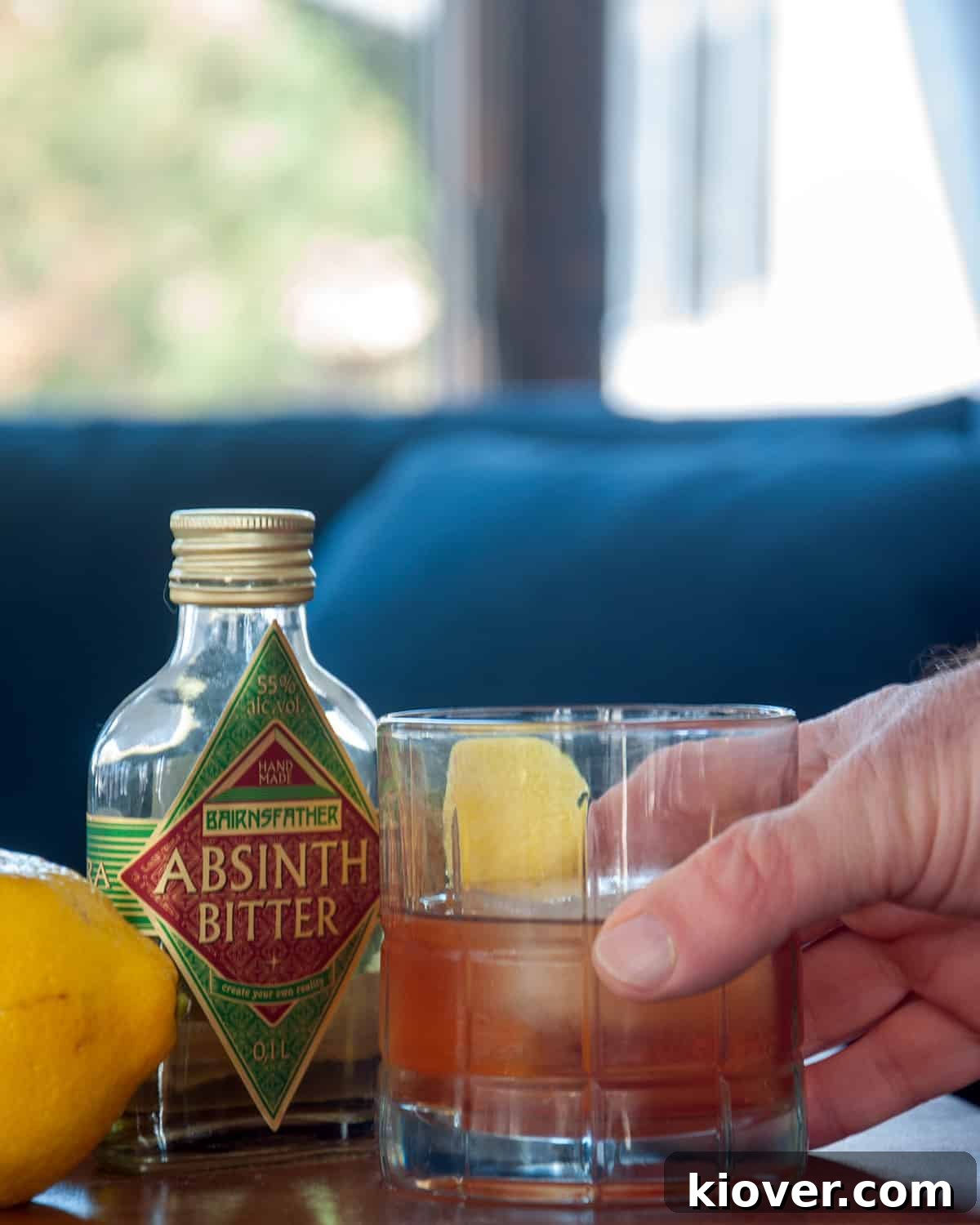
Absinthe, often referred to as “The Green Fairy,” is a highly alcoholic, anise-flavored spirit, traditionally distilled from neutral grain spirits with a blend of botanicals including grand wormwood, green anise, and sweet fennel. Its characteristic green hue and powerful, licorice-like flavor are instantly recognizable. In a Sazerac, absinthe isn’t merely an ingredient; it’s a critical aromatic rinse, providing a fragrant layer that enhances the overall experience without overpowering it.
Absinthe’s mystique is deeply rooted in its association with bohemian culture during the late 19th and early 20th centuries, particularly among artists and writers in France, such as Picasso, Van Gogh, and Hemingway. It gained notoriety for its alleged hallucinogenic properties, though these claims were largely based on misconception and exaggerated narratives. Nevertheless, this perception led to widespread bans in many countries, including the United States, for much of the 20th century. During this prohibition, alternatives like Herbsaint, an anise-flavored liqueur without the controversial wormwood, were developed and adopted for cocktails like the Sazerac.
Fortunately, absinthe has experienced a resurgence and is now legalized in many parts of the world, including the US since 2007. Its nuanced herbal profile and subtle bitterness are now appreciated by connoisseurs and cocktail enthusiasts alike. For the Sazerac, a quick rinse of absinthe prepares the glass, infusing the drink with its signature aroma and adding an essential layer of complexity that defines this iconic cocktail. Don’t hesitate to pick up a bottle – it’s a game-changer for your Sazerac!
Sugar and Lemon Twist: The Crucial Accents
The remaining elements, sugar and lemon, are equally vital. Sugar, traditionally a **sugar cube** or a teaspoon of granulated sugar, provides the necessary sweetness to balance the robust flavors of the rye and bitters. It’s muddled with the bitters to create a foundational syrup within the mixing glass, ensuring even distribution throughout the drink. A **fresh lemon twist** is the final flourish. Its zest is expressed over the finished cocktail, releasing aromatic oils that cut through the richness and add a bright, citrusy counterpoint, completing the sensory profile of the Sazerac. The peel is then used to coat the rim of the glass and serves as an elegant garnish.
🍲 Step-by-Step Instructions: Crafting Your Sazerac
Follow these precise steps to construct a truly exceptional Sazerac cocktail. Remember, patience and attention to detail are key to mastering this classic New Orleans drink.
- **Prepare Your Glass:** Begin by taking a sturdy lowball (Old Fashioned) glass. Fill it completely with ice cubes and cold water to chill it thoroughly. Set this aside to allow the glass to reach optimal coldness, which is essential for a slow-sipping cocktail.
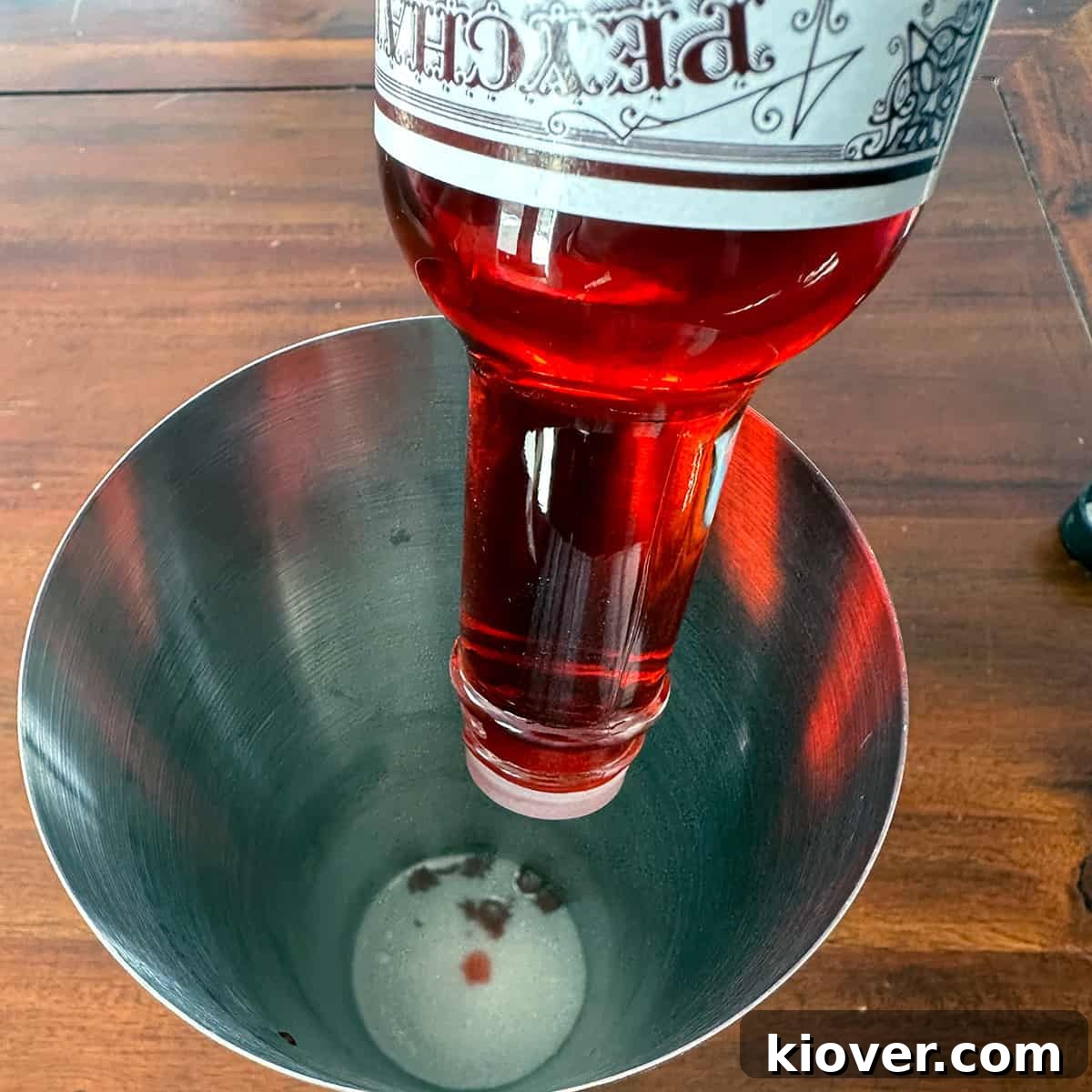
- **Build the Base:** In a separate mixing glass or cocktail shaker, add one teaspoon of granulated sugar (or one sugar cube). Follow this with 4 generous dashes of Peychaud’s Bitters. The bitters will begin to dissolve the sugar, preparing it for muddling.
- **Muddle Gently:** Using a muddler, gently press and twist the sugar and bitters together at the bottom of the mixing glass. Your goal is to dissolve the sugar as much as possible, creating a rich, bitter syrup. Avoid over-muddling if using a sugar cube; a gentle crush is enough to help it dissolve.
- **Add the Rye:** Fill your mixing glass or shaker generously with fresh ice. Pour in 2 ounces of your chosen Rye Whiskey. Set this mixture aside to chill and slightly dilute.
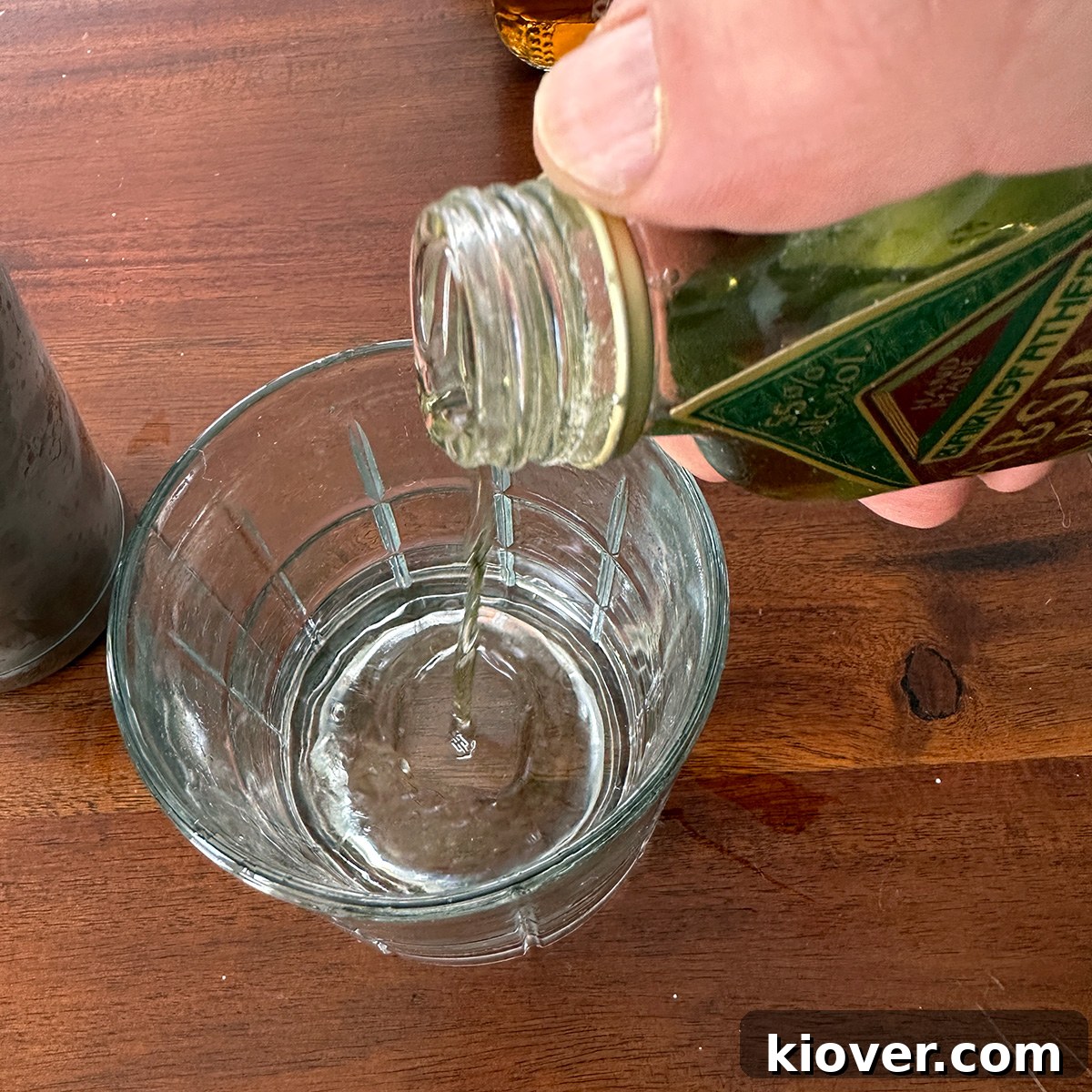
- **The Absinthe Rinse:** Discard the ice and water from your chilled lowball glass. Add a small splash of absinthe (about a quarter to half a teaspoon is usually sufficient). Swirl the absinthe around the inside of the glass, ensuring it coats all surfaces, then pour out any excess. This delicate rinse imparts the signature anise aroma without overwhelming the drink.
- **Stir and Strain:** Retrieve your whiskey mixture. Using a bar spoon, stir the contents for approximately 20-30 seconds. This process not only chills the cocktail but also achieves the perfect level of dilution. Once thoroughly chilled, strain the mixture directly into your prepared, absinthe-rinsed lowball glass. Do not add fresh ice to the serving glass, as the Sazerac is traditionally served neat.
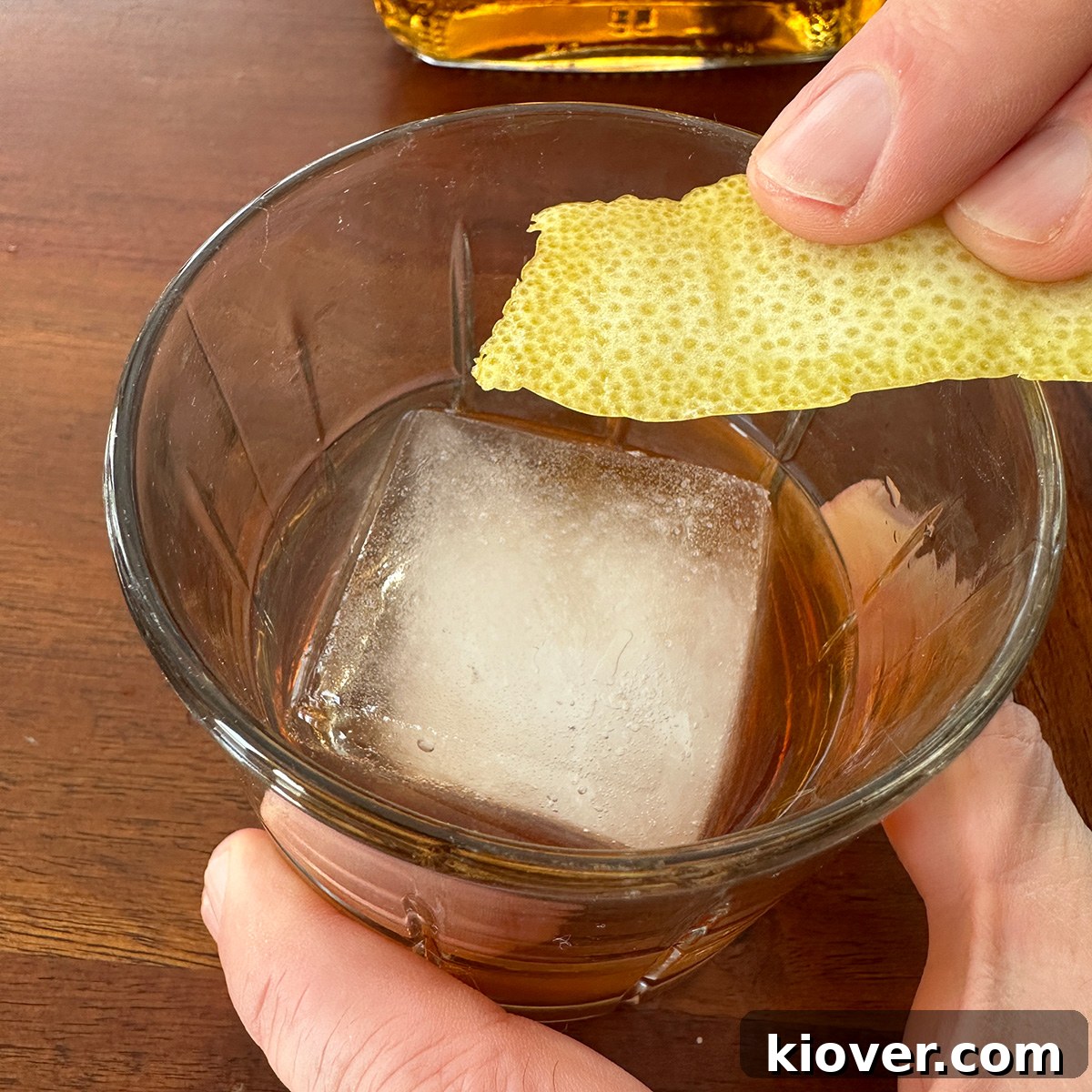
- **Garnish with Lemon Essence:** Take one fresh lemon peel. Hold it over the drink, skin side down, and gently twist or squeeze it to express its aromatic oils directly onto the surface of the cocktail. These oils are crucial for the Sazerac’s aroma. Then, rub the expressed peel around the rim of the glass before dropping it into the drink as a garnish.
- **Serve and Enjoy:** Your perfect Sazerac is ready to be savored. Experience the layers of flavor, from the initial citrus burst to the spicy rye and the lingering herbal notes of absinthe.
🤷 Substitutions and Variations for Your Sazerac
While the classic Sazerac is a masterpiece in itself, there’s always room for personal preference and exploration. Here are a few ways you can adapt this recipe:
- Whiskey Choice: As mentioned, Rye Whiskey is traditional and highly recommended for its spicy notes. However, if you prefer a smoother, slightly sweeter profile, a high-quality bourbon can be an excellent substitute. Experiment with different rye brands, from robust bottled-in-bond expressions to lighter, fruitier options, to find your perfect match.
- Absinthe Alternatives: If true absinthe is unavailable or not to your taste, Herbsaint is the historically accepted substitute, especially during periods of absinthe prohibition. Other anise-flavored liqueurs like Pernod or Ricard can also be used for the rinse, though they will impart a slightly different flavor profile. The key is the anise aroma, so ensure your chosen alternative carries that characteristic.
- Sweetener Options: Traditionally, a sugar cube is muddled directly in the glass. You can easily make homemade sugar cubes or use a teaspoon of granulated sugar. For convenience and consistent dissolution, a half ounce of simple syrup (1:1 sugar to water) can be substituted for the sugar cube and bitters step. If using simple syrup, reduce stirring time slightly, as it requires less dilution.
- Chilling Methods: Our method of chilling the serving glass with ice water is effective for a perfectly cold vessel. Alternatively, you can simply place your lowball glass in the freezer for at least 15-20 minutes before you begin mixing. Both methods achieve the desired chilling without diluting the final drink.
- Bitter Variations: While Peychaud’s is non-negotiable for a classic Sazerac, a dash of Angostura Bitters can be added alongside Peychaud’s for an extra layer of complexity, albeit making it a slight variation from the strictest definition.
🎓 A Sip Through History: The Story of Absinthe and the Sazerac
The Sazerac’s narrative is deeply interwoven with the controversial history of one of its signature ingredients: absinthe. For decades, absinthe was demonized and even banned across the globe, largely due to sensationalized reports and moral panic. A pivotal, albeit misleading, event in this story is the tragic case of Jean Lanfray and the absinthe murders.
In 1905, Lanfray, a Swiss farmer, consumed two glasses of absinthe and subsequently murdered his pregnant wife and two daughters. The media swiftly seized upon this incident, portraying absinthe as the direct cause of his heinous acts, igniting a global movement against the spirit. This tragic event became a rallying cry for temperance movements and anti-absinthe campaigners, cementing its reputation as a dangerous, mind-altering substance.
What the sensational headlines often omitted, however, was the full extent of Lanfray’s alcohol consumption prior to the absinthe. Before those two glasses of “the green fairy,” Lanfray had already consumed seven glasses of wine, six cognacs, a brandy coffee, and two crème de menthes. The profound irony, which was lost on many at the time, is that these numerous other alcoholic beverages were conveniently overlooked as contributing factors to his extreme domestic violence. The mere presence of absinthe, with its mystical reputation, made it an easy scapegoat.
Fueled by such distorted narratives and intense lobbying, laws began to pass, and absinthe was rapidly declared illegal in many countries. The United States followed suit in 1912. Even after the repeal of Prohibition, absinthe remained banned. This forced mixologists to adapt, leading to the creation of alternatives like Herbsaint, an anise-flavored liqueur designed to replicate absinthe’s profile in cocktails like the Sazerac, but without the controversial wormwood.
It wasn’t until the early 2000s that a more rational approach prevailed. Scientific research debunked many of the myths surrounding absinthe’s alleged hallucinogenic properties, leading to deregulation in numerous countries. In 2007, the United States finally lifted its long-standing ban, allowing absinthe to reclaim its rightful place behind bars and in classic cocktails.
Today, we can enjoy absinthe for what it truly is: a complex, aromatic spirit that, like any other alcohol, should be consumed in moderation. Its legal return has allowed for the authentic revival of historic cocktails like the Sazerac, restoring a crucial layer of flavor and tradition that was lost for nearly a century. This rich history adds another dimension to every sip, reminding us of the enduring power of a well-crafted drink.
❓ Frequently Asked Questions About the Sazerac
The Sazerac is a renowned classic cocktail originating from New Orleans. It’s a sophisticated blend of rye whiskey, sugar, Peychaud’s bitters, and a delicate absinthe rinse. Traditionally, it’s served neat in an Old Fashioned glass, garnished with a fresh lemon peel. Its robust, spicy, and anise-forward flavor profile makes it a beloved staple in cocktail culture.
Both absinthe and Herbsaint are anise-flavored spirits used for rinsing the glass in a Sazerac, but they have distinct characteristics. Absinthe, the original spirit, has a more complex, herbal, and slightly bitter flavor, stemming from botanicals like wormwood. Herbsaint was created as an absinthe substitute during its prohibition, offering a milder, often sweeter anise flavor. While both work, true absinthe is preferred for an authentic Sazerac experience due to its depth.
While technically possible, making a Sazerac without absinthe or Herbsaint means it won’t be a traditional Sazerac. The anise aroma and subtle herbal notes imparted by the rinse are fundamental to the cocktail’s unique character. If neither is available, some people use other anise-flavored liqueurs like Pernod or Pastis, but be aware that the flavor profile will vary significantly from the classic recipe. It’s highly recommended to use at least one of these two key spirits for the authentic experience.
A Sazerac is traditionally served in a chilled Old Fashioned glass, also known as a lowball glass. This short, wide glass is perfect for holding a neat cocktail and allows the aromatic lemon twist to sit comfortably within the drink, contributing to the overall sensory experience.
The absinthe rinse is a crucial technique that adds the spirit’s potent aromatic qualities without overwhelming the cocktail with its strong flavor. By coating the inside of the glass, the absinthe provides a delicate, lingering perfume that enhances each sip, integrating subtle anise notes into the overall profile rather than making it taste predominantly of licorice.
📝 Mastering the Sazerac: Tips and Tricks
To truly perfect your Sazerac, consider these expert tips and tricks:
- **Sugar Cubes for Authenticity:** While granulated sugar works, using a real sugar cube for the muddling step not only adds a touch of authenticity but can also create a slightly richer syrup when combined with the bitters. It’s a small detail that contributes to the overall classic feel.
- **The Perfect Absinthe Swirl:** When rinsing your chilled glass with absinthe, don’t just pour it in and out. Take a moment to gently swirl the absinthe around the entire inner surface of the glass. This ensures a uniform coating, maximizing the aromatic impact and providing that essential herbal whisper with every sip.
- **Quality Ice Matters:** For chilling your mixing glass, use large, dense ice cubes. These melt slower, providing optimal chilling with minimal dilution, ensuring your Sazerac isn’t watered down.
- **Precise Measurements:** The Sazerac is a cocktail of balance. Use a jigger or measuring tool to ensure precise quantities of rye whiskey, bitters, and sugar. Even slight variations can alter the delicate equilibrium of this classic drink.
- **Expressing the Lemon Peel:** The aromatic oils from the lemon peel are vital. Don’t just drop the peel in. Hold it over the drink, skin side down, and firmly twist or squeeze it to release its essential oils onto the surface of the cocktail. This adds a bright, fresh top note that beautifully complements the deeper flavors.
🛠 Tools for the Trade: Products Used in This Recipe
Having the right bar tools can make all the difference in crafting a perfect Sazerac. Here are some of the essential products we recommend:
- Classic Lowball Glasses: Essential for serving the Sazerac in its traditional style.
- Cocktail Shaker Kit: A complete kit typically includes a mixing glass, jigger, and bar spoon – everything you need for stirring this spirit-forward cocktail.
- Peychaud’s Bitters: The indispensable bitter for an authentic Sazerac.
- Muddler: Used to gently crush the sugar cube with the bitters.
- Bar Spoon: For stirring the cocktail to the perfect temperature and dilution.
- Jigger: For precise measurement of your spirits and other liquid ingredients.
😋 Share Your Sazerac Experience!
We absolutely love hearing from you! If you’ve given this Classic Sazerac Cocktail recipe a try, we’d be thrilled to know about your experience. Your feedback helps us improve and guides other home mixologists in their journey. Please take a moment to leave a rating in the comment section below. It’s incredibly valuable and greatly appreciated!
Thank you for visiting Ramshackle Pantry and for trusting us with your cocktail adventures. We hope this Sazerac brings a taste of New Orleans charm to your home bar. Don’t forget to share your creations on social media using #RamshacklePantrySazerac!

The Best Sazerac Recipe
5 Stars
4 Stars
3 Stars
2 Stars
1 Star
5 from 5 reviews
- Author: Ben Myhre
- Prep Time: 5 Minutes
- Cook Time: 5 Minutes
- Total Time: 10 Minutes
- Yield: 1 Drink
- Category: Cocktails
- Method: Stir
- Cuisine: New Orleans
Description
Learn how to make the best classic Sazerac cocktail at home. Celebrate New Orleans’ rich cultural history with this iconic drink and enjoy an awesome, perfectly balanced cocktail tonight!
Ingredients
Units
Scale
- 1 Sugar Cube or 1 teaspoon of white granulated sugar
- 4 dashes Peychaud’s bitters
- 2 ounces Rye Whiskey
- Splash of Absinthe (about 0.25-0.5 ounce for rinsing)
- Lemon Peel for garnish
Instructions
- Fill an Old Fashioned Glass with ice and cold water to chill. Set aside.
- In a mixing glass or shaker, place sugar.
- Add 4 healthy dashes of Peychaud’s bitters.
- Muddle the sugar and bitters gently until the sugar largely dissolves.
- Fill the mixing glass with fresh ice, add 2 ounces of rye whiskey, and set aside to chill.
- Empty the chilled serving glass of ice and water.
- Add a splash of absinthe (about 0.25-0.5 oz) and swirl it around the glass to coat the inside, then pour out any excess.
- Stir the whiskey concoction in the mixing glass with a mixer spoon for about 20-30 seconds to chill and dilute.
- Strain the drink from the mixing glass into the absinthe-rinsed serving glass.
- Express the lemon peel over the cocktail to release its oils, wipe the rim of the glass with the peel, and then drop it in as a garnish.
- Enjoy your perfectly crafted Sazerac!
Notes
- Sugar Cubes can be a delightful and traditional alternative for this recipe.
- Ensure you thoroughly swirl your absinthe around the glass to coat all surfaces for the ideal aromatic experience.
- Always use fresh, high-quality ice for both chilling your glass and stirring your cocktail.
- Precision is key; use a jigger for accurate measurements of your spirits.