
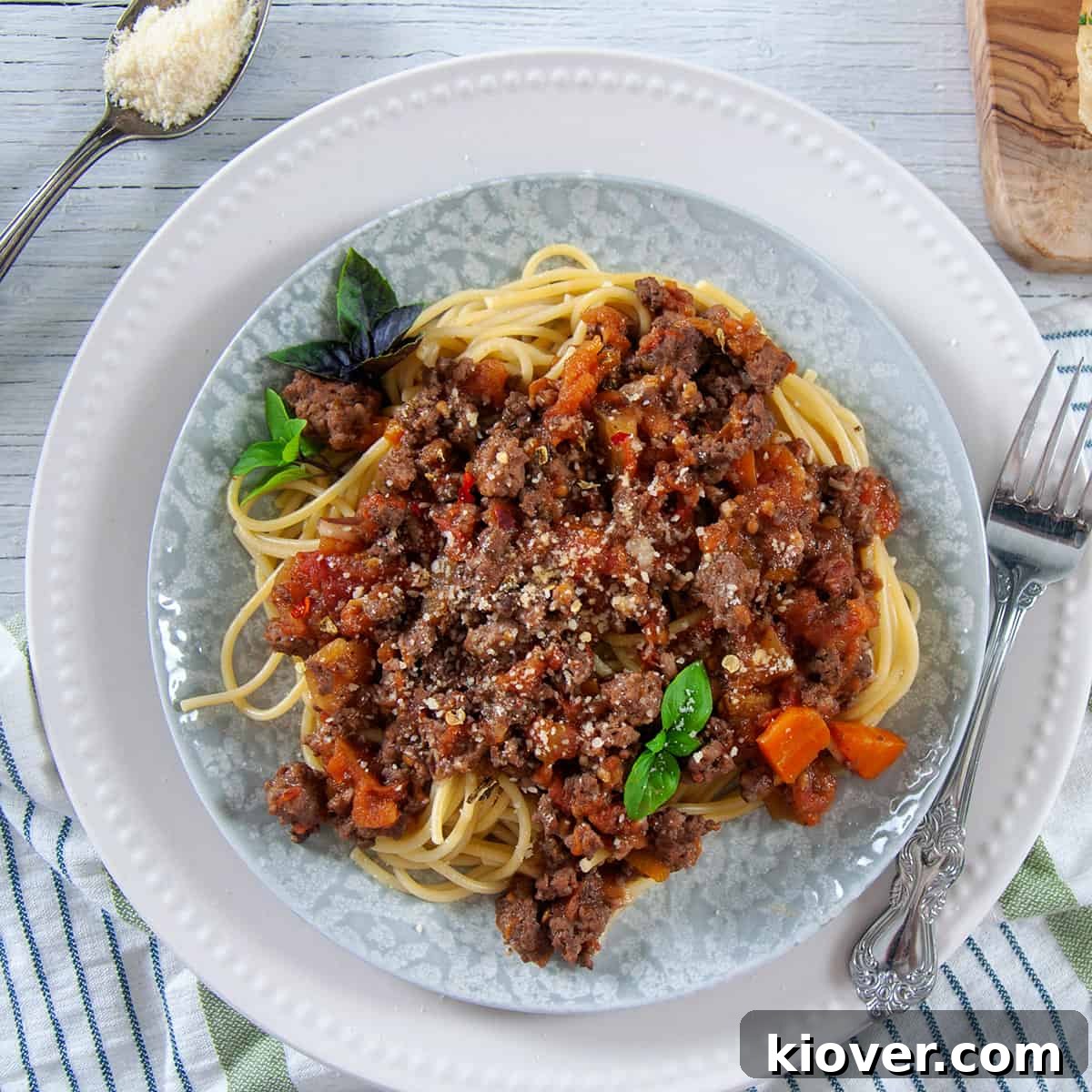
There’s nothing quite like the deeply satisfying aroma of a homemade pasta sauce simmering gently on the stove. It’s a scent that instantly fills your kitchen with warmth, comfort, and a profound sense of tradition. This isn’t just a meal; it’s an experience, a celebration of simple, high-quality ingredients harmonizing to create something truly magical. Our Traditional Homemade Italian Pasta Sauce recipe invites you to delve into a classic Italian culinary journey, delivering robust flavors and an authentic taste that will impress even the most discerning palate. Prepare to elevate your weeknight dinners and special occasions alike with this wonderful, unforgettable recipe!
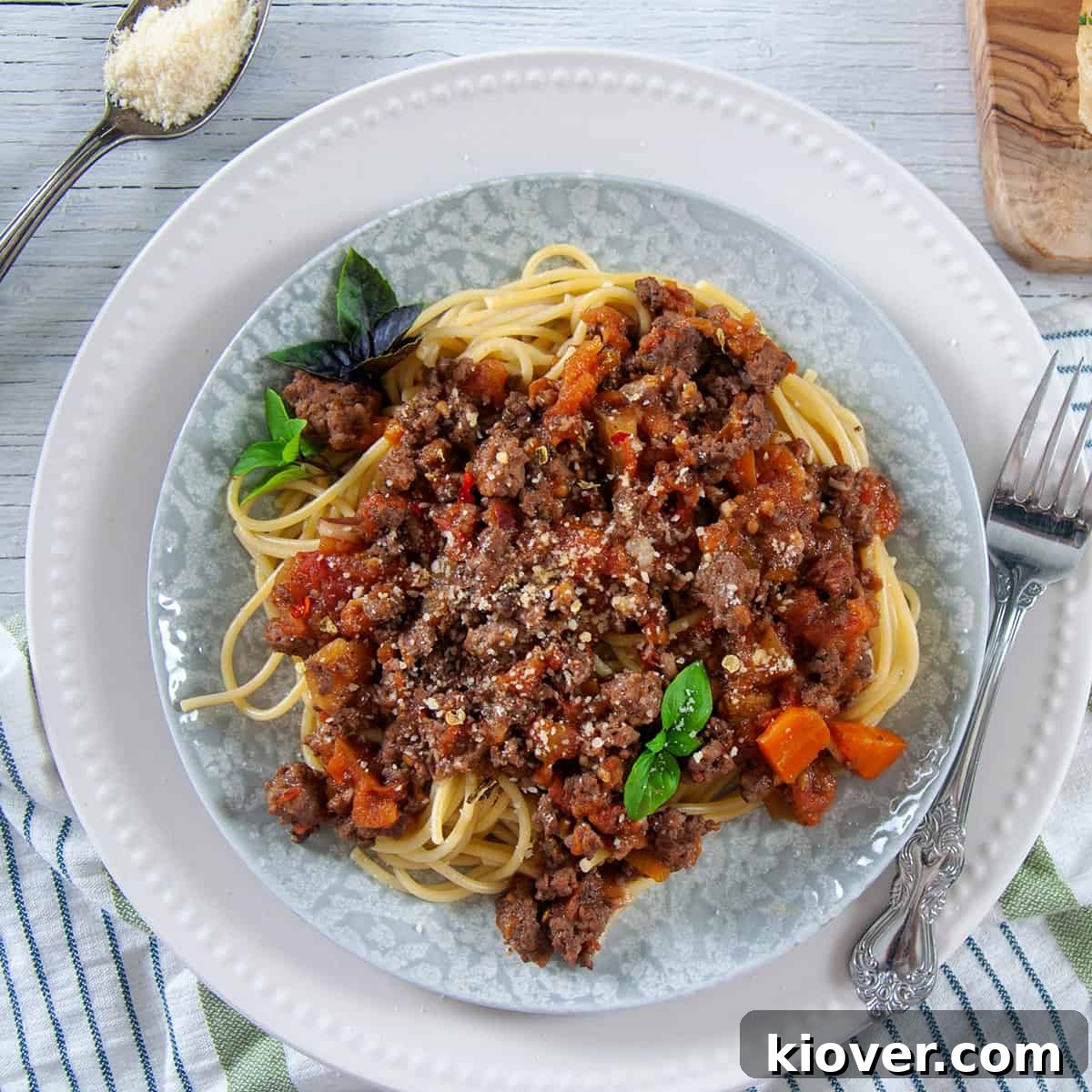
Unveiling the Richness: What Makes This Pasta Sauce Truly Special
This particular pasta sauce recipe transcends the ordinary, offering a distinctive blend of time-honored Italian techniques subtly enhanced by a touch of classic French culinary influence. The result is a profoundly rich, exquisitely flavorful sauce that truly stands out from other recipes. At its core, the recipe champions the use of fresh, ripe Roma tomatoes, providing a vibrant base. A key element is the inclusion of salt pork, which renders a unique depth of savory flavor, a characteristic often missing in simpler sauces. This robust foundation is meticulously developed through a slow, patient simmer, allowing all the ingredients to meld and mature, creating a complex, authentic taste that speaks volumes of its traditional roots.
Beyond its exceptional flavor profile, this recipe emphasizes accessibility and adaptability. It offers valuable tips for substitutions and variations, making it welcoming for both seasoned chefs seeking new inspiration and novice cooks embarking on their first homemade sauce adventure. This thoughtful balance of upholding tradition while embracing flexibility is precisely what sets this recipe apart, ensuring a successful and delicious outcome for everyone.
Should you find yourself with an abundance of fresh tomatoes and wish to explore other delicious uses, consider trying our Rustic Tomato Soup recipe for a comforting bowl, or whip up a batch of our vibrant Homemade Salsa Recipe. If your culinary journey leans further into Italian flavors, don’t miss our delightful Italian Zucchini Casserole recipe or the bold and savory Traditional Puttanesca Sauce with Linguine recipe.
Table of Contents
- 🍅 Ingredients
- 🍲 Instructions
- 🤷 Substitutions and Variations
- 📦 Storage
- ❓ FAQ
- 📝 Tips and Tricks
- 🛠 Products Used in This Recipe
- 😋 Did You Make This Recipe?
- Traditional Pasta Sauce Recipe with Spaghetti Recipe Card
🍅 Ingredients: The Heart of Your Homemade Sauce
While tomatoes are undoubtedly the shining star of this Traditional Italian Pasta Sauce, it’s the careful selection and combination of additional ingredients that truly elevate its flavor profile and create a symphony of tastes. Each component plays a crucial role in building the rich, complex foundation that defines an authentic homemade Italian sauce.
- Roma tomatoes (fresh or high-quality canned San Marzano)
- Onion (for aromatic sweetness)
- Carrots (adds a subtle sweetness and depth to the base)
- Salt pork (the secret ingredient for umami and richness)
- Butter (for richness and aiding in rendering the salt pork)
- Beef broth (adds body and savory notes)
- Ground pork (contributes to a tender, flavorful meatiness)
- Ground beef (for classic hearty texture and flavor)
- Flour (used to create a light roux, adding thickness)
- Dry red wine (to deglaze and add a layer of complexity)
- Salt and pepper (to taste, enhancing all other flavors)
- Spaghetti noodles (the perfect vehicle for this magnificent sauce)
For precise quantities and detailed measurements, please refer to the comprehensive recipe card below.
Choosing the Perfect Tomatoes for Your Sauce
The success of any great pasta sauce hinges on the quality of its tomatoes. While many recipes successfully utilize canned varieties, especially the revered San Marzano during off-season months, there’s an undeniable magic to using fresh, ripe tomatoes straight from the vine. Living in an area where tomato season is celebrated means having access to garden-fresh produce, which I almost always choose for its unparalleled sweetness and vibrant acidity.
When selecting fresh tomatoes, aim for medium-sized, plump varieties. While large beefsteak tomatoes are fantastic for slicing, their higher water content can dilute your sauce. Roma tomatoes, often called plum tomatoes, are consistently excellent choices due to their firm flesh, fewer seeds, and lower water content, making them ideal for cooking down into a rich sauce. San Marzano tomatoes, whether fresh or canned, are renowned for their balanced sweetness and low acidity, making them a premium option for authentic Italian flavors.
There’s a subtle art to this selection: if it’s the dead of winter and fresh produce looks lackluster, don’t hesitate to opt for high-quality canned San Marzano tomatoes. Their consistent flavor and texture can often outperform out-of-season fresh options. Conversely, during peak summer, when tomatoes are abundant and bursting with flavor, embrace the opportunity to use them. The key is ripeness and suitability for sauce-making – avoid overly watery or unripe tomatoes for the best results.
The Distinctive Character of Salt Pork
Salt pork is a cornerstone ingredient in many traditional European cuisines, and its inclusion in this pasta sauce recipe is a game-changer. Often confused with bacon or pancetta, salt pork, while derived from the pork belly, possesses unique characteristics that set it apart and contribute a distinct depth of flavor:
- **Composition:** While both salt pork and bacon come from the pork belly, salt pork typically originates from a fattier section, closer to the end of the belly. This means it’s composed of a higher fat-to-meat ratio, which is essential for rendering out flavorful fat to cook other ingredients.
- **Curing Process:** Unlike bacon, salt pork is never smoked. Its curing process focuses solely on salt, often involving a longer brine cure with more intense savory flavors. This results in a product that is inherently saltier and boasts a cleaner, unsmoked pork flavor.
- **Flavor Contribution:** The rich, rendered fat from salt pork provides an unparalleled depth of umami and a silken texture to the sauce base. It’s the starting point for building layers of flavor that can’t be replicated with just butter or oil.
Having salt pork on hand is a fantastic asset for creating robust, hearty sauces like this. While bacon or pancetta can serve as acceptable substitutes in a pinch, salt pork truly delivers the authentic character desired for this recipe. A helpful tip for sourcing: check the frozen meat section of your grocery store, or speak directly with your butcher, as it might not always be prominently displayed.
Selecting the Right Red Wine for Cooking
Incorporating red wine into a pasta sauce adds a layer of complex flavor, acidity, and aromatic depth that beautifully complements the tomatoes and meats. For this recipe, a dry red wine is the ideal choice. Varieties such as Pinot Noir, Merlot, or a classic Chianti will work exceptionally well, each contributing its own subtle nuances to the final sauce.
When it comes to the quality of wine for cooking, there’s a common adage: “Only cook with wine you would drink.” This doesn’t mean you need to splurge on an expensive bottle. There are many reasonably priced, drinkable wines that are perfect for culinary applications. The goal is to avoid “cooking wine” specifically labeled as such, as these often contain added salt or sweeteners and lack the nuanced flavors of a proper table wine. Opt for something you’d enjoy a glass of, but don’t overthink it – a good, affordable dry red will do wonders for your sauce.
🍲 Instructions: Crafting Your Authentic Italian Pasta Sauce
Creating this rich and flavorful Italian pasta sauce is a labor of love that rewards patience with an incredibly satisfying meal. Follow these steps to build layers of authentic taste:
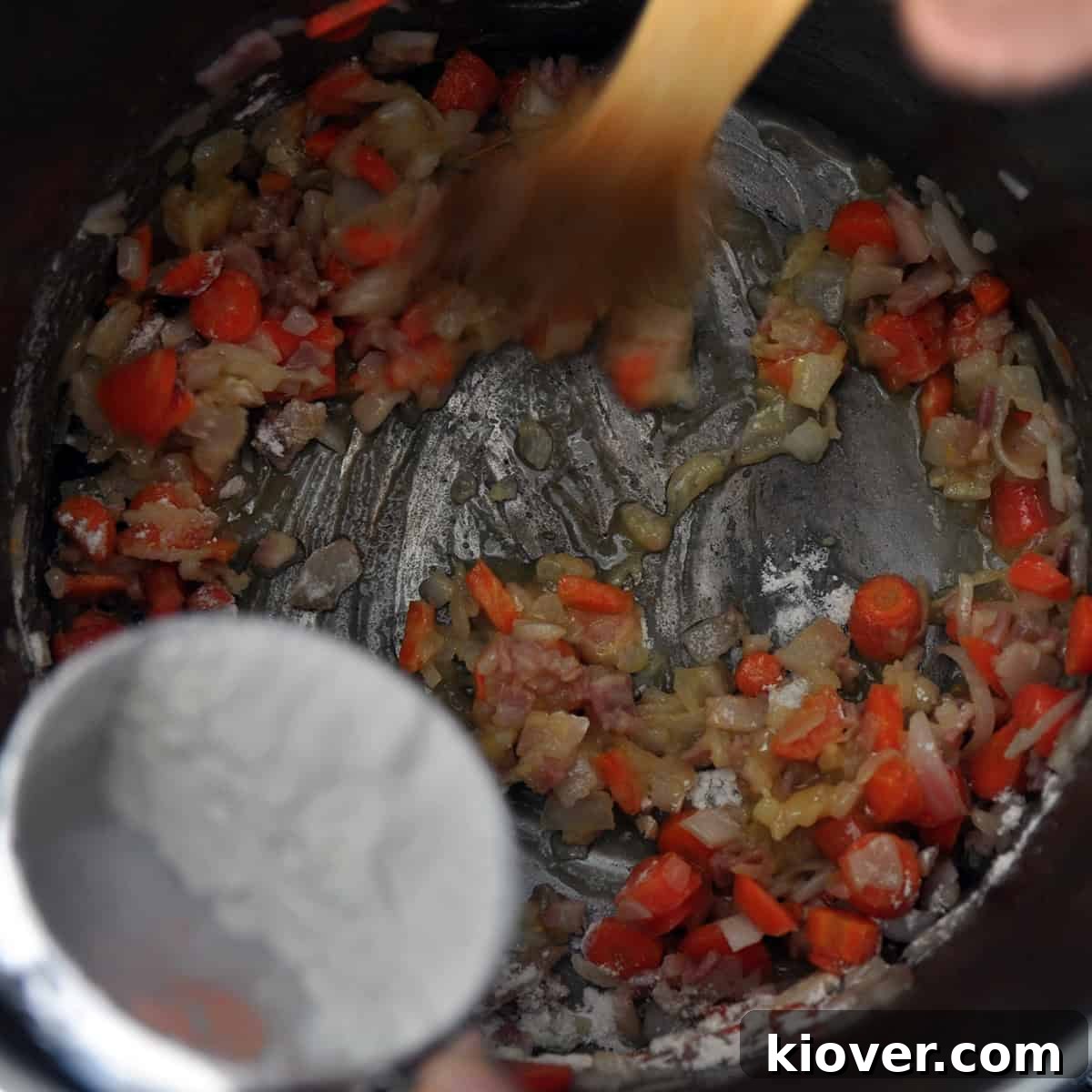
Begin by rendering the exquisite fat from the salt pork, combining it with a touch of butter to create a rich base. Into this flavorful foundation, introduce your aromatic vegetables, allowing them to soften and sweeten. After this initial sauté, a touch of flour is added to create a light roux, followed by beef broth and your prepared tomatoes. This mixture then embarks on a leisurely simmer for a full 90 minutes, allowing the flavors to deeply meld and concentrate.
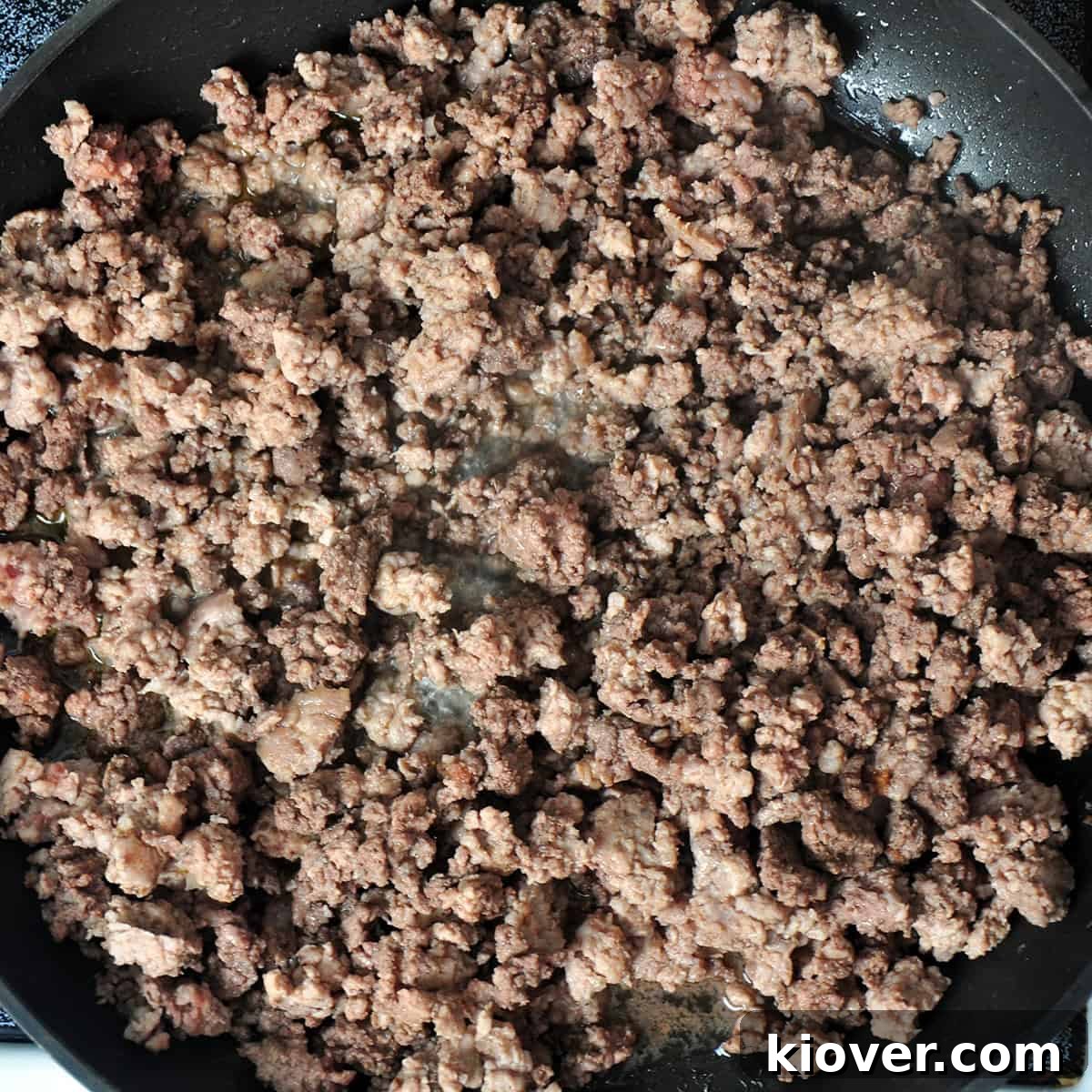
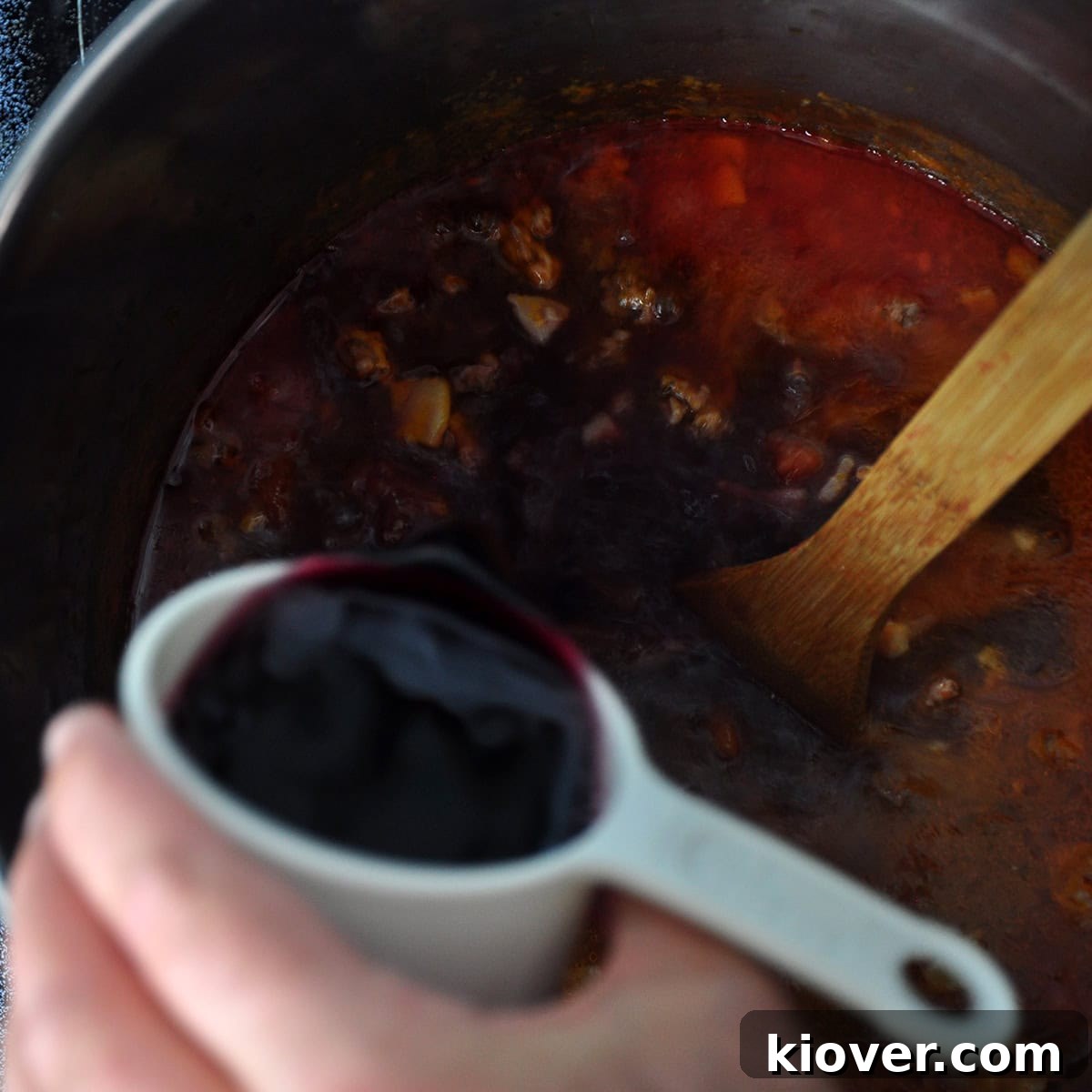
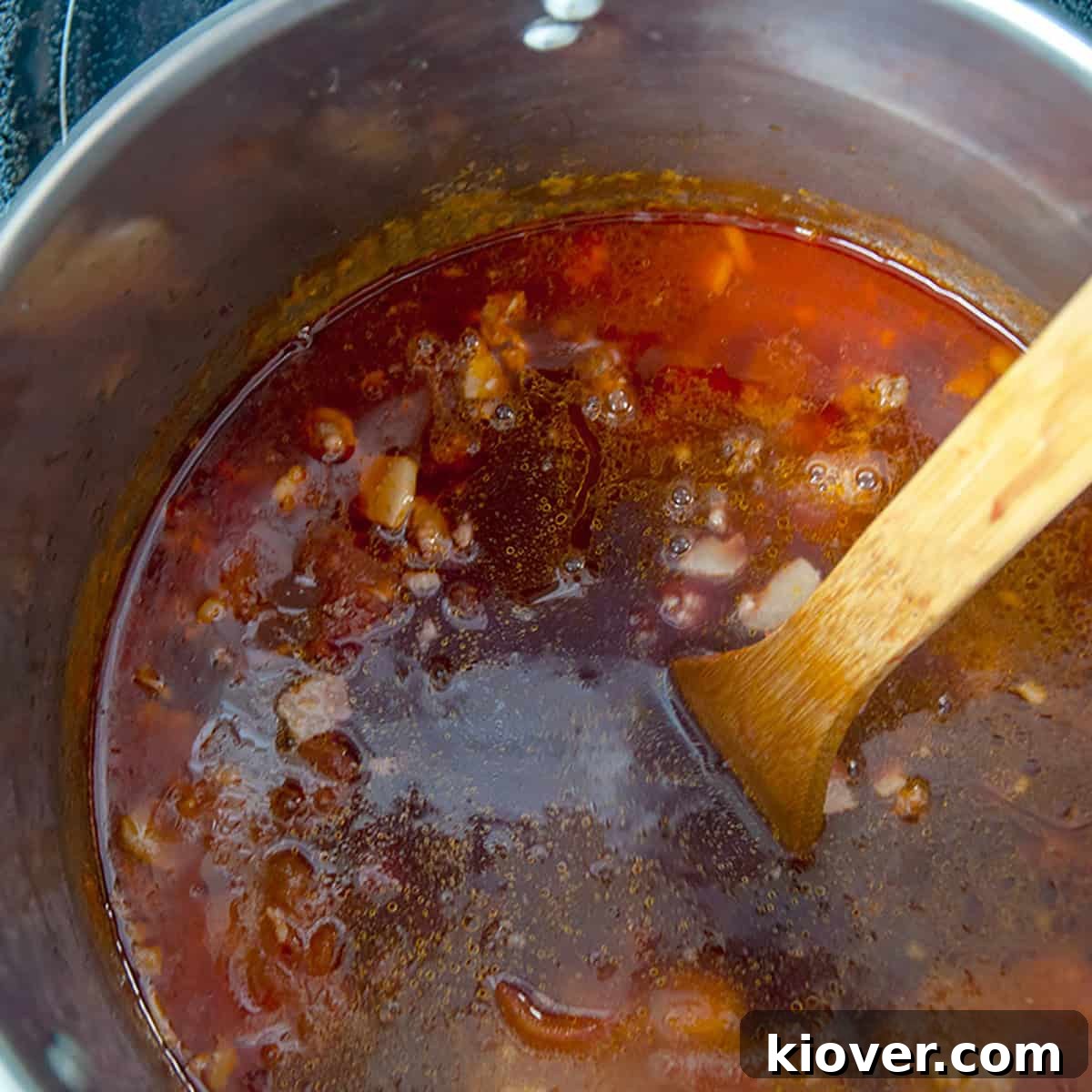
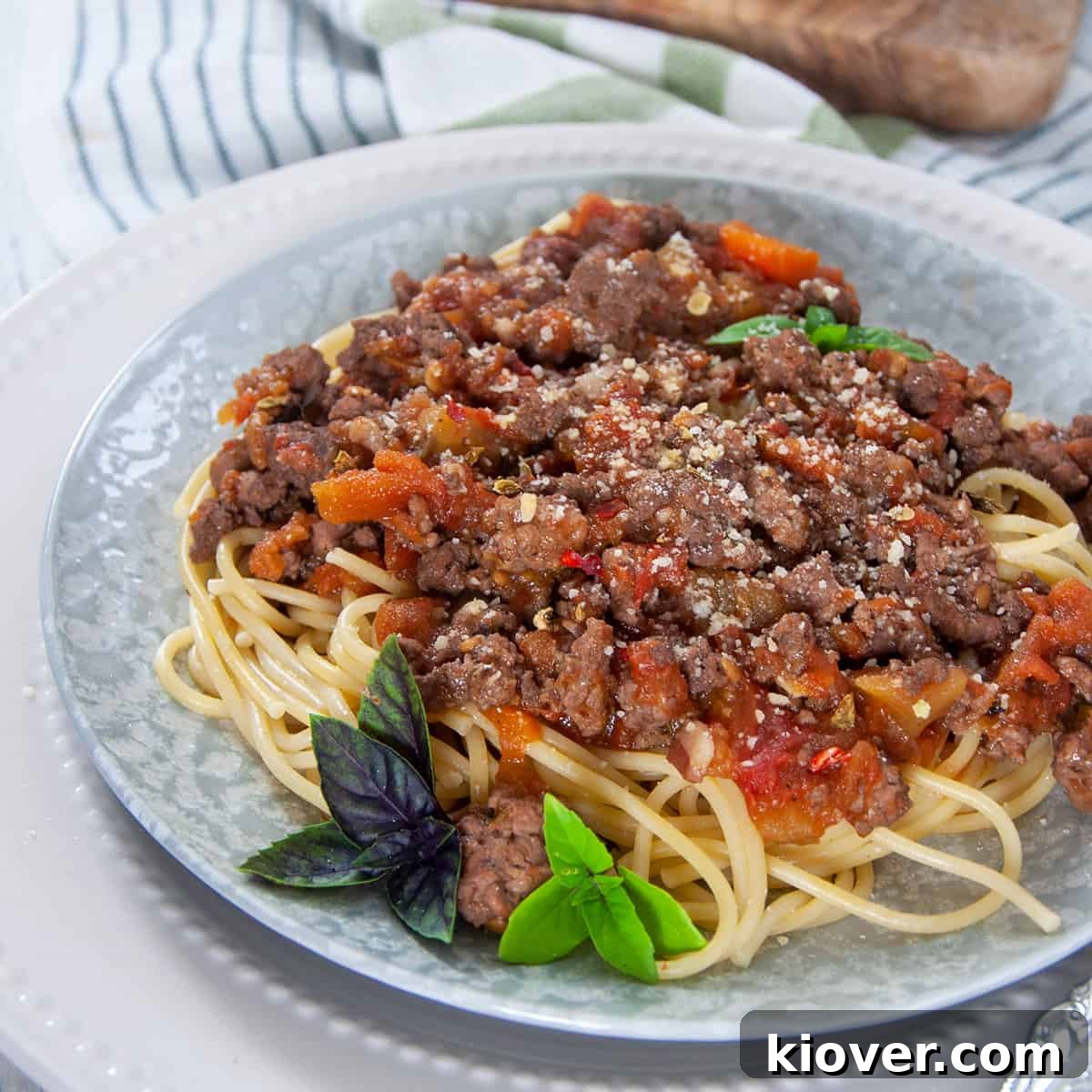
Next, introduce the perfectly browned ground meats and a splash of dry red wine, continuing the slow simmer for an additional 90 minutes. This extended cooking time is crucial for developing the sauce’s characteristic richness and depth. Finally, spoon this utterly delicious Italian pasta sauce generously over a bed of perfectly cooked spaghetti for a meal that embodies comfort and tradition.
🤷 Substitutions and Variations: Personalize Your Pasta Sauce
This traditional pasta sauce recipe is remarkably forgiving and adaptable, offering numerous opportunities to customize it to your personal preferences or what you have available in your pantry. Feel free to experiment and make it uniquely yours while still retaining its delicious Italian essence.
- Pasta Choice: While spaghetti is a classic pairing, do you need to stick to it? Absolutely not! This versatile sauce pairs beautifully with virtually any pasta shape. Consider robust options like penne, rigatoni, tagliatelle, or even a delicate bucatini. The key is to choose a pasta that can hold up to and capture the rich, hearty sauce.
- Wine Selection: The type of dry red wine you use can subtly influence the sauce’s final flavor profile. As mentioned, Pinot Noir, Merlot, or Chianti are excellent choices. If you prefer a slightly fruitier note, a Sangiovese would also be lovely. The most important thing is to use a wine you enjoy drinking, as its quality will translate directly to your sauce.
- Salt Pork Alternatives: Salt pork provides a unique umami depth, but if it’s unavailable, you have excellent alternatives. High-quality pancetta, either diced or finely chopped, is a superb substitute, offering a similar cured pork flavor. Thick-cut, unsmoked bacon can also work, though it will introduce a smoky note not present in the original recipe.
- Tomato Varieties: While fresh, ripe Roma tomatoes are preferred for their ideal consistency and flavor, don’t shy away from canned tomatoes, especially during the off-season. Whole peeled San Marzano tomatoes, crushed tomatoes, or even diced tomatoes (for more texture) can be used with great success. Just ensure they are of high quality for the best results.
- Meat Combinations: This recipe calls for a blend of ground pork and ground beef for a balanced richness and texture. However, you can certainly adjust this to your liking. Use entirely ground beef for a more classic bolognese-style sauce, or solely ground pork for a slightly sweeter, more tender result. For an even richer flavor, consider adding a small amount of Italian sausage, either sweet or hot, removed from its casing and browned.
- Herbs and Spices: While the recipe provides a solid foundation, feel free to enhance it with additional herbs. A bay leaf during simmering, a sprinkle of dried oregano, a pinch of red pepper flakes for a subtle kick, or a generous handful of fresh basil or parsley stirred in at the end can all add wonderful dimensions.
- Vegetable Boost: For an even more complex base, consider adding finely diced celery along with the onions and carrots (a classic soffritto). Sautéed mushrooms can also be a delightful addition, bringing an earthy depth.
Embrace the spirit of Italian cooking, where the recipe is often a guide rather than a strict mandate. If the flavors are Italian and the ingredients are quality, your variations will most likely yield a delicious and satisfying result.
📦 Storage Solutions: Enjoying Your Sauce Longer
This Traditional Homemade Italian Pasta Sauce is so delicious, you’ll likely want to enjoy it immediately. However, it’s also a fantastic recipe for meal prep and future enjoyment, as its flavors often deepen and improve overnight. Proper storage ensures you can savor its comforting taste for days or even months to come.
Refrigeration: If you plan to use the sauce within a few days, allow it to cool completely before transferring it to an airtight container. Stored in the refrigerator, the sauce will maintain its quality for up to three to four days. Always use your best judgment – if it smells or looks off, it’s best to discard it.
Freezing: This pasta sauce freezes exceptionally well, making it perfect for preparing in larger batches. Once the sauce has cooled completely, divide it into freezer-safe containers or heavy-duty freezer bags. If using bags, lay them flat on a baking sheet to freeze, which saves space. The sauce can be stored in the freezer for up to three months without significant loss of quality. To thaw, simply transfer it to the refrigerator overnight, or gently reheat it from frozen in a saucepan over low heat, stirring occasionally until warmed through.
Having a batch of this homemade sauce in your freezer is like having a little bit of Italian comfort always at the ready, perfect for busy weeknights when you crave a hearty, flavorful meal without the long cooking time.
❓ Frequently Asked Questions About Pasta Sauce
No, traditional spaghetti sauce and marinara sauce are distinct. Marinara sauce is typically a lighter, simpler sauce made primarily from tomatoes, garlic, herbs, and sometimes onions, and it is traditionally meatless. It’s often cooked for a shorter period. Spaghetti sauce, on the other hand, particularly traditional Italian versions like this one, usually includes meat (beef, pork, or a combination) and often incorporates a broader range of vegetables and seasonings. It is characterized by its long, slow simmering time, which allows the flavors to develop and deepen significantly, resulting in a richer, heartier sauce.
Absolutely! Pasta sauce, especially a hearty meat sauce like this, freezes beautifully. Freezing is an excellent way to preserve its flavor and texture for future meals. To freeze, ensure the sauce has cooled completely to room temperature. Then, transfer it to an airtight, freezer-safe container or heavy-duty freezer bags. Label with the date. It can be stored in the freezer for up to three months. When you’re ready to use it, simply thaw it in the refrigerator overnight or gently reheat it from frozen on the stovetop over low heat.
Salt pork is a cured pork product, closely related to bacon but with distinct differences. It’s derived from the pork belly, similar to bacon, but typically comes from a fattier section, meaning it has a higher fat-to-meat ratio. The primary distinction is its curing process: salt pork is cured in salt (often a brine) for an extended period and is never smoked, unlike most bacon. This results in a product that is saltier and has a pure, unsmoked pork flavor. When rendered, its fat provides exceptional richness and depth of flavor to dishes, making it a prized ingredient in traditional recipes like this pasta sauce.
📝 Chef’s Tips and Tricks for the Perfect Sauce
- Sourcing Salt Pork: If you’re having trouble locating salt pork, don’t hesitate to ask the butcher at your local grocery store. Often, it’s kept in the frozen meat section or a less obvious cooler. If it remains elusive, high-quality pancetta or thick-cut unsmoked bacon can be used as alternatives, though they will impart a slightly different flavor profile.
- Tomato Perfection: Don’t obsess over finding one specific type of tomato. The goal is fresh, ripe, and flavorful tomatoes. Medium-sized Roma or San Marzano varieties are ideal for their meatiness and lower water content, preventing a watery sauce. However, a slightly plumper, flavorful tomato from your garden will also work wonderfully. In winter, opt for good quality canned San Marzano tomatoes, as they often surpass out-of-season fresh options.
- Wine Wisdom: For the red wine component, a dry variety like Chianti, Pinot Noir, or Merlot is perfect. While the saying “only cook with wine you would drink” holds true, remember that there are many excellent, economically priced wines that are perfectly enjoyable to drink and superb for cooking. There’s no need to buy an expensive bottle; just avoid anything labeled “cooking wine” as it often contains added salt.
- The Power of Simmering: The extended simmering time (two 90-minute intervals) is non-negotiable for this recipe. It allows the flavors to truly meld, for the tomatoes to break down completely, and for the sauce to achieve its characteristic rich, deep, and complex taste. Don’t rush this step!
- Freezing for Future Meals: This sauce is a fantastic candidate for freezing. Make a larger batch and portion it into freezer-safe containers for convenient, homemade meals on busy days. It thaws beautifully and can be reheated gently on the stovetop.
- Seasoning in Layers: Taste and adjust your seasoning throughout the cooking process. Add salt and pepper gradually, especially since salt pork adds its own salinity. A final taste test before serving ensures perfect balance.
🛠 Essential Kitchen Products Used in This Recipe
To help you achieve the best results for this Traditional Italian Pasta Sauce, here are some recommended kitchen tools that will make your cooking experience smoother and more enjoyable:
- High-Quality Strainer for Draining Noodles: Essential for perfectly cooked pasta, ensuring no excess water dilutes your magnificent sauce.
- Large Glass Bowl for Tossing: Ideal for gently combining your cooked pasta with the sauce, allowing every strand to be evenly coated.
- Heavy-Bottomed Large Pot for Sauce: A spacious, sturdy pot is crucial for simmering the sauce for extended periods, preventing scorching and allowing flavors to develop beautifully.
😋 Did You Make This Unforgettable Recipe?
Thank you so much for taking the time to try this cherished recipe! It means a great deal to me that you’ve welcomed it into your kitchen and onto your table. Your culinary journey is important, and I would be incredibly grateful if you could share your experience. Please consider leaving a review in the comments section below; your feedback helps me understand how I’m doing and assists other home cooks in discovering if this recipe is perfect for them. Most of all, thank you for visiting Ramshackle Pantry and being a part of our food-loving community!
Traditional Pasta Sauce Recipe with Spaghetti
5 from 1 review
- Author: Ben Myhre
- Prep Time: 30 minutes
- Cook Time: 3 hours
- Total Time: 3 hours 30 minutes
- Yield: 7 servings
- Category: Comfort Food
- Method: Simmer
- Cuisine: Italian
Description
This Traditional Pasta Sauce recipe leaves no stone unturned in delivering the most intense and authentic flavor possible from this Italian classic. From the freshest garden tomatoes to your plate, you are guaranteed to create the most delicious and comforting spaghetti dish with this incredible recipe.
Ingredients
- 5 pounds of Roma (or similar) tomatoes, blanched, cored and peeled
- 1 cup chopped onion
- 1 cup chopped carrots
- 3 ounces salt pork
- 4 Tablespoons butter
- 1 quart beef broth
- 1 pound ground pork
- 1 pound ground beef (93% lean recommended)
- 1/2 cup all-purpose flour
- 1 cup dry red wine (Pinot Noir, Merlot, or Chianti)
- Salt and pepper to taste (start with 1 teaspoon each and adjust)
- 14 ounces spaghetti noodles
Instructions
- Blanch and peel tomatoes: If using fresh tomatoes, blanch them in boiling water for 30-60 seconds, then immediately transfer to an ice bath. The skins should slip off easily. Core and peel them.
- Quarter and mash tomatoes: Quarter the blanched and peeled tomatoes, then mash them thoroughly with a potato masher or your hands until well broken down.
- Prepare aromatics: Finely dice the carrots, onion, and salt pork. Aim for small, even pieces for consistent cooking.
- Render salt pork: In a large, heavy-bottomed pot, add the butter and diced salt pork.
- Cook until fat renders: Cook on medium-low heat for 5-10 minutes, allowing the butter to melt and the fat from the salt pork to slowly render out. This forms the flavorful base.
- Sauté vegetables: Add the diced carrots and onions to the pot. If using, add any additional dried herbs at this stage.
- Soften vegetables: Continue to cook on medium-low until the vegetables are softened and translucent, about 8-10 minutes, stirring occasionally.
- Add flour: Sprinkle the flour over the softened vegetables and rendered fat, stirring constantly for 1-2 minutes to create a light roux.
- Stir in beef broth: Gradually whisk in the beef broth, ensuring no lumps form. Bring the mixture to a gentle simmer.
- Add tomatoes: Stir in the mashed tomatoes, incorporating them into the sauce base.
- Season: Add the minced garlic, initial amount of salt, and black pepper. Stir well.
- First Simmer: Bring the sauce to a gentle boil, then reduce the heat to low, cover, and allow to simmer for 90 minutes. Stir occasionally to prevent sticking.
- Brown ground meats: Around the 90-minute mark of the sauce’s simmer, brown the ground pork and ground beef in a separate pan until fully cooked. Drain off any excess fat.
- Combine and continue simmer: Add the browned meats and the red wine to the simmering sauce. Stir everything together.
- Second Simmer: Continue to simmer the sauce for an additional 90 minutes, uncovered, allowing the flavors to deepen and the sauce to thicken to your desired consistency. Taste and adjust seasoning as needed.
- Serve: While the sauce finishes, cook spaghetti noodles according to package directions until al dente. Serve the rich, traditional pasta sauce generously over the hot spaghetti.
Notes
- Salt Pork Alternatives: Can’t find salt pork? Ask your butcher or check the frozen section. If still unavailable, pancetta or unsmoked thick-cut bacon can be used as substitutes, though the flavor will be slightly different.
- Tomato Variety Flexibility: Don’t stress too much over finding an exact tomato. Ripe, fresh, medium-sized tomatoes are key. Roma and San Marzano are excellent, but any flavorful, slightly meaty tomato will work well. High-quality canned San Marzano are a perfect choice in winter.
- Wine Pairing: Chianti, Pinot Noir, or Merlot are ideal dry red wines for this recipe. Choose an economical bottle that you would still enjoy drinking, as the wine quality directly impacts the sauce’s flavor.
- Freezing for Convenience: This sauce freezes beautifully. Consider making a double batch to portion and freeze for quick, delicious future meals.