
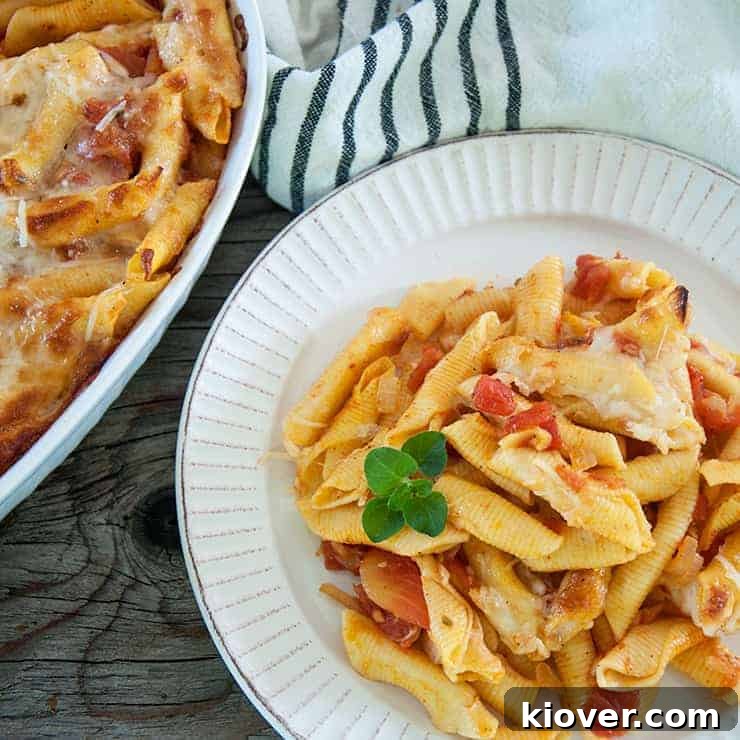
Indulge in the heartwarming flavors of Italy with this incredible Pasta Al Forno recipe. Crafted with the freshest ingredients, it transforms a simple weeknight meal into a delightful culinary experience. You can have this comforting baked pasta dish on your table in as little as 45 minutes, even when starting with ripe, juicy tomatoes straight from your garden. It’s a testament to how straightforward and rewarding homemade cooking can be, bringing authentic garden-fresh taste and a cozy, homemade feel to your dinner table.
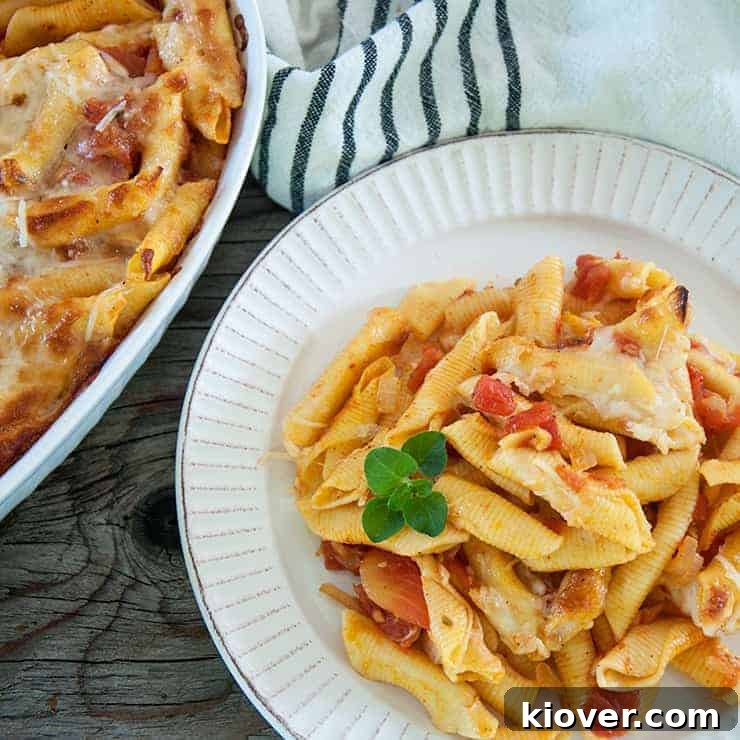
Easy & Delicious Homemade Pasta Al Forno with Fresh Tomatoes
Pasta Al Forno, literally translating to “baked pasta,” is an Italian culinary treasure that perfectly embodies comfort food. This recipe takes several classic Italian elements – al dente pasta, a vibrant tomato sauce, and gooey, melted cheese – and combines them into one quick, satisfying dish. What sets this particular recipe apart is its dedication to fresh, ripe tomatoes as the foundation for an exquisitely flavorful sauce. While convenience options like canned tomatoes are always available, embracing fresh produce truly elevates this simple baked pasta to an extraordinary level, making it a perfect easy Italian dinner.
What is Pasta Al Forno? The Quintessential Italian Baked Pasta Dish
At its heart, Pasta Al Forno is a celebration of baked pasta. It’s a versatile dish found in countless variations across Italy, often served as a hearty first course or a main meal. The concept is straightforward: pasta is mixed with a rich sauce, layered with cheese, and then baked until golden and bubbling. This process not only melds the flavors beautifully but also creates that irresistible cheesy crust that everyone loves. Our version focuses on simplicity and freshness, making it accessible for home cooks eager to explore authentic Italian comfort food without spending hours in the kitchen.
The beauty of this baked pasta lies in its rustic charm and the ability to customize it to your liking. Whether you prefer a vegetarian approach or wish to add protein, Pasta Al Forno serves as an excellent canvas. It’s a dish that evokes images of nonnas in Italian kitchens, preparing wholesome, flavorful meals for their families. And with our straightforward method, you can capture that same homemade essence right in your own kitchen.
Why Choose Fresh Tomatoes for Your Pasta Al Forno?
While canned tomatoes offer undeniable convenience, starting your Pasta Al Forno sauce with fresh tomatoes brings a depth of flavor and a natural sweetness that is simply unparalleled. The taste of garden-fresh tomatoes, especially when in season, can transform a good sauce into a truly exceptional one. It adds a vibrant, sun-ripened dimension that canned varieties, even the best San Marzano, sometimes struggle to replicate. This emphasis on fresh ingredients is key to making a homemade pasta sauce that truly shines.
Selecting the Best Fresh Tomatoes for Your Sauce
For this baked pasta recipe, we recommend using 2 pounds of fresh, ripe Roma tomatoes. Roma tomatoes are ideal for sauces due to their lower water content and meaty texture, which results in a thicker, richer sauce. San Marzano tomatoes, if you can find them fresh, are also an excellent choice. Smaller garden varieties, excluding very watery grape or cherry tomatoes, work wonderfully too. While larger varieties like Big Boy or Beefsteak can be used in a pinch, they tend to be much juicier and might require longer simmering to achieve the desired consistency, making them less ideal for a quick sauce.
The Art of Blanching Tomatoes
Blanching is a simple yet crucial step when using fresh tomatoes for sauce, as it makes peeling them a breeze. To blanch, you simply make a small ‘X’ incision at the bottom of each tomato, then immerse them in boiling water for about 30-60 seconds, or until the skin begins to crack. Immediately transfer them to an ice bath to stop the cooking process. The skins will then slip off easily, and you can core them before chopping. This process takes approximately 10 minutes but significantly improves the texture and quality of your homemade pasta sauce, ensuring a smooth, restaurant-quality finish.
When Canned Tomatoes Are Your Best Friend
We understand that fresh, ripe tomatoes aren’t always accessible or that time might be a constraint. In such cases, high-quality canned tomatoes are a perfectly acceptable and delicious substitute. A 28-ounce can of whole peeled San Marzano tomatoes is highly recommended. These tomatoes are known for their sweet flavor and tender texture, making them ideal for sauces. Using canned tomatoes eliminates the need for blanching, peeling, and coring, shaving off about 10 minutes from your total preparation time without compromising too much on flavor. Simply crush them by hand or with a fork before adding them to your sauce.
Mastering the Timing: Crafting Your Pasta Al Forno in 45 Minutes
Achieving a delicious from-scratch Pasta Al Forno in just 45 minutes requires a bit of multitasking, but it’s entirely manageable. The process can be broken down into three efficient phases, allowing you to maximize your time in the kitchen and enjoy this Italian comfort food sooner.
Phase 1: Prepping Your Fresh Produce (Approx. 10-15 minutes)
This initial phase is all about getting your foundational ingredients ready. If you’re using fresh tomatoes, this is when you’ll perform the blanching, peeling, and coring steps. While the tomatoes are blanching, you can simultaneously mince your garlic and dice your onion. The goal is to have all your aromatics and tomatoes prepped and ready to go before you begin cooking the sauce, setting you up for a smooth culinary flow.
Phase 2: Simmering the Sauce & Cooking the Pasta (Approx. 20-25 minutes)
This is where the magic happens. While your sauce begins to simmer on the stovetop, you’ll want to get your pasta water boiling and cook your penne noodles to al dente perfection. Simultaneously, grate your mozzarella and Parmesan cheeses. The sauce requires about 15-20 minutes of simmering once the tomatoes are added, allowing the flavors to meld and deepen. You can adjust the simmering time to your preference; a longer simmer (up to 40 minutes) will concentrate the flavors even further, resulting in a richer, more robust homemade pasta sauce.
Phase 3: The Golden Bake (Approx. 10 minutes)
Most of the active cooking is completed in the previous phases. This final step brings everything together. Once the pasta is cooked and drained, mix it generously with your freshly prepared tomato sauce. Transfer this mixture to your baking dish, top it generously with the shredded cheeses, and pop it into a preheated oven. Since all ingredients are already hot and cooked, this short baking time is primarily to melt the cheese until it’s bubbly and lightly golden, creating that beautiful crust that makes baked pasta so irresistible.
Essential Ingredients for an Authentic Pasta Al Forno
Creating a truly memorable Pasta Al Forno relies on a handful of key ingredients, each playing a vital role in building the dish’s flavor and texture. From the pasta shape to the blend of cheeses, every component contributes to the ultimate Italian comfort food experience.
The Perfect Pasta Shape
For this recipe, we recommend 12 ounces of penne noodles. Penne, with its cylindrical shape and ridged surface, is excellent for baked dishes because it traps the sauce both inside and out, ensuring every bite is bursting with flavor. Other similar pasta shapes like rigatoni, ziti, or rotini would also work beautifully, offering a similar texture and sauce-holding capability. While longer pastas such as linguine or spaghetti could theoretically be used, they tend to clump together more easily in baked dishes and don’t provide the same satisfying structure as shorter, tubular varieties. The right pasta choice ensures a cohesive and enjoyable eating experience.
A Symphony of Cheeses
Cheese is a non-negotiable component of Pasta Al Forno, providing both creaminess and a delightful savory depth. We suggest freshly shredding a 4-ounce block of mozzarella cheese. Mozzarella is a traditional choice for its excellent melting properties, creating that desirable gooey, stretchy texture. Complementing this, an ounce of freshly grated Parmesan cheese sprinkled over the top adds a sharp, salty kick and helps form that golden crust during baking. Feel free to experiment with other melting cheeses like provolone or fontina for different flavor profiles, but the mozzarella-Parmesan combination is a classic for a reason.
Aromatics and Seasoning
The foundation of any good Italian sauce begins with its aromatics. Two minced garlic cloves and half a cup of diced onion, gently cooked in olive oil until soft and fragrant, create a sweet and savory base. Fresh thyme sprigs add an earthy, aromatic note. Seasoning with half a teaspoon each of salt, pepper, and red pepper flakes (for a subtle warmth and kick) completes the flavor profile. Don’t be shy about adjusting the seasoning to your taste, and consider adding other classic Italian herbs like dried oregano or fresh basil for extra depth.
Customizing Your Baked Pasta: Variations and Additions
One of the many joys of Pasta Al Forno is its adaptability. This simple baked pasta recipe can be easily customized to suit your preferences, whether you’re looking to add more protein, incorporate extra vegetables, or even introduce different spice levels. Make this traditional Italian recipe truly your own.
Adding Protein to Your Pasta Al Forno
For a heartier meal, incorporating cooked meat is a fantastic option. Ground beef, Italian sausage, or shredded chicken all work exceptionally well. If using ground meat or sausage, cook it thoroughly in a separate pan, crumbling it as it browns, then drain any excess fat before stirring it into the tomato sauce. For chicken, shred or dice cooked chicken breast or thighs and mix them directly into the sauce. Ensure any meat additions are fully cooked to safe levels before combining with the pasta and sauce.
Vegetable Boosters for Extra Flavor and Nutrition
To increase the nutritional value and add more texture, consider folding in additional vegetables. Sautéed spinach, diced zucchini, sliced mushrooms, or colorful bell peppers can be added to the sauce during the simmering phase. If you’re using vegetables that release a lot of water, like mushrooms or zucchini, it’s best to sauté them separately first to remove some moisture and prevent the sauce from becoming too watery. This is an excellent way to use up any extra produce you might have from your garden.
Step-by-Step Guide to Your Homemade Pasta Al Forno
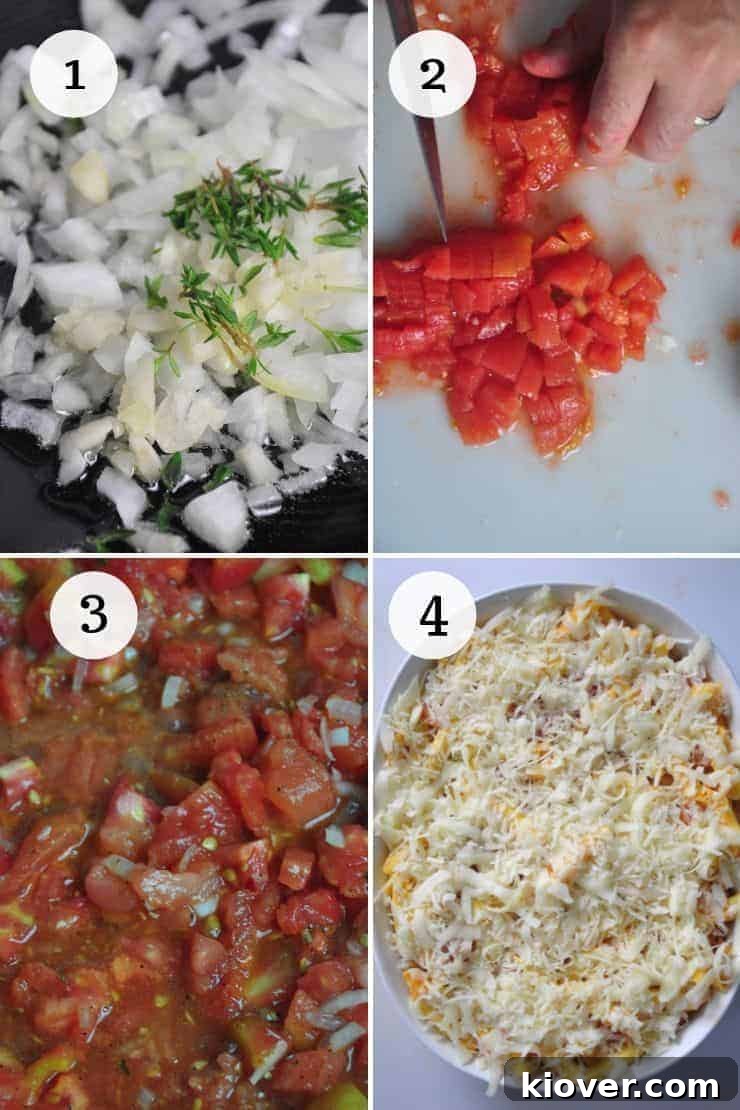
- Prepare Your Tomatoes (If Using Fresh): Begin by blanching, coring, and peeling your fresh Roma tomatoes. Score an ‘X’ at the bottom of each tomato, boil briefly, then plunge into an ice bath. The skins will easily slip off. Chop the peeled tomatoes into small pieces.
- Sauté Aromatics: In a large saucepan, heat 2 tablespoons of olive oil over medium-low heat. Add the minced garlic, fresh thyme sprigs, and diced onion. Cook gently, stirring occasionally, until the onions are soft and translucent and the garlic is fragrant (approximately 5-7 minutes).
- Preheat Oven and Prep Pasta Water: While the aromatics are cooking, preheat your oven to 400°F (200°C). At the same time, bring a large pot of salted water to a rolling boil for your penne pasta.
- Simmer the Sauce: Once the aromatics are soft, add the chopped fresh tomatoes (or crushed canned San Marzano tomatoes), salt, black pepper, and red pepper flakes to the pan. Bring the mixture to a gentle boil, then reduce the heat and let it simmer for at least 15-20 minutes. For a richer, more concentrated flavor, simmer for up to 40 minutes.
- Cook the Pasta: While the sauce simmers, add the penne pasta to the boiling water and cook according to package directions until al dente. Drain the pasta thoroughly once cooked.
- Shred the Cheeses: During the simmering and pasta cooking time, finely shred your mozzarella cheese and grate the Parmesan cheese.
- Combine and Transfer: In a large bowl, mix the drained penne pasta with the finished tomato sauce until the pasta is evenly coated.
- Prepare for Baking: Lightly coat a 1.5-quart (or 8×8 inch) casserole dish with the remaining 1 tablespoon of olive oil. Pour the pasta and sauce mixture into the prepared dish.
- Top with Cheese and Bake: Evenly sprinkle the shredded mozzarella and grated Parmesan cheese over the pasta mixture. Place the casserole dish on the top rack of your preheated oven and bake for 10-15 minutes, or until the cheese is melted, bubbly, and lightly golden brown.
- Serve Immediately: Carefully remove the Pasta Al Forno from the oven and let it rest for a few minutes before serving to allow the flavors to settle. Enjoy this comforting Italian classic!
Pro Tips for the Best Pasta Al Forno
- Tomato Choice Flexibility: If fresh tomatoes are out of season or unavailable, a 28-ounce can of high-quality San Marzano tomatoes is an excellent substitute. Crush them by hand before adding to the sauce for best results.
- Casserole Dish Sizing: A 1.5-quart Corningware casserole dish works perfectly, but an 8×8 inch baking pan is also suitable. Ensure your dish is adequately sized to prevent overflow in the oven.
- Prevent Sticking: Always remember to lightly oil your casserole dish before adding the pasta mixture. This simple step prevents the pasta from sticking to the bottom and sides, making serving easier and cleanup a breeze.
- Herb Customization: The herbs listed are a suggestion! Feel free to experiment with your favorite Italian herbs. Fresh basil, oregano, or a pinch of rosemary can all add unique and delicious dimensions to your sauce. Use what you love!
- Flavor Concentration: While 15-20 minutes of simmering is sufficient, don’t hesitate to simmer your sauce for up to 40 minutes. Longer simmering times allow the flavors to deepen and meld, resulting in a richer, more complex tomato sauce.
- Al Dente Pasta is Key: Cook your pasta to just al dente, as it will continue to cook slightly in the oven. This ensures your baked pasta retains a pleasant texture and doesn’t become mushy.
- Freshly Grated Cheese: Always opt for freshly shredded mozzarella and grated Parmesan. Pre-shredded cheeses often contain anti-caking agents that can affect their melting quality and flavor.
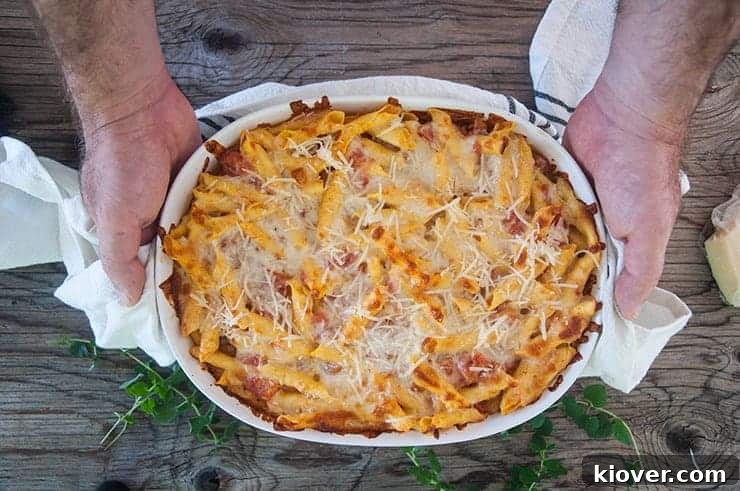
Recommended Kitchen Tools for This Recipe
- 1.5 Quart Corningware Casserole Dish: Ideal for baking and serving.
- Large Saucepan: For simmering your delicious homemade pasta sauce.
- Large Pot: Essential for cooking the penne pasta.
- Cheese Grater: For freshly shredding mozzarella and Parmesan, enhancing flavor and melt.
- Sharp Knife and Cutting Board: For preparing fresh vegetables and herbs.
Frequently Asked Questions (FAQ) About Pasta Al Forno
Can I make Pasta Al Forno ahead of time?
Yes, absolutely! You can prepare the sauce and cook the pasta ahead of time. Mix them together, allow to cool completely, then store in an airtight container in the refrigerator for up to 2-3 days. When ready to bake, transfer to your oiled casserole dish, top with cheese, and bake as directed, possibly adding an extra 5-10 minutes to ensure it’s heated through.
How do I store leftover Pasta Al Forno?
Store any leftover baked pasta in an airtight container in the refrigerator for up to 3-4 days. It reheats beautifully in the microwave or a preheated oven until warm and bubbly.
Can I freeze Pasta Al Forno?
Pasta Al Forno freezes exceptionally well! Assemble the dish in an oven-safe, freezer-friendly casserole dish, but do not bake it. Cover tightly with plastic wrap and then foil. Freeze for up to 2-3 months. When ready to cook, thaw overnight in the refrigerator, then bake as directed. Alternatively, you can bake it from frozen (without thawing), but it will require a longer baking time (around 45-60 minutes covered with foil, then uncovered for the last 10-15 minutes) until heated through and bubbling.
What are some serving suggestions for Pasta Al Forno?
This hearty baked pasta dish is a complete meal on its own, but it pairs wonderfully with a simple green salad dressed with a vinaigrette. A side of crusty garlic bread is also an excellent addition for soaking up any extra sauce. For a lighter touch, steamed green beans or asparagus complement the rich flavors well.
Why is my Pasta Al Forno sauce too thin or too thick?
If your sauce is too thin, it likely needed more simmering time to reduce and thicken. For a thinner sauce, you can add a tablespoon of tomato paste or a cornstarch slurry (1 tsp cornstarch mixed with 1 tsp cold water) towards the end of simmering. If your sauce is too thick, you can easily thin it out by stirring in a splash of pasta water or vegetable broth until it reaches your desired consistency.
Share Your Culinary Creations!
We absolutely love hearing from you! If you tried this homemade Pasta Al Forno recipe, please take a moment to share your experience and thoughts in the comment section below. Your feedback helps us grow and inspires other home cooks. Don’t forget to subscribe to our newsletter to receive updates on new recipes and culinary tips directly to your inbox. And if you loved this easy Italian dinner, please consider sharing it on Pinterest to help spread the joy of delicious homemade baked pasta!