
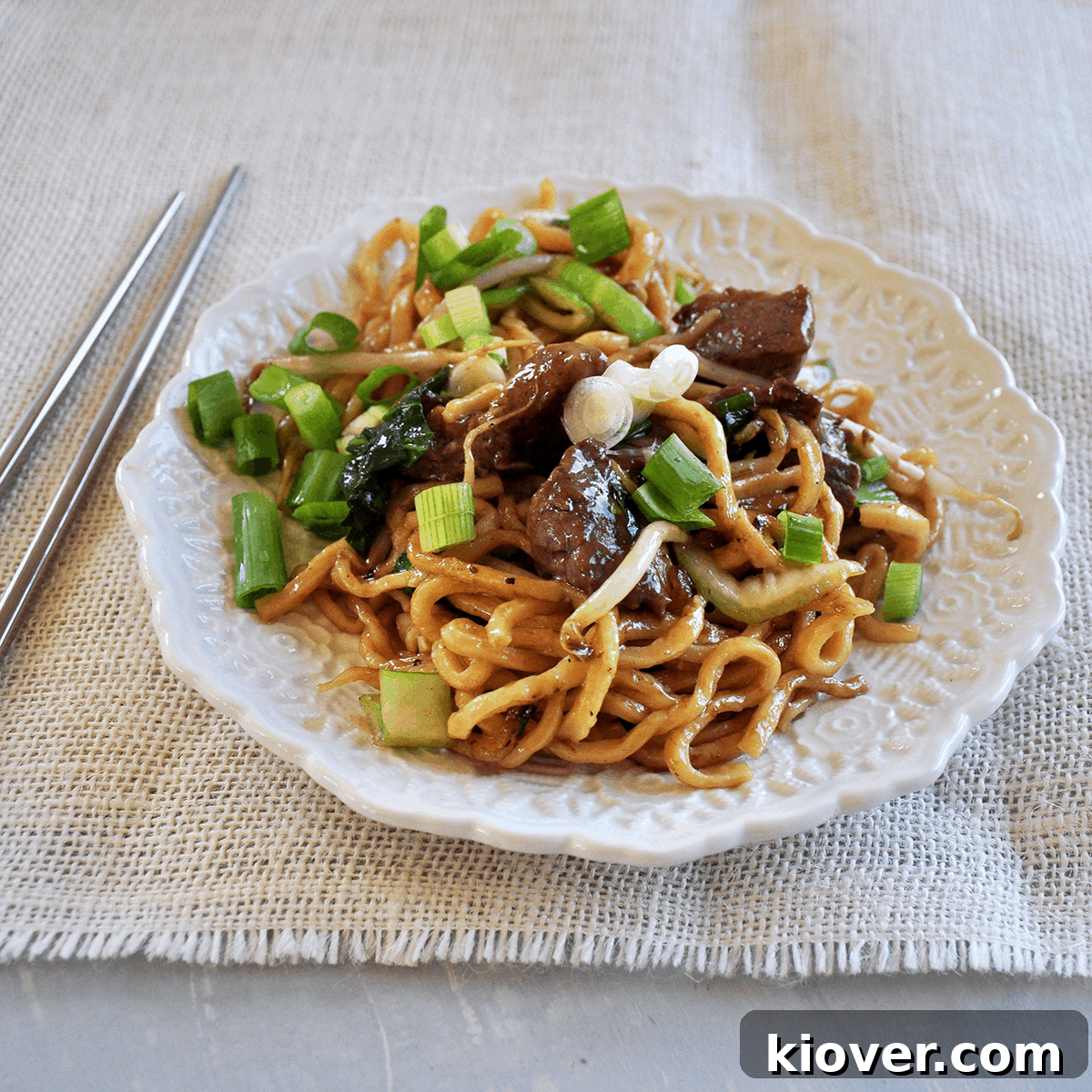
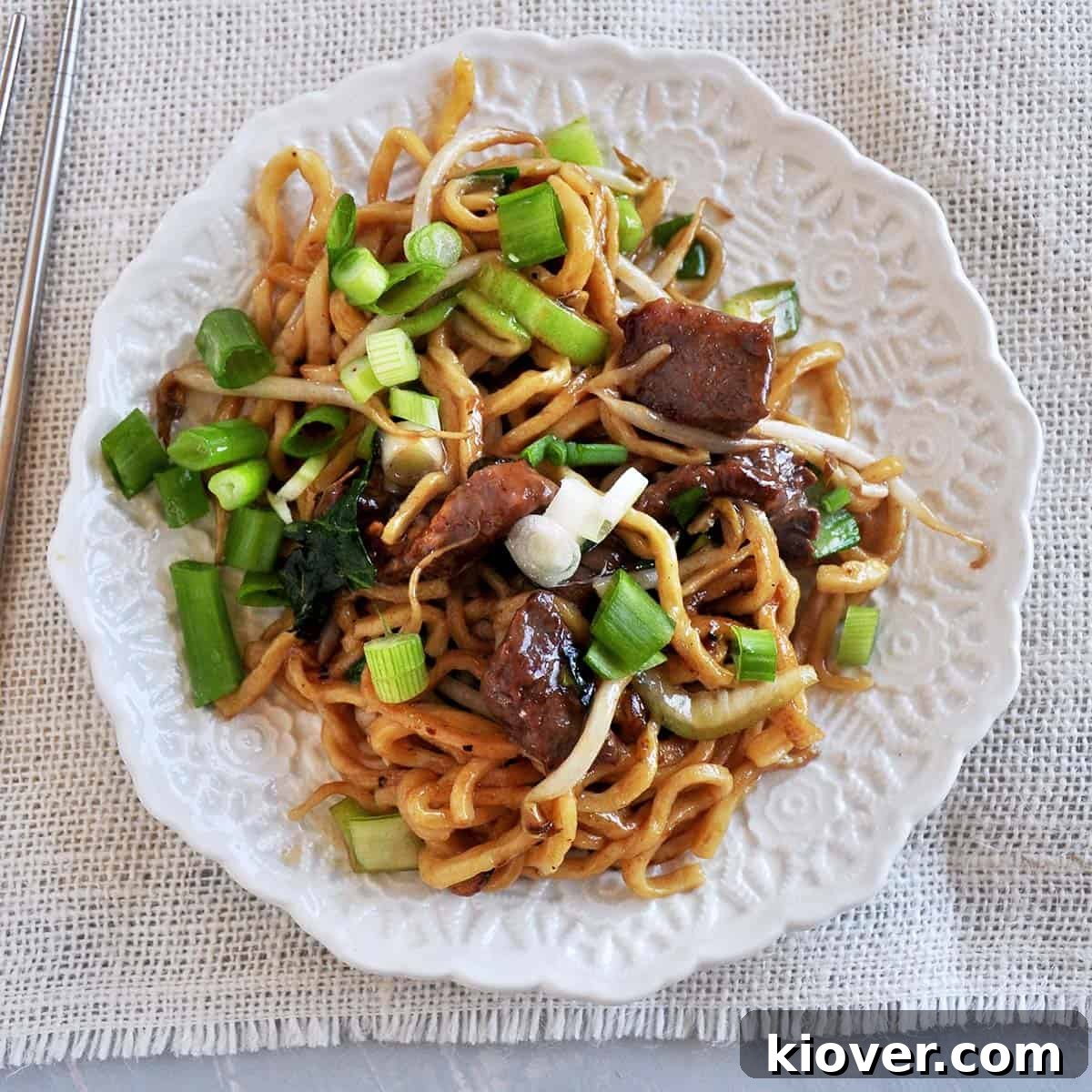
Embark on a culinary adventure with this incredible Beef Chow Mein recipe, a delightful fusion of tender beef, vibrant vegetables, and perfectly cooked noodles, all coated in a rich, savory sauce. This dish isn’t just food; it’s an experience, bringing the authentic flavors of Asian cuisine right into your kitchen. Say goodbye to takeout and hello to a homemade masterpiece that promises to impress with its depth of flavor and satisfying textures.
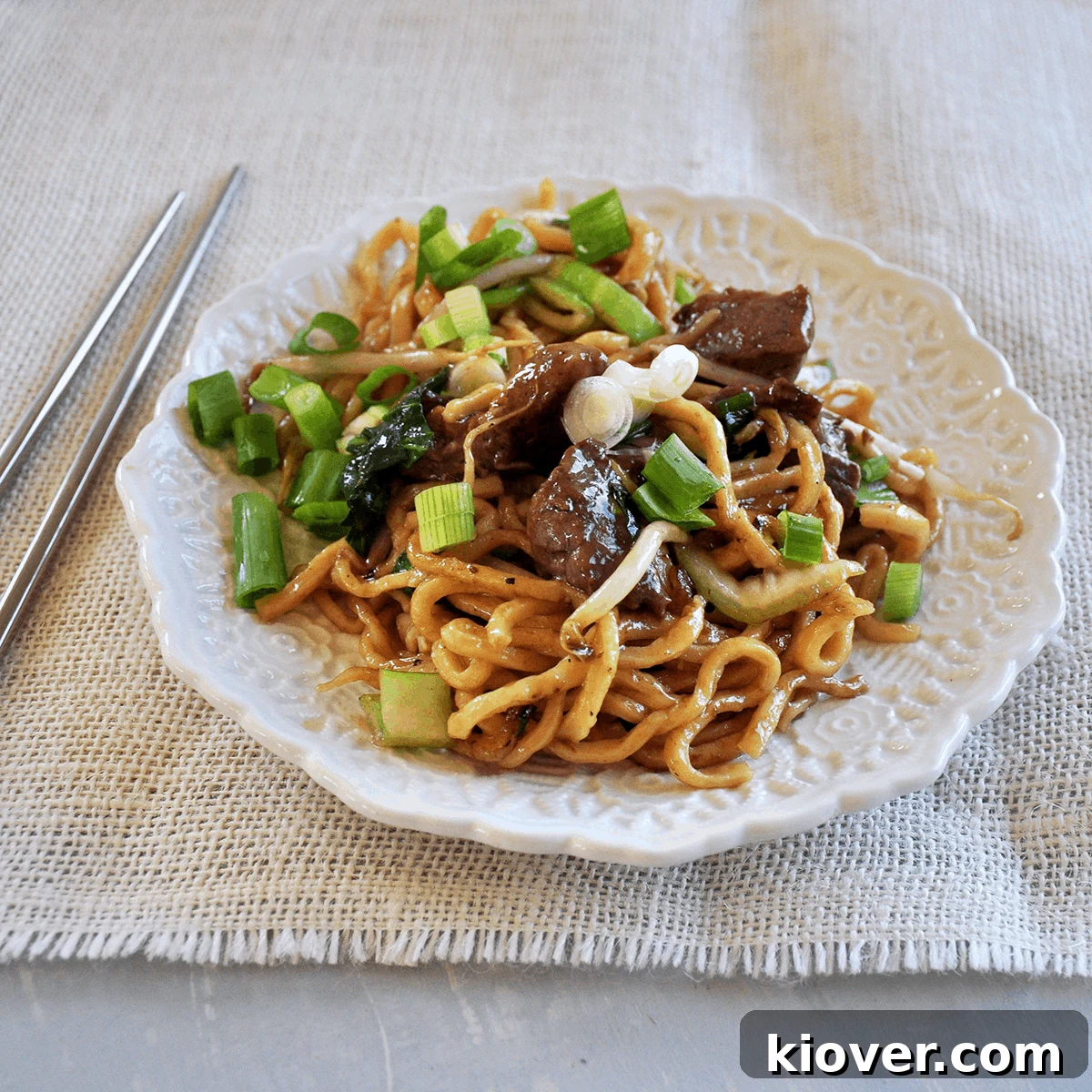
This Beef Chow Mein recipe marks the culmination of our Chow Mein series, a journey dedicated to celebrating the versatility and deliciousness of this iconic noodle dish. We’ve explored the crispy delights of Chicken Chow Mein, reminiscent of your favorite Chinese takeout, and even crafted a vegetarian version featuring honey tofu, a sweet nod to the culinary possibilities of homemade ingredients. Now, we dive into the hearty and robust world of Beef Chow Mein, a recipe that truly honors the beautiful art of stir-fried noodles with its rich flavors and inviting aroma.
The Unwavering Importance of the Noodle
At the core of any great Chow Mein, regardless of its protein, lies the noodle. It is the very essence and spirit of the dish. Our commitment to crafting exceptional Chow Mein means we prioritize the noodles, ensuring they are perfectly cooked and serve as the undeniable star of the plate. While all ingredients play a vital role, they are carefully selected to complement and enhance the inherent goodness of the noodles, allowing their texture and flavor to truly shine. We aim for that ideal balance where the noodles are tender yet retain a delightful chew, often with a hint of crispiness from the stir-frying process.
For those truly dedicated to the authentic Chow Mein experience, creating your own noodles from scratch is a game-changer. Homemade noodles offer an unparalleled freshness and texture that elevates the entire dish. You can find a comprehensive, in-depth guide to our noodle recipe, complete with illustrative pictures, in our dedicated Homemade Chow Mein Noodles post. This guide will walk you through every step, ensuring your noodles are worthy of their starring role in this Beef Chow Mein. If you’re looking to replicate that genuine restaurant-quality texture, taking the time to make your own noodles is a highly rewarding endeavor.
Selecting and Preparing the Perfect Beef for Chow Mein
The beef component is crucial for a rich and satisfying Beef Chow Mein. For this recipe, we’ve chosen succulent strip steak, known for its tenderness and ability to absorb flavors beautifully. However, you can also achieve excellent results with flank steak or skirt steak, both of which are fantastic choices for stir-frying due to their robust flavor and relatively quick cooking times. The key to tender beef in any stir-fry lies not just in the cut, but in the preparation.
To ensure every bite of beef is incredibly tender, it is absolutely essential to cut the steak into 1-2 inch strips AGAINST the grain. Cutting against the grain shortens the muscle fibers, preventing the beef from becoming tough during the rapid cooking process. This technique, combined with a brief but effective marinade, guarantees melt-in-your-mouth beef that perfectly complements the noodles and vegetables. Like many of our other Chow Mein variations, we’ll cook the protein separately to achieve ideal texture and then reincorporate it at the end, ensuring everything is perfectly cooked without overcrowding the wok.
Crafting the Flavorful Beef Chow Mein Marinade
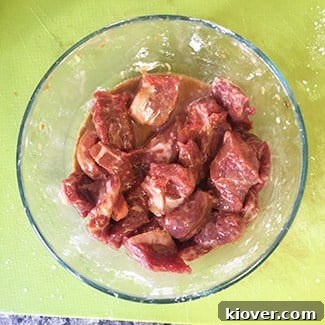
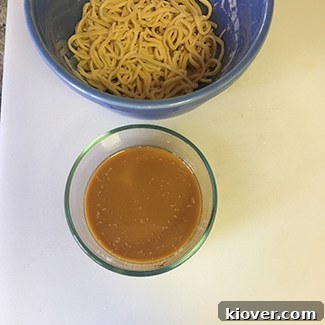
Even a short marinade can make a significant difference in flavor and texture. For our ½ pound section of beef, we use a simple yet potent marinade that deeply infuses the meat with savory notes. While you don’t need to marinate for an entire day, allowing the beef to soak in the mixture for a few hours in the fridge will impart an awesome flavor and contribute to its tenderness. The marinade also often includes cornstarch, which is a common Chinese cooking technique known as “velveting.” This creates a protective coating that locks in moisture, resulting in incredibly succulent beef. Trust us, the cooked beef from this marinade is so delicious, you might find yourself sneaking a taste (or two!) before it even makes it into the wok.
The Vibrant Vegetables: A Symphony of Freshness
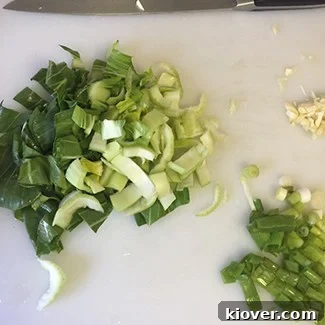
For the vegetable component of our Beef Chow Mein, we rely on a tried-and-true combination that has excelled in previous recipes in this series: crunchy bean sprouts, crisp green onions, and delicate baby bok choy. This trio is fantastic because these vegetables all share a similar density and cook quickly, ensuring they reach perfection without becoming overdone or mushy. Their textures and subtle flavors perfectly complement the richness of the beef and the chewiness of the noodles.
The beauty of Chow Mein is its adaptability. While our chosen combination is superb, feel free to experiment with other stir-fry friendly vegetables. Sliced carrots, bell peppers, snow peas, or even mushrooms would also make wonderful additions, adding their own unique flavors and textures to the dish. The key is to cut them uniformly and ensure they are added to the wok at the right time, so they cook evenly and retain a pleasant bite.
The Essential Chow Mein Sauce
No Chow Mein is complete without its signature sauce, which binds all the ingredients together and infuses the dish with its characteristic savory, umami flavor. The sauce we use for this Beef Chow Mein is thoughtfully crafted and quite similar to those featured in our other Chow Mein recipes, ensuring a consistent and delightful taste profile across the series. In this specific iteration, we harness the robust flavor of beef broth as our base, which naturally enhances the beefy notes of the dish.
A crucial element in achieving the perfect Chow Mein sauce consistency is cornstarch. It acts as a thickening agent, giving the sauce a glossy sheen and allowing it to beautifully coat every strand of noodle and piece of beef and vegetable. When cooking in a wok, the high heat causes the cornstarch-based sauce to thicken surprisingly quickly, so be ready to stir constantly and keep an eye on it. Alongside beef broth and cornstarch, our sauce typically includes soy sauce for its salty and umami depth, and often a touch of oyster sauce for a nuanced, slightly sweet, and savory complexity. A dash of pepper rounds out the flavors, creating a well-balanced and irresistible coating for your delicious Chow Mein.
Wok Mastery: Techniques for Stir-Fry Success
Cooking Chow Mein, especially in a wok, is an art form that rewards speed and precision. The high heat of a wok is essential for achieving that distinctive smoky flavor, often referred to as “wok hei” or the breath of the wok. When cooking, ensure your wok is screaming hot before adding oil, and then ensure the oil is shimmering before adding ingredients. This rapid, intense heat ensures vegetables remain crisp-tender and meat sears quickly without stewing.
Avoid overcrowding the wok. If you add too many ingredients at once, the temperature will drop, steaming the food instead of stir-frying it. This leads to soggy textures and dull flavors. Instead, cook in batches – searing the beef, then stir-frying the vegetables, and finally frying the noodles – before combining everything with the sauce. This sequential cooking approach guarantees each component is perfectly prepared, retaining its unique texture and contributing to the overall harmony of the dish. If you don’t have a wok, a large, heavy-bottomed skillet or cast-iron pan can serve as a suitable alternative, just be mindful to cook in smaller batches.
Why Choose Homemade Beef Chow Mein?
While the convenience of takeout is undeniable, there are countless compelling reasons to prepare Beef Chow Mein at home. Firstly, you gain complete control over the ingredients, allowing you to select the freshest produce and highest quality beef, free from preservatives or excessive sodium often found in restaurant dishes. This not only results in a healthier meal but also a more flavorful one.
Secondly, the satisfaction of creating such an iconic dish from scratch is incredibly rewarding. From slicing the beef against the grain to watching the sauce thicken in the wok, each step is a hands-on experience that culminates in a truly personal culinary achievement. Homemade Chow Mein also allows for customization – adjust the spice level, add your favorite vegetables, or even swap out the beef for a different protein if you wish. It’s also often more cost-effective than ordering takeout, making it a smart choice for delicious family meals. Impress your friends and family with an authentic, restaurant-quality dish made with love in your own kitchen!
We genuinely hope you enjoy this fantastic Beef Chow Mein recipe and take the time to explore the other delicious recipes we have to offer. If you appreciate our culinary explorations and want to stay updated with our latest creations, please consider signing up for our weekly email newsletter and following us on Instagram for daily inspiration! Your support helps us continue sharing our passion for food.
Tools and Products We Recommend For This Recipe
- High-Quality Knife Set (e.g., Wüsthof): Essential for precise slicing and dicing of beef and vegetables.
- Authentic Wok: The cornerstone of stir-frying, ensuring even heat distribution and that coveted “wok hei.”
- Pure Honey: (Optional, but useful for other recipes or if you tweak the marinade/sauce for a hint of sweetness).
We’d Love Your Feedback!
Did you recreate this amazing Beef Chow Mein recipe at home? Fantastic! We truly appreciate you dedicating your time and effort to bring this dish to life. We pour our hearts into developing these recipes, and we sincerely hope you love it as much as we do. It’s a truly tasty and satisfying meal, and if you enjoyed making and eating it, we would be absolutely thrilled if you left a review in the comments section below. Your feedback helps us grow and inspires other home cooks. Most importantly, thank you for visiting Ramshackle Pantry, and we look forward to welcoming you back for more culinary inspiration!
Print
Beef Chow Mein
5 Stars
4 Stars
3 Stars
2 Stars
1 Star
5 from 1 review
-
Author:
Ben Myhre -
Prep Time:
1 Hour 30 Minutes -
Cook Time:
20 Minutes -
Total Time:
1 Hour 50 Minutes -
Yield:
2 servings -
Category:
Stir Fry -
Method:
Wok -
Cuisine:
Asian
Description
This authentic Beef Chow Mein recipe delivers an abundance of flavor, combining tender beef, fresh vegetables, and perfectly stir-fried noodles, sure to be a family favorite.
Ingredients
For the Noodles:
- 156 grams Bread Flour
- ¼ teaspoon of salt
- 1 large egg
- Water (as needed, to reach 78g total liquid with egg)
- ¼ cup peanut oil (or other high smoke point oil) For Frying
For the Vegetables:
- 1 tablespoon peanut oil
- 1 Baby Bok Choy, thoroughly cleaned and chopped
- 2 green onions, finely chopped
- 1 Cup Fresh Bean Sprouts
- 2-3 cloves of fresh garlic, finely diced
For the Beef and Marinade:
- ½ Pound Strip steak, fat trimmed and cross-cut into thin 1-2 inch strips
- 2 Tablespoons Peanut Oil (for marinating and cooking beef)
- 2 Tablespoons Soy Sauce
- 1 Tablespoon Cornstarch
For the Noodle Sauce:
- 1 Tablespoon Cornstarch
- ½ cup Beef Broth
- 2 Tablespoons Soy Sauce
- 1 Tablespoon Oyster Sauce
- Dash of Freshly Ground Black Pepper
Instructions
- Prepare the Beef: In a bowl, combine all ingredients from the ‘Beef’ section (strip steak, 2 tablespoons peanut oil, 2 tablespoons soy sauce, 1 tablespoon cornstarch). Mix well to coat the beef thoroughly. Place the bowl in the fridge and allow the beef to marinate while you prepare the noodles (approximately 1 hour 30 minutes).
- Start the Noodles (Dough): In a large mixing bowl, combine the bread flour and salt for the noodles.
- Prepare Liquid for Noodles: In a separate bowl, whisk together the egg and enough water to reach a total weight of 78 grams of liquid.
- Combine Dough Ingredients: Slowly pour the egg/water mixture into the flour and salt mixture, mixing until a shaggy dough forms.
- First Knead: Knead the dough in the bowl for 5 minutes. Do not add any additional water, even if it seems dry; continue kneading.
- Rest the Dough: Loosely cover the bowl and let the dough rest for 30 minutes. This allows the gluten to relax, making it easier to work with.
- Second Knead: Knead the dough for an additional minute. At this point, it should be smooth and elastic.
- Roll Out Noodles: Lightly sprinkle flour onto a clean rolling mat or surface. Use a rolling pin to roll out the dough to a very thin consistency, about 1mm to 2mm thick. Be patient, this step takes time to get right.
- Cut the Noodles: Using a sharp knife, thinly slice the rolled-out dough into individual noodles. You can fold the dough for easier cutting or roll and cut each noodle separately.
- Boil the Noodles: Bring a large pot of water to a rolling boil. Add the freshly cut noodles and cook for 2-3 minutes, or until al dente. Do not overcook.
- Strain and Set Aside: Drain the cooked noodles thoroughly and set them aside. You can toss them with a tiny bit of oil to prevent sticking if desired.
- Prepare the Noodle Sauce: In a small bowl, whisk together all ingredients for the noodle sauce (1 tablespoon cornstarch, ½ cup beef broth, 2 tablespoons soy sauce, 1 tablespoon oyster sauce, dash of pepper). Set aside.
- Cook the Vegetables: Heat 1 tablespoon of peanut oil in a wok or large skillet over high heat until shimmering. Add the baby bok choy first, then green onions, bean sprouts, and diced garlic in that order. Stir-fry rapidly until the vegetables are crisp-tender. Remove the cooked veggies from the wok and set them aside.
- Cook the Beef: Add the remaining 1 tablespoon of peanut oil to the wok and heat over high heat. Add the marinated beef strips and cook, stirring constantly, until fully cooked through and beautifully seared. Remove the beef from the wok and set it aside with the vegetables.
- Fry the Noodles: Add ¼ cup of peanut oil to the wok and heat over high heat. Once heated, add the boiled noodles. Fry for approximately 2 minutes, or until the noodles are crispy on the outside but still retain their chewy, noodle-like texture within. The goal is not a uniform crispness like dried noodles, but a pleasant textural contrast.
- Add the Sauce: Pour the prepared noodle sauce into the wok with the noodles. Stir continuously, allowing the sauce to thicken and coat the noodles evenly.
- Combine All Ingredients: Re-add the cooked vegetables and beef to the wok. Toss everything together, ensuring all components are well combined and coated with the luscious sauce.
- Serve Immediately: Plate your delicious Beef Chow Mein and serve hot! Enjoy the authentic flavors and satisfying textures of your homemade creation.
Notes
- The steps 2-11 in the instructions detail the process for making Raw Homemade Chinese Noodles, derived directly from our base Noodle Recipe, prior to their final frying. This ensures optimal texture for your Chow Mein.
- For best results, prepare all ingredients (chop vegetables, slice beef, mix sauces) before you start cooking. This “mise en place” approach is crucial for stir-frying as it’s a very fast cooking method.