
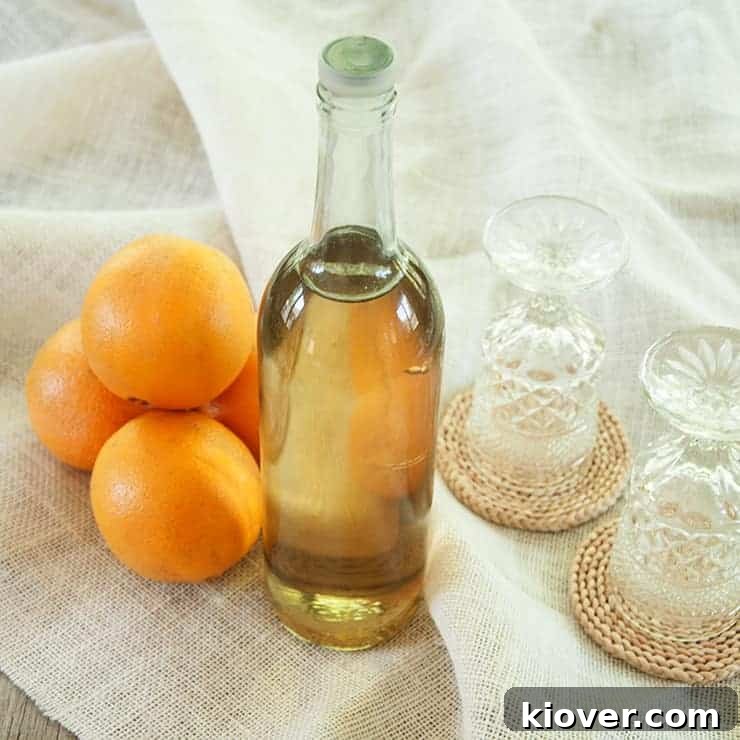
Forget the ordinary and prepare for an extraordinary taste adventure! While limoncello has long held its place as a classic Italian after-dinner digestivo, a vibrant and equally delightful alternative awaits: Homemade Orangecello. This exquisite DIY libation promises to elevate your craft cocktails and offer a sophisticated sipping experience like no other. Imagine a golden elixir, bursting with the pure, sun-kissed essence of oranges, crafted with care right in your own kitchen. It's more than just a drink; it's a testament to the joy of homemade goodness and a celebration of citrus.
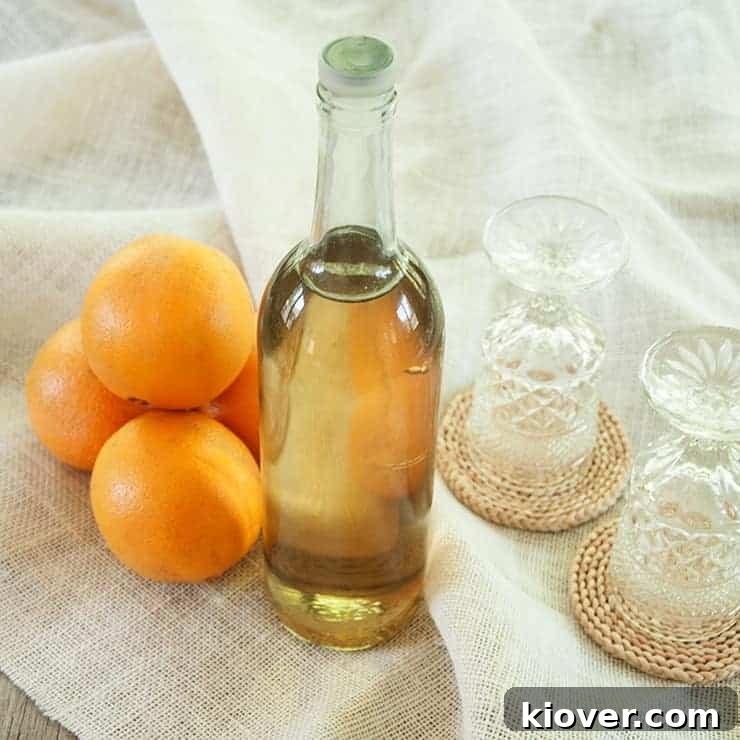
What is Orangecello? Unveiling the Sunshine Liqueur
If you're familiar with the bright, zesty allure of limoncello, then you already have a good grasp of what Orangecello is all about – but with a delightful orange twist! Commonly known as arancello in Italy, this captivating fruit-flavored liqueur is a close cousin to its lemon counterpart, designed to be savored. Traditionally enjoyed as a chilled digestivo after a meal, it also serves as an exceptional ingredient for crafting innovative and refreshing cocktails. At its heart, Orangecello is a wonderfully simple creation, comprising a neutral spirit (typically vodka), the aromatic zest of oranges, pure sugar, and water. This straightforward recipe belies the complex, radiant flavor profile it delivers. The process is less about intricate steps and more about patience, allowing time to work its magic as the vibrant orange essences slowly infuse into the spirit. While the authentic Italian name is arancello, we've opted for "Orangecello" here to immediately convey its star ingredient, ensuring everyone understands the delightful citrus experience awaiting them.
The journey into homemade cellos at our house began with my wife, Ashley. It’s her passion and her perfected recipe that brings both our Limoncello and Orangecello to life. She discovered a fantastic Limoncello recipe years ago on Epicurious, and ever since, we've been utterly captivated by these delightful homemade liqueurs. This shared culinary adventure has not only filled our liquor cabinet with exquisite, handcrafted spirits but has also become a cherished tradition in our home.
The Allure of Homemade Liqueurs
There's something uniquely satisfying about crafting your own liqueurs. Unlike store-bought varieties, homemade Orangecello allows you to control the quality of ingredients, the intensity of flavor, and even experiment with subtle nuances. It's a culinary art form that rewards patience with a truly bespoke beverage. The vibrant aroma and robust flavor of fresh oranges, combined with a smooth spirit, create a liqueur that tastes infinitely superior to any mass-produced alternative. Moreover, the act of making it provides a deeper connection to what you consume, transforming a simple drink into an experience of craftsmanship and personal touch. This journey from raw ingredients to a golden, aromatic spirit is incredibly rewarding.
Unleashing the Versatility of Orangecello: More Than Just a Sip
The primary and most obvious use for Orangecello is, of course, to drink it! This golden nectar is best served well-chilled. Pop a bottle in the refrigerator a few hours before serving, or present it in a chilled glass over a few ice cubes for an incredibly refreshing experience. The cool temperature enhances its smooth, sweet, and citrusy notes, making it an ideal palate cleanser or a delightful end to any meal. However, the potential of Orangecello extends far beyond a simple sip.
An Exquisite Gift Idea
Consider the gift of homemade Orangecello. This recipe yields a generous amount, approximately 2.5 to 2.8 liters, making it perfect for bottling into elegant gift-sized containers. Imagine presenting friends and family with beautifully bottled pints of your handcrafted liqueur for holidays, birthdays, or as a thoughtful hostess gift. It’s a personal touch that speaks volumes, showcasing your effort and appreciation. This idea resonates deeply with me, and I often find myself planning to bottle batches specifically for gifting.
Elevating Your Cocktail Game
While Orangecello is traditionally savored on its own, it’s also an incredibly versatile ingredient for mixology. It brings a unique brightness and a touch of sweetness that can transform ordinary cocktails into something truly special. Think beyond basic limoncello applications; Orangecello can be used to add an intriguing citrus depth to a range of drinks. Try it in a sparkling prosecco cocktail, a refreshing spritzer with soda water and a twist of orange, or as a base for an orange martini. Its distinct flavor profile allows for endless experimentation, adding a sophisticated twist to classic recipes or inspiring entirely new concoctions.
Beyond Beverages: Culinary Creations
Don't limit Orangecello to just drinking. Its vibrant flavor makes it an excellent addition to desserts. Drizzle it over vanilla ice cream, incorporate it into a fruit salad for an extra zing, or use it to moisten a sponge cake. It can also be used in glazes for pastries or as a sophisticated flavoring in sauces for poultry or seafood, offering a subtle hint of sweet orange that complements savory dishes beautifully.
The Heart of the Liqueur: Choosing the Right Oranges
When it comes to making Orangecello, the quality of your oranges is paramount. Since the recipe primarily utilizes the zest – the outermost, fragrant layer of the peel – it is absolutely crucial to select organic oranges. Non-organic oranges are often treated with pesticides and waxes, residues that you definitely don't want infusing into your spirit. Even with organic varieties, take the time to thoroughly wash your oranges under warm running water. Scrub them gently with a brush to remove any lingering dirt, debris, or natural residues. This meticulous cleaning ensures that only the purest, most aromatic orange essence contributes to your liqueur.
Variety Matters: Exploring Orange Flavors
Different orange varieties offer subtle variations in flavor and aroma, which can influence your final Orangecello. Navel oranges are widely available and provide a classic, sweet orange flavor. Valencia oranges, known for their juiciness, also yield excellent zest. For a more exotic and visually appealing liqueur, consider using blood oranges, which impart a beautiful reddish hue and a slightly berry-like undertone, or Cara Cara oranges, which offer a sweeter, less acidic profile with hints of cherry and rose. Experimenting with different types of oranges can lead to exciting and personalized Orangecello creations.
Maximizing the Zest, Minimizing the Pith
When zesting, the goal is to capture only the brightly colored outer layer of the peel, avoiding the bitter white pith beneath. A good quality zester or microplane is your best friend here. Gently rotate the orange as you zest, applying light pressure to shave off only the colored part. The pith contains compounds that can impart an unpleasant bitterness to your liqueur, so precision is key for a smooth, sweet, and balanced flavor.
Making the Most of Leftover Fruit
This recipe only calls for the zest, leaving you with a bounty of peeled oranges. Don't let them go to waste! There are countless delicious ways to utilize the fruit. Enjoy them as a healthy snack, squeeze them for fresh orange juice, or create vibrant mimosas for a special brunch. You could also segment them for fruit salads, make homemade orange marmalade, or even candy the peels (after removing any remaining pith) for a delightful sweet treat. This ensures a zero-waste approach and allows you to enjoy the full spectrum of the orange's goodness.
The Foundation: Selecting Your Neutral Spirit
The choice of neutral spirit plays a critical role in the quality of your Orangecello. We consistently opt for vodka due to its widespread availability, affordability, and, most importantly, its neutral flavor profile. A good quality vodka (preferably 80-100 proof, or 40-50% alcohol by volume) acts as a blank canvas, allowing the vibrant orange flavors to truly shine without competition from the spirit itself. The higher proof also aids in more efficiently extracting the essential oils from the orange zest.
Considering Alternatives: Everclear and Beyond
For those seeking a more potent extraction or a higher final alcohol content, spirits like Everclear (grain alcohol, typically 151 or 190 proof) are excellent alternatives. However, exercise caution with high-proof spirits, as they require careful handling and often need more dilution with the sugar syrup to achieve a balanced and palatable strength. When using Everclear, you might want to adjust the proportions of water in your sugar syrup or add more water later to reach your desired proof and smoothness. Always ensure the spirit you choose is truly neutral, avoiding flavored vodkas or spirits with strong inherent characteristics that could clash with the delicate orange flavor.
Unleash Your Inner Alchemist: Experimenting with Flavor
While pure orange zest yields a divine Orangecello, don't feel limited to a single flavor profile. The beauty of homemade liqueurs lies in the freedom to experiment and personalize. Think of your Orangecello as a foundation, ready to be enhanced with complementary aromas and tastes. Consider infusing a fresh vanilla bean alongside the orange zest for a warm, creamy undertone. A sprig of fresh rosemary or basil can introduce an unexpected herbaceous note that adds complexity. Mint offers a refreshing counterpoint, perfect for a summer sipper.
Beyond the Basics: Creative Combinations
Dare to think outside the box, but always with balance in mind. A touch of cinnamon stick or a few cloves can add a warming spice dimension, especially appealing for an autumn or winter version. Star anise can introduce a subtle licorice-like aroma. You could even combine different citrus zests – a hint of grapefruit or lime could add another layer of brightness. The key is to start small, perhaps adding just one additional ingredient per batch, and taste periodically during the infusion process to find your perfect blend. This experimentation transforms your Orangecello into a truly unique, signature libation.
The Art of Patience: Orangecello Takes Time
Making Orangecello is not a rushed endeavor; it's a practice in patience and anticipation. From start to finish, a full batch can take a minimum of 20 days, often stretching longer for optimal flavor development. This extended timeline is crucial for allowing the flavors to fully meld and mature. The good news is that Orangecello, like fine wine, often improves with age. If you’re truly dedicated, you can age this liqueur for up to two years, allowing its flavors to deepen and mellow, resulting in an incredibly smooth and sophisticated spirit.
First Infusion: The Zest's Dance with Spirit (10 Days to 2 Weeks)
This initial phase is where the magic truly begins. The vibrant orange zest, brimming with aromatic oils, is submerged in the neutral spirit. Over the course of 10 days to 2 weeks, the alcohol slowly but surely extracts these essential oils, absorbing the rich color and intense flavor of the oranges. While we recommend a minimum of 10 days, there’s no harm in letting this infusion sit for a few months if you desire an even more pronounced orange flavor and deeper color. During this period, the mixture should be stored in a cool, dark place, and ideally, given a gentle shake every day or two to ensure maximum extraction. This waiting period is critical for developing the robust orange backbone of your liqueur.
Second Infusion: Sweetening and Smoothing (Additional Weeks)
Once the initial zest infusion is complete, the concentrated orange-infused spirit is combined with a freshly prepared sugar syrup. This syrup, made by boiling sugar and water, not only sweetens the liqueur but also dilutes the potent spirit to a more palatable drinking strength. After combining, the mixture needs another period of rest – typically an additional 10 days to 2 weeks, or even longer. This second infusion phase allows the sugar to fully integrate with the infused spirit, harmonizing the flavors and smoothing out any harsh edges. The longer it rests, the more balanced and mellow your Orangecello will become.
Filtering the Zest: Achieving Clarity
One of the final, yet crucial, steps in crafting your Orangecello is filtering out the spent orange zest to achieve a clear, brilliant liqueur. Orange zest, by its very nature, is finely textured and can easily slip through most standard kitchen strainers. To ensure a perfectly clear and sediment-free beverage, we highly recommend lining a fine-mesh strainer with a coffee filter. This method, while requiring a bit of patience as the liquid slowly drips through, will effectively capture even the tiniest particles of zest, leaving you with a pristine and visually appealing final product.
Bottling Your Homemade Treasure: Presentation Matters
While you might be tempted to use any available container for storage, recognize that the bottling choice significantly contributes to the overall experience of enjoying a homemade liqueur. Presenting your carefully crafted Orangecello in an old, oversized milk jug, for example, will undoubtedly detract from its sophisticated charm. Instead, invest a little in quality bottles. Elegant Grolsch-style swing-top bottles are not only practical for their airtight seal but also lend an air of artisanal authenticity. Serving your homemade Orangecello in nice, ice-filled, chilled lowball glasses will undoubtedly enhance the experience for your guests, highlighting the care and effort you put into its creation. Presentation elevates enjoyment, transforming a simple drink into a memorable event.
Orangecello Process Descriptions Visual Aid
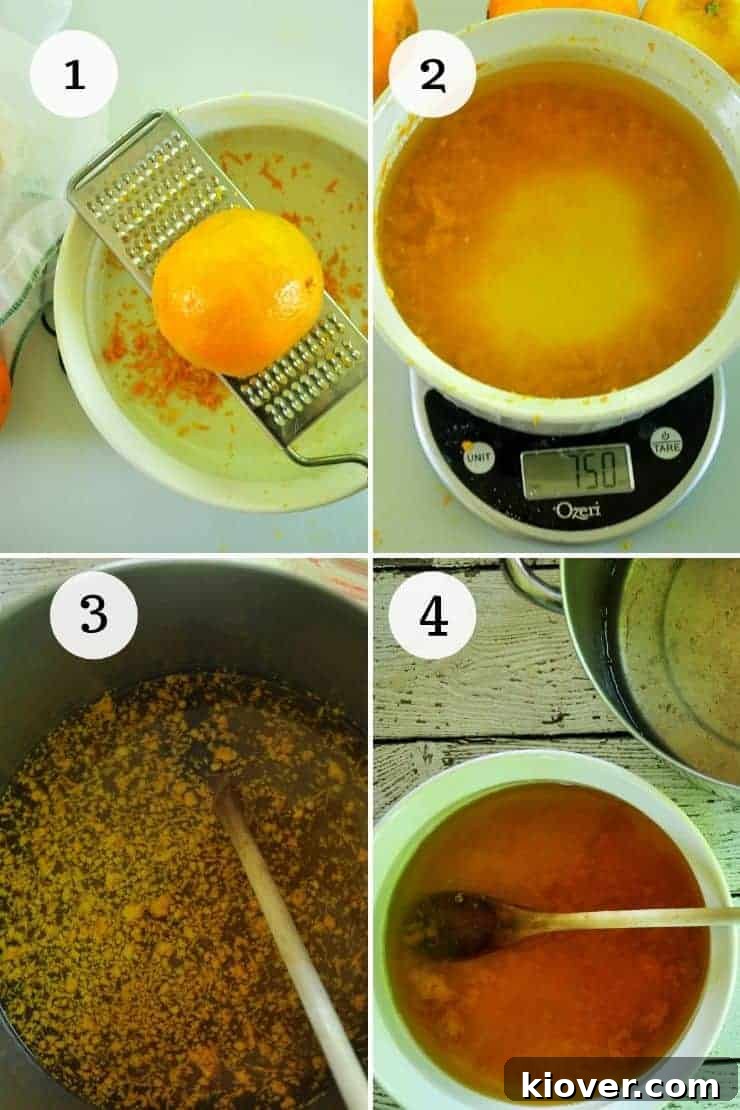
- Carefully zesting organic orange peel directly into a container of vodka.
- Ensuring the container volume reaches 750ml after adding the vodka and zest, ready for the initial infusion.
- The cooled sugar syrup, prepared and now ready to be combined with the orange-infused vodka.
- The mixture just before its second, extended resting period, allowing all flavors to harmonize.
Homemade Orangecello Recipe: Essential Tips for Success
- Prioritize Organic Oranges: Since the zest is the primary flavor source, choosing organic oranges is non-negotiable to avoid unwanted chemicals. Always wash them thoroughly, even if organic, to remove any surface impurities.
- Boost Orange Flavor: For a more intense orange profile, feel free to use a bit more zest than the recipe calls for. Additionally, extending the initial zest-infusion period will yield a deeper, more robust orange essence in your final liqueur. Patience truly pays off here.
- Masterful Filtering: To achieve a perfectly clear, bright Orangecello free from any zest particles, always use coffee filters to line your strainer. This simple step, though it takes a little longer, ensures a professional-looking and tasting result.
- Elegant Presentation: Don't underestimate the power of presentation. Serve your homemade Orangecello in beautiful bottles and chilled glasses. The visual appeal significantly enhances the tasting experience, making it feel truly special.
- Optimal Serving Temperature: For the best flavor experience, ensure your Orangecello is thoroughly chilled before serving. Pop the bottle in the refrigerator for an hour or two prior, or serve it over ice in a pre-chilled glass. The cold temperature accentuates its refreshing citrus notes and smooth sweetness.
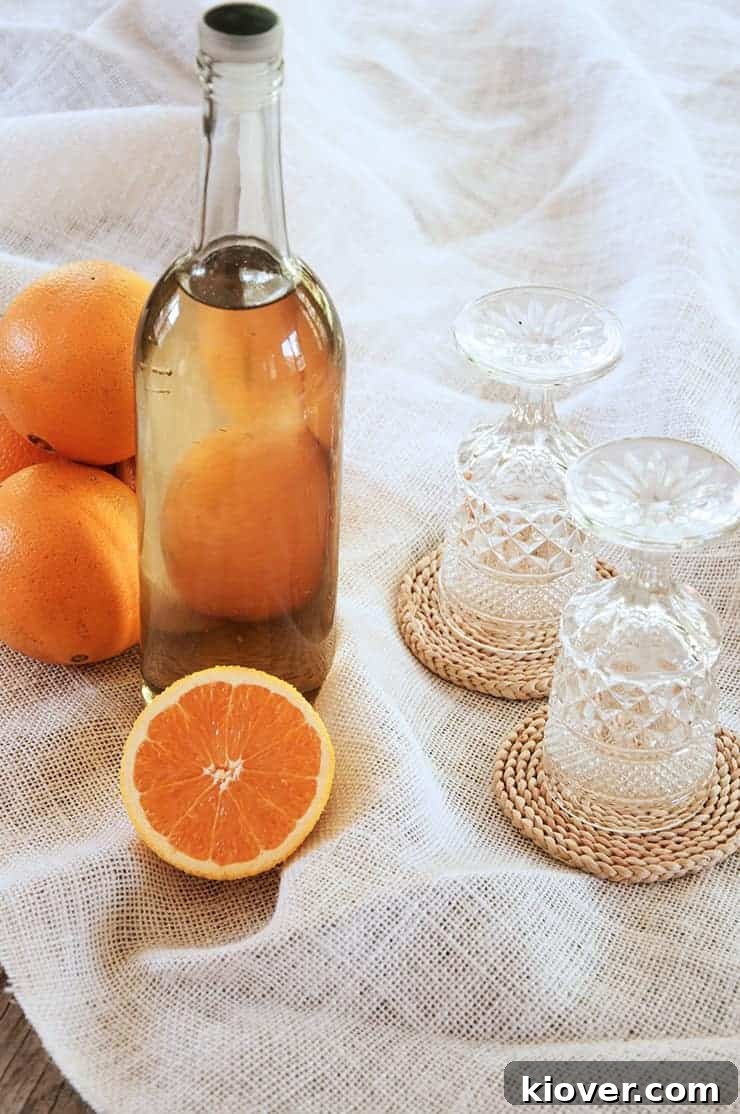
This homemade liqueur is nothing short of divine. Crafting your own Orangecello is an incredibly rewarding journey, allowing you to not only experiment with sophisticated craft drinks but also to create something genuinely delicious and uniquely yours. The vibrant aroma and robust flavor of fresh oranges captured in a smooth, sweet spirit make this a truly unforgettable treat. Don't delay – gather your organic oranges today and embark on the delightful process of making this exquisite beverage. Your taste buds, and your guests, will thank you.
Print Recipe
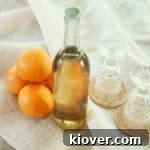
Homemade Orangecello Recipe
5 from 4 reviews
- Author: Ben Myhre
- Prep Time: 1 Month
- Cook Time: 1 hour
- Total Time: 1 Month 1 Hour
- Yield: 2.5-2.8 Liters
- Category: Cocktails
- Method: Steeping
- Cuisine: Italian
Description
Put that limoncello back in the liquor cabinet and get ready for a flavor surprise with our very own delicious Homemade Orangecello. Your craft cocktails or your favorite sipping liqueur are gonna get that much better by using this diy libation!
Ingredients
- Zest from 6 organic oranges
- 1.5 Liter vodka
- 4 Cups Sugar
- 5 Cups Water
Instructions
- Zest 6 oranges into a large bowl that has cover. Use the rest of the orange for something else.
- Add Vodka to bring to 750 mL.
- Cover and let sit for 10 days to 2 weeks.
- After 10 days to 2 weeks, mix 4 cups of sugar and 5 cups water and bring to a boil.
- Simmer for 20-25 minutes to create a syrup.
- Allow syrup to cool.
- Add syrup to previous Vodka/zest mixture.
- Add another 750mL of Vodka and mix.
- Cover and let sit for an additional 10 days to 2 weeks.
- Strain the zest through a strainer lined with a coffee filter. This will take some time.
- Bottle and serve!
Nutrition
- Serving Size: 2 ounces
- Calories: 166
- Sugar: 32g
- Sodium: 18mg
- Fat: 0
- Saturated Fat: 0
- Unsaturated Fat: 0
- Trans Fat: 0
- Carbohydrates: 45g
- Fiber: 0
- Protein: 0g
- Cholesterol: 0g
Products We Recommend for This Recipe
-
Large Bowl with Cover
-
Zester
-
Strainer
-
Coffee filters
-
Bottles
We'd Love to Hear From You!
If you embarked on this delightful journey of crafting your own homemade Orangecello and enjoyed the result, we would be absolutely thrilled to hear about your experience. Your feedback means a lot to us, and it helps us continue to share wonderful recipes with our community. Please take a moment to leave a comment and a rating below to let us know how your Orangecello turned out. If you'd like to stay updated with more delicious recipes and culinary adventures, we encourage you to subscribe to our newsletter. Don't forget to share your Orangecello creations with your friends and followers on Pinterest – spread the sunshine!