
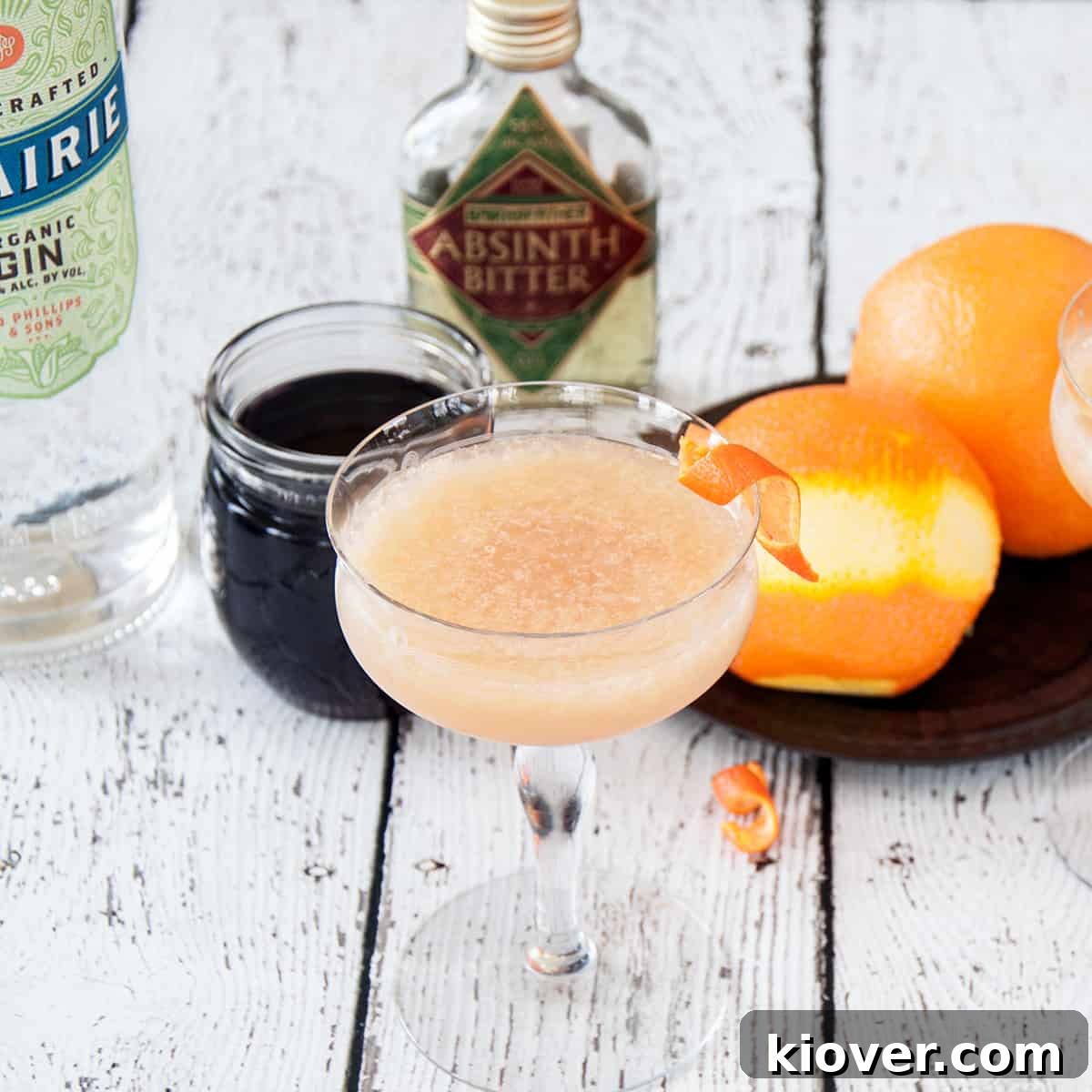
The Intriguing Monkey Gland Cocktail: A Classic Gin & Absinthe Recipe
The Monkey Gland Cocktail is a legendary drink renowned for its unforgettable taste and an equally captivating, albeit peculiar, history. Prepare to delve into the world of classic mixology and uncover the secrets behind this extraordinary libation. Gather your cocktail shaker, a fine bottle of gin, fresh orange juice, a splash of grenadine, and a hint of absinthe, and get ready for an adventure for your palate.
This is more than just a cocktail; it’s a conversation starter, a delightful surprise for anyone seeking a unique flavor experience. The Monkey Gland Cocktail seamlessly blends citrusy brightness with herbaceous complexity, delivering a taste that will undoubtedly leave a lasting impression. Don’t let its curious name deter you; this is one wonderfully crafted drink you simply must try today.
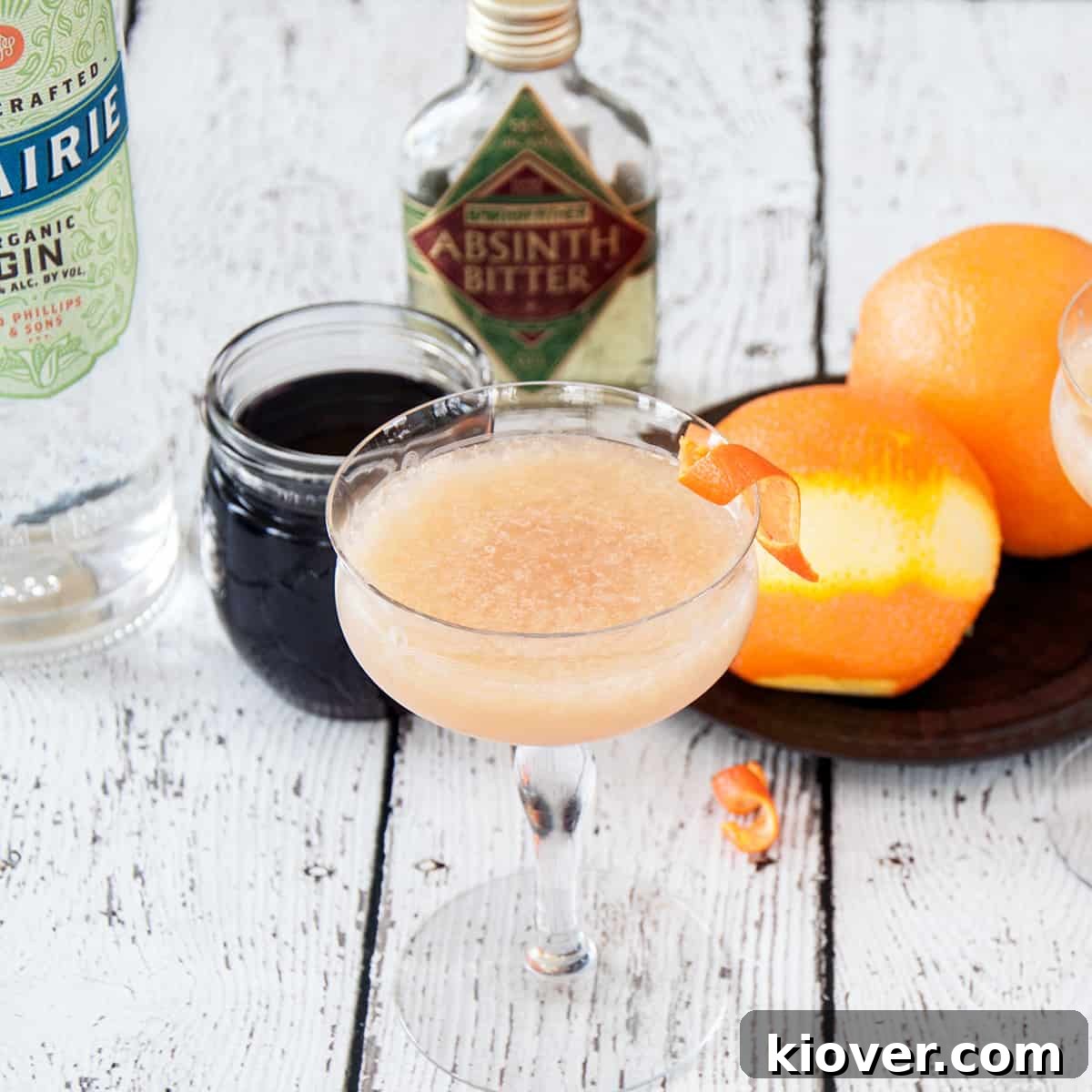
Unveiling the Unique Charm of the Monkey Gland Cocktail
Every cocktail tells a story, but few possess a narrative as intriguing and memorable as the Monkey Gland. This classic concoction stands out not just for its distinctive taste, but for the bizarre inspiration behind its peculiar name. While the title might evoke images of a strange scientific experiment, rest assured, absolutely zero simian glands are involved in crafting this phenomenal drink. Instead, it offers a harmonious blend of flavors that surprise and delight even the most discerning palates.
We’ve previously explored the art of homemade grenadine syrup, and it felt only natural to highlight a classic cocktail where this vibrant ingredient truly shines. The Monkey Gland presents the perfect opportunity: a tasty cocktail with an undeniable historical oddity and a name that’s guaranteed to spark curiosity. Combining the botanical notes of gin, the bright zest of fresh orange, the rich sweetness of grenadine, and the subtle mystique of absinthe, it creates a complex yet approachable flavor profile that’s truly exceptional.
Today, we invite you to shake up and savor the delightful Monkey Gland Cocktail. Beyond its playful moniker, this drink boasts a refreshing character and a sophisticated balance that makes it a favorite among cocktail enthusiasts. Join us as we explore the classic recipe and dive deep into the fascinating history that cemented its place in cocktail lore. For those who appreciate historical and flavorful libations, you might also enjoy the Penicillin cocktail, the Gold Rush cocktail, or the classic Aperol Americano. Whatever your choice, remember to treat yourself to a moment of exquisite indulgence!
Essential Ingredients for Your Monkey Gland Masterpiece
Crafting a superb Monkey Gland Cocktail begins with selecting quality ingredients. While the recipe is straightforward, the nuances of each component play a vital role in the final flavor. Here’s a detailed look at what you’ll need:
- Gin: The backbone of this cocktail. While any gin will work, a good quality London Dry gin will provide a crisp, juniper-forward base that complements the other flavors beautifully. Experimenting with different gins, like a more floral gin or an Old Tom gin, can significantly alter the drink’s character, allowing you to tailor it to your preference.
- Fresh Orange Juice: This is non-negotiable for an authentic Monkey Gland. Freshly squeezed orange juice provides a vibrant, natural sweetness and acidity that store-bought varieties simply cannot replicate. It brightens the cocktail and balances the intensity of the other spirits.
- Absinthe: Used in a small dash, absinthe is the cocktail’s secret weapon, imparting a subtle anise flavor and a delightful herbal complexity. It’s not meant to dominate but rather to add an intriguing background note. If true absinthe is hard to find or too potent for your taste, a good quality pastis or another anise-flavored liqueur can be a suitable substitute.
- Grenadine: This deep red syrup contributes both sweetness and a beautiful crimson hue to the cocktail. We highly recommend making your own with our homemade grenadine recipe for the freshest, most authentic flavor, far superior to many commercial versions.
- Orange Peel: Essential for garnish, an orange peel twist not only adds a touch of elegance but also releases aromatic oils that enhance the cocktail’s citrus notes as you sip.
- Ice for Shaker: Crucial for properly chilling and diluting your cocktail to perfection.
Refer to the recipe card below for precise quantities, but remember that the beauty of cocktails lies in your ability to adjust to taste!
Step-by-Step Instructions: Crafting the Perfect Monkey Gland
Creating a Monkey Gland Cocktail is a simple yet rewarding process. Follow these easy steps to achieve a perfectly balanced and refreshingly delicious drink:
- Chill Your Glass: Begin by placing your chosen cocktail glass (a coupe or martini glass is ideal) in the freezer for at least 5-10 minutes, or fill it with ice water while you prepare your ingredients. A chilled glass ensures your cocktail stays colder for longer and prevents premature dilution.
- Prepare Your Shaker: Fill a cocktail shaker about two-thirds full with fresh ice cubes. Using plenty of ice is key to achieving optimal chill and dilution.
- Add Ingredients: Pour 1 ½ ounces of gin, 1 ½ ounces of fresh orange juice, 1 teaspoon of grenadine, and a small dash (approximately 1 teaspoon, or to taste) of absinthe directly into the shaker over the ice. The order doesn’t significantly impact the final mix, but adding spirits first is common practice.
- Shake Vigorously: Secure the lid tightly on your shaker and shake vigorously for approximately 15-20 seconds. You want to feel the shaker become icy cold to the touch. This ensures all ingredients are thoroughly mixed, chilled, and slightly aerated, creating a pleasant texture.
- Strain into Glass: Remove the ice from your chilled cocktail glass (if using ice water, discard it). Using a fine-mesh strainer, double strain the cocktail from the shaker into your prepared glass. Double straining removes any small ice shards or pulp, resulting in a smooth, clear drink.
- Garnish and Serve: Express the oils from an orange peel over the surface of the cocktail by twisting it, then drop the peel into the drink or rest it on the rim. Serve immediately and enjoy the complex symphony of flavors!
Customizing Your Monkey Gland: Substitutions and Variations
While the classic Monkey Gland recipe is fantastic as is, there’s always room for personalization. Feel free to experiment with these substitutions and variations to tailor the cocktail to your unique preferences:
- Exploring Gin Profiles: Your choice of gin can dramatically alter the cocktail.
- London Dry Gin: The traditional choice, offering a crisp, juniper-forward profile that pairs well with citrus.
- Old Tom Gin: A slightly sweeter gin that can add a nuanced depth and mellowness, reducing the need for as much grenadine if you prefer.
- Plymouth Gin: Known for its earthier, softer profile, which can create a more rounded and less sharp cocktail.
- Contemporary Gins: Gins with unique botanical blends (e.g., more floral or citrus-heavy) can introduce exciting new layers of flavor.
- Orange Juice Options: Freshly squeezed is always king, but if you must use a store-bought option, opt for a high-quality, 100% pure orange juice with no added sugars or preservatives. Ensure it’s pulp-free for a smoother texture. You could also experiment with a blend of orange and grapefruit juice for a tarter, more complex citrus base.
- Absinthe Alternatives: If absinthe’s strong anise flavor is not to your liking, or if it’s unavailable, consider these alternatives:
- Pastis: A French anise-flavored spirit that offers a similar profile but is generally less alcoholic and slightly sweeter than absinthe.
- Anisette: A sweeter, less complex anise liqueur that can be used sparingly for a milder hint of licorice.
- Pernod or Ricard: Other popular French anise-flavored spirits that can serve as excellent substitutes.
- Grenadine Twists: While traditional grenadine is key, a homemade pomegranate syrup (without the orange flower water often found in grenadine) could offer a pure pomegranate flavor. For a different color and flavor, consider a dash of raspberry syrup or even cherry liqueur for a richer, fruitier note.
- Spice It Up: For an adventurous twist, add a tiny dash of orange bitters to enhance the citrus notes, or even a very small hint of a warming spice liqueur if you’re feeling experimental.
Storage and Enjoyment
The Monkey Gland Cocktail, like most shaken cocktails, is designed to be enjoyed immediately after preparation. Its delicate balance of chilling, dilution, and vibrant flavors will degrade with storage. Therefore, we highly recommend serving and savoring this delightful drink right away to experience it at its peak freshness and taste.
The Fascinating History Behind the Monkey Gland Cocktail
The Monkey Gland Cocktail boasts a history as colorful and peculiar as its name suggests, tracing its origins back to one of the most iconic establishments in cocktail lore: Harry’s New York Bar in Paris, France. This legendary bar, which is still open today, is credited with inventing numerous classic cocktails, and the Monkey Gland is no exception. Its story intertwines with groundbreaking, albeit controversial, medical science of the early 20th century, making it truly unique.
Harry’s New York Bar and Dr. Serge Voronoff
The cocktail was created by the legendary bartender Harry MacElhone, proprietor of Harry’s New York Bar, likely around the 1920s. This period was a golden age for cocktails, even as Prohibition gripped the United States, pushing American bartenders and drinkers to vibrant European cities like Paris. MacElhone, a master of mixology, frequently published recipe books, including “Harry’s ABCs of Mixing Cocktails,” where he laid claim to many inventions, including this very drink.
What truly sets the Monkey Gland apart is its inspiration: the work of Dr. Serge Voronoff. A Russian-French surgeon, Voronoff gained notoriety in the 1920s for his controversial xenografting procedures. He specialized in grafting thin slices of monkey testicles onto human patients, primarily older men, with the belief that this would rejuvenate them. His theories suggested that these grafts could restore virility, increase energy, improve mental acuity, and even extend life. While this practice is now universally discredited and viewed with historical skepticism, at the time, it generated immense public interest and debate, reflecting a peculiar blend of scientific ambition and public fascination with anti-aging remedies.
The name “Monkey Gland” was undoubtedly a tongue-in-cheek nod by MacElhone to Voronoff’s widely publicized, if outlandish, experiments. It captures the era’s blend of scientific marvel and societal intrigue. It’s worth noting that this was also a time when alcohol often held a dual perception as both a recreational beverage and a medicinal tonic. Both gin and absinthe, key ingredients in the Monkey Gland, have their own histories rooted in medicinal applications.
Harry’s New York Bar is also famously associated with the invention of other celebrated cocktails, such as the Bloody Mary. The legacy of such establishments highlights how cultural trends, scientific curiosity, and the art of mixology converged to create enduring classics. The Monkey Gland, with its fascinating backstory, remains a testament to that vibrant and sometimes bizarre period in history. You can even delve deeper into the 1920s literature on primate testicle grafting by reading a 1920 book on the subject here, or explore the biography of Serge Voronoff and the life of Harry MacElhone for more context.
Frequently Asked Questions About the Monkey Gland Cocktail
The Monkey Gland Cocktail is a classic gin-based cocktail comprising gin, fresh orange juice, grenadine syrup, and a delicate dash of absinthe. It’s known for its refreshing, citrusy, and subtly herbal flavor profile with a hint of anise.
The cocktail’s unique name was a whimsical reference by its inventor, Harry MacElhone of Harry’s New York Bar, to the controversial work of Dr. Serge Voronoff in the 1920s. Voronoff was famous for his attempts to rejuvenate humans by grafting monkey testicular tissue. Despite the name, no actual monkey glands are used in the cocktail itself!
The Monkey Gland Cocktail offers a delightful balance of sweet and tangy flavors. The fresh orange juice provides a bright, citrusy base, which is complemented by the botanical notes of gin and the rich sweetness of grenadine. A small amount of absinthe adds a subtle, intriguing hint of anise or licorice, creating a complex yet refreshing taste experience.
While absinthe is a traditional ingredient and crucial for the cocktail’s authentic flavor profile, it’s used sparingly, often just a “dash” or a “rinse.” If you’re not a fan of anise or can’t find absinthe, you can substitute it with a good quality pastis or an anisette liqueur. Alternatively, you can omit it, though the cocktail’s distinct character will be slightly altered.
A classic London Dry Gin is generally recommended for its crisp, juniper-forward profile that harmonizes well with the other ingredients. However, feel free to experiment with other gin styles like Old Tom (for a slightly sweeter, richer drink) or Plymouth Gin (for a softer, earthier take) to find what best suits your palate.
Essential Tools for Crafting Your Cocktail
To ensure a seamless and enjoyable cocktail-making experience, having the right tools on hand is essential. Here are some of the key pieces of bar equipment that will help you craft the perfect Monkey Gland Cocktail, and many other libations:
- Coupe Glasses: The ideal vessel for serving this elegant cocktail, their wide, shallow bowl beautifully showcases the drink’s color and allows for easy garnishing.
- Cocktail Shaker: A Boston shaker (two tins) or a Cobbler shaker (with a built-in strainer and cap) are both excellent choices for thoroughly chilling and mixing the ingredients.
- Jigger: For precise measurements of your spirits and mixers, ensuring a balanced cocktail every time.
- Fine-Mesh Strainer: Used in conjunction with your shaker, particularly if using a Boston shaker, to remove ice shards and any pulp from fresh orange juice.
- Citrus Juicer: To easily extract fresh juice from oranges, ensuring the brightest flavor for your cocktail.
- Bar Spoon: Useful for stirring, layering, and measuring small dashes of ingredients if your jigger doesn’t have small increments.
- Harry’s ABCs of Mixing Cocktails: For those interested in cocktail history, this classic book by Harry MacElhone himself offers a fascinating glimpse into the world of early 20th-century mixology.
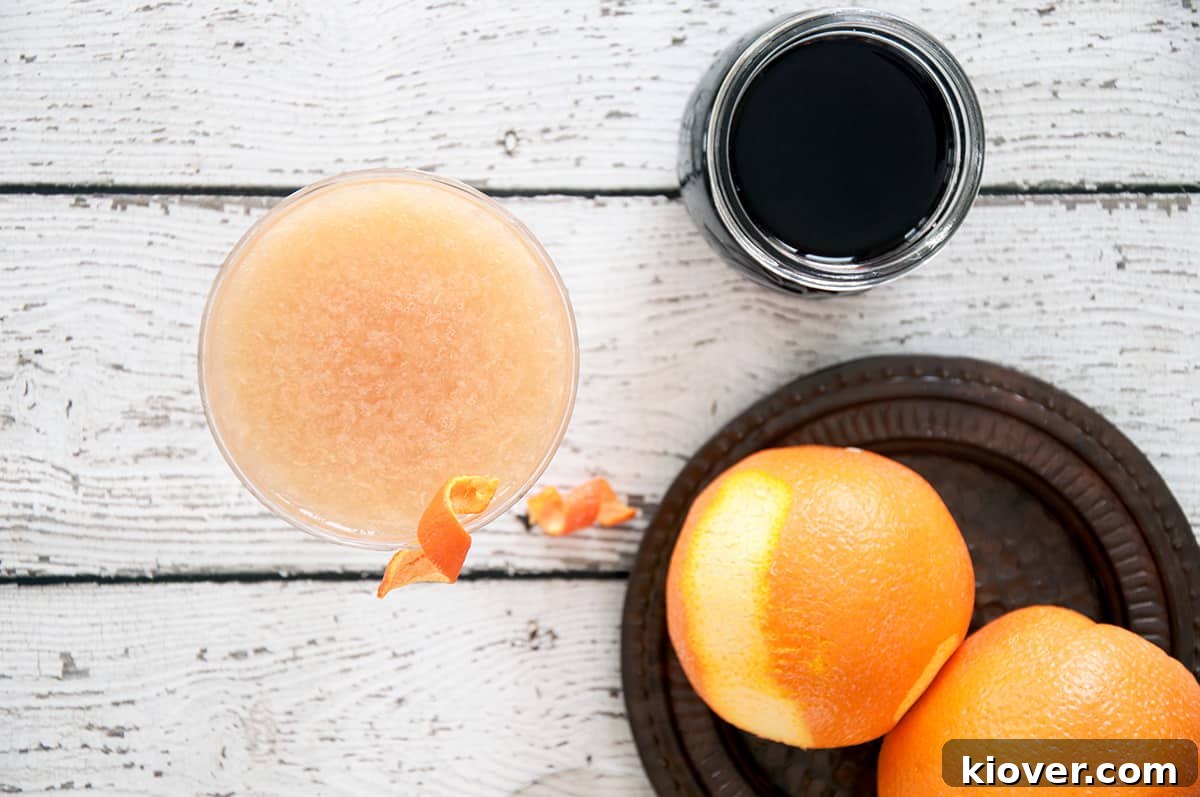
Monkey Gland Cocktail Recipe
5 from 1 review
- Author: Ben Myhre
- Prep Time: 1 minute
- Cook Time: 1 minute
- Total Time: 2 minutes
- Yield: 1 cocktail
- Category: Cocktail
- Method: Shaker
- Cuisine: American
Description
The Monkey Gland is probably the only classic cocktail inspired by the controversial practice of grafting monkey testicles on humans. If there are others, please let me know—I’m genuinely curious about the size of this particular niche in cocktail history!
Ingredients
- Ice for shaker
- 1 1/2 ounces Gin
- 1 1/2 ounces Fresh Orange Juice
- 1 teaspoon Absinthe (just a splash for aroma and subtle flavor)
- 1 teaspoon Grenadine
- Orange peel, for garnish
Instructions
- Add ice to shaker: Fill your cocktail shaker two-thirds full with fresh ice.
- Combine ingredients: Pour the gin, fresh orange juice, grenadine, and absinthe into the shaker over the ice.
- Shake vigorously: Secure the lid and shake hard for 15-20 seconds until the shaker is thoroughly chilled.
- Strain into glass: Double strain the mixture into a pre-chilled coupe or cocktail glass, ensuring no ice shards or pulp remain.
- Garnish and serve: Twist an orange peel over the drink to release its oils, then drop it in or place it on the rim. Serve immediately.
Notes
- Quality Ingredients Matter: For the best Monkey Gland, always opt for fresh-squeezed orange juice and a good quality gin and grenadine. The fewer ingredients, the more each one counts.
- Shake for Perfection: Vigorously shaking for 10-15 seconds is key to proper chilling, dilution, and creating a pleasing frothy texture.
- Customize to Your Palate: Don’t hesitate to experiment with different types of gins or adjust the amount of absinthe to suit your taste.
- Always Serve Chilled: A pre-chilled cocktail glass ensures your drink stays cold and enjoyable from the first sip to the last.