
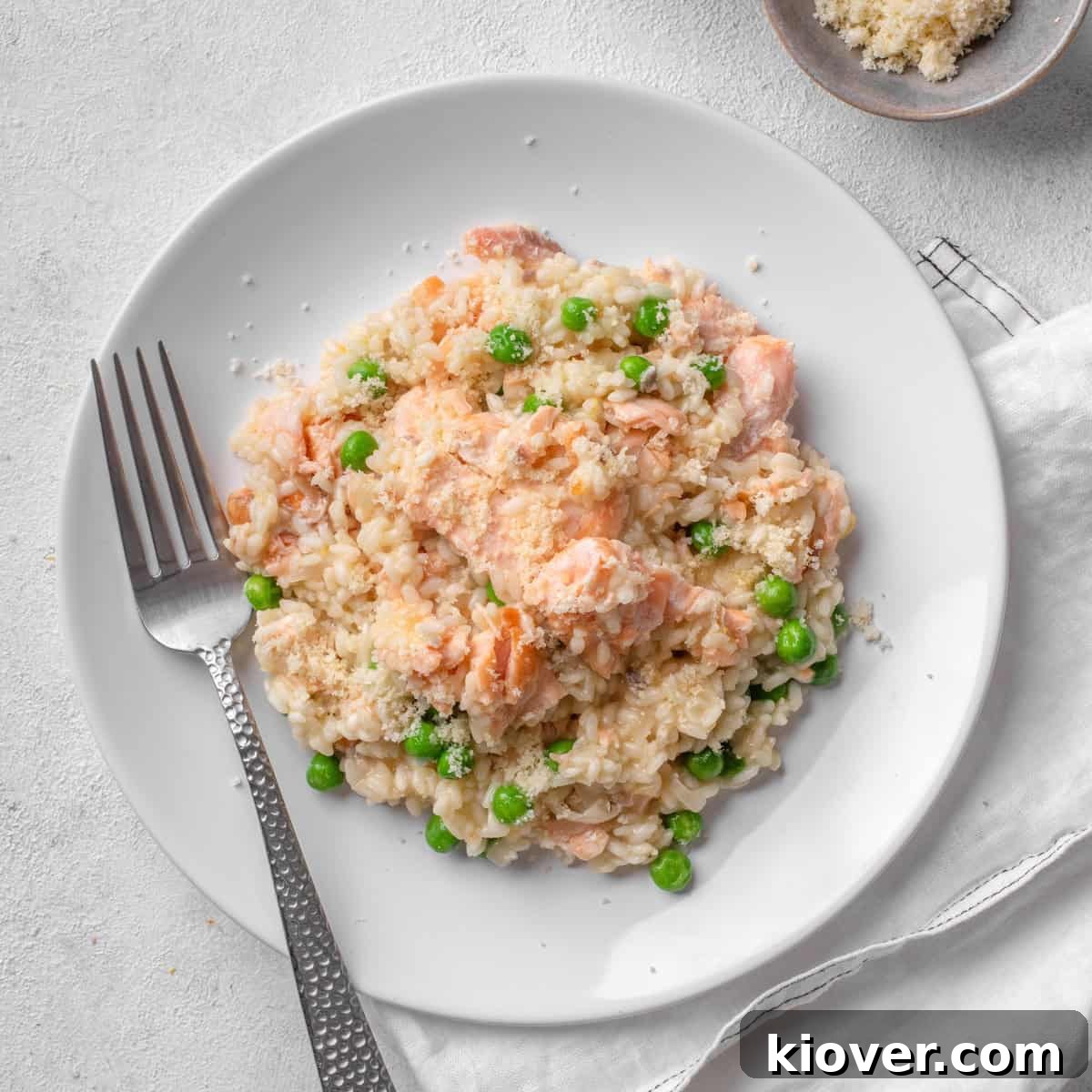
Creamy Salmon Risotto: Your Perfect Weeknight Meal in Under 30 Minutes
Experience the ultimate comfort food with our incredibly creamy Salmon Risotto. This delightful dish masterfully combines the delicate flavor of flakey salmon with a rich, velvety Arborio rice base, creating a truly irresistible meal. Perfect for a busy weeknight dinner, this **easy salmon risotto recipe** can be on your table in under 30 minutes, making it an ideal choice for the whole family. Whether you’re a seasoned chef or a kitchen novice, our **one-pot salmon risotto** recipe is designed for simplicity without compromising on taste. Get ready to impress with this healthy, satisfying, and utterly delicious meal that’s sure to become a regular in your culinary rotation.
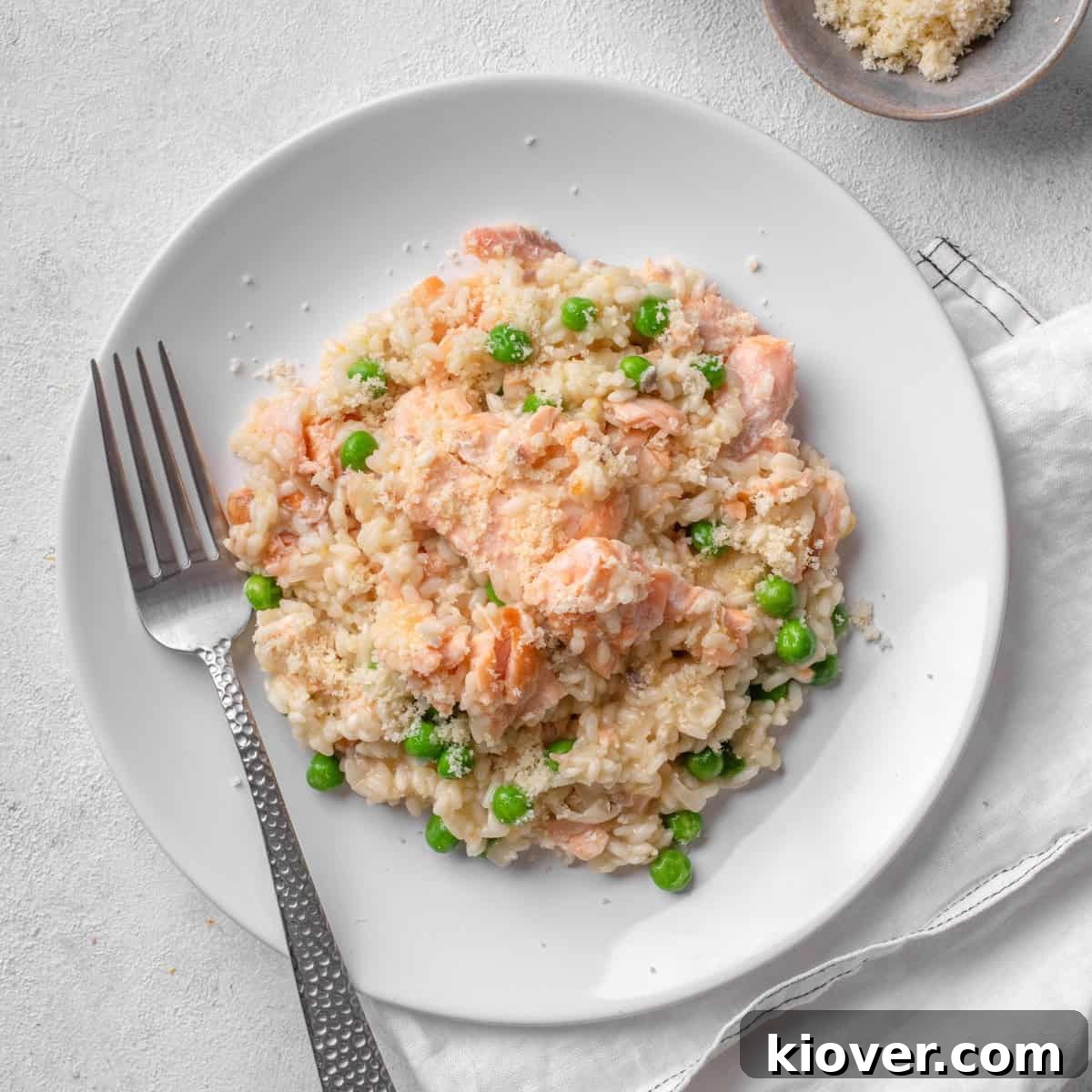
Recipe Difficulty – Very Easy
Table of Contents
- Why This Creamy Salmon Risotto Recipe Works
- Essential Ingredients for Salmon Risotto
- Equipment Needed
- Ingredient Substitutions
- Recipe Variations
- How to Make Easy Salmon Risotto
- Storing and Reheating Leftovers
- What to Serve with Salmon Risotto
- Salmon Risotto Recipe FAQs
- More Delicious Salmon Recipes
- You Might Also Like
- Rate Your Experience
- Printable Salmon Risotto Recipe Card
Why This Creamy Salmon Risotto Recipe Works
Our easy Salmon Risotto stands out as a culinary gem for several compelling reasons. Firstly, its one-pot preparation simplifies both the cooking process and cleanup, making it a dream come true for busy individuals and families. Imagine a gourmet meal with minimal fuss! The tender, succulent flakes of fresh salmon integrate seamlessly with the luscious, savory creamy risotto, creating a harmonious blend of textures and flavors. Unlike many elaborate dishes, this weeknight salmon recipe is designed to be quick, efficient, and incredibly flavorful. It’s a fantastic way to enjoy the health benefits of omega-3 rich salmon while indulging in a comforting, satisfying meal. The interplay of aromatic shallots, garlic, bright lemon, and rich Parmesan cheese elevates this dish beyond a simple meal, transforming it into a truly memorable dining experience. It’s a testament to how simple, quality ingredients can combine to create something truly extraordinary, proving that delicious home-cooked meals don’t need to be complicated or time-consuming. If you appreciate the rich depth of risotto and the healthy goodness of seafood, this recipe is guaranteed to become a cherished addition to your meal rotation.
Essential Ingredients for Salmon Risotto
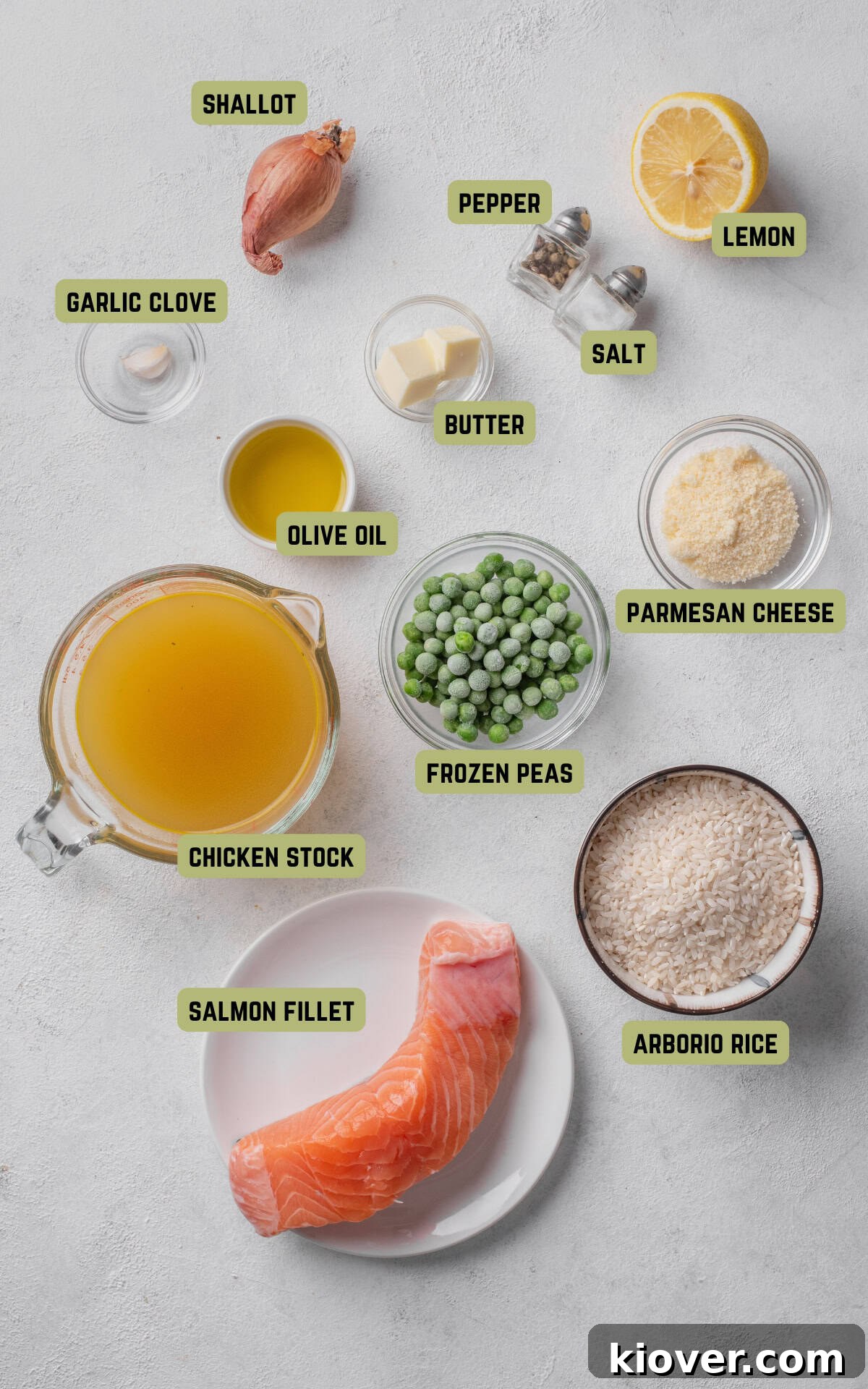
- Extra-Virgin Olive Oil – A cornerstone of Mediterranean cooking, extra-virgin olive oil provides a rich, fruity base for cooking both the salmon and aromatics. Its high smoke point makes it suitable for frying, while its distinctive flavor subtly enhances the overall dish.
- Salmon Fillet – Opt for high-quality, skinless salmon fillets. Salmon is packed with omega-3 fatty acids and protein, making this a healthy and hearty main component. Ensure it’s fresh for the best flavor and texture.
- Unsalted Butter – Using unsalted butter gives you complete control over the seasoning. It’s crucial for achieving that characteristic richness and glossy finish in the risotto, complementing the olive oil beautifully.
- Shallot – Finely diced shallots offer a milder, sweeter, and more nuanced onion flavor compared to regular onions. They become translucent and fragrant, forming the aromatic foundation of the risotto.
- Garlic Clove – Freshly crushed garlic infuses the dish with a pungent, savory depth, adding an essential layer of umami that makes the risotto truly irresistible. Avoid pre-minced garlic for the freshest taste.
- Arborio Rice – This short-grain Italian rice is the non-negotiable star of any creamy risotto. Its high starch content is key to releasing that signature creamy texture as it cooks, absorbing the stock without becoming mushy.
- Chicken Stock – A good quality chicken stock (or broth) is vital for imparting flavor into the rice as it cooks. Ensure it’s warm before adding to prevent cooling down the risotto and hindering the starch release.
- Lemon – Both fresh lemon juice and zest are indispensable. The juice adds a bright, acidic counterpoint that cuts through the richness of the salmon and cheese, while the zest provides a fragrant, intense citrus aroma.
- Frozen Peas – Sweet and vibrant green frozen peas add a pop of color, texture, and natural sweetness to the risotto. They can be added directly from the freezer, requiring no prior thawing.
- Grated Parmesan Cheese – Authentic Parmesan cheese provides a sharp, salty, and umami-rich finish. Stirred into the risotto, it melts into a velvety consistency, and sprinkled on top, it adds a final flourish of flavor. Dairy-free alternatives work beautifully for those with dietary restrictions.
- Salt and Pepper – Essential for seasoning, these pantry staples help balance and elevate all the other flavors, bringing out the best in each ingredient.
See the recipe card below for full information on ingredients and quantities.
Equipment Needed
To make this delicious one-pot Salmon Risotto, you’ll need some basic kitchen tools: a large, heavy-bottomed skillet or saucepan (preferably non-stick to prevent sticking), a cutting board, a sharp knife for dicing aromatics and flaking salmon, a sturdy wooden spoon or spatula for stirring, and a lemon zester and juicer for extracting maximum flavor from your lemon.
Ingredient Substitutions
Flexibility is a hallmark of great cooking, and this easy Salmon Risotto recipe is incredibly adaptable.
- Salmon Alternatives – While salmon is fantastic, feel free to swap it for other proteins. Shrimp risotto is a popular choice, offering a quick-cooking seafood option. You could also use flaked smoked cod, cooked chicken breast for a chicken risotto, seared scallops, or even sliced steak. For a vegetarian or vegan version, consider pan-fried tofu, tempeh, or a medley of roasted mushrooms and asparagus, as seen in our delightful Vegan Mushroom Risotto recipe.
- Shallot for Onion – If shallots aren’t available, a small yellow or white onion, finely chopped, makes an excellent substitute. While the flavor profile will be slightly different (onions are generally sharper), it will still provide the necessary aromatic base.
- Chicken Stock Variations – Vegetable broth or vegetable stock are perfect alternatives for chicken stock, especially if you’re aiming for a vegetarian dish (just ensure other ingredients are also vegetarian). Beef broth could also be used for a richer, deeper flavor profile, though it would alter the delicate balance of the salmon. Ensure your chosen broth is low-sodium to control the overall saltiness.
Recipe Variations
Elevate your Salmon Risotto with these creative variations to suit your taste or occasion.
- Spicy Kick – For those who crave heat, infuse a spicy dimension by seasoning your salmon fillets with a pinch of crushed red pepper flakes or a dash of cayenne pepper before frying. You can also add a small amount of finely diced fresh chili, like a jalapeño or serrano, to the shallot and garlic mixture for a subtle warmth that complements the richness of the salmon.
- Gourmet Deluxe Version – Transform this into an elegant meal by incorporating additional sophisticated elements. Sauté sliced cremini or wild mushrooms with the shallots for an earthy depth. A splash of dry white wine (such as Sauvignon Blanc, Chardonnay, or Pinot Grigio) added to the rice after toasting and before the stock can significantly enhance the flavor profile, adding complexity and acidity. Fresh herbs like finely chopped dill, parsley, or chives stirred in at the end or used as a garnish will brighten the dish and add a fresh aroma. A sprinkle of toasted pine nuts or a drizzle of high-quality truffle oil can also take this creamy salmon risotto to a new level of indulgence.
- Kid-Friendly Adaptations – To make this dish appealing to younger palates, you can easily adapt it. If salmon isn’t a hit, simply omit it from their portion and perhaps add a small amount of shredded cooked chicken or extra vegetables they enjoy. Ensure the risotto itself isn’t too heavily seasoned for sensitive taste buds. A little extra Parmesan cheese can often win them over!
How to Make Easy Salmon Risotto
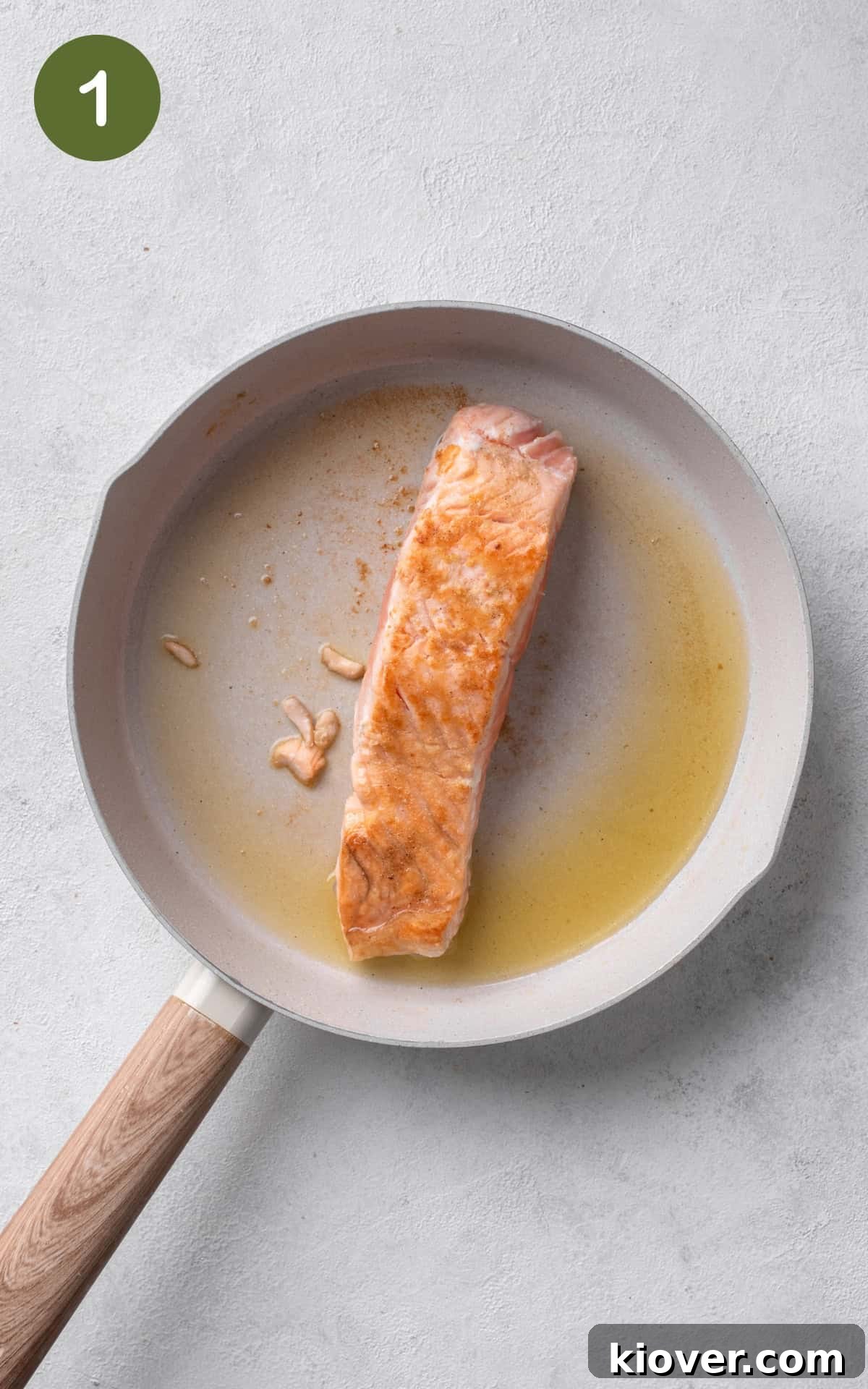
Step 1: Pan-Sear the Salmon: Begin by heating 1 tablespoon of extra-virgin olive oil in a large, heavy-bottomed skillet or saucepan over medium-high heat. Season your skinless salmon fillet generously with salt and freshly ground black pepper on both sides. Carefully place the salmon into the hot pan and cook for approximately 8-10 minutes, flipping once halfway through, until the salmon is beautifully golden brown on the outside and easily flakes with a fork. The internal temperature should reach 145°F (63°C).
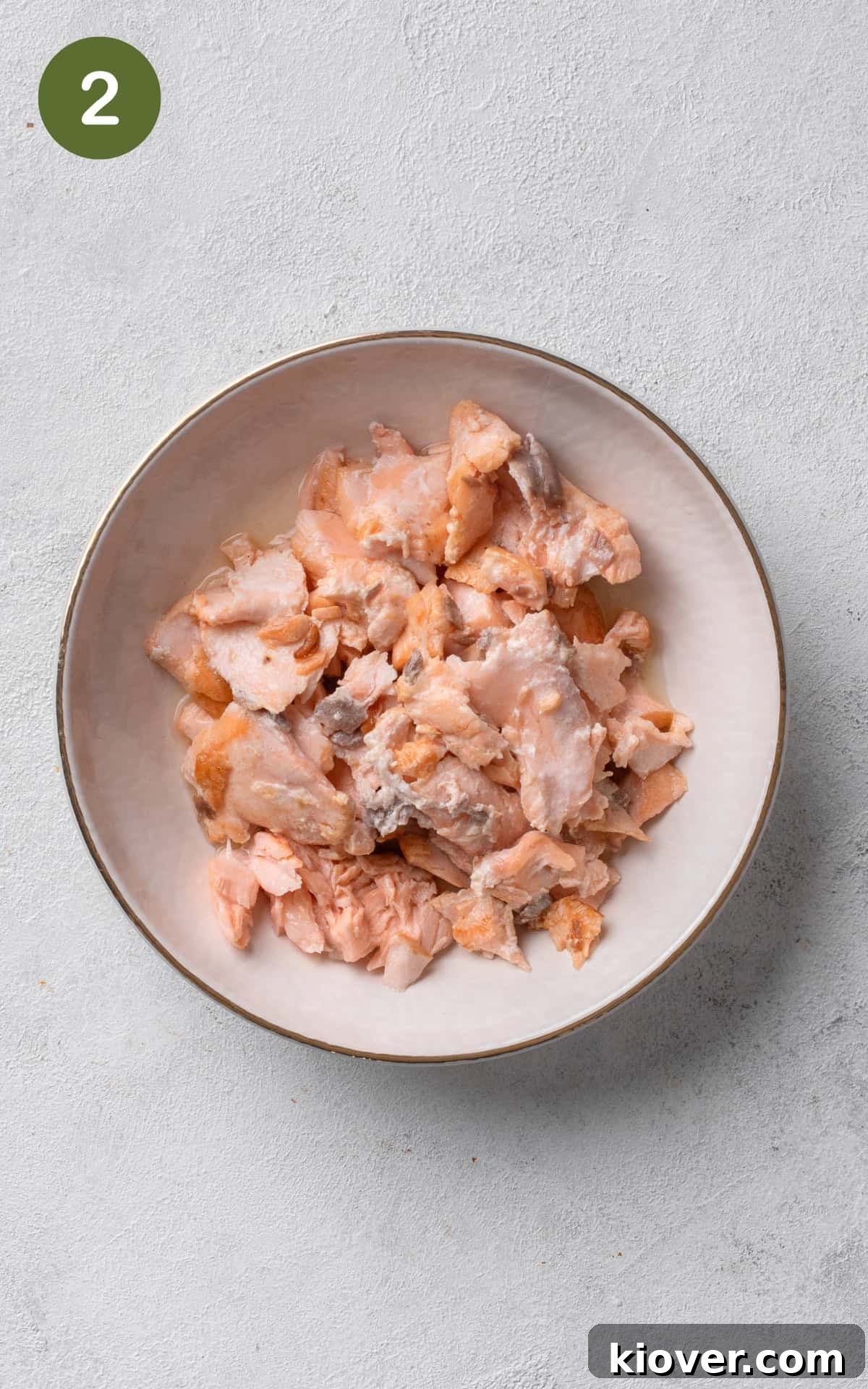
Step 2: Flake and Set Aside: Once cooked, transfer the seared salmon to a clean plate. Using a fork, gently flake the salmon into bite-sized pieces. This ensures that the salmon will be evenly distributed throughout the creamy risotto later. Set the flaked salmon aside while you prepare the rice.
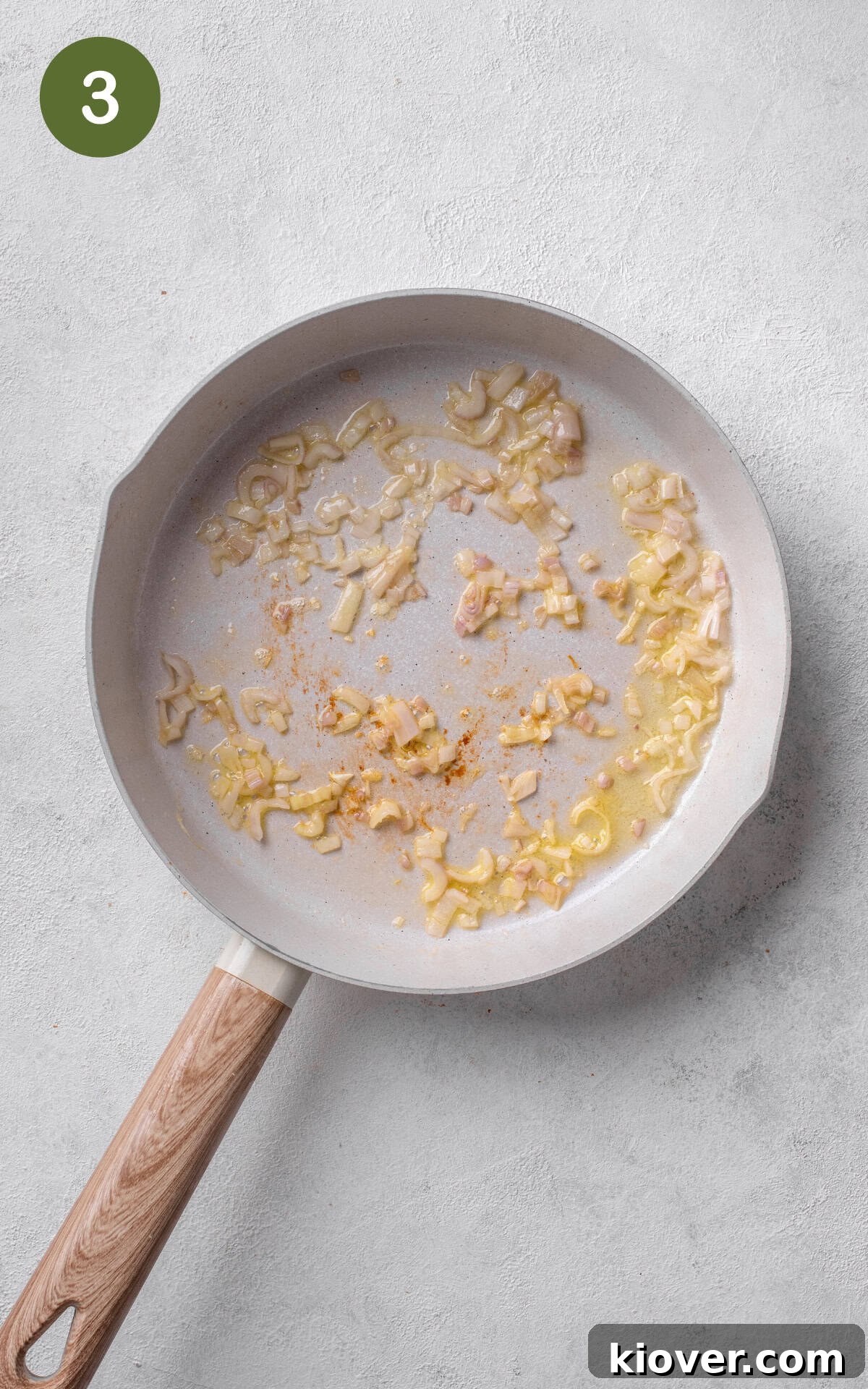
Step 3: Sauté Aromatics: In the same skillet (don’t clean it, those delicious browned bits add flavor!), melt the remaining 1 tablespoon of butter alongside the remaining 1 tablespoon of olive oil over medium heat. Add the finely chopped shallots and crushed garlic. Sauté gently for 2-3 minutes until the shallots are softened and translucent and the garlic is wonderfully fragrant. Be careful not to brown the garlic, as it can turn bitter.
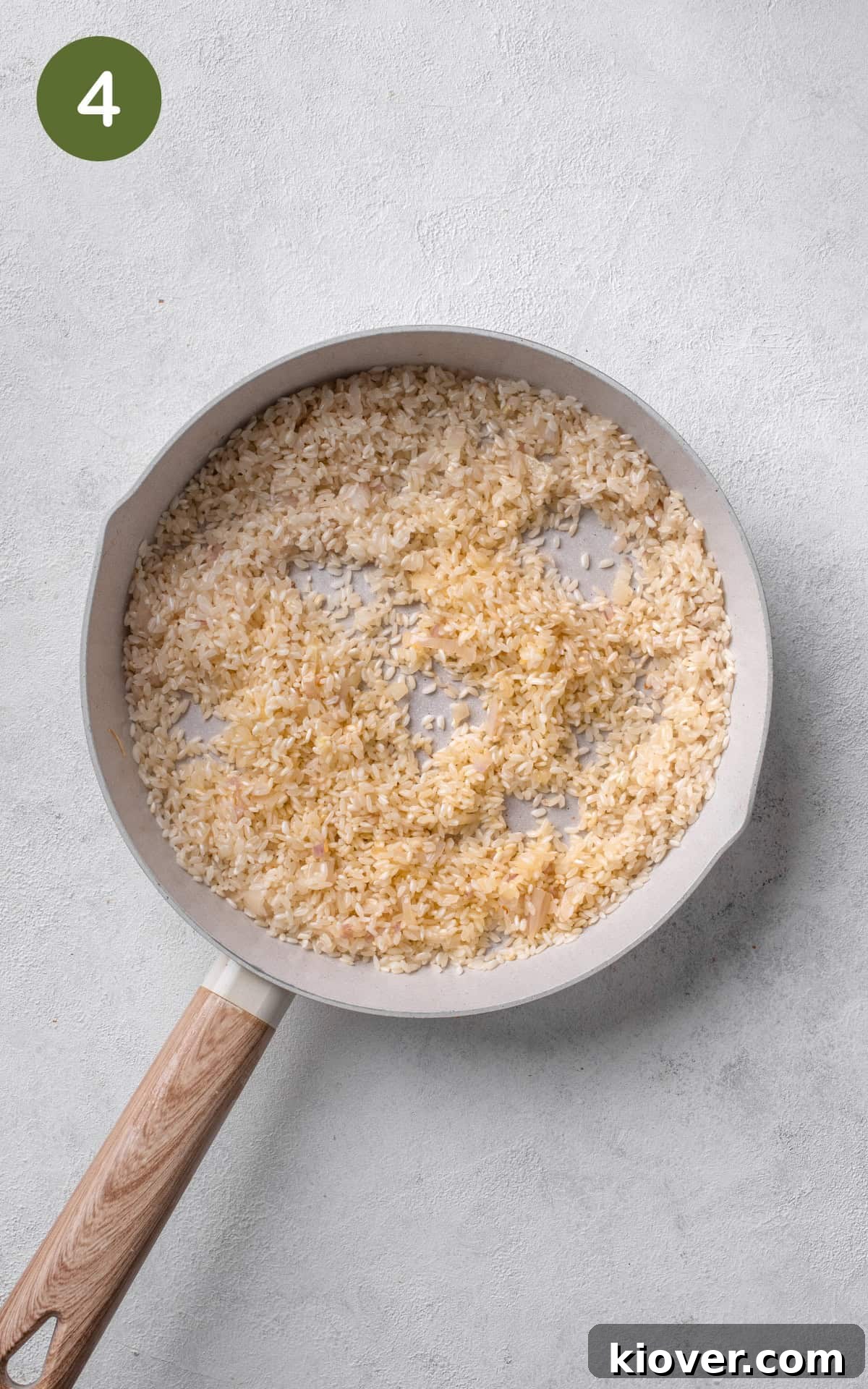
Step 4: Toast the Arborio Rice: Add the Arborio rice directly into the skillet with the sautéed aromatics. Stir continuously with a wooden spoon or spatula for 2-3 minutes, ensuring every grain of rice is nicely coated in the oil and butter mixture. This ‘toasting’ step, known as tostatura, is crucial as it seals the outside of the rice grains, allowing them to absorb liquid slowly and maintain their structure while developing that characteristic creamy texture.
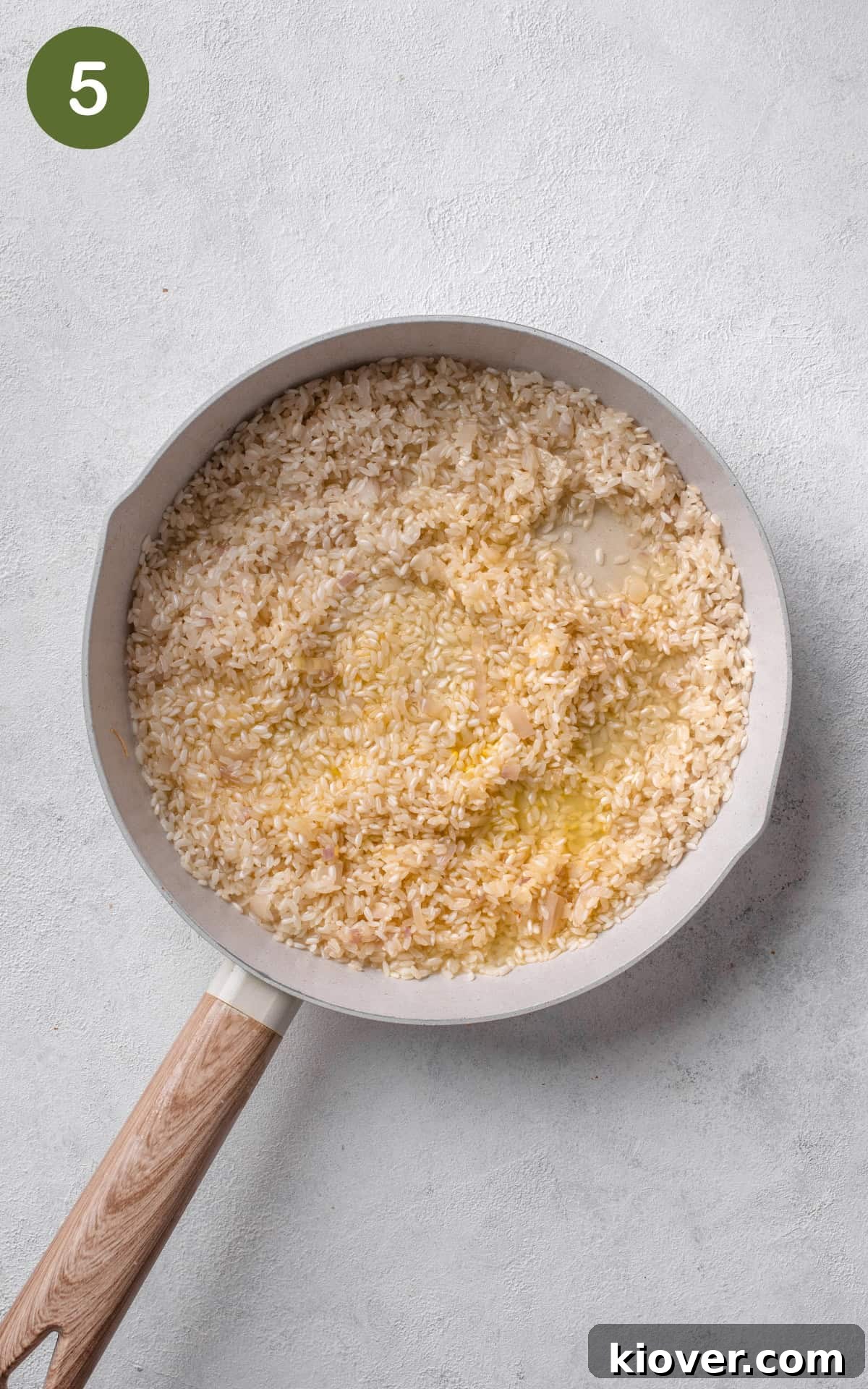
Step 5: Begin Stock Absorption: Pour in ½ cup of the warmed chicken stock into the rice. Stir constantly until the liquid is almost completely absorbed by the rice. This gradual addition and continuous stirring technique is fundamental to achieving a perfectly creamy risotto. Wait until the liquid is nearly gone before adding more.
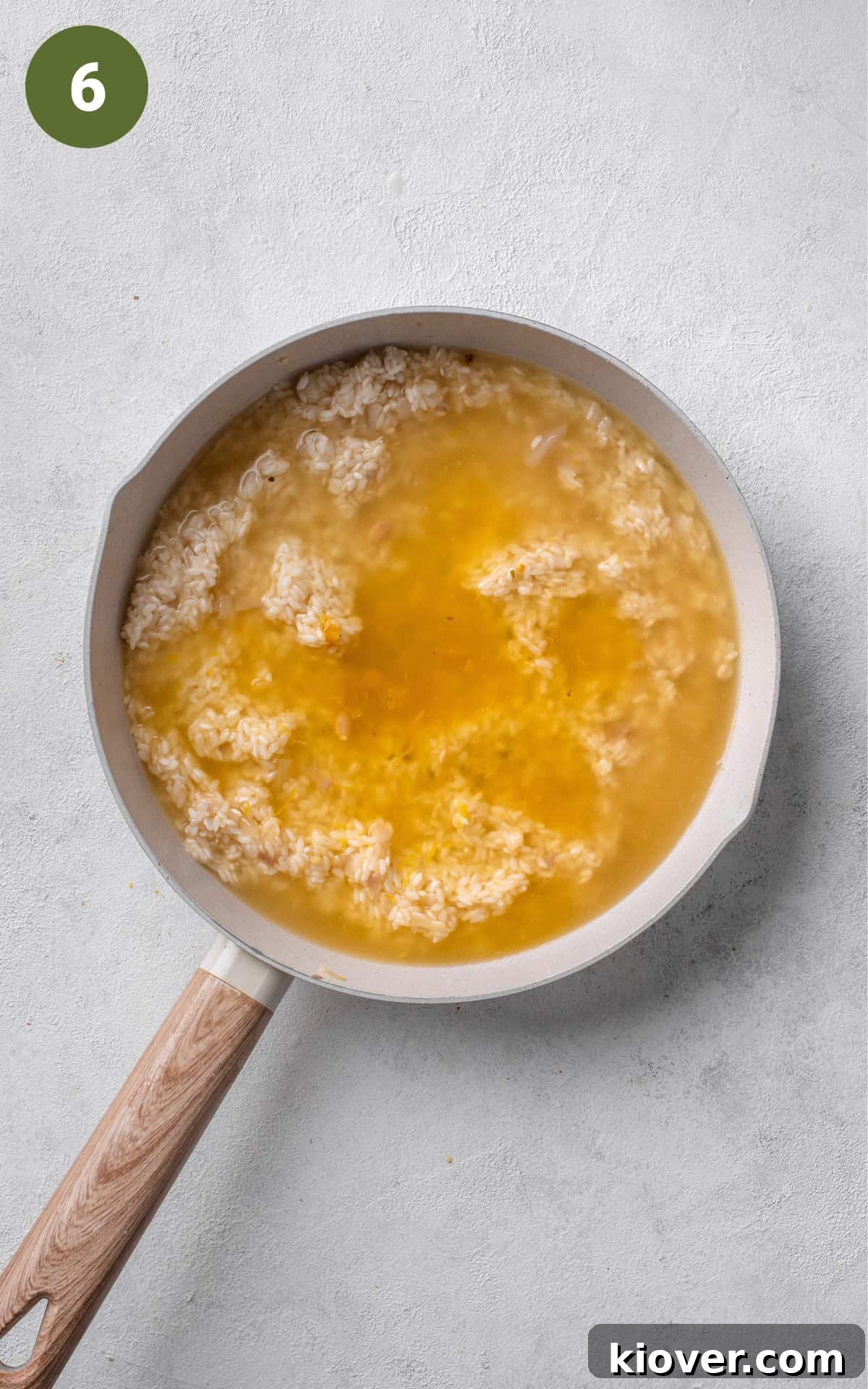
Step 6: Continue Adding Stock & Flavor: Continue adding the remaining chicken stock, ½ cup at a time, stirring frequently and allowing each addition to be fully absorbed before adding the next. This process typically takes about 15-20 minutes. Around halfway through, stir in the fresh lemon juice and lemon zest. The risotto is ready when the rice is al dente (cooked through but still has a slight bite in the center) and the mixture is wonderfully creamy.
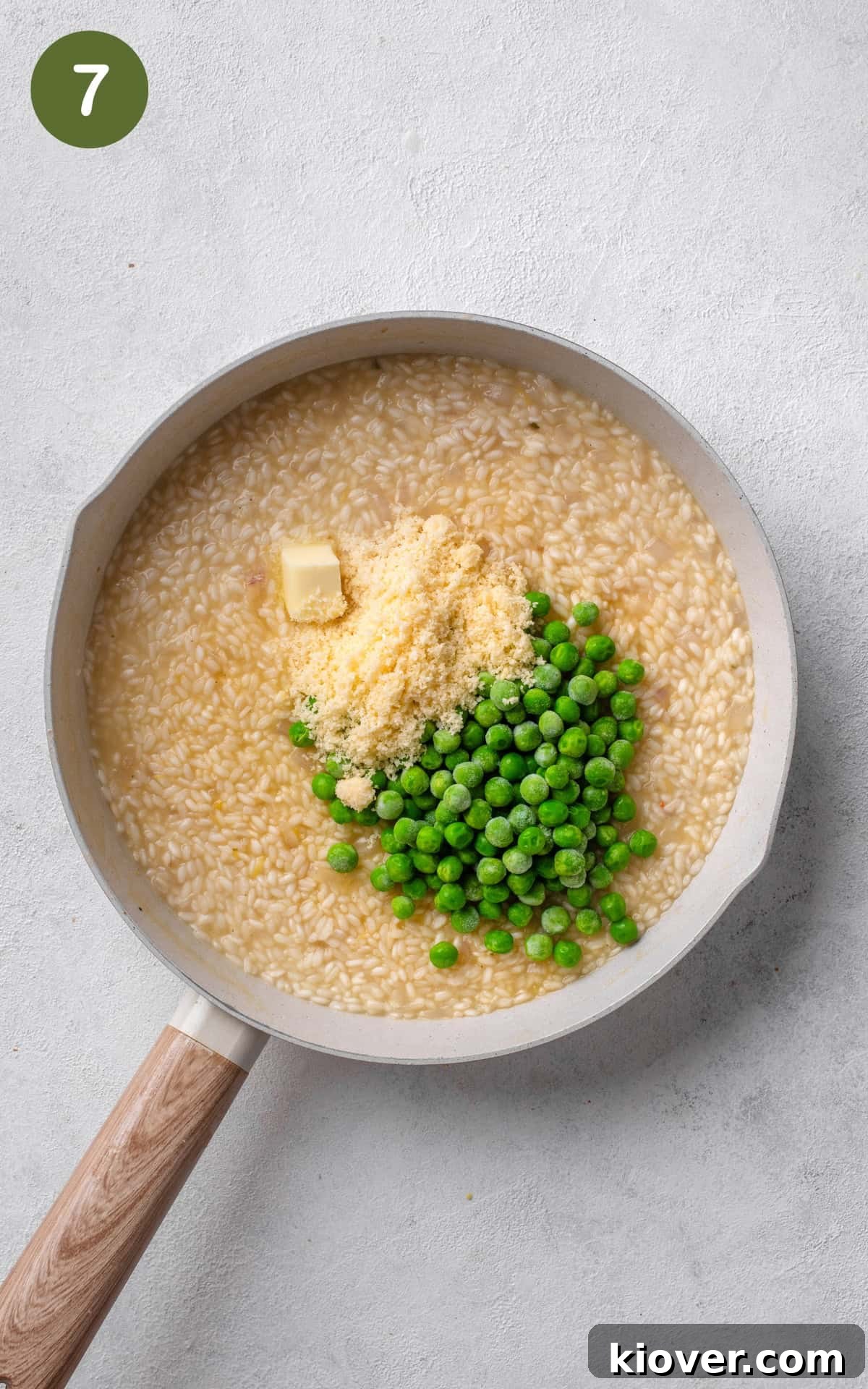
Step 7: Stir in Peas and Finish: Once the rice is perfectly cooked, remove the skillet from the heat. Stir in the frozen peas, the remaining 1 tablespoon of butter, and the grated Parmesan cheese (or dairy-free alternative). Stir vigorously until the peas are heated through, the butter is melted, and the cheese is fully incorporated, making the risotto exceptionally rich and velvety.
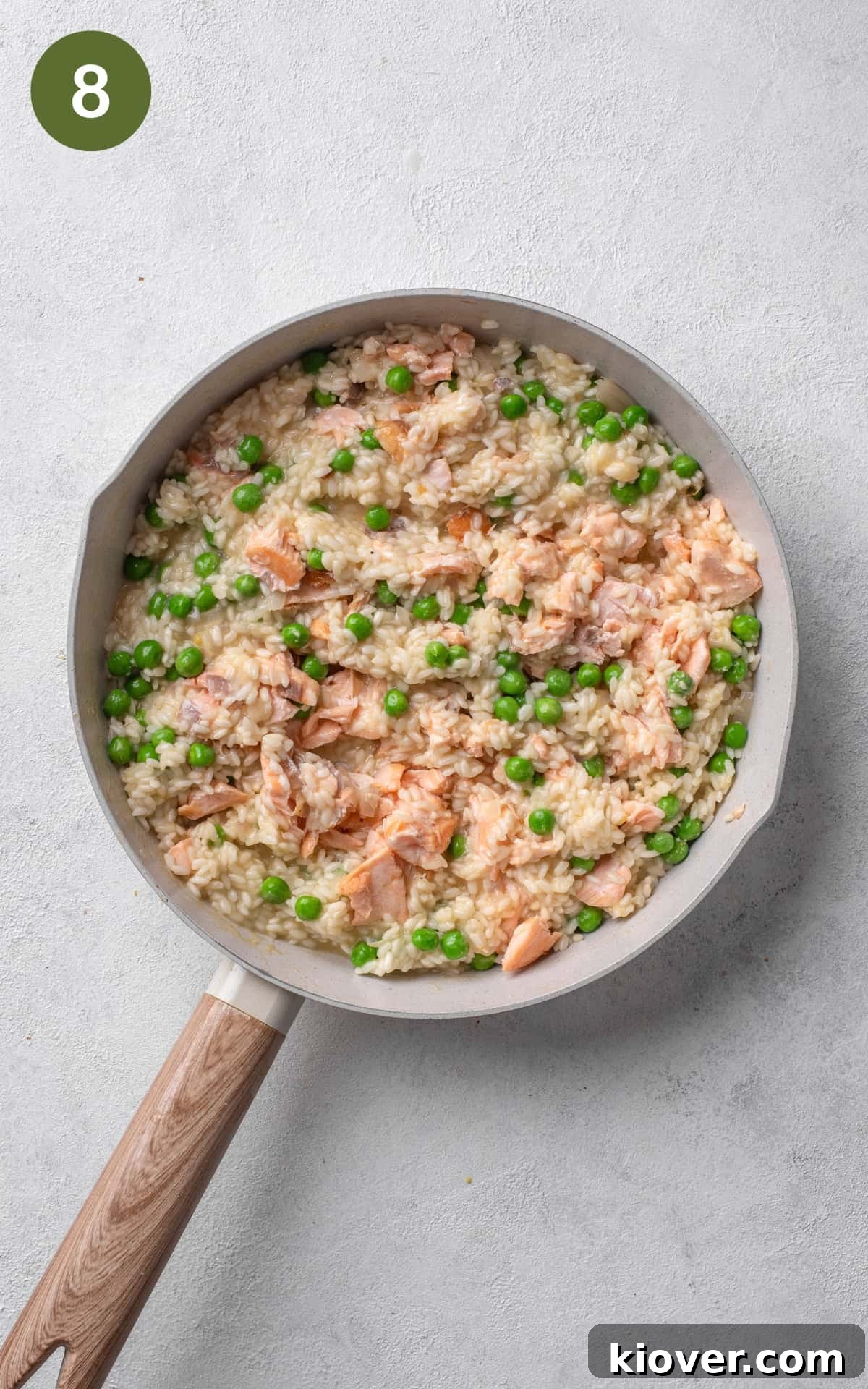
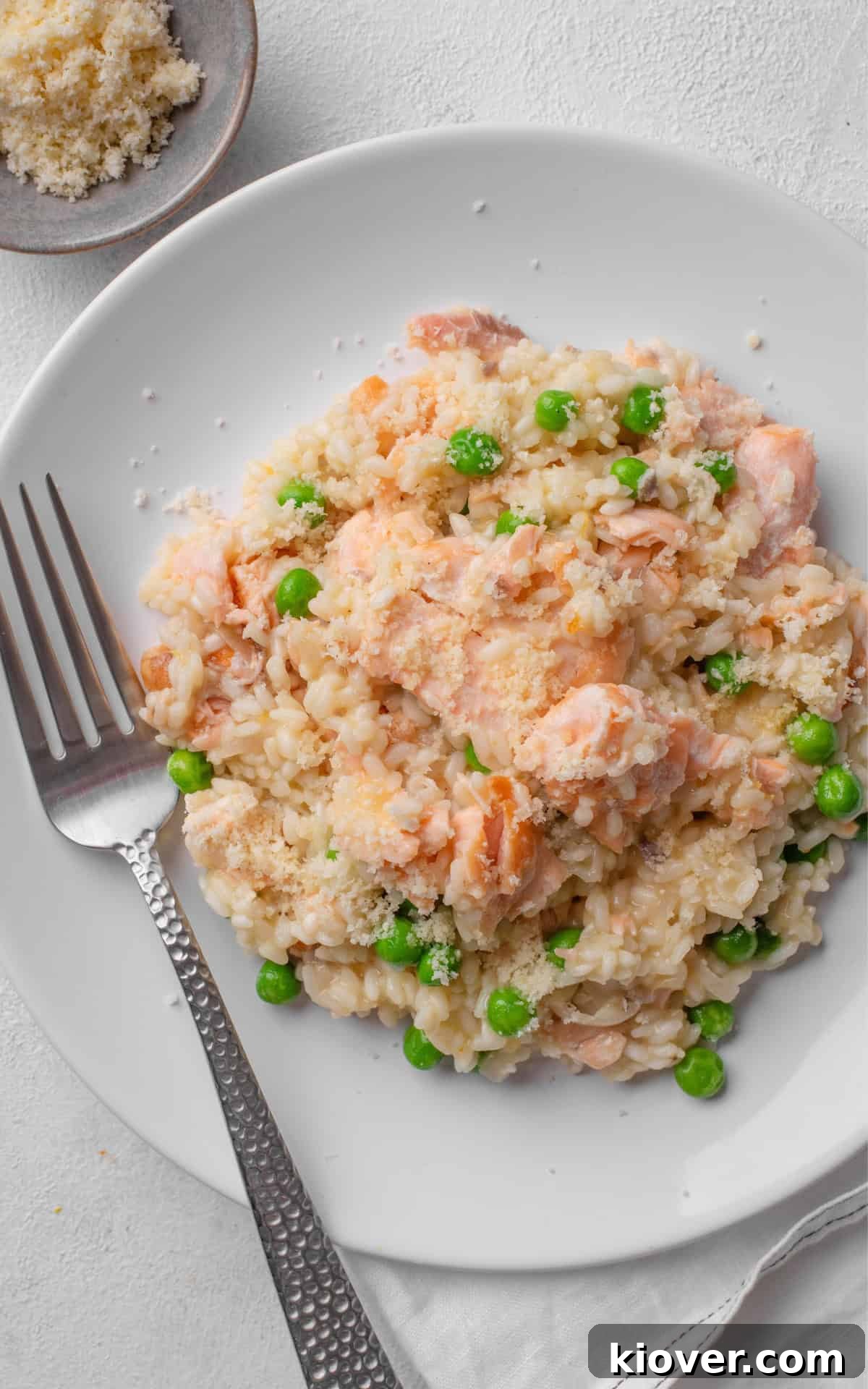
Step 8: Incorporate Salmon & Serve: Gently fold in the flaked salmon, being careful not to break it up too much. Taste the Salmon Risotto and adjust seasoning with salt and freshly ground black pepper as needed. Serve immediately, garnished with an extra sprinkle of Parmesan cheese and perhaps some fresh dill or parsley for a touch of freshness. Enjoy your perfectly creamy and easy Salmon Risotto!
Chef’s Tip: The key to an incredibly creamy risotto is consistent, gentle stirring and adding warm stock gradually. Avoid over-stirring, which can make the texture gluey, but ensure enough agitation to release the starches.
Storing and Reheating Leftovers
This creamy Salmon Risotto is undeniably at its peak when enjoyed fresh, straight from the stove. However, any delicious leftovers can be stored in an airtight container in the refrigerator for up to 3 days. To reheat, simply use a microwave on medium power, stirring occasionally, until thoroughly warmed through. Adding a splash of extra chicken stock or water before reheating can help restore its creamy consistency and prevent it from drying out.
What to Serve with Salmon Risotto
Enhance your Salmon Risotto experience with these complementary side dishes that add texture, freshness, and balance to your meal.
- Healthy Basil Mashed Peas
- Fresh Rocket Salad
- Crispy Air Fryer Broccoli
- Wholesome Seeded Bread
- Roasted Mediterranean Vegetables
Salmon Risotto Recipe FAQs
The secret to restaurant-quality creamy risotto lies primarily in two factors: using high-starch Arborio rice and consistent, patient stirring. As Arborio rice cooks and is continuously stirred with the gradual addition of warm stock, its starches are released, creating that luxurious, velvety texture. Many professional kitchens also finish their risotto with a generous knob of cold butter and freshly grated Parmesan cheese, which emulsifies into the rice, contributing to an even richer, glossier creaminess.
Yes, absolutely! Regular stirring is crucial when making risotto. It prevents the rice from sticking to the bottom of the pan and, more importantly, facilitates the release of starch from the Arborio rice grains. This starch is what creates the signature creamy texture of risotto. However, there’s a fine line: avoid over-stirring as this can incorporate too much air, resulting in a gluey or sticky consistency rather than a smooth, luscious one. A steady, gentle stir, ensuring all grains are constantly moving and absorbing liquid, is ideal.
While fresh salmon fillets are recommended for their delicate flavor and tender texture, you can certainly experiment. Smoked salmon, for instance, can be a fantastic time-saver; simply flake it and stir it in at the very end with the peas and Parmesan, adding a rich, smoky depth without extra cooking time. Canned salmon, drained well, can also be used in a pinch for a more budget-friendly and quick option.
Several factors can prevent your risotto from achieving its desired creaminess. The most common reasons include not using Arborio rice (which has the necessary starch content), not stirring frequently enough to release the starch, or adding all the stock at once instead of gradually. Using cold stock can also inhibit starch release. Ensure your stock is warm, add it a ladleful at a time, and keep stirring patiently until each addition is absorbed for the best results.
More Delicious Salmon Recipes
- Easy Air Fryer Salmon
- Flavorful Asian Salmon Skewers
- Festive Baked Christmas Salmon
- Comforting Dairy-Free Fish Pie
- Quick Salmon and Broccoli Pasta
- Convenient Salmon Tray Bake
- Homemade Salmon Burgers
- Sweet Chilli Salmon Fishcakes
- Hearty Salmon Noodles
- Classic Salmon Pie
You Might Also Like These Recipes
Budget Friendly Meals
Easy One Pot Tomato Risotto
Dinner
Creamy Vegan Mushroom Risotto
Dinner
Simple Vegetarian Paella
Dinner
Delightful Vegan Fishcakes
Rate Your Experience…
Tried this Salmon Risotto recipe? Please leave a star rating ⭐️⭐️⭐️⭐️⭐️ below and let me know how you get on. Hearing positive feedback is one of the best parts of creating recipes so please review it below and leave a comment!
P.S Never miss a new recipe! Get more healthy recipes sent straight to your inbox weekly – Subscribe and receive a free recipe eBook!
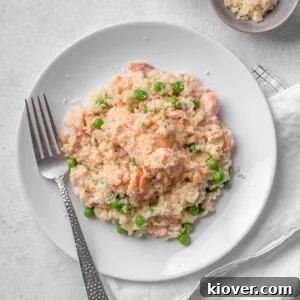
Salmon Risotto
Ingredients (Metric)
- 2 tbsp extra-virgin olive oil
- 170 g salmon fillet, skinless
- 2 tbsp butter, unsalted
- 1 large shallot, finely chopped
- 1 clove garlic, crushed
- 275 g Arborio rice
- 750 ml chicken stock, warmed
- ½ lemon, juiced and zested
- 75 g frozen peas, (½ cup)
- 25 g grated parmesan cheese, (¼ cup, or dairy-free alternative)
- Salt and pepper, to taste
Instructions
-
Step 1: Pan-Sear the Salmon: Begin by heating 1 tablespoon of extra-virgin olive oil in a large, heavy-bottomed skillet or saucepan over medium-high heat. Season your skinless salmon fillet generously with salt and freshly ground black pepper on both sides. Carefully place the salmon into the hot pan and cook for approximately 8-10 minutes, flipping once halfway through, until the salmon is beautifully golden brown on the outside and easily flakes with a fork. The internal temperature should reach 145°F (63°C).
-
Step 2: Flake and Set Aside: Once cooked, transfer the seared salmon to a clean plate. Using a fork, gently flake the salmon into bite-sized pieces. This ensures that the salmon will be evenly distributed throughout the creamy risotto later. Set the flaked salmon aside while you prepare the rice.
-
Step 3: Sauté Aromatics: In the same skillet, melt the remaining 1 tablespoon of butter alongside the remaining 1 tablespoon of olive oil over medium heat. Add the finely chopped shallots and crushed garlic. Sauté gently for 2-3 minutes until the shallots are softened and translucent and the garlic is wonderfully fragrant. Be careful not to brown the garlic, as it can turn bitter.
-
Step 4: Toast the Arborio Rice: Add the Arborio rice directly into the skillet with the sautéed aromatics. Stir continuously with a wooden spoon or spatula for 2-3 minutes, ensuring every grain of rice is nicely coated in the oil and butter mixture. This ‘toasting’ step, known as tostatura, is crucial as it seals the outside of the rice grains, allowing them to absorb liquid slowly and maintain their structure while developing that characteristic creamy texture.
-
Step 5: Begin Stock Absorption: Pour in ½ cup of the warmed chicken stock into the rice. Stir constantly until the liquid is almost completely absorbed by the rice. This gradual addition and continuous stirring technique is fundamental to achieving a perfectly creamy risotto. Wait until the liquid is nearly gone before adding more.
-
Step 6: Continue Adding Stock & Flavor: Continue adding the remaining chicken stock, ½ cup at a time, stirring frequently and allowing each addition to be fully absorbed before adding the next. This process typically takes about 15-20 minutes. Around halfway through, stir in the fresh lemon juice and lemon zest. The risotto is ready when the rice is al dente (cooked through but still has a slight bite in the center) and the mixture is wonderfully creamy.
-
Step 7: Stir in Peas and Finish: Once the rice is perfectly cooked, remove the skillet from the heat. Stir in the frozen peas, the remaining 1 tablespoon of butter, and the grated Parmesan cheese (or dairy-free alternative). Stir vigorously until the peas are heated through, the butter is melted, and the cheese is fully incorporated, making the risotto exceptionally rich and velvety.
-
Step 8: Incorporate Salmon & Serve: Gently fold in the flaked salmon, being careful not to break it up too much. Taste the Salmon Risotto and adjust seasoning with salt and freshly ground black pepper as needed. Serve immediately, garnished with an extra sprinkle of Parmesan cheese and perhaps some fresh dill or parsley for a touch of freshness. Enjoy your perfectly creamy and easy Salmon Risotto!
Notes
Substitutions & Variations: I have included a detailed list of these in the post above to inspire your culinary creativity.
To Store: Store in an airtight container in the fridge for 2-3 days. Reheat in the microwave, adding a splash of stock or water if needed to restore creaminess.
To Freeze: I wouldn’t recommend freezing this recipe, as the texture of the rice and salmon can change upon thawing.
Tip 1: This would also be great with smoked salmon if you don’t have the time to cook fresh. Simply chop and stir through at the end with the peas.
Tip 2: Optionally, you could bake or grill the salmon fillets whole and lay them atop the risotto if you prefer a more substantial presentation.
Tip 3: You can adapt this recipe with other proteins like beef, pork, chicken, or prawns if salmon isn’t preferred. For vegan/vegetarian options, consider tofu or a mix of roasted vegetables.