
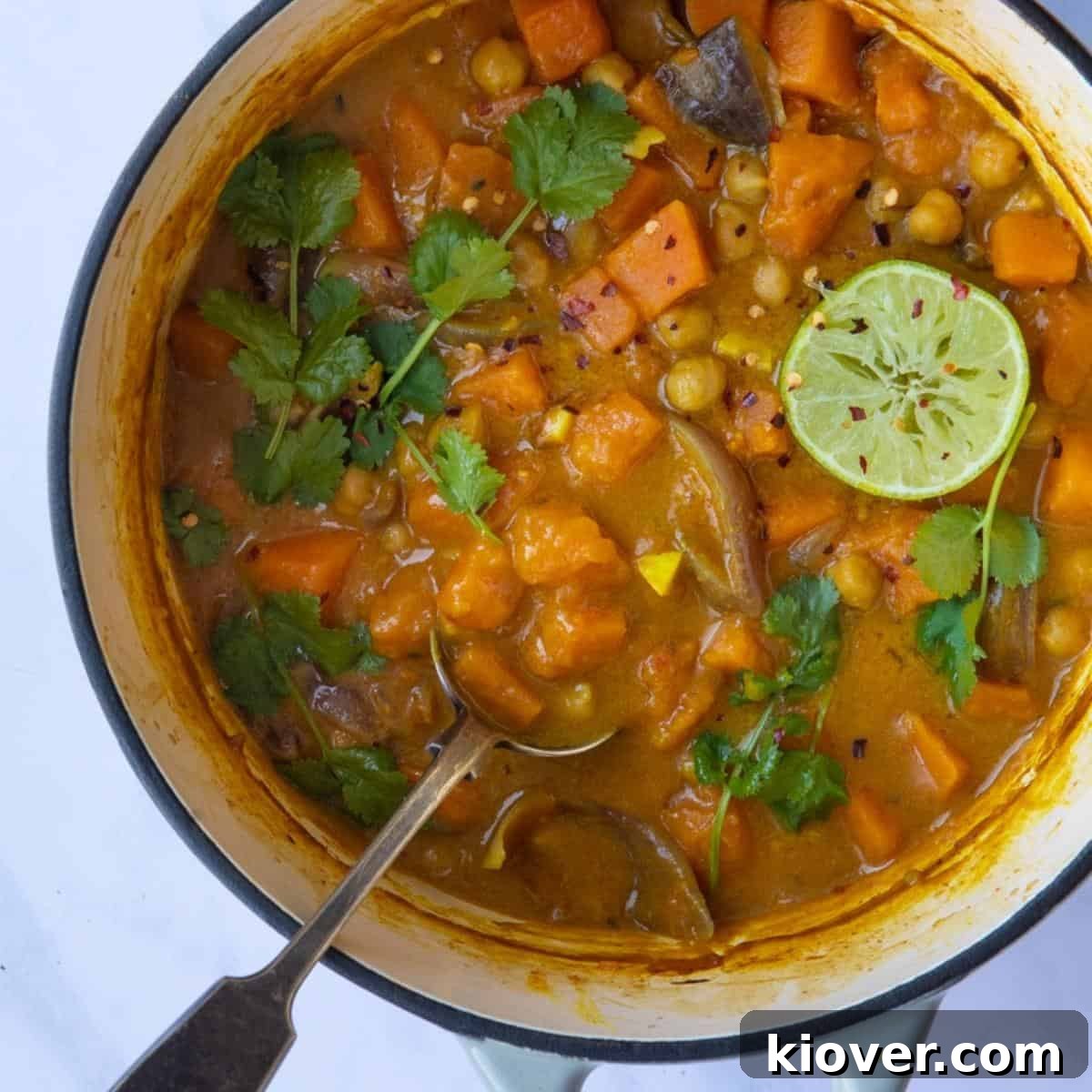
The Ultimate One-Pot Sweet Potato Satay Curry: A Hearty & Flavorful Vegan Delight
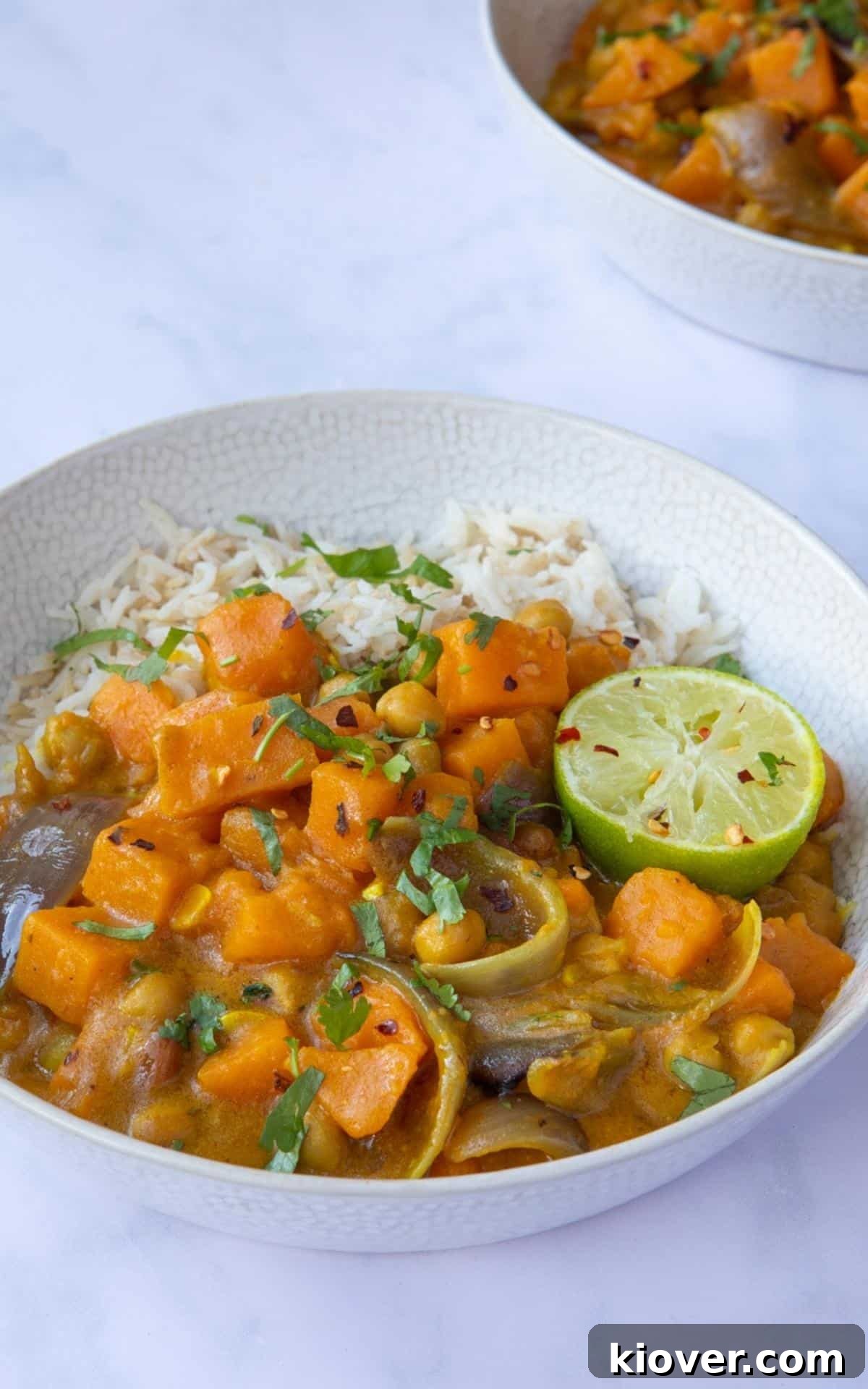
Craving a comforting, flavor-packed meal that’s both easy to prepare and incredibly satisfying? Look no further than this exquisite Sweet Potato Satay Curry. This ingenious one-pot recipe is designed for maximum flavor with minimum fuss, making it an ideal choice for busy weeknights or relaxed weekend cooking. Featuring tender sweet potatoes, protein-rich chickpeas, and a creamy, nutty satay sauce, it promises a symphony of tastes that will warm you from the inside out.
Not only is this recipe remarkably simple to make with very little prep required, but it also serves four generously, offering a budget-friendly meal that your entire family will adore. Dive into this delicious vegan curry tonight and discover your new favorite plant-based dish!
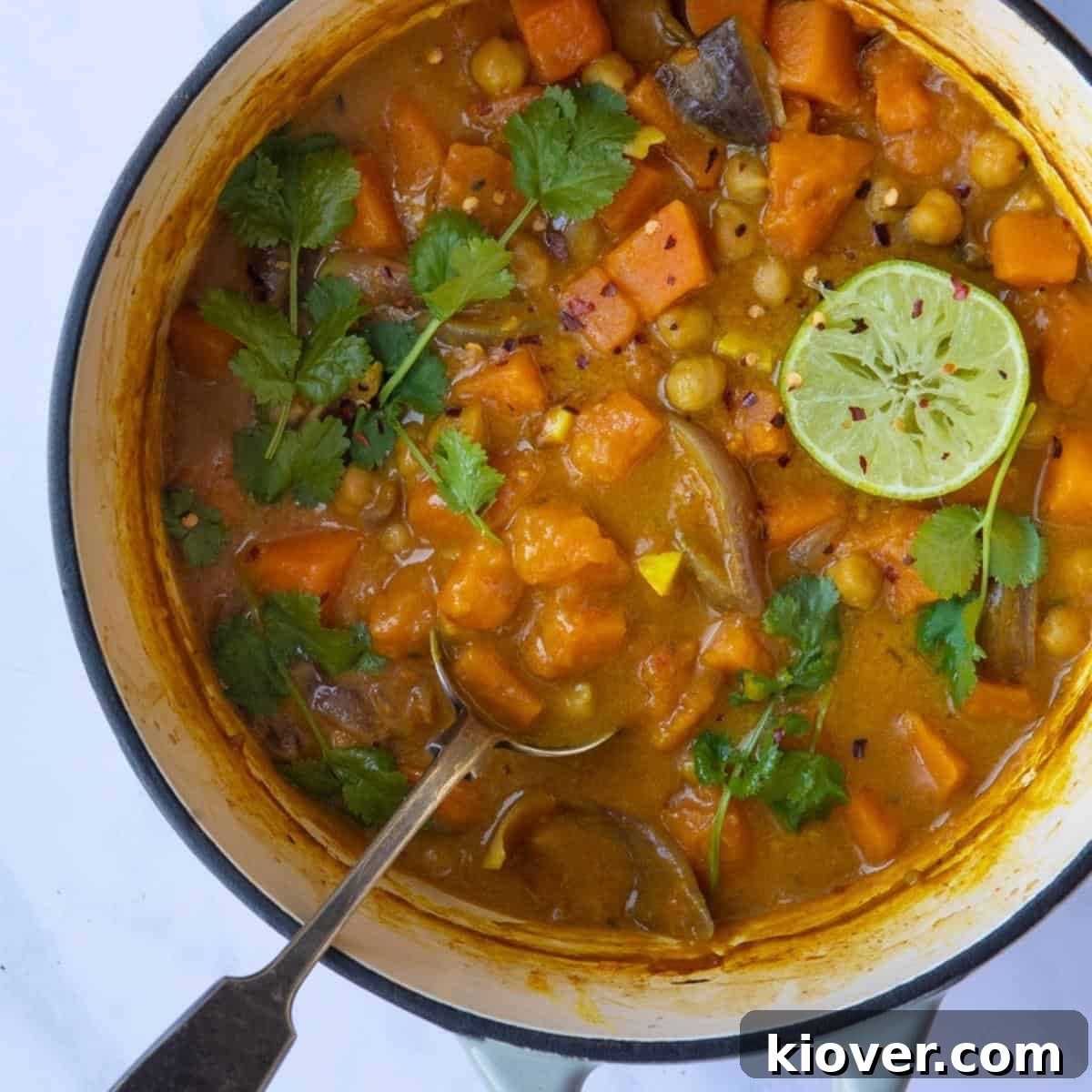
Recipe Difficulty – Easy
Table of Contents
- Why This Sweet Potato Satay Curry Works
- Essential Ingredients for Your Sweet Potato Satay Curry
- Smart Substitutions for Your Satay Curry
- Delicious Variations to Customize Your Curry
- Step-by-Step: How to Make Sweet Potato Satay Curry
- Storing and Enjoying Leftovers
- Sweet Potato Satay Curry FAQs
- Sweet Potato Satay Curry Recipe Card
Why This Sweet Potato Satay Curry Works as Your Go-To Meal
This Sweet Potato Satay Curry is more than just a meal; it’s a culinary hug in a bowl, perfectly suited for the transition of seasons or any time you need comforting nourishment. Its inherent heartiness and filling nature make it an exceptional vegan curry, rich in plant-based goodness and satisfying flavors.
What truly sets this recipe apart is its incredible versatility and convenience. As a true one-pot wonder, it minimizes washing up, allowing you to spend less time in the kitchen and more time enjoying your meal. Moreover, this curry is a fantastic candidate for forward planning and meal prepping. You can easily prepare a larger batch and freeze portions for later use, ensuring you have a wholesome, homemade meal ready whenever you need it most.
My inspiration for this dish stemmed from the overwhelming popularity of my Butternut Squash and Chickpea Curry. I wanted to build on that success by introducing a unique twist, elevating the flavor profile to new heights. The secret? The rich, creamy addition of peanut butter, which infuses the curry with an irresistible satay essence. Furthermore, cooking this curry in the oven, rather than solely on the stovetop, allows the flavors to meld and deepen beautifully, resulting in an exceptionally rich and aromatic dish. Serve it alongside my Best Gluten-Free Naan Bread, and I guarantee you’ll be captivated by this extraordinary flavor experience!
Essential Ingredients for Your Sweet Potato Satay Curry
Crafting this delicious Sweet Potato Satay Curry relies on a thoughtful selection of fresh produce and pantry staples, each playing a crucial role in building its signature flavor and texture. Here’s a closer look at the key components:
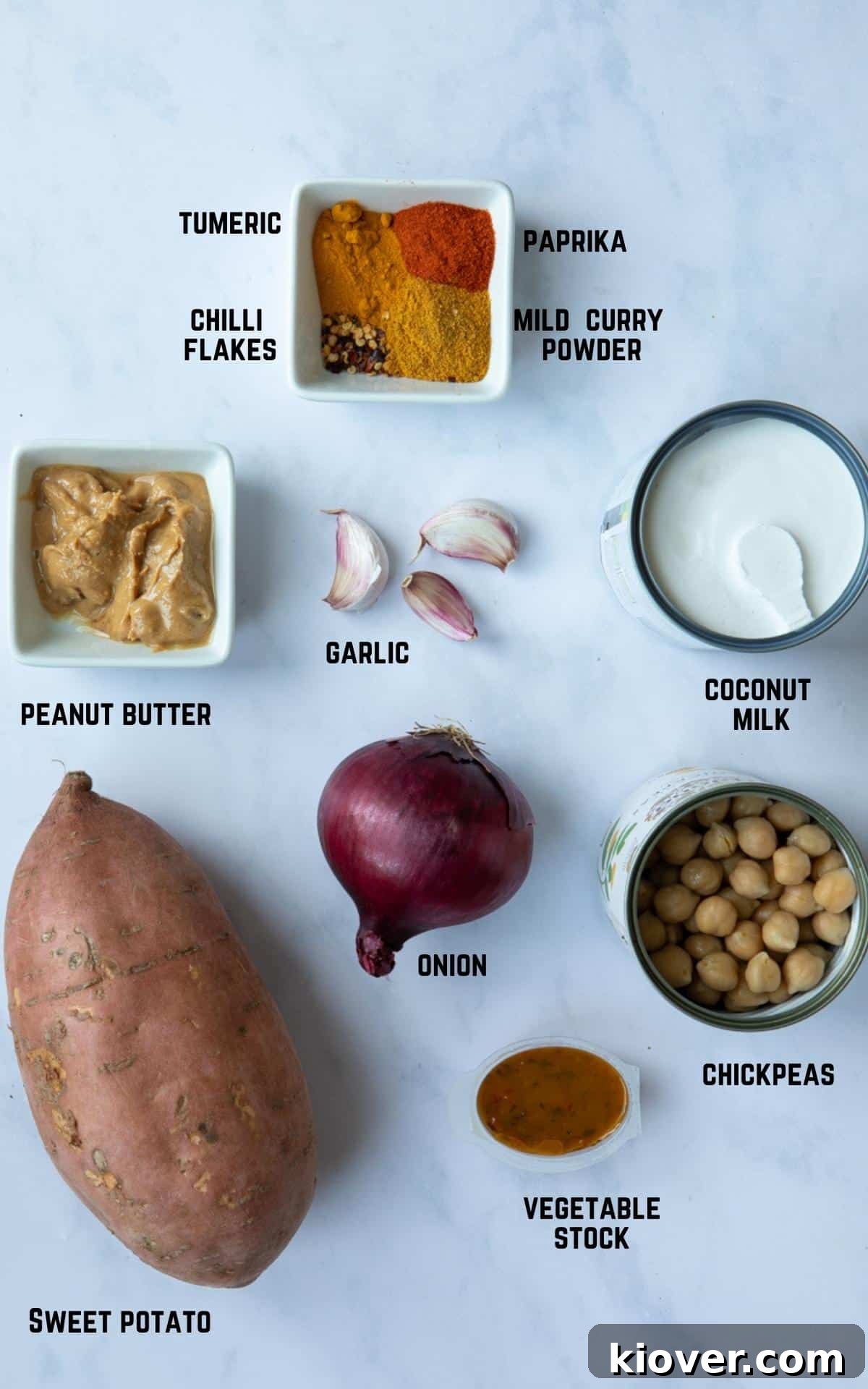
- Sweet Potato: The star of the show! Sweet potatoes lend a delightful mellow starchiness combined with a natural sweetness that ordinary white potatoes can’t quite match, making them perfect for balancing the savory and spicy notes in this curry. They also contribute essential vitamins and fiber. If you have extra, consider trying my Sweet Potato Soup or Peanut Sweet Potato Stew.
- Vegetable Stock: This liquid foundation is essential for adding body, depth, and a rich savory base to the curry, enhancing all the other flavors.
- Coconut Milk: Full-fat coconut milk is the secret to achieving that wonderfully creamy, luxurious texture in your Sweet Potato Satay Curry. Its subtle nutty flavor beautifully complements the spices and is a cornerstone of any good satay sauce.
- Chickpeas: A powerhouse of plant-based protein and fiber, chickpeas add a fantastic textural contrast and make the curry even more substantial and filling. They are a staple in many of my recipes, including my Slow Cooker Chickpea Curry.
- Onion: I’ve opted for a red onion in this recipe for its slightly milder flavor and vibrant color, but a white onion would work just as well if that’s what you have on hand. Onions provide an aromatic base for the curry.
- Peanut Butter: The undisputed hero ingredient for the signature satay flavor! Adding creamy or crunchy peanut butter truly elevates this recipe, introducing a rich, nutty, and slightly sweet-savory profile that is utterly addictive. For fellow peanut butter enthusiasts, don’t miss my 10 Minute Peanut Butter Curry.
- Garlic: A foundational aromatic that infuses the curry with a gentle spice and an irreplaceable depth of flavor. Freshly minced garlic makes a significant difference.
- Paprika: This spice not only adds a beautiful reddish hue but also contributes a subtle smokiness and warmth, deepening the overall flavor complexity of the satay curry.
- Mild Curry Powder: A carefully balanced blend of spices that forms the aromatic heart of this Sweet Potato Satay Curry. It provides a harmonious depth without overwhelming heat, making it suitable for most palates.
- Turmeric: Known for its vibrant golden color and earthy, slightly bitter notes, turmeric adds both visual appeal and a rich, grounded flavor to the body of the curry.
- Chilli Flakes: A pinch of chili flakes introduces a gentle, subtle heat that awakens the palate without being overpowering. Feel free to adjust the quantity to suit your spice preference.
For precise quantities and a printable recipe, please refer to the comprehensive recipe card below.
Smart Substitutions for Your Sweet Potato Satay Curry
One of the beauties of a good curry recipe is its flexibility. Don’t have an ingredient on hand, or prefer something different? Here are some excellent substitutions to help you adapt this Sweet Potato Satay Curry to your liking or dietary needs:
- Chickpeas: While chickpeas offer a fantastic texture and protein boost, you can easily swap them for other white beans. Cannellini beans or butter beans are excellent alternatives, providing a similar creaminess and hearty bite.
- Sweet Potato: If sweet potatoes aren’t available or you’re looking for a change, butternut squash makes a superb substitute. It offers a comparable sweetness profile, though its texture might be slightly firmer. Alternatively, for a different take using traditional potatoes, try my Potato Curry recipe.
- Peanut Butter: For those with a peanut allergy or who simply prefer another nut, almond butter is a fantastic alternative. It delivers a similar creamy texture and nutty depth, ensuring the satay essence remains intact. Sunbutter (made from sunflower seeds) is another great option for a nut-free version.
- Spices: My chosen blend of spices provides a balanced and flavorful profile that I believe works best for this dish. However, feel free to experiment! If you wish to omit certain spices due to preference or availability, or if you want to introduce others like ground ginger or cumin, trust your culinary instincts. Just taste and adjust as you go.
- Rice: This curry is traditionally served with fluffy rice, which acts as the perfect canvas for the rich sauce. However, if you’re seeking an extra protein boost or prefer a different grain, quinoa is an excellent choice. Its earthy flavor and higher protein content make it a nutritious accompaniment. For a detailed guide on how to cook perfect quinoa, check out my Quinoa recipe. You could also serve it with couscous or even cauliflower rice for a lower-carb option.
Delicious Variations to Customize Your Sweet Potato Satay Curry
This Sweet Potato Satay Curry is wonderfully adaptable, allowing you to tailor it to different tastes, occasions, and dietary preferences. Get creative with these variations:
- Deluxe Presentation: Planning a special dinner or simply want to elevate your meal? Pair this curry with my Best Gluten-Free Naan Bread for dipping. To make the dish visually stunning, garnish generously with a sprinkle of roughly chopped fresh coriander and a few vibrant lime wedges. For an added layer of texture and flavor, consider sprinkling some dry-roasted peanuts or cashews over the top just before serving. This not only enhances the presentation but also reinforces the nutty satay profile.
- Kid-Friendly Adaptation: The base recipe is designed to be fairly mild, making it approachable for most palates. However, if you’re cooking for children who are particularly sensitive to spice, you can easily reduce the quantity of mild curry powder or completely omit the chilli flakes. You can also offer a dollop of plain yogurt or coconut cream on the side to further mellow any heat for younger eaters.
- Spice Enthusiast’s Delight: For those who love a fiery kick, it’s simple to dial up the heat. Swap the mild curry powder for a medium or hot variety, or increase the quantity of chilli flakes to taste. A dash of cayenne pepper or a finely chopped fresh red chilli added with the garlic can also intensify the warmth. If spice is truly your vibe, you absolutely must try my 10 Minute Spicy Pasta!
- Add a Protein Boost (Non-Vegan Option): While this recipe is designed as a delicious vegan meal, it’s easily adapted for non-vegans seeking additional protein. You can incorporate diced chicken breast or firm tofu (pressed and cubed) into the curry. Add it along with the sweet potatoes and other ingredients before placing the pot in the oven, ensuring it cooks through and absorbs the wonderful flavors. For a quick addition, cooked prawns can be stirred in just before serving to warm through.
- Vegetable Medley: Enhance the nutritional value and texture by adding more vegetables. Bell peppers (any color), chopped spinach, kale, green beans, or even broccoli florets would be delicious additions. Add softer vegetables like spinach towards the end of the cooking time.
Step-by-Step: How to Make Sweet Potato Satay Curry
Creating this rich and aromatic Sweet Potato Satay Curry is a straightforward process, largely thanks to its one-pot nature. Follow these simple steps for a delicious meal:
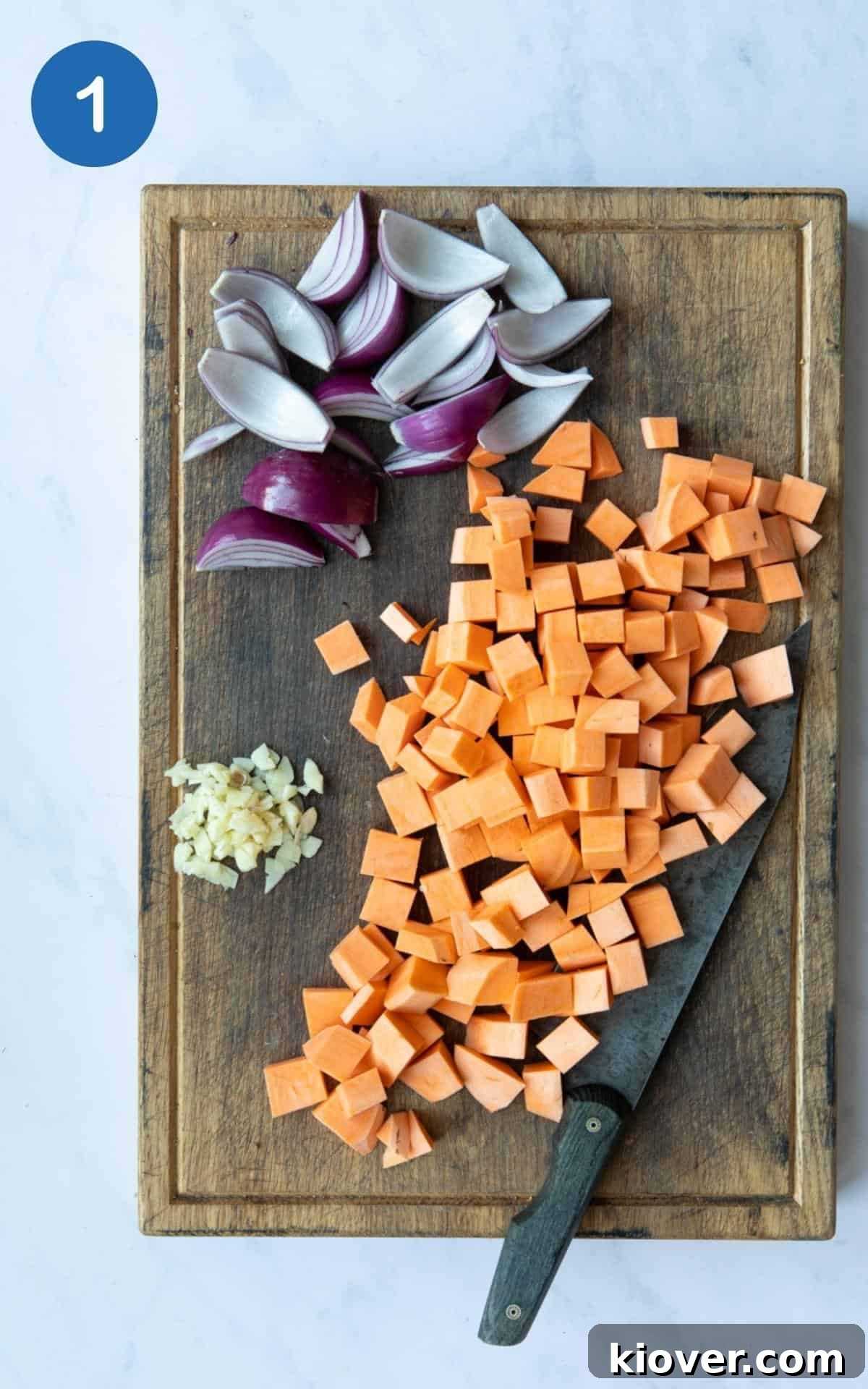
Step 1: Prepare Your Ingredients. Begin by roughly slicing your red onion into manageable chunks. Next, chop the sweet potato into small, uniform cubes – aiming for even sizes will ensure they cook through at the same rate. Finally, finely slice or mince the garlic cloves. This preparation will make the cooking process seamless.
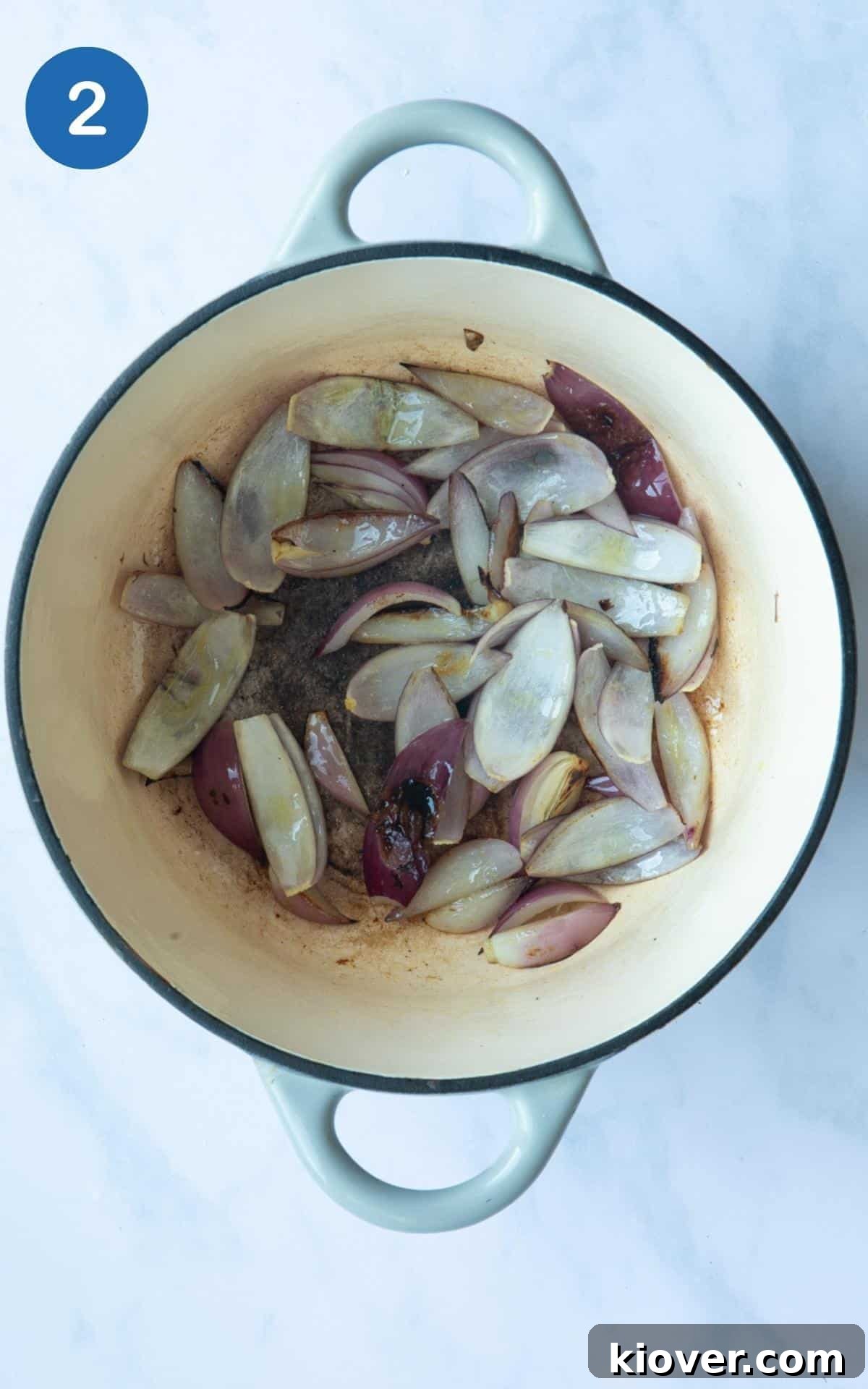
Step 2: Sauté the Onions. Heat a generous drizzle of oil in a large, oven-proof pot over medium heat. Add the roughly chopped onion and fry for approximately 4-5 minutes, stirring occasionally, until the onions soften and begin to get a lovely slight browning or char on the edges. This caramelization adds a crucial depth of flavor to the curry.
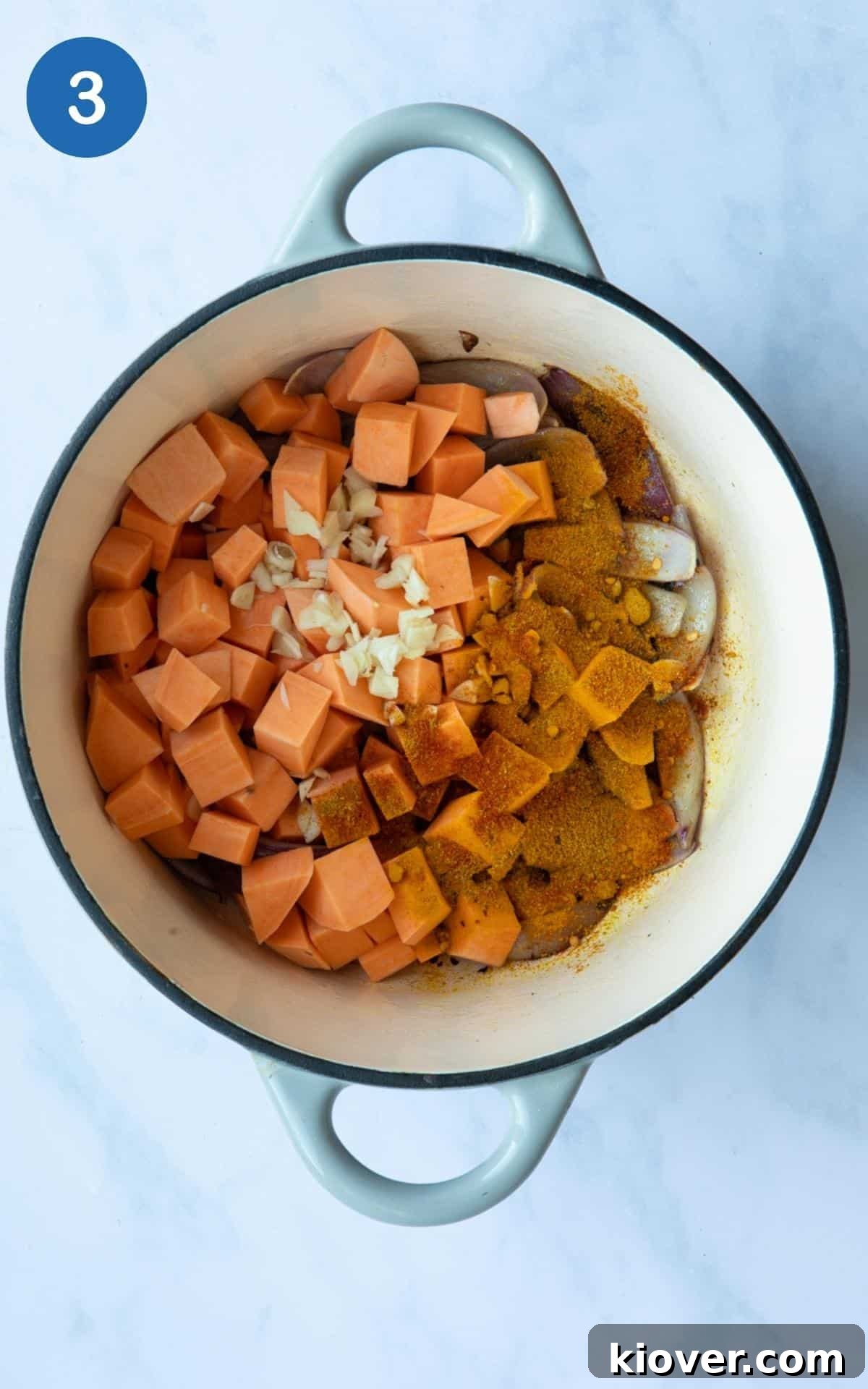
Step 3: Add Aromatics and Spices. Now, introduce the finely sliced garlic, the cubed sweet potato, and all the dry spices (mild curry powder, paprika, turmeric, chilli flakes) to the pot. Stir well to ensure the sweet potato and onions are thoroughly coated in the fragrant spices. Cook for another minute, allowing the spices to toast and release their aromas.
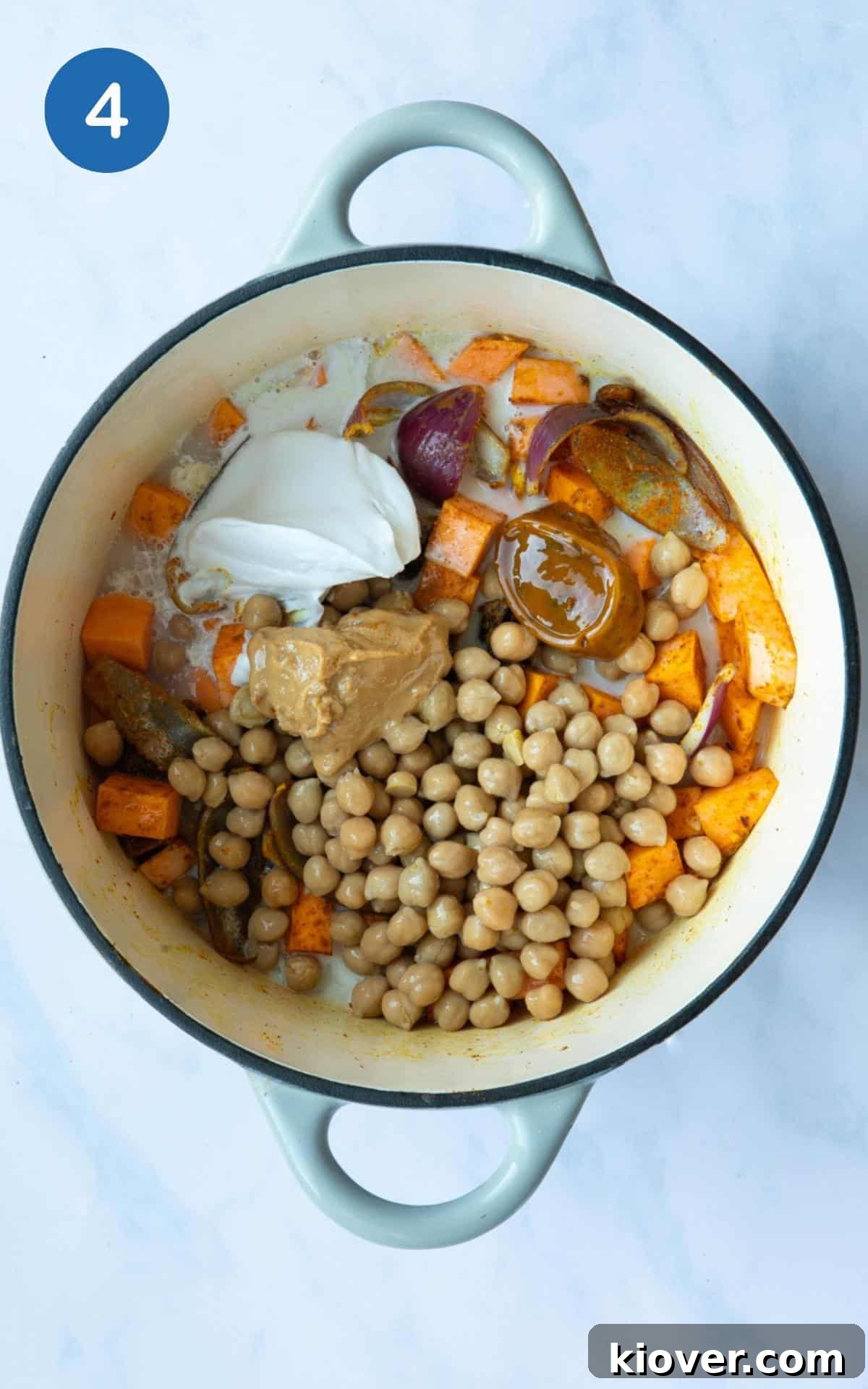
Step 4: Combine Wet Ingredients. It’s time to build the creamy base. Add the drained chickpeas, the full can of coconut milk, approximately 1/3rd of a can of water (around 135ml), the vegetable stock cube (or an equivalent amount of liquid stock), and the peanut butter to the pot. Stir everything thoroughly until all the ingredients are well combined and the peanut butter has dissolved into the liquid to create a smooth, rich sauce.
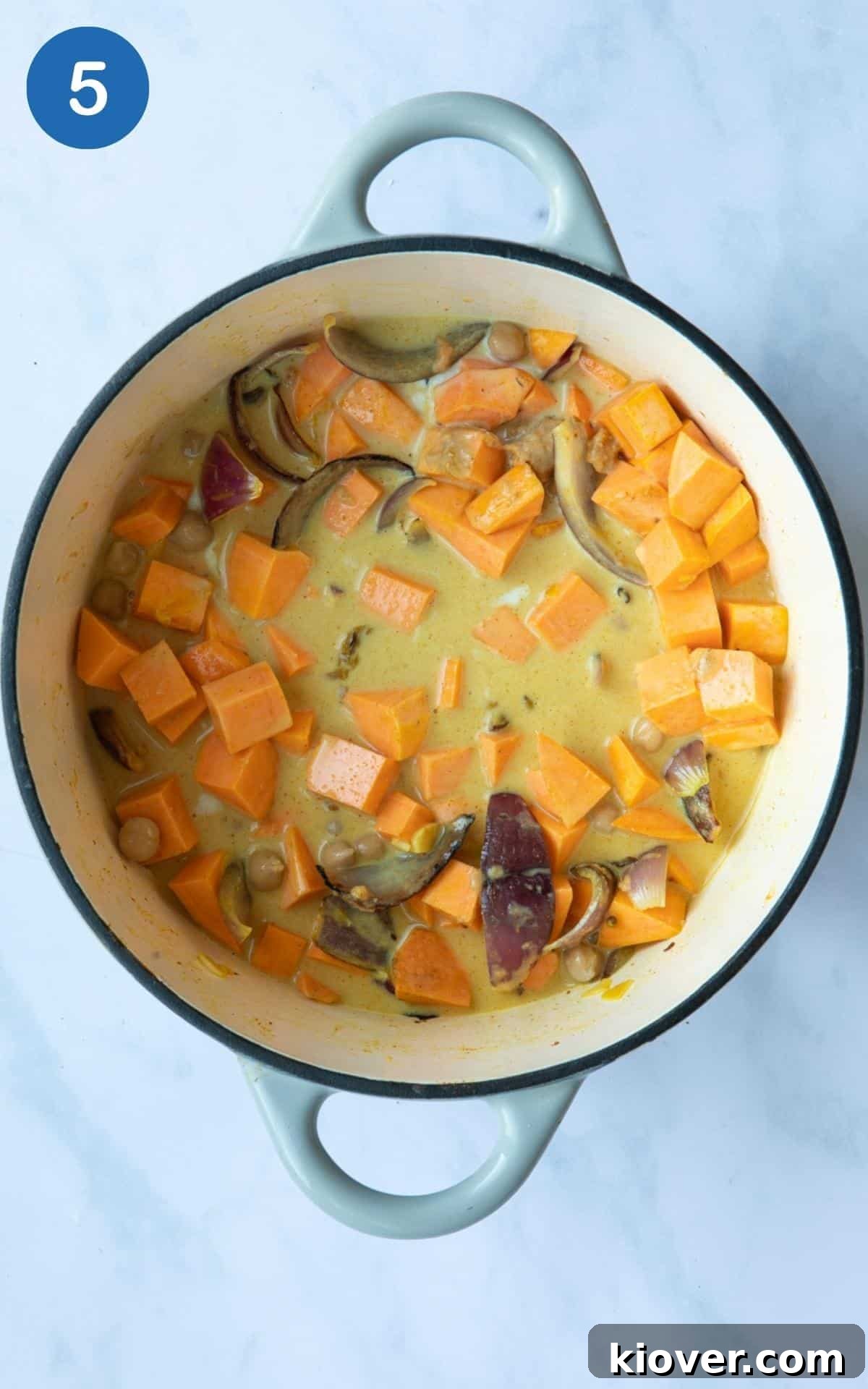
Step 5: Bake and Serve. Bring the curry mixture to a gentle simmer on the stovetop. Once simmering, carefully transfer the oven-proof pot to a preheated oven and bake at 200°C / 390°F (using a fan oven setting for optimal circulation) for 30 minutes. The baking process allows the flavors to intensify and the sweet potatoes to become beautifully tender. In the meantime, prepare your chosen accompaniment, such as fluffy rice, to serve alongside this delightful curry. Enjoy hot!
Storing and Enjoying Leftovers: Maximizing Your Sweet Potato Satay Curry
This Sweet Potato Satay Curry is not only delicious fresh but also makes for fantastic leftovers, perfect for meal prepping and enjoying throughout the week. Proper storage is key to maintaining its flavor and freshness:
- In the Fridge: Allow any leftover curry to cool completely to room temperature before transferring it to an airtight container. Store it in your refrigerator for up to 3 days. When ready to enjoy, reheat gently in a saucepan over low heat, stirring occasionally, until it’s piping hot throughout. You can also reheat individual portions in the microwave, adding a splash of water or vegetable stock if the sauce has thickened too much.
- In the Freezer: This curry freezes beautifully! Once completely cooled, transfer the curry into a freezer-safe airtight container or individual freezer bags. It can be stored in the freezer for up to 1 month, making it an excellent option for long-term meal planning. For ultimate convenience, portion out individual servings before freezing. This allows you to grab and reheat just what you need, saving time on busy days.
- Defrosting & Reheating: To defrost, simply transfer your frozen curry from the freezer to the refrigerator overnight. Once defrosted, reheat it on the stovetop or in the microwave as described above, ensuring it reaches a safe internal temperature before serving. You may find that the sauce has thickened slightly upon reheating; a small splash of water or coconut milk can help restore it to the desired consistency.
Sweet Potato Satay Curry FAQs
Baking this curry in the oven adds a unique, delicious depth of flavor that simmering on the stovetop alone can’t quite achieve. The gentle, even heat of the oven allows the ingredients to meld together more slowly, caramelizing the edges slightly and intensifying the spices. However, if you’re short on time or prefer stovetop cooking, you can certainly simmer it on the hob for 20-25 minutes, or until the sweet potato is tender.
No, I’ve crafted this recipe to be mild, ensuring it’s enjoyable for a wide range of palates, including those sensitive to heat. The chilli flakes add only a very subtle warmth. If you prefer more heat, you can easily customize it by using a hotter curry powder or increasing the quantity of chilli flakes to your taste.
Absolutely! This curry is wonderfully versatile for incorporating additional protein. If you’re not strictly vegan or vegetarian, you can add diced chicken breast or firm tofu (cubed and pressed) into the pot before placing it in the oven to bake. For a quick seafood addition, cooked prawns can be stirred in right before serving to warm through. For a plant-based protein boost, consider serving the curry with quinoa instead of rice.
No problem at all! The peanut butter is key for the satay flavor, but it can be easily substituted. Simply swap it for an alternative nut butter, such as almond butter, or for a completely nut-free option, use sunflower seed butter (often called Sunbutter). These alternatives will still provide a rich, creamy, and nutty element to the curry.
Yes, you can! If using frozen sweet potato cubes, there’s no need to thaw them beforehand. Simply add them to the pot as instructed in Step 3. You might need to add a couple of extra minutes to the cooking time in the oven to ensure they are fully tender.
If your curry appears too thin after cooking, you have a few options. You can continue to simmer it on the stovetop (after baking, if applicable) for an additional 5-10 minutes with the lid off, allowing some of the liquid to evaporate. Alternatively, you can mix a teaspoon of cornstarch with a tablespoon of cold water to create a slurry, then stir it into the simmering curry and cook for another minute until thickened.
YOU MIGHT ALSO LIKE…
More Delicious Curry Recipes to Try
Slow Cooker
Slow Cooker Chickpea Curry
Dinner
The Best Thai Red Prawn Curry
Dinner
Sweet Potato and Chickpea Curry
Dinner
Vegan Katsu Curry
If you’ve tried this Sweet Potato Satay Curry recipe, please take a moment to leave a star rating below and share your experience in the comments. Your feedback is invaluable and helps other home cooks discover wonderful recipes. Hearing positive feedback is truly one of the most rewarding aspects of creating and sharing these dishes!
P.S. Never miss out on new, healthy recipes! Get more wholesome meal ideas sent straight to your inbox weekly – Subscribe here and receive a complimentary recipe eBook!

Print Recipe
Rating: 5/5 from 14 votes
Sweet Potato Satay Curry
Equipment
-
Chopping Board
-
Knife
-
Large Oven-Proof Pot (or Dutch Oven)
Ingredients
- 1 red onion, roughly sliced
- 3 garlic cloves, finely sliced
- 1 tbsp mild curry powder
- 1 tsp paprika
- 1 tsp turmeric
- Pinch of chilli flakes (adjust to taste)
- 1 large sweet potato, chopped into small cubes
- 1 can chickpeas, drained
- 1 can full-fat coconut milk
- 1 vegetable stock cube/pot (or equivalent liquid stock)
- 2 tbsp peanut butter (crunchy or smooth)
- Rice to serve (optional)
For unit conversions, please consult a standard kitchen conversion chart.
Instructions
-
Firstly, prepare your vegetables: roughly slice the onion into chunks, chop the sweet potato into small, even cubes, and finely slice the garlic.
-
Add a little oil to a large oven-proof pot (such as a Dutch oven) and heat over medium heat. Add the chopped onion and fry for 4-5 minutes until it begins to soften and slightly char, developing a deeper flavor.
-
Next, add the sliced garlic, cubed sweet potato, and all the spices (mild curry powder, paprika, turmeric, chilli flakes). Stir thoroughly to combine all the ingredients and ensure the sweet potato is well coated with the fragrant spices. Cook for another minute to allow the spices to bloom.
-
Now, add the drained chickpeas, coconut milk, approximately 1/3rd of a can of water (around 135ml), the vegetable stock cube (or an equivalent amount of liquid vegetable stock), and the peanut butter. Stir well until all ingredients are fully incorporated and the peanut butter has melted into a smooth sauce.
-
Bring the curry to a gentle simmer on the stovetop. Once simmering, transfer the pot to a preheated oven set to 200°C / 390°F (fan oven) and bake for 30 minutes, or until the sweet potatoes are tender and the sauce has thickened slightly. While the curry bakes, cook your rice or preferred grain according to package instructions. Serve hot and enjoy!
Notes
Step-by-Step Photos: Throughout this blog post, you’ll find helpful step-by-step photos that visually guide you through each stage of making this delicious recipe, ensuring success even for novice cooks.
Substitutions & Variations: I’ve provided a comprehensive list of suggested substitutions and variations within the main post above, allowing you to customize this recipe to your taste, dietary needs, or what you have on hand.
To Store: Store any cooled leftovers in an airtight container in the refrigerator for 2-3 days. Reheat gently in a pot or pan over a low heat, stirring occasionally, until piping hot throughout. Alternatively, reheat in the microwave, adding a splash of water if needed to adjust consistency.
To Freeze: Allow the curry to cool completely before transferring it to a sealed freezer-safe container. It can be stored in the freezer for up to 4 months. When ready to use, defrost in the refrigerator overnight, then reheat until piping hot in a pot or microwave. A splash of water or coconut milk may be necessary to restore the sauce’s texture.
Tip 1: For even cooking, try your best to chop the sweet potato into uniform, bite-sized chunks. This ensures every piece becomes perfectly tender at the same time.
Tip 2: If you adore spicy curries, don’t hesitate to increase the quantity of curry powder or add extra chilli flakes to taste. You can also introduce a finely chopped fresh green or red chilli when sautéing the garlic.
Tip 3: For an added protein boost, you can incorporate diced chicken or firm tofu into the pot before baking. Alternatively, stir in cooked prawns just before serving to warm through. Swapping rice for quinoa is another excellent way to increase the protein content of your meal.
Nutrition Information (per serving)
Calories: 327kcal
|
Carbohydrates: 24g
|
Protein: 8g
|
Fat: 21g
|
Saturated Fat: 14g
|
Fiber: 7g
|
Sugar: 6g