
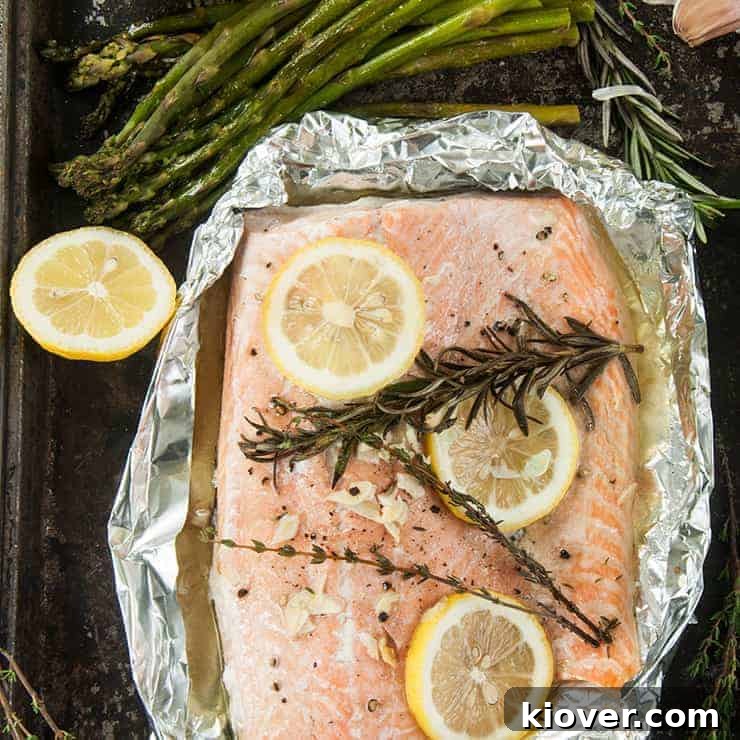
Grilling salmon in a foil packet is an incredibly straightforward yet elegant way to prepare this beloved fish. This method promises a dish that’s not only visually appealing but also bursting with flavor and perfectly cooked every time. Many home cooks find grilling fish daunting, often resulting in dry, overcooked fillets that stick to the grates. However, with the right techniques and a few essential tips, you can achieve flawlessly tender, juicy salmon using a simple foil packet. This comprehensive guide will walk you through everything you need to know, from selecting the best salmon to mastering the grilling process and infusing it with delicious flavors. Prepare to impress your taste buds and guests with a healthy, stunning, and utterly delicious meal.
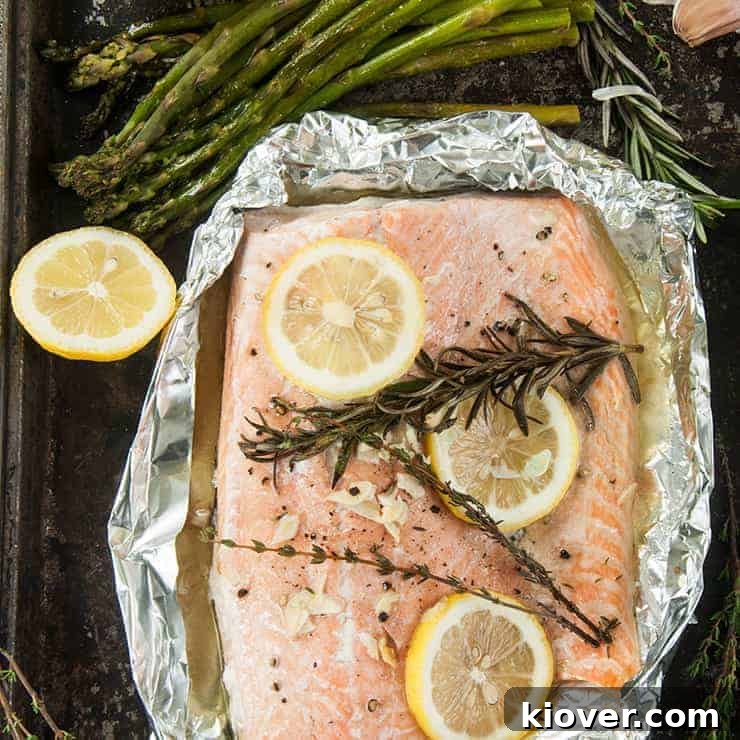
Foil Packet Grilled Salmon: Your Ultimate Guide to Perfect Grilling
Salmon is truly a magnificent fish for the grill. Its rich flavor and robust texture make it a popular choice for outdoor cooking, but achieving that ideal balance of moistness and doneness can sometimes be a challenge. That’s where the foil packet method shines. It’s a game-changer, ensuring your salmon stays incredibly moist, absorbs all the aromatic flavors, and cooks evenly without the worry of sticking. Beyond its phenomenal taste, this recipe delivers a nutritional powerhouse, packed with omega-3 fatty acids and lean protein, making it an excellent choice for a healthy, satisfying meal. This guide, part of our grilling series, will ensure your foil packet grilled salmon is nothing short of perfection.
Mastering the Art of Grilling Salmon: Beyond the Basics
The most common mistake people make when grilling salmon, or any fish, is improper temperature management. Unlike meats that can be a bit more forgiving, fish can go from perfectly cooked to dry and tough in a matter of minutes. This is why a reliable meat thermometer is your best friend in the kitchen, especially when grilling. Just as it’s critical for achieving the ideal doneness in steaks or pork chops, precision is paramount with fish. Overcooking salmon quickly leads to a dry, unappetizing experience. For succulent, flaky salmon, my magic number for internal temperature is 125°F (52°C). This temperature, measured at the thickest part of the fillet, allows for a perfect medium-rare to medium doneness, ensuring maximum moisture and flavor.
If you invest in a quality cut of salmon and consistently hit this target temperature, you are virtually guaranteed an outstanding grilling experience every time. Furthermore, opting for an entire salmon fillet, rather than individual portions, simplifies the process. It offers easier handling on the grill, creates a beautiful presentation, and allows for more consistent heat distribution, leading to a more uniform cook across the whole piece.
The Keys to Unlocking a Perfect Grilled Salmon Recipe
While precise temperature control is vital for cooking salmon, the journey to the best-grilled salmon actually begins long before your fish even touches the grill grates. It starts at your local fishmonger or butcher. Even if you reside far from coastal areas, like me in the middle of the US, a little diligence can lead to discovering excellent quality salmon. If I can find a great selection in Fargo, ND, you can certainly find good salmon wherever you are. Consider reputable mail-order services or gourmet subscription boxes, like Butcher Box, which can deliver high-quality fish and meats directly to your door.
Choosing the Right Salmon for Grilling: A Detailed Guide
The quality of your raw salmon is the foundation of a delicious grilled dish. Unfortunately, not all salmon available on the market is created equal. When shopping, you’ll often encounter various options, from fresh to frozen, and it’s essential to know how to differentiate between superior and subpar choices. Take your time to select the best canvas for your culinary masterpiece. We’re focusing on fillet cuts for this recipe, which offer convenience and versatility for grilling.
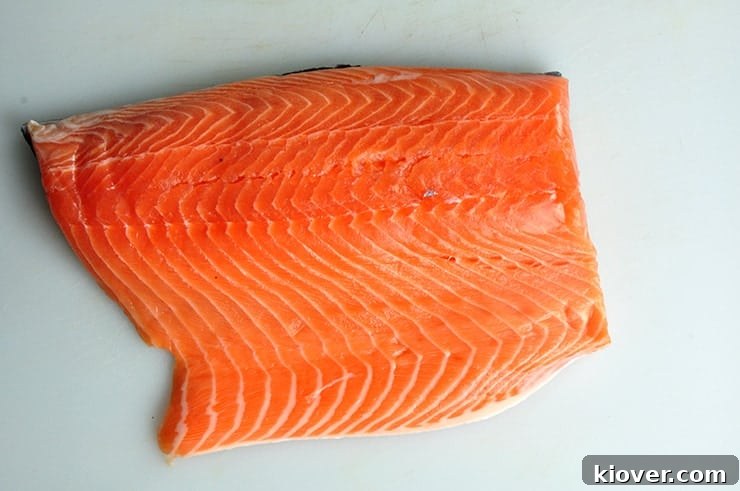
What to Look For: Visual Cues of Freshness
This is arguably the easiest step. Simply observe the fish. Does the flesh appear firm, moist, and vibrant? A high-quality salmon fillet will have a bright, almost translucent sheen, not dull or opaque. The marbling, or white lines of fat, should be clearly visible, indicating good fat content which contributes to flavor and moisture. Avoid any fillets that look worn, discolored, or have dry, gaping flakes. If purchasing frozen salmon, check that it’s properly vacuum-sealed and free of excessive frost or ice crystals, which can indicate freezer burn and compromised quality. Different salmon species naturally have varying flesh colors, from the pale pink of some Pacific varieties to the deep red of Sockeye, but the key is a consistent, healthy color for its type.
Deciphering Labels: Understanding Packaged Salmon
While purchasing from the fresh fish counter is often preferred, pre-packaged salmon can also be a good option, provided you scrutinize the label. Always check the ingredients list. Ideally, the only ingredient should be “salmon.” Be wary of labels that list added water, phosphates, or other preservatives, as these can alter the flavor and texture of the fish. Such additions are often used to plump up lesser quality fish or extend shelf life, which might compromise the final grilled product.
Exploring Salmon Varieties: Which Type is Best for Grilling?
There are several types of salmon, each offering a unique flavor and texture profile that can impact your grilled dish. For this recipe, I typically use Atlantic salmon, which is the most widely available and a fantastic all-around choice. Other excellent options include Sockeye, Coho, and King (Chinook) salmon. Sockeye is known for its firm texture and deep red color, offering a richer, more pronounced flavor. Coho salmon has a moderate fat content and a delicate taste. King salmon, often considered the crème de la crème, boasts the highest fat content, resulting in an incredibly rich, buttery flavor and a supremely tender texture. These premium varieties might be harder to find and generally more expensive, depending on your location and the time of year, but they are worth seeking out for a special occasion.
Farm-Raised vs. Wild-Caught Salmon: A Matter of Preference
The choice between farm-raised and wild-caught salmon is largely a matter of personal preference, influenced by taste, texture, and ethical considerations. Wild-caught salmon, harvested from natural habitats, tends to have a more nuanced and distinct flavor profile, as its diet and environment are uncontrolled. It is typically leaner and can have a firmer texture. Farm-raised salmon, on the other hand, usually has a higher fat content due to its controlled diet, resulting in a richer, more buttery mouthfeel, which many, including myself, find highly desirable. King salmon, whether wild or farmed, is prized for its naturally high-fat content. For this recipe, I’m using a farm-raised Atlantic salmon, which offers a great balance of flavor and tenderness. Remember that leaner cuts of salmon, often found in wild varieties, will generally have slightly shorter cooking times.
Optimal Cut of Salmon for Grilling in Foil
When selecting your salmon fillet, aim for the most uniform slab of fish possible. This ensures even cooking and allows for accurate temperature monitoring, leading to a consistently perfect result. Look for a fillet that is thick and relatively uniform in height from end to end, ideally resembling a rectangle rather than tapering significantly towards one end. Cuts taken from the center of the salmon are often superior to those from the tail end, as they are thicker and less prone to drying out. A consistent thickness means every part of the fillet will reach your target temperature simultaneously.
Keep the Skin On: A Grilling Essential
Even if you don’t intend to eat the skin (though crispy grilled salmon skin is a delicacy for many!), always purchase your salmon fillets with the skin on. The skin serves as a natural protective layer during grilling, shielding the delicate flesh from direct heat and preventing it from overcooking or drying out. It acts as a barrier, helping to retain moisture and keep the fillet intact. Plus, the fat layer just beneath the skin renders down, contributing to a richer flavor in the flesh. Trust me, buy that fish with the skin on!
Seek Expert Advice: Engage Your Fishmonger or Butcher
Never hesitate to tap into the knowledge of your fishmonger or butcher. These professionals are your best resource; they possess intimate details about the origin of their fish, how it has been handled, the distributor, and how long it has been in the case. They can guide you towards the freshest and best-suited salmon for grilling. Building a trusting relationship with a good fishmonger can significantly elevate your seafood experience. While their advice is invaluable, remember that the final decision rests with you. Use their insights to complement your own observations and select the absolute best salmon fillet for your meal.
The Science of Temperature: Achieving Perfect Doneness
A crucial disclaimer regarding cooking temperatures: ultimately, you must decide what’s right for you. The USDA recommends cooking fish to 145°F (63°C). While this ensures maximum food safety, for many, including myself, this temperature results in salmon that is too done, often leading to a drier texture. My preferred target for perfectly moist and flaky salmon is to remove it from the grill when the thickest part reaches an internal temperature of 125°F (52°C).
I typically set an initial timer for around 18 minutes. At this point, I check the internal temperature of the fattiest, thickest part of the fish with my meat thermometer. If it hasn’t reached 125°F, I return it to the grill and check again in 2-4 minute intervals. It’s better to check more frequently as the fish approaches the target temperature to avoid overshooting. Removing the salmon promptly at 125°F is key to retaining its natural moisture and achieving that desirable tender texture.
The Importance of Resting Salmon
Once your salmon has reached the ideal internal temperature of 125°F, the cooking process isn’t quite finished. Just like with meats, resting your salmon is a critical step that often gets overlooked. Immediately remove the foil packet from the grill and let it rest, unopened, for an additional 5 minutes. During this resting period, the internal temperature of the fish will continue to rise slightly (this is known as carry-over cooking), and the juices, which have been pushed to the center during cooking, will redistribute throughout the fillet. This results in an incredibly moist, succulent, and evenly flavored piece of salmon. Skipping this step can lead to juices running out when you cut into the fish, leaving you with a drier result.
Why the Foil Packet Method Reigns Supreme
The foil packet method is my preferred way to grill salmon for several compelling reasons. One of the primary benefits is preventing the fish skin from sticking to the grill grates. While meticulously clean and well-oiled grates can reduce this risk, the foil packet completely eliminates the concern, ensuring your beautiful fillet remains intact. This translates to less stress and easier cleanup.
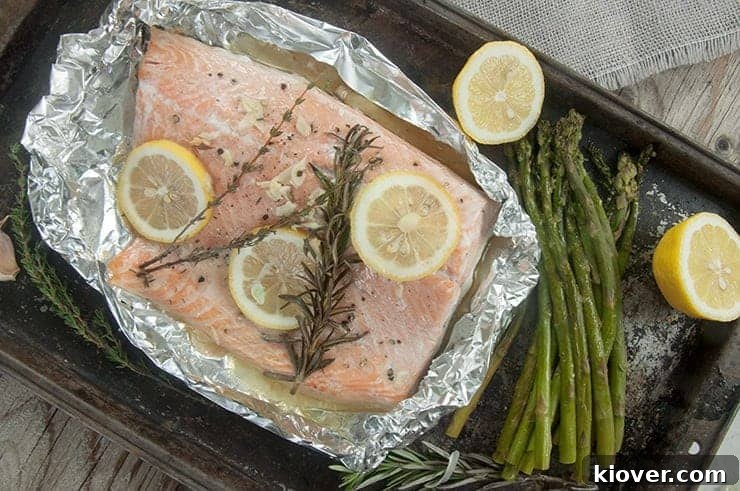
Beyond convenience, foil packets are brilliant for flavor infusion. By sealing the salmon with herbs, lemon, and butter within the packet, all those wonderful aromatics are trapped, creating a steamy, flavorful environment that penetrates every inch of the fillet. This ensures the salmon is not just cooked but also deeply infused with the chosen seasonings, resulting in an exceptionally tender and aromatic dish.
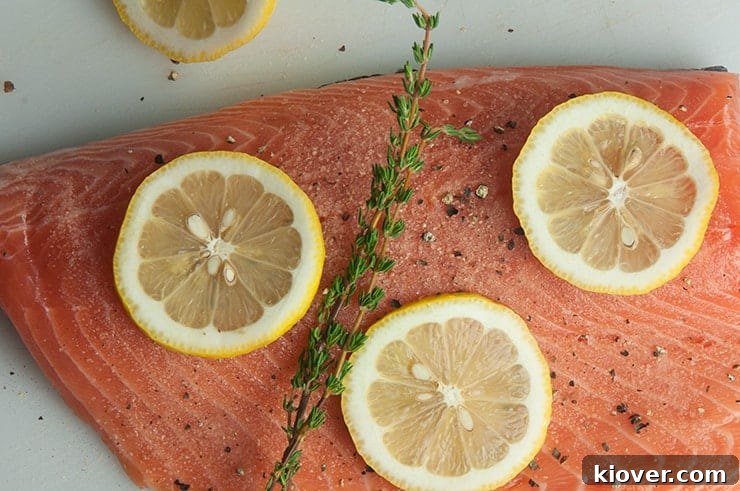

Elevating Flavor: Herbs, Spices, and Beyond
The beauty of foil packet grilling lies in its versatility with flavor. While I often gravitate towards classic pairings like fresh thyme and rosemary for their earthy, aromatic notes, this recipe offers ample opportunity for customization. Consider experimenting with other fresh herbs such as dill, which complements salmon beautifully, or basil for a brighter, slightly peppery twist. Chives, tarragon, or even a hint of oregano can also work wonders. For a bolder flavor, you might incorporate spices like smoked paprika, garlic powder, onion powder, or a dash of cayenne for a subtle kick. A simple rub made from brown sugar, salt, and pepper can also create a delicious caramelized crust. Don’t be afraid to experiment and discover your favorite combinations, but if you’re seeking a foolproof, universally loved taste, fresh thyme and rosemary will always deliver an awesome result.
Infusing Smoky Goodness: Adding a Smoker Box to Your Gas Grill
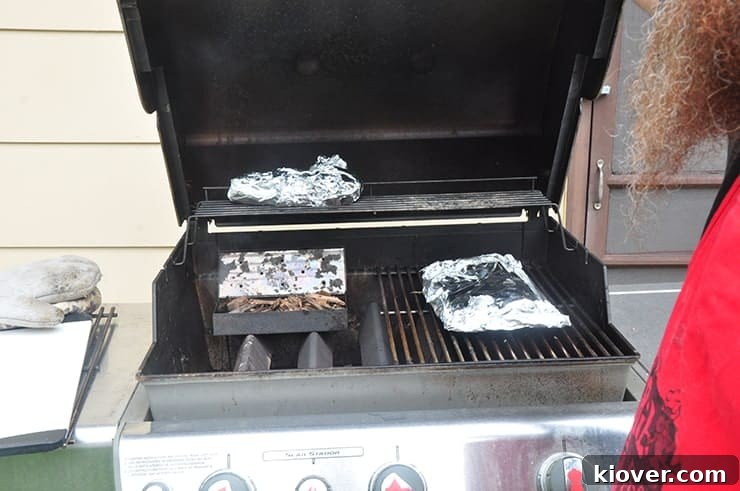
If you’re using a gas grill, you might feel like you’re missing out on the incredible smoky depth that charcoal grilling provides. Fear not! You can easily infuse your foil packet salmon with delicious smoky flavor by using a smoker box. While shorter cook times might not fully capture the smoke, salmon, with its 20+ minute grilling duration, is perfectly suited for this technique. Simply fill your smoker box with wood chips – applewood offers a sweet, mild smoke that pairs wonderfully with fish, while mesquite provides a more robust, earthy flavor. Place the smoker box over direct heat until it starts to smoke, then move it to a cooler part of the grill, allowing the smoke to circulate around your foil packet. The subtle smoky aroma clinging to your beard (or your kitchen) will be a testament to a truly flavorful meal.
Grilling salmon is a culinary delight that is simpler than many assume, though mistakes can easily occur if not vigilant. By following this recipe, adhering to the expert tips provided, and focusing on proper temperature management and quality ingredients, you’ll consistently achieve perfectly grilled salmon. We encourage you to try this fantastic recipe and share your success! If you appreciate the content we’re creating, please take a moment to share this recipe on Pinterest and consider signing up for our email updates to stay informed on our latest culinary adventures.
Essential Tools for This Recipe
- Smoker Box (optional, for adding smoky flavor to gas grills)
- Meat Thermometer (crucial for perfect doneness)
- Weber Genesis Grill (or your preferred grill)
Foil Packet Grilled Salmon Recipe
Rated 5 out of 5 stars based on 1 review
- Author: Ben Myhre
- Prep Time: 10 minutes
- Cook Time: 30 minutes
- Total Time: 40 minutes
- Yield: 4 servings
- Category: Fish
- Method: Grilling
- Cuisine: American
Description
This Foil Packet Grilled Salmon recipe looks stunning and tastes even better. Follow this guide to perfectly grilled, moist, and flavorful salmon every time!
Ingredients
- 1 1/2 pounds (approximate) salmon fillet
- 1 teaspoon salt
- 1/2 teaspoon fresh ground pepper
- 3 lemon rounds
- 1-2 sprigs rosemary
- 1-2 sprigs thyme
- 1 tablespoon of butter, cut into quarters
- 1 minced clove of garlic
Instructions
- Preheat grill to 375°F (190°C). Establish an area for indirect heat.
- Place salmon fillet onto a large sheet of heavy-duty aluminum foil. For extra protection, you can double-layer the foil.
- Season the salmon by evenly sprinkling salt over the fillet and gently rubbing it in.
- Arrange flavorings: Distribute the lemon rounds, rosemary sprigs, thyme sprigs, minced garlic, and butter quarters directly on top of the salmon.
- Form the packet: Place a second sheet of aluminum foil over the top of the fillet. Carefully crimp and seal all the edges tightly to create a secure packet, ensuring no steam or juices can escape.
- Grill: Place the sealed foil packet over the indirect heat section of your preheated grill.
- Cook and monitor: Grill for an initial 18 minutes. After this time, carefully open a corner of the packet and use a meat thermometer to check the internal temperature at the thickest part of the fillet. If it reaches 125°F (52°C), remove it immediately. If not, reseal the packet and continue grilling for an additional 2-4 minutes, then recheck the temperature. Repeat until 125°F is achieved.
- Rest: Once the salmon reaches 125°F, remove the foil packet from the grill and let it rest, still sealed, for 5 minutes. This allows the juices to redistribute, ensuring maximum moisture.
- Serve: Carefully uncover the packet, slice the salmon (if using a whole fillet), and serve immediately.
Notes
- The USDA recommends 145°F (63°C) for fish temperature. Use my preferred temperature of 125°F (52°C) at your discretion for a moister result.
- This recipe assumes a farm-raised Atlantic salmon fillet. Cooking times may vary depending on the thickness of your cut, whether it’s wild-caught, and the specific species of fish. Always rely on a meat thermometer for accuracy.