
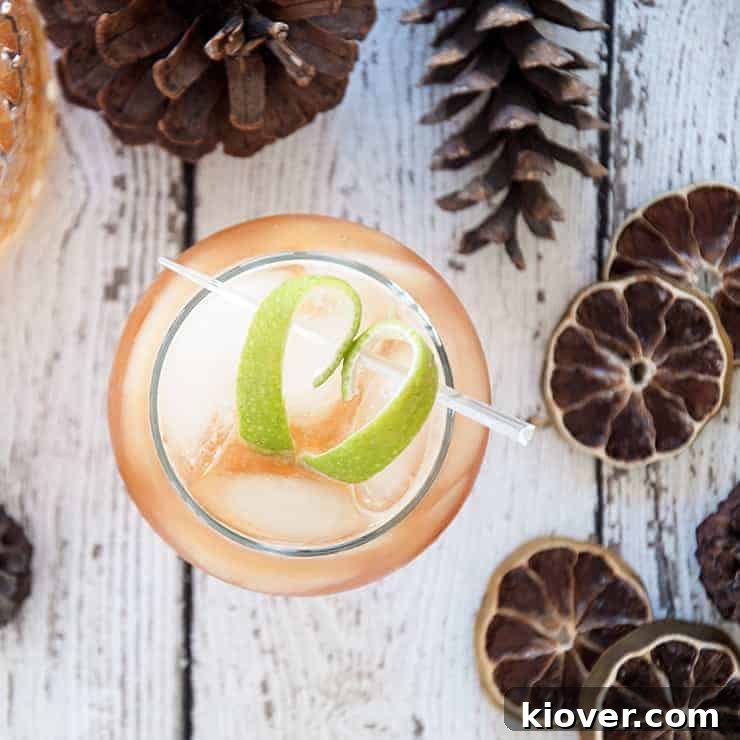
Embark on a delightful journey to master the art of the Classic Gin and Tonic, a truly iconic and perfect drink that has captivated palates for centuries. While its simplicity often belies a rich tapestry of flavors, crafting the ultimate G&T involves a thoughtful approach to its fundamental components. This comprehensive guide will not only provide you with an easy-to-follow recipe but will also delve into the historical nuances and ingredient choices that elevate this beloved cocktail from good to extraordinary. Whether you’re a seasoned mixologist or a curious beginner, prepare to unlock the secrets to your best G&T today, utilizing both traditional and contemporary ingredients to suit your preference.
The Gin and Tonic stands as a testament to elegant simplicity. A blend of just two primary liquids, complemented by a citrus garnish, it’s a refreshing concoction that has graced countless occasions. Yet, beneath its seemingly straightforward nature lies a world of complexity, influenced by the quality and character of each ingredient. From the nuanced botanicals of the gin, to the crisp bitterness of the tonic water, and even the fascinating history of its origin, every element contributes to its special allure. For those who appreciate classic cocktails, understanding these layers transforms a simple drink into an experience. If you’re looking to explore other timeless concoctions, you might enjoy this easy bourbon Manhattan cocktail recipe, but for now, let’s focus on perfecting our Gin and Tonic.
The Enduring Appeal and Rich History of the Gin and Tonic
The story of the Gin and Tonic is as rich and invigorating as the drink itself. Originating in India during the British Raj in the 19th century, this cocktail was initially more a medicinal necessity than a leisurely indulgence. Quinine, derived from the bark of the cinchona tree, was a potent anti-malarial compound. However, its intensely bitter taste made it highly unpalatable. To make it more palatable, British officers would mix quinine with sugar, water, lime, and, most importantly, their daily gin ration. This ingenious concoction not only served a vital health purpose but also gave birth to one of the world’s most enduring and beloved cocktails.
Today, while the G&T is no longer primarily consumed for its medicinal properties, its crisp, balanced, and deeply refreshing flavor profile continues to make it a global favorite. It’s the quintessential drink for warm summer evenings, a sophisticated choice for social gatherings, and a perfect companion for unwinding. Understanding its historical context adds a layer of appreciation to every effervescent sip, connecting us to a tradition of resourcefulness and simple pleasure.
Decoding the Gin Component: The Foundation of Your Cocktail
The soul of any Gin and Tonic resides in its gin. Your choice of gin will profoundly influence the overall character of your cocktail, lending notes that can range from herbaceous and floral to citrusy and spicy. Over the years, I’ve thoroughly enjoyed crafting my own gin at home. This hands-on process offers unparalleled control over the botanical blend, allowing for truly personalized results. While my homemade gin often yields a more robust, ‘rustic’ flavor profile—a delightful punch of juniper and other chosen botanicals—it’s always wise to keep a high-quality, store-bought gin on hand for comparison and versatility.
Exploring Gin Styles: Finding Your Perfect Match
Consider a recent tasting experience: a Gin and Tonic made with Hendrick’s Gin versus one crafted with my own homemade batch. The Hendrick’s version presented a remarkably smooth and dry drink, less sweet and with a refined elegance. Its signature cucumber and rose notes offer a distinct, sophisticated twist. My homemade gin, on the other hand, delivered a more intense flavor, a true juniper-forward expression that felt authentic and bold. This comparison highlights the diverse world of gin:
- London Dry Gin: This is the most common and recognizable style, characterized by a dominant juniper flavor, often complemented by citrus and other botanicals. Brands like Beefeater, Tanqueray, and Bombay Sapphire are excellent examples. They are crisp, clean, and provide a strong backbone for a classic G&T.
- Plymouth Gin: Hailing exclusively from Plymouth, England, this gin is typically slightly sweeter and more aromatic than London Dry, with a fuller, earthier body. Its balanced botanical profile offers a softer, smoother experience.
- Old Tom Gin: A historically significant style, Old Tom gin is notably sweeter than London Dry, making it a favorite for classic cocktails that require a touch of sweetness to balance bitterness. It acts as a delightful bridge between the malty Dutch Genever and modern London Dry.
- New Western/Contemporary Gin: Gins in this category, such as Hendrick’s, move beyond juniper dominance, giving prominence to other botanicals like floral, citrus, or spice notes. This allows for incredibly diverse flavor profiles and unique G&T experiences.
- Navy Strength Gin: Bottled at a higher proof (typically 57% ABV or 114 proof), these gins deliver an intense botanical flavor that stands up exceptionally well to dilution from tonic and ice, ensuring the gin’s character shines through.
Experimenting with different gins is key to discovering your preferred G&T. Each gin brings its unique character to the glass, making the possibilities for personalizing this classic cocktail truly endless. Don’t be afraid to try different combinations to find what truly excites your palate.
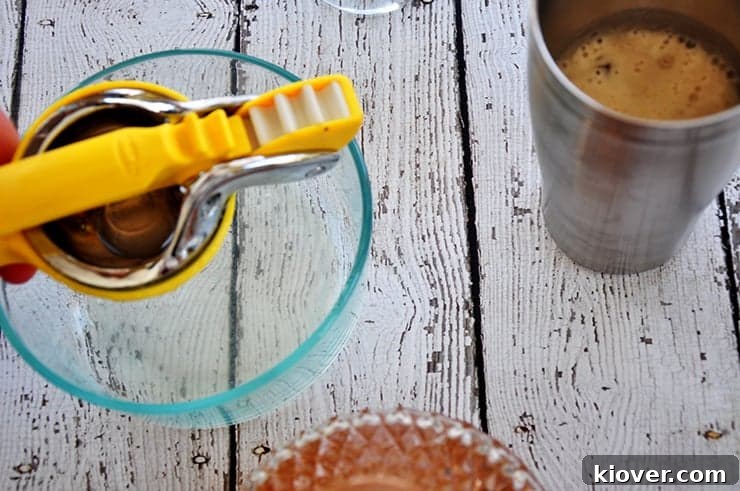
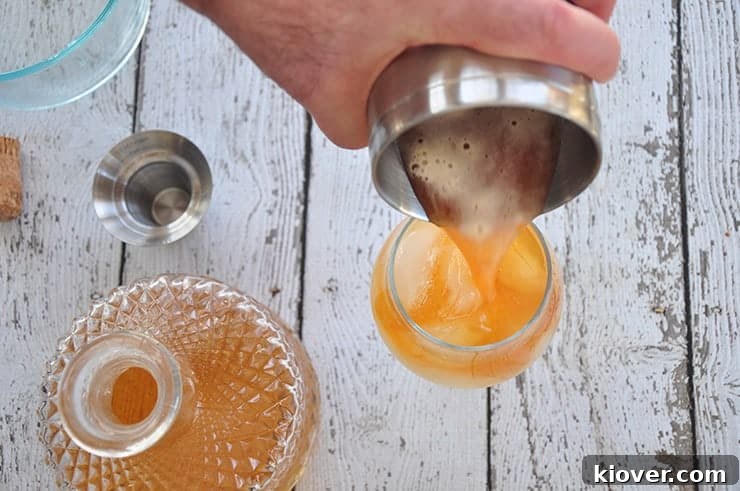
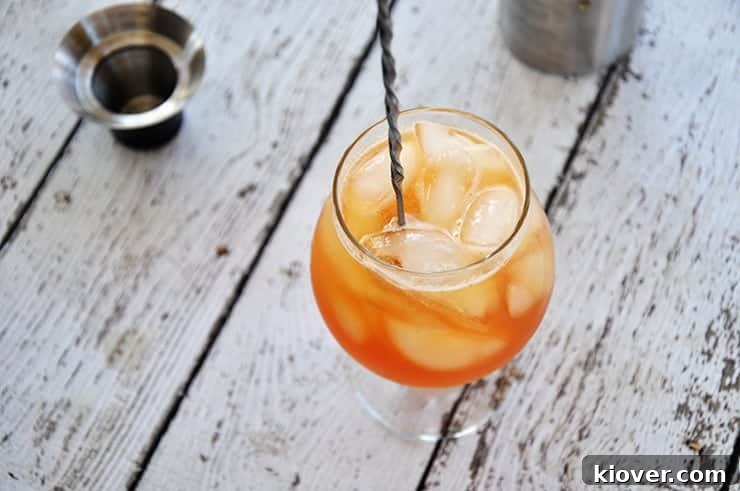
Crafting Your Tonic Water: The Essential Counterpart
Just as important as your gin selection is the tonic water you choose. As it makes up the majority of the drink, its quality and flavor profile are paramount. While readily available store-bought options can certainly yield a fantastic cocktail, crafting homemade tonic water is a rewarding endeavor that allows for unparalleled customization. The allure of homemade tonic lies in its customizable sweetness and unique botanical blend. My homemade version tends to be notably sweeter and more complex than most commercial brands, allowing me to adjust the sugar content and spice profile precisely to my liking.
The Benefits of Homemade Tonic and Premium Alternatives
As an avid homebrewer, the idea of having a keg dedicated to soda water and a supply of concentrated tonic syrup on hand is incredibly appealing. This setup offers endless possibilities for crafting a myriad of cocktail recipes with ease. Homemade tonic syrup, typically a concentrated form, can be mixed with plain soda water to create fresh tonic water on demand. This not only ensures a consistently fresh-tasting G&T but also allows for greater control over the final sweetness and bitterness, often avoiding the high-fructose corn syrup found in many mass-produced commercial tonics.
However, if homemade isn’t an option, the market now boasts a fantastic array of premium tonic waters that elevate the G&T experience. Brands like Fever-Tree, Q Mixers, and East Imperial offer diverse flavor profiles, often using natural quinine and cane sugar or other natural sweeteners, and infusing various botanicals. Choosing a tonic that complements your gin’s characteristics can transform your drink. For instance, a light, floral tonic pairs wonderfully with a delicate gin, while a more robust, spicier tonic can stand up to a bold, juniper-forward gin. The key is to experiment and find the balance that suits your personal taste.
The Unconventional Hues: Why Your Gin and Tonic Might Not Be Clear
Many individuals expect a Gin and Tonic to be perfectly clear, sparkling like crystal. However, when crafted with truly authentic, natural, and unprocessed ingredients, your G&T might surprise you with its subtle, natural coloration. The pristine clarity of many commercial gins and tonics is often a result of extensive filtering and processing, which, while aesthetically pleasing, can sometimes strip away some of the natural character and pigments derived from the botanicals.
The Natural Pigments of Botanicals: A Story in Every Hue
The characteristic flavor of gin comes primarily from juniper berries. Observing these small, dark, often bluish-purple berries reveals their inherent natural hue. When you 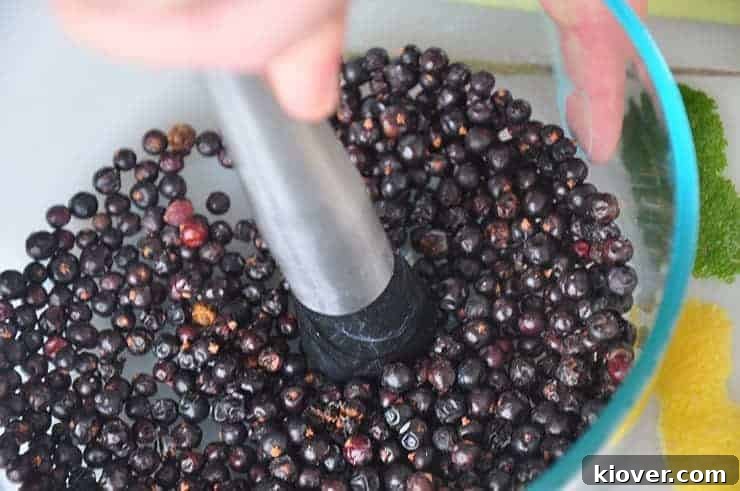 steep juniper berries in any clear liquid, you’ll inevitably notice the liquid gradually adopting a slight tint. This is precisely what happens when you craft an unprocessed gin yourself; the natural pigments from the juniper and other botanicals impart a delicate color that distinguishes it from its industrially filtered counterparts.
Furthermore, the essential ingredient in tonic water—quinine—also plays a role in this natural coloration. Historically, and still commonly in artisanal preparations, quinine is extracted from Cinchona Bark. This bark, typically reddish-brown or yellowish, imparts its own subtle color to the tonic syrup, as you can observe in its raw form below.
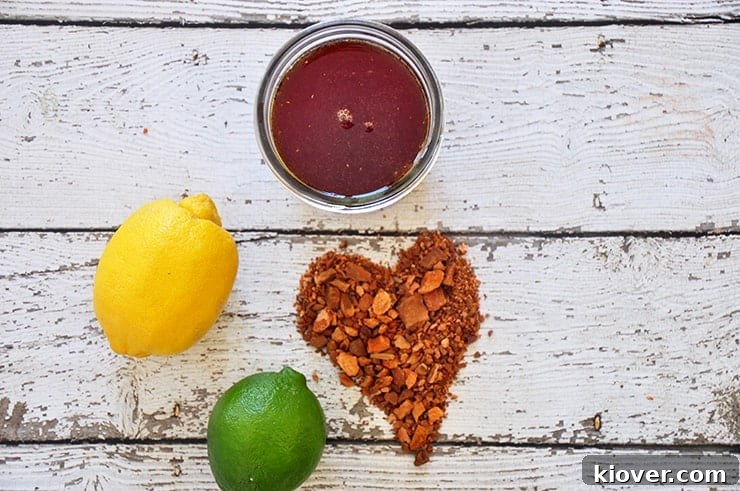
Knowing the actual ingredients in this cocktail exactly explains why it is not a clear drink if made with historic, unprocessed ingredients. This beautiful, natural hue is a visual testament to the drink’s authentic origins and the pure essence of its botanical components, inviting you to appreciate its true character beyond mere transparency.
The Perfect Serve: Beyond Just Ingredients
Crafting the perfect Gin and Tonic extends beyond simply selecting your gin and tonic. The presentation, temperature, and even the choice of garnish play crucial roles in the overall sensory experience. Paying attention to these details can transform a good G&T into an unforgettable one.
The Importance of Ice and Glassware
Good ice is paramount. Large, dense ice cubes or spheres are ideal because they melt slower than smaller, more numerous cubes. This slow melting prevents rapid dilution of your drink, ensuring the flavors remain concentrated and vibrant from the first sip to the last. A well-chilled glass also helps maintain the temperature of your cocktail for longer. When it comes to glassware, a classic highball glass is always a safe bet for a traditional serve. However, for a more aromatic experience, consider a Spanish-style copa de balon (balloon glass). Its wide bowl allows the botanicals to truly open up, enhancing the gin’s aroma and your overall enjoyment.
The Art of the Garnish: Elevating Flavor and Aroma
While a fresh lime wedge is the quintessential garnish for a Gin and Tonic, don’t shy away from experimentation. The garnish should not just be visually appealing but should also complement and enhance the gin’s botanical profile. Here are a few ideas to inspire you:
- Cucumber & Rose Petals: These are perfect companions for floral and delicate gins, such as Hendrick’s, adding a fresh, aromatic dimension.
- Grapefruit or Orange Slice: Ideal for enhancing citrus-forward gins, these garnishes bring out bright, zesty notes and a refreshing aroma.
- Rosemary or Thyme Sprig: For an herbaceous and sophisticated touch, a sprig of rosemary or thyme can beautifully complement gins with earthy or piney notes.
- Juniper Berries or Black Peppercorns: To boost the gin’s inherent spice and complexity, a few crushed juniper berries or black peppercorns can add depth and a subtle kick.
- Lemon Peel Twist: A simple lemon peel twist, expressed over the drink, releases bright citrus oils that contribute significantly to the aroma and overall freshness.
The key is to choose a garnish that elevates, rather than overwhelms, the drink’s primary flavors. A well-chosen garnish acts as the final flourish, creating a multisensory experience.
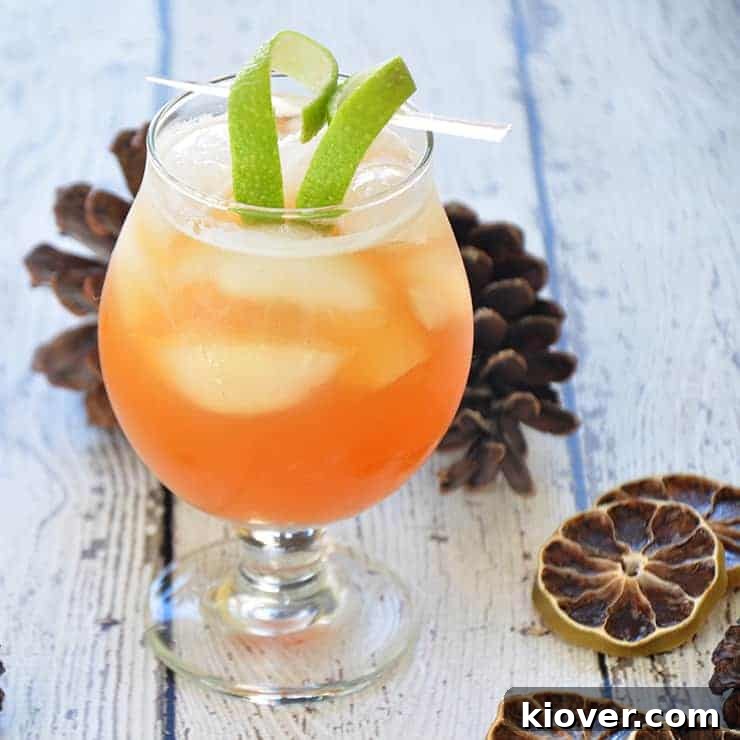
The Final Product: A Symphony of Flavors and an Escape
There’s a unique magic that happens when a premium, botanical-rich gin like Hendrick’s meets a meticulously crafted homemade tonic. The interplay of sweet, bitter, and the distinctive piney notes from the gin creates an unparalleled sensory experience. Each sip is a delicate balance, a harmonious blend that is both invigorating and deeply satisfying. This combination isn’t just a drink; it’s an escape, a moment of pure bliss that transports you to an ideal setting.
Imagine the tranquility of a perfect camping trip, devoid of mosquitoes or the need for air conditioning—just you, the serene environment, and the sublime taste of a perfectly balanced Gin and Tonic. It’s the kind of experience where every element is in harmony, delivering effortless perfection. This classic cocktail, when made with attention to detail and quality ingredients, redefines refreshment and enjoyment, inviting you to savor every moment and appreciate the subtle complexities that make it truly special.

How to Make the Perfect Gin and Tonic – Recipe Reviewed
5 Stars
4 Stars
3 Stars
2 Stars
1 Star
5 from 1 review
- Author: Ben Myhre
- Prep Time: 3 minutes
- Cook Time: 2 minutes
- Total Time: 5 minutes
- Yield: 1 Cocktail
- Category: Cocktail
- Method: Shaker
- Cuisine: Caribbean
Description
This is a simple, yet profoundly satisfying, traditional Gin and Tonic. An essential recipe for every gin enthusiast’s repertoire, designed for ease and authentic flavor.
Ingredients
- Ice (large cubes or sphere recommended for slow dilution)
- 3 oz (90ml) Gin (your preferred style, e.g., London Dry, New Western)
- 4 oz (120ml) Tonic Water (or homemade tonic syrup + soda water, or fill to taste)
- 1/2 fresh lime, squeezed (or a 1/4 oz fresh lime juice)
- 1 lime wedge (or other desired garnish, such as a cucumber ribbon or rosemary sprig)
Instructions
- Fill a highball glass (or your preferred cocktail glass) generously with large, dense ice cubes to ensure proper chilling and minimal dilution.
- Carefully pour in your chosen gin, allowing it to cool over the ice.
- Squeeze the juice from half a fresh lime directly into the drink, ensuring you capture its bright acidity and fresh aroma.
- Top with your preferred tonic water, pouring gently down the side of the glass to preserve its effervescence. If using homemade tonic syrup, combine with soda water to your desired strength before adding.
- Gently stir the cocktail a few times (3-5 stirs) to combine the ingredients without losing too much of the tonic’s fizz.
- Garnish with a fresh lime wedge or another complementary garnish of your choice, then serve immediately and savor the classic flavors.
Notes
For those interested in crafting their own tonic syrup and homemade tonic water, you can find the detailed recipe here. Customizing your tonic can significantly enhance your G&T experience.