
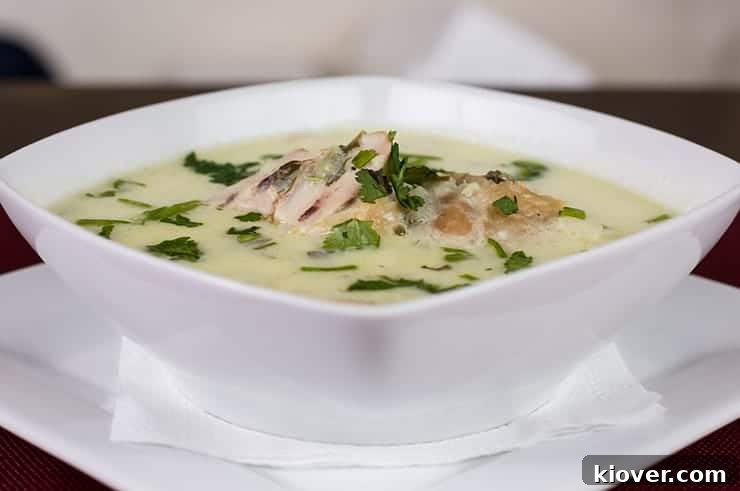
Do you ever find yourself craving a dish that feels like a warm hug, a culinary embrace passed down through generations? Perhaps a spoonful of rich, creamy broth, tender, bite-sized dumplings, and the comforting aroma of home? For many, especially those with roots in the American Upper Midwest, that dish is Knoephla soup. While my family wasn’t typically one to gather around the stove sharing elaborate culinary tales, one memory shines brightly: the day I cooked Knoephla soup with my cherished grandmother, Doris. That specific visit etched the delightful essence of Knoephla soup into my heart, sparking an enduring fascination. If you’re not familiar with this incredible dish, prepare to be captivated. Over the next several weeks, we’ll embark on an exciting journey, delving deep into the world of Knoephla soup and its rich cultural tapestry.
What Exactly is Knoephla Soup? A Culinary Revelation
Let’s lift the lid on this culinary secret. Knoephla soup is a deeply traditional German soup that has found a second, vibrant home in the upper midwestern United States, particularly in states like North Dakota and South Dakota. At its heart, it’s a wonderfully hearty and incredibly comforting chicken-based soup, distinguished by its signature flour dumplings, known as “Knoephla” (or various other spellings, which we’ll explore shortly). Beyond the tender dumplings, you’ll typically find diced carrots and celery simmering in a savory, often herbaceous, chicken broth. What truly elevates this soup to a legendary status, however, is the generous inclusion of cream and butter, transforming it into an irresistibly rich, velvety, and utterly satisfying meal. It’s not merely a soup; it’s a bowl full of history, heritage, and pure, unadulterated comfort.
The sensory experience of Knoephla soup is unparalleled. Imagine the subtle sweetness of carrots, the earthy crunch of celery, all softened by the slow simmer, melding seamlessly with a robust chicken stock. Then, picture those delicate, slightly chewy dumplings, perfectly cooked to absorb the luscious, creamy broth. Each spoonful is a symphony of flavors and textures that evokes warmth, nostalgia, and a profound sense of well-being. It’s the kind of meal that soothes the soul on a cold day, brings families together around the dinner table, and creates lasting memories. My excitement to guide you through the process of making this masterpiece is palpable – get ready for some truly delicious discoveries!
Charting Our Culinary Course: What This Series Will Explore
I’ll be honest, the exact twists and turns of this culinary adventure are still unfolding, but the core journey is clear: we are going to celebrate Knoephla soup! This series will be a comprehensive exploration, covering everything from its historical roots to practical cooking techniques and delicious variations. One of the first things you’ll notice about this beloved dish is the multitude of spellings. I’ve encountered it as Knefla, Knephla, Nefla, Knoephla, and countless other phonetic interpretations of its basic German sounds. For clarity and consistency throughout this series, we will predominantly refer to it as “Knoephla soup,” but please feel free to use whichever spelling resonates most with you or your family tradition. The essence of the soup remains the same, regardless of how its name is written.
Crafting Knoephla: From Quick Fixes to Authentic Creations
Our practical journey will definitely involve making Knoephla soup itself, and we’ll approach this from multiple angles to cater to different skill levels and time constraints. First, we’ll tackle a “quick version.” This adaptation is perfect for busy weeknights or for those new to German cooking. We’ll explore convenient shortcuts, perhaps utilizing quality store-bought chicken broth and simplified dumpling techniques, demonstrating how you can still achieve a remarkably satisfying bowl of Knoephla without spending an entire afternoon in the kitchen. This quick method will prove that delicious, comforting meals don’t always require an extensive time commitment, making Knoephla accessible to everyone.
Next, we will embark on the ultimate Knoephla experience: constructing a truly authentic, “from-scratch” version. This is where we’ll delve into the art of making homemade chicken stock, patiently simmering bones and aromatics to achieve a depth of flavor that is simply unparalleled. We’ll meticulously craft the perfect Knoephla dumplings by hand, discussing the ideal dough consistency, shaping techniques, and how to cook them to tender perfection. This segment will be a celebration of traditional cooking methods, highlighting the rewarding process and the incredible depth of flavor that comes from investing time and effort into every component. For the aspiring culinary enthusiast, this from-scratch approach will unlock the true magic of Knoephla soup.
Exploring Variations and Broader German Culinary Traditions
Beyond the classic rendition, we’ll also dedicate time to exploring exciting Knoephla soup variations. Perhaps we’ll experiment with different vegetables like potatoes or leeks, introduce different herbs for a fresh twist, or even consider a smoked meat addition to alter the flavor profile. These variations will showcase the versatility of Knoephla and encourage you to personalize the recipe to your own taste. Furthermore, our exploration won’t stop at Knoephla. I suspect we will delve into a separate German traditional recipe or two that shares a similar spirit or ingredient profile with Knoephla. This might include other comforting German dumpling dishes like Spätzle, hearty stews, or perhaps a different kind of creamy, traditional soup, allowing us to understand Knoephla within the broader context of German comfort cuisine. We’ll uncover how the principles of simple, wholesome ingredients and rich, satisfying flavors permeate many beloved German dishes.
The Enduring Legacy: History and Cultural Context of Knoephla Soup
As with any food deeply rooted in culture, we are going to investigate the fascinating history of Knoephla soup. We’ll trace its origins from the kitchens of German immigrants who bravely settled in the harsh, yet fertile, lands of the American Upper Midwest. This historical dive will put the soup into context, explaining why such a hearty, warming dish became an indispensable staple in a region known for its long, cold winters. These immigrants brought with them not just their belongings, but their culinary heritage, adapting it to the ingredients available in their new home. Knoephla soup became more than just sustenance; it was a connection to their past, a symbol of resilience, and a source of comfort in challenging times.
Its enduring popularity in the region is undeniable. I genuinely doubt there is a single church cookbook in the Upper Midwest that doesn’t feature at least one Knoephla recipe, if not several variations. And while I may not be a regular churchgoer, I absolutely adore perusing these community cookbooks. They are incredible repositories of local culinary history, brimming with tested family recipes, handwritten notes, and a tangible sense of community spirit. These collections perfectly illustrate just how ingrained Knoephla soup is in the fabric of this region’s culture, appearing at potlucks, family gatherings, and celebrations. It truly is that popular, a testament to its deliciousness and its powerful ability to bring people together. Join us as we explore not just a recipe, but the heartwarming narrative behind this iconic German-American dish, uncovering why it continues to hold such a special place in the hearts and kitchens of so many.