
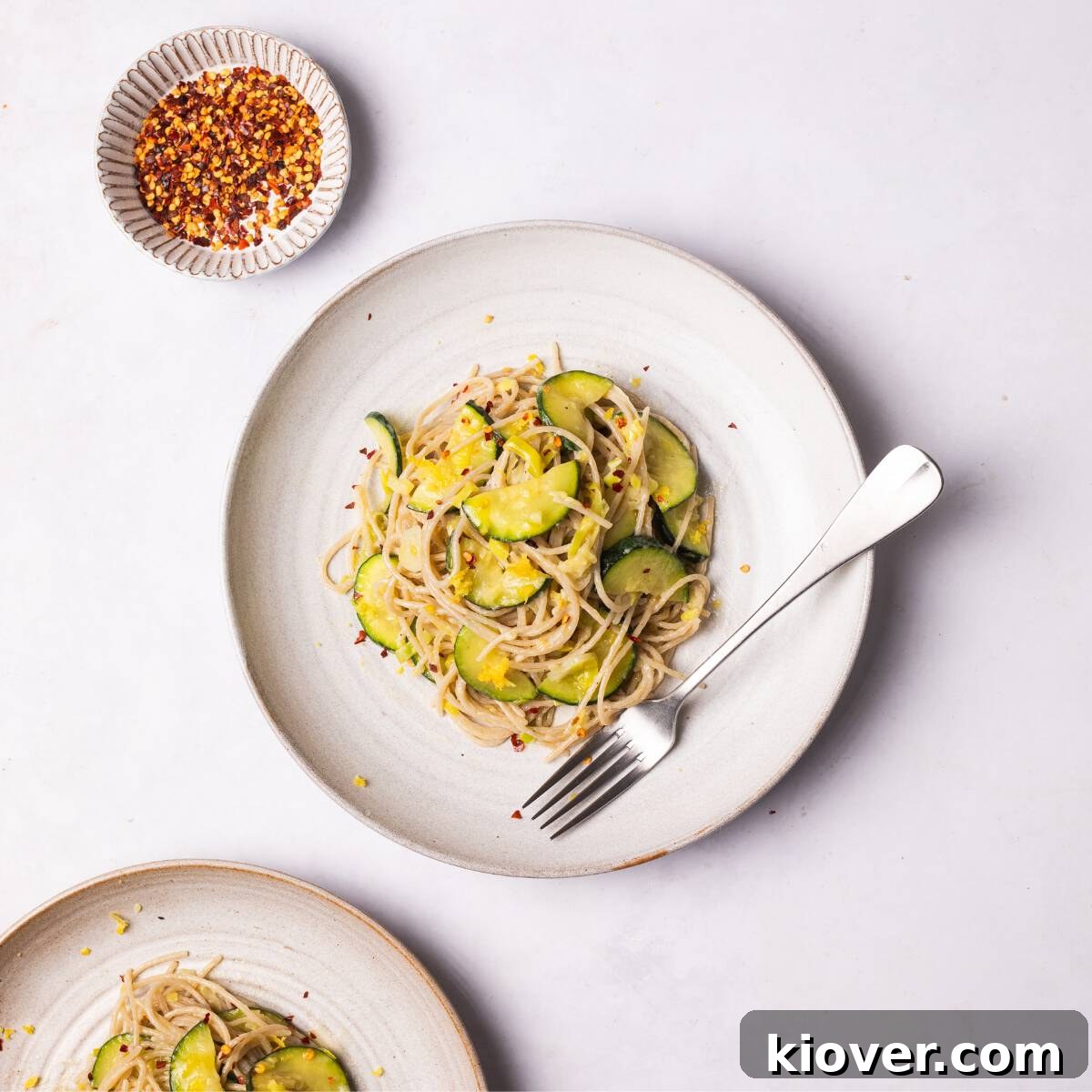
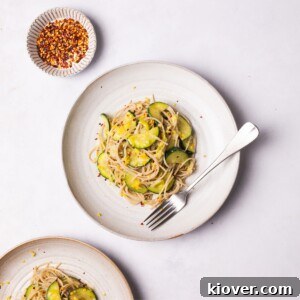
Introducing a vibrant and utterly delicious Courgette Pasta recipe that stands out as the ultimate quick and easy meal, especially perfect for the sun-drenched summer months. Crafted with a mere 5 main, budget-friendly ingredients, this impressive dish comes together in just 20 minutes, making it a stellar choice for busy weeknights or when you crave a light, yet satisfying, culinary delight.
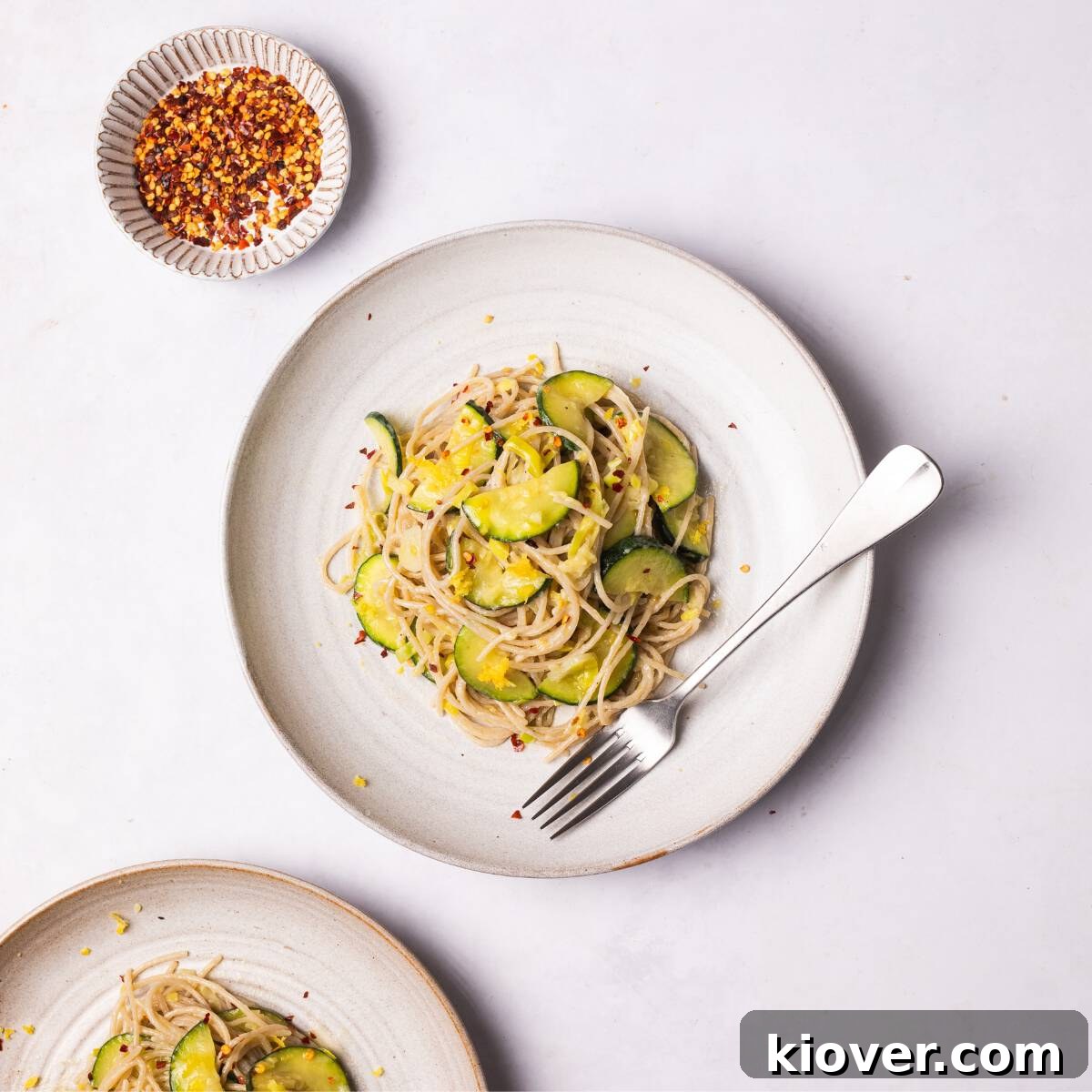
Recipe Difficulty – Very Easy
Table of Contents
- Why You Will Love This Courgette Pasta
- Key Ingredients for the Perfect Courgette Pasta
- Simple Substitutions for Your Courgette Pasta
- Delicious Variations to Elevate Your Pasta
- Step-by-Step: How to Make Courgette Pasta
- Storing and Reheating Leftovers
- Courgette Pasta Recipe FAQs
- Courgette Pasta Full Recipe Card
- Rate This Recipe
Why You Will Love This Courgette Pasta
Pasta has earned its place as a beloved meal year-round, cherished for its incredible versatility and budget-friendly nature. This lemon courgette pasta recipe is a shining example, bursting with fresh, vibrant flavors and packed with wholesome goodness. It’s more than just a meal; it’s an experience that’s both healthy and immensely satisfying.
The Allure of Seasonal Flavors
While courgettes (or zucchini, as they’re known in many regions) are available throughout the year, their peak season runs from May through August. This is when they are at their freshest, most flavorful, and most abundant. Harnessing these peak-season courgettes ensures that your pasta dish sings with bright, earthy notes that perfectly complement the zing of fresh lemon. The combination is undeniably summery, light, and incredibly refreshing.
Unbeatable Versatility and Customization
One of the greatest strengths of this courgette and lemon pasta is its adaptability. It serves as an excellent canvas for whatever vegetables you might have on hand. Feel free to toss in cherry tomatoes, bell peppers, spinach, or even some leftover roasted vegetables to enhance the flavor and nutritional profile. This recipe is designed to be forgiving and encourages culinary creativity, making it a great way to use up produce and minimize food waste.
Healthy, Wholesome, and Nutrient-Packed
Courgettes are a fantastic addition to any diet, known for being low in calories and rich in vitamins A and C, as well as potassium and fiber. Pairing them with whole-grain pasta, like brown rice spaghetti, further boosts the fiber content, aiding digestion and promoting satiety. This makes our courgette pasta a truly healthy meal option that doesn’t compromise on taste.
Quick, Easy, and Inexpensive
In today’s fast-paced world, finding meals that are both delicious and quick to prepare is a game-changer. This recipe ticks all the boxes: with minimal ingredients and a total preparation and cook time of just 20 minutes, it’s ideal for those busy weeknights. Furthermore, the core ingredients are generally inexpensive, ensuring that a healthy and flavorful meal is accessible to everyone without breaking the bank.
Perfect for Diverse Dietary Needs
This courgette pasta is naturally plant-based, making it an excellent choice for vegan and vegetarian diets. By opting for gluten-free spaghetti, the dish also becomes suitable for individuals with gluten sensitivities or celiac disease. It’s a wonderful example of how a few simple ingredients can create a meal that caters to a wide array of dietary preferences without sacrificing flavor or enjoyment.
If you’re looking for more ways to enjoy courgettes, explore my Courgette Fritters or my refreshing Creamy Courgette Salad. For more pasta inspiration, I’ve got you covered with everything from an Easy Vegan Spaghetti Carbonara to my 10 Minute Spicy Pasta and many other delightful recipes in between! This courgette pasta also pairs wonderfully with my amazing Air Fryer Broccoli recipe for an extra boost of greens.
Key Ingredients for the Perfect Courgette Pasta
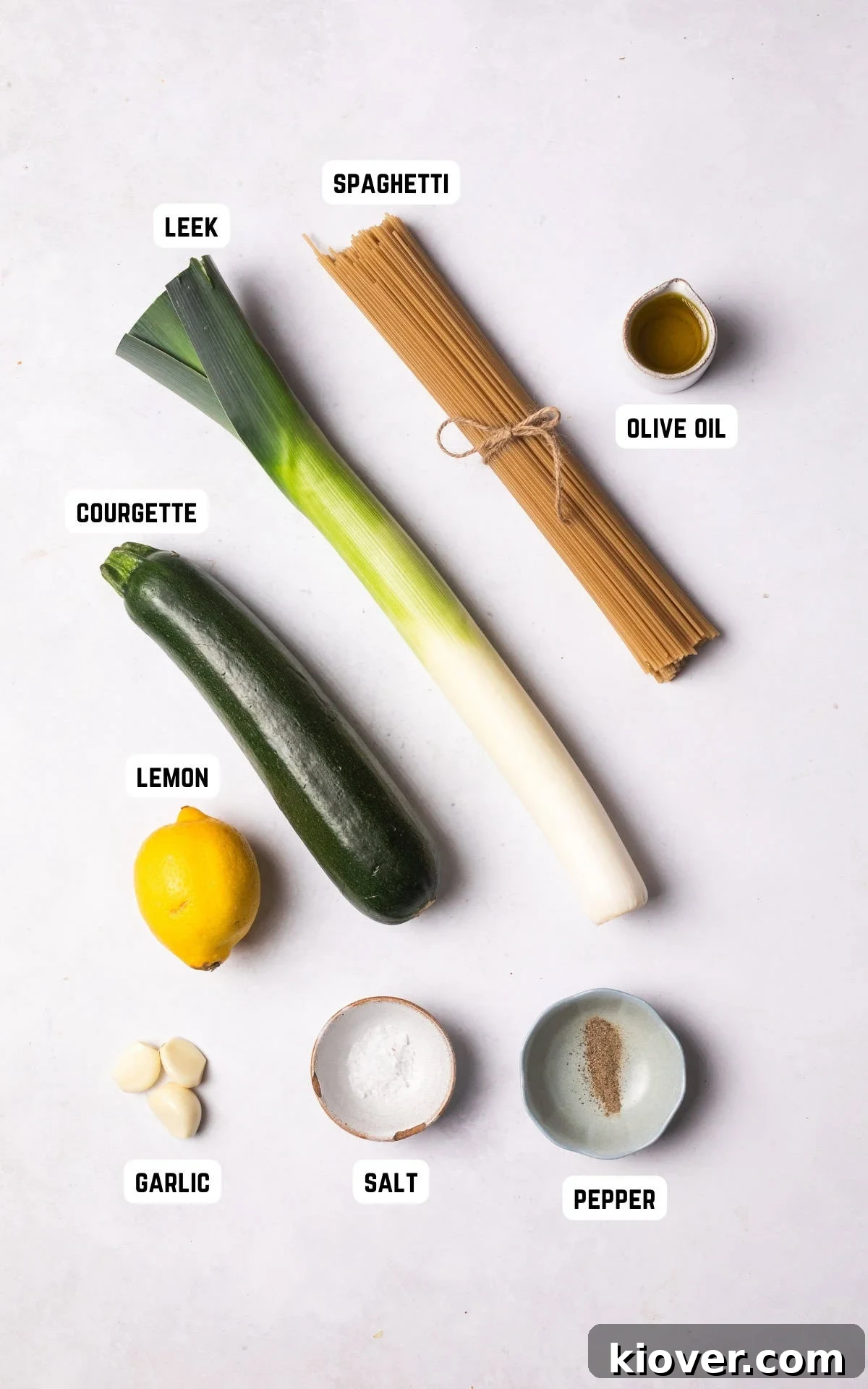
Crafting a truly memorable courgette pasta begins with selecting quality ingredients. Each component plays a vital role in building the dish’s distinct and delightful flavor profile.
- Extra-Virgin Olive Oil: This forms the base for sautéing our vegetables, infusing the dish with its characteristic fruity and slightly peppery notes. Opt for a good quality extra-virgin olive oil for the best flavor.
- Leek: Leeks contribute a delicate, slightly sweet, and onion-like flavor, which is milder than traditional onions. When softened, they add a wonderful depth without overpowering the other ingredients. If you have a spare leek, consider making my comforting Leek & Potato Soup.
- Small Courgette (Zucchini): The star of our dish! Small courgettes are preferred as they tend to be sweeter, less watery, and have fewer seeds than larger ones. They add a lovely texture and absorb the lemon-garlic flavors beautifully.
- Lemon: Both the zest and the juice are crucial here. The zest provides aromatic oils that deliver a bright, fresh citrus punch, while the juice adds a tangy acidity that cuts through the richness and truly brightens the entire dish. Always use fresh lemons for optimal taste.
- Garlic Cloves: Essential for building a robust and classic savory foundation. Garlic adds an irresistible umami depth that perfectly complements the fresh vegetables and pasta.
- Spaghetti: My go-to choice for this recipe is brown rice spaghetti, primarily because it’s naturally gluten-free and offers a wholesome, slightly nutty flavor. However, feel free to use your favorite pasta shape. Long strands like linguine or fettuccine also work exceptionally well, providing a delightful texture that coats evenly with the sauce. This choice of pasta also pairs wonderfully in my Sun Dried Tomato Pasta.
- Salt: A fundamental seasoning that accentuates and balances all the other flavors in the dish, bringing everything into harmony.
- Pepper: Freshly ground black pepper adds a subtle warmth and a gentle kick, enhancing the overall taste complexity of this zucchini pasta.
- Chilli Flakes: Used primarily as a garnish, chilli flakes allow individuals to customize the spice level to their preference, adding a pleasant heat without making the dish overly spicy for everyone.
For precise measurements and detailed information on ingredients and quantities, please refer to the complete recipe card below.
Simple Substitutions for Your Courgette Pasta
This courgette pasta recipe is incredibly flexible, allowing for easy substitutions based on what you have available or your dietary preferences. Don’t be afraid to experiment!
- Olive Oil: While extra-virgin olive oil is recommended for its flavor, you can certainly substitute it with other neutral oils such as avocado oil, grapeseed oil, or even a good quality vegetable oil. Just be aware that the flavor profile might shift slightly.
- Leek: If leeks aren’t available, several excellent substitutes from the onion family will work well. Onions (white or yellow), shallots, chives, or scallions can all lend a similar aromatic base, though each will offer a slightly different nuance in sweetness and intensity. Shallots are particularly good for a milder, more refined flavor, while green onions (scallions) offer a fresher, sharper bite.
- Brown Rice Spaghetti: The beauty of pasta is its variety! While spaghetti or linguine are fantastic for how they twirl with the sauce, feel free to use any pasta shape you prefer. Penne, fusilli, farfalle, or even orecchiette would work wonderfully. For those seeking gluten-free options, explore lentil pasta, chickpea pasta, or corn pasta, which all offer slightly different textures and nutritional benefits.
- Courgette: If courgette isn’t on hand, eggplant (aubergine) is an excellent substitute, offering a similar texture when cooked. For a different flavor profile, consider yellow squash, bell peppers, or even asparagus spears, which would all complement the lemon and garlic beautifully.
Delicious Variations to Elevate Your Pasta
This basic lemon courgette pasta recipe is a fantastic starting point, but it’s also wonderfully adaptable. Here are some exciting variations to customize your dish and keep things interesting:
- Spicy Kick: For those who love a bit more heat, beyond chilli flakes, consider finely diced fresh red chillies (like bird’s eye or serrano) added with the garlic. A dash of your favorite hot sauce stirred in at the end, or a pinch of cayenne pepper with the salt, can also significantly amp up the spice.
- Creamy Indulgence: To achieve a richer, more luxurious texture, there are several options. Stir in a tablespoon or two of vegan sour cream, plant-based cream cheese, or even a dairy-free crème fraîche at the end. For a healthier creamy touch, a swirl of cashew cream (made by blending soaked cashews with a little water) can work wonders. Nutritional yeast can also be added for a cheesy, umami depth without dairy.
- Veggie Boost: This pasta is an ideal vessel for more vegetables! Introduce vibrant colors and flavors by adding roasted cherry tomatoes, sautéed bell peppers (red, yellow, or orange), fresh spinach (stirred in until wilted), green peas, or even finely chopped mushrooms. Sundried tomatoes (oil-packed, drained and sliced) offer a concentrated burst of umami and sweetness.
- Protein Power-Up: Transform this side dish into a complete meal by incorporating a protein source. For meat-eaters, shredded cooked chicken, crispy bacon bits, or sautéed shrimp are excellent choices. To keep it vegan, consider adding a can of drained and rinsed white beans (cannellini or navy beans) to the sauce, or crumbled, seasoned tofu/tempeh. Roasted chickpeas also add a delightful crunch and protein.
- Fresh Herb Infusion: Fresh herbs can dramatically lift the flavors. Stir in a generous handful of chopped fresh basil or parsley just before serving. A sprig of fresh mint can also add a surprising and refreshing twist, especially when paired with the lemon and courgette.
- Cheesy Goodness: For those who enjoy a cheesy touch, a sprinkle of vegan Parmesan cheese or nutritional yeast adds a savory, umami flavor. If you consume dairy, freshly grated Parmesan or Pecorino Romano would be a classic addition.
- Kid-Friendly Adaptation: This pasta is naturally appealing to children, but for picky eaters, you might need a few tweaks. If courgette is a hard sell, try grating it very finely or blending a portion of it into the sauce to “hide” it. You can also tone down the lemon flavor slightly and add a touch of sweetness with a pinch of sugar or a few drops of maple syrup if needed. Swapping courgette for a vegetable they already enjoy, like sweet potato puree, could also be an option.
Discover another flavorful vegan option with this Vegetable Curry recipe on my website!
Step-by-Step: How to Make Courgette Pasta
This vibrant and healthy Courgette Pasta comes together effortlessly with just a few simple steps. Follow these instructions to create a delicious and satisfying meal in no time.
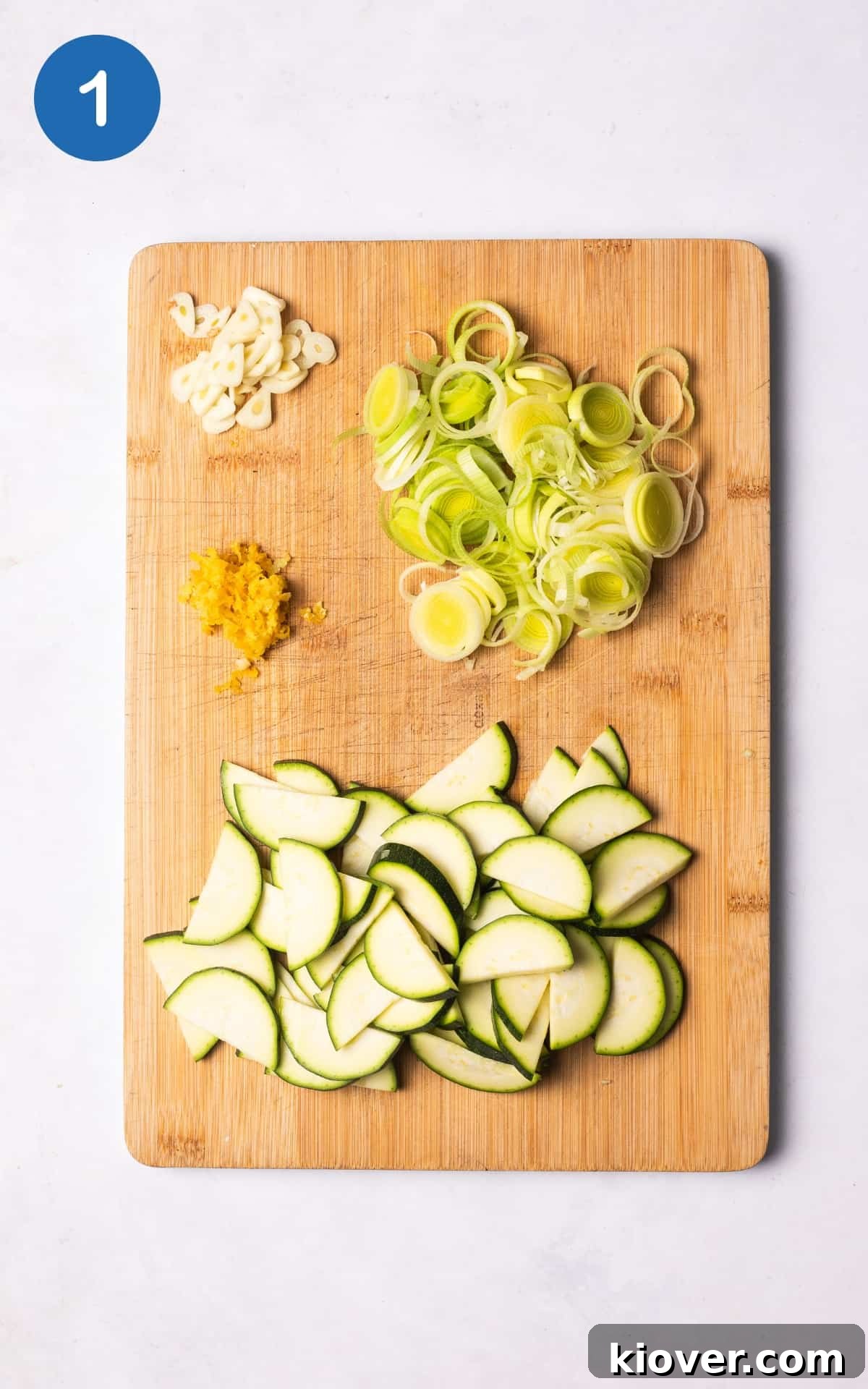
Step 1: Prepare Your Ingredients. Begin by thoroughly washing all your produce. Thinly slice the leek, making sure to use only the white and light green parts. Mince the garlic cloves finely. Zest the entire lemon, setting aside a small pinch of zest for garnish later. Finally, slice the small courgette in half lengthwise, then cut it into thin half-moon pieces. This preparation, known as “mise en place,” ensures a smooth cooking process.
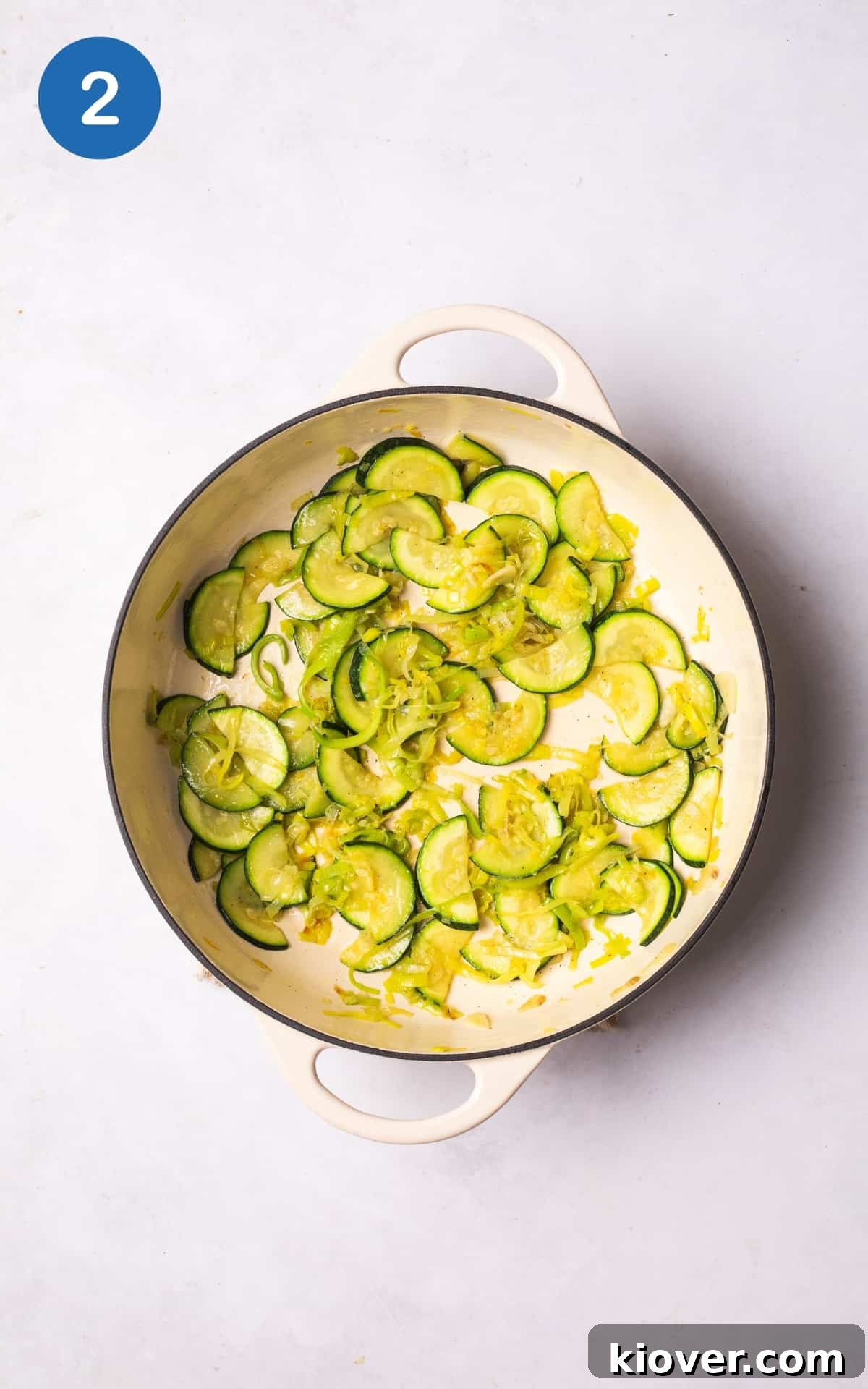
Step 2: Sauté the Aromatics and Courgette. Heat a large, deep skillet or frying pan over medium heat. Once hot, add the extra-virgin olive oil. Add the sliced leek, courgette, and minced garlic to the pan. Sauté for about 8 minutes, stirring occasionally, until the leek becomes tender and translucent, and the courgette has softened but still retains a slight bite. Stir in the majority of the lemon zest, reserving that small pinch for a fresh garnish. Reduce the heat to low to keep the vegetables warm while the pasta cooks.
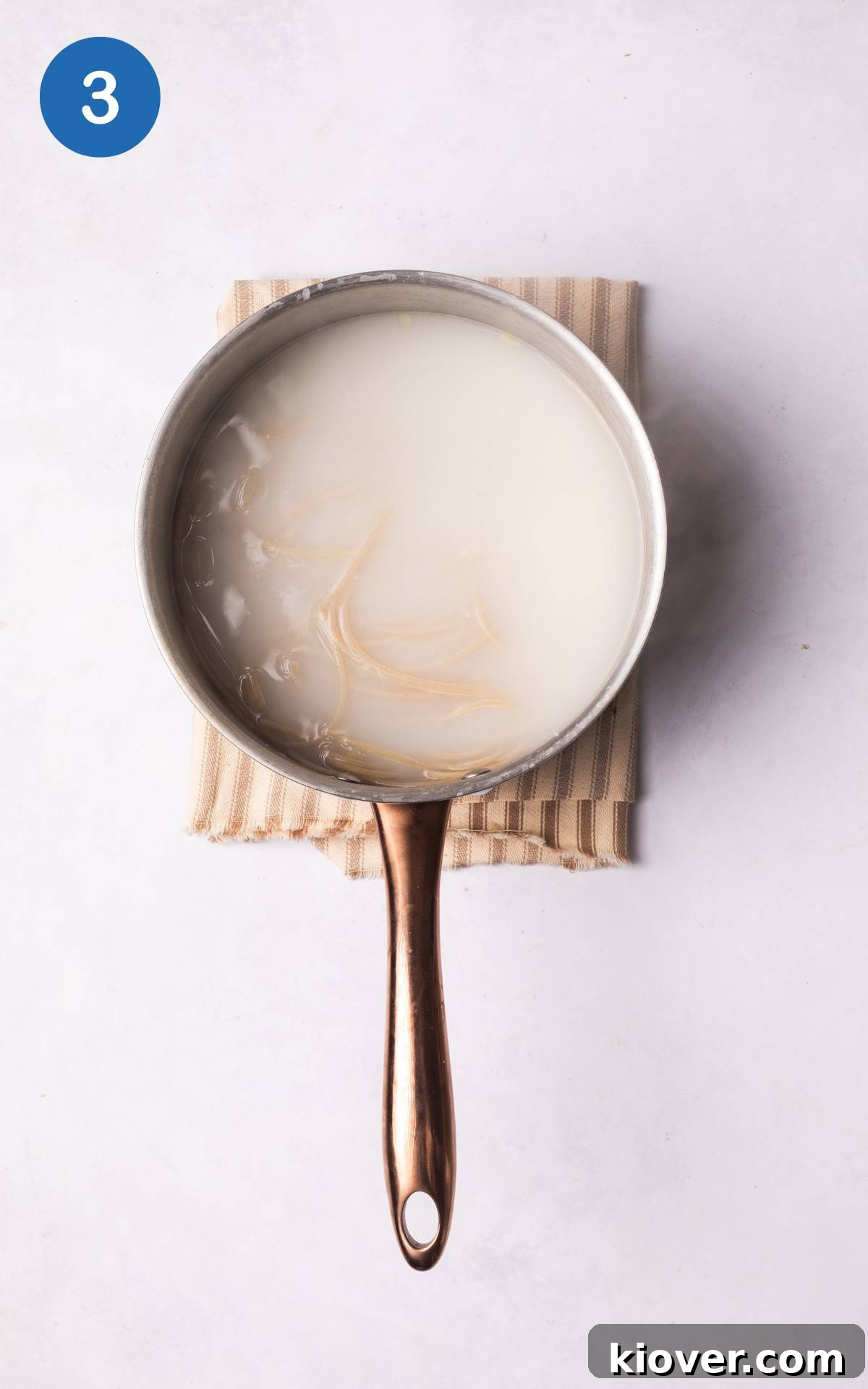
Step 3: Cook the Pasta. While the vegetables are sautéing, bring a large pot of salted water to a rolling boil. Add your chosen spaghetti (or other pasta) and cook according to the package instructions until it is al dente – tender yet firm to the bite. This usually takes about 8-10 minutes for most spaghetti varieties.
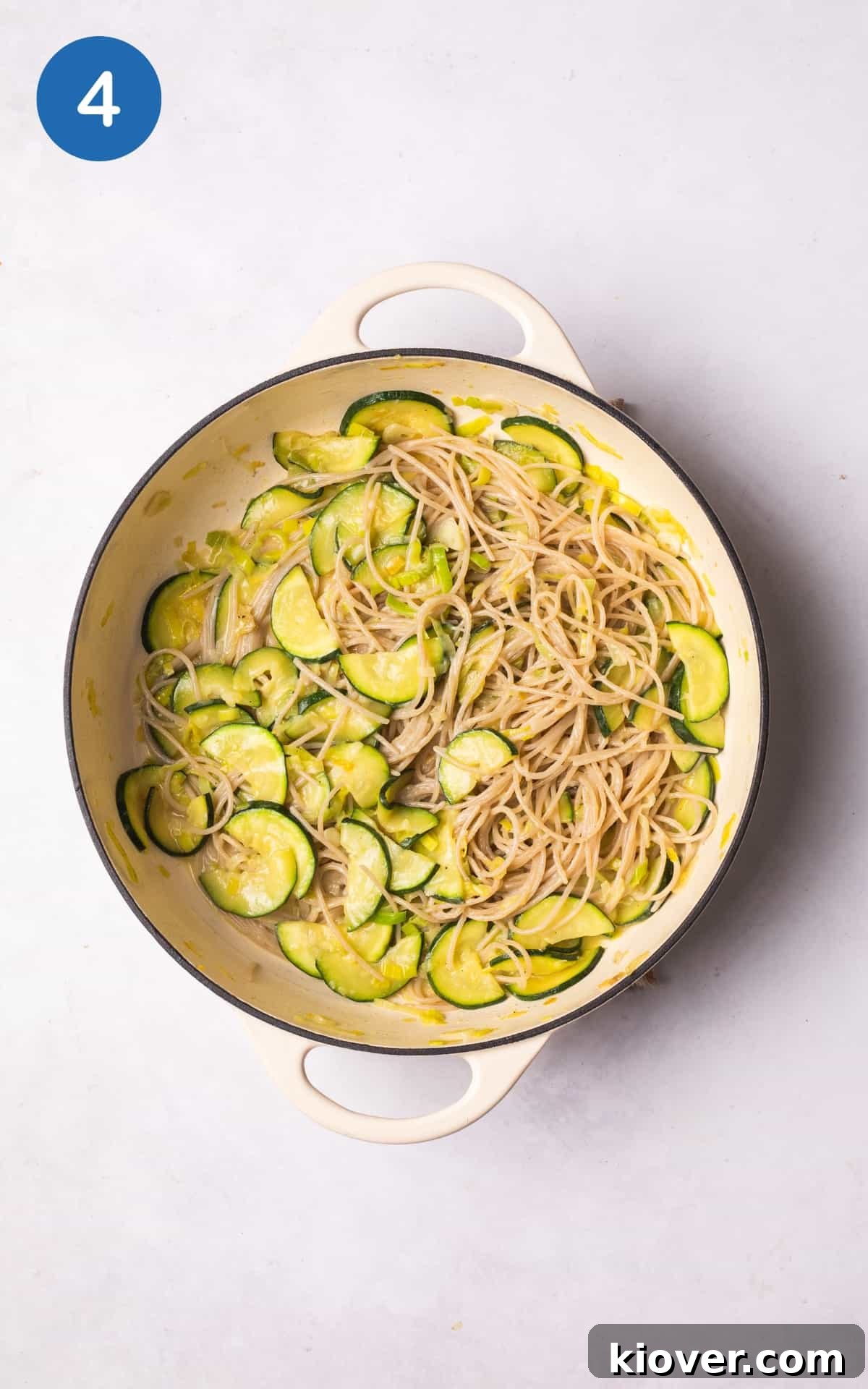
Step 4: Combine and Finish the Dish. Before draining your pasta, carefully scoop out approximately 60ml (about ¼ cup) of the starchy pasta water and transfer it to the pan with the sautéed vegetables. This starchy water is key to creating a silky, emulsified sauce. Drain the cooked pasta and add it directly to the pan with the vegetables. Squeeze in the fresh lemon juice, then season with salt and pepper to taste. Toss everything together vigorously until the pasta is well coated and the sauce comes together. The reserved pasta water and lemon juice will create a light, flavorful sauce that beautifully clings to the spaghetti.
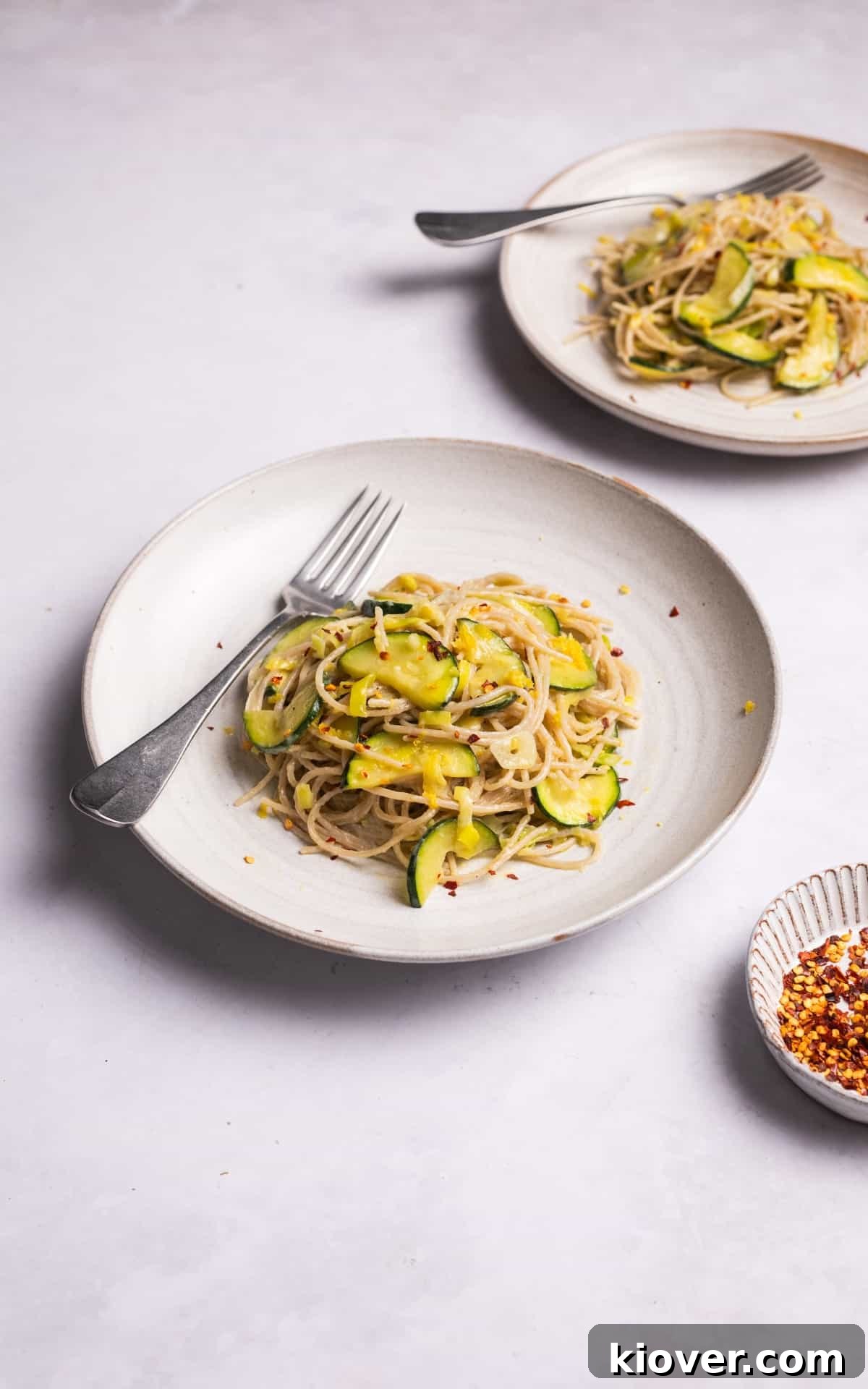
Serve immediately, garnished with the remaining lemon zest sprinkled on top, and a generous dash of chilli flakes for an optional spicy kick. For an extra touch of richness, drizzle a little more extra-virgin olive oil over each serving.
Hint: Don’t forget to reserve some pasta water for the courgette pasta sauce! Its natural starchiness is crucial for creating a lovely, creamy texture that helps the lemon and courgette flavors adhere beautifully to the pasta strands.
Storing and Reheating Leftovers
This Courgette Pasta is best enjoyed fresh, but it also makes for fantastic leftovers, perfect for a quick lunch the next day. Proper storage and reheating will ensure your dish remains delicious.
Storing
Once cooled to room temperature, transfer any leftover courgette pasta into an airtight container. It will keep well in the refrigerator for 3 to 5 days. Ensure the container is sealed tightly to maintain freshness and prevent other odors from penetrating the pasta.
Reheating
When you’re ready to enjoy your leftovers, you have a couple of options:
- Stovetop: This is the preferred method for reheating pasta as it helps revive the sauce. Place the pasta in a skillet or pan over low to medium heat. As it heats, you may notice the sauce has thickened or dried out. Add a splash or two of water, vegetable broth, or even a little extra olive oil, stirring gently until the pasta is heated through and the sauce loosens to your desired consistency.
- Microwave: For a quicker option, place the pasta in a microwave-safe dish. Add a tablespoon of water or broth and cover loosely with a lid or microwave-safe plastic wrap. Heat in 1-minute intervals, stirring in between, until piping hot. Be careful not to overheat, as this can make the pasta rubbery.
Always stir well before serving and adjust seasonings if necessary.
Freezing (with caution)
While pasta dishes can be frozen, the texture of courgettes can become a bit softer and slightly watery upon thawing. If you choose to freeze, store in an airtight, freezer-safe container for up to 2-3 months. Thaw overnight in the refrigerator before reheating. You will likely need to add more liquid during reheating to improve the sauce consistency.
Courgette Pasta Recipe FAQs
When courgette season hits, it often brings an abundance! There are countless delicious ways to utilize extra courgette. Beyond this amazing courgette pasta, you can spiralize it into “courgetti” noodles for a light alternative, grill it, roast it as part of a vegetable medley, or bake it into breads and muffins. It’s also fantastic thinly sliced and added to salads or frittatas. Don’t forget, it’s amazing with Roasted Mediterranean Vegetables!
It absolutely can be! My courgette pasta recipe is designed to be plant-based, using only naturally vegan ingredients like pasta, courgette, leek, garlic, lemon, olive oil, and spices. Always double-check your pasta’s ingredient list if you’re strictly vegan, as some fresh pastas may contain eggs, but most dried varieties are egg-free. This dish is full of bold, fresh flavors and is sure to impress everyone, vegan or not!
Eggplant (aubergine) is an excellent substitute for courgette, as it offers a similar soft texture when cooked. If you’re open to different textures and tastes, other wonderful pasta vegetables include bell peppers (sautéed or roasted), cherry tomatoes (which burst with flavor), asparagus, spinach, or even tenderstem broccoli florets. Each will bring its own unique character to the dish.
If you wish to add a protein boost to your courgette pasta, many options pair beautifully. Cooked and shredded chicken breast, crispy bacon bits, or sautéed shrimp are popular choices. For those adhering to a vegan or vegetarian diet, consider adding white beans (cannellini or navy), chickpeas, crumbled seasoned tofu or tempeh, or even a handful of lentils (like in my 20 Minute Lentil Bolognese) for a hearty and satisfying meal.
Yes, absolutely! This recipe is inherently gluten-free if you use a gluten-free pasta. Brown rice spaghetti is my preferred choice for its texture and nutritional benefits, but you can also use pasta made from corn, quinoa, lentils, or chickpeas. Ensure all other ingredients (like any added broth or seasonings) are also certified gluten-free if you have a strict dietary requirement.
This light and fresh courgette pasta is wonderful on its own, but it can also be part of a larger meal. Consider serving it alongside a crisp green salad with a light vinaigrette, a side of warm garlic bread or crusty artisan bread for dipping into the sauce, or a simple protein like grilled chicken or fish if you’re not keeping it vegan. My Air Fryer Broccoli is also a perfect complement.
YOU MIGHT ALSO LIKE…
Dinner
Vegetable Tagine
Dinner
One Pot Pasta
Salads
Courgette Salad
Dinner
Vegetable Thai Green Curry
Rate This Recipe
Tried this Courgette Pasta recipe? Please leave a star rating below and let me know how you get on. Hearing positive feedback is one of the best parts of creating recipes so please review it below and leave a comment!
P.S Never miss a new recipe! Get more healthy recipes sent straight to your inbox weekly – Subscribe and receive a free recipe eBook!
Print Recipe
Courgette Pasta
Ingredients
- 2 tbsp extra-virgin olive oil
- ½ leek
- 1 small courgette
- 1 lemon (zest and juice)
- 3 garlic cloves
- 220 g spaghetti (brown rice, gluten-free preferred)
- ½ tsp salt
- ¼ tsp pepper
- Chilli flakes, to garnish (optional)
Instructions
- Begin by slicing the leek and garlic cloves. Zest the lemon, reserving a pinch for garnishing. Slice the courgette in half lengthways, then slice into half-moons.
- Heat a large pan on a medium heat. Add the olive oil, sliced leek, courgette, and garlic. Cook for about 8 minutes, or until the leek and courgette soften. Stir in the majority of the lemon zest. Turn down to a low heat.
- Meanwhile, cook the pasta according to package instructions until al dente.
- Once the pasta is cooked, transfer 60ml (approximately ¼ cup) of the starchy pasta water to the pan with the vegetables. Drain the pasta and add it to the pan along with the juice from the lemon. Add the salt and pepper and combine well, tossing to coat the pasta evenly with the sauce.
- Serve immediately with the remaining lemon zest sprinkled on top, along with some chilli flakes for an optional kick. Optionally, drizzle some extra olive oil on top for added flavor.
Notes
Step-by-Step Photos: My blog post above includes helpful step-by-step photos to guide you through making this recipe.
Substitutions & Variations: I have included a comprehensive list of these in the post above, offering creative ways to customize your dish.
To Store: Store any leftovers in an airtight container in the fridge for 3-5 days. Reheat on the stovetop or in the microwave over a low heat until piping hot. You may need to add a splash of water or broth to loosen the sauce as it reheats.
To Freeze: You can freeze this pasta for 2-3 months in an airtight, freezer-safe container. Thaw in the fridge overnight before reheating. Be aware that courgettes may become slightly softer after freezing and thawing.
Tip 1: For some added color, flavor, and nutrients, consider incorporating more vegetables! Green peas, diced bell peppers, fresh spinach, or cherry tomatoes are all excellent additions.
Tip 2: If you desire a more “meaty” or substantial sauce with this dish while keeping it plant-based, swap out the lemon-courgette sauce for my hearty 20 Minute Lentil Bolognese for a different flavor experience.
Tip 3: To easily add protein, you could cook this up with chicken or bacon. To maintain a vegan profile, try adding some cooked white beans, chickpeas, or crumbled tofu.
Nutrition
Calories: 329kcal | Carbohydrates: 48g | Protein: 6g | Fat: 17g | Saturated Fat: 2g | Fiber: 5g | Sugar: 5g