
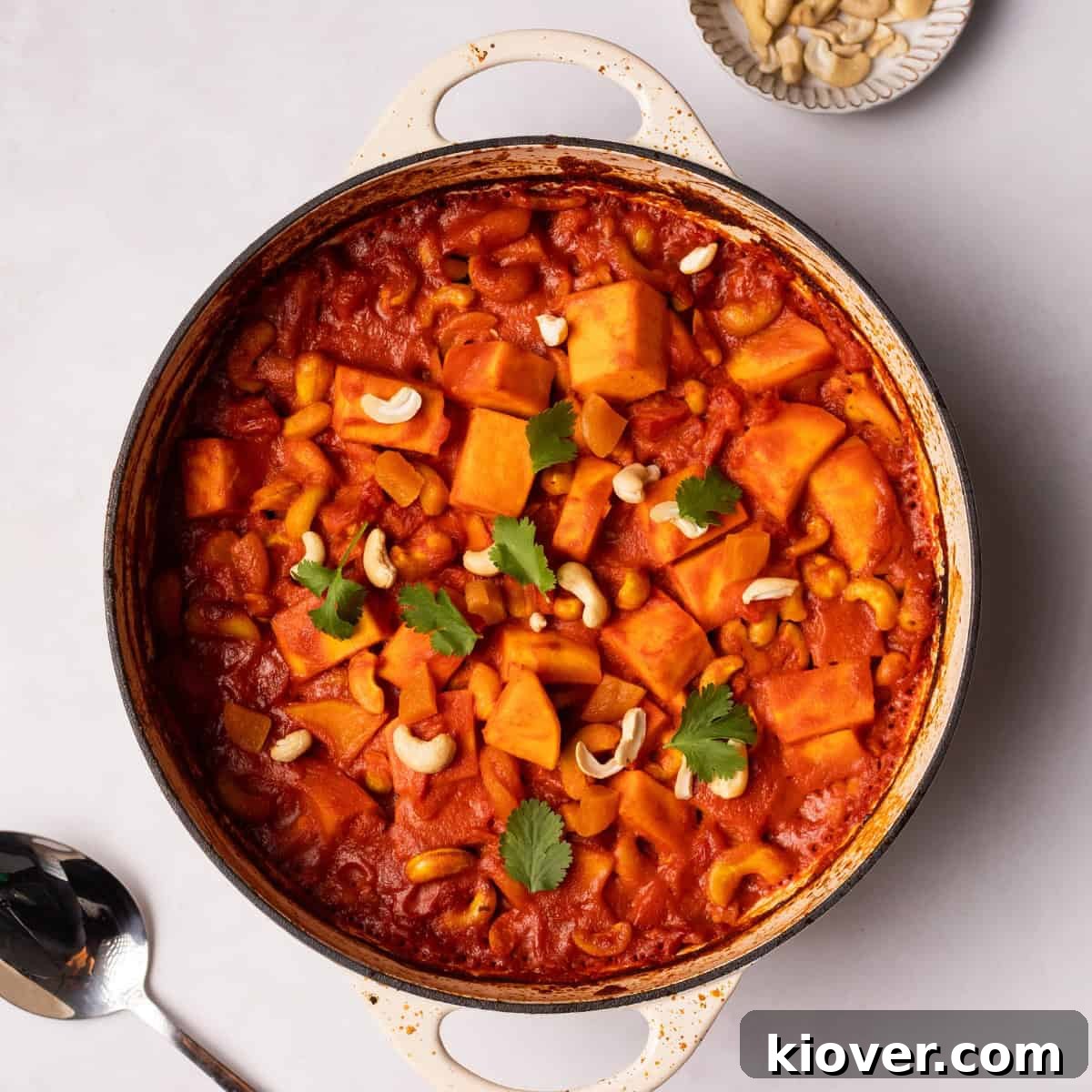
Delicious One-Pot Butternut Squash Curry: Your New Go-To Vegetarian Meal
Ready for a truly satisfying meal that’s both healthy and bursting with flavor? This incredible Butternut Squash Curry is a vegetarian delight, crafted effortlessly in one pot with a harmonious blend of aromatic spices. It’s incredibly easy to prepare, making it perfect for busy weeknights, and its rich, comforting taste makes it a guaranteed family favorite. I find myself coming back to this fantastic recipe time and time again, especially when craving something warming and nutritious.
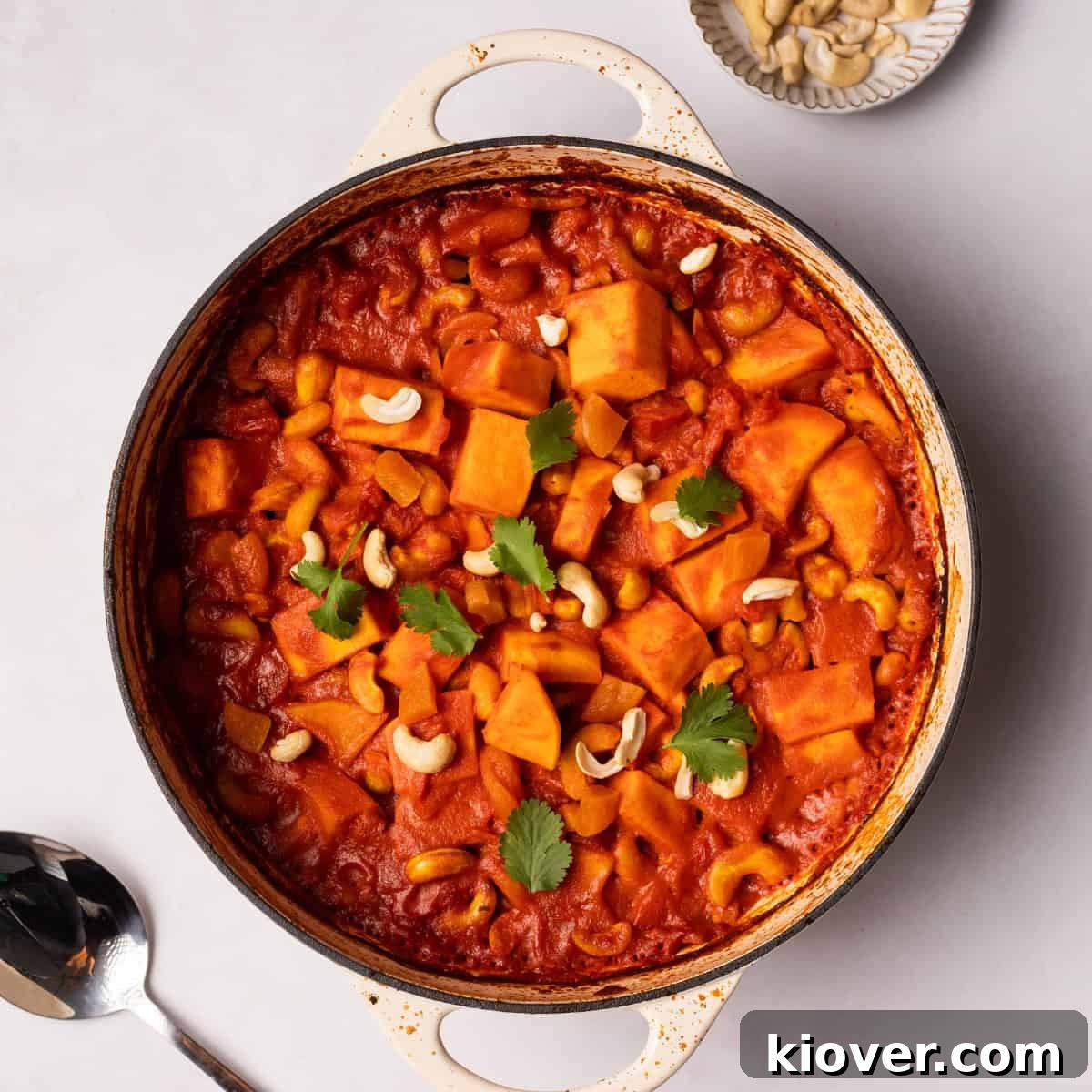
Recipe Difficulty – Very Easy
Table of Contents
- Why This Butternut Squash Curry Recipe Works
- The Nutritional Powerhouse: Butternut Squash
- Essential Ingredients for Your Butternut Squash Curry
- Clever Substitutions and Variations
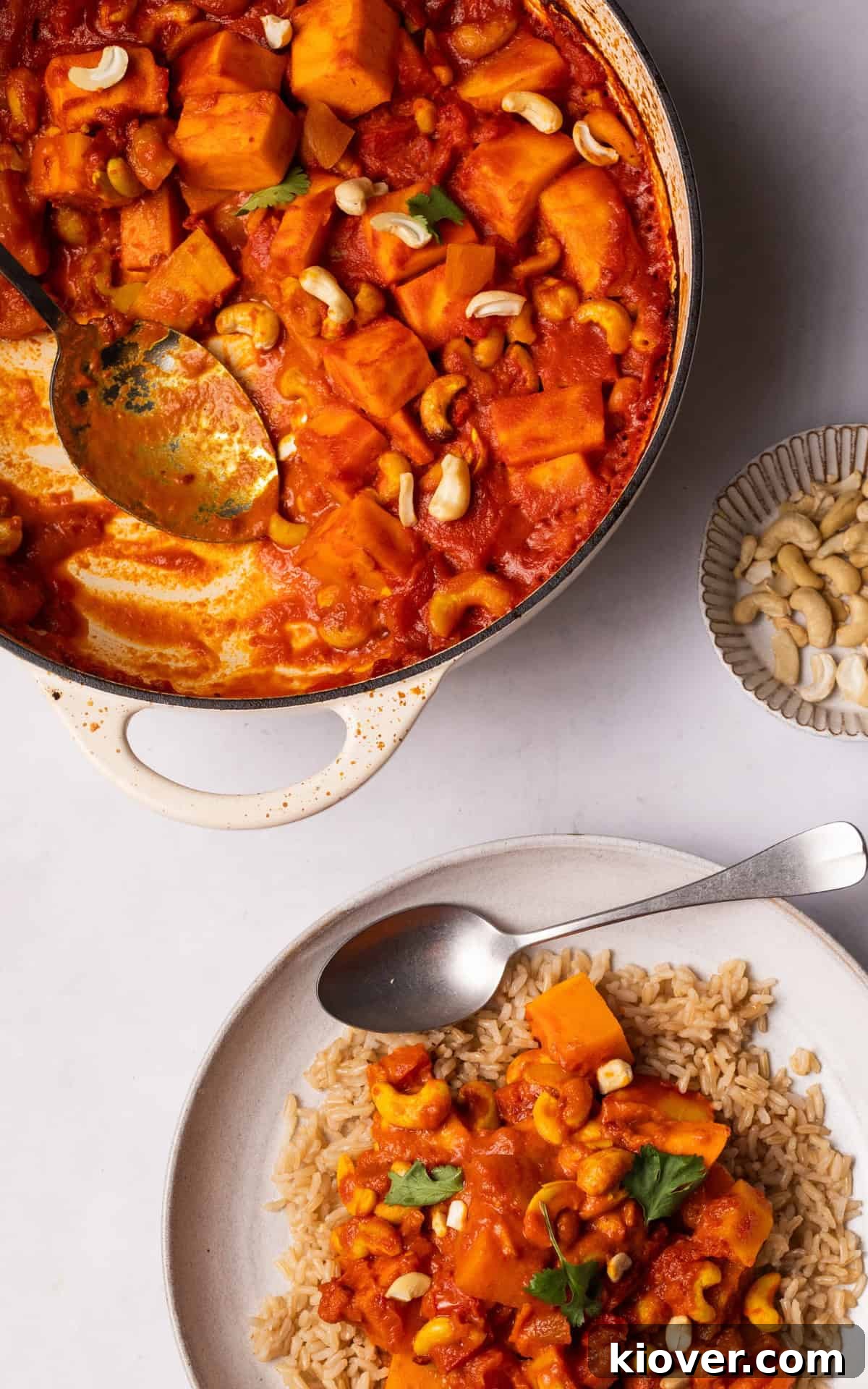
- Best Serving Suggestions for Your Curry
- Step-by-Step Guide: How to Make Butternut Squash Curry
- Storage and Leftovers Tips
- Butternut Squash Curry FAQs
- More Inspiring Butternut Squash Recipes
- Full Butternut Squash Curry Recipe Card
Why This Butternut Squash Curry Recipe Works
There’s something truly magical about a homemade curry. It offers a comforting warmth, making it the ideal dish for chilly evenings, and it never fails to impress when you’re entertaining friends and family. This creamy butternut squash curry is no exception and is destined to become a beloved staple in your kitchen, especially during the colder months when butternut squash season is at its peak.
What makes this specific easy butternut squash curry so appealing is its simplicity and efficiency. It relies on readily available pantry staples, ensuring you can whip it up without a special grocery run. The genius of this recipe lies in its one-pot preparation, drastically cutting down on washing up – a win for any home cook! Furthermore, baking it in the oven minimizes hands-on time, allowing the flavors to meld beautifully and deepen. The robust and aromatic profile of this hearty curry will truly surprise and delight your taste buds.
If you’re a fan of diverse curry creations, you might also enjoy exploring other variations. For another delightful butternut squash curry recipe featuring chickpeas, be sure to check out my Butternut Squash and Chickpea Curry. It offers a different texture and flavor dimension while maintaining the same comforting appeal.
The Nutritional Powerhouse: Butternut Squash
Beyond its delicious flavor and versatility, butternut squash is a nutritional superstar. This vibrant orange vegetable is packed with vitamins, minerals, and antioxidants, making it an excellent addition to any healthy diet. It’s particularly rich in Vitamin A, crucial for vision and immune function, and Vitamin C, which supports skin health and boosts immunity. Butternut squash also provides a good source of dietary fiber, aiding in digestion and promoting a feeling of fullness. Its natural sweetness contributes to the curry’s depth of flavor without the need for excessive added sugars. Incorporating butternut squash into your meals is a fantastic way to enjoy delicious food while nourishing your body.
Essential Ingredients for Your Butternut Squash Curry
Crafting this flavorful curry begins with selecting fresh, quality ingredients. Here’s a breakdown of what you’ll need and why each component is vital to the dish’s success:
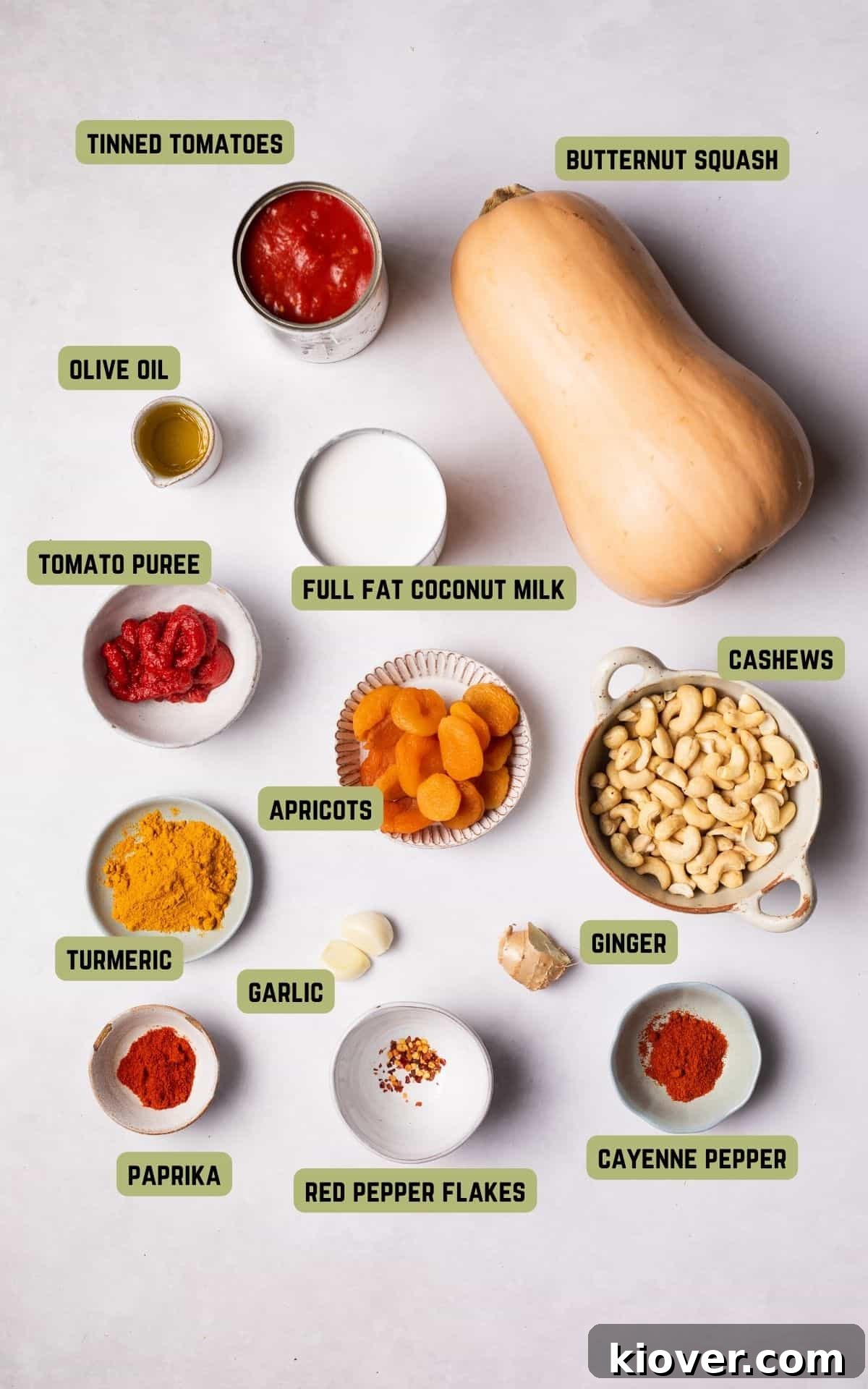
- Olive Oil: Forms the base for sautéing the aromatics, imparting a subtle, rich flavor.
- Garlic Cloves: A fundamental flavor builder in almost any savory dish, adding depth and warmth.
- Fresh Ginger: Provides a wonderfully pungent, slightly spicy kick that is characteristic of many curries and pairs beautifully with the squash.
- Tomato Puree: Contributes to the curry’s rich color and thickens the sauce, adding a concentrated tomato flavor.
- Turmeric: Known for its earthy, slightly sweet notes and vibrant golden hue, turmeric is a powerhouse spice with many health benefits. It complements the ginger perfectly.
- Cayenne Pepper: Introduces a pleasant level of heat, allowing you to customize the spice intensity to your preference.
- Paprika: Another excellent spice that brings a gentle sweetness and lovely red color, balancing the other spicier elements.
- Red Pepper Flakes: Used to round out the complex spice blend, adding a final touch of warmth and subtle heat.
- Canned Tomatoes: A can of diced or crushed tomatoes enhances the color and tanginess of this red curry with squash, creating a fuller-bodied sauce.
- Full-Fat Coconut Milk: The star ingredient for creaminess and richness, lending a luxurious texture and a mild, sweet coconut flavor that makes this curry so irresistible.
- Butternut Squash: The foundation of this vegan butternut squash curry, offering a naturally sweet and nutty flavor, and a tender texture when cooked.
- Cashew Nuts: (Optional) These provide a delightful crunch and a creamy richness, adding another layer of texture to this coconut curry.
- Apricots: (Optional) You can use either dried or fresh apricots. They introduce a delicious, fruity sweetness that beautifully balances the savory spices and adds a unique twist.
Refer to the full recipe card below for precise measurements and quantities.
Clever Substitutions and Variations
This butternut squash curry recipe is wonderfully flexible, allowing you to adapt it based on what you have on hand or to suit different dietary needs and flavor preferences. Don’t be afraid to get creative!
- Olive Oil: While olive oil is my preference, other cooking oils like coconut oil (which would further enhance the curry’s flavor) or even vegetable oil will work perfectly fine.
- Garlic Cloves: If fresh garlic isn’t available, you can easily substitute it with minced garlic from a jar or 1/2 teaspoon of garlic powder for every fresh clove.
- Ginger: Similarly, if you don’t have fresh ginger, ground ginger can be used. Start with 1/4 teaspoon of ground ginger for every tablespoon of fresh ginger, then adjust to taste.
- Spices: This is where you can truly experiment! Feel free to adjust the amounts of the listed spices or incorporate others you love. Garam masala makes an excellent addition for a more complex Indian flavor profile, or you could even try a tablespoon of Thai red curry paste for a different aromatic twist, just be mindful of its heat level.
- Butternut Squash: If you’re looking for an alternative to sweet butternut, you can easily swap it for sweet potatoes for a delightful sweet potato curry. For a savory alternative, consider my Potato Curry, which uses white potatoes for a heartier texture.
- Full-Fat Coconut Milk: While full-fat coconut milk provides the ultimate creaminess, you can use light coconut milk if you prefer a lighter dish. Just note that the sauce won’t be quite as rich and velvety.
- Cashews: If nuts are a concern or you simply don’t have any, feel free to omit them for a completely nut-free curry. For an added protein boost, you can easily stir in 1/2 cup of red lentils during the cooking process; they’ll cook down and thicken the sauce.
- Apricots: These are an optional ingredient to add a touch of sweetness. If you prefer a purely savory curry or don’t have them, simply leave them out.
Best Serving Suggestions for Your Curry
A delicious curry deserves equally delicious accompaniments. Here are some of my favorite ways to serve this comforting butternut squash curry:
- White Rice: Always a classic and universally loved pairing with any Indian curry. Its neutral flavor perfectly complements the rich spices.
- Brown Rice: For a healthier and nuttier alternative, brown rice is one of my favorite sides, especially with any ultimate comfort food dish.
- Jasmine Rice: Known for its fragrant aroma and fluffier texture, jasmine rice pairs brilliantly, absorbing the creamy curry sauce beautifully.
- Basmati Rice: This long-grain rice adds a slightly nutty, aromatic taste that wonderfully enhances the flavors of this creamy curry sauce.
- Quinoa: If you’re looking for a higher protein, gluten-free, and healthier side option, quinoa is fantastic. Here’s how I make Quinoa perfect every time.
- Naan Bread: A must-have side with all my easy curry recipes! Its soft, chewy texture is ideal for scooping up every last bit of that delectable sauce. Try my recipe for Best Gluten-Free Naan Bread.
- Fresh Cilantro/Coriander: A sprinkle of freshly chopped cilantro over the top adds a burst of freshness and a lovely herby note.
- Lime Wedges: A squeeze of fresh lime juice just before serving brightens the flavors and adds a zesty finish.
Step-by-Step Guide: How to Make Butternut Squash Curry
Making this incredible butternut squash curry is straightforward and requires minimal fuss. Follow these simple steps for a delicious meal:
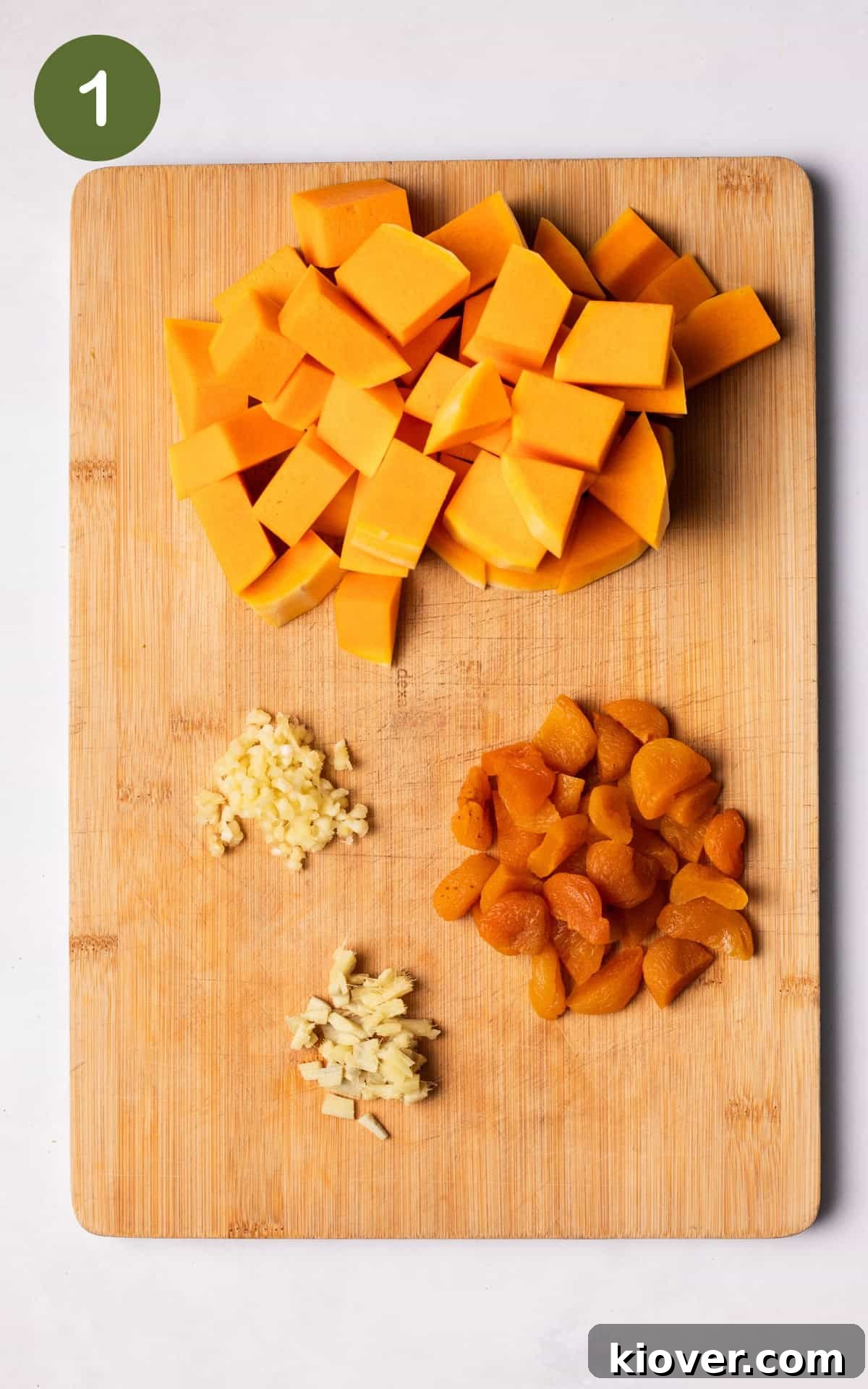
Step 1: Preparation. Begin by preheating your oven to 200°C (390°F). While the oven heats, prepare your vegetables and aromatics: crush the garlic cloves, halve the apricots (if you are using them), finely dice the fresh ginger, and finally, peel and cube the butternut squash into manageable 1.5 cm pieces. This uniform size ensures even cooking.

Step 2: Build the Flavor Base. Place a large, oven-safe pot or Dutch oven over medium heat. Add the olive oil, crushed garlic, halved apricots (if using), cashew nuts (if using), tomato puree, and all the specified spices (turmeric, cayenne pepper, paprika, and red pepper flakes). Add a pinch of salt and pepper. Fry this aromatic mixture for about two minutes, stirring constantly, until fragrant. This step is crucial for deepening the flavor profile of your curry.
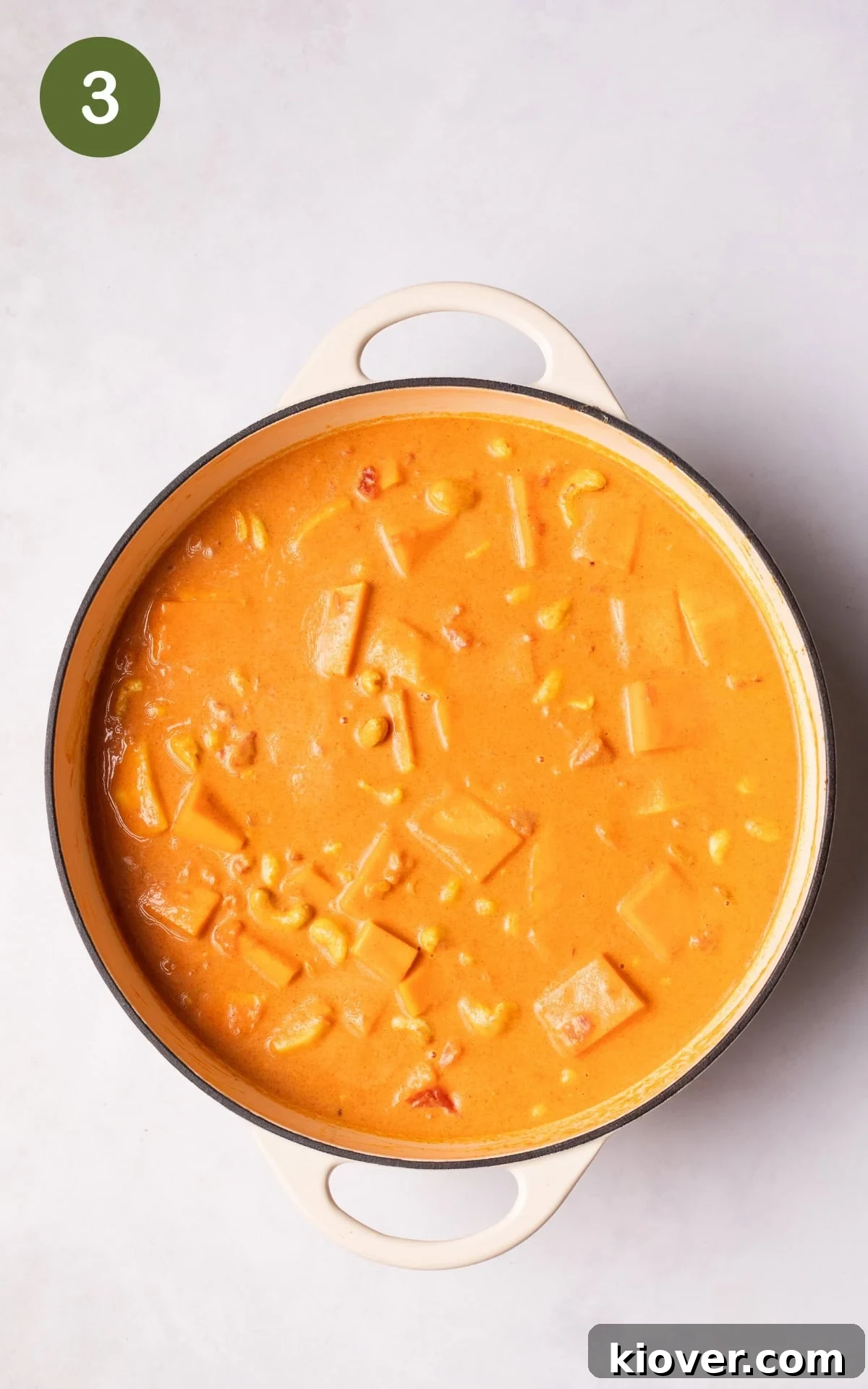
Step 3: Simmer and Cook. Into the pot with your fragrant spice base, add the tinned tomatoes, full-fat coconut milk, and the cubed butternut squash. Stir everything together thoroughly. Bring the mixture to a gentle boil on the stovetop. Once boiling, carefully transfer the pot into your preheated oven and bake for 40 minutes. Alternatively, if you prefer not to use the oven, you can simmer the curry on the hob with the lid on for approximately 40 minutes, or until the butternut squash is tender and the sauce has thickened to your desired consistency.
Hint: For an extra layer of flavor and a slightly thicker sauce, consider reserving a quarter of the cooked butternut squash, mashing it, and stirring it back into the curry before serving. This adds natural creaminess!
Storage and Leftovers Tips
One of the many benefits of this butternut squash curry is how well it keeps. In fact, many people find that the flavors develop and deepen overnight, making it even more delicious the next day! This makes it an excellent candidate for meal prep, allowing you to enjoy healthy, homemade meals throughout the week.
To store, simply transfer any leftover curry into an airtight container and place it in the fridge. It will remain fresh and flavorful for up to two to three days. When you’re ready to reheat, you can do so in a pot on the stovetop over low heat, stirring occasionally until it’s piping hot, or in the microwave. If the sauce has thickened too much in the fridge, a splash of water or vegetable broth can help loosen it back to the perfect consistency.
For longer storage, this curry freezes beautifully. Portion it into freezer-safe airtight containers or bags and freeze for up to three months. To enjoy later, simply defrost it overnight in the refrigerator, then reheat using the methods described above. Having a batch of this delicious curry in the freezer is a lifesaver for those days when you’re not in the mood for cooking but still crave a wholesome, comforting meal.
Butternut Squash Curry FAQs
When cubed into roughly 1.5 cm pieces, the butternut squash typically takes about 40 minutes to cook through. After bringing the curry mixture to a boil on the stovetop, it bakes in a 200°C (390°F) oven for this duration, or can simmer on the hob for a similar time until tender.
A diverse blend of spices creates the best flavor. For my Butternut Squash Curry, I recommend fresh ginger, turmeric, cayenne pepper, paprika, and red pepper flakes. These spices offer a balanced profile of warmth, sweetness, and gentle heat.
Butternut squash is typically harvested during the late summer and autumn months. While often available year-round in most supermarkets, it’s at its freshest and most flavorful during its natural season.
Yes, this recipe is inherently vegan and vegetarian. It uses only plant-based ingredients like butternut squash, coconut milk, and various spices, making it a fantastic option for anyone following a plant-based diet. Ensure your cooking oil is also vegan.
Absolutely! You can easily adjust the spice level to your liking. Reduce or omit the cayenne pepper and red pepper flakes. If you prefer a very mild curry, start with just turmeric and paprika, then add a tiny pinch of cayenne to taste.
More Inspiring Butternut Squash Recipes
If you’ve fallen in love with butternut squash, there’s a whole world of recipes waiting to be explored! Here are some other delightful ways to enjoy this versatile vegetable:
- Stuffed Butternut Squash
- Creamy Butternut Squash Soup
- Butternut Squash and Coconut Dhal
- Hearty Pumpkin and Butternut Soup
- Vegetable Butternut Squash Tagine
YOU MIGHT ALSO LIKE…
Related Recipes You’ll Love
Dinner
Butternut Squash and Chickpea Curry
Lunch
Pumpkin and Butternut Soup
Dinner
Quick 15-Minute Vegetable Curry
Dinner
10-Minute Chickpea And Spinach Curry
Did you try this amazing Butternut Squash Curry recipe? I would love to hear your thoughts! Please consider leaving a star rating ⭐⭐⭐⭐⭐ below and let me know how it turned out for you. Your positive feedback is one of the most rewarding aspects of creating recipes, so please share your experience in a comment!
P.S. Never miss a new recipe! Get more healthy and delicious recipes sent straight to your inbox weekly – Subscribe Today and receive a free recipe eBook!

Print Recipe
Butternut Squash Curry
James Wythe
This easy, flavorful Butternut Squash Curry is simple to make and uses just one pot with only 10 minutes of prep! It’s a comforting vegetarian meal packed with fragrant spices and creamy coconut milk, perfect for a cozy night in or feeding a crowd.
10 minutes
45 minutes
1 hour
4 people
Ingredients
- 2 tbsp olive oil
- 2 large garlic cloves, crushed
- 150 g cashews (optional)
- 100 g apricots, chopped in halves (optional)
- 1/2 thumb size piece of fresh ginger, finely chopped
- 2 tbsp tomato puree
- 1 tbsp turmeric
- 1/2 tsp cayenne pepper
- 1/2 tsp paprika
- 1 pinch red pepper flakes
- 400 g tinned tomatoes
- 400 ml can of full-fat coconut milk
- 500 g butternut squash, peeled and chopped into 1.5cm cubes
Instructions
-
Pre-heat the oven to 200°C (390°F). Crush the garlic, chop the apricots in halves (if using), finely dice the ginger, and peel and chop the butternut squash into 1.5 cm cubes.
-
Now, in a large, oven-safe pot or Dutch oven over medium heat, add the olive oil, garlic, apricots, cashews, tomato puree, all the spices (turmeric, cayenne pepper, paprika, red pepper flakes), and a pinch of salt and pepper. Fry together for a couple of minutes until fragrant, stirring continuously.
-
Add the tinned tomatoes, coconut milk, and butternut squash to the pot. Stir well to combine. Bring the mixture to a boil on the stovetop. Once boiling, transfer the pot directly into the preheated oven and bake for 40 minutes. Alternatively, you can simmer the curry on the hob with the lid on for 40 minutes until the sauce thickens and the squash is tender.
Video Guide
Watch this video to see how to prepare this delicious One-Pot Butternut Squash Curry step-by-step.
Notes
Step-by-Step Photos: My blog post above includes helpful step-by-step photos to guide you through making this recipe visually.
Substitutions & Variations: A comprehensive list of ingredient substitutions and creative variations can be found in the “Clever Substitutions and Variations” section of the blog post above.
To Store: Store any leftovers in an airtight container in the fridge for up to 2-3 days. Reheat in a pot or pan over a low heat until piping hot, or use a microwave. You may need to add a splash of water or vegetable broth to loosen the curry sauce back to your desired consistency.
To Freeze: For longer storage, this curry can be frozen in an airtight container for up to three months. To enjoy, defrost it thoroughly in the fridge overnight, then reheat in a pot or pan over low heat or in the microwave. Add liquid to loosen the sauce if necessary.
Tip 1: Sweetness balance. I often use dried apricots for their concentrated sweetness, but fresh apricots would be equally delicious and provide a lovely seasonal touch if available.
Tip 2: Adjusting heat. If you’re a fan of spicier dishes, feel free to add freshly chopped chilies (such as green or red chilies) or increase the amount of red pepper flakes to taste. Always add gradually and taste as you go.
Tip 3: Protein additions. For non-vegans or vegetarians, you can easily add cooked chicken, pork, beef, or prawns to this recipe. If you maintain a vegan or vegetarian diet, cubed firm tofu or chickpeas (as mentioned in a related recipe) would be excellent protein additions.
Nutrition Information (per serving)
Calories:
265
kcal
Carbohydrates:
23
g
Protein:
6
g
Fat:
17
g
Saturated Fat:
4
g
Fiber:
4
g
Sugar:
7
g
Did you make this recipe? Tag me Today!
Tag @HealthyLivingJames on Instagram and use #HealthyLivingJames!