
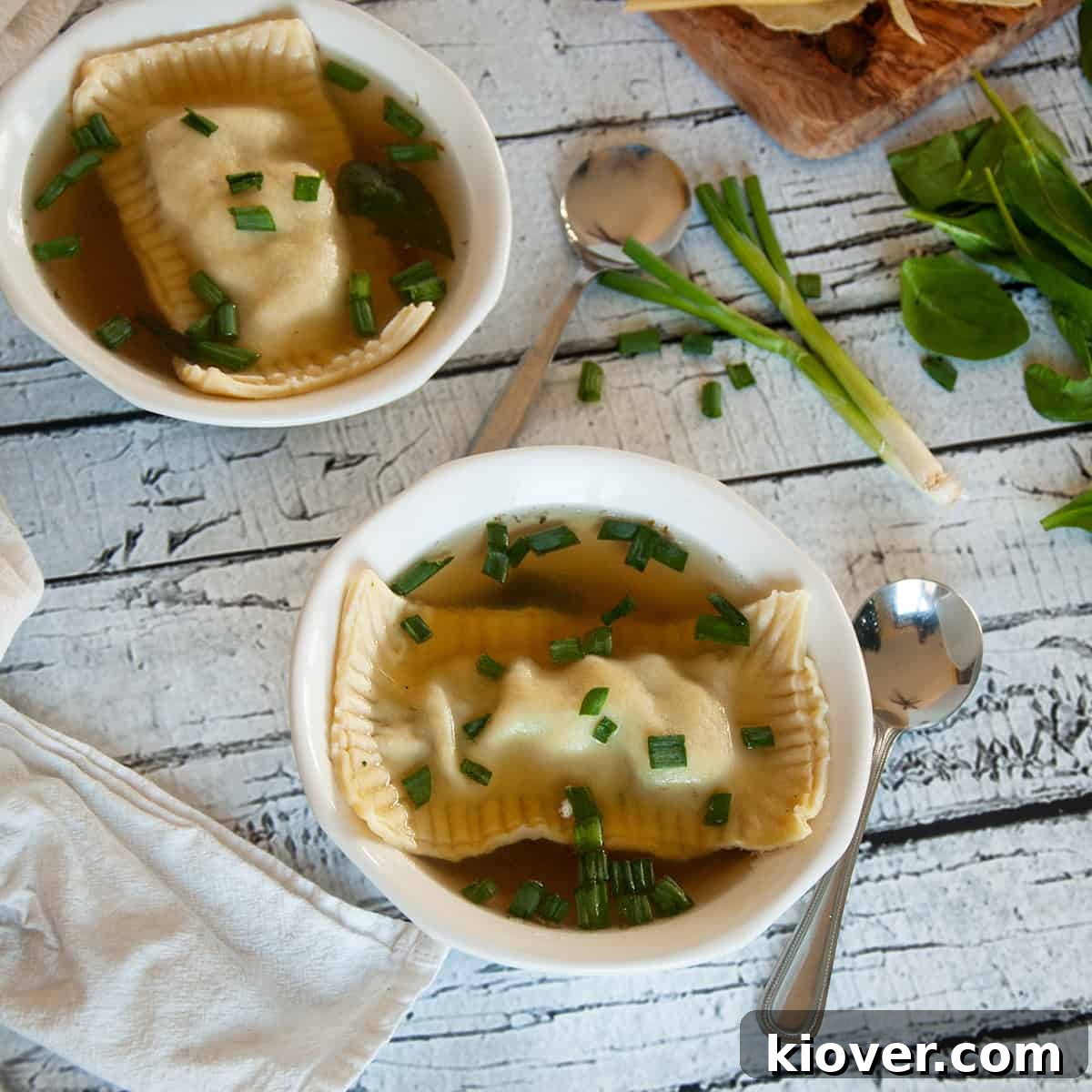
Forget what you think you know about traditional ravioli. While Italy boasts its beloved pasta pockets, Germany offers a delightful, hearty equivalent known as Maultaschen. This Traditional German Maultaschen Recipe unveils the secrets of this spectacular dish from the scenic Swabian region, inviting you to savor a truly unique culinary experience. Whether served simply with melted butter or submerged in a savory broth, Maultaschen promises a taste of authentic German comfort food that will captivate your palate.
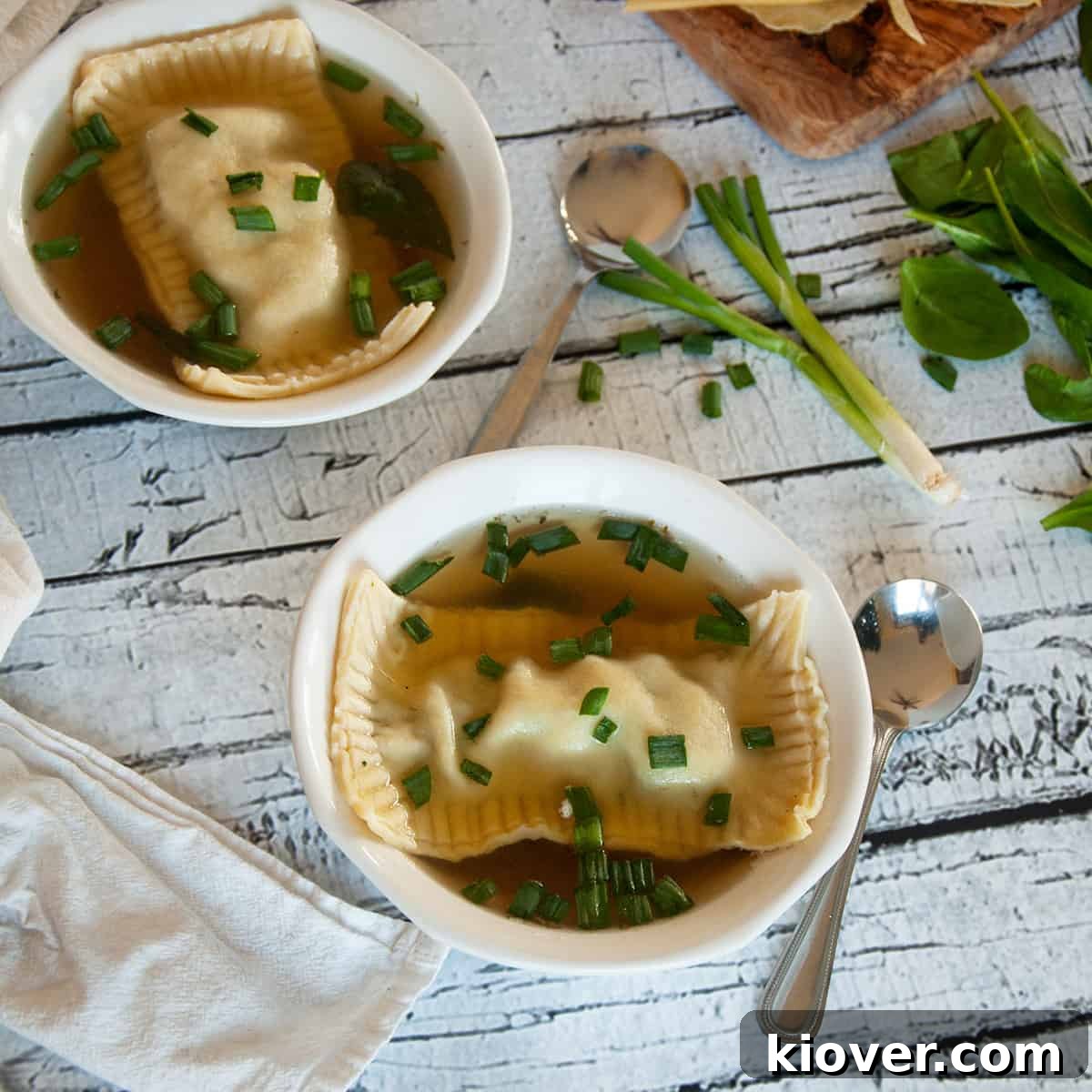
Unveiling the Charm of Traditional German Maultaschen
Today, we embark on a culinary journey to the heart of Germany’s Swabian region to discover Maultaschen, often affectionately referred to as “German ravioli.” More than just a simple pasta dish, Maultaschen are deeply embedded in German culinary heritage, much like the beloved Spaetzle or the comforting Knoephla soup. These delightful, savory pasta pockets are a testament to the region’s rich gastronomic traditions, offering a unique blend of flavors and textures that distinguish them from their Italian counterparts.
What sets Maultaschen apart is their generous size and robust filling, typically a flavorful mixture of minced meats, smoked ham or bacon, spinach, and aromatic spices, all encased in a tender egg pasta dough. Unlike smaller Italian ravioli, Maultaschen are substantial and satisfying, making them a meal in themselves. This recipe aims to honor that tradition, providing a method that produces authentic, mouthwatering Maultaschen that are both a joy to prepare and to savor. Each bite of these “little pillows of tasty goodness” transports you to the cozy kitchens of Swabia, offering a truly special and memorable dining experience.
Table of Contents
- Unveiling the Charm of Traditional German Maultaschen
- Essential Ingredients for Authentic Maultaschen
- Step-by-Step Maultaschen Preparation Guide
- Serving Maultaschen in Savory Broth
- Maultaschen: Creative Substitutions and Variations
- Storage Tips for Fresh Maultaschen
- A Glimpse into Maultaschen History: The Lent Story
- Frequently Asked Questions About Maultaschen
- Pro Tips for Perfect Maultaschen
- Recommended Kitchen Tools for Maultaschen Making
- Share Your Maultaschen Creations!
- Traditional German Maultaschen Recipe Card
Essential Ingredients for Authentic Maultaschen
Crafting Maultaschen begins with a selection of fresh, quality ingredients that contribute to its distinctive German flair. The dough, while similar to its Italian pasta cousins, is designed to be pliable and robust, holding the generous filling without tearing. The heart of Maultaschen lies in its savory filling, a harmonious blend of meats, vegetables, and spices that truly defines the dish. Here’s a comprehensive look at what you’ll need to bring this traditional recipe to life:
- For the Pasta Dough:
- 2 cups all-purpose flour: Provides the structure for our tender pasta.
- 3 large eggs + 1 egg for egg wash: Eggs add richness, flavor, and bind the dough, with an extra for sealing.
- 1 teaspoon fine salt: Enhances the flavor of the dough.
- 1 tablespoon olive oil: Contributes to the dough’s elasticity and ease of rolling.
- For the Hearty Filling:
- 3 strips of bacon, cooked and finely chopped: Adds a crucial smoky depth and savory flavor.
- ¼ pound ground beef (or pork/veal): Forms the base of the meat filling, providing substance.
- ½ teaspoon ground nutmeg: A classic German spice that imparts warmth and a subtle, earthy aroma.
- ½ teaspoon dried parsley: Adds a fresh, herbaceous note to the rich filling.
- ½ medium onion, finely diced: Provides a pungent, sweet aromatic base when cooked.
- 2 ½ ounces fresh spinach, blanched and squeezed dry: Introduces a mild, earthy counterpoint to the meat, and is a traditional component.
- 2 tablespoons heavy cream: Binds the filling ingredients and adds a touch of creamy texture.
- 2 tablespoons Italian-style breadcrumbs: Helps absorb moisture and gives the filling a cohesive texture.
- ½ teaspoon salt, or to taste: Essential for seasoning and bringing out the flavors.
- ¼ teaspoon black pepper, or to taste: Adds a mild kick and enhances the overall savory profile.
- For Serving (Optional but Recommended):
- 6 cups of any clear broth or stock (e.g., chicken, beef, vegetable): We highly recommend our homemade chicken stock for an unparalleled depth of flavor, perfect for serving Maultaschen.
- 3 green onions, chopped: For garnish, adding a fresh, sharp counterpoint.
While this recipe outlines how to roll your own pasta by hand, which yields the most authentic results, feel free to use high-quality store-bought fresh pasta sheets for a quicker preparation. The detailed quantities for the filling are meticulously scaled to complement the homemade dough, ensuring each Maultaschen is perfectly balanced.
Step-by-Step Maultaschen Preparation Guide
Creating Maultaschen is an enjoyable culinary adventure, combining the art of pasta making with the savory traditions of German cuisine. While it shares similarities with Italian ravioli, Maultaschen are distinctively larger and boast a hearty filling, traditionally served in a fragrant broth. This guide will walk you through each step, ensuring you achieve perfect, flavorful results.
Making the Dough (Patience is Key!)
- Combine Dough Ingredients: In a stand mixer fitted with a dough hook (or in a large bowl if kneading by hand), add 2 cups of flour, 3 eggs, 1 teaspoon of salt, and 1 tablespoon of olive oil. Reserve the remaining egg for the egg wash.
- Knead the Dough: Mix on medium speed for about 10 minutes, or knead by hand until the dough is smooth, elastic, and no longer sticky. It should be firm but pliable.
- Rest the Dough: Wrap the dough tightly in plastic wrap and place it in the refrigerator for at least 30 minutes. This resting period allows the gluten to relax, making the dough easier to roll.
Preparing the Flavorful Filling
- Cook Bacon: If your bacon isn’t already cooked, now is the ideal time. Cook the 3 strips of bacon until crispy, then chop them finely and set aside.
- Prepare Spinach: Fill a medium pot with water and bring it to a rolling boil. Add the 2 ½ ounces of fresh spinach and blanch for three minutes until wilted. Drain thoroughly and run cold water over it to stop the cooking process. Once cooled, squeeze out as much excess water as possible, then finely dice the spinach. This step is crucial to prevent a watery filling.
- Brown the Ground Meat: In a large pan or cast-iron skillet, brown ¼ pound of ground beef (or your chosen alternative) over medium-high heat.
- Sauté Onions: When the ground meat is about halfway cooked, add the ½ diced medium onion to the pan. Continue to cook until the meat is fully browned and the onions are softened and translucent.
- Combine Filling Ingredients: Reduce the heat to medium. Add the diced spinach, cooked bacon, Italian-style breadcrumbs, nutmeg, parsley, and heavy cream to the pan with the meat and onions. Stir well to combine all ingredients.
- Season and Cool: Season the filling with ½ teaspoon of salt and ¼ teaspoon of pepper, adjusting to taste. Cook for a few more minutes until everything is heated through and well incorporated. Transfer the filling to a bowl and place it in the refrigerator to cool completely. A cooled filling is much easier to work with when assembling the Maultaschen.
Assembling Your Maultaschen
- Roll Out the Dough: Remove the rested dough from the refrigerator. On a lightly floured surface, roll out the dough as thinly as possible. This is where patience truly pays off, especially if you’re rolling by hand. Aim for a thickness similar to fresh pasta sheets. Alternatively, use a pasta maker to achieve uniform, thin sheets.
- Cut Dough Sheets: Once rolled, use a knife to cut the dough into an even number of large rectangles, approximately 3 inches by 5 inches. The exact size can vary, but maintain a consistent, larger rectangular shape for a traditional Maultaschen.
- Fill the Maultaschen: Place a generous tablespoon or two of the cooled filling onto the center of one dough sheet. Ensure there’s enough filling to create a substantial pocket, similar to a generously stuffed ravioli.
- Egg Wash and Seal: Beat the reserved egg for an egg wash. Lightly brush the edges of the filled dough sheet with the egg wash. Carefully place a second dough sheet directly over the first, aligning the edges.
- Crimp the Edges: Gently press around the filling to remove any air pockets, then use a fork to crimp and seal all four edges of the Maultaschen. This creates the characteristic ridged border and ensures the filling stays put during cooking.
- Repeat: Continue this process for all remaining dough and filling. You should yield at least 6 Maultaschen from this recipe.
Cooking and Serving
- Boil Maultaschen: Bring a large pot of lightly salted water to a gentle boil. Carefully add the Maultaschen, ensuring not to overcrowd the pot. Cook for approximately 10 minutes, or until the pasta is tender and the filling is heated through. They will float to the surface when done.
- Prepare Broth: While the Maultaschen are cooking, gently warm your chosen broth or stock in a separate pot.
- Serve: Using a slotted spoon, carefully remove the cooked Maultaschen from the boiling water and place them directly into individual bowls filled with the warm broth.
- Garnish and Enjoy: Garnish each serving with chopped green onions before serving immediately. For an extra touch of flavor, a dollop of butter can also be added, or a sprinkle of crispy bacon bits.
Each step is designed to contribute to the delightful texture and profound flavor of homemade Maultaschen. Enjoy the process and the delicious outcome!
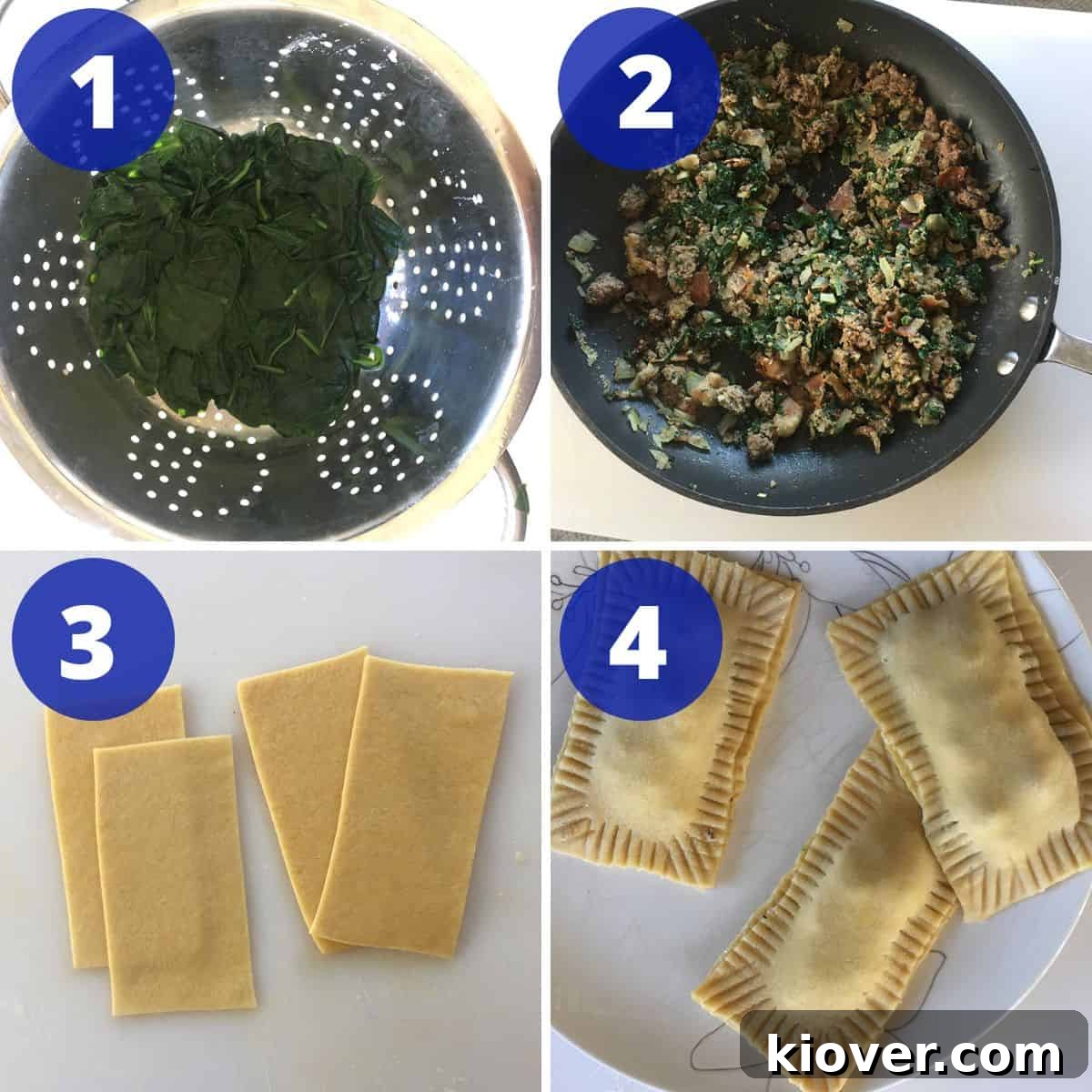
Through careful measurement and a bit of experimentation, I found that my dough recipe consistently yields about 6 substantial Maultaschen. This required a slight adjustment to the filling proportions, scaling back from a full pound of ground meat to a quarter pound, to ensure a perfect balance between pasta and filling. This scaling ensures that each Maultaschen is generously filled without being overstuffed, creating an ideal bite every time.
Serving Maultaschen in Savory Broth
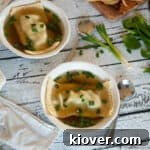
While some enjoy Maultaschen simply with a drizzle of melted butter and a sprinkle of chives, a truly traditional and highly recommended way to serve this German delicacy is in a warm, flavorful broth. This method transforms the dish into an unexpectedly comforting and hearty soup, perfect for cooler evenings or as a satisfying lunch.
You have the flexibility to use almost any clear, unseasoned broth or stock as your base. Chicken, beef, or vegetable broth all work beautifully, providing a light yet aromatic liquid that complements the rich filling of the Maultaschen without overpowering it. Personally, I find that a homemade chicken stock offers an unparalleled depth of flavor that truly elevates the dish, creating a more profound and satisfying experience. The delicate flavors of the pasta and filling are enhanced by the savory notes of a well-made broth, creating a harmonious balance that is both simple and profound.
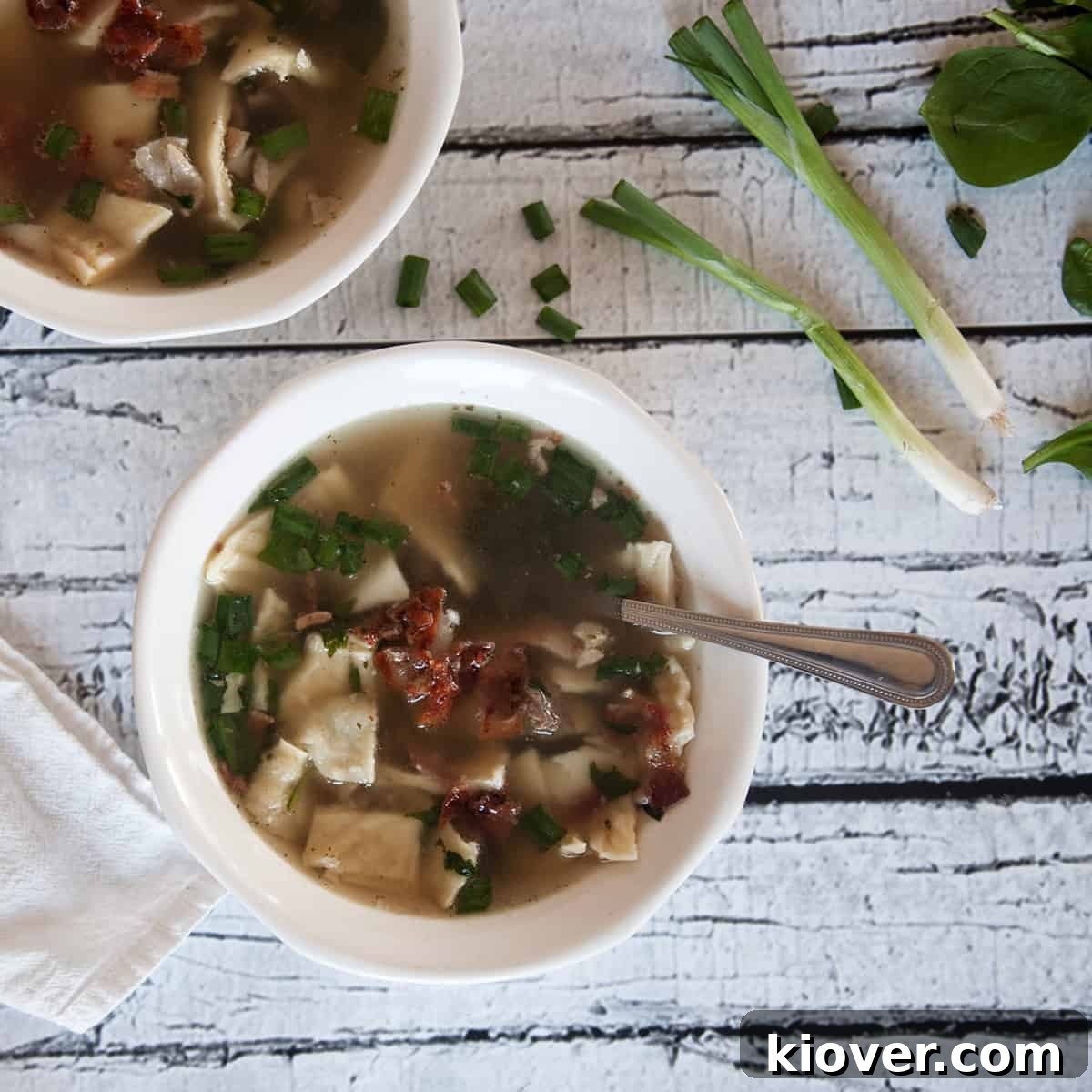
What I particularly love about serving Maultaschen in broth is the delightful “surprise soup” effect it creates. As the Maultaschen cook and absorb some of the broth, and perhaps break apart slightly, they release their flavors into the liquid. This subtle transformation reminds me of a rustic Italian wedding soup, where flavorful dumplings and tender bits of meat mingle in a light broth. The result is a wonderfully comforting and unexpected culinary delight that showcases the versatility and charm of traditional German Maultaschen.
Maultaschen: Creative Substitutions and Variations
The beauty of a traditional recipe like Maultaschen lies in its adaptability. While this recipe provides an authentic foundation, there are numerous ways to customize it to suit your preferences or what you have available in your pantry. Feel free to experiment with these substitutions and variations to make this German classic truly your own:
- Dough Alternatives: For convenience, you can certainly opt for store-bought fresh pasta sheets. Look for quality egg pasta sheets that are thin and pliable. If you’re feeling adventurous, you can even experiment with whole wheat flour in your homemade dough for a nuttier flavor and added fiber.
- Meat Filling Substitutions: While ground beef is traditional, other ground meats work wonderfully. Consider using ground pork for a richer flavor, ground veal for a more delicate taste, or even a mix of ground beef and pork (often called “half-and-half” meat in German recipes) for a balanced profile. Smoked sausage, finely minced, can also add an interesting twist to the filling. For a vegetarian option, finely diced mushrooms sautéed with herbs can replace the meat entirely.
- Leafy Green Swaps: Spinach is classic, but you could try blanched and finely chopped kale or Swiss chard for a slightly different flavor and texture. Ensure any greens are thoroughly squeezed dry after blanching to prevent a soggy filling.
- Broth Choices: As mentioned, chicken, beef, or vegetable broth are excellent choices. For a richer flavor, consider a mushroom broth. You can also elevate the broth by infusing it with aromatics like bay leaves, whole peppercorns, or a sprig of fresh thyme while warming. If you prefer a simpler presentation, serving Maultaschen pan-fried after boiling, with caramelized onions and a side salad, is another popular German preparation.
- Seasoning Experiments: Don’t be afraid to adjust the spices in the filling. A pinch of marjoram or a touch of smoked paprika can add additional layers of flavor that complement the traditional nutmeg and parsley. Some recipes also include a small amount of leek or garlic in the filling for extra depth.
- Cheese Inclusion: While not strictly traditional, a small amount of grated hard cheese like Parmesan or even a mild German cheese can be mixed into the filling for added richness and flavor.
Remember, cooking is an art, and these suggestions are merely starting points. Embrace the opportunity to personalize your Maultaschen and discover new favorite flavor combinations!
Storage Tips for Fresh Maultaschen
Proper storage is essential to maintain the quality and safety of your homemade Maultaschen, especially given the fresh pasta and meat filling. While Maultaschen are best enjoyed immediately after preparation, there are practical ways to store components or even the assembled dish for future enjoyment.
- Prepared Filling: You can make the savory Maultaschen filling up to 2-3 days in advance. Store it in an airtight container in the refrigerator. This allows you to break down the preparation into smaller, more manageable steps, making assembly quicker on the day you plan to cook.
- Uncooked Dough: Fresh pasta dough can be made a day ahead and stored, tightly wrapped in plastic, in the refrigerator. Before use, let it sit at room temperature for about 15-20 minutes to make it easier to roll.
- Assembled, Uncooked Maultaschen (Short-Term): If you’ve assembled the Maultaschen but aren’t ready to cook them immediately, place them in a single layer on a parchment-lined baking sheet, ensuring they don’t touch. Cover loosely with plastic wrap and refrigerate for up to 4-6 hours. This prevents them from drying out or sticking together.
- Freezing Assembled Maultaschen (Long-Term): For longer storage, Maultaschen can be frozen raw. Arrange the assembled Maultaschen in a single layer on a parchment-lined baking sheet and place in the freezer until solid (this usually takes 1-2 hours). Once frozen solid, transfer them to a freezer-safe airtight container or heavy-duty freezer bag. This “flash freezing” prevents them from sticking together. Frozen Maultaschen can be stored for up to 1-2 months.
- Cooking Frozen Maultaschen: When ready to cook from frozen, there’s no need to thaw. Simply add the frozen Maultaschen directly to gently boiling water. They will likely require a few extra minutes of cooking time compared to fresh Maultaschen (plan for 12-15 minutes).
- Cooked Maultaschen: Leftover cooked Maultaschen can be stored in an airtight container in the refrigerator for 2-3 days. Reheat gently in broth or pan-fry them until warmed through and slightly crispy.
While I haven’t extensively tested the freezing of raw Maultaschen personally, this is a common practice for many filled pasta dishes and should work well to preserve your efforts for a delicious meal at a later date.
A Glimpse into Maultaschen History: The Lent Story
Maultaschen are not just a delicious dish; they carry with them a fascinating piece of history, particularly tied to the religious observances of Lent. According to historical accounts, Maultaschen became a popular dish in the Swabian region during Lent, a period of fasting and abstinence from meat traditionally observed by Christians.
The intriguing aspect of Maultaschen during Lent is that the filling often contains meat, which goes against the strict Lenten traditions. The legend, told with a twinkle in the eye, suggests that Cistercian monks from Maulbronn Monastery were particularly clever (or perhaps a little mischievous) in their culinary practices. They apparently decided that if the meat was finely minced and carefully hidden within the pasta dough, it would be “hidden from God’s eyes,” thus allowing them to circumvent the Lenten fast without technically breaking it. This playful, tongue-in-cheek explanation gave rise to one of Maultaschen’s nicknames: “Herrgottsbscheißerle,” which translates to “little God-cheaters.”
Regardless of what one believes, this historical anecdote adds a delightful layer to the enjoyment of Maultaschen. It speaks to a time when culinary resourcefulness met religious observance, resulting in a dish that is not only delicious but also rich in cultural narrative. The hearty and comforting nature of Maultaschen would have been particularly welcome during periods of scarcity, making its ability to provide sustenance while subtly bending the rules all the more appealing. Today, Maultaschen are enjoyed year-round, celebrated for their unique flavor and their charming, historical backstory.
Frequently Asked Questions About Maultaschen
Maultaschen are traditional German pasta pockets, often likened to large ravioli. They typically feature a savory filling of minced meat (like beef, pork, or veal), smoked meat (bacon or ham), spinach, breadcrumbs, and various spices, all encased in a tender egg pasta dough. While savory fillings are most common, regional variations can include other creative fillings, even sweet ones with ingredients like apples and cinnamon.
Maultaschen hail from the Swabian region of Germany, located in the southwestern part of the country. This region is renowned for its rich culinary traditions, and Maultaschen are one of its most iconic and beloved dishes, often considered a staple of Swabian cuisine.
Maultaschen are most commonly served in a clear, savory broth, sometimes garnished with chopped chives or fried onions. Another popular way is to pan-fry them with butter and caramelized onions, creating a slightly crispy exterior. They can also be enjoyed simply with melted butter, or as a side dish with potato salad.
Absolutely! While traditional Maultaschen contain meat, you can easily adapt the recipe to be vegetarian. Replace the ground meat and bacon with a hearty mixture of finely chopped and sautéed mushrooms, lentils, or a combination of cooked root vegetables. Ensure your broth is also vegetable-based for a fully vegetarian dish.
The main differences lie in size, typical filling, and serving style. Maultaschen are generally much larger than most Italian ravioli. While both use egg pasta, Maultaschen fillings often incorporate a mix of meat, smoked components, and spinach, alongside specific German spices like nutmeg. They are most traditionally served in broth, whereas Italian ravioli are often served with tomato-based sauces or lighter butter and sage sauces.
Pro Tips for Perfect Maultaschen
Achieving outstanding Maultaschen is a rewarding experience, and a few expert tips can make all the difference, especially for those new to this German delicacy:
- Dough Consistency is Key: Whether you’re using a pasta maker or rolling by hand, strive for the thinnest possible dough. A thin dough ensures a tender bite and allows the filling’s flavors to shine. If rolling by hand, be patient and consistent with your pressure. Don’t rush this step!
- Preventing Sticky Dough: Use a lightly floured surface when rolling and assembling. If the dough starts to stick, a very light dusting of flour can help. Avoid excess flour, which can make the pasta tough.
- Ensure a Dry Filling: After cooking and dicing the spinach, it’s critical to squeeze out as much moisture as possible. Excess water in the filling can make the Maultaschen soggy and prone to tearing during cooking.
- Don’t Overfill: While it’s tempting to maximize the filling, too much can make sealing difficult and increase the risk of the Maultaschen bursting during boiling. A few generous tablespoons per Maultaschen is usually sufficient.
- Seal Properly: The egg wash acts as a glue, ensuring a tight seal. Take your time pressing around the filling and crimping the edges with a fork. A well-sealed Maultaschen will prevent the delicious filling from escaping into the boiling water.
- Gentle Boil: When cooking, ensure the water is at a gentle simmer, not a vigorous boil. A harsh boil can cause the delicate pasta to tear or the Maultaschen to break apart.
- Season to Your Taste: The spice blend for the filling is a suggestion. Feel free to adjust the amounts of nutmeg, parsley, salt, and pepper to suit your personal preference. Some even add a pinch of dried marjoram for an authentic German touch.
- Serving Variations: While broth is traditional, don’t limit yourself. For a heartier meal, pan-fry the boiled Maultaschen with caramelized onions until golden brown. Serve with a side of potato salad, sauerkraut, or a simple green salad for a complete German experience.
Recommended Kitchen Tools for Maultaschen Making
Having the right tools can significantly enhance your Maultaschen-making experience, making the process smoother and more enjoyable. While some items are essential, others simply make the task easier:
- KitchenAid Mixer (with dough hook attachment): Ideal for effortless kneading of the pasta dough.
- Large Pot: Essential for boiling the Maultaschen and blanching spinach.
- Cast Iron Skillet: Perfect for browning the ground meat and cooking the filling components evenly.
- Chef’s Knife: A sharp, versatile knife is indispensable for dicing onions, chopping bacon, and cutting pasta sheets.
- Strainer or Colander: Crucial for draining blanched spinach and cooked Maultaschen.
- Metal Slotted Spoon: Helps carefully transfer the cooked Maultaschen from the pot to serving bowls without damaging them.
- Rolling Pin (or Pasta Maker): If rolling by hand, a sturdy rolling pin is vital. A pasta maker attachment for your KitchenAid or a stand-alone pasta machine will make achieving thin, uniform sheets much easier.
- Large Cutting Board or Clean Countertop: Provides ample space for rolling out dough and assembling Maultaschen.
Share Your Maultaschen Creations!
We are absolutely thrilled that you decided to try this Traditional German Maultaschen recipe! Your culinary adventure into Swabian cuisine means a lot to us. If you enjoyed preparing and tasting this authentic dish, please consider leaving a rating and sharing your feedback in the comment section below. Your insights help us improve and guide other home cooks in their Maultaschen journey. Most importantly, thank you for visiting Ramshackle Pantry and making our recipes a part of your kitchen traditions!
Traditional German Maultaschen Recipe
4.7 from 3 reviews
- Author: Ben Myhre
- Prep Time: 1 hour 5 minutes
- Cook Time: 25 minutes
- Total Time: 1 hour 30 minutes
- Yield: 6 Servings
- Category: Pasta
- Method: Boil
- Cuisine: German
Description
Maultaschen is a delicious German dish. These ravioli-like pillows of awesomeness can be served plainly with butter or in a bowl of broth. Either way, they are delicious.
Ingredients
- 2 cups flour
- 3 eggs + 1 egg for egg wash
- 1 teaspoon salt
- 1 tablespoon olive oil
For Filling:
- 3 strips of bacon, cooked and chopped
- 1/4 pound ground burger
- 1/2 teaspoon nutmeg
- 1/2 teaspoon dried parsley
- 1/2 medium onion, diced
- 2 1/2 ounces spinach
- 2 Tablespoons heavy cream
- 2 Tablespoons Italian style breadcrumbs
- 1/2 teaspoon salt, or to taste
- 1/4 pepper, or to taste
For Serving:
- Six cups of any broth or stock. We used our homemade chicken stock.
- 3 green onions, chopped
Instructions
- Add dough ingredients (minus one egg for egg wash) to stand mixer.
- Mix with dough hook (or by hand) for 10 minutes and until smooth.
- Now would be a good time to cook the bacon if it isn’t already.
- Also, fill a pot with water and place on high for cooking spinach.
- Wrap and put dough in the fridge for 30 minutes.
- Once water is boiling, add spinach.
- Boil spinach for three minutes.
- Drain and run cold water through.
- Once spinach is cooled, dice.
- In a large pan, brown burger on medium-high heat.
- When about half done, add in onions and cook.
- When nearly done, add spinach, breadcrumbs, nutmeg, parsley, bacon, and cream to mixture and cook until everything is heated and the hamburger is done.
- Place in a bowl and put in the refrigerator.
- Once dough has been in the refrigerator for 30 minutes, remove.
- On a floured surface, roll out dough to be as thin as possible or use a pasta maker. Have patience. This may take some time if you are rolling out by hand.
- Once rolled, cut into an even number of 3-inch x 5-inch sheets.
- Place a few tablespoons of filling in center of one sheet. Enough to comfortably fill this like a ravioli.
- Egg wash edges and place a second sheet over top.
- Use fork to crimp edges and set aside.
- Repeat for all Maultaschen dough. You should have at least 6 Maultaschen.
- Bring large pot of water to gentle boil.
- Add Maultaschen and cook for 10 minutes.
- Warm broth or stock.
- Using slotted spoon, remove Maultaschen and place in a bowl of stock or broth.
- Top with green onions and serve.
Notes
- If rolling your own pasta, use a pasta maker or make sure to roll your dough thin.
- Don’t like some of the seasonings? Leave them out.