
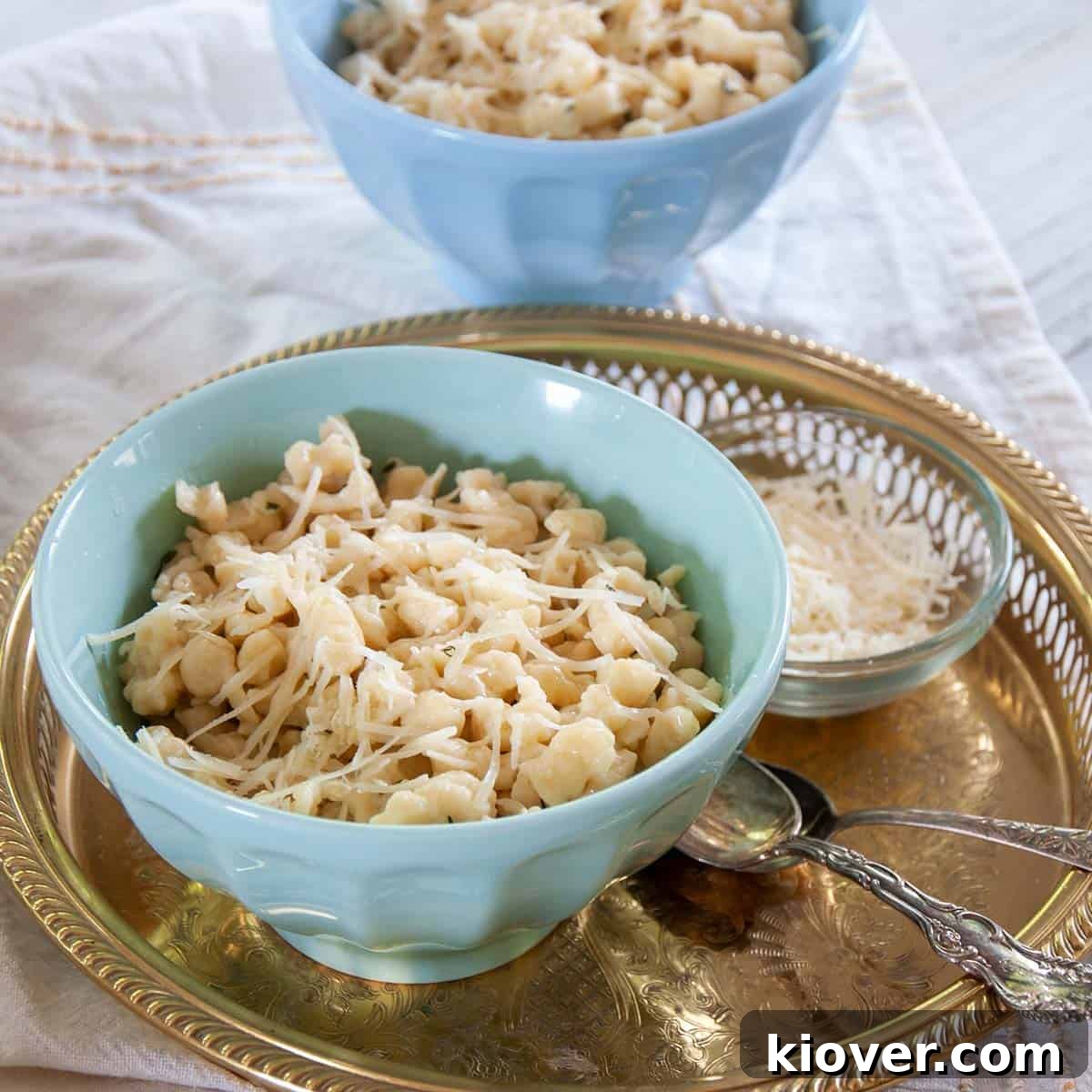
Embark on a culinary journey to the heart of Germany with this authentic and incredibly easy Spaetzle recipe. Often described as a delightful cross between pasta and dumplings, Spaetzle is a versatile and fun dish that promises to become a staple in your kitchen. Whether you’re seeking a unique side dish for a traditional German feast, a comforting standalone meal, or a creative alternative to macaroni, this homemade Spaetzle offers a fresh, satisfying experience. Master this simple technique today and bring the warmth of German cooking to your table in just minutes!
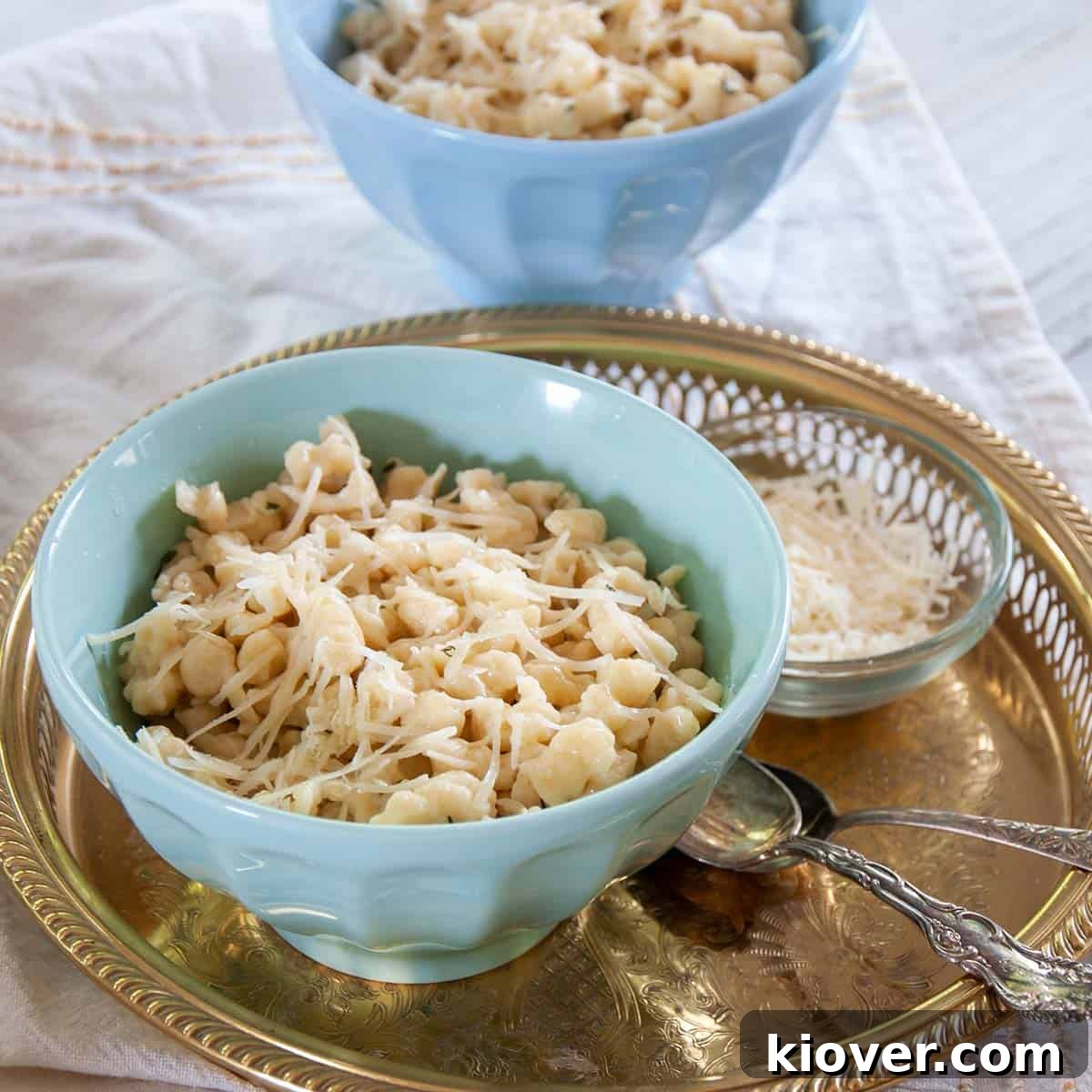
🇩🇪 Why This Authentic Spaetzle Recipe Stands Out
This traditional German Spaetzle recipe isn’t just another dish; it’s an invitation to experience the simplicity and profound flavors of authentic German home cooking. What truly sets this recipe apart is its incredible ease of preparation combined with a depth of flavor that rivals more complex culinary creations. In a world where convenience often compromises quality, this Spaetzle recipe delivers a truly homemade experience in a remarkably short amount of time.
Unlike many fresh pasta dishes that require extensive kneading and rolling, Spaetzle comes together with a simple batter, making it accessible even for novice cooks. Yet, it offers the satisfying chewiness and rich taste of fresh pasta. This unique characteristic makes Spaetzle an ideal choice when you crave something wholesome and handmade but are short on time. It transforms basic ingredients into something truly special, elevating your meal with minimal effort.
Beyond its ease, the versatility of Spaetzle is unparalleled. It can effortlessly adapt to various culinary roles – from a robust side dish that complements hearty meats like schnitzel or rouladen, to a comforting main course when simply pan-fried with butter and herbs. Imagine a quick, satisfying lunch that feels gourmet, or a comforting dinner that evokes nostalgic feelings. This recipe fits every bill, demonstrating its adaptability to both quick weekday meals and more elaborate weekend feasts.
Furthermore, this recipe is a celebration of German culinary heritage. For those with German roots, or simply an appreciation for European comfort food, Spaetzle connects you directly to a rich tradition. It’s a cornerstone of Swabian cuisine, representing centuries of flavor and technique. If you appreciate the rustic charm of dishes like Knoephla soup – featuring a similar, beloved dumpling – then this Spaetzle will feel like coming home. Serve it alongside a rich Rouladen or a crispy Pork Schnitzel, and you’ll understand why German recipes are cherished worldwide. This recipe isn’t just about making food; it’s about preserving and sharing a piece of delicious history.
Table of Contents
- 🇩🇪 Why This Authentic Spaetzle Recipe Stands Out
- 🥟 Understanding Spaetzle: German Dumplings or Noodles?
- 🥚 Simple Ingredients, Extraordinary Flavor
- 🍲 Mastering the Art of Spaetzle: Step-by-Step Instructions
- 🤷 Creative Substitutions and Flavorful Variations
- What if you don’t have a spaetzle maker?
- 📦 Storing Your Homemade Spaetzle
- 🎓 A Taste of History: The Story of Spaetzle
- ❓ Frequently Asked Questions (FAQ)
- 📝 Expert Tips and Tricks for Perfect Spaetzle
- 🛠 Essential Tools for Spaetzle Making
- 😋 Did you make this recipe?
- Traditional German Spaetzle Recipe
🥟 Understanding Spaetzle: German Dumplings or Noodles?
Spaetzle, sometimes spelled “Spätzle,” is a charming and distinctive dish originating from the southern regions of Germany, particularly Swabia. It gracefully occupies a culinary space somewhere between a dumpling and a small noodle, leading many to affectionately call it a “dumpling noodle.” While its preparation shares similarities with making simple egg noodles – primarily in its minimal ingredients – Spaetzle distinguishes itself with a unique method of formation and a delightfully irregular shape.
The beauty of Spaetzle lies in its rustic simplicity. The dough, or rather, the batter, is softer and looser than typical pasta dough, designed to be scraped or pressed into boiling water, resulting in tender, chewy morsels. These small, often irregularly shaped pieces are what give Spaetzle its characteristic charm and texture. They absorb flavors beautifully, making them an excellent accompaniment to a wide array of dishes.
Traditionally, Spaetzle serves as a comforting side dish, often paired with rich gravies, roasted meats, or iconic German main courses such as Easy Pork Schnitzel or Goulash. However, its versatility extends far beyond a mere side. It can effortlessly become the star of the meal. In this recipe, we explore a fundamental and delicious preparation: freshly made Spaetzle, pan-fried to golden perfection in fragrant butter and a hint of thyme, making it a simple yet utterly satisfying standalone dish.
Beyond traditional German pairings, Spaetzle can be a fantastic base for more experimental creations. Think of it as a blank canvas, much like macaroni pasta. Many enjoy using Spaetzle as the foundation for a decadent “Spaetzle and cheese,” a German take on mac and cheese, or tossed with seasonal vegetables and a light sauce. Its tender texture and ability to soak up flavors make it an incredibly adaptable ingredient that invites creativity in the kitchen.
🥚 Simple Ingredients, Extraordinary Flavor
One of the most appealing aspects of Spaetzle is its reliance on a handful of basic, everyday ingredients. This simplicity not only makes it incredibly easy to whip up but also ensures that the natural, wholesome flavors shine through. You don’t need exotic items or a lengthy shopping list to create something truly delicious and comforting. The core Spaetzle batter requires just four essential components:
- All-purpose flour: The foundation of our dumplings, providing structure and chewiness.
- Salt: Essential for seasoning the dough, enhancing all other flavors.
- Large eggs: These bind the ingredients, add richness, and contribute to the Spaetzle’s distinctive golden hue and tender texture.
- Whole milk: Adds moisture and richness to the batter, creating a smooth consistency.
For the suggested simple fried Spaetzle preparation, we introduce a few additional elements to elevate the dish:
- Butter: For pan-frying, imparting a rich, nutty flavor and a beautiful golden crust.
- Dried thyme (or fresh snipped thyme): Aromatic herb that adds a wonderful earthy note.
- Parmesan cheese: An optional topping that provides a salty, umami finish, though other cheeses work beautifully too.
- Additional salt and pepper: To season to your personal preference after cooking.
The magic of these simple ingredients lies in their combination and preparation. With such a minimalist list, the quality of each component truly matters. Using fresh, good-quality eggs and milk will make a noticeable difference in the final taste and texture of your Spaetzle. The beauty of this recipe is its transparency – allowing these humble ingredients to create an extraordinary culinary experience. Refer to the detailed recipe card below for precise quantities and comprehensive instructions for crafting this delightful dish.
🍲 Mastering the Art of Spaetzle: Step-by-Step Instructions
Crafting homemade Spaetzle is a rewarding process that is surprisingly straightforward. The key lies in understanding the batter’s consistency and the cooking method. Follow these detailed steps to create perfectly tender and flavorful German dumplings.
Preparing the Spaetzle Batter
The foundation of great Spaetzle is its unique batter. Unlike a stiff pasta dough, Spaetzle batter is more akin to a very heavy pancake batter – thick, yet pourable or spoonable. It’s designed to be pushed through a Spaetzle maker or scraped into boiling water.
- Bring Water to a Rolling Boil: Start by filling a large pot with generously salted water. The salt is crucial for seasoning the Spaetzle as it cooks. Bring this to a vigorous boil while you prepare your batter.
- Combine Dry Ingredients: In a large mixing bowl, whisk together the all-purpose flour and salt until well combined. This ensures the salt is evenly distributed throughout the finished product.
- Incorporate Wet Ingredients: Create a well in the center of your dry ingredients. Crack the large eggs into the well, then pour in the whole milk.
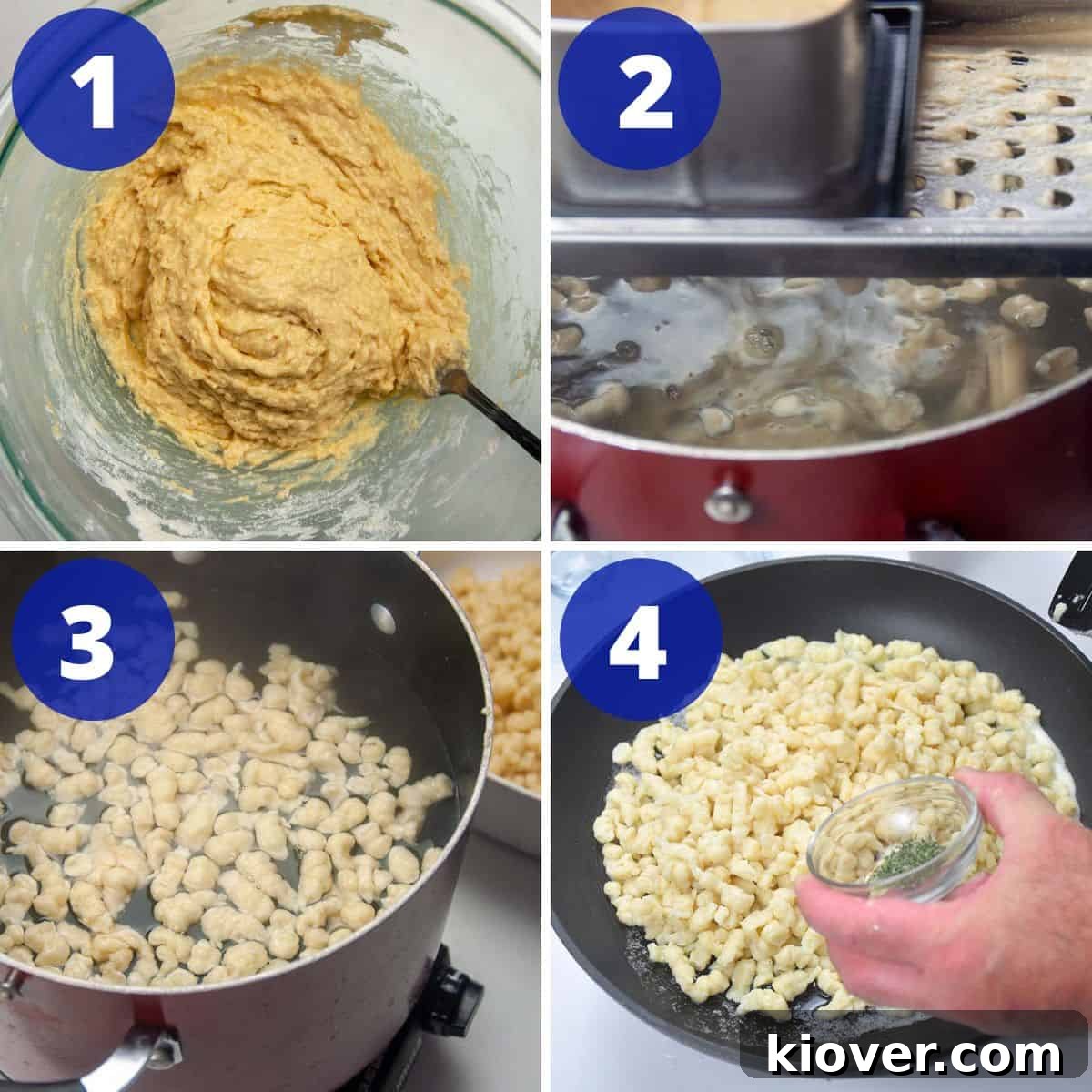
- Mix Until Smooth: Using a sturdy spoon or a whisk, gradually incorporate the wet ingredients into the dry, mixing until a smooth, thick batter forms. Avoid overmixing, but ensure there are no dry pockets of flour. The batter should be sticky and elastic, pulling away from the sides of the bowl slowly when lifted. Its consistency is critical – it should be thick enough not to flow freely through the holes of a Spaetzle maker but thin enough to be pushed through with moderate effort.
Forming and Cooking the Spaetzle
This is where the magic happens! While traditionally a Spaetzle board (a flat wooden board) and a straight edge were used to cut small pieces of batter directly into boiling water, modern kitchen tools make the process much simpler and more consistent.
- Utilize Your Spaetzle Maker: If you have a dedicated Spaetzle Maker, position it directly over the pot of boiling water. Spoon a portion of the batter into the maker’s hopper. Move the hopper back and forth across the grater, allowing the batter to drop through the holes into the boiling water below. The resulting dumplings should be roughly the size and shape of a solid macaroni noodle or large orzo pasta.
- Cook Until Floating: The Spaetzle will cook very quickly. As soon as the dumplings float to the surface of the boiling water, they are done. This usually takes only 1-2 minutes. Do not overcrowd the pot; cook in batches if necessary to maintain water temperature and ensure even cooking.
- Remove and Drain: Once the Spaetzle floats, promptly remove them from the water using a slotted spoon or a fine-mesh sieve. Transfer the cooked Spaetzle to a covered dish to keep them warm while you continue with the remaining batter. If you are making a large quantity, you might need to pause halfway through adding batter to remove already cooked Spaetzle to prevent them from becoming overcooked or mushy.
Serving Suggestion: Pan-Fried Buttered Spaetzle
While freshly boiled Spaetzle can be eaten immediately, its true potential for flavor and texture often comes alive with a quick pan-fry. This simple preparation adds a delightful crispiness and richness.
- Melt Butter in a Pan: Once all your Spaetzle is cooked and set aside, heat a large frying pan or skillet over medium-high heat. Add a generous amount of butter (about 4 tablespoons, or more if desired) and allow it to melt and lightly brown, developing a nutty aroma.
- Add Flavorings: To the melted butter, add your optional dried thyme (or fresh snipped thyme) and a generous pinch of freshly ground black pepper. Stir briefly to allow the herbs to release their fragrance.
- Fry the Spaetzle: Add the cooked Spaetzle to the hot pan. Toss gently to coat the dumplings evenly in the butter and herbs. Allow them to fry for 3 to 5 minutes, stirring occasionally, until they achieve your desired level of golden crispiness. Some prefer them lightly browned, while others enjoy a more pronounced crispy exterior.
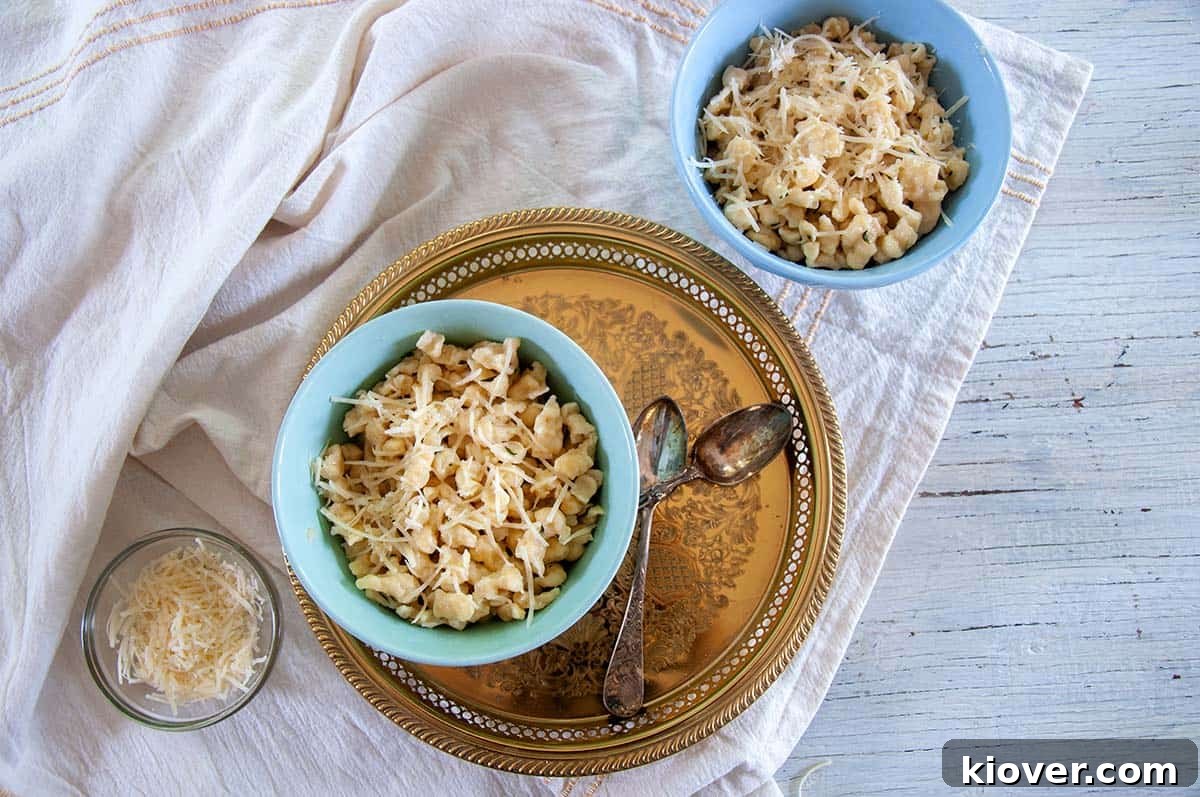
- Season and Serve: Taste and adjust seasoning with additional salt and pepper as needed. Finally, sprinkle generously with freshly grated Parmesan cheese (or your cheese of choice) just before serving. Serve immediately as a comforting side or a satisfying light meal.
🤷 Creative Substitutions and Flavorful Variations
One of the true joys of Spaetzle is its remarkable adaptability. While the basic recipe yields a classic, comforting dish, don’t hesitate to experiment with substitutions and variations to tailor it to your dietary needs or flavor preferences. Here are some ideas to inspire your culinary creativity, based on common practices and delicious alternatives:
- Herb Infusions for Fried Spaetzle: The classic pan-fried Spaetzle is often prepared with butter and a touch of thyme, but this is just a starting point. Feel free to explore other herbs that complement German flavors or your main course. Fresh sage, marjoram, chives, or parsley can all add distinct aromatic notes. Consider a blend of herbs for a more complex profile. For an extra punch, a finely minced garlic clove can be sautéed with the butter before adding the Spaetzle.
- Nutmeg – A Traditional Touch: Many traditional Spaetzle recipes, especially from the Swabian region, often call for a pinch of freshly grated nutmeg in the batter. This spice adds a warm, subtly earthy, and sometimes sweet undertone that many find delightful. If you enjoy its flavor, feel free to add about ¼ to ½ teaspoon of grated nutmeg to your dry ingredients alongside the flour and salt. If you prefer a more neutral base, as in this recipe, it’s perfectly fine to omit it.
- Cheese Spaetzle (Käsespätzle): This is perhaps the most famous variation, akin to a German macaroni and cheese. While Parmesan cheese makes a wonderful topping for simple fried Spaetzle, creating a true Käsespätzle involves layering the cooked Spaetzle with different cheeses and often caramelized onions. Excellent cheese choices for Käsespätzle include Emmental, Gruyère, Swiss, or even a sharp cheddar or Gouda. For a quick cheese Spaetzle, simply toss the hot, boiled Spaetzle with plenty of shredded cheese and a splash of milk or cooking water until melted and creamy. Serve immediately, perhaps topped with crispy fried onions.
- Sweet Spaetzle (Süße Spätzle): While most commonly savory, Spaetzle can also be transformed into a delightful sweet dish. By omitting the salt from the batter and adding a tablespoon of sugar, the Spaetzle can then be boiled, drained, and pan-fried with butter, cinnamon, and sugar. It can be served with stewed fruits, applesauce, or a sprinkle of powdered sugar for a unique dessert or breakfast item.
- Gluten-Free Spaetzle: For those with gluten sensitivities, experimenting with gluten-free flour blends designed for baking can yield good results. Look for blends that mimic the properties of all-purpose flour. The texture might be slightly different, but the method remains the same.
- Vegan Alternatives: To make Spaetzle vegan, substitute eggs with a suitable egg replacer (such as flax eggs or commercial egg substitutes) and whole milk with a non-dairy alternative like unsweetened almond milk or soy milk. Ensure your butter for frying is also plant-based.
- Adding Vegetables: For a more complete meal, you can easily incorporate finely diced vegetables like spinach, carrots, or even sweet potatoes into the batter for added nutrients and color. Alternatively, sauté sliced mushrooms, bell peppers, or onions with the Spaetzle during the frying stage.
The beauty of homemade Spaetzle is its inherent flexibility. Don’t be afraid to make this recipe your own by exploring these variations or inventing new ones based on your palate and pantry staples.
What if you don’t have a spaetzle maker?
While a dedicated Spaetzle maker undeniably simplifies the process and helps create consistent shapes, its absence shouldn’t deter you from enjoying homemade Spaetzle. Historically, Spaetzle was made long before specialized gadgets existed, relying on ingenious, low-tech methods. Here are a few effective alternatives if you don’t own a Spaetzle maker:
- The Classic Spaetzle Board and Scraper Method: This is the traditional way many German grandmothers made Spaetzle. You’ll need a flat, smooth surface, like a wooden cutting board, and a straight-edged implement, such as a bench scraper, a wide metal spatula, or even a dull knife.
- Place the cutting board over your pot of boiling water.
- Spoon a portion of the thick Spaetzle batter onto the board.
- Using the straight edge, quickly scrape small, irregular pieces of the batter directly into the boiling water. The goal is to make quick, decisive cuts or pushes that allow small blobs to drop into the water. This method yields the most rustic, authentic-looking Spaetzle with varying shapes and sizes, which many consider part of its charm.
- Using a Colander or Large-Holed Strainer: This is a common and highly effective workaround. You’ll need a colander or a sturdy metal strainer with holes that are large enough for the batter to pass through, but not so large that it just pours out in one stream. A fine-mesh strainer will not work here.
- Place the colander or strainer directly over the pot of boiling water.
- Spoon a portion of the Spaetzle batter into the colander.
- Using a rubber spatula, spoon, or the back of a ladle, firmly press and scrape the batter through the holes into the boiling water. This method creates more uniform, worm-like Spaetzle.
- The Perforated Spoon/Skimmer Method: If you have a large slotted spoon or a skimmer with medium-sized holes, you can also use this in a pinch.
- Hold the perforated spoon just above the boiling water.
- Spoon a small amount of batter onto the spoon.
- Using another spoon or your finger, gently push the batter through the holes into the water. This is a slower method but can work for small batches.
- Pastry Bag (or Ziploc Bag) Method: For a more controlled approach, you can put the Spaetzle batter into a pastry bag with a round tip (or a sturdy Ziploc bag with a small corner snipped off).
- Pipe thin streams or small drops of batter directly into the boiling water. This allows for very consistent shapes, similar to noodles or tiny dumplings.
While these alternatives are perfectly viable, it’s worth noting that if you find yourself making Spaetzle frequently and truly enjoy the process, investing in an inexpensive Spaetzle maker is highly recommended. It streamlines the task, offers consistency, and makes the overall experience much more enjoyable.
📦 Storing Your Homemade Spaetzle
One of the beauties of homemade Spaetzle is its fresh, tender texture and delicate flavor when served immediately after cooking and a quick pan-fry. This is truly when it shines and offers the most satisfying culinary experience. The recipe is designed to be so simple and quick to prepare that making it fresh for each meal is often the most appealing option.
However, if you happen to have leftovers or wish to prepare a larger batch for convenience, Spaetzle can be stored and reheated. While the texture may not be quite as perfectly tender as fresh, it will still be delicious and comforting.
- Refrigeration: Cooked Spaetzle can be stored in an airtight container in the refrigerator for up to 3-4 days. To reheat, you can pan-fry it again with a bit of butter until heated through and slightly crispy, or warm it gently in a microwave. Pan-frying is generally preferred as it helps restore some of its texture.
- Freezing (for longer storage): While I personally prefer Spaetzle fresh due to its ease of preparation, it is possible to freeze it for longer storage.
- Par-cook and cool: Boil the Spaetzle as instructed, then immediately plunge it into an ice bath to stop the cooking process. This helps prevent it from becoming mushy upon thawing. Drain thoroughly.
- Flash freeze: Spread the cooled Spaetzle in a single layer on a parchment-lined baking sheet. Place it in the freezer for about 1-2 hours, or until individual pieces are frozen solid. This step prevents the Spaetzle from clumping together.
- Store: Transfer the flash-frozen Spaetzle to a freezer-safe bag or airtight container. It can be stored in the freezer for up to 2-3 months.
- Reheating from frozen: You can typically add frozen Spaetzle directly to a hot, buttered pan to fry until heated through and golden, or drop it into boiling water for a minute or two until warmed. Avoid overcooking, as this can make it gummy.
Even with storage, it’s worth reiterating that the true charm of Spaetzle lies in its fresh preparation. Given its minimal ingredients and quick cooking time, consider enjoying this delightful dish at its peak whenever possible.
🎓 A Taste of History: The Story of Spaetzle
The culinary landscape is often shaped by the ingredients available and the necessities of daily life, and Spaetzle offers a fascinating glimpse into this historical interplay. This beloved German dumpling-noodle shares a deep-rooted heritage with other rustic European staples, particularly with the larger Knöpfle dumplings, often distinguished mainly by their slightly larger size and rounder shape.
Spaetzle’s origins are firmly planted in Swabia, a historical and cultural region spanning parts of modern-day southwestern Germany (including Baden-Württemberg and Bavaria), as well as parts of Switzerland, Alsace (France), and Austria. This region, encompassing much of the land around the Rhine River, is renowned for its hearty, comforting cuisine, and Spaetzle is arguably its most iconic contribution.
The earliest documented mention of Spaetzle dates back to the 18th century, though its preparation likely existed long before formal records. The very name “Spätzle” is believed to derive from “Spatz,” the German word for sparrow, possibly referring to the small, irregular shape of the dumplings resembling little birds, or the hand-squeezing method used to form them, which might have looked like squeezing a little bird. Another theory suggests it comes from “Spänle,” meaning small splinters, referring to the way they were scraped off a board.
The historical context of Spaetzle is deeply tied to the availability of grains. Spelt, an ancient grain closely related to wheat, played a significant role in its early development. Spelt was highly valued because it could thrive even in poorer soil conditions, making it a reliable and accessible crop for local populations. This resilience meant that spelt flour was often a staple, particularly for less affluent households.
When pared back to its most basic form – just flour and water, rather than the richer inclusion of milk and eggs – Spaetzle was a truly “reachable” recipe for the working class and rural communities. It was a simple, nourishing dish that provided sustenance with minimal cost and effort. The ease of its preparation and the readily available ingredients made it a cornerstone of the peasant diet, providing essential carbohydrates and a satisfying bulk to meals.
As time progressed and agricultural practices improved, ingredients like eggs and milk became more widely available and affordable. This allowed for the evolution of Spaetzle from a strictly utilitarian dish to one embraced by all social classes. The addition of eggs lent the Spaetzle a richer flavor and a more tender, elastic texture, while milk contributed to a smoother batter and a more luxurious mouthfeel. Butter, once a luxury, also became an integral part of its preparation, especially for pan-frying, adding a depth of flavor and a delightful golden crispness that the original, austere version lacked.
Today, Spaetzle remains a cherished part of German culinary identity, enjoyed in countless households and restaurants. Its journey from a humble peasant food to a beloved national dish underscores its enduring appeal and delicious versatility. Making Spaetzle from scratch is not just cooking; it’s participating in a centuries-old tradition, bringing a piece of German history to your modern kitchen.
❓ Frequently Asked Questions (FAQ)
The most common American pronunciation is “Spat-zuhl” or “Spat-sill.” In German, it’s pronounced with a softer “ä” sound, closer to “Shpayt-zleh,” with the “tz” sounding like “ts.” For simplicity, “Spat-zuhl” is widely understood.
Absolutely! While a Spaetzle maker makes the process easier, traditional methods involved scraping the batter off a cutting board with a straight edge directly into boiling water. You can also use a colander or a large-holed strainer and a rubber spatula to push the batter through. See our detailed section on “What if you don’t have a Spaetzle maker?” for more tips.
Yes, Spaetzle can be frozen. For best results, par-cook and cool the Spaetzle, then flash freeze them on a baking sheet before transferring to a freezer-safe bag. They can be stored for up to 2-3 months. However, given how quick and easy this recipe is to make fresh, many prefer to enjoy it right away for optimal texture.
Spaetzle uniquely blurs the line between a dumpling and a pasta. It has the simple ingredients and preparation method similar to fresh egg pasta but the soft, chewy texture and often irregular shape of a dumpling. Many consider it a type of soft egg noodle or a small, tender dumpling, hence the common description “dumpling-noodle.”
Spaetzle batter is meant to be quite sticky and thick, much like a very heavy pancake batter, rather than a firm dough. This consistency is essential for it to be pushed or scraped through a Spaetzle maker or strainer into boiling water. If it’s too runny, it will dissolve; if it’s too stiff, it won’t pass through easily. If you find it excessively sticky and difficult to work with, you might add a touch more flour; if too stiff, a splash more milk.
Spaetzle is incredibly versatile. It’s most famously served as a side dish with German roasts, stews, or schnitzel, often with a rich gravy. It’s also delicious pan-fried with butter and herbs (as in this recipe), or transformed into “Käsespätzle” (cheese Spaetzle) by layering it with cheese and caramelized onions. It can also be a creative alternative to macaroni in casseroles or simply tossed with vegetables.
📝 Expert Tips and Tricks for Perfect Spaetzle
Achieving perfectly tender and flavorful Spaetzle is easy with a few key considerations. These tips and tricks will help you navigate the nuances of the recipe and ensure your homemade German dumplings are a resounding success every time.
- Batter Consistency is Key: This is arguably the most crucial aspect of Spaetzle making. The batter should be thick, sticky, and elastic, resembling a very heavy pancake batter or thick cake batter. It shouldn’t be runny enough to pour freely through the holes of your Spaetzle maker. Instead, it should require some pushing or scraping. If your batter seems too thin, add a tablespoon of flour at a time until the desired consistency is reached. If it’s too thick and won’t pass through, add a teaspoon of milk. Remember that different flours and egg sizes can affect absorption, so adjust as needed.
- Don’t Skimp on Salted Water: Just like with pasta, generously salting your boiling water is essential for seasoning the Spaetzle from the inside out. This makes a significant difference to the final flavor of the dumplings. The water should taste noticeably salty, similar to seawater.
- Cook in Batches: Avoid overcrowding your pot of boiling water. Dropping too much batter at once will significantly lower the water temperature, leading to unevenly cooked or gummy Spaetzle. Cook in small to medium batches, ensuring the water returns to a rolling boil between additions. Remove cooked Spaetzle promptly with a slotted spoon as they float to the surface.
- The Right Tool for the Job (or a clever alternative): While a dedicated Spaetzle maker (like a press, board, or hopper-style grater) is ideal for consistent results and ease, don’t let its absence stop you. As mentioned, a colander with larger holes and a rubber spatula, or the traditional cutting board and scraper method, are excellent alternatives. Experiment to find what works best for you.
- Experiment with Herbs and Spices: While this recipe suggests thyme for pan-frying, Spaetzle is highly versatile. Consider other fresh or dried herbs like sage, rosemary, oregano, chives, or parsley. For a traditional touch, a pinch of freshly grated nutmeg can be added to the batter, lending a subtle warmth and aroma.
- Don’t Overcook: Spaetzle cooks very quickly – usually just 1-2 minutes after they float to the surface. Overcooked Spaetzle will become mushy and lose its pleasant chewiness. Remove them as soon as they float.
- Keep Warm and Covered: As you remove cooked Spaetzle in batches, place them in a covered dish or bowl. This will keep them warm and prevent them from drying out while you finish the rest of the batch, ensuring they retain their tender texture until you’re ready for the next step (like frying).
- Serving Size Adjustment: This recipe yields about 4 servings as a side dish. If you’re serving Spaetzle as a main course or catering to very hearty eaters, consider doubling the recipe to ensure everyone gets their fill of these delicious dumplings.
- Pan-Frying for Texture: While boiled Spaetzle is tasty, a quick pan-fry in butter is highly recommended. It adds a beautiful golden crust, a nutty flavor, and prevents the dumplings from sticking together. Don’t be afraid to let them get nicely browned and slightly crispy.
With these tips in mind, you’re well on your way to preparing perfect homemade German Spaetzle that will impress family and friends alike!
🛠 Essential Tools for Spaetzle Making
While you can certainly improvise with common kitchen tools for making Spaetzle, having the right equipment can significantly enhance the ease and efficiency of the process. Here are a few recommended products that make crafting homemade Spaetzle a breeze:
- Spaetzle Maker: This specialized tool is designed to effortlessly press or grate the batter directly into boiling water, ensuring uniform dumplings and making the process quick and clean. Various types exist, including hopper-style graters and handheld presses.
- Slotted Spoon: An essential tool for safely and efficiently removing the cooked Spaetzle from the boiling water. A large slotted spoon or spider strainer will allow you to quickly scoop out the dumplings while leaving the water behind.
- Large Mixing Bowl: A sturdy bowl is needed to prepare the Spaetzle batter.
- Large Pot: For boiling the salted water. A pot with a capacity of at least 4-6 quarts is ideal to prevent overcrowding.
- Frying Pan or Skillet: A good quality frying pan (preferably non-stick or cast iron) is perfect for pan-frying the boiled Spaetzle to a golden, crispy finish.
Investing in a Spaetzle maker can be a game-changer if you plan to make this dish regularly, but rest assured, delicious Spaetzle is achievable even with basic kitchen essentials.
😋 Did you make this recipe?
That’s wonderful! Thank you for choosing this traditional German Spaetzle recipe to bring authentic flavors into your home. Your feedback helps us grow and assists other home cooks in discovering delicious new dishes. If you enjoyed preparing and tasting this recipe, please consider leaving a rating and comment below. We love hearing about your culinary successes and any unique twists you might have added!
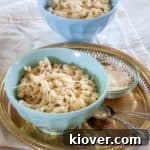
Traditional German Spaetzle
5 from 2 reviews
- Author: Ben Myhre
- Prep Time: 5 minutes
- Cook Time: 10 minutes
- Total Time: 15 minutes
- Yield: 4 Servings
- Category: Dumplings
- Method: Boil
- Cuisine: German
Description
Do yourself a favor and learn how to make this Traditional German Spaetzle recipe a try! Somewhere between dumplings and pasta, this dish is easy to make, versatile, and so tasty.
Ingredients
- 2 cups all-purpose flour
- 1 teaspoon salt
- 4 large eggs
- ½ cup whole milk
- 4 Tablespoons butter for serving
- ½ teaspoon dried thyme or 1 tablespoon fresh snipped thyme (optional)
- Parmesan cheese for topping (optional)
- 1 teaspoon Salt, or to taste
- ½ teaspoon pepper, or to taste.
Instructions
- Bring large pot of salted water to boil. Ensure the water is generously salted for flavor.
- While water is heating, mix flour and salt in a large bowl until well combined.
- Add eggs and milk to the flour mixture and combine well. Mix until the batter is smooth, thick, and resembles a very heavy pancake batter. It should be sticky and elastic.
- Add batter to spaetzle maker hopper (or use a similar tool like a colander and spatula, or a cutting board and scraper – see notes).
- Push batter through spaetzle maker into the boiling water. The drops should be about the size of a solid macaroni noodle or a large orzo pasta. Cook in batches if necessary to avoid overcrowding.
- Once spaetzle is floating on top of the water (this takes 1-2 minutes), remove immediately with a slotted spoon and place in a covered container to keep warm.
- Once all noodles are done, optionally heat butter in a pan over medium-high heat. This step and subsequent steps are for serving the Spaetzle pan-fried as a stand-alone dish.
- Add thyme (optional), pepper, and season with any more salt you might want to the melted butter in the pan.
- Add cooked spaetzle and heat until desired temperature and crispiness are achieved, stirring occasionally to get a golden-brown crust. Top with Parmesan cheese if desired and serve immediately.
Notes
- There are a few different kinds of Spaetzle makers. If you don’t have one, you might be able to get away with a large-holed strainer and using a rubber spatula to push the batter through, or using a cutting board and scraper for a more rustic approach.
- I use thyme for pan-frying, but many other herbs such as sage, marjoram, or oregano would work equally well.
- Batter consistency is crucial: Not all flour and eggs are the same, so your batter might have slight differences. Feel free to add more milk (teaspoon by teaspoon) or flour (tablespoon by tablespoon) to manipulate the consistency to match that of a very heavy pancake batter. When placed in the Spaetzle maker hopper, the batter should not be freely flowing through the holes. It should be thick enough where it only passes through as you actively push or scrape the hopper back and forth.
- If you are using this as a main dish or are serving very hearty eaters, consider doubling the recipe.
Nutrition
- Serving Size: 1 cup
- Calories: 407 calories
- Sugar: 1 g
- Sodium: 653 mg
- Fat: 18 g
- Saturated Fat: 9 g
- Unsaturated Fat: 9 g
- Trans Fat: 0 g
- Carbohydrates: 45 g
- Fiber: 2 g
- Protein: 13 g
- Cholesterol: 216 mg