
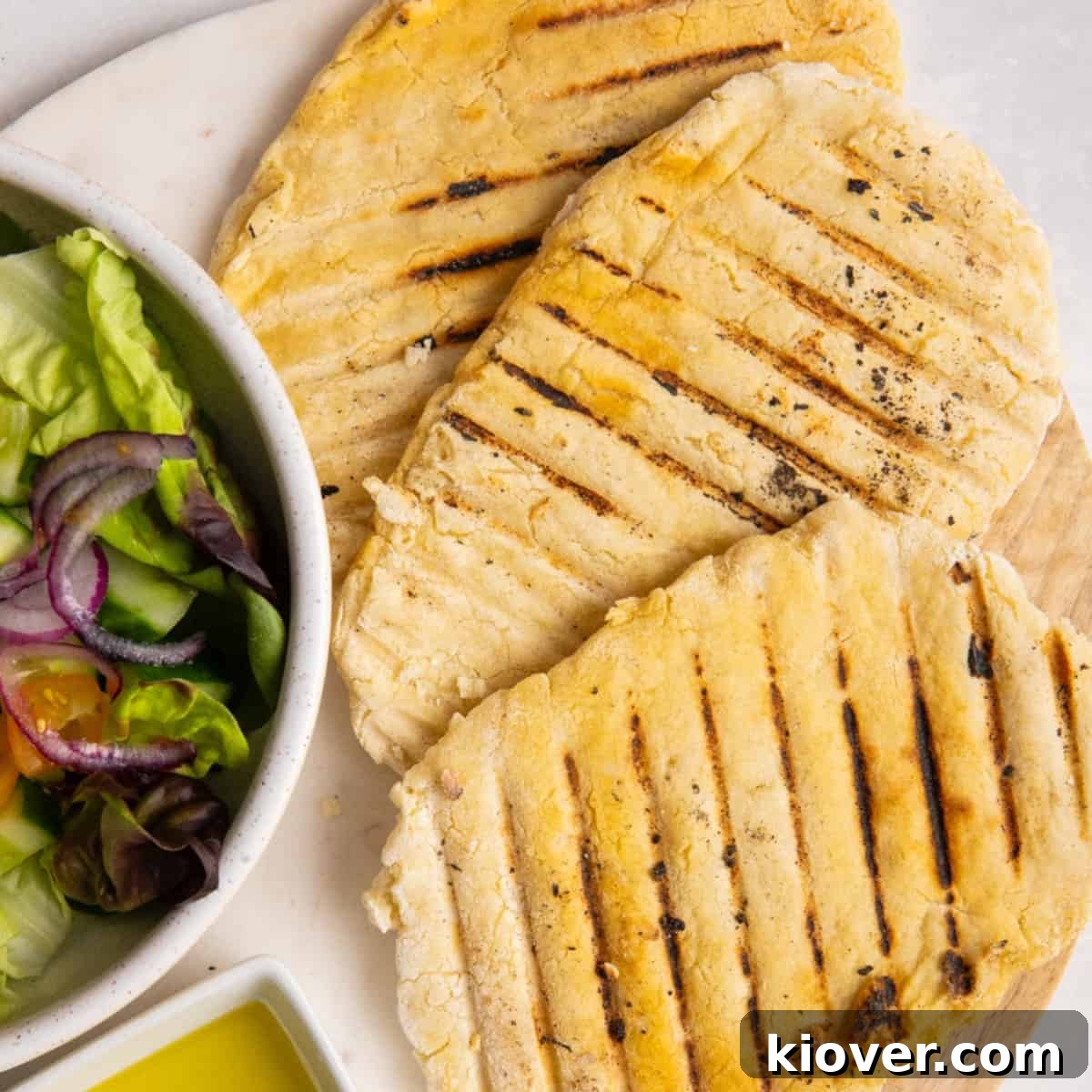
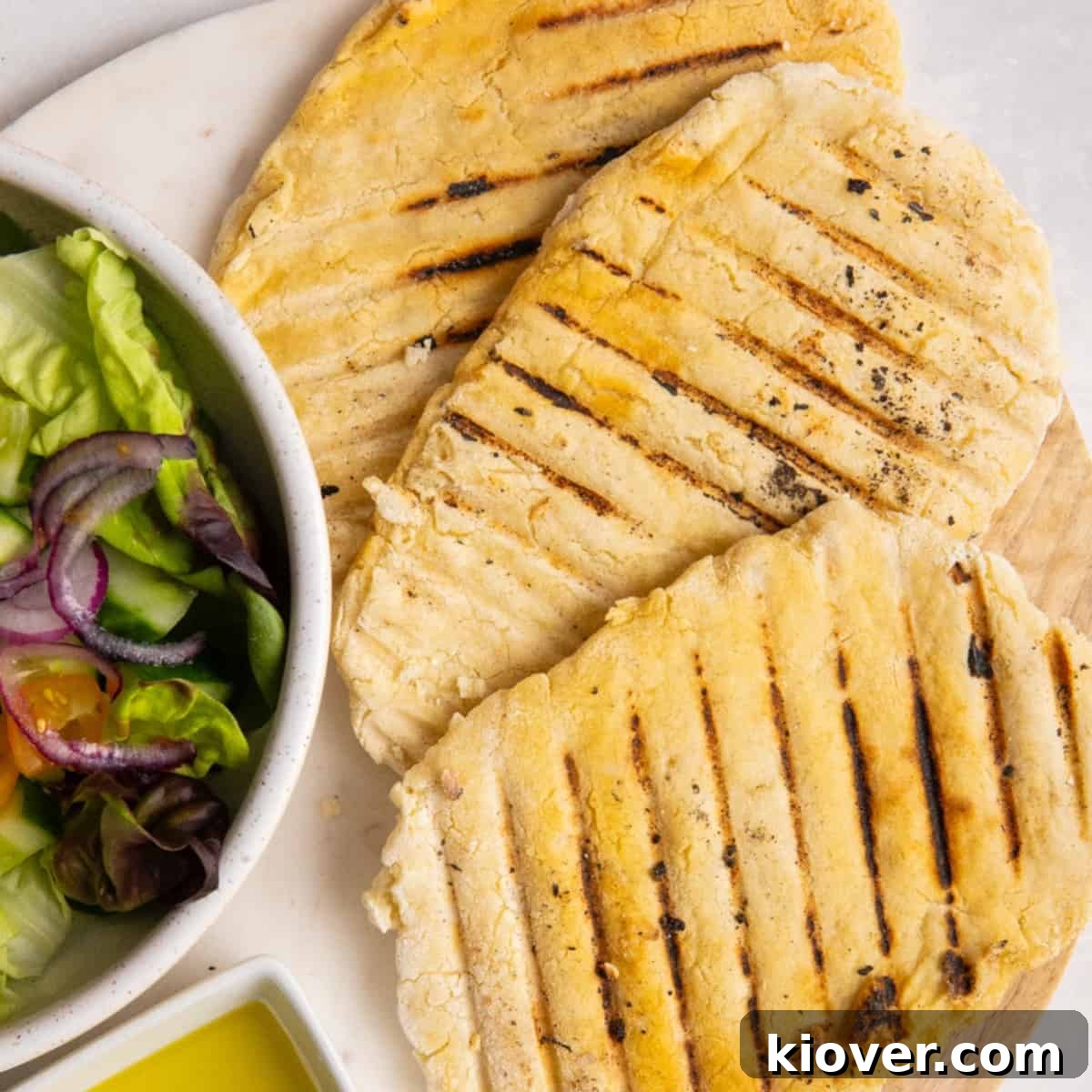
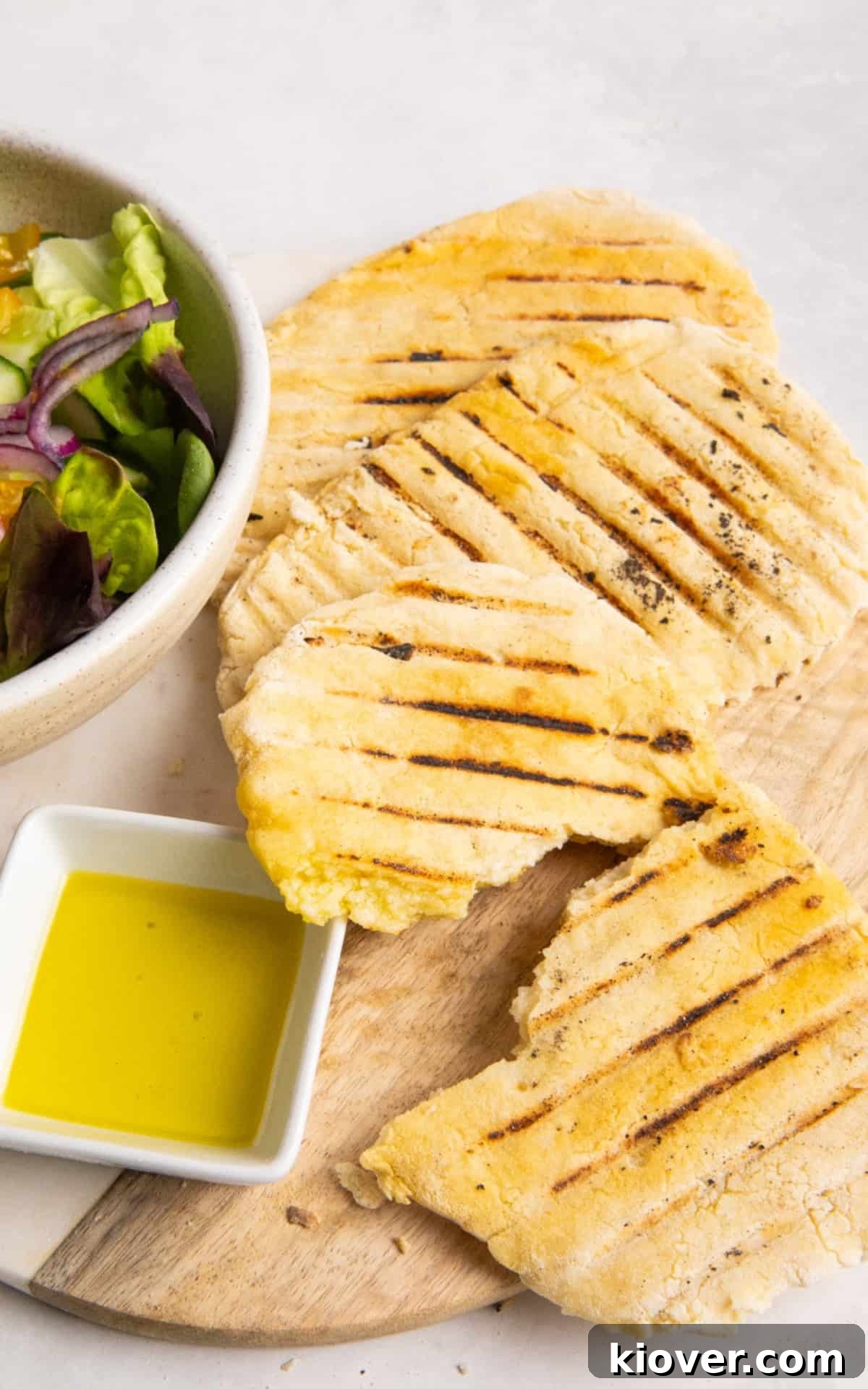
Craving a warm, fluffy flatbread but need it to be gluten-free? Look no further! This incredibly simple Gluten-Free Flatbread recipe is a game-changer, requiring just 3 core ingredients and coming together in under 10 minutes. Forget complex baking techniques or lengthy proofing times; these flatbreads are so easy to make, even novice bakers will achieve perfect results. Beyond their effortless preparation, they are wonderfully versatile, serving as an ideal companion for a myriad of dishes, from rich stews to vibrant salads.
Recipe Difficulty – Very Easy
Table of Contents
- Why You’ll Love This Easy Gluten-Free Flatbread Recipe
- The Magic Behind 3-Ingredient Gluten-Free Flatbreads
- Key Ingredients for Your Perfect Gluten-Free Flatbread
- Smart Substitutions for Every Diet
- Exciting Variations to Elevate Your Flatbread
- Step-by-Step Guide: How to Make Gluten-Free Flatbread
- Expert Tips for Flawless Gluten-Free Flatbread
- Storage and Reheating Your Delicious Leftovers
- Frequently Asked Questions About Gluten-Free Flatbread
- Serving Suggestions: What to Enjoy with Your Flatbread
- More Gluten-Free Bread & Accompaniment Recipes
- Rate It & Connect With Us
- Gluten Free Flatbread Recipe Card
Why You’ll Love This Easy Gluten-Free Flatbread Recipe
These gluten-free flatbreads are nothing short of amazing. Their light, airy texture and slightly chewy bite make them utterly irresistible. Unlike many gluten-free bread options that can be dense or crumbly, these flatbreads are perfectly soft, offering a delightful experience with every bite. They are incredibly versatile, making them perfect for dipping into a variety of flavorful concoctions like hearty soups, creamy Butterbeans, aromatic Garlic Hummus, or vibrant Beetroot Hummus. Beyond dipping, they serve as an excellent side for any salad, curry, or grilled dish, transforming a simple meal into something truly special.
What sets this particular recipe apart is its incredible simplicity. You don’t need any special baking skills or complex equipment. The secret lies in the use of yogurt, which contributes to their beautifully soft and tender texture. Many people are initially surprised by yogurt as a flatbread ingredient, but it’s precisely what makes these gluten-free flatbreads so exceptional, delivering a doughy interior that’s still perfectly pliable and tearable. This recipe truly proves that delicious gluten-free baking can be both quick and approachable for everyone.
The Magic Behind 3-Ingredient Gluten-Free Flatbreads
The beauty of this recipe lies in its minimalist approach, leveraging the power of just three core ingredients to create something truly delicious. While many traditional bread recipes involve yeast, proofing, and multiple steps, this gluten-free version streamlines the process dramatically. The combination of self-raising flour (or regular flour with leavening), creamy yogurt, and a touch of olive oil creates a dough that’s easy to handle and cooks quickly. The yogurt acts as a tenderizer and provides moisture, reacting with the leavening agent in the flour to create those lovely pockets of air that make flatbreads so enjoyable. This method eliminates the need for yeast, cutting down significantly on preparation time and making it an ideal choice for busy weeknights or impromptu gatherings. The result is a fresh, homemade flatbread that tastes far more complex than its simple ingredient list suggests.
Key Ingredients for Your Perfect Gluten-Free Flatbread
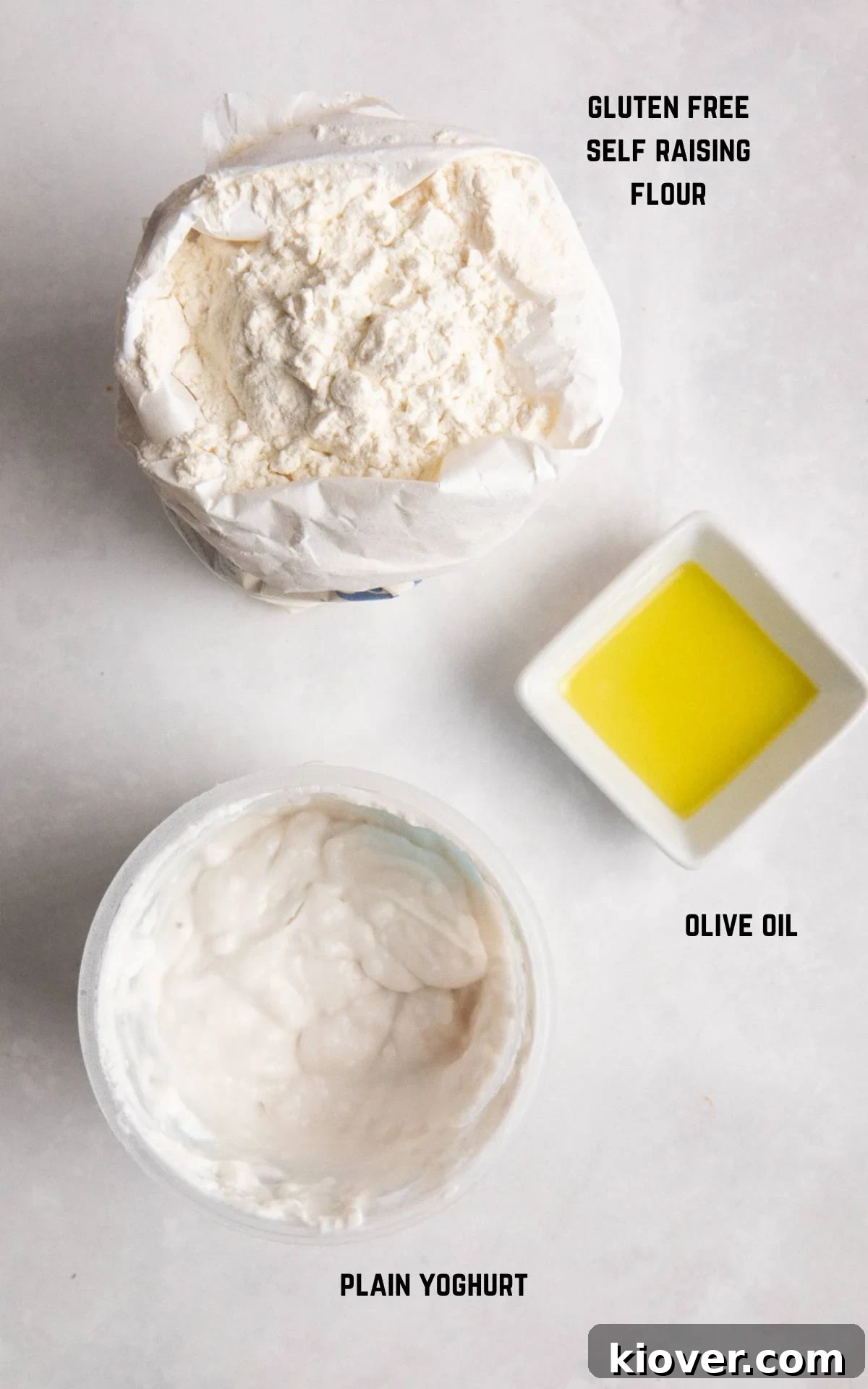
Each ingredient plays a vital role in achieving the perfect texture and flavor for these delightful gluten-free flatbreads.
- Gluten-Free Self-Raising Flour: This is the foundation of our flatbreads. Self-raising flour already contains a leavening agent, which helps the flatbreads to become light and fluffy without the need for additional yeast. It’s readily available in most major grocery stores. If you find yourself with extra, it’s also excellent for recipes like Gluten-Free Doughnuts.
- Plain Yoghurt: This is truly the hero ingredient! Yogurt adds incredible moisture and tenderness to the dough, creating that desirable soft, doughy, and tearable texture. For a dairy-free option, plain Greek or coconut yogurt works wonderfully, ensuring the flatbreads remain suitable for various dietary needs while maintaining their signature soft quality.
- Olive Oil: A touch of olive oil not only imparts a subtle, pleasant flavor but also contributes to the dough’s elasticity and the finished flatbread’s softer texture. It helps prevent the flatbread from becoming dry and adds a rich undertone. Any neutral-flavored oil can be used, but olive oil provides the best flavor.
- Pinch of Salt (Optional but Recommended): While technically optional, a small pinch of salt significantly enhances the overall flavor profile of the flatbread. It balances the taste and brings out the subtle notes of the other ingredients, making the flatbreads even more delicious and addictive.
These simple ingredients, when combined, create a harmonious blend that results in a perfectly balanced and quick-to-make gluten-free flatbread.
Smart Substitutions for Every Diet
One of the best aspects of this easy gluten-free flatbread recipe is its adaptability. Don’t have an ingredient on hand, or catering to specific dietary needs? No problem! Here are some smart substitutions that will ensure your flatbreads turn out delicious every time:
- Gluten-Free Self-Raising Flour Alternatives:
- Regular Self-Raising Flour: If you’re not following a gluten-free diet, regular self-raising flour can be used interchangeably, yielding equally fantastic results.
- Plain Flour with Leavening: No self-raising flour? You can easily make your own by combining plain (all-purpose) flour with a leavening agent. For every 1 cup (approximately 120g) of plain flour, mix in 1 ½ teaspoons of baking powder and a ¼ teaspoon of salt. This will give your flatbread the necessary lift and a slightly different, but still delicious, texture.
- Almond Flour or Coconut Flour: While these flours are gluten-free, they behave very differently in baking due to their high absorbency. Substituting them directly for gluten-free self-raising flour in this recipe is not recommended without significant adjustments to the liquid content and potentially other binders. Stick to gluten-free self-raising blends for best results in this particular recipe.
- Coconut Yoghurt Substitutions:
- Other Plain Yogurts: Any plain, unsweetened yogurt will work beautifully here. Soya yogurt, almond yogurt, or traditional Greek yogurt (if dairy is not an issue) are all excellent choices. They all contribute the essential moisture and tanginess that makes these flatbreads so tender. Ensure they are plain and unsweetened to avoid altering the flavor.
- Dairy-Free Alternatives: Beyond coconut and soya, look for plain, unsweetened cashew or oat yogurts for great dairy-free options that maintain the desired consistency and flavor.
- Olive Oil Swaps:
- Neutral-Flavored Oils: While olive oil adds a lovely hint of flavor, any neutral-flavored oil can be used successfully. Avocado oil, grapeseed oil, or sunflower oil are all great choices that won’t overpower the delicate taste of the flatbread. Avoid strong-flavored oils like sesame oil unless you specifically want that flavor profile.
- Melted Vegan Butter: For a richer flavor, you could try using melted vegan butter, which would also contribute to a tender crumb.
Exciting Variations to Elevate Your Flatbread
Once you’ve mastered the basic gluten-free flatbread, the possibilities for customization are endless. These variations can transform your simple flatbread into a gourmet delight, a spicy kick, or a fun, kid-friendly meal.
- Spicy Enhancements:
- Chili-Infused Oil: Swap out regular olive oil for a store-bought or homemade chili-infused oil to bake a subtle heat directly into the dough.
- Chili Flakes: Knead a teaspoon or two of dried chili flakes into the dough for a noticeable warmth that spreads throughout the flatbread.
- Fresh Chilies: For a bolder, fresher kick, finely mince some fresh red or green chilies and mix them into the dough, or sprinkle them on top before cooking. Serve with a cooling yogurt dip to balance the spice.
- Deluxe & Gourmet Touches:
- Garlic Lover’s Delight: Crush 1-2 cloves of fresh garlic and mix them directly into the dough for an aromatic, savory flatbread. Alternatively, brush the cooked flatbreads with a garlic-infused olive oil mixture.
- Cheesy Indulgence: Fold in a handful of vegan grated cheese (or regular cheese if not dairy-free) into the dough. The cheese will melt and create pockets of gooey goodness.
- Herbaceous Freshness: Incorporate your favorite fresh or dried herbs. Rosemary, thyme, oregano, or finely chopped parsley all add wonderful flavor. Try a Mediterranean blend for a classic taste.
- Infused Oils: Beyond chili oil, experiment with garlic-infused oil, or even a lemon-herb infused oil for a brighter flavor profile.
- Elevated Toppings: These flatbreads are perfect as a base for more elaborate toppings. Consider piling on Chickpea Tuna Salad for a hearty vegetarian meal, or dipping them into a vibrant Beetroot Soup. They also pair wonderfully with rich dips like Smoked Mackerel Pâté for a sophisticated appetizer.
- Kid-Friendly Creations:
- Flatbread Pizzas: This is a guaranteed hit with kids! Use the flatbread as a personal pizza base. Spread a generous layer of Homemade Pizza Sauce, sprinkle with their favorite cheese and toppings (like corn, bell peppers, or mini sausages), and bake until the cheese is bubbly and golden. It’s a fun, interactive meal that kids can customize.
- Mini Wraps & Roll-ups: Once cooked, these flatbreads are soft enough to be rolled. Fill them with cream cheese and cucumber, hummus and grated carrots, or even sweet spreads like peanut butter and banana for a healthy snack.
- Shaped Flatbreads: Use cookie cutters to create fun shapes before cooking. Dinosaurs, stars, or hearts can make mealtime more exciting for little ones.
Step-by-Step Guide: How to Make Gluten-Free Flatbread
Making these gluten-free flatbreads is surprisingly straightforward. Follow these steps for perfect, fluffy results every time.
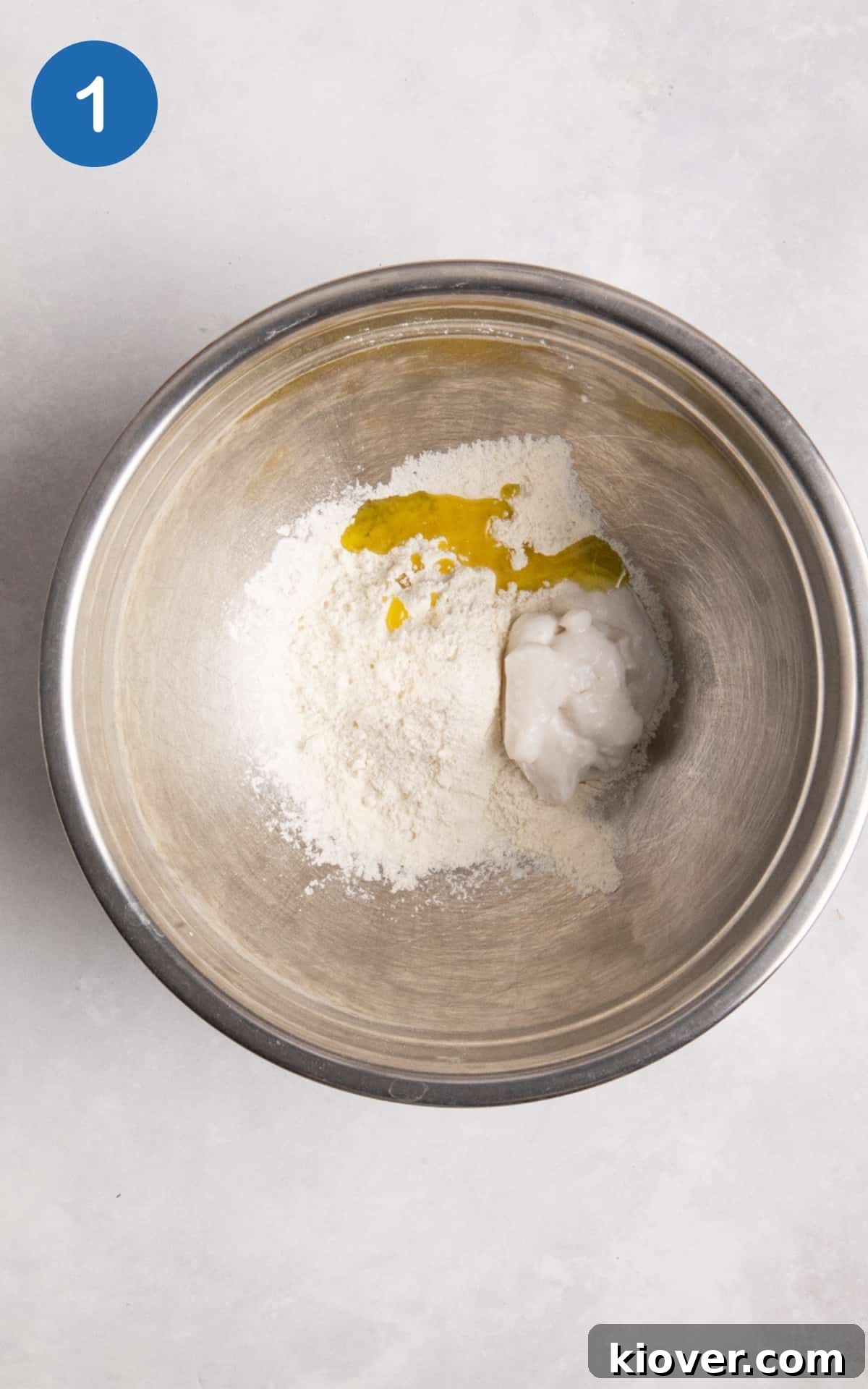
Step 1: Combine All Ingredients
In a spacious mixing bowl, add your gluten-free self-raising flour, plain yogurt, olive oil, and the optional pinch of salt. Ensure all ingredients are measured accurately for the best consistency.
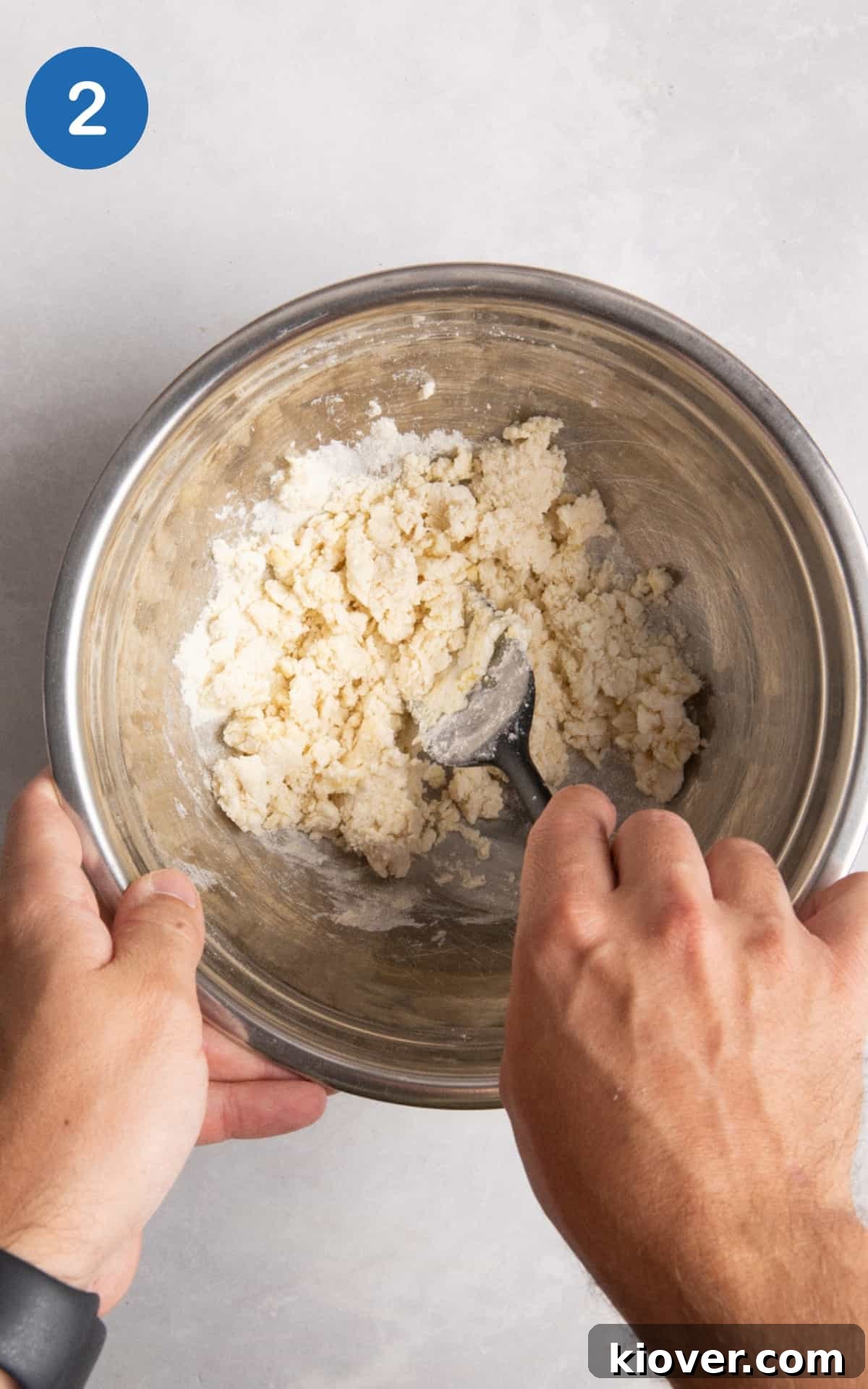
Step 2: Mix Until a Dough Forms
Using a spatula or, even better, your hands, gently mix all the ingredients together. Start by folding and stirring, then switch to kneading lightly until a cohesive, slightly sticky dough ball forms. Avoid overmixing, as this can make the flatbread tough.
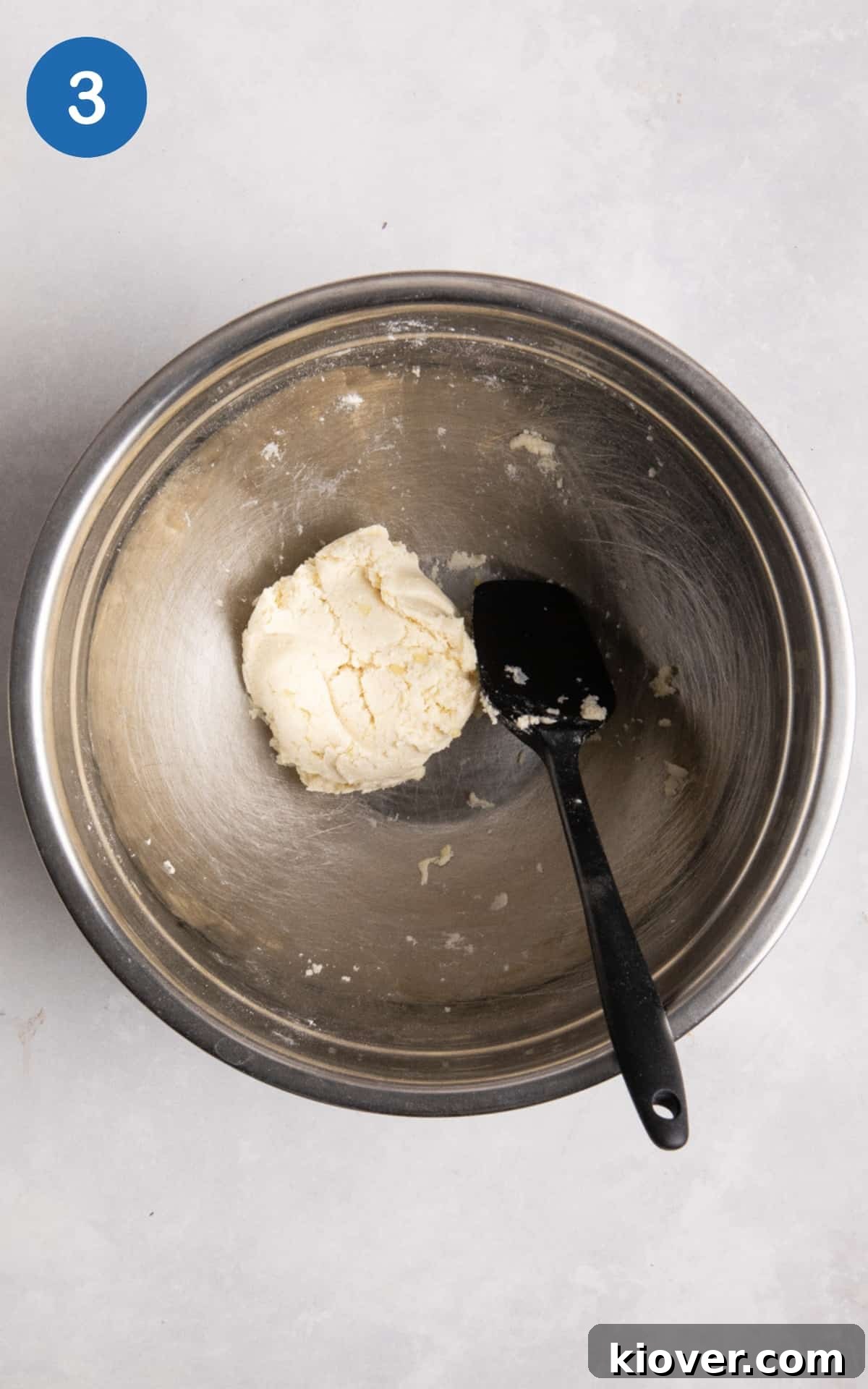
Step 3: Shape into a Ball
Once combined, gather the dough and form it into a smooth, compact ball. This makes it easier to handle and ensures even rolling or patting later on. If the dough is too sticky, add a tiny bit more flour; if too dry, a tiny bit more yogurt.
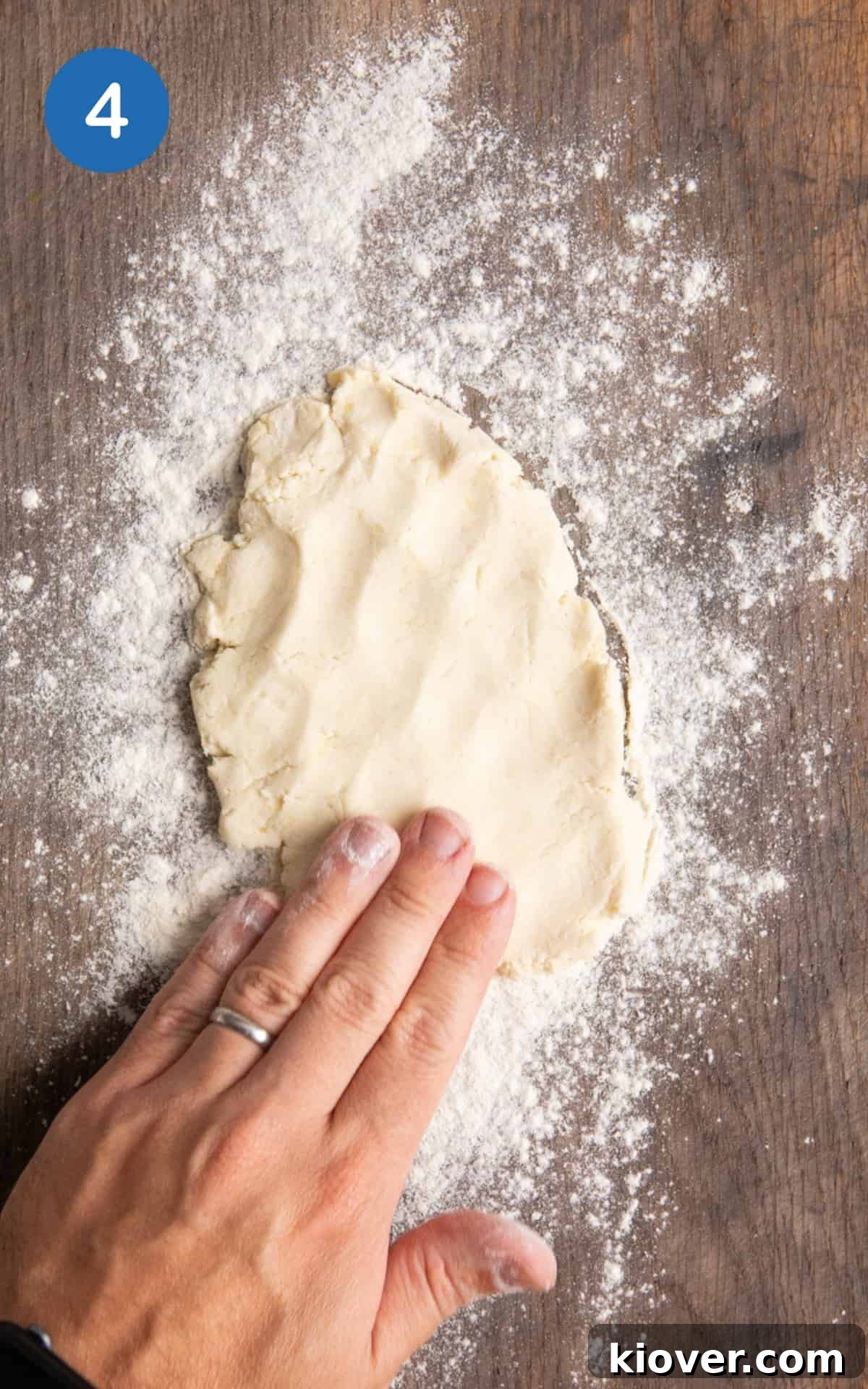
Step 4: Flour Surface and Shape Flatbreads
Lightly flour a clean work surface to prevent sticking. Take your dough ball and gently pat it down with your hands, shaping it into your desired flatbread form. Aim for a thickness of approximately 1cm (about 0.4 inches). You can also use a rolling pin for a more uniform shape, but be gentle as gluten-free dough can be delicate. Divide the dough into smaller portions if you want multiple flatbreads.
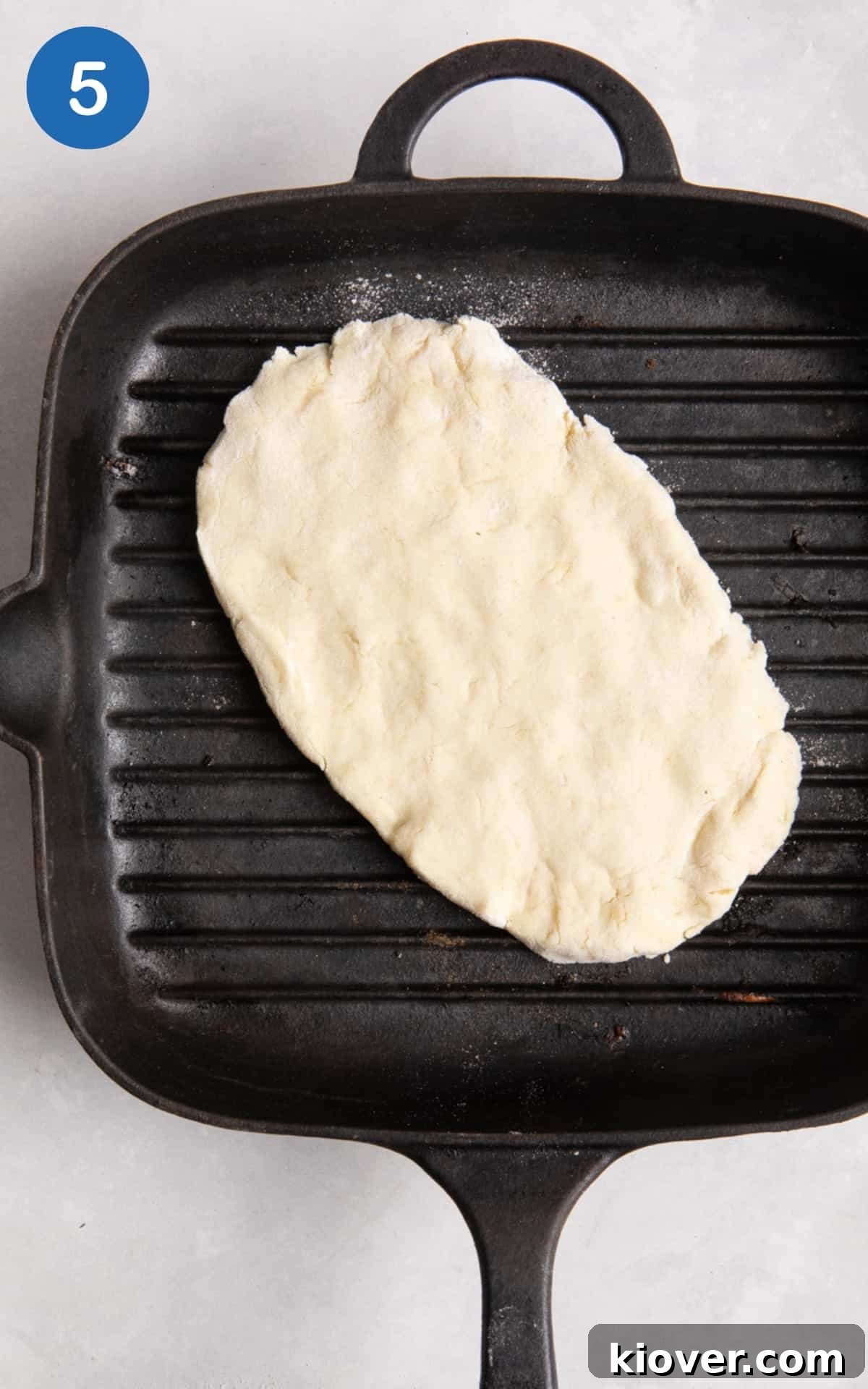
Step 5: Cook on a Griddle Pan
Pre-heat a griddle pan or a heavy-bottomed frying pan over medium-high heat. Once hot, carefully place your shaped flatbread onto the pan. Cook for about 2 minutes on each side, or until golden brown spots appear and the flatbread is cooked through and slightly puffed up. Adjust heat as needed to prevent burning.
Hint: Gluten-free dough can be delicate, so use a spatula or be extremely gentle when transferring the shaped flatbread from your floured surface to the hot griddle pan.
Expert Tips for Flawless Gluten-Free Flatbread
Achieving the perfect gluten-free flatbread consistently might take a couple of attempts, but these expert tips will help you master the recipe quickly:
- Dough Consistency Matters: The exact amount of flour and yogurt can vary slightly depending on the brand you use and even the humidity in your kitchen. Gluten-free flours tend to absorb liquid differently. Your dough should be soft and pliable, not too sticky and not too dry. If it’s too sticky, add a tiny bit more flour, a teaspoon at a time. If it’s too crumbly, add a tiny bit more yogurt. Learning to feel the dough will come with practice.
- Thinness is Key: For a tender and fully cooked flatbread, aim for a thickness of about 1cm (roughly 0.4 inches). If the flatbread is too thick, it might end up doughy in the middle. If it’s too thin, it might become crispy like a cracker, losing that signature soft texture.
- Gentle Handling: Gluten-free doughs often lack the elasticity provided by gluten, making them more delicate. Handle your dough gently when shaping and transferring it to the pan. A wide spatula can be your best friend here to prevent tearing.
- Hot Pan, Quick Cook: Ensure your griddle or frying pan is properly pre-heated before adding the flatbread. A hot pan helps the flatbread cook quickly and evenly, developing those desirable golden-brown spots and a slightly puffed texture. If the pan isn’t hot enough, the flatbread might dry out before cooking through.
- Don’t Overcrowd the Pan: Cook flatbreads one at a time, or in batches if your pan is large enough to accommodate them without overlapping. Overcrowding can lower the pan’s temperature and lead to uneven cooking.
Storage and Reheating Your Delicious Leftovers
While these gluten-free flatbreads are undoubtedly at their best when served fresh and warm straight from the pan, you can absolutely enjoy leftovers with proper storage and reheating techniques.
- To Store: If you have any flatbreads left over, allow them to cool completely to room temperature. Once cool, stack them and place them in an airtight container or a resealable plastic bag. Store them at room temperature for up to two days. Beyond that, they tend to lose their optimal texture.
- To Freeze: For longer storage, these flatbreads freeze remarkably well. After cooling completely, stack them with a piece of parchment paper between each flatbread to prevent them from sticking together. This makes it easy to grab just one or two at a time. Place the stack in a freezer-safe bag or airtight container and freeze for up to 3 months.
- To Reheat from Room Temperature: The best way to revive day-old flatbreads is to quickly dry-fry them in a non-stick frying pan over medium-low heat for about 1-2 minutes per side. This brings back some of their crispness and warmth without making them tough. You can also lightly toast them in a toaster oven.
- To Reheat from Frozen: There’s no need to thaw frozen flatbreads beforehand. Simply place them directly into a pre-heated, dry frying pan over medium-low heat. Cook for 3-4 minutes per side, or until heated through and soft. You can also warm them gently in a microwave for 15-30 seconds, though this might make them a little softer rather than crispier.
Frequently Asked Questions About Gluten-Free Flatbread
There are a couple of common reasons for a doughy flatbread. Firstly, ensure you’ve rolled or patted your dough thin enough – about 1cm (0.4 inches) thick is ideal. If it’s too thick, the heat won’t penetrate to the center quickly enough. Secondly, make sure your pan is hot enough. A sufficiently hot griddle cooks the flatbread through rapidly, creating a lovely exterior while ensuring the interior is cooked without becoming dense or gummy. Don’t overcrowd the pan, which can lower its temperature.
Yes, you absolutely can use regular plain (all-purpose) flour if you’re not following a gluten-free diet. However, if you want a similar rise and fluffiness, you’ll need to add a leavening agent. For every 1 cup (approximately 120g) of plain flour, mix in 1 ½ teaspoons of baking powder and a ¼ teaspoon of salt. This combination will help the flatbread rise and achieve a texture closer to that made with self-raising flour.
The ultimate trick to making truly excellent gluten-free flatbread is to keep it simple and trust the magic of the yogurt. This recipe is designed to be straightforward, highlighting the natural tenderness and slight tang that yogurt brings. Many people find that after trying this easy, 3-ingredient recipe, they no longer feel the need to buy store-bought gluten-free bread. Patience with the dough consistency and a hot pan are key, but the core trick is the simple, quality ingredients.
Yes! This recipe is incredibly easy to adapt for a vegan diet. Simply ensure you use a plain, unsweetened dairy-free yogurt, such as coconut, soy, or almond yogurt. All other ingredients are naturally vegan.
Unlike yeast-based bread doughs, this quick flatbread recipe does not require any resting or proofing time. The leavening agents in the self-raising flour (or added baking powder) react instantly with the yogurt, so you can mix the dough and cook it straight away. This is part of what makes it such a fast and convenient option!
Serving Suggestions: What to Enjoy with Your Flatbread
These versatile gluten-free flatbreads are a fantastic addition to almost any meal. Their neutral yet inviting flavor makes them perfect for a wide range of pairings. Here are some delicious ideas to inspire you:
- Dips and Spreads: The most classic pairing! Serve your flatbreads warm with a selection of dips. Think creamy hummus (classic or a vibrant beetroot version), smoky baba ghanoush, tzatziki, a simple olive oil and balsamic vinegar mixture, or a zesty tomato salsa. They’re also fantastic for scooping up rich curries or stews.
- Soups and Stews: Use these flatbreads to soak up every last drop of your favorite hearty soups or warming stews. They pair beautifully with lentil soup, a rustic vegetable stew, or a comforting chicken curry.
- Salads and Bowls: Transform a simple salad into a more substantial meal by serving warm flatbreads alongside. They provide a satisfying counterpoint to crisp greens, roasted vegetables, and protein-packed grains. Tear them into pieces and use them like croutons for added texture.
- Main Courses: These flatbreads are an excellent accompaniment to grilled meats, fish, or plant-based proteins. Serve them with falafel, kebabs, grilled halloumi, or a vibrant veggie stir-fry. They can also be used as a base for open-faced sandwiches or wraps.
- Breakfast and Brunch: Don’t limit flatbreads to lunch or dinner! Enjoy them for breakfast with a smear of cream cheese, avocado, or even a sweet topping like jam or honey.
- Appetizers: Cut cooked flatbreads into wedges, lightly toast them, and use them as dippers for charcuterie boards, cheese platters, or antipasto spreads.
More Gluten-Free Bread & Accompaniment Recipes
If you loved making this easy gluten-free flatbread, you might be keen to explore more delightful gluten-free bread options and delicious recipes that pair perfectly with it. Expanding your gluten-free baking repertoire is easier than you think!
- Gluten-Free Naan Bread: A fluffy and authentic Indian-inspired bread perfect for curries.
- Gluten-Free Focaccia: A savory Italian classic, ideal for dipping in olive oil or as a sandwich bread.
- Gluten-Free Seeded Bread: A hearty and nutritious loaf packed with wholesome seeds.
- Socca (Chickpea Flatbread): A naturally gluten-free and vegan flatbread made from chickpea flour, incredibly versatile.
You might also like these related recipes, perfect for expanding your gluten-free culinary skills or finding new ways to enjoy your homemade flatbreads:
You might also like
Sides
Best Gluten-Free Naan Bread
Sides
Gluten-Free Seeded Bread
Dessert
Eggless Banana Bread
Dinner
Gluten-Free Pizza Base
Rate It & Connect With Us
We love hearing from you! If you’ve tried this Gluten-Free Flatbread recipe, please consider leaving a star rating below and sharing your experience in the comments. Your positive feedback is incredibly valuable and truly makes our day.
P.S. Don’t miss out on new recipes! Get more healthy, easy-to-make recipes sent straight to your inbox weekly – Subscribe to our newsletter and receive a free recipe eBook as a welcome gift!
Average rating: 4.60 out of 5 stars based on 30 votes
Gluten Free Flatbread
Ingredients
- 85 g gluten-free self-raising flour
- 65 g plain yogurt
- 1 tsp olive oil
- Pinch salt (optional)
Instructions
- Add the flour, yogurt, olive oil, and optional pinch of salt to a mixing bowl.
- Mix together with a spatula or by hand until a dough forms.
- Make the dough into a ball shape.
- Lightly flour a work surface and pat the dough ball down with your hands into the shape and thickness you desire (roughly 1cm thick). Be careful as the dough can be delicate.
- Place the shaped flatbread onto a pre-heated griddle pan and cook for 2 minutes on each side, or until golden brown and cooked through.
Notes
Step-by-Step Photos: The main blog post above includes helpful step-by-step photos to guide you through making this recipe.
Substitutions & Variations: A comprehensive list of these is included in the blog post above to suit various preferences and dietary needs.
To Store: Store in an airtight container at room temperature for up to two days. Reheat in a dry pan over low heat until warm.
To Freeze: Store in an airtight container for up to 3 months. Place parchment paper between each flatbread to prevent sticking for easy individual retrieval.
Tip 1: Recipe results can vary slightly depending on the specific brand of flour and yogurt used. It may take a couple of attempts to perfect the dough consistency, so don’t be discouraged if it’s a bit fiddly the first few times.
Tip 2: This gluten-free flatbread dough can be delicate, so always handle it carefully or use a spatula when transferring.
Tip 3: Aim for a flatbread thickness of approximately 1cm to ensure it cooks evenly and avoids being doughy.
Nutrition
Tag @HealthyLivingJames on Instagram and use #HealthyLivingJames!