
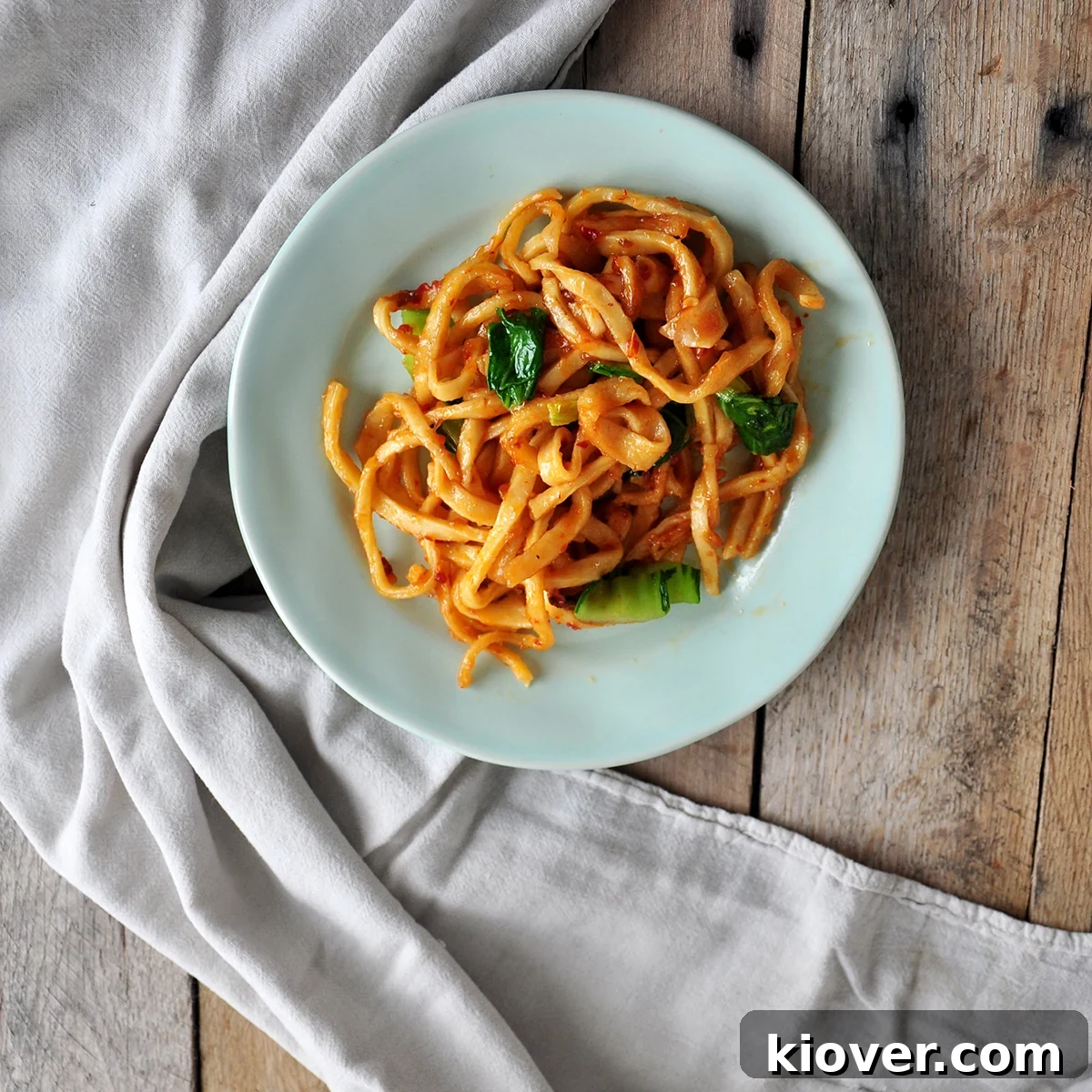
Craving the authentic taste and satisfying chew of freshly made Chow Mein noodles? Look no further! This comprehensive guide will walk you through creating exquisite homemade Chow Mein noodles from scratch. While the process may seem daunting at first, the unmatched flavor and superior texture of these noodles are incredibly rewarding. Forget soggy, store-bought alternatives – prepare to elevate your Asian culinary creations with these simple yet profoundly flavorful noodles.
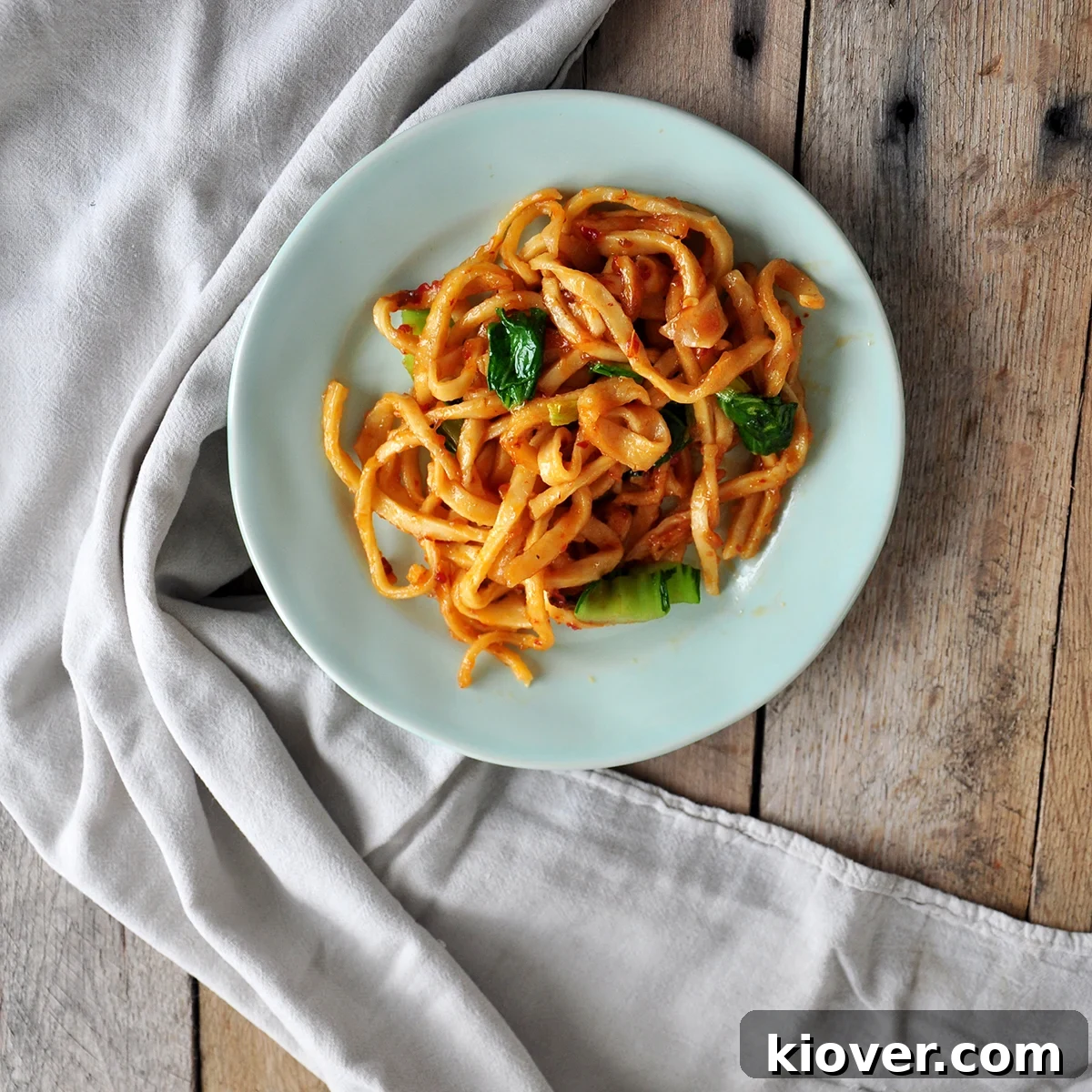
In our journey to truly understand what defines Chow Mein, we’ve made some delightful discoveries. Paramount among these is the undeniable fact that the noodle itself reigns supreme as the star of this beloved Asian dish. Furthermore, we’ve learned that Chow Mein noodles can be prepared in a fascinating variety of ways, each contributing a unique texture and character to the final meal. Given the noodle’s central role and the diverse interpretations of Chow Mein, this guide will focus exclusively on mastering the art of crafting the perfect homemade Chow Mein noodle. Future posts will delve into specific sauces, proteins, and vegetables that complement these incredible noodles.
Why Master Just the Noodles First?
You might be wondering why we’re not presenting a complete Chow Mein dish today. The answer lies in the sheer versatility and importance of the noodle. There are countless delicious interpretations when it comes to the sauces, meats, and vegetables that accompany Chow Mein. Rather than offering a single, limited recipe, we believe that empowering you with the skill to create exceptional noodles is the foundational step for countless culinary adventures. Once you’ve mastered these basic, yet incredibly flavorful, wheat-based Asian noodles, you’ll have the perfect canvas for any Chow Mein variation you desire. We’ll explore various full Chow Mein recipes, complete with rich sauces, succulent meats, and crisp vegetables, in upcoming posts. Today, however, our focus is laser-sharp on the art of noodle making, keeping the accompanying elements delightfully simple to highlight the star ingredient.
Are These Exclusively Chow Mein Noodles?
While the ultimate goal of this recipe is to produce authentic Chow Mein noodles, it’s important to understand that what you’re truly learning to make is a versatile base for almost any wheat-based Asian noodle. Think of these as foundational homemade Asian noodles, the building blocks from which many popular dishes are born. What truly transforms these homemade Asian noodles into specific “Chow Mein noodles” is the distinct cooking technique applied after their creation. By understanding this base, you unlock a world of possibilities beyond just Chow Mein.
Unpacking the Chow Mein Noodle Cooking Techniques
As we’ve explored in our broader definition of Chow Mein, there are primarily two distinct methods for cooking these noodles, each yielding a unique texture and dining experience. Both methods rely on the same fresh, homemade noodles, but the final culinary outcome varies significantly based on how they are prepared.
Pan or Wok Fry Chow Mein Noodles: The Classic Method
This is arguably the most popular and my personally preferred method for preparing Chow Mein noodles. The process involves first briefly boiling the fresh noodles to tenderize them, followed by a dynamic stir-frying in a hot wok (or large skillet) with various ingredients. The key differentiator between Chow Mein and its cousin, Lo Mein, lies precisely in this frying step. While Lo Mein noodles are typically only tossed with a sauce and other components, authentic Chow Mein noodles are actively fried, resulting in a distinct crisp-firmness that signals they have been properly cooked. Remember, the literal translation of “Chow Mein” is “fried noodles,” emphasizing the crucial role of this cooking stage. This method delivers noodles that are tender on the inside with a delightful, slightly crispy exterior, perfectly absorbing the flavors of your stir-fry.
Deep Fat Fried Chow Mein Noodles: Crispy Perfection
This style of Chow Mein noodle preparation produces the incredibly crispy, almost crunchy noodles you might find in some Asian snack mixes or served as a bed for stir-fries in certain restaurants. Think of the crispy noodles often found in a container from brands like La Choy – those irresistible little strands you might snack on straight from the can. In this variation, the noodles are still briefly boiled to pre-cook them, but then they are thoroughly deep-fat fried until golden brown and intensely crispy. These noodles offer a far crisper texture than their wok-fried counterparts. Typically, they aren’t stir-fried with other ingredients but rather serve as a crunchy base, forming a “nest” for a separate stir-fry placed on top. This technique offers a textural contrast that can be incredibly appealing. While we won’t be covering the deep-fat frying method in today’s recipe, our very next post will dive deep into creating these wonderfully crispy Chow Mein noodles, perfect for those who love an extra crunch.
The Foundational Noodle Recipe: A Tested Approach
For our base noodle recipe, we are adopting a method inspired by the excellent insights from “Souped Up Recipes.” While the core ingredients are listed below, I highly recommend watching her video (embedded below) for a visual guide, as her detailed process descriptions are invaluable. This recipe serves as a reliable foundation for crafting perfect wheat-based Asian noodles, providing the ideal texture and consistency for any Chow Mein application.
Integrating the Noodles: Frying After the Fact
The beauty of this base noodle recipe is its adaptability. In the video, the creator might mix the freshly cooked noodles directly with other ingredients to form a complete dish. For our purposes, and specifically for crafting true Chow Mein, we take a slightly different approach. After boiling, we will transition these perfectly tender noodles to a hot wok, where they will be stir-fried and incorporated with our chosen stir-fry components. This frying step is crucial for achieving that signature Chow Mein texture – a slight crispiness on the exterior while remaining delightfully chewy within.
Chow Mein Noodles Without a Full Chow Mein Recipe? Let’s Clarify!
Indeed! While this post is dedicated to perfecting the noodles, I will be demonstrating their immediate use with a very basic, meatless stir-fry. My aim is to keep the focus purely on the noodle-making process and highlight their exquisite texture and flavor. To do this, I’ll simply add some pre-stir-fried bok choy and a fundamental stir-fry sauce. This allows the homemade noodles to truly shine without complex competing flavors. This minimalist approach proves that these fresh noodles are delicious even with the simplest accompaniments. Of course, you are absolutely encouraged to use the recipe from the video for a complete dish, or integrate these incredible noodles into your own favorite stir-fry creations. The real joy lies in the experimentation and the delightful experience of fresh, homemade Asian noodles!
Essential Tips for Crafting Perfect Homemade Noodles
The Power of Bread Flour
While it might be tempting to use any wheat-based flour you have on hand, I strongly advocate for using bread flour. Bread flour boasts a higher protein content, primarily gluten, which is essential for developing the elasticity and chewy texture characteristic of authentic Asian noodles. Using all-purpose flour will likely work, but you’ll notice a difference in consistency and bite; the noodles might be softer or less resilient. For that ideal springy chewiness, bread flour is your best friend. Always having it available ensures consistent, high-quality results.
Resist the Urge to Add More Water
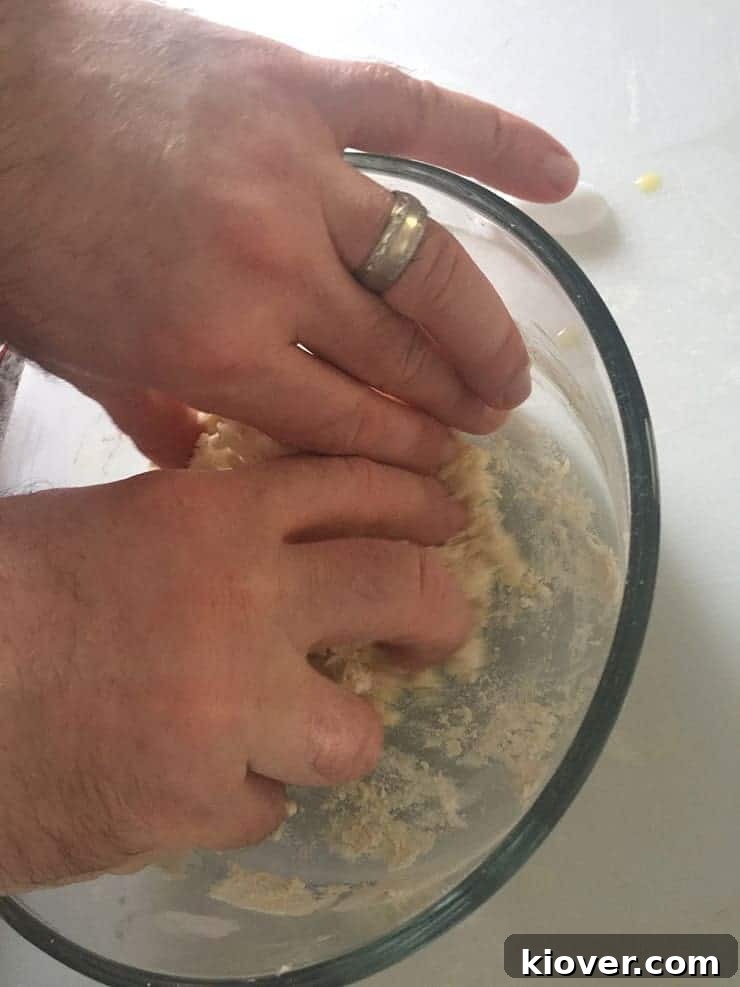
This is a critical piece of advice, echoed by many experienced noodle makers. When you first combine the flour and liquid, the dough will likely feel very dry and crumbly, leading you to believe there isn’t enough water. However, resist the powerful temptation to add more liquid! This dough requires significant kneading to hydrate properly. Just keep kneading and kneading; the dough will eventually come together, transform from a shaggy mass into a cohesive ball, and become smooth and elastic. Adding too much water early on will result in a sticky, unmanageable dough that is difficult to roll and cut, leading to gummy noodles.
Patience is a Virtue When Rolling Your Dough
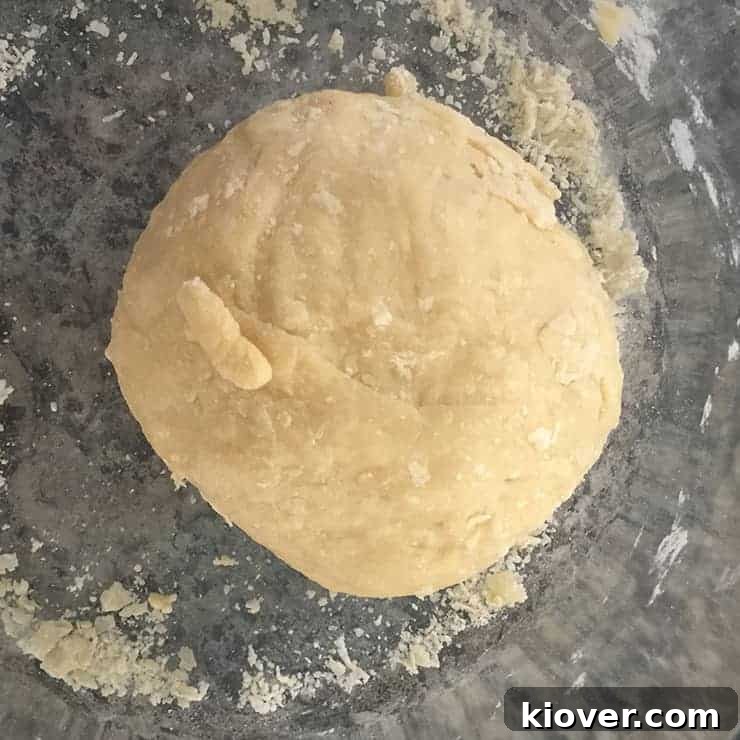
Achieving the ideal thinness for your Chow Mein noodles requires patience and persistence. When I first started making these, I often struggled with knowing when the dough was truly flat enough. The key is to keep rolling! Roll the dough out as thin as possible, aiming for a thickness of 1-2mm. This thinness ensures a delicate texture that cooks quickly and absorbs sauces beautifully. I often wish I had a pasta maker attachment for my KitchenAid mixer during this stage, as it can significantly simplify and expedite the rolling process, guaranteeing uniform thickness. My initial attempts often resulted in overly thick noodles, which, while not terrible, lacked the desired light and delicate bite that thinner noodles provide. Don’t be afraid to keep rolling until it’s almost translucent!
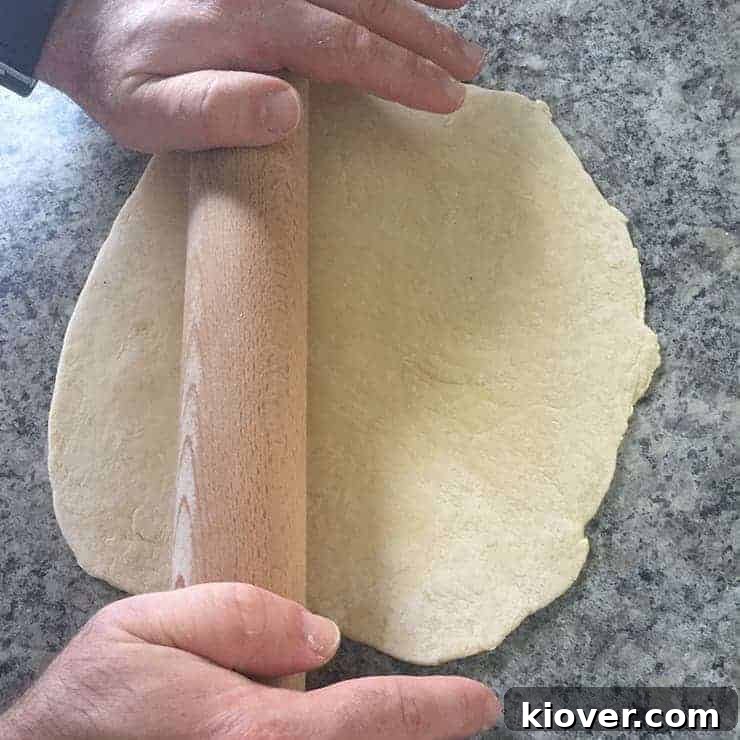
Precision in Measurements: The Foundation of Baking Success
Just like with any form of baking, precise measurements are paramount when making noodles. The exact ratio of water (or liquid, including egg) to flour dramatically influences the final texture and workability of your dough. Even slight deviations can lead to a dough that is too sticky, too stiff, or difficult to handle, ultimately impacting the quality of your noodles. For best results, I highly recommend using a kitchen scale to measure your ingredients, especially the flour and liquid. This accuracy will ensure consistency and help you achieve the perfect dough every single time, leading to wonderfully chewy and delicious noodles.
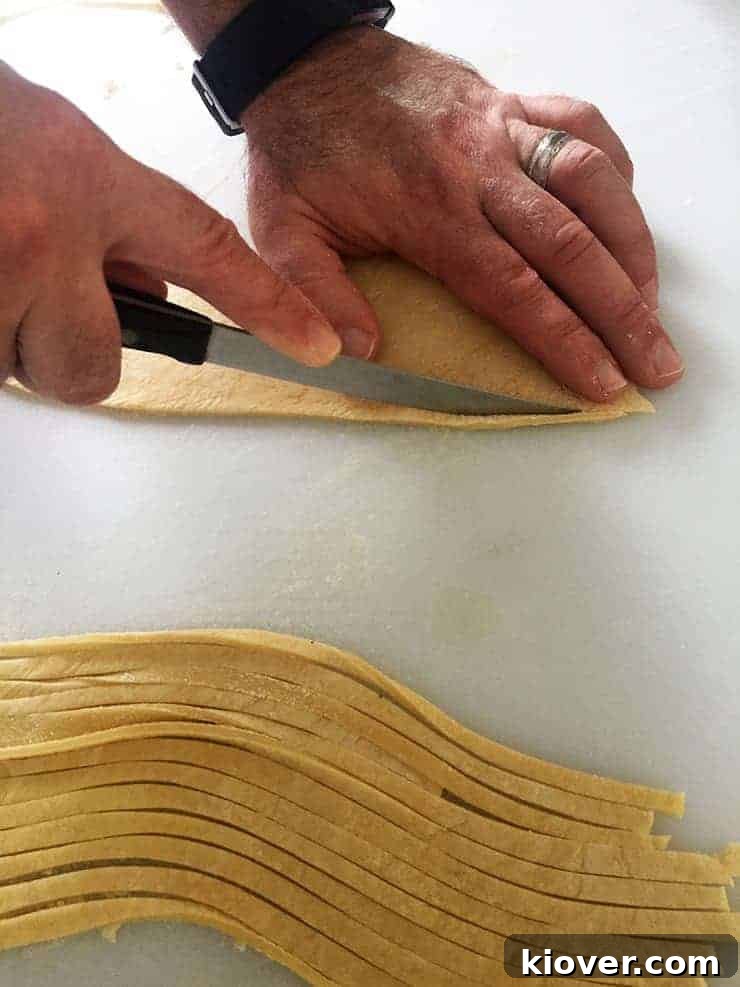
Hand-Cutting Noodles: A Rewarding Process
The question often arises: do you really cut each noodle individually? For many home cooks like myself, without a pasta maker attachment for a stand mixer or a dedicated countertop pasta roller, the answer is often yes! This manual method allows for greater control over the size and thickness of each noodle, which can be very satisfying. In the inspirational video, the dough sheets are folded multiple times before cutting. Personally, I prefer to roll out the dough as thinly as possible and then cut the individual noodles directly. This approach helps prevent the dough from sticking together and allows for more consistent noodle strands. If the thought of hand-cutting seems too time-consuming or challenging, remember that you can always opt for high-quality store-bought fresh Asian wheat noodles (avoiding buckwheat for Chow Mein) as a convenient alternative. However, I encourage you to try the handmade process at least once for the sheer joy and superior taste!
Thank you for joining us on this culinary journey. If you appreciate the detailed guides and recipes we share, please consider subscribing to receive email updates and following us on social media for more delicious content!
Recommended Products for This Recipe
- High-Quality Knife Set (e.g., Wusthof) – Essential for precise noodle cutting.
- A Reliable Wok – Perfect for achieving that authentic stir-fry texture.
- Large Pot – Necessary for boiling the noodles efficiently.
Print Recipe
Homemade Chow Mein Noodles Recipe
Rating: 5 out of 5 stars (Based on 7 reviews)
- Author: Ben Myhre
- Prep Time: 1 Hour 15 Minutes
- Cook Time: 15 Minutes
- Total Time: 1 Hour 30 Minutes
- Yield: 2 Servings
- Category: Stir Fry
- Method: Boiling
- Cuisine: Asian
Description
Unlock the secret to truly authentic Chow Mein with this incredible homemade noodle recipe. Learn to craft fresh, chewy, and flavorful noodles that form the perfect foundation for any stir-fry dish. This recipe is my tried-and-true method for making real, fresh Chow Mein noodles that will impress even the most discerning palates.
Ingredients
- 156 grams Bread Flour
- 1/4 teaspoon of salt
- 1 egg (large)
- Water (to reach a total liquid weight of 78g with the egg)
- Oil for frying in wok (e.g., vegetable, canola, or peanut oil)
Basic Stir Fry Sauce (Optional, for simple preparation)
- 2 Tablespoons Corn Starch
- ½ Cup Chicken or Vegetable Broth (use vegetable broth for vegetarian option)
- 2 Tablespoons Soy Sauce (low sodium preferred)
- 1 Tablespoon Sesame Oil (toasted)
- 1 Tablespoon Sambal Oelek (or sriracha for a milder kick)
- 1 Teaspoon fish sauce (omit for vegetarian; adds umami depth)
Instructions
- Prepare the Dry Ingredients: In a large mixing bowl, combine the bread flour and salt. Whisk briefly to ensure even distribution.
- Measure Wet Ingredients: In a separate small bowl, crack the egg. Add enough water to the egg until the combined liquid reaches a total weight of 78 grams. Beat the egg and water mixture thoroughly.
- Combine Wet and Dry: Slowly pour the beaten egg and water mixture into the flour mixture, stirring with a fork or your hands until a shaggy dough forms.
- Initial Kneading: Transfer the shaggy dough to a clean, lightly floured surface or continue kneading in the bowl. Knead the dough vigorously for 5 minutes. The dough will initially feel dry and resistant; resist the urge to add more water. It will gradually come together.
- Rest the Dough: Place the dough ball into a loosely covered bowl (e.g., with plastic wrap or a damp cloth) and let it rest in the refrigerator for 30 minutes. This resting period allows the gluten to relax, making the dough easier to work with.
- Second Kneading: After resting, knead the dough for an additional minute. At this point, it should be significantly smoother and more pliable, forming a cohesive, elastic ball.
- Roll Out the Dough: Lightly sprinkle flour onto a rolling mat or clean surface. Using a rolling pin, roll out the dough as thinly as possible, aiming for a thickness of 1mm to 2mm. This requires patience and consistent rolling. If the dough springs back, let it rest for a few minutes before continuing.
- Cut the Noodles: Once the dough is uniformly thin, it’s time to cut the noodles. You can either fold the dough several times (as shown in some videos) and slice, or, as preferred for more control, slice the individual noodles thinly with a sharp knife. Aim for uniform width for even cooking.
- Prepare for Boiling: Once all your fresh noodles are cut, they are ready for cooking.
- Boil the Noodles: Bring a large pot of water to a rolling boil. Add the fresh noodles and cook for 2-3 minutes, or until al dente. They cook very quickly. Strain the noodles immediately and rinse briefly with cold water to prevent sticking if not using immediately.
Fried Noodles – Simple Preparation
- Heat the Wok: Add 4 tablespoons of oil to a wok or large frying pan over high heat. Allow the oil to get hot and shimmering.
- Stir-Fry Noodles: Add the boiled and strained noodles to the hot wok. Stir-fry for approximately 2 minutes, tossing constantly, until the noodles develop a light crispiness on the outside while remaining tender and chewy within. The goal here is a textured fry, not the deep-fried crispness of ‘from a can’ noodles.
- Add Sauce (Optional): If using the basic stir-fry sauce (or any other sauce), pour it over the noodles and stir-fry for an additional minute or two until the sauce thickens and coats the noodles evenly.
- Serve Immediately: Serve your fresh, homemade Chow Mein noodles hot, perhaps with some stir-fried bok choy or your favorite toppings.