
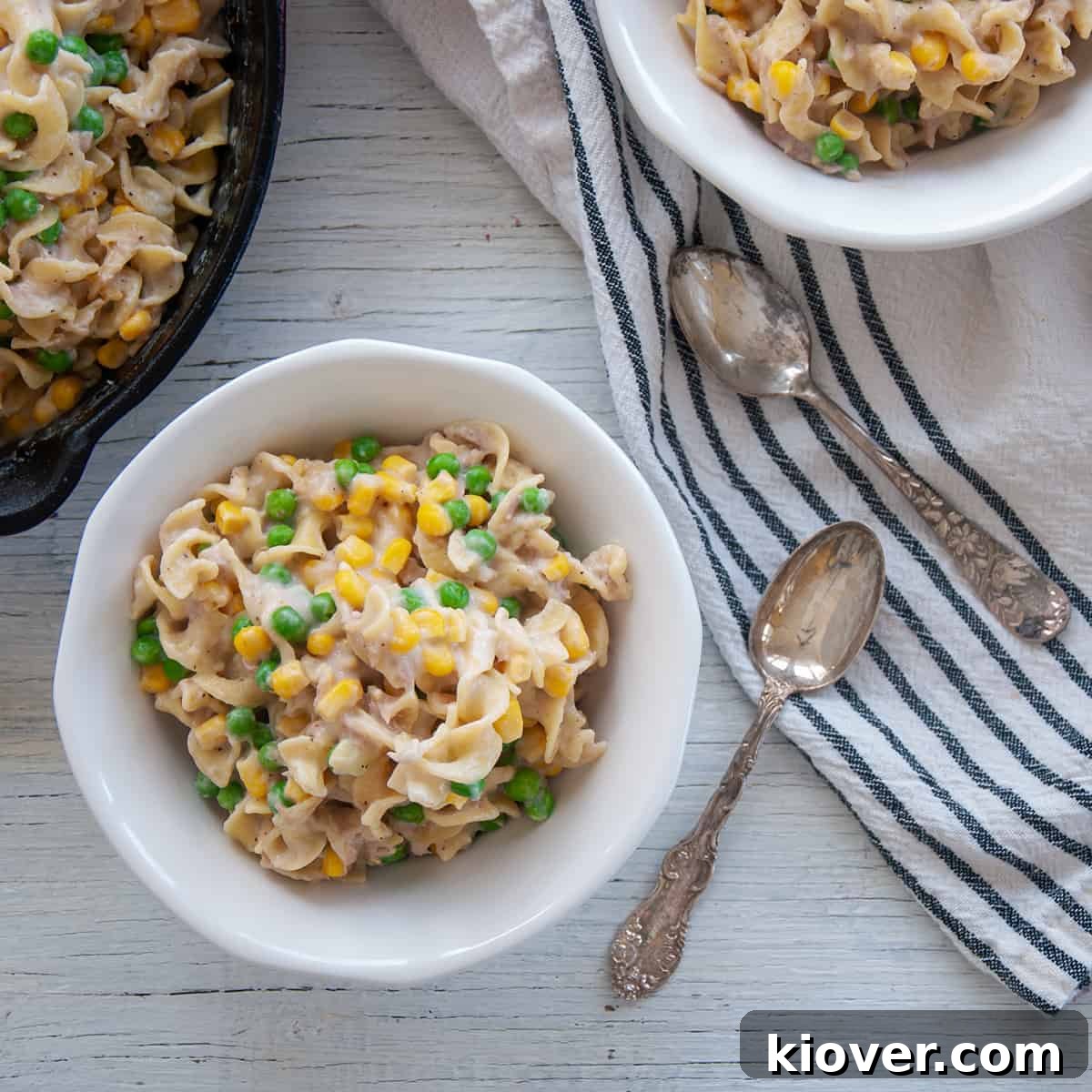
In an era where making every dollar count and maximizing pantry staples is more crucial than ever, mastering essential cooking techniques can be a game-changer. This comprehensive guide introduces you to the concept of creating incredibly delicious and budget-friendly meals from scratch, exemplified by our standout Homemade Skillet Tuna Helper recipe. This isn’t just another quick dinner; it’s a foundation for crafting countless versatile dishes that incorporate all the fundamental elements: wholesome vegetables, essential protein, and satisfying starches. More than just a recipe, this approach empowers you with endless possibilities for do-it-yourself dinners, utilizing ingredients you likely already have on hand. Prepare to transform simple pantry items into family favorites that are both nutritious and incredibly flavorful, without breaking the bank.
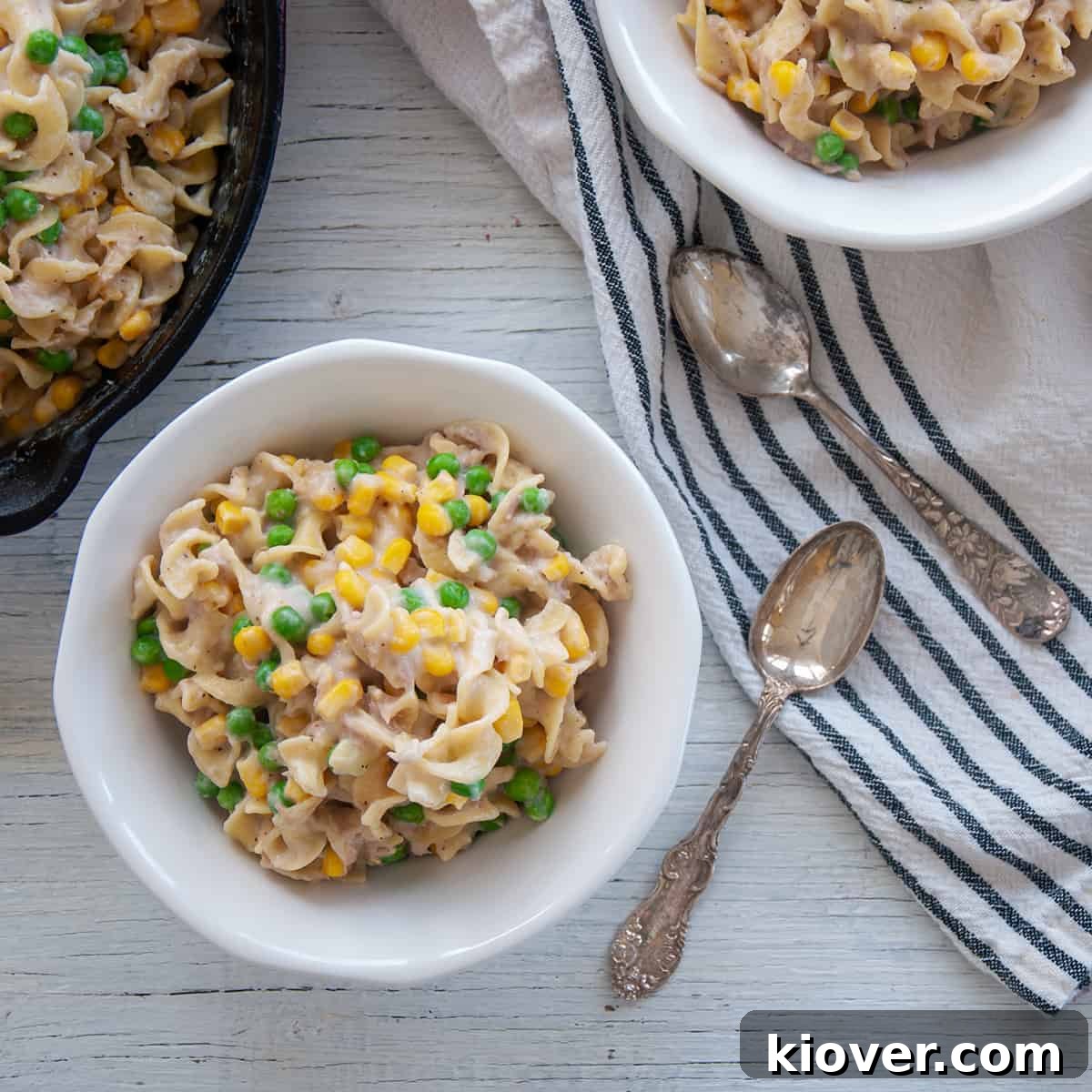
Mastering the Art of Homemade Skillet Tuna Helper: A Culinary Adventure
Embark on a culinary journey that begins with fundamental cooking principles, promising results that will genuinely impress. Our Homemade Skillet Tuna Helper recipe takes ordinary ingredients – butter, flour, and milk – and transmutes them into a rich, creamy sauce in mere minutes. This simple yet profound transformation forms the heart of a dish that’s not only comforting but also incredibly adaptable. Once your sauce achieves that perfect velvety consistency, you’ll incorporate tender, cooked noodles, a medley of colorful vegetables, and hearty canned tuna. Voila! What once were disparate pantry staples are now a cohesive, mouth-watering meal, ready to feed your family with wholesome goodness.
But the true beauty of this recipe extends far beyond a single dish. We’re about to guide you through a “choose-your-own-adventure” style of meal preparation, designed to unlock your creative potential in the kitchen. This methodology empowers you to construct a diverse array of delectable recipes using items readily available in your pantry, refrigerator, or freezer. Imagine the satisfaction of knowing you can whip up a fantastic meal anytime, simply by understanding the core components and how to adapt them. This is more than just cooking; it’s about building confidence and efficiency in your daily meal planning, making home cooking an enjoyable and stress-free experience.
Choosing the Perfect Noodles for Your Skillet Creation
The foundation of any great skillet meal often lies in its starch, and for our featured Skillet Tuna Helper, wide egg noodles are a fantastic choice. Their wavy texture and substantial size make them ideal for soaking up creamy sauces, ensuring every bite is rich and satisfying. These are typically found in larger bags, rather than compact boxes, and offer a delightful chewiness that complements the dish beautifully. However, the world of pasta is vast, and your options are anything but limited.
Indeed, almost any type of noodle or even rice can serve as an excellent base. Consider experimenting with elbow macaroni for a classic, comforting feel, or penne and rotini for shapes that capture and hold the sauce wonderfully. Spaghetti, broken into shorter lengths, can also work in a pinch. If you’re aiming for a lighter, gluten-free, or lower-calorie option, white or brown rice is an excellent substitute, offering a different but equally delightful texture. For instance, the principles learned here can easily guide you in crafting a rich, homemade macaroni and cheese, proving the versatility of this cooking method. Remember, the key is to cook your chosen starch al dente before incorporating it into the sauce, allowing it to finish cooking and absorb flavors within the skillet. Start your noodle preparation first, as the sauce comes together surprisingly fast, and you’ll want them ready to combine as soon as your creamy base is perfected.
Selecting Your Protein: Beyond Just Tuna for Your Skillet Meal
While canned tuna is our protein of choice for this particular recipe—prized for its convenience, affordability, and pre-cooked nature—the beauty of this skillet meal lies in its incredible adaptability. Think of canned tuna as a starting point, a testament to how easily you can build a satisfying meal from pantry staples. Yet, your options for protein are truly expansive, allowing you to tailor the dish to your preferences, dietary needs, or whatever you have available.
Imagine swapping tuna for succulent cooked chicken, whether it’s leftover roasted chicken, canned chicken breast for ultimate ease, or even freshly cooked shredded chicken. Ground beef or turkey, browned and seasoned, can transform this into a hearty beef skillet dinner. For a pork variation, consider diced cooked ham or savory leftover pork loin. The critical element, regardless of your choice, is to ensure your meat is cooked prior to adding it to the skillet. If you’re already boiling water for noodles, it’s an opportune time to quickly sauté ground meat or dice and cook chicken breast in a separate pan, minimizing active cooking time later. For those seeking a vegetarian approach, simply omit the meat entirely and bulk up the dish with extra vegetables or plant-based protein sources like chickpeas or white beans. This flexibility is what makes the Homemade Skillet Tuna Helper truly a “helper” in your kitchen—a blueprint for countless delicious meals.
Crafting the Perfect Sauce: Your Culinary Canvas
The sauce is the soul of any skillet meal, and for our Homemade Skillet Tuna Helper, we’re building a fundamental, creamy white sauce. This classic base, however, is merely a springboard for a world of flavor exploration. By understanding the core mechanics of sauce creation, you’ll gain the confidence to customize your dishes, ensuring every meal is a unique reflection of your taste and pantry.
Following our detailed recipe will yield a wonderfully comforting dish. But by exploring the alternative suggestions for your “choose-your-own-adventure” sauce, you might just discover a new favorite variation that perfectly suits your palate and preferences. The power to innovate is in your hands, starting with the very first step of sauce-making.
The Foundation: Let’s Make a Roux
A roux is the cornerstone of many classic sauces, serving as a thickening agent and flavor base. It’s elegantly simple: an equal proportion of fat and flour, cooked together. For our tuna helper, we opt for butter, a common and flavorful choice that lends a rich, golden hue and nutty aroma. However, don’t hesitate to experiment with other fats like olive oil, vegetable oil, or even savory meat drippings for a deeper, more complex flavor profile. The beauty of a roux lies in its versatility, requiring only a fat and all-purpose flour to begin its magical transformation.
To prepare your roux, gently melt the butter in your skillet over low heat. Once it’s fully liquefied and shimmering, gradually whisk in the flour. The key here is patience and constant stirring, allowing the flour to fully absorb the fat and form a smooth, paste-like consistency. This initial cooking step is crucial, as it eliminates the raw flour taste and begins to develop a nutty flavor. While traditional roux recipes often suggest equal parts fat and flour, you can adjust slightly. If you prefer a richer sauce, feel free to increase the butter to three or even four tablespoons, keeping the flour amount consistent to maintain its thickening power. This foundational roux, whether made with butter, oil, or drippings, sets the stage for the flavorful sauce to come.
Building Flavor: Let’s Make a Bechamel Sauce
Once your roux is perfectly prepared, you stand at a pivotal moment: choosing the flavor direction of your sauce. For our Homemade Skillet Tuna Helper recipe, we’re creating a classic béchamel sauce, often lauded as one of the five French Mother Sauces. This might sound intimidating, but rest assured, béchamel is incredibly straightforward to master. It’s the very same elegant base we’ve utilized in our beloved Mac and Cheese recipe and our delightful Cauliflower Au Gratin recipe, proving its versatility and ease of preparation. Once you understand the steps, a world of creamy, rich sauces will open up to you.
To transform your roux into a béchamel, gradually whisk in milk to your warm roux over medium-low heat. The trick is to add the dairy slowly, a little at a time, continuously stirring with a wooden spoon or spatula to ensure the roux fully incorporates into the liquid without lumps. Start by adding a small splash, mix until smooth, then add another, continuing this process until all the milk is integrated. Once all the milk is added, increase the heat to medium (or medium-high) and continue stirring diligently. The primary concern at this stage is to prevent the dairy from scalding on the bottom of the pan, so consistent movement is key. As the mixture heats, you’ll observe it beginning to bubble gently and, most importantly, thicken. Don’t stop stirring! Once it reaches the desired consistency—think of a rich gravy or a sauce that coats the back of your spoon beautifully—your béchamel is complete and ready to welcome the other ingredients. This fundamental technique not only applies to milk but also allows for exciting variations.
Exploring Other Sauce Options: Unleash Your Creativity
The versatility of your roux extends far beyond milk. Instead of dairy, you can seamlessly substitute chicken, beef, or vegetable broth or stock. These alternatives will thicken just as effectively, providing a flavorful base for a range of dishes, from a hearty chicken skillet helper to a savory beef skillet or a vibrant vegetarian creation. The cooking process remains remarkably similar, offering an array of flavor profiles with minimal adjustment. Imagine a robust beef stock base for a meaty pasta dish, or a light vegetable broth for a garden-fresh medley.
Even if you stick with milk, the customization possibilities are abundant. Once your creamy béchamel is ready, consider stirring in a cup or two of shredded cheese. Adding cheddar cheese, for instance, immediately shifts your sauce towards a classic macaroni and cheese base. With two cups of sharp shredded cheddar incorporated into your béchamel and mixed with cooked macaroni, you’ve instantly elevated a simple pasta dish far beyond any boxed version. But why stop at cheddar? Explore the rich, nutty notes of Gruyere, the tangy sharpness of Swiss, the pungent depth of gorgonzola, or the salty crumble of feta. Each cheese introduces a distinct character, making your sauce truly unique. The options for personalizing your béchamel are virtually limitless, allowing you to craft a sauce that perfectly complements your chosen protein and vegetables, transforming a basic skillet meal into a gourmet experience.
The Colorful World of Vegetables for Your Skillet Dish
The beauty of the Homemade Skillet Tuna Helper is how easily it embraces a kaleidoscope of vegetables, allowing you to add color, texture, and vital nutrients. For ultimate convenience, canned corn and thawed frozen peas are excellent choices, requiring minimal preparation and ensuring a quick weeknight meal. However, this is another area where your creativity can truly shine, as the options are practically boundless.
A crucial consideration when incorporating vegetables is their preparation. If you opt for fresh, harder vegetables like carrots, broccoli florets, cauliflower, or bell peppers, they’ll benefit from a preliminary sauté or “sweat” in a separate pan with a touch of oil or butter. This pre-cooking step softens them, develops their flavor, and ensures they integrate perfectly into the dish without being undercooked. You can easily do this while your pasta water is heating or your noodles are boiling, making efficient use of your cooking time. This initial tenderizing allows fresh vegetables to add a delightful, vibrant crunch and garden-fresh taste that canned or frozen alternatives, while convenient, can’t fully replicate.
On the other hand, if you’re leaning into the “throw-together” ethos of this recipe, canned or frozen vegetables are your best friends. Simply drain canned varieties like corn, green beans, or diced potatoes, and thaw frozen ones like peas, mixed vegetables, or spinach. They can be added directly into the sauce towards the end of the cooking process, requiring just a few minutes to heat through and meld with the flavors. Consider adding frozen spinach (thawed and squeezed of excess water) for an extra boost of greens, or fire-roasted diced tomatoes for a touch of acidity and depth. The goal is a dish that’s both easy and delicious, so choose the vegetables that best fit your schedule and taste preferences, always ensuring they are adequately prepared for the final skillet assembly.
Spices, Spices, Spices: Elevating Your Skillet Flavor Profile
Sometimes, the simplest approach yields the most profound flavors. In its most basic form, our Homemade Skillet Tuna Helper calls for just salt and pepper, and honestly, that’s often all you need to create a wonderfully seasoned dish. These two essential seasonings have an incredible power to enhance and define the natural flavors of your ingredients, proving that complexity isn’t always necessary for deliciousness.
However, the world of spices offers an exciting playground for customization. With a few thoughtful additions, you can completely transform the character of your skillet meal. Many traditional béchamel recipes, for instance, benefit from a whisper of freshly grated nutmeg, which adds a subtle warmth and sophistication. While it might not be everyone’s preference for a tuna-based dish, a pinch or two of cayenne pepper can introduce a delightful, gentle heat that I personally adore in my skillet creations. Consider other common flavor boosters like a teaspoon of garlic powder or onion powder for an aromatic depth, or a half-teaspoon of smoked paprika for a touch of smoky sweetness. Adding a generous sprinkle of grated Parmesan cheese on top just before serving provides an umami-rich finish.
Think about the flavor direction you want to take. If you’ve opted for beef broth and ground beef, a blend of Mexican spices—chili powder, cumin, and a touch of oregano—would create a vibrant, zesty experience. For a chicken-based version, dried Italian herbs like basil, oregano, and thyme, or even a dash of poultry seasoning, would be fantastic. Explore your spice rack! You’ll be amazed at how a small amount of a well-chosen spice can elevate the entire dish, tailoring it to your exact preferences. While salt and pepper are your reliable staples, don’t shy away from experimenting with other seasonings to truly make this skillet meal your own.
A Note About Your Skillet: Choosing the Right Pan
The skillet itself is a vital component in crafting a successful one-pan meal like our Homemade Skillet Tuna Helper. While I often reach for my trusty cast iron pan due to its even heat distribution and ability to develop a lovely crust, this recipe is forgiving enough to be made in various types of pans. Whether you prefer stainless steel, non-stick, or even a Dutch oven, the most crucial factor is its size.
You’ll be combining approximately four servings of cooked pasta, several cups of rich sauce, and a generous amount of vegetables and protein. This can quickly add up in volume, and an undersized skillet will lead to overcrowding, uneven cooking, and a messy spill-over situation. To ensure comfortable mixing and proper heating, I highly recommend using at least a 12-inch skillet. This provides ample surface area for the sauce to thicken efficiently and enough space to thoroughly combine all the ingredients without making a huge mess. A larger pan also allows for better evaporation, preventing your dish from becoming watery. Investing in a good quality, adequately sized skillet will significantly enhance your experience with this and many other one-pan recipes, making your cooking process smoother and more enjoyable.
Homemade Skillet Tuna Helper Essential Tips for Success
- Unleash Your Inner Chef: This recipe is a canvas! Don’t be afraid to revisit the earlier sections of this post for myriad ideas on how to customize ingredients, from different noodles and proteins to a spectrum of sauces and vegetables. Make it truly yours!
- Smart Veggie Choices: For the ultimate ease and speed, always opt for frozen or canned vegetables. If you choose fresh produce, remember to pre-cook (sauté or sweat) harder vegetables like carrots or broccoli until tender-crisp before adding them to the skillet.
- Mastering the Bechamel: When preparing your creamy béchamel sauce, constant stirring is your secret weapon. This prevents the dairy from scorching on the bottom of the pan and ensures a smooth, lump-free consistency.
- Taste and Adjust: Always taste your sauce and the final dish before serving. Adjust seasonings like salt, pepper, or other spices to achieve your desired flavor profile.
- Meal Prep Friendly: This dish reheats wonderfully! Consider making a larger batch to enjoy for lunch the next day, or freeze individual portions for quick, homemade meals.
- Don’t Rush the Roux: Take your time cooking the flour and butter mixture for the roux. This step removes the raw flour taste and helps develop a deeper, nuttier flavor in your sauce.
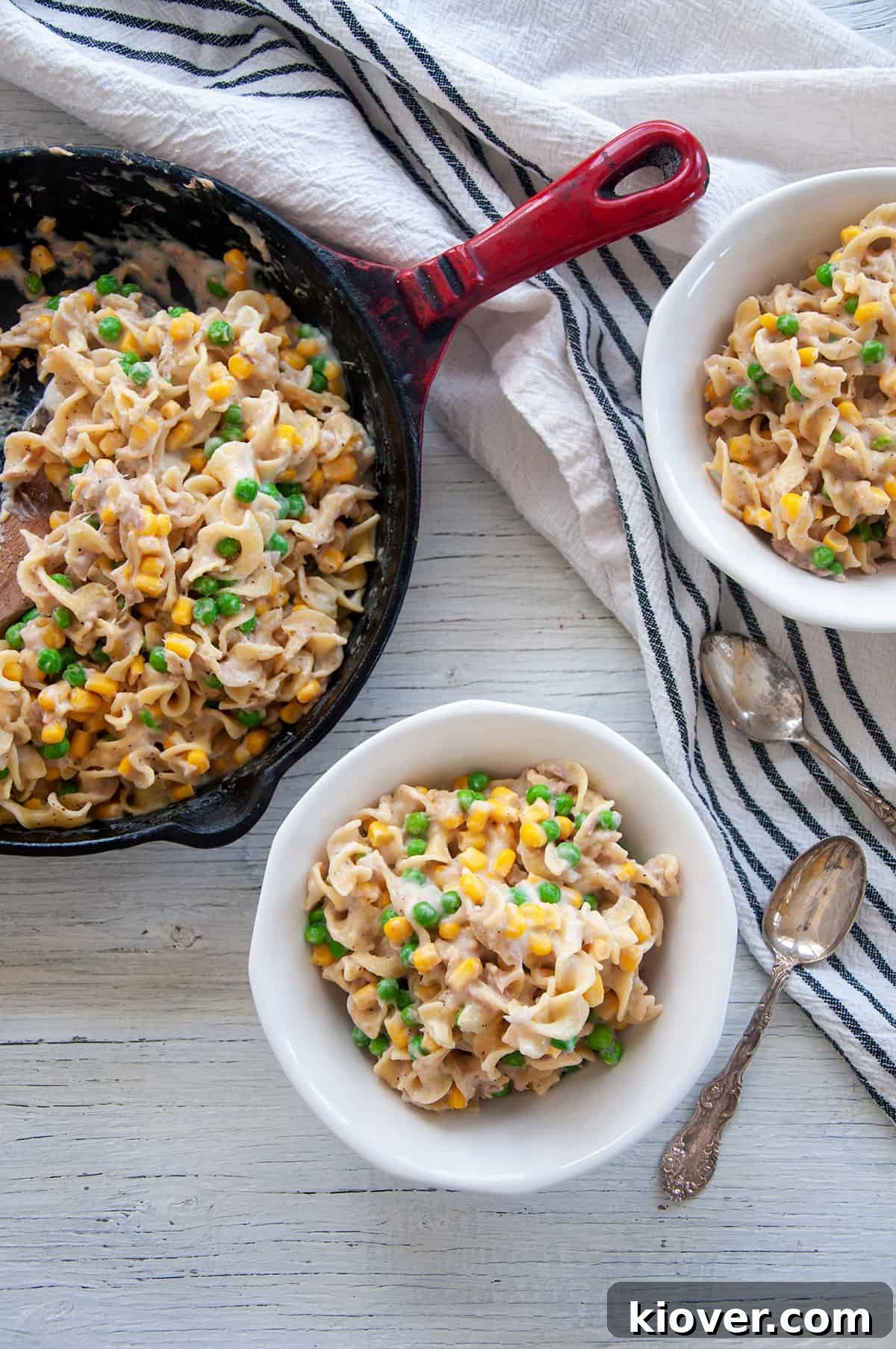
Recommended Products for This Recipe
- 12” Cast Iron Skillet: An essential for its versatility and even heating.
- Spatula: Indispensable for stirring and scraping every last bit of deliciousness.
Print

Homemade Skillet Tuna Helper Recipe
5 Stars 4 Stars 3 Stars 2 Stars 1 Star
5 from 2 reviews
Author: Ben Myhre
Prep Time: 10 minutes
Cook Time: 20 minutes
Total Time: 30 minutes
Yield: 4 servings
Category: Easy
Method: Skillet
Cuisine: American
Description
This Homemade Skillet Tuna Helper Recipe is easy to throw together and provides a healthy, tasty, simple homestyle dinner. Get out your pantry staples for this quick and delicious skillet dinner.
Ingredients
- 8 ounces egg noodles, cooked and drained
- 3 tablespoons all purpose flour
- 2 tbsp butter
- 2 cups 2% milk
- 1 Can corn, drained
- 1.5 cup frozen peas, thawed
- 1 can tuna
- Salt & Pepper to Taste
Instructions
- In a large skillet, melt butter over medium-low heat.
- Once butter is fully melted and shimmering, slowly whisk in the all-purpose flour to form a smooth, paste-like roux. Cook for 1-2 minutes, stirring constantly, to remove the raw flour taste.
- Gradually add a small amount of milk (about 1/4 cup) to the roux, stirring vigorously with a whisk or wooden spoon until thoroughly incorporated and smooth.
- Continue adding the remaining milk in small increments, mixing well after each addition until all the milk is incorporated and the sauce is smooth and lump-free.
- Increase the heat to medium to medium-high and continue stirring consistently to prevent the dairy from scalding on the bottom of the pan.
- As the sauce begins to gently bubble, you will notice it gradually thickening to your desired consistency. Keep stirring until it reaches a gravy-like thickness, or coats the back of your spoon.
- Once the sauce is perfectly thickened, gently fold in the cooked and drained egg noodles, ensuring they are evenly coated in the creamy sauce.
- Next, add the drained canned corn, thawed frozen peas, and drained canned tuna to the skillet.
- Mix all the ingredients thoroughly until the vegetables and tuna are well distributed throughout the noodle and sauce mixture.
- Season the dish generously with salt and freshly ground black pepper to taste, adjusting as needed.
- Serve hot and enjoy your delicious Homemade Skillet Tuna Helper!
Nutrition
- Serving Size: 1/4 skillet
- Calories: 327 cal
- Sugar: 5 g
- Sodium: 210 mg
- Fat: 10 g
- Saturated Fat: 5 g
- Unsaturated Fat: 2 g
- Trans Fat: 0 g
- Carbohydrates: 40 g
- Fiber: 4 g
- Protein: 19 g
- Cholesterol: 40 mg
Share Your Homemade Skillet Tuna Helper Success!
There’s nothing more rewarding than hearing from readers who have tried and loved one of my recipes! If you’ve whipped up this Homemade Skillet Tuna Helper and enjoyed it as much as my family does, please take a moment to leave a comment and a rating in the section below. Your feedback is invaluable, helping me to refine my cooking and empowering me to create even better recipes for you in the future. It also helps other home cooks discover and trust these budget-friendly, delicious meal ideas.
If this recipe becomes a new favorite in your household, I would be incredibly grateful if you shared it with your friends and family on Pinterest and Facebook. Spreading the word helps our community grow and ensures more people can enjoy the satisfaction of cooking delicious meals from simple ingredients. And for continuous inspiration and new recipe alerts straight to your inbox, don’t forget to sign up for email updates via the banner on this page. Thank you for joining me on this culinary adventure, and happy cooking!