
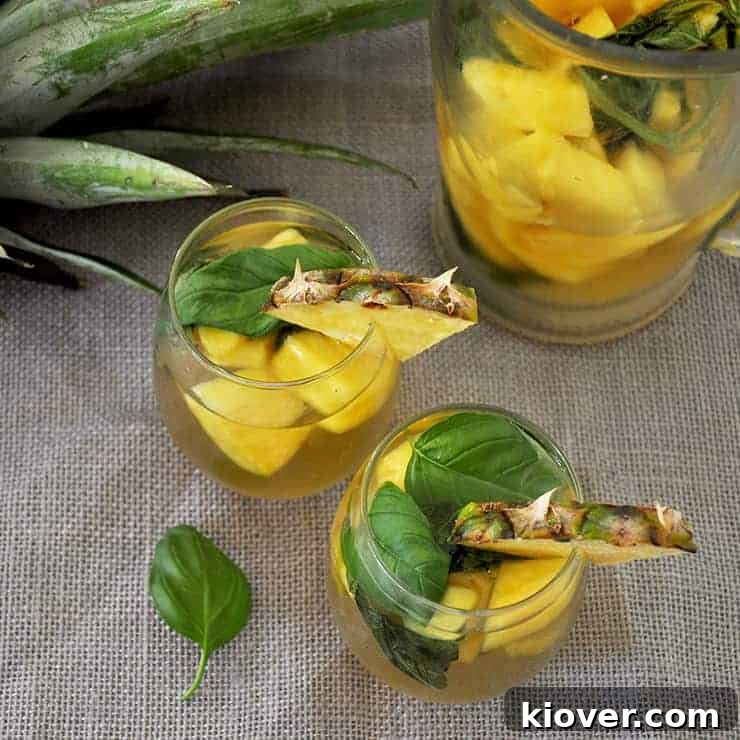
Savor the vibrant essence of summer with our exquisite Basil and Pineapple Moscato Sangria. This easy-to-make recipe delivers a burst of tropical flavor, creating a refreshing and utterly delicious beverage perfect for any occasion. Elevate your next gathering or simply unwind with a glass of this extraordinary sangria, promising a delightful escape with every sip.
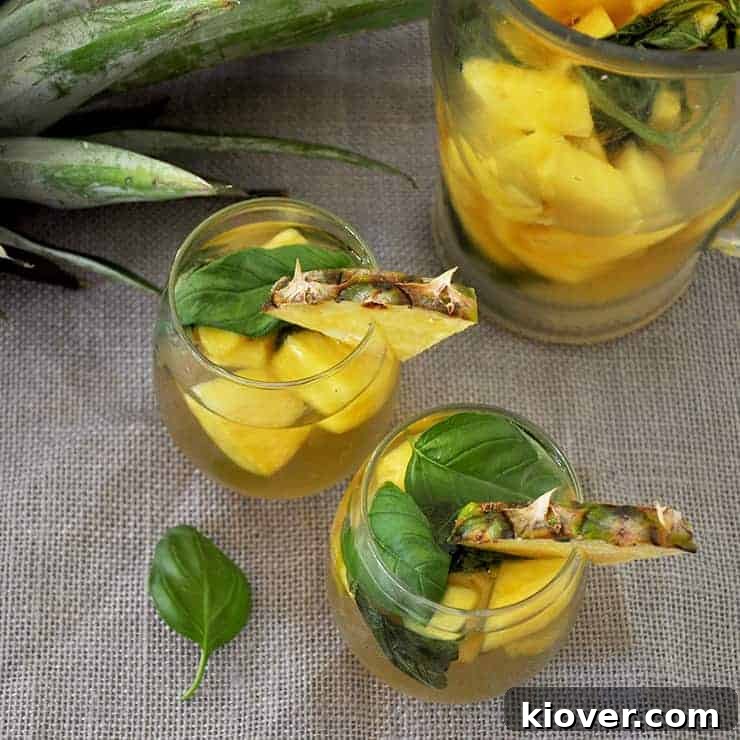
The Ultimate Summer Refresher: Basil Pineapple Moscato Sangria
There’s nothing quite like a well-crafted sangria to define the spirit of summer. It’s a drink that embodies conviviality, relaxation, and the joy of fresh fruits. While traditional red and white sangrias hold a special place, our Basil Pineapple Moscato Sangria introduces an exciting tropical twist that’s both invigorating and unique. If you’ve been looking for a signature drink to elevate your backyard barbecues, poolside lounging, or quiet evenings on the patio, your search ends here. This recipe isn’t just about combining ingredients; it’s about creating an experience – a miniature vacation in every glass.
Many wonder if enjoying sangria frequently is acceptable. The answer, as with most delightful indulgences, is moderation. And when a sangria is as light, fruity, and irresistibly delicious as this one, it’s easy to understand why it might become a regular favorite in your home. Having explored the classics with our perfect Sangria recipe and a white Sangria recipe, we’re now venturing into a more exotic realm. Get ready to impress your taste buds and your guests with this beautifully balanced and effortlessly chic Basil Pineapple Moscato Sangria.
A Tropical Escape: The Harmony of Pineapple and Basil in Sangria
What makes this particular sangria stand out? It’s the unexpected, yet perfectly harmonious, pairing of sweet, tangy pineapple with the fresh, aromatic notes of basil. Pineapple, a quintessential symbol of the tropics, brings a vibrant sweetness and a slight tartness that brightens the entire drink. Its juicy texture contributes wonderfully to the fruit medley, infusing the wine with its irresistible essence. But the true magic lies in the basil. Often associated with savory dishes, fresh basil introduces an intriguing herbaceous counterpoint, adding a layer of sophisticated freshness that cuts through the sweetness and elevates the tropical profile. This unexpected herb transforms the sangria from merely fruity to something truly special, offering an aromatic complexity that captivates the senses.
Choosing Moscato as the wine base further enhances this tropical symphony. Moscato, known for its light body, floral aromas, and inherent sweetness, provides the perfect canvas for the bold flavors of pineapple and basil. It doesn’t overpower the fruit or herb but rather complements them, creating a seamlessly integrated and refreshing beverage that dances on the palate. This thoughtful combination ensures every sip is a delightful journey to a sun-drenched paradise, making it an ideal choice for a summer afternoon or a festive evening.
Unearthing Sangria’s Tropical History: From Sangaree to Modern Delights
The history of sangria is richer and more intertwined with tropical regions than many realize. As we delved into in our recent history of Sangria article, there’s a compelling link between this beloved Spanish drink and the vibrant Caribbean. The story begins long before modern sangria took shape, revolving around one crucial ingredient: sugar. For centuries, sugar was a luxury, not a staple. Its widespread availability only emerged with the burgeoning cultivation and global trade of sugarcane, primarily from South America and the Caribbean. This pivotal development, which truly began to flourish in the 1500s, meant that drinks requiring significant amounts of sugar, like sangria, could not have existed in their recognizable forms before this period.
Even more fascinating is the precursor to sangria, a drink known as Sangaree. Historical accounts suggest that Sangaree likely originated in the Caribbean, where local fruits, rum, and the newly abundant sugar were combined with wine. This refreshing concoction then made its way across the Atlantic, influencing Spanish drinking culture and eventually evolving into what we now recognize as Sangria. Thus, while our Basil Pineapple Moscato Sangria might be a modern innovation, its roots firmly extend back to the tropical climes and rich culinary exchanges of centuries past. It’s a testament to the enduring appeal of combining wine, fruit, and a touch of sweetness, a tradition that spans continents and generations, bringing the essence of exotic locales to your glass.
The Art of Infusion: Why Chilling Time is Your Best Friend
While the immediate gratification of a freshly mixed drink is appealing, sangria truly shines after a period of patient infusion. It’s not merely about cooling the drink; it’s about allowing the individual flavors of the fruits, herbs, and wine to meld and harmonize. Think of it as a culinary conversation where pineapple, basil, and Moscato exchange notes, deepening and enriching the overall profile. The longer the sangria rests in the refrigerator, the more pronounced and cohesive these flavors become. The wine absorbs the sweet, tangy essence of the pineapple, while the basil releases its aromatic oils, intertwining with the other ingredients to create a complex, layered taste that a hastily mixed drink simply cannot achieve.
This process of flavor marriage requires minimal effort but yields maximum deliciousness. After combining all the ingredients, simply place your pitcher of goodness in the fridge and forget about it for a few hours. Personally, I’ve found that preparing the sangria in the morning ensures it’s perfectly chilled and exquisitely flavorful by the time I’m ready to enjoy it after work. While five hours is a recommended minimum to allow the flavors to truly blossom, an overnight chill can create an even more profound and integrated taste experience. Resist the urge to serve it too soon; patience truly is a virtue when it comes to crafting the perfect sangria.
Mastering the Pineapple: A Guide to Preparation for Optimal Flavor
For this Basil Pineapple Moscato Sangria, the quality of your pineapple makes all the difference. While one could technically leave the skin on or forgo coring in a pinch, these shortcuts compromise the final product. Our goal is a sangria where every component in the glass is not only edible but also contributes to an enjoyable and elegant drinking experience. Preparing a fresh pineapple properly ensures that you extract its maximum flavor and sweetness, without any tough, fibrous bits getting in the way.
Cleaning and chopping a pineapple might seem daunting, but it’s a straightforward process once you know the technique. Here’s a brief overview, and for a visual guide, I highly recommend checking out the excellent video from Clean & Delicious:
- Cut off the top and bottom: Use a sharp knife to slice off both ends of the pineapple, creating flat surfaces.
- Stand it upright and remove the skin: With the pineapple standing on one of its flat ends, carefully slice downwards, following the curve of the fruit, to remove the tough outer skin. Try to remove as little of the flesh as possible.
- Remove the “eyes”: Look for the diagonal rows of small, dark “eyes.” You can use a small paring knife to cut V-shaped grooves along these rows, removing the eyes without wasting too much fruit.
- Core the pineapple: Once peeled, lay the pineapple on its side and slice it into rounds. From each round, you can use a small cookie cutter or simply cut around the tough, fibrous core in the center. Alternatively, you can quarter the pineapple lengthwise and then slice off the core from each quarter.
- Chop the flesh: Once cored and peeled, chop the pineapple flesh into bite-sized pieces suitable for your sangria.
Taking these few extra steps ensures your sangria will be free of any undesirable textures, allowing the pure, tropical essence of the pineapple to shine through.
The Sweet Foundation: Why Moscato is the Perfect Choice
While various white wines can be used for sangria, my specific recommendation for this tropical concoction is Moscato wine. Its inherent characteristics make it an ideal partner for the vibrant flavors of pineapple and basil. Moscato is typically a sweet, often slightly effervescent (frizzante), white wine known for its aromatic profile, featuring notes of peach, apricot, orange blossom, and a distinct grapey sweetness. This natural sweetness means you won’t need to add excessive sugar to the sangria, allowing the fruit and basil to come forward more purely.
The subtle sweetness of Moscato perfectly complements the natural sugars in the pineapple, enhancing the tropical feel without making the drink cloyingly sweet. Furthermore, its light body and refreshing acidity provide a beautiful balance, ensuring the sangria remains crisp and invigorating, even with the added brandy. While other white wines like Sauvignon Blanc or Pinot Grigio could work for a drier sangria, they wouldn’t offer that signature “pop” of sweetness and tropical warmth that Moscato effortlessly delivers. When selecting your Moscato, remember that you don’t need to splurge on an expensive bottle. Since we’re fortifying this recipe with a medley of bold flavors, a reasonably priced Moscato will contribute wonderfully without its nuances being overshadowed.
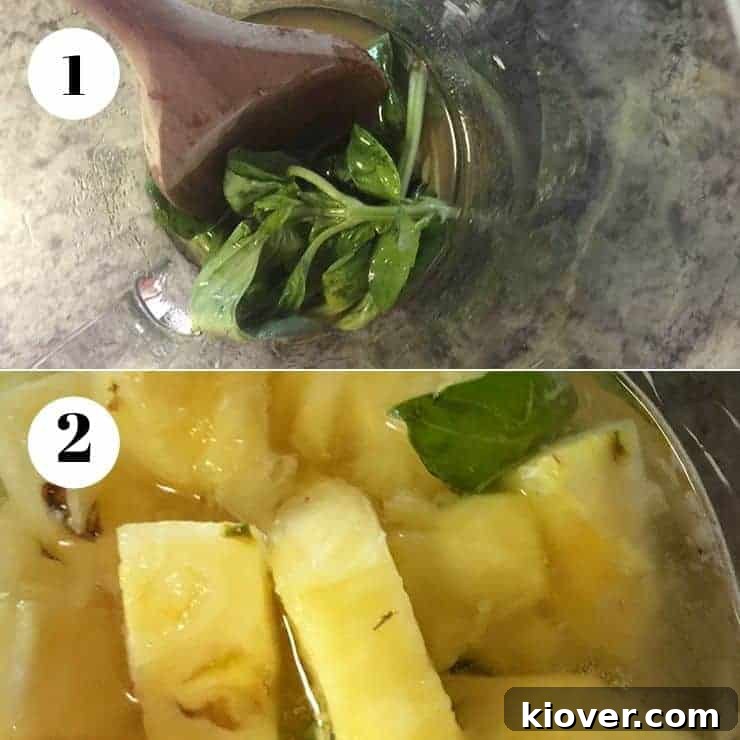
Crafting Your Tropical Masterpiece: Basil Pineapple Moscato Sangria Process Description
Creating this sangria is a joyful and simple process, designed to maximize flavor with minimal fuss. The key steps focus on extracting the most aromatic and sweet notes from each ingredient:
- Initial Infusion: Begin by combining the sugar, fresh basil leaves, and brandy at the bottom of a large pitcher. This crucial first step allows the sugar to start dissolving, while the basil, especially if gently muddled, begins to release its fragrant essential oils. The brandy serves not only to fortify the drink but also to act as a solvent, helping to draw out deeper flavors from the basil and set the stage for a rich, aromatic base. Don’t be shy about gently pressing the basil leaves with a wooden spoon or muddler to encourage this flavor release.
- Introducing the Pineapple: Next, add your freshly cleaned and chopped pineapple pieces to the pitcher. Give everything a good stir, ensuring the pineapple is coated with the brandy-sugar-basil mixture. This initial contact allows the pineapple to begin absorbing the foundational flavors.
- The Wine Component: Pour the entire bottle of Moscato wine into the pitcher. Stir again gently to combine all the ingredients thoroughly. At this point, the sangria is technically ready, but the magic of infusion is yet to happen.
- The Essential Chill: Place the pitcher in the refrigerator for a minimum of 5 hours. As discussed, this extended chilling time is vital for the flavors to marry, deepen, and transform into a harmonious, tropical symphony. The longer it sits, the more integrated and delicious your sangria will become.
Following these steps will ensure a sangria that is not only refreshing but also bursting with complex, tropical notes, making it an unforgettable summer beverage.
Expert Tips for a Flawless Basil Pineapple Moscato Sangria
Achieving the perfect pitcher of Basil Pineapple Moscato Sangria is simple with a few key insights:
- Prioritize Fresh Pineapple: The foundation of this sangria’s vibrant flavor lies in its fruit. Always opt for a ripe, fresh pineapple. Its natural sweetness and tangy juiciness are unparalleled and far superior to canned or frozen alternatives, which can impart a muted flavor or altered texture. A fresh pineapple ensures the brightest, most authentic tropical essence.
- Be Judicious with Moscato Investment: While a good wine is important, there’s no need to overspend on your Moscato. This recipe is designed to be a flavorful concoction where the wine combines with strong notes of pineapple, basil, and brandy. An expensive, nuanced Moscato might have its subtle complexities lost in the medley of bold flavors. A moderately priced, good quality Moscato will perform beautifully and provide the necessary sweetness and character without breaking the bank.
- Embrace the Chill Factor: Patience is truly a virtue here. Allowing your sangria ample time in the refrigerator (at least 5 hours, preferably longer) is non-negotiable for flavor development. This period enables all the ingredients to meld and infuse, transforming individual notes into a cohesive, wonderfully balanced beverage. The fruits release their juices, the basil’s aromatics permeate the liquid, and the brandy and wine become fully integrated, resulting in a depth of flavor that can’t be rushed.
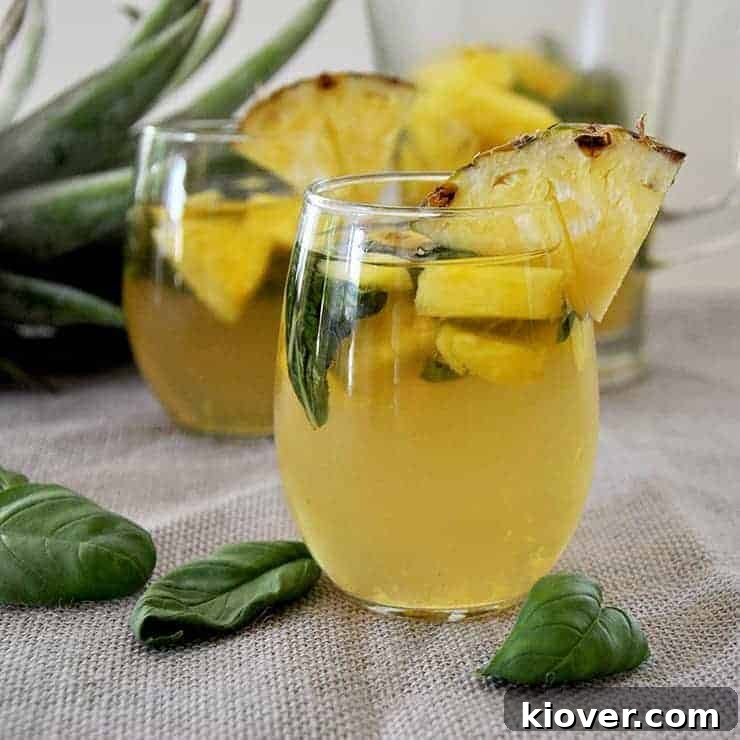
- Consider Your Garnishes: While the sangria is beautiful on its own, a thoughtful garnish can elevate the presentation. A few fresh basil leaves, a slice of pineapple, or even a lime wheel can add a touch of elegance and reinforce the tropical theme when serving.
- Serve with Plenty of Ice: Sangria is best enjoyed very cold. Prepare a bucket of ice for serving, or chill your glasses beforehand, to ensure each pour is refreshingly cool.
With these tips in mind, you have all the tools and knowledge necessary to create a truly spectacular Basil Pineapple Moscato Sangria that will be the highlight of any summer gathering.
Recommended Products to Enhance Your Sangria Experience
To make your Basil Pineapple Moscato Sangria creation as smooth and enjoyable as possible, here are some essential tools and accessories:
- Wusthof Knife Set: A sharp, reliable knife is indispensable for cleaning and chopping your fresh pineapple with ease and precision.
- Stemless Wine Glasses: Perfect for serving sangria, these glasses offer a casual yet elegant presentation, allowing you to enjoy the vibrant colors and fruit pieces without a stem getting in the way.
- Glass Pitcher: A sturdy and aesthetically pleasing glass pitcher is ideal for mixing, chilling, and serving your sangria. It allows the beautiful colors of the fruit and wine to be showcased.
Print
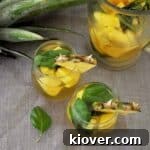
Basil and Pineapple Moscato Sangria
5 Stars 4 Stars 3 Stars 2 Stars 1 Star
5 from 4 reviews
Author: Ben Myhre
Prep Time: 10 Minutes
Cook Time: 5 Hours
Total Time: 5 Hours 10 Minutes
Yield: 8 Drinks
Category: Cocktails
Method: Steep
Cuisine: Spanish
Description
This Basil Pineapple Moscato Sangria brings the tropics to a summertime drink. Combine a sweet wine with some tropical fruit, some basil, and a bit of sugar for the ultimate summer Sangria.
Ingredients
- 1/2 cup sugar
- 1/2 cup brandy
- 1 cup basil
- 1 Medium Pineapple, cleaned and loosely chopped
- 750ml Moscato Wine
Instructions
- Add sugar, basil, and brandy to bottom of a large pitcher.
- mix and don’t be afraid to muddle the basil leaves to get some of them flavors in the Sangria
- add pineapple and stir
- Add wine to pitcher and stir
- Place in fridge for at least 5 hours
Notes
- Make sure to choose a fresh pineapple for the best flavored Sangria.
- Don’t spend too much on your Moscato. We are fortifying this recipe with all sorts of flavor, so any spendy booze or wine might have it’s spendiness lost in all of the big flavors.
- Allowing your Sangria to spend some time in the fridge before you serve will help all of the flavors marry for this Moscato Sangria.
Nutrition
- Serving Size: 1/8 Total
- Calories: 193 kcal
- Sugar: 35 g
- Sodium: 1 mg
- Fat: 0 g
- Saturated Fat: 0 g
- Unsaturated Fat: 0 g
- Trans Fat: 0 g
- Carbohydrates: 39 g
- Fiber: 2 g
- Protein: 1 g
- Cholesterol: 0 mg