
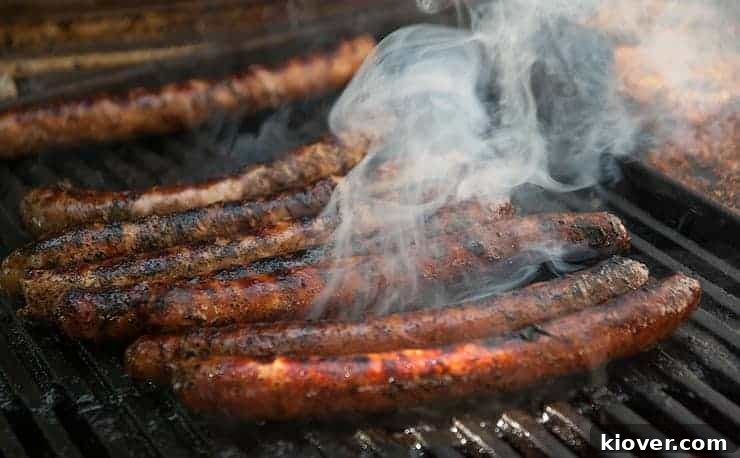
The Enduring Flame: A Comprehensive History of Grilling and Outdoor Cooking
Delving into the history of grilling is akin to tracing the very timeline of humanity itself. This deep-rooted practice forms a foundational element of our grilling series, showcasing a culinary tradition that predates written history. For millennia, humans have intentionally cooked meat over open flames, a skill intrinsically linked to the domestication of fire. Our earliest ancestors didn’t have the luxury of modern conveniences; they hunted or gathered their food and prepared it with the most fundamental tool available: fire. While this vast subject could easily fill volumes, this article offers an insightful overview of the fascinating evolution of grilling, from prehistoric hearths to the iconic backyard barbecues of today.
Understanding the Essence: What Exactly is Grilling?
Before we embark on a journey through the historical landscape of grilling, it’s essential to establish a clear definition. Though most of us have an intuitive understanding, a precise definition helps set a common ground for our exploration. After careful consideration, I find the definition provided by Rouxbe, with minor modifications for clarity, to be the most accurate and succinct:
Grilling is a dry-heat cooking method performed over direct, high-temperature heat. Food is typically cooked on metal grates positioned above a heat source, aiming to impart a distinctive smoky, charred flavor and appealing sear. Grills can be powered by various fuel types, including gas, electricity, charcoal, or wood.
This definition emphasizes the core characteristics: direct heat, high temperatures, and the resulting flavor profile. It distinguishes grilling from other cooking methods and sets the stage for understanding its unique place in culinary history. The intense heat quickly cooks the exterior of the food, creating a delicious crust through the Maillard reaction, while often leaving the interior moist and tender. This rapid, high-heat application is what truly defines the grilling experience.
Grilling vs. Barbecue: Unpacking the Culinary Distinction
The terms “grilling” and “barbecue” are often used interchangeably, leading to widespread confusion, especially across different regions and cultures. However, in the culinary world, there’s a significant distinction, particularly in method and desired outcome. While some individuals might utilize their grill to slow-cook food, such as a pork shoulder for several hours, this technique leans more towards smoking or true barbecuing rather than grilling as we’ve defined it. Grilling, by its nature, demands direct, intense heat, focusing on quick cooking and searing.
Barbecuing, on the other hand, typically involves a “low and slow” approach, often employing indirect heat at lower temperatures over extended periods. The primary goal of barbecuing and smoking is not only to cook the food thoroughly but also to allow a rich, smoky flavor to deeply penetrate the meat. This process can take many hours, sometimes an entire day, resulting in incredibly tender and flavorful results, particularly for tougher cuts like brisket, pork shoulder (Boston Butt), or ribs. Traditional barbecuing can even involve pit cooking in the ground, as historically practiced by Hawaiians, or specialized smokers. While our series might occasionally touch upon barbecuing, our primary focus remains on grilling as defined: the application of direct, high-temperature heat to achieve that perfect sear and distinctive grilled taste.
The Primordial Flame: The Ancient History of Grilling
The story of grilling truly begins with one of humanity’s most pivotal discoveries: the taming of fire. Imagine the profound impact this mastery had on early human life. Fire offered illumination against the dangers of the night, replacing fumbling in darkness with the guiding glow of a torch. In a world fraught with peril, avoiding a debilitating injury like a sprained ankle – which could leave one vulnerable to predators – was paramount. Beyond safety and light, fire provided warmth, enabling migration into colder, previously uninhabitable climates. Most significantly, it revolutionized food preparation, opening up an entirely new culinary landscape. Cooked food became easier to digest, safer to consume by killing pathogens, and unlocked nutrients previously unavailable. Archaeological evidence suggests that our human ancestors may have been cooking food over fire as far back as a million years ago, marking the dawn of primitive grilling.
One of the simplest and most effective ways to cook meat was to place it directly over a flame or hot embers. While modern grilling often utilizes elaborate grates and sophisticated equipment, our cave-dwelling predecessors were performing essentially the same task by suspending or placing meat over their fires. This primordial act of cooking over an open flame represents the deep roots of what we now call grilling, connecting us to the very earliest culinary experiments of humankind. The smoky aroma, the tenderized meat, and the communal aspect of sharing a meal cooked over fire have resonated through countless generations.
From Ancient Hearth to Modern Kitchen: The Pre-WWII Landscape
We’ve traversed a million years in a blink, from cavemen to modern times. Naturally, countless innovations occurred between those two distant points. Over millennia, human societies developed more sophisticated cooking apparatuses, leading to the invention of enclosed stoves and ovens. These advancements brought unprecedented consistency and control to cooking, fostering the development of diverse culinary traditions. The kitchen, as a designated and central part of the home, began to emerge, although its current prominence is a relatively recent phenomenon. For centuries, cooking was often done outdoors or in multi-purpose rooms due to concerns about smoke and heat.
As industrialization progressed and modernity took hold, bringing electricity, refrigeration, and other conveniences into the home, the indoor kitchen truly blossomed into the central hub we recognize today. Having an enclosed kitchen, sheltered from the elements, diminished the necessity for outdoor cooking. By the early 1900s, outdoor cooking had largely receded from everyday life, relegated primarily to special community events, camping trips, or the resourceful improvisation of transient individuals.
The Coleman Pocket Stove: A Catalyst for Outdoor Cooking’s Revival During WWII
The resurgence of outdoor cooking in the modern era received an unexpected impetus during World War II. The U.S. government sought a highly portable and efficient cooking solution for its military forces, something that could be easily carried and operated in diverse field conditions. Coleman, a company already known for its outdoor equipment, rose to the challenge, developing and manufacturing the iconic portable pocket stove. This compact, reliable stove proved to be an indispensable asset to the troops, making its debut during the US invasion of North Africa and quickly becoming a trusted companion for soldiers globally.
Following the war, Coleman smartly transitioned this military innovation into a consumer product, marketing it as an essential item for camping and outdoor recreational activities. The most fascinating aspect of this development, in relation to the history of grilling, is how it subtly reintroduced the concept of outdoor cooking in a practical, modern context to a vast number of soldiers. These men and women, returning home from conflict, carried with them experiences and positive associations with outdoor meal preparation. While war is undeniably horrific, moments of camaraderie and community often formed around shared meals, sometimes prepared on these very Coleman stoves. It’s plausible that these veterans returned with a newfound appreciation for the unique bonding and social atmosphere that could spontaneously occur around an outdoor cooking apparatus, setting the stage for a post-war grilling boom.
The Post-War Era: Suburbanization and the Rise of Backyard Grilling
The generation that had endured the Great Depression and fought through World War II—the “GI Generation”—emerged into a period of unprecedented post-war affluence and a monumental baby boom. This era witnessed a significant demographic shift, as families migrated from crowded cities and rural landscapes to burgeoning suburban communities. These new suburbs, characterized by tract homes and the aspirational lifestyle of “keeping up with The Joneses,” defined a new American ideal. Whether romanticized through the lens of “Leave It to Beaver” or idealized in Norman Rockwell paintings, this was the prevailing cultural milieu.

The same GIs who had once relied on the Coleman Pocket Stove in the dire circumstances of war now found themselves with sprawling backyards and growing families. The backyard became a sanctuary, a space for leisure, family gatherings, and entertainment. In this new suburban landscape, outdoor cooking, particularly backyard grilling, rapidly evolved from a niche activity into a widespread cultural phenomenon. It symbolized freedom, prosperity, and the quintessential American dream, transforming the humble act of cooking into a cherished social ritual.
The Brazier Grill: An Early Post-WWII Staple
In the immediate aftermath of WWII, the brazier-style grill emerged as the popular choice for America’s burgeoning backyard chefs. These early grills were relatively simple devices: typically, a shallow basin for charcoal with a basic metal grate positioned above it. While perfectly capable of cooking food, they represented a nascent stage in grilling technology. The open design left the food and the fire entirely exposed to the whims of the elements. Wind gusts could drastically impact cooking temperatures, causing uneven heat distribution and flare-ups. Rain could extinguish the fire, and maintaining a consistent temperature required constant vigilance and adjustment. This lack of control and protection from the weather was one of the most significant drawbacks of the brazier grill, highlighting the clear need for further innovation in outdoor cooking equipment.
Weber Revolutionizes American Grilling with the Iconic Kettle Grill
The grilling landscape was forever changed by the ingenuity of George Stephen Sr. and his creation, the Weber kettle grill. Weber, originally a metal works company founded in 1887, primarily fabricated metal buoys. George Stephen, working in sales for his father’s company in the 1950s, was an avid griller but grew increasingly frustrated with the limitations of the open brazier grills. According to the Smithsonian, in 1952, George had a eureka moment: he realized that the domed shape of a marine buoy could be perfectly adapted to create a superior grill. By cutting a buoy in half, adding a lid, and strategically placing vents for airflow control, he fashioned the first modern charcoal kettle grill.
This simple yet brilliant design was revolutionary. The domed lid allowed for precise temperature control, protecting the food from the elements and enabling consistent, even cooking. The vents provided crucial control over airflow, which in turn regulated the heat of the charcoal, transforming grilling from an unpredictable chore into a more predictable and enjoyable culinary art form. The Weber kettle grill quickly became an American icon, symbolizing the freedom and joy of backyard cooking and setting a new standard for grilling performance and versatility.

The Rise of Gas Grills: Convenience Meets Outdoor Cooking
As the charcoal grill soared in popularity, the drive for convenience led to another significant innovation: the gas grill. Just two years after George Stephen created his kettle grill, the Chicago Combustion Company introduced and began selling the “LazyMan” portable gas grill in 1954. This marked the beginning of a new era, offering grillers an alternative that traded the smoky flavor of charcoal for ease of use. Gas grills provided instant heat, consistent temperatures with the turn of a knob, and significantly easier cleanup. Their rapid heating capabilities and precise temperature control appealed to busy families and those seeking a more streamlined grilling experience. Today, companies like Weber also offer extensive lines of gas grills, including popular models like the Genesis series, which has become a staple in many garages and patios, marrying modern convenience with the cherished tradition of outdoor cooking.
The Foundation of Flame: A Brief History of Charcoal
While the focus often lies on the grills themselves, the fuel source – charcoal – has its own fascinating history deeply intertwined with grilling. Wood charcoal has been produced and utilized since ancient times, essentially a concentrated form of wood created by burning it in a low-oxygen environment. This process removes water and volatile compounds, leaving behind nearly pure carbon that burns hotter and cleaner than wood. However, the form of charcoal we most commonly recognize today, the charcoal briquet, is a relatively modern invention.
The charcoal briquet was first invented in 1897 by Ellsworth B. A. Zwoyer. What makes this story particularly captivating is its connection to an unexpected figure: Henry Ford. Yes, *the* Henry Ford, automotive pioneer. Ford, ever the innovator, sought ways to reuse the vast amounts of wood scraps and sawdust generated by his automobile assembly lines. He collaborated with his friend, Edward G. Kingsford, to develop a method for turning these industrial byproducts into a usable fuel. Their efforts led to the mass production of charcoal briquets, creating a highly consistent and readily available fuel source that perfectly complemented the rise of backyard grilling. Today, the Kingsford brand remains synonymous with charcoal, a testament to Henry Ford’s unexpected, yet significant, role in the history of charcoal and American grilling.
The Enduring Legacy of Grilling
From the primal fires of our earliest ancestors to the sophisticated gas grills of modern backyards, the history of grilling mirrors the journey of humankind itself. The methods, tools, and social contexts have evolved dramatically over millions of years, yet the fundamental human connection to cooking food over an open flame remains an unbroken thread. Grilling is more than just a way to cook; it’s a celebration of community, a symbol of freedom, and a primal act that connects us to our deepest heritage. So, the next time you’re expertly flipping a burger or searing a steak on your grill, take a moment to appreciate the profound and ancient lineage of this enduring culinary tradition, understanding that you are partaking in an act that has resonated through every generation of human existence.