
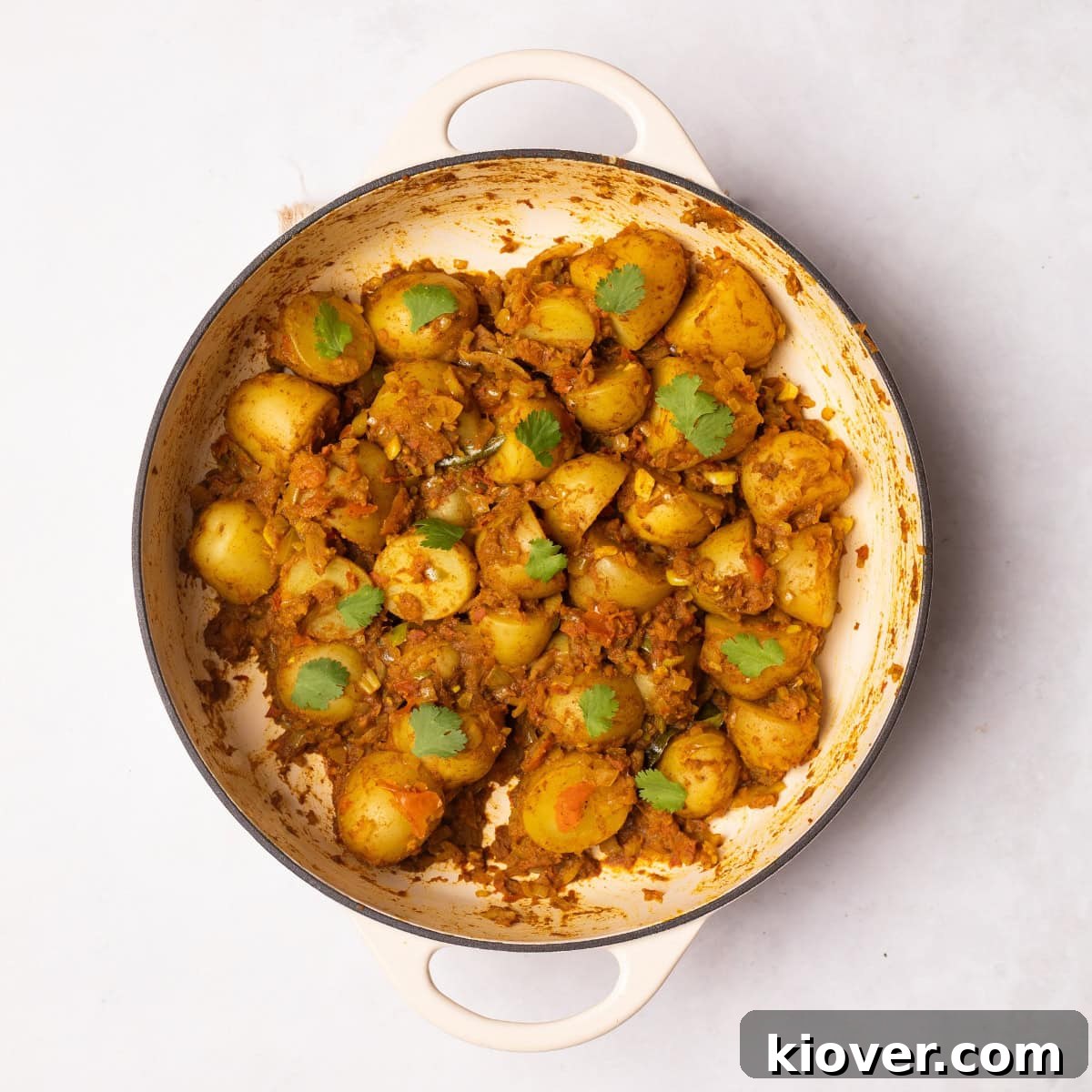
Discover the rich, vibrant flavors of India right in your own kitchen with this incredible **Bombay Aloo (Bombay Potatoes)** recipe. This classic Indian side dish transforms humble potatoes into a culinary masterpiece, boasting a perfect blend of aromatic spices that infuse every tender bite with an unforgettable taste. Forget bland, ordinary potato dishes; these easy-to-make Bombay potatoes deliver a truly authentic, restaurant-quality experience without any unnecessary fuss. As an added bonus, this delightful recipe is naturally gluten-free and vegan, making it a perfect choice for a wide range of dietary preferences.
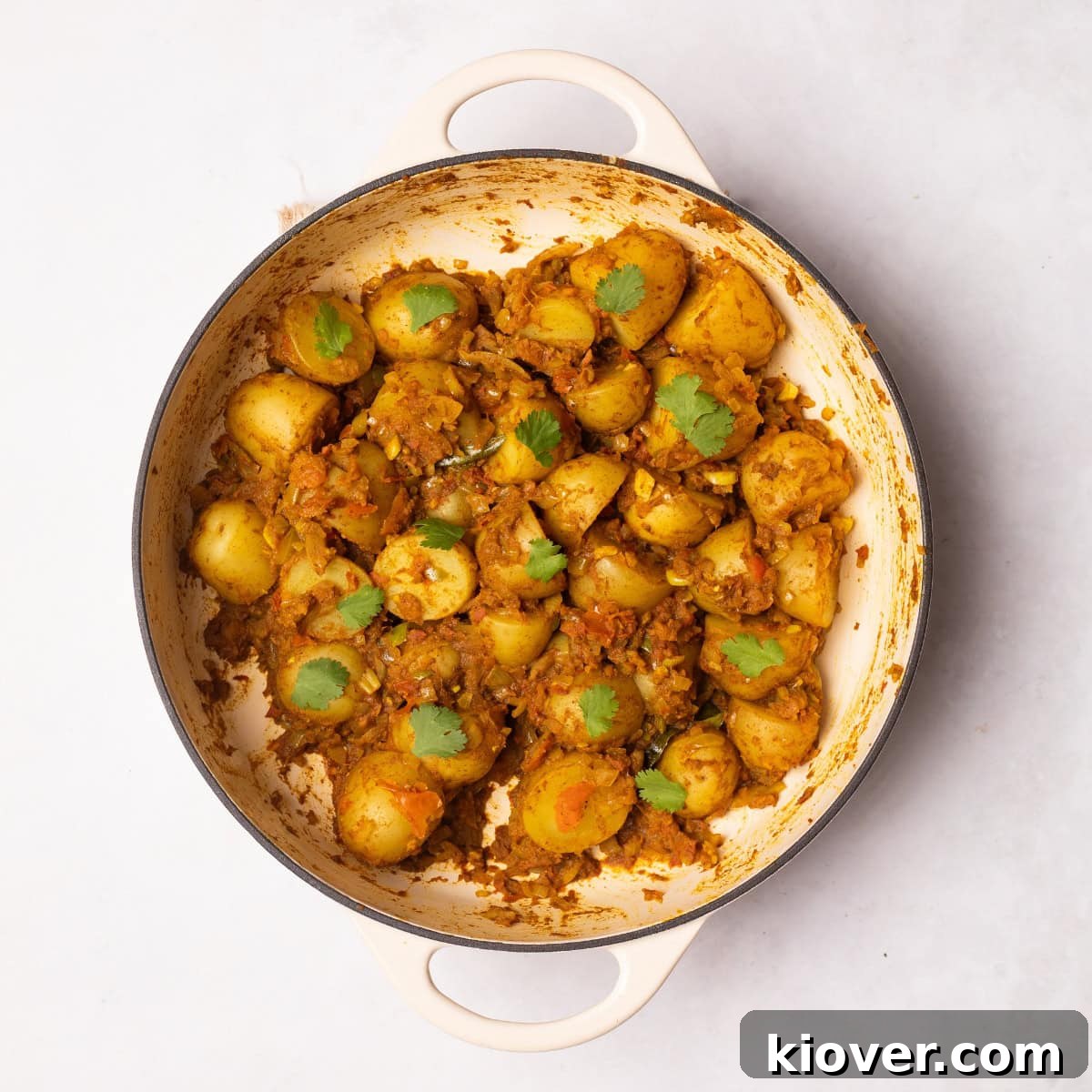
Recipe Difficulty – Very Easy
Table of Contents
- Why This Recipe Works
- The Essence of Bombay Aloo
- Key Ingredients for Bombay Aloo
- Ingredient Substitutions
- Recipe Variations
- How to Make Bombay Aloo (Bombay Potatoes)
- Expert Tips for Perfect Bombay Aloo
- Serving Suggestions
- Leftovers & Storage
- Frequently Asked Questions
- Bombay Aloo (Bombay Potatoes) Full Recipe
Why This Recipe Works
Indian cuisine holds a special place in my heart, renowned for its incredible diversity and depth of flavor. Each dish is a symphony of spices, meticulously blended to create an explosion of taste that excites the palate. While venturing into Indian cooking for the first time might seem daunting, this simple **Bombay Potatoes** recipe serves as an excellent entry point. It’s not only incredibly delicious but also significantly more affordable and healthier than opting for takeout. Mastering this dish will not only save you money but also empower you to create authentic Indian flavors from scratch.
What truly sets Indian restaurants apart are the mesmerizing sauces and gravies they craft, transforming simple ingredients into divine culinary experiences. This **vegan Bombay potato recipe** perfectly embodies that philosophy. At its core, Bombay Aloo features tender, perfectly cooked potatoes embraced by a rich, aromatic sauce made with fresh tomatoes, sweet onions, and an impressive array of spices. The result is a profoundly flavorful side dish that promises to be a recurring favorite at your dining table. Its versatility also means it pairs wonderfully with other Indian staples, like this amazing Gluten-Free Naan Bread recipe, creating a truly wholesome and satisfying meal.
The Essence of Bombay Aloo
**Bombay Aloo**, also widely known as Bombay Potatoes, is a cherished Indian potato dish originating from the bustling city of Mumbai (formerly Bombay). It’s a testament to how simple ingredients, when treated with the right spices, can transform into something extraordinary. This dish typically involves boiling or steaming potatoes until tender, then pan-frying them with a vibrant mix of onions, tomatoes, and a complex blend of traditional Indian spices. The beauty of Bombay Aloo lies in its rustic charm and its ability to deliver profound flavors with minimal effort. It’s a staple in Indian households and a popular offering in restaurants, beloved for its comforting texture and spicy, tangy, and savory profile. Whether served as a hearty side or a light main course, Bombay Aloo is a celebration of Indian culinary tradition that appeals to almost everyone.
Key Ingredients for Bombay Aloo (Bombay Potatoes)
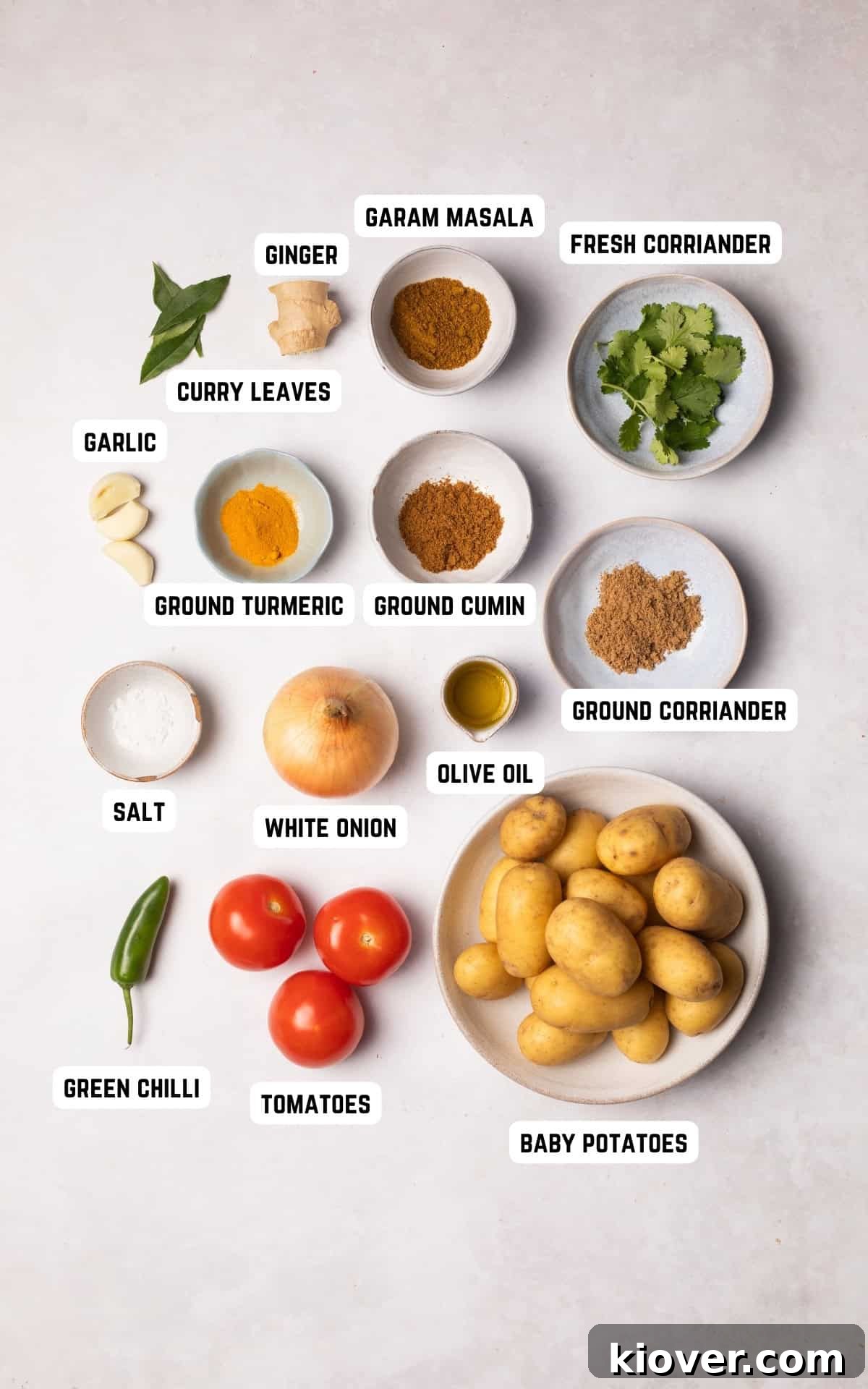
Creating truly authentic and flavorful **Bombay Aloo** starts with selecting the right ingredients. Each component plays a crucial role in building the layered taste profile that defines this classic Indian potato recipe:
- Tomatoes: We use fresh, large tomatoes, keeping them slightly chunky after blending to add a delightful textural contrast and a natural tanginess to the sauce. They form the base of the rich, vibrant gravy.
- Green Chilli: Essential for that characteristic touch of heat, the green chili introduces a lively spice that elevates the entire dish. You can adjust the quantity based on your preferred spice level.
- Garlic Cloves: A fundamental aromatic in Indian cooking, fresh garlic cloves impart a pungent, savory depth that is almost indispensable in most main dishes, enhancing the overall flavor complexity.
- Ginger: Offering a warm, spicy, and slightly sweet undertone, fresh ginger complements the garlic beautifully, adding another layer of traditional Indian flavor.
- Baby Potatoes: These form the heart of our wonderful dish. Their small size and waxy texture make them ideal for boiling until tender, then absorbing all the delicious spices. They are also perfect for other recipes like my Potato Curry.
- Extra-Virgin Olive Oil: Used for sautéing the aromatics and spices, a good quality olive oil helps to develop the foundational flavors of the sauce.
- White Onion: When finely diced and sautéed, white onions caramelize slightly, contributing a subtle sweetness and mild, savory base to the spice mixture.
- Garam Masala: This essential Indian spice blend is a cornerstone of the dish. It brings a fragrant, warm, and slightly sweet profile, crucial for authentic Indian meals.
- Ground Coriander: Lending a wonderful citrusy, earthy, and slightly sweet flavor, ground coriander is a key ingredient that harmonizes the spice blend.
- Ground Cumin: Known for its warm, earthy, and slightly pungent aroma, ground cumin adds a comforting depth and distinctive Indian character.
- Ground Turmeric: Providing both a beautiful golden color and a unique flavor profile that is a combination of peppery and citrusy notes, turmeric is also celebrated for its health benefits.
- Fresh Curry Leaves: These aromatic leaves offer a distinct, subtle, and nutty flavor that is classic in South Indian cuisine. They provide a different kind of aroma compared to curry powder.
- Salt: A crucial seasoning that accentuates and balances all the other magnificent flavor profiles, bringing them together in a cohesive blend.
- Fresh Coriander (Cilantro): Used primarily as a fresh garnish, chopped fresh coriander adds a burst of bright, herbaceous flavor and a vibrant green visual appeal just before serving.
For precise quantities and full details, please refer to the complete recipe card below.
Ingredient Substitutions
Flexibility is key in cooking, and this **Bombay Aloo** recipe is quite adaptable. Here are some smart substitutions you can make without compromising too much on flavor:
- Tomatoes: If fresh tomatoes are out of season or unavailable, you can use canned diced tomatoes or even a high-quality tomato puree. Be aware that this will alter the texture of the sauce, making it smoother, but the flavor will still be rich.
- Baby Potatoes: The best replacements for baby potatoes are other waxy varieties like red potatoes, fingerlings, or new potatoes. These hold their shape well after boiling. For a unique twist, you could even experiment with sweet potatoes, which would add a different flavor and nutritional profile.
- Seasonings: Don’t have ground spices? You can often use whole spices and grind them fresh for a more potent flavor, or use their powdered counterparts (e.g., turmeric powder for ground turmeric). Remember to adjust quantities as whole spices might require different measurements than ground. Feel free to play with the ratios to suit your personal taste preferences.
- Oil: While extra-virgin olive oil is suggested, any neutral cooking oil like vegetable oil, sunflower oil, or even coconut oil (for a slightly different aroma) can be used.
Recipe Variations
One of the joys of cooking **Bombay Aloo** is its versatility. You can easily adapt the recipe to suit different tastes and occasions:
- Spicy Bombay Aloo: If you’re a heat enthusiast, intensify the spice by adding an extra green chili or two. A pinch of red chili powder (like Kashmiri chili powder for color or cayenne for heat) stirred in with the other dry spices will also give it a significant kick.
- Deluxe Presentation: Elevate the visual appeal and fresh flavor by garnishing your Bombay Aloo with not just fresh coriander leaves, but also thinly sliced spring onions (scallions) or a sprinkle of toasted sesame seeds for a beautiful and textural finish. A squeeze of fresh lemon or lime juice at the end can also brighten the flavors considerably.
- Kid-Friendly Version: To make this dish suitable for younger palates, significantly reduce or completely omit the green chilies. You can also add a touch of sweetness, such as a pinch of sugar or a small amount of finely grated carrot, to mellow the spice profile.
- Added Vegetables: To make it a more complete meal, you can stir in other quick-cooking vegetables like peas, bell peppers, or spinach during the last few minutes of cooking.
- Protein Boost: For those who aren’t vegan, cooked chicken pieces, paneer cubes, or even boiled eggs can be added to the potato mixture at the end to create a more substantial dish. For a vegan protein boost, consider adding pan-fried tofu or chickpeas.
If you’re looking to serve these delicious potatoes alongside a hearty Indian curry, I highly recommend trying my Aubergine Curry recipe for a truly satisfying meal.
How to Make Bombay Aloo (Bombay Potatoes)
Creating this flavorful **Bombay Aloo** is a straightforward process that yields incredibly rewarding results. Follow these detailed steps to achieve perfectly spiced and tender Indian potatoes:
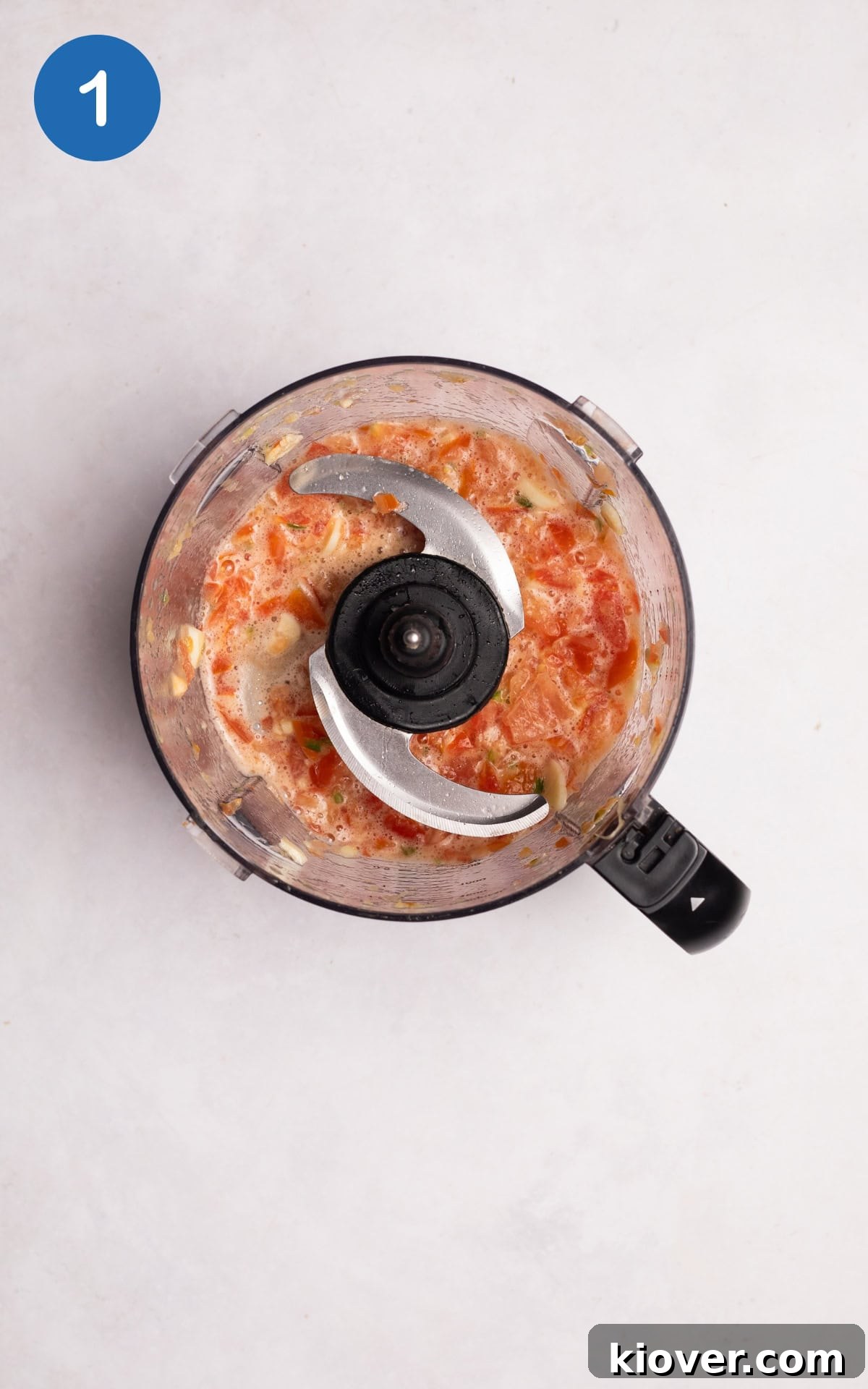
Step 1: Prepare the Aromatic Paste. Start by carefully slicing the garlic cloves and grating the fresh ginger. For the green chili, remove the seeds to control the heat level, then finely chop it. Combine these prepared aromatics with the fresh tomatoes in a blender or food processor. Blend the mixture until it forms a coarse paste, ensuring a few tomato chunks remain to provide a pleasant texture in the final sauce. This paste is the flavor foundation of your Bombay Aloo.
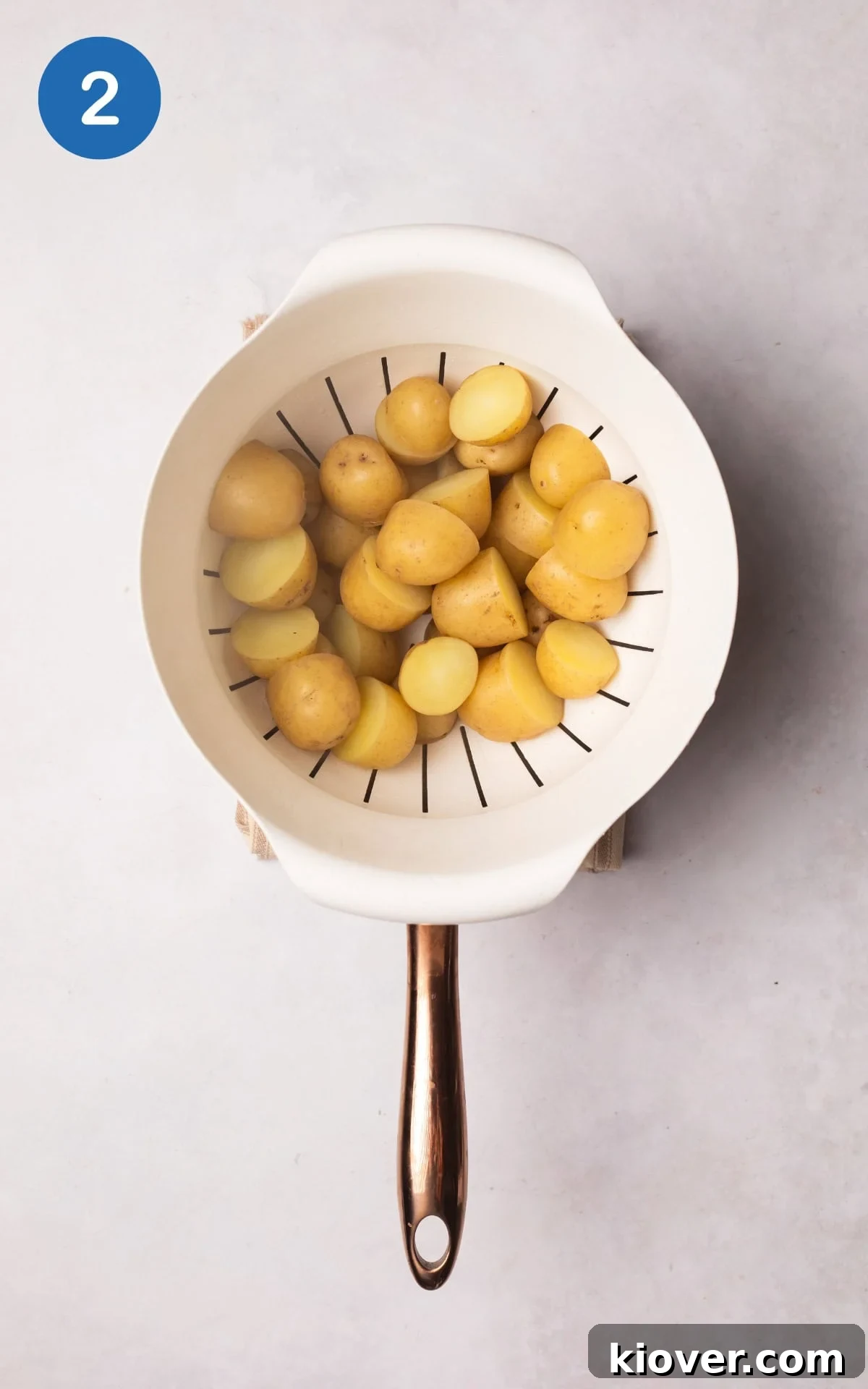
Step 2: Cook the Potatoes. Wash the baby potatoes thoroughly, then cut them in half to ensure even cooking and quicker preparation. Place the halved potatoes into a large pot or saucepan. Cover them generously with cold water and season with a pinch of salt. Bring the water to a boil, then reduce the heat and simmer until the potatoes are fork-tender but still hold their shape. Once cooked, drain the potatoes thoroughly in a colander and allow them to air dry for a few minutes. This helps to remove excess moisture, allowing them to better absorb the delicious sauce later.
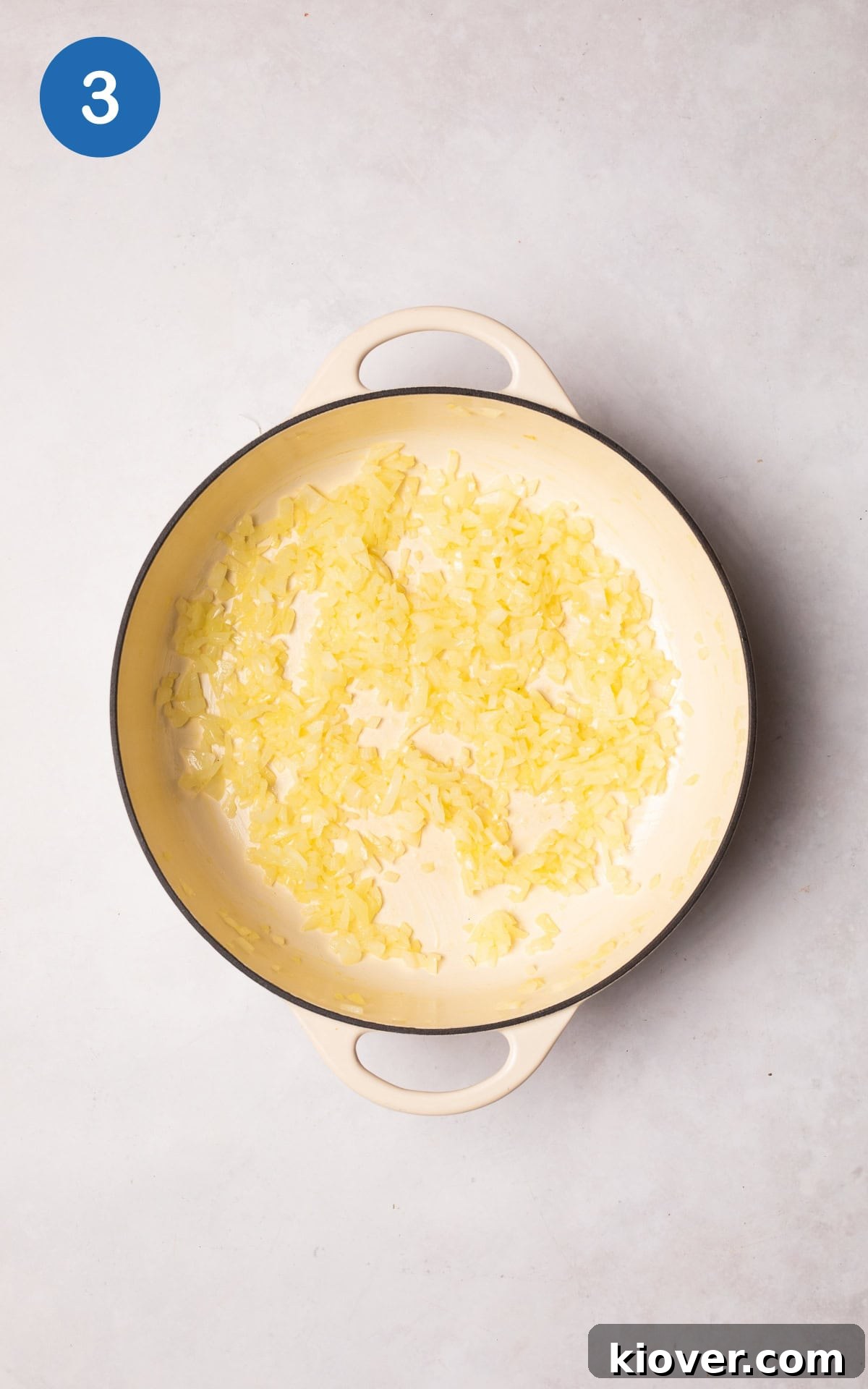
Step 3: Sauté the Onions. While the potatoes are boiling, heat a large frying pan or skillet over a medium heat. Add the extra-virgin olive oil to the hot pan. Finely dice the white onion and add it to the pan. Sauté the diced onion for approximately 5 minutes, stirring occasionally, until it becomes soft, translucent, and slightly golden. Cooking the onions properly is crucial for building a sweet and savory base for the spice blend.
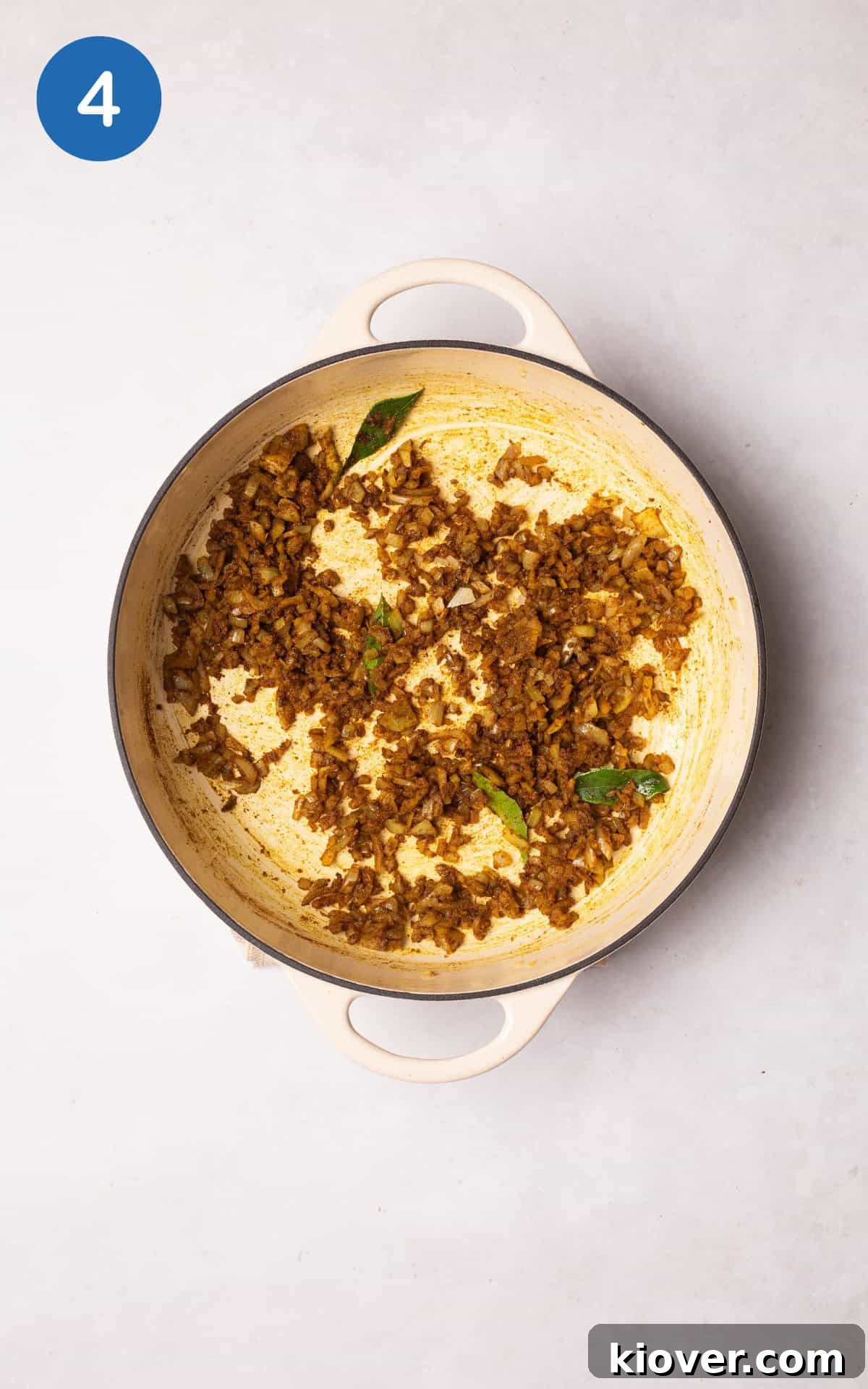
Step 4: Bloom the Spices. To the softened onions, add the garam masala, ground coriander, ground cumin, ground turmeric, and fresh curry leaves. Sprinkle in the salt. Stir well to combine all the spices with the onions. Add a small ‘glug’ (about 1-2 tablespoons) of water to the mixture. This helps to loosen the spices and prevents them from burning, allowing them to ‘bloom’ and release their full aroma and flavor. Cook for a couple of minutes, stirring constantly, until fragrant.
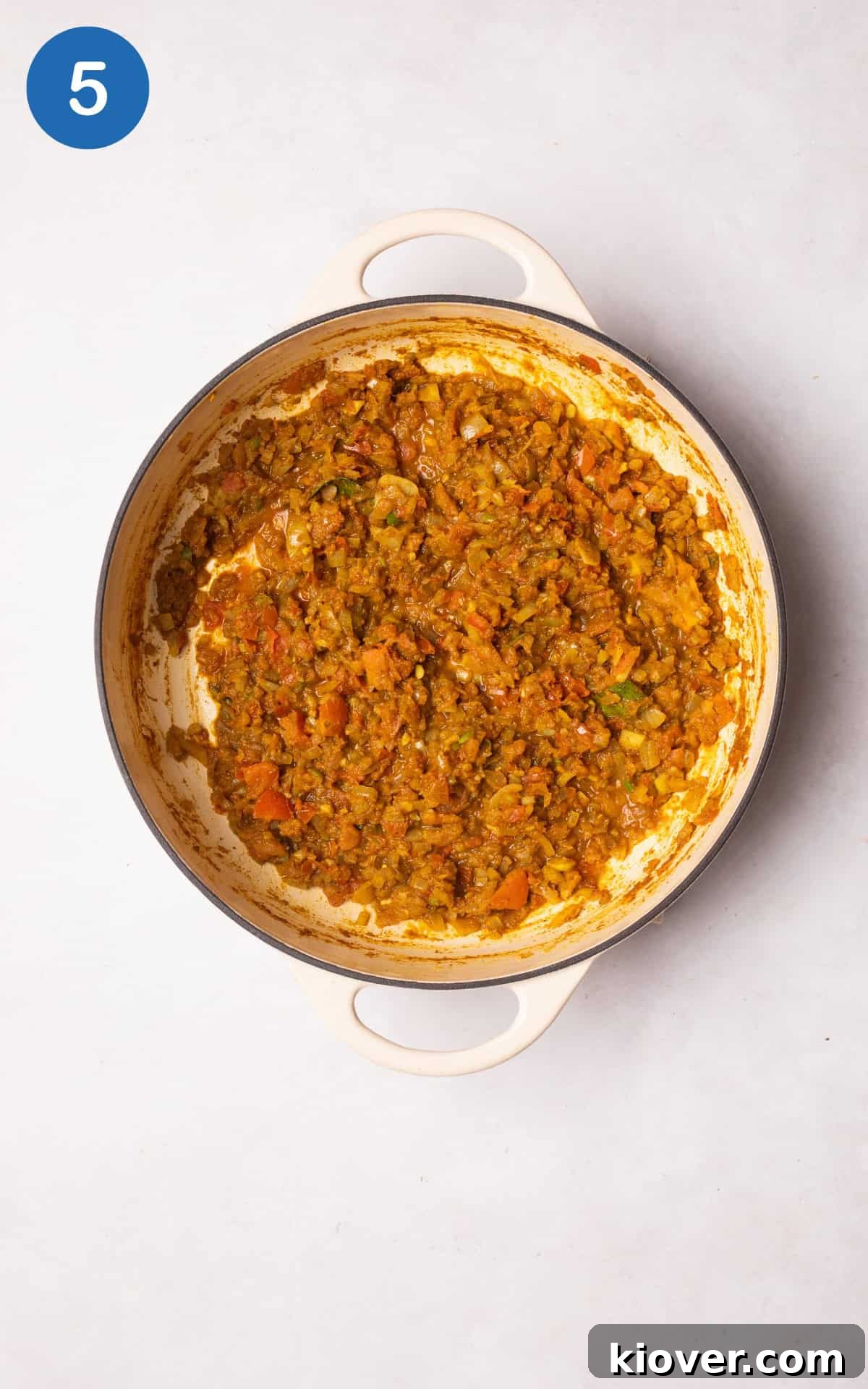
Step 5: Simmer the Sauce. Pour the blended tomato and aromatic mixture from Step 1 into the pan with the spices and onions. Stir everything together thoroughly to ensure all ingredients are well combined. Bring the sauce to a gentle simmer and let it cook for a few minutes. This allows the flavors to meld and deepen, creating a rich and aromatic base for the potatoes.
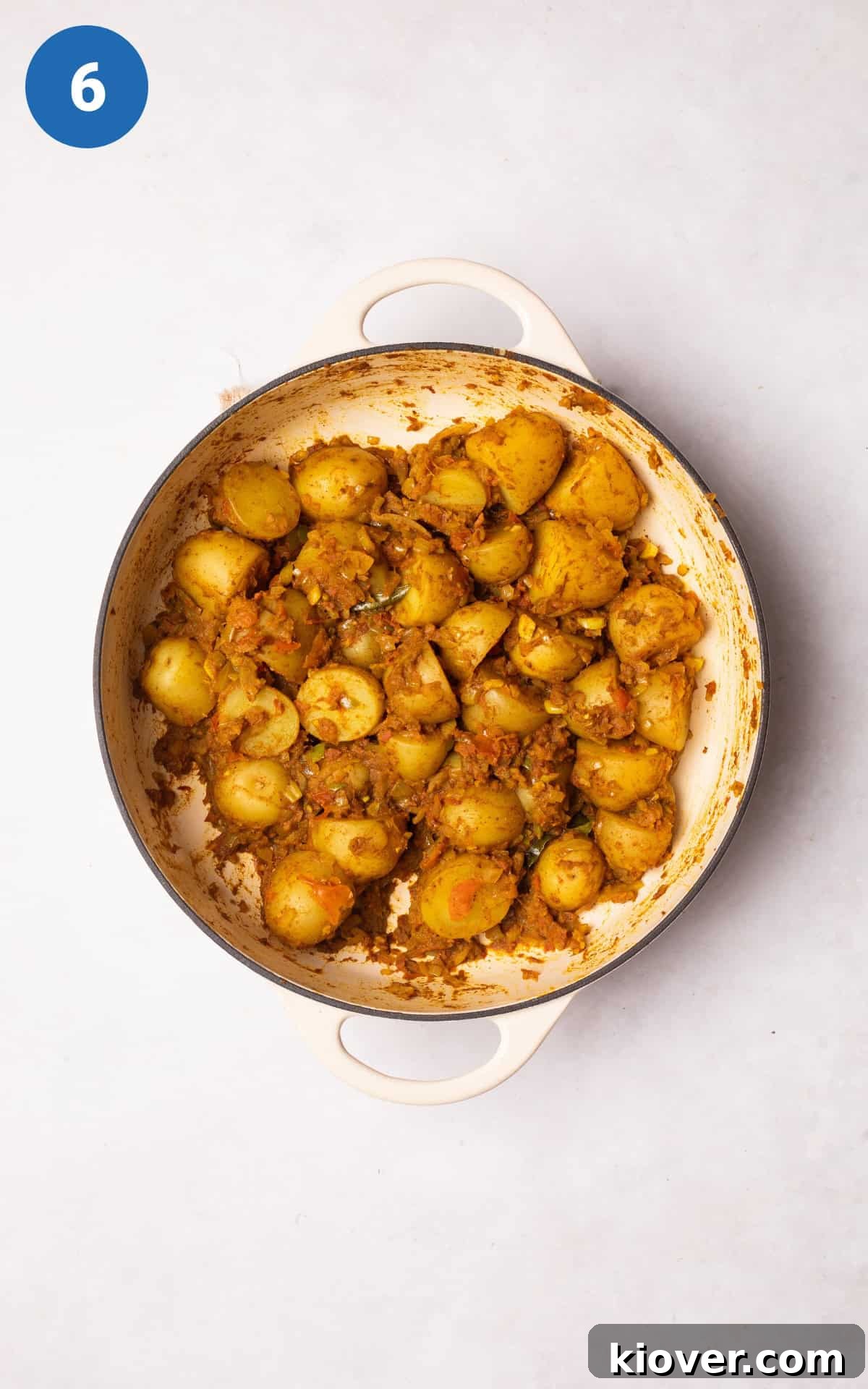
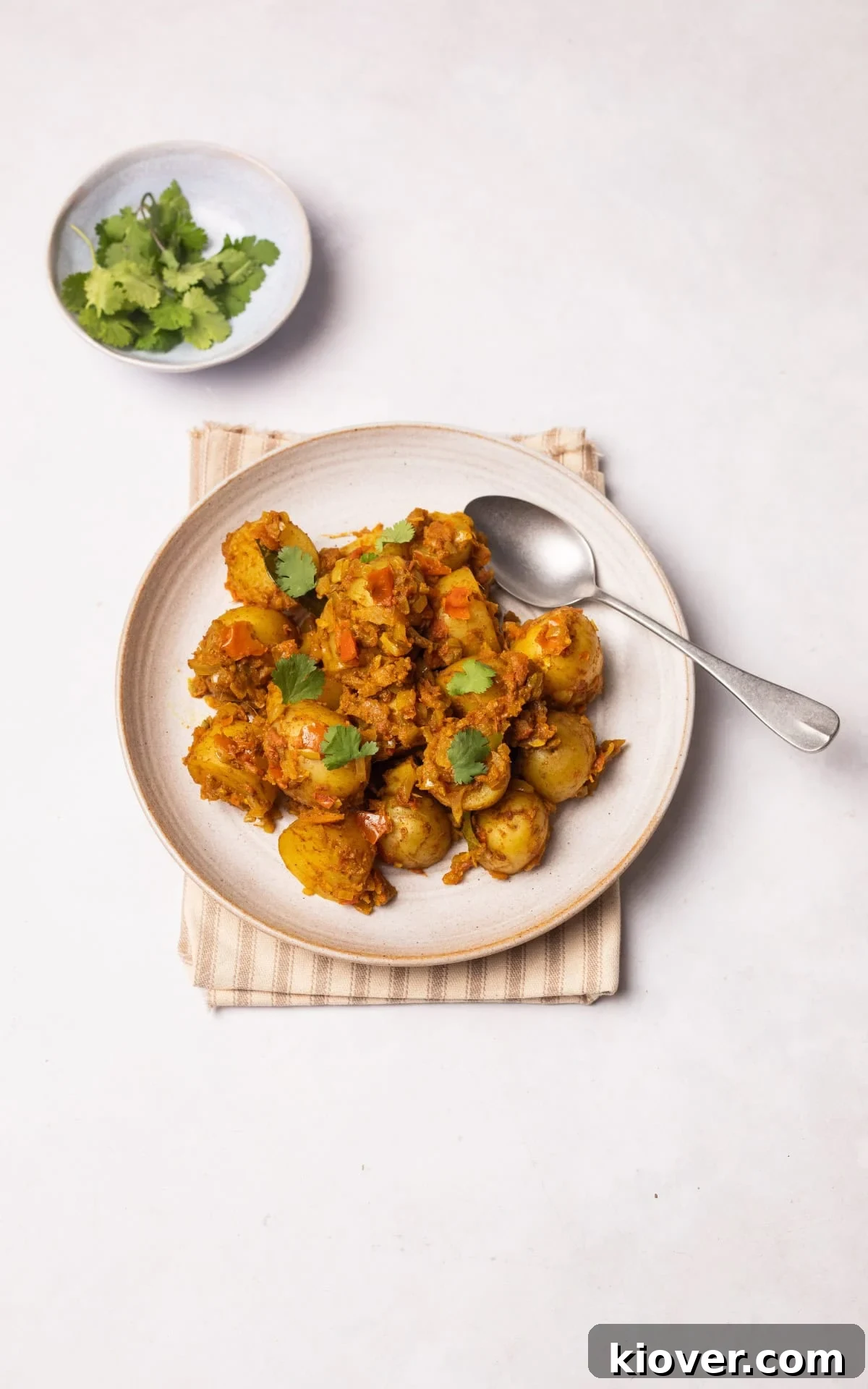
Step 6: Combine and Serve. Finally, add the drained, air-dried potatoes to the simmering sauce in the pan. Gently fold them into the sauce, ensuring each potato piece is thoroughly coated with the rich, spiced mixture. Continue to cook for a few more minutes, allowing the potatoes to heat through and fully absorb the incredible flavors of the sauce. Once heated, remove from the heat, garnish generously with fresh coriander, and serve immediately. Enjoy your homemade, flavorful **Bombay Aloo**!
Hint: If your sauce appears too thick or dry at any point, simply stir in an additional tablespoon or two of water until it reaches your desired consistency. The goal is a rich, clingy sauce, not a watery one.
Expert Tips for Perfect Bombay Aloo
Achieving truly exceptional **Bombay Potatoes** is all about a few key techniques. Keep these expert tips in mind for a dish that tastes like it came straight from a gourmet Indian kitchen:
- Choose the Right Potatoes: Waxy potatoes (like baby potatoes, red potatoes, or new potatoes) are best as they hold their shape when boiled and won’t turn mushy in the sauce. Starchy potatoes tend to break down too much.
- Don’t Overcook the Potatoes: Boil the potatoes just until they are fork-tender. Overcooked potatoes will disintegrate when stirred into the sauce, affecting the texture of your Bombay Aloo.
- Air Dry for Flavor Absorption: After boiling and draining, let your potatoes air dry for a few minutes. This removes surface moisture, allowing the potatoes to better absorb the spice-infused sauce and prevents the dish from becoming watery.
- Bloom Your Spices: Don’t skip the step of cooking the dry spices briefly in oil with the onions. This process, known as “blooming,” releases their essential oils, intensifying their fragrance and flavor. Just be careful not to burn them!
- Adjust Spice Levels to Taste: The amount of green chili can be easily customized. For milder flavors, use less or remove the seeds. For more heat, add an extra chili or a pinch of red chili powder.
- Fresh is Best for Aromatics: While powders can work, fresh garlic and ginger offer a superior, brighter flavor. Take the time to slice and grate them for the best results.
- Taste and Adjust Seasoning: Always taste your sauce before adding the potatoes and adjust the salt or any other spice as needed. This ensures your Bombay Aloo is perfectly balanced.
- Garnish Generously: Fresh coriander (cilantro) is not just for looks; it adds a burst of freshness that cuts through the richness of the spices. Don’t be shy with it!
Serving Suggestions
**Bombay Aloo** is incredibly versatile and can be enjoyed in many ways. Here are some ideas to complete your Indian-inspired meal:
- Classic Indian Pairings: Serve alongside warm naan bread, fluffy basmati rice, or simple rotis to soak up the delicious sauce. It makes a fantastic accompaniment to almost any Indian curry, lentil dal, or yogurt-based raita.
- As a Main Course: While often considered a side, a generous portion of Bombay Aloo can easily be a satisfying vegetarian or vegan main course, especially when paired with a fresh green salad or some cooling cucumber raita.
- Breakfast or Brunch: In some regions, potato dishes like this are enjoyed for breakfast. Serve it with a fried egg or a side of spiced yogurt.
- With Grilled Meats: The robust flavors of Bombay Aloo make it an excellent side dish for grilled chicken, lamb kebabs, or even pan-fried fish, adding an exotic twist to your BBQ spread.
- Beyond Indian Cuisine: Don’t limit yourself! Bombay Aloo can be a unique and flavorful side to a variety of dishes, from simple roasted vegetables to a hearty stew, offering a delightful twist on conventional potato sides.
Leftovers & Storage
Bombay Aloo makes for excellent leftovers, often tasting even better the next day as the flavors have more time to meld. To store, transfer any cooled leftover **Indian potato curry** into an airtight container. It can be safely kept in the refrigerator for 3-4 days. When reheating, you can either gently warm it in a pan over a low heat on the stove, adding a splash of water if the sauce has thickened too much, or use a microwave until piping hot. Ensure it’s thoroughly heated throughout before serving.
You can also freeze Bombay Aloo. Once cooled to room temperature, transfer it to an airtight, freezer-safe container and store in the freezer for up to 3 months. To enjoy, defrost it overnight in the fridge, then reheat using the same methods as refrigerated leftovers.
Frequently Asked Questions (FAQs)
Bombay Aloo, or Bombay Potatoes, is a popular vegetarian Indian side dish originating from Mumbai (formerly Bombay). It features tender, boiled potatoes cooked in a vibrant, aromatic sauce made with tomatoes, onions, and a blend of traditional Indian spices like garam masala, cumin, coriander, and turmeric. It’s known for its rich flavor and slightly tangy, spicy profile.
Bombay Potatoes are incredibly versatile. They are a classic accompaniment to a wide range of Indian main courses such as various curries (like chicken, lamb, or vegetable curries), lentil dals, or biryanis. They also pair perfectly with plain or jeera (cumin) rice and Indian flatbreads like naan, roti, or chapati. For a lighter meal, you can serve them with a fresh salad or a cooling raita.
Yes, Bombay Aloo freezes very well! To freeze, ensure the dish has completely cooled to room temperature. Transfer it into an airtight, freezer-safe container. It can be stored in the freezer for up to 3 months. When you’re ready to enjoy it, thaw the Bombay Aloo in the refrigerator overnight, then reheat it gently on the stove or in the microwave until it is heated through. You may need to add a small amount of water to loosen the sauce upon reheating.
This **vegan Bombay Aloo recipe** is indeed a healthy option! Made with fresh vegetables like potatoes, tomatoes, and onions, and flavored with numerous beneficial spices (turmeric is particularly known for its anti-inflammatory properties), it offers a good source of fiber and essential nutrients. Being vegan and gluten-free, it caters to specific dietary needs, making it a wholesome and delicious choice compared to many restaurant or takeout versions which can be high in unhealthy fats.
YOU MIGHT ALSO LIKE…
Sides
Parmentier Potatoes
Sides
Potato Salad with Yogurt
Dinner
Hearty Potato Stew
Sides
Best Gluten Free Naan Bread
Rate This Recipe!
Did you try this amazing **Bombay Aloo (Bombay Potatoes)** recipe? Please take a moment to leave a star rating below and share your experience. Your positive feedback is one of the most rewarding parts of creating and sharing recipes, so please consider leaving a review and a comment! Your insights help others discover and enjoy this delicious dish.
P.S. Never miss a new recipe! Get more healthy and flavorful recipes sent straight to your inbox weekly – Subscribe Now and receive a free recipe eBook as a thank you!
Pin Recipe
Print Recipe
Bombay Aloo (Bombay Potatoes)
By: James Wythe
Spice up your meal with my flavorful Bombay Aloo (Bombay Potatoes) – so easy to make and packed with bold, delicious flavors!
Ingredients
- 3 large tomatoes
- 1 green chili
- 3 cloves garlic
- 1 thumb-sized piece ginger
- 750 g baby potatoes
- 2 tbsp extra-virgin olive oil
- 1 white onion
- 1½ tsp garam masala
- 1½ tsp ground coriander
- 1 tsp ground cumin
- ½ tsp ground turmeric
- 4 fresh curry leaves
- ½ tsp salt
- Fresh coriander, to garnish
Instructions
- Begin by slicing the garlic, grating the ginger, and removing the seeds and chopping up the green chili. Place them into a blender along with the tomatoes and blend until a few tomato chunks remain.
- Cut the potatoes in half and place in a saucepan. Cover with water, season with salt, and boil until soft. Drain and allow to air dry.
- Meanwhile, heat a large pan on a medium heat. Finely dice the onion and add it to the pan along with the olive oil. Sauté for 5 minutes until soft.
- Next, add the spices, curry leaves, and salt. Add a glug of water to loosen the mixture and cook for a couple of minutes until fragrant.
- Now add the blended tomato mixture to the pan. Combine and simmer for a few minutes, allowing the flavors to meld.
- Finish by adding the drained potatoes and combining well, ensuring they are coated in the sauce. Cook for a few minutes before garnishing with fresh coriander to serve.
Notes
Step-by-Step Photos: This article includes helpful step-by-step photos to guide you through making this recipe with ease.
Substitutions & Variations: A comprehensive list of ideas for ingredient substitutions and recipe variations can be found in the sections above.
To Store: Store any leftovers in an airtight container in the fridge for 2-3 days. Reheat gently in a pot/pan over a low heat until piping hot, or use a microwave. You may need to add a little water to thin the sauce if it has thickened.
To Freeze: This dish can be frozen for up to 3 months in an airtight container. Thaw it completely in the fridge before reheating in the microwave or on the stove.
Tip 1: Feel free to adjust the quantities of the different spices to your liking. Everyone has unique flavor preferences, and this recipe is wonderfully adaptable to personal taste.
Tip 2: For those who adore spicy dishes, consider adding extra freshly chopped chili or even chili flakes to taste, enhancing the heat profile significantly.
Tip 3: If you are not vegan or vegetarian, you can easily incorporate cooked beef or chicken pieces into this recipe for added protein. Alternatively, for a vegan/vegetarian protein boost, pan-fried tofu or chickpeas work exceptionally well.
Nutrition
Carbohydrates: 43g |
Protein: 6g |
Fat: 8g |
Saturated Fat: 1g |
Fiber: 7g |
Sugar: 7g
Did you make this recipe? Tag me Today!
Tag @HealthyLivingJames on Instagram and use #HealthyLivingJames!