
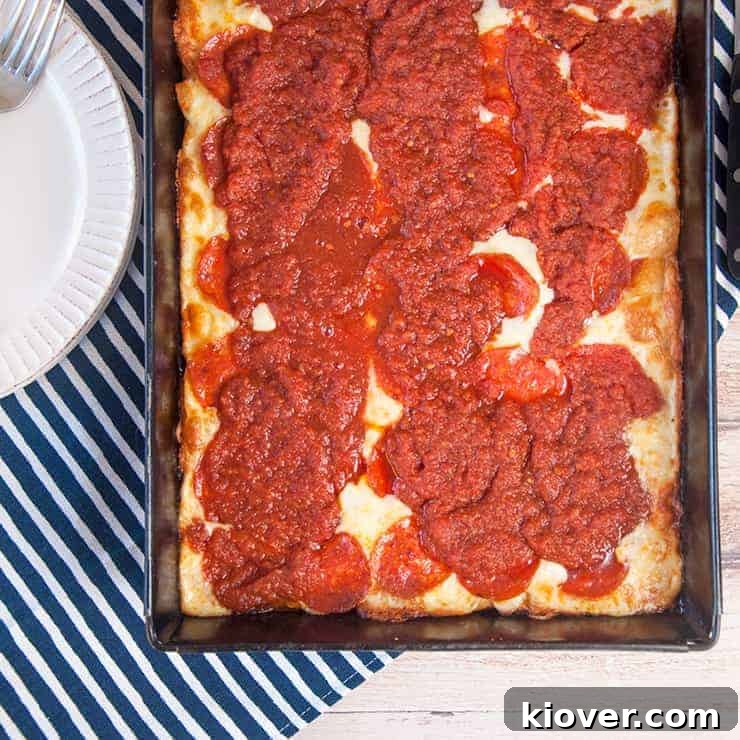
Crispy crust, a robust deep-dish base, and an explosion of savory flavors define the iconic Detroit Style Pizza. This Midwest culinary masterpiece stands out as a unique and utterly delicious experience for any pizza enthusiast. Prepare to embark on a journey that celebrates this special dish.
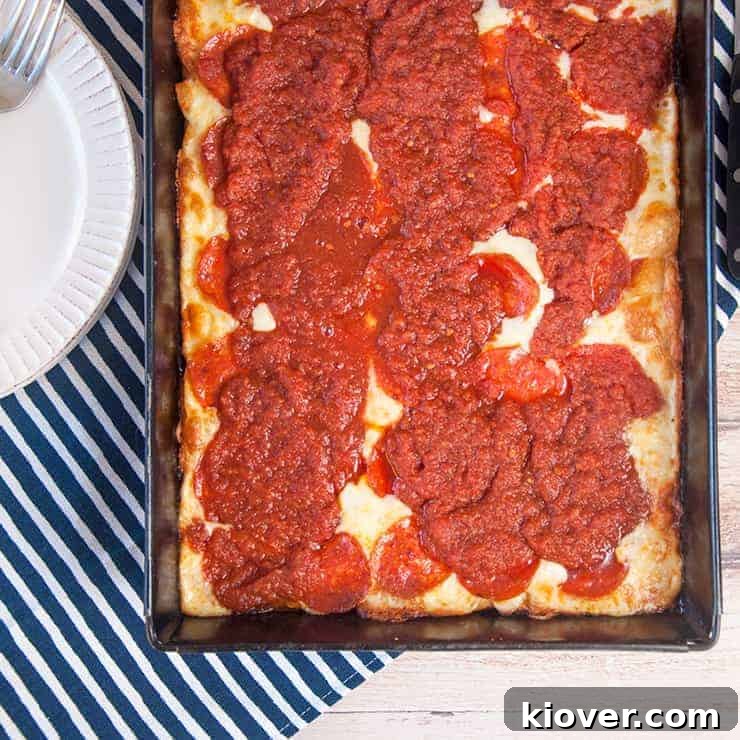
Today, we’re excited to share our perfected recipe for Detroit Style Pizza. There’s an abundance of reasons to fall in love with this distinctive pizza style. From its delightfully thick, airy crust to the crispy, slightly charred cheese edges and, of course, the generous layering of savory pepperoni – every element contributes to an unforgettable culinary adventure.
Yes, all the pepperoni. It’s a symphony of textures and tastes. If you’re ready to explore the fascinating world of pizza with a touch of culinary enthusiasm, join us as we craft this perfect Detroit Style Pizza recipe, unraveling its secrets along the way.
Understanding Detroit Style Pizza: A Culinary Icon
Detroit Style Pizza represents a significant departure from more conventional pizza styles, such as the thin-crust Neapolitan or the foldable New York slice. Instead of a rapidly baked, thin base, this pizza boasts a substantially thicker, airy crust, traditionally baked in a rectangular steel pan. This unique baking vessel is often credited as one of the defining features of authentic Detroit pizza.
The distinctive pans, deep and rectangular, are rumored to have originated from Detroit’s bustling automotive industry. Originally used on assembly lines to hold small car parts, these durable steel trays found a new purpose as ideal baking vessels for a revolutionary new pizza, contributing to its signature crispy, caramelized cheese crust and deep-dish nature.
A Deep Dive into the History of Detroit Style Pizza
Before we embark on the exciting process of baking our Detroit Style Pizza, it’s always insightful to explore the historical roots of a dish. Understanding its heritage can deepen our appreciation and often inspire a more authentic and flavorful outcome. Having not grown up in Detroit, my journey to understanding this pizza style has been one of diligent research, bringing me closer to the true essence of an authentic Detroit Style Pizza.
Whether you’re a seasoned veteran of this beloved pizza or just discovering its charms, we hope this historical overview enhances your connection to this Midwestern classic. Should you possess any additional insights not mentioned here, please feel free to share them – we are always eager to learn more!
The Birth of a Legend: Buddy’s Pizza in 1946
Every iconic recipe has a moment of origin, and for Detroit Style Pizza, that pivotal “big bang” occurred at Buddy’s Pizza in 1946. What began as Buddy’s Rendezvous, primarily a neighborhood bar, soon evolved. To boost revenue, the establishment started serving food. In a stroke of culinary genius in 1946, pizza was added to the menu, thanks to the innovative vision of one of the owners, Gus Guerra.
The specific pizza recipe came from Gus’s wife, Anna, whose family recipe laid the foundation for what would become Detroit Style Pizza. While Anna deserves immense credit for the delicious recipe, Gus introduced another critical element: the pan. This unassuming rectangular pan, readily available and robust, would become as crucial to the pizza’s identity as its ingredients.
The Unsung Hero: The Detroit Pizza Pan
One of the most intriguing aspects of Detroit Style Pizza is its quintessential pan. While not an ingredient in the traditional sense, this specialized pan is absolutely indispensable for achieving the pizza’s characteristic features. The story of its adoption is deeply intertwined with Detroit’s industrial identity: the automobile industry.
Detroit, globally renowned as “Motor City,” was once a hub of car manufacturing. Countless factories utilized small, rectangular steel pans to organize and transport various auto parts along their assembly lines. These durable pans were abundant and readily accessible. Gus Guerra, with an eye for resourcefulness, ingeniously repurposed these automotive trays for baking pizzas at Buddy’s Pizza.
This innovative decision was instrumental in shaping the Detroit Style Pizza we know today. The pan’s material and dimensions contributed to the uniquely crisp, caramelized cheese crust and the deep, airy texture of the dough, making it a definitive trademark of authentic Detroit Style Pizza.
Expanding the Legacy: Beyond Buddy’s Pizza
The revolutionary Detroit Style Pizza, first unveiled at Buddy’s in 1946, quickly ignited a culinary phenomenon. Its popularity soon led to its expansion beyond the original establishment. Gus Guerra eventually parted ways with his partners at Buddy’s Pizza and embarked on a new venture, acquiring Cloverleaf Pizza. There, he continued to serve his now-famous pizza style, further cementing its place in the city’s gastronomic landscape.
The trend caught on rapidly, inspiring other local restaurants to adopt this distinct baking method. Establishments such as Shield’s and Louigi’s Original began emulating Guerra’s successful pizza, each adding their own subtle nuances while preserving the core elements of the Detroit style. Its appeal spread like wildfire throughout the region, laying the groundwork for its eventual national recognition.
Intriguing Parallels with Chicago Style Pizza
A particularly fascinating observation is the striking similarities between Detroit Style Pizza and Chicago Style Pizza. Having previously explored the history of Chicago Deep Dish, one cannot ignore the parallels. Both are characterized by their thick crusts and deep-dish presentation. Geographically, Detroit and Chicago are relatively close, situated in the Great Lakes region. Furthermore, both iconic pizza styles emerged around the same era, with Chicago’s deep dish appearing in 1943, just a few years before Detroit’s in 1946.
These temporal and regional convergences prompt an intriguing question: Was Detroit Style Pizza directly inspired by Uno’s Deep Dish Chicago Style Pizza? Or perhaps, given their proximity and shared cultural influences, did the concept of a substantial, deep-dish pizza naturally evolve simultaneously and independently in both culinary landscapes? It’s a compelling thought for pizza historians.
Beyond their origins, both styles followed similar trajectories. Originators branched out, leading to the creation of new pizzerias that championed these unique pizzas. The immense popularity generated at these pioneering establishments fostered a proliferation of “pizza shop babies,” each contributing to the evolution and eventual iconic status that both Detroit and Chicago style pizzas now enjoy, having truly stood the test of time. While their exact relationship remains a topic of delicious debate, their simultaneous rise in the same region is undeniably remarkable. If Detroit pizza isn’t quite your preference, explore this hearty Chicago-style meat lover pizza!
Detroit Style Pizza’s Modern Resurgence and National Acclaim
Today, the influence of Detroit Style Pizza can be found in virtually every major city across the United States, with local pizzerias offering their interpretations of this beloved dish. Notably, Little Caesars holds the distinction of being the first national brand to introduce Detroit-style pizza to a wider audience, making it accessible nationwide.
This pizza is not just incredibly delicious; it carries a rich, compelling history, deeply woven into the fabric of Detroit’s automotive legacy. This connection feels perfectly fitting for a pizza originating from “Motor City.” Gus and Anna Guerra truly forged something extraordinary, a pizza legacy that continues to be celebrated and enjoyed across the nation, captivating palates with its distinctive taste and texture.
Crafting Perfection: Detroit Style Pizza Recipe Ingredients
With our historical exploration complete and our culinary inspiration ignited, it’s time to focus on the essential components that bring our Detroit Style Pizza recipe to life. Let’s delve into the specific ingredients that contribute to its distinctive character.
The Art of Cheese Placement and the “Frico” Effect
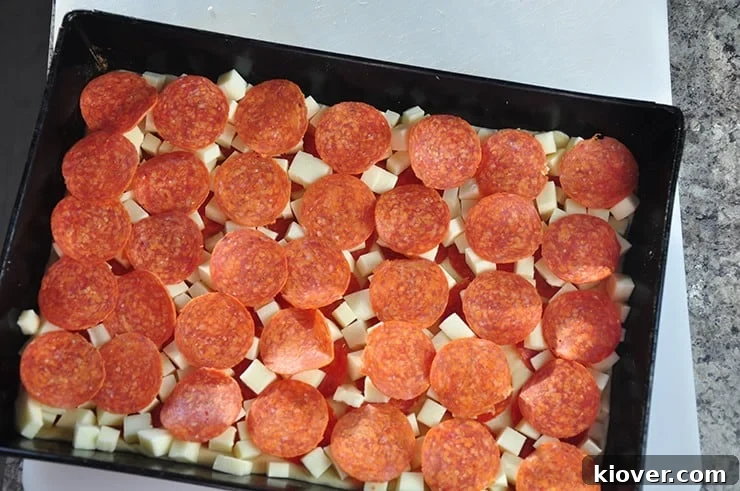
Beyond the signature rectangular pan and deep-dish shape, another hallmark of Detroit Style Pizza is its unique cheese application. An authentic Detroit style pizza features cheese strategically placed along the very edges of the pan. During baking, this cheese melts, spreads, and fries against the hot metal, caramelizing into a beautiful, crispy, slightly burnt, golden-brown crust known as “frico.” This delicious, crunchy edge is a defining characteristic and a visual delight.
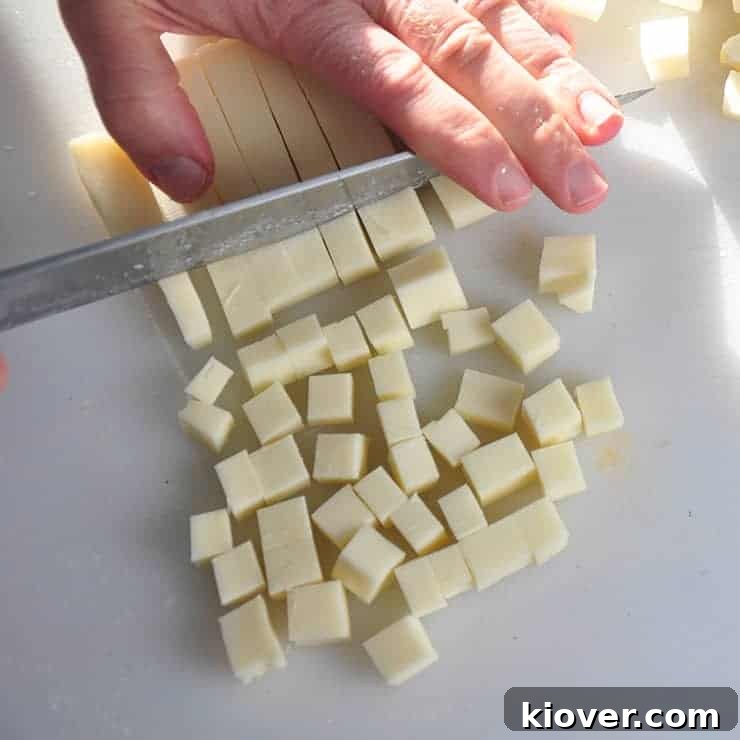
For the best results, using a low-moisture, whole-milk mozzarella cheese, chopped into small cubes, is highly recommended. Some traditionalists also incorporate brick cheese, known for its excellent melting properties and rich, tangy flavor, which further enhances the frico effect.
The Signature Sauce: On Top and in Stripes
The application of sauce on a Detroit Style Pizza is distinctive, sharing a similarity with Chicago Style Pizza Sauce in that it is applied *on top* of the cheese and other toppings. This inverted layering serves a crucial purpose: it helps to shield the cheese from direct, intense heat during the long, hot bake, preventing it from charring while still allowing it to achieve a perfect golden-brown crispness around the edges. Visually, the sauce is most commonly ladled onto the pizza in three distinct, parallel stripes, creating an appealing presentation.
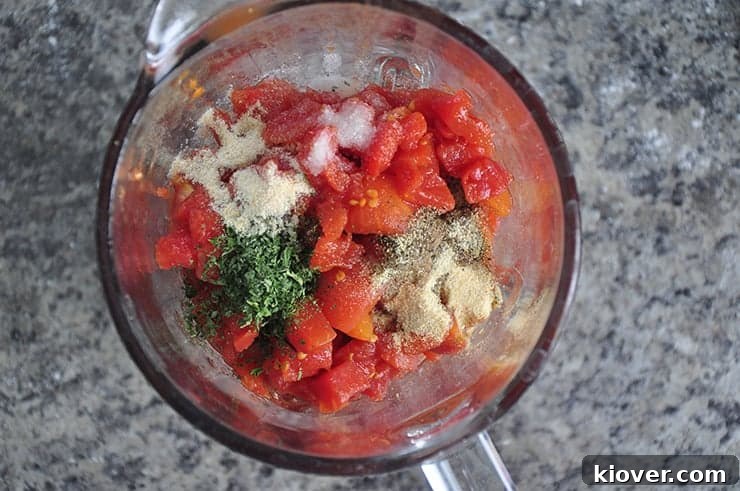
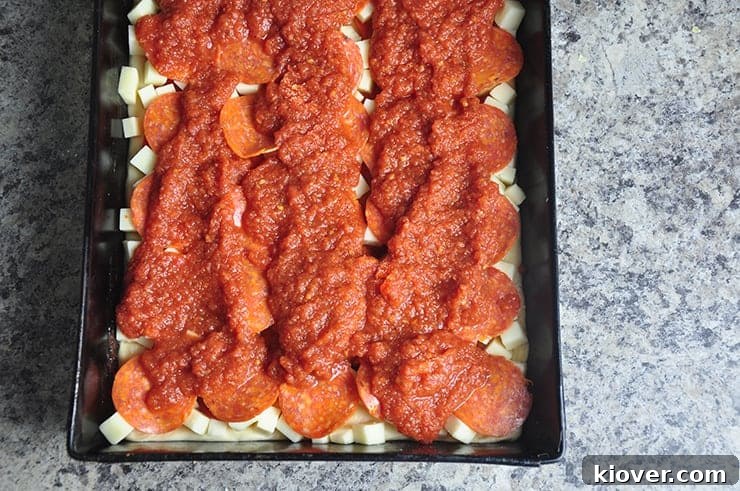
Unlike the often simpler, drained tomato-based sauces found on Chicago deep dish, Detroit style typically features a more “constructed” sauce, blending diced tomatoes with a medley of herbs and spices to create a harmonious and flavorful complement to the rich cheese and crust. Our version is simple yet distinctly different, offering a fresh contrast to its Chicago cousin.
Toppings: The Pepperoni Principle and Moisture Management
While pizza toppings are ultimately a matter of personal preference, pepperoni remains a classic and highly popular choice for Detroit Style Pizza. For this specific recipe, we’ll focus on the pure joy of pepperoni. If you choose to customize, feel free to add your favorite toppings! However, it’s crucial to remember that moisture is the enemy of a perfectly crisp Detroit-style crust. Any “wet” ingredients, such as jarred peppers, olives, or fresh tomatoes, must be thoroughly drained and patted dry to prevent a soggy pizza. This extra step ensures your crust remains crisp and delicious.
The Indispensable Pan: A Cornerstone of Detroit Style Pizza
If you’re serious about creating an authentic Detroit Style Pizza experience, investing in the right pan is paramount. I highly recommend acquiring a dedicated 10 x 14 Detroit Style Pizza Pan from Detroit Style Pizza company. These pans are specifically designed to achieve the perfect crust and “frico” edge, and my experience confirms their effectiveness.
While you might be tempted to use a conventional baking sheet, the specific characteristics of the Detroit-style pan are integral to the dish’s success. Its square or rectangular shape, durable steel construction, and relatively thin metal are all key factors. This pan facilitates precise heat distribution, allowing the cheese to caramelize beautifully along the sides while ensuring the thick dough cooks through to a desirable crispness. Without the proper pan, you risk a pizza with a burnt top and a dishearteningly soggy bottom, an outcome we aim to avoid.
In contrast to a thick Chicago Style deep-dish pan designed for lower temperatures and longer bake times, the Detroit-style pan is thinner. This allows for rapid and efficient heat transfer to the crust, which is essential for baking a thick crust pizza at higher temperatures. This direct heat ensures the crust develops its characteristic airy interior and irresistibly crispy exterior, perfectly complementing the rich toppings and the exquisite cheese frico.
Mastering the Bake: Temperature and Rack Placement are Key
Achieving the ideal Detroit Style Pizza requires meticulous attention to baking temperature and oven rack placement. Through experimentation, I’ve found that the best results are consistently achieved at a high oven temperature, typically around 550°F (288°C), with the pizza positioned on the lowest rack. This strategic combination of high heat and bottom-rack placement works in conjunction with the conductive steel pan to deliver an appropriate amount of direct heat to the crust.
This method ensures the cheese along the edges develops that coveted golden-brown, crust-like “frico” while the entire crust bakes thoroughly, becoming delightfully crisp and airy. Simultaneously, it allows the cheese across the top to melt perfectly without overcooking, creating a harmonious balance of textures and flavors throughout the pizza.
The Enemy of Crispness: Diligent Moisture Management
One of the most critical aspects of preventing a soggy Detroit Style Pizza is rigorous moisture control. Due to its thick crust and extended baking time, moisture can easily accumulate in the pan, leading to a less-than-desirable result. Therefore, it is imperative to drain any wet ingredients thoroughly before adding them to your pizza.
For example, if using canned diced tomatoes for your sauce, ensure they are well-drained. Similarly, if incorporating toppings like jarred peppers, pineapple, or olives, which inherently contain excess moisture, they must be meticulously drained and even patted dry with a paper towel. My wife, for instance, enjoys pineapple and pepperoncini, both of which are wet; I always make sure to drain and pat them down rigorously. This simple yet crucial step guarantees a crisp, delightful crust that truly elevates your Detroit Style Pizza experience.
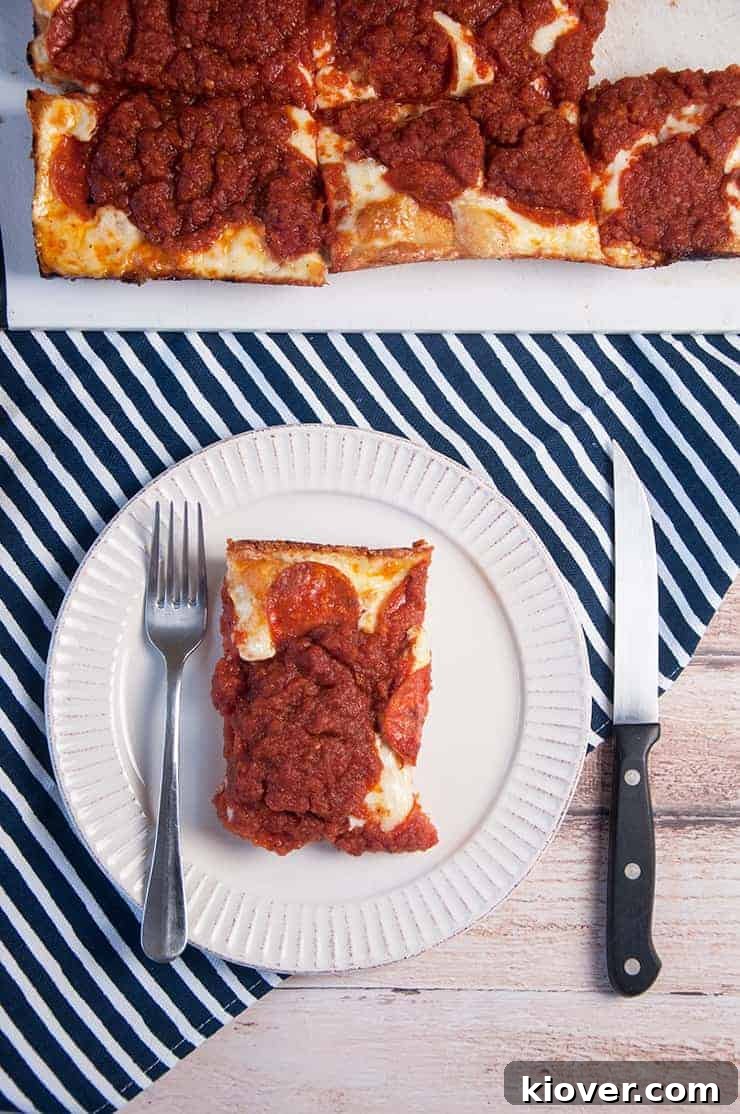
We sincerely hope you’ve enjoyed this comprehensive guide to crafting the perfect Detroit Style Pizza. If you make this recipe and love it, please let us know in the comments below! Don’t forget to share your delicious creations on Pinterest or Facebook. You can also stay updated with our latest recipes and culinary adventures by subscribing to our email newsletter. There’s immense satisfaction in learning the history of a dish and then bringing an authentic rendition of it to life in your own kitchen!
Recommended Products for This Recipe
- 10 X 14 Detroit Pizza Pan: Essential for achieving the authentic crust.
- KitchenAid Stand Mixer: Great for effortless dough kneading.
- Large Glass Bowl: Ideal for mixing ingredients and allowing dough to rise.
- High-Quality Chef Knife: For precise chopping of cheese and other toppings.
Detroit Style Pizza Recipe
5 from 2 reviews
Author: Ben Myhre
Prep Time: 2 hours 40 minutes
Cook Time: 20 minutes
Total Time: 3 hours
Yield: 9 pieces of pizza
Category: Pizza
Method: Bake
Cuisine: Detroit
Description
This Detroit Style Pizza recipe is truly special and exceptionally delicious. It features a wonderfully thick, airy, and cheesy crust, perfectly complemented by a flavorful sauce and generous layers of delicious pepperoni, making it an irresistible culinary experience.
Ingredients
For the Dough:
- 200 grams lukewarm water (approx. 105-115°F)
- 2 grams granulated sugar
- 1 gram fine sea salt
- 3 grams Active Dry Yeast or Instant Yeast
- 65 grams canola oil, plus 1 tablespoon for oiling the pan
- 350 grams high-quality bread flour
- 70 medium-sized pepperonis (approximately 1 standard package)
- 1 pound low-moisture, whole-milk Mozzarella Cheese, chopped into small cubes
For the Sauce:
- 42.5 Ounces (approx. 1 large can) Canned Diced Tomatoes, thoroughly drained
- 1 teaspoon sea salt
- 1 teaspoon dried oregano
- ½ teaspoon freshly ground black pepper
- ¼ teaspoon garlic powder
- ¼ teaspoon onion powder
Instructions
- Prepare the Dough Base: In a large mixing bowl, combine the salt, sugar, and lukewarm water. Stir until dissolved.
- Activate the Yeast: Sprinkle the yeast evenly over the water mixture. Let it sit undisturbed for 5 minutes, allowing the yeast to bloom and become foamy.
- Incorporate Oil: Add 65 grams of canola oil to the yeast mixture.
- Combine Dry Ingredients: Gradually mix in the bread flour until all ingredients are well combined and a shaggy dough forms.
- Knead the Dough: If using a stand mixer, attach the dough hook and knead on low speed for two minutes. Alternatively, knead the dough by hand for approximately 5 minutes on a lightly floured surface until smooth and elastic.
- First Rise (Bulk Fermentation): Place the dough in a clean, lightly oiled bowl. For an optimal rise, place the bowl in a warm environment, such as an oven with just the light on, for 2 hours. If your kitchen is cool, place a separate container of hot water in the oven alongside the dough to create a humid, warm environment.
- Prepare the Sauce: While the dough is rising, combine all sauce ingredients (drained diced tomatoes, salt, oregano, pepper, garlic powder, onion powder) in a blender. Blend until smooth.
- Simmer the Sauce: Transfer the blended sauce to a saucepan and allow it to simmer gently over low heat for 30 minutes. This allows the flavors to meld and deepen. Set aside to cool.
- Prepare the Pan: After the dough’s initial 2-hour rise, grease your Detroit Style Pizza pan thoroughly with the remaining 1 tablespoon of canola oil, ensuring the oil coats all corners and sides of the pan.
- Stretch the Dough: Gently transfer the risen dough to the oiled pan. Slowly stretch the dough to cover the entire bottom surface of the pan. It might resist slightly; be patient.
- Second Rise (Proofing in Pan): Place the pan with the stretched dough back into the warm oven (with just the light on) for another 30 minutes. This allows the dough to relax and rise further, creating that signature airy crust.
- Preheat Oven: Once the second rise is complete, carefully remove the pizza pan from the oven. Preheat your oven to a high temperature of 550°F (288°C), ensuring one oven rack is positioned on the lowest setting.
- Final Dough Prep: Gently press out any large air bubbles from the dough in the pan. If needed, carefully stretch the dough slightly to ensure it fully covers the bottom and extends slightly up the sides.
- Layer Toppings: Distribute half of the pepperoni over the dough. Then, generously scatter the cubed mozzarella cheese, ensuring it extends all the way to the edges of the pan to create the desired “frico” crust. Finally, add the remaining pepperoni on top of the cheese.
- Apply the Sauce: Spoon the prepared sauce over the toppings in three distinctive stripes across the top of the pizza.
- Bake the Pizza: Once the oven is fully preheated, carefully place the pizza pan on the lowest rack. Bake for 13-17 minutes. Monitor closely to prevent burning, but aim for a beautiful golden-brown crust with darker, caramelized cheese edges.
- Rest and Release: Remove the cooked pizza from the oven and let it rest in the pan for 5 minutes. This helps the cheese solidify slightly and makes it easier to remove.
- Remove from Pan: First, use a knife or thin spatula to carefully loosen the crust from all sides of the pan. Then, using two spatulas (or one large one), gently lift the entire pizza out of the pan and transfer it to a cutting board.
- Slice and Serve: Using a sharp pizza cutter, slice the pizza into 9 square pieces. Serve immediately and enjoy your homemade Detroit Style Pizza!
Notes
- This recipe is specifically designed and optimized for a 10×14 inch Detroit Style Pizza Pan to achieve authentic results.