
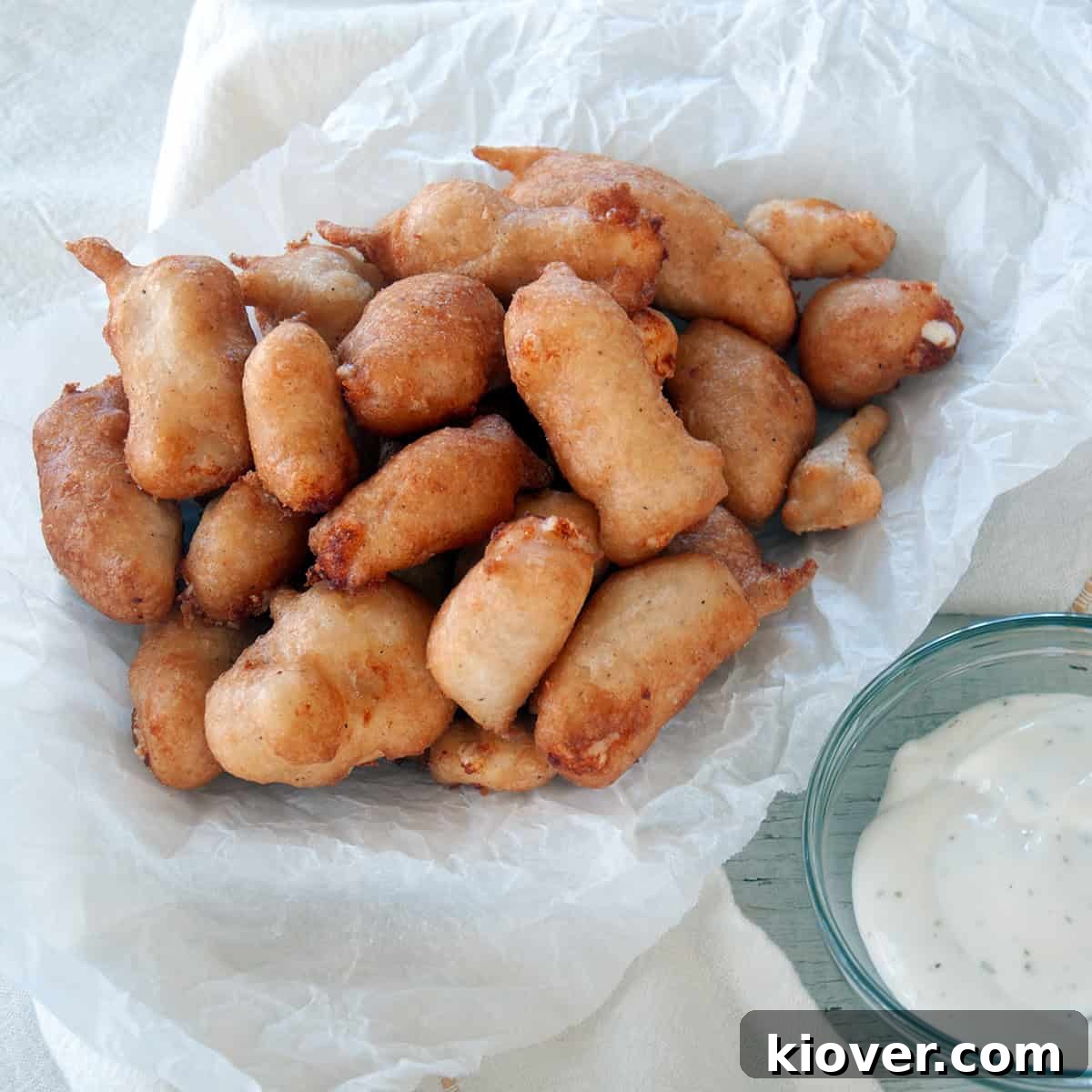
Authentic Wisconsin Fried Cheese Curds: The Ultimate Crispy, Gooey Delight
There are few culinary delights that capture the essence of pure indulgence quite like fried cheese curds. They are, without a doubt, the pinnacle of fair food, a true spectacle of texture and taste that transports you straight to a sun-drenched Wisconsin summer day. Imagine biting into a perfectly golden, crispy exterior, giving way to an irresistibly creamy and gooey core of warm, melted cheese. This isn’t just a snack; it’s an extravagant cheese experience, a delightful treat that proves some of the best things in life are deep-fried.
While often associated with bustling carnivals and lively festivals, these tasty morsels are surprisingly easier to make at home than you might expect. With this comprehensive guide, you’ll master the art of crafting authentic Wisconsin Fried Cheese Curds that rival any roadside stand. We’ll delve into selecting the freshest ingredients, preparing them with care, and employing the perfect frying technique to ensure every bite is a nostalgic journey back to the dairy heartland of America.
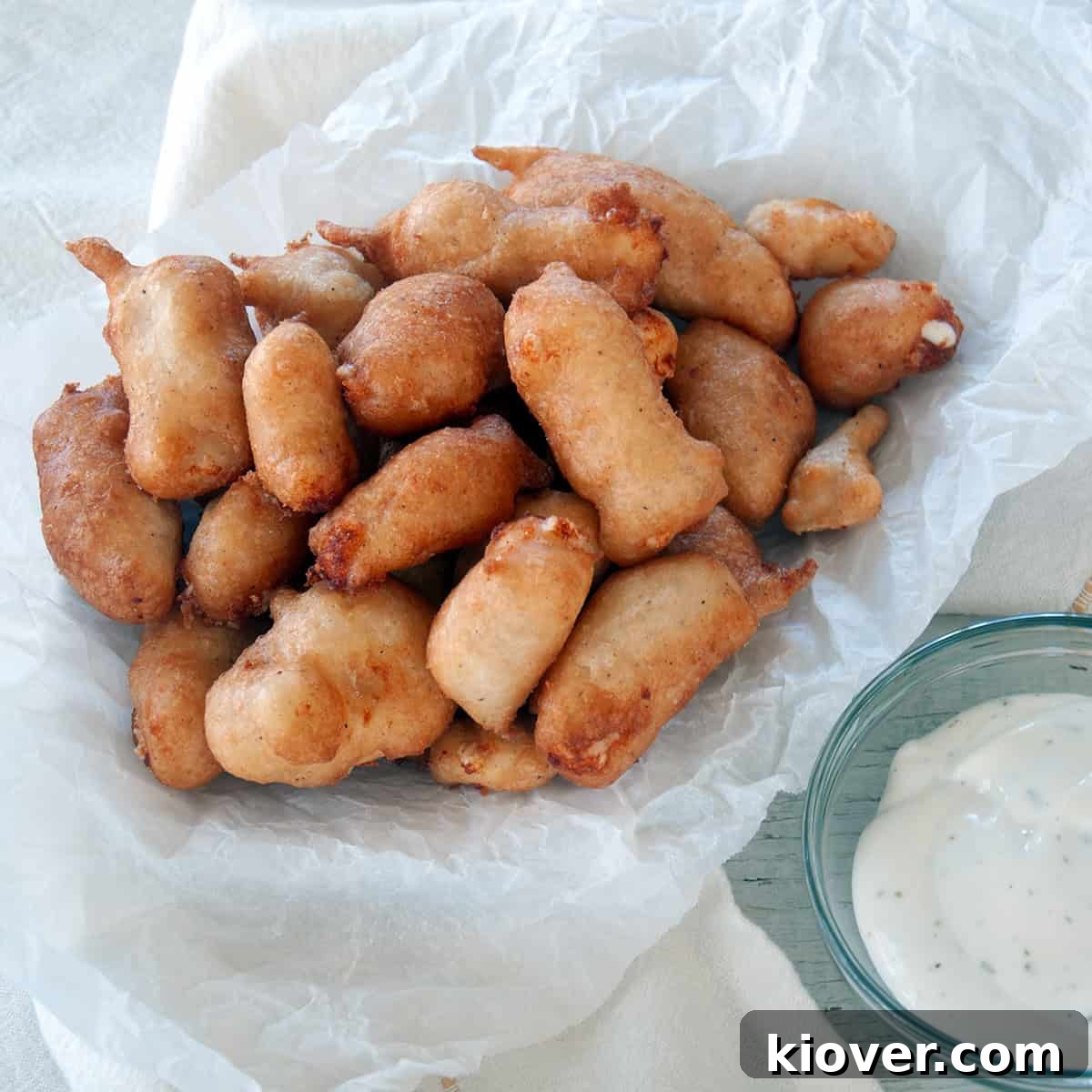
This recipe provides a detailed roadmap to choosing the right ingredients, setting up your kitchen for success, and executing the frying process with precision, resulting in cheese curds just like you remember them. From the essential buttermilk and beer soak to our specially formulated batter and precise frying methods, you’ll feel like you’ve landed in Wisconsin with every crispy, cheesy bite. We also offer plenty of room for you to personalize this recipe, encouraging you to experiment with local ingredients or add your favorite flavors to make it truly your own.
If you’re a fan of cheesy, deep-fried delights, you might also love our Cheez-It Fried Cheese Sticks recipe, our unique take on Cheesy Fried Pickles, or this fast and simple Homemade Queso recipe. No matter what culinary adventure you choose, remember to treat yourself to something truly delicious!
Table of Contents
- Key Ingredients for Perfect Fried Cheese Curds
- Step-by-Step Instructions: Mastering the Fry
- Customizing Your Curds: Substitutions and Variations
- Storage and Reheating Tips
- A Taste of Tradition: The Rich History of Fried Cheese Curds
- Frequently Asked Questions (FAQ)
- Expert Tips for Flawless Fried Cheese Curds
- Essential Tools for the Perfect Fry
- Your Feedback Matters!
- Authentic Wisconsin Fried Cheese Curds Recipe
Key Ingredients for Perfect Fried Cheese Curds
While cheese is undeniably the superstar in this recipe, a careful selection of a few other essential ingredients works in harmony to create something truly special and unforgettable. The quality of each component plays a vital role in achieving that perfect crispy exterior and wonderfully gooey interior.
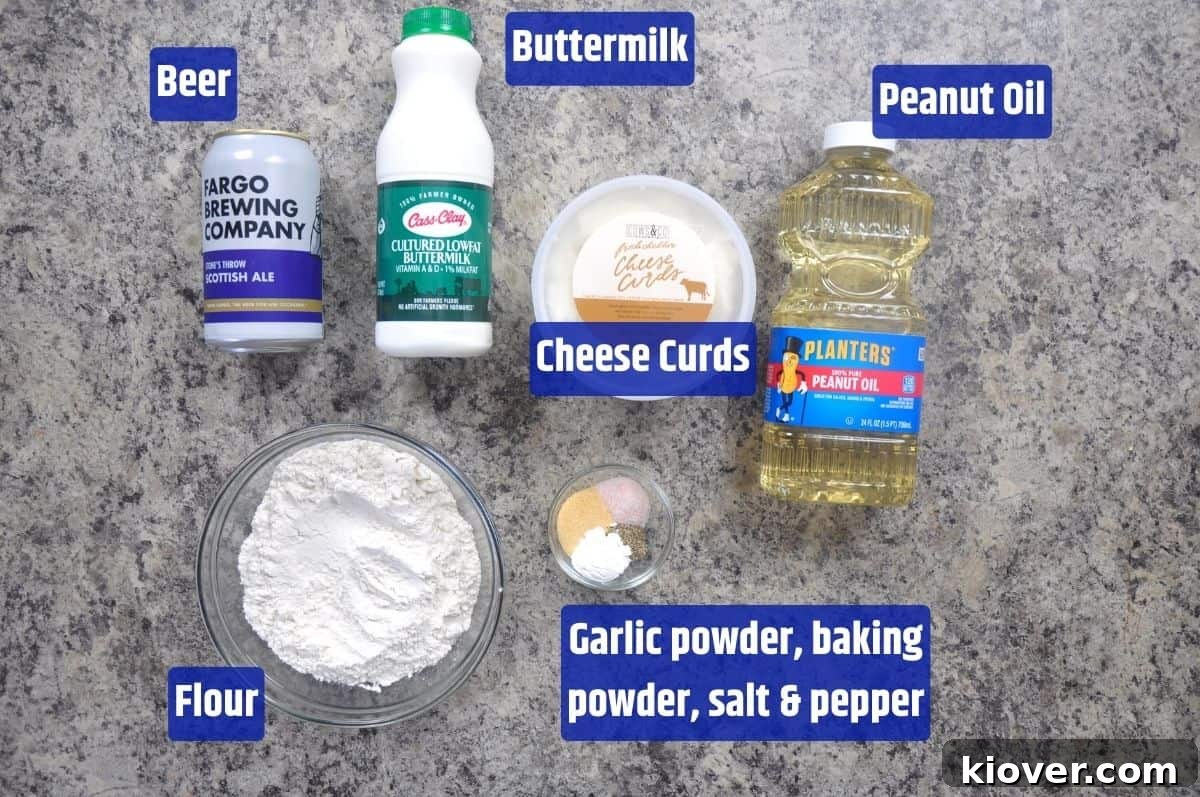
For precise measurements, refer to the detailed recipe card below.
The Star: Choosing Fresh Cheese Curds
The success of your fried cheese curds hinges significantly on the quality and freshness of your cheese curds. From my experience, fresh curds consistently fry better, ensuring a crispier coating and a more satisfyingly melted interior, while also delivering superior flavor. When cheese curds are not quite fresh, the cheese is more prone to escaping the batter and melting prematurely into the oil, leading to a less desirable end product. The fresher the curd, the better the final texture and taste.
If you’re new to the world of cheese curds, you might not yet be familiar with the term “squeaky cheese.” This delightful characteristic is almost exclusively attributed to fresh cheese curds, which literally squeak against your teeth when you bite into them. This unique sensation is a hallmark of freshness and a clear indicator of high-quality curds.
I personally source my cheddar curds from a fantastic local company called Cows & Co Creamery, and they are consistently excellent – definitely squeaky! For those not in the immediate vicinity of a local creamery, I’ve heard wonderful things about Gardner’s Wisconsin Cheese, which delivers fresh cheese curds straight from Wisconsin. Of course, if you have a local cheesemaker or dairy that produces fresh curds, I highly recommend supporting them!
As a last resort, your local grocery store might carry cheese curds. While I have used these in a pinch, the end result was not quite as good as with truly fresh, squeaky curds. However, even less-than-perfect cheese curds, when deep-fried, are still a delicious indulgence. After all, when are deep-fat fried cheese anything ever truly “bad”?
The Binder: Selecting Your Beer for the Batter
When it comes to beer-battering, many people default to a light lager for its crispness and subtle flavor. While I often use a light, straightforward beer like Coors Light for general frying, for this particular fried cheese curds recipe, I decided to elevate the experience by using a Scottish Ale from our local Fargo Brewing Company. I enjoy the beer itself, and its slightly richer, malty notes contribute a unique depth to the batter, making the recipe a bit more distinct and special.
The beer you choose will absolutely impact the final flavor profile of your cheese curds, so don’t be afraid to experiment! A lighter beer will result in a more neutral batter, allowing the cheese to shine. A darker, malty ale can add subtle caramel or nutty undertones. If you prefer a crisp, very light batter, a pilsner or light lager is an excellent choice. For those who want to skip the alcohol, non-alcoholic beer or even sparkling water can be used as a substitute; the carbonation is key for a light and airy batter.
Step-by-Step Instructions: Mastering the Fry
Achieving perfectly crispy and gooey fried cheese curds requires a few key steps, from proper preparation to precise frying. Follow these instructions carefully to ensure your homemade curds are a resounding success.
To begin, take your fresh cheese curds and immerse them in a mixture of buttermilk and your chosen beer. This crucial soaking step ensures that each curd is fully coated, allowing the flavors to meld and preparing them for the batter. The buttermilk tenderizes the cheese slightly and provides a tangy base, while the beer adds another layer of flavor and contributes to a lighter batter.
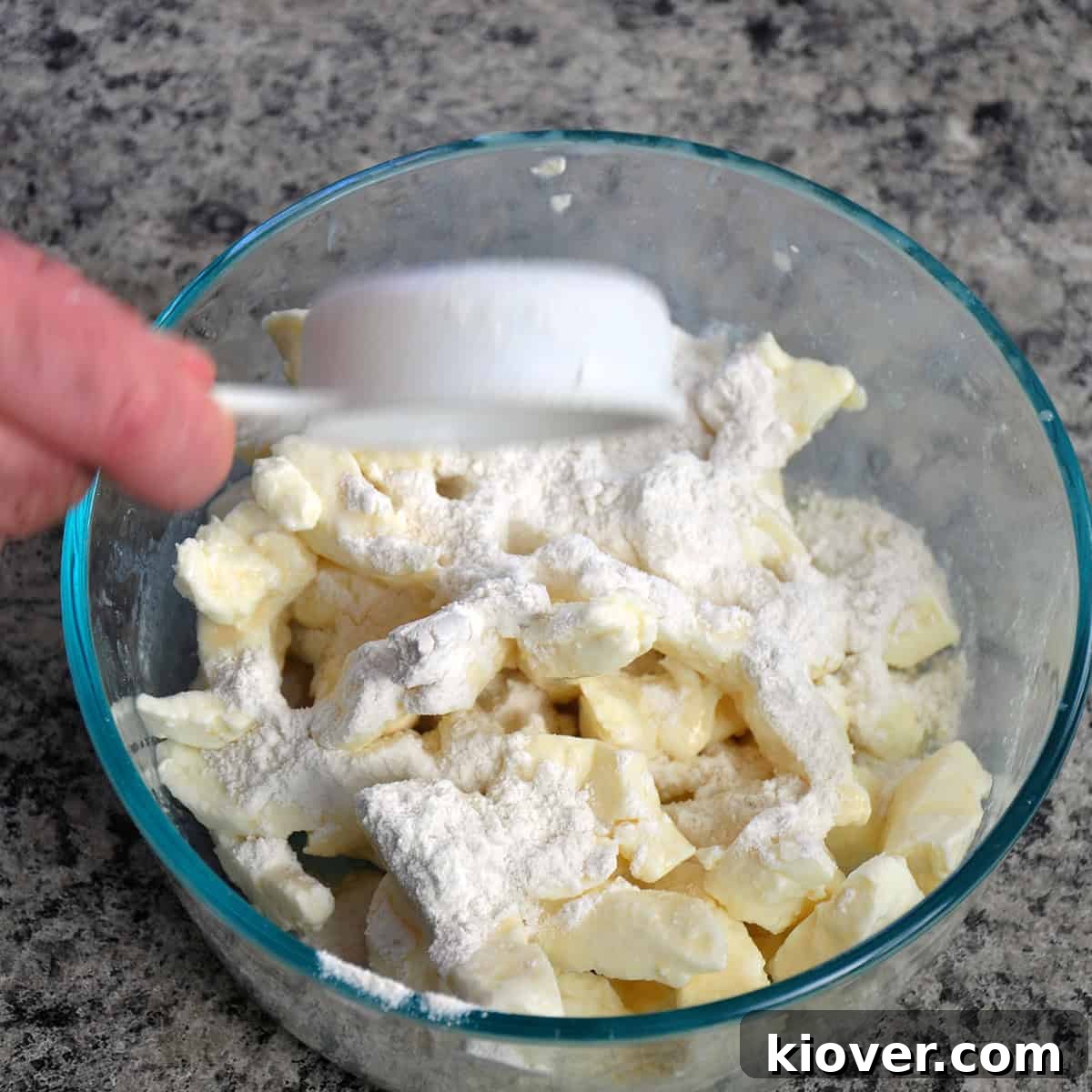
Next, gently drain the soaked curds, shaking off any excess liquid. Lightly toss them with a quarter cup of all-purpose flour. This initial flour coating creates a dry surface for the wet batter to adhere to, preventing it from sliding off during frying and ensuring a consistent, even crust.
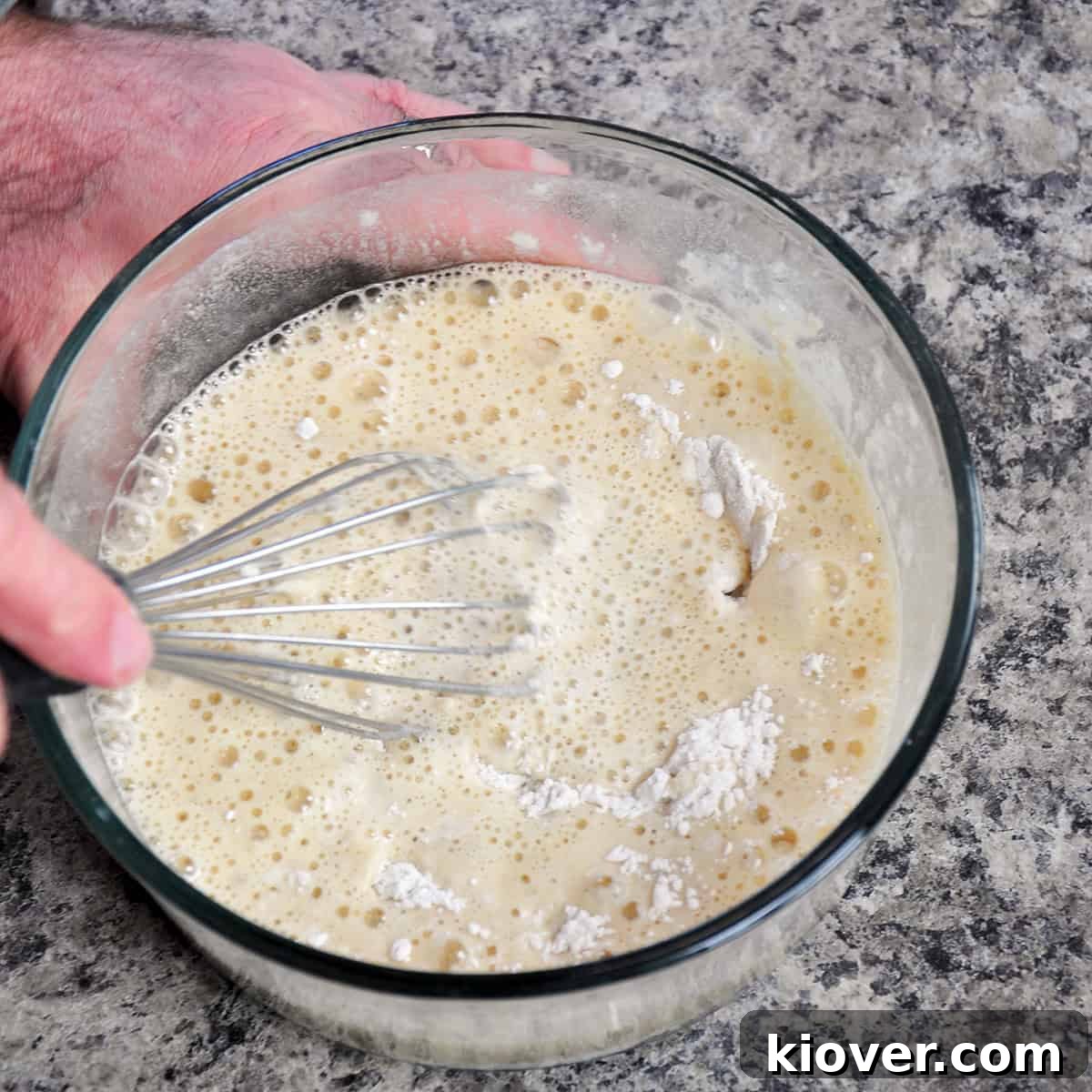
In a separate, medium-sized bowl, prepare your flavorful batter. Combine the remaining all-purpose flour with baking powder, salt, pepper, and garlic powder. These dry ingredients form the backbone of your crispy coating. Gradually whisk in the rest of the buttermilk and beer until the mixture is smooth and free of lumps. The batter should be thick enough to coat the curds generously but thin enough to drip off slightly. Adjust consistency with a touch more flour or liquid if needed.
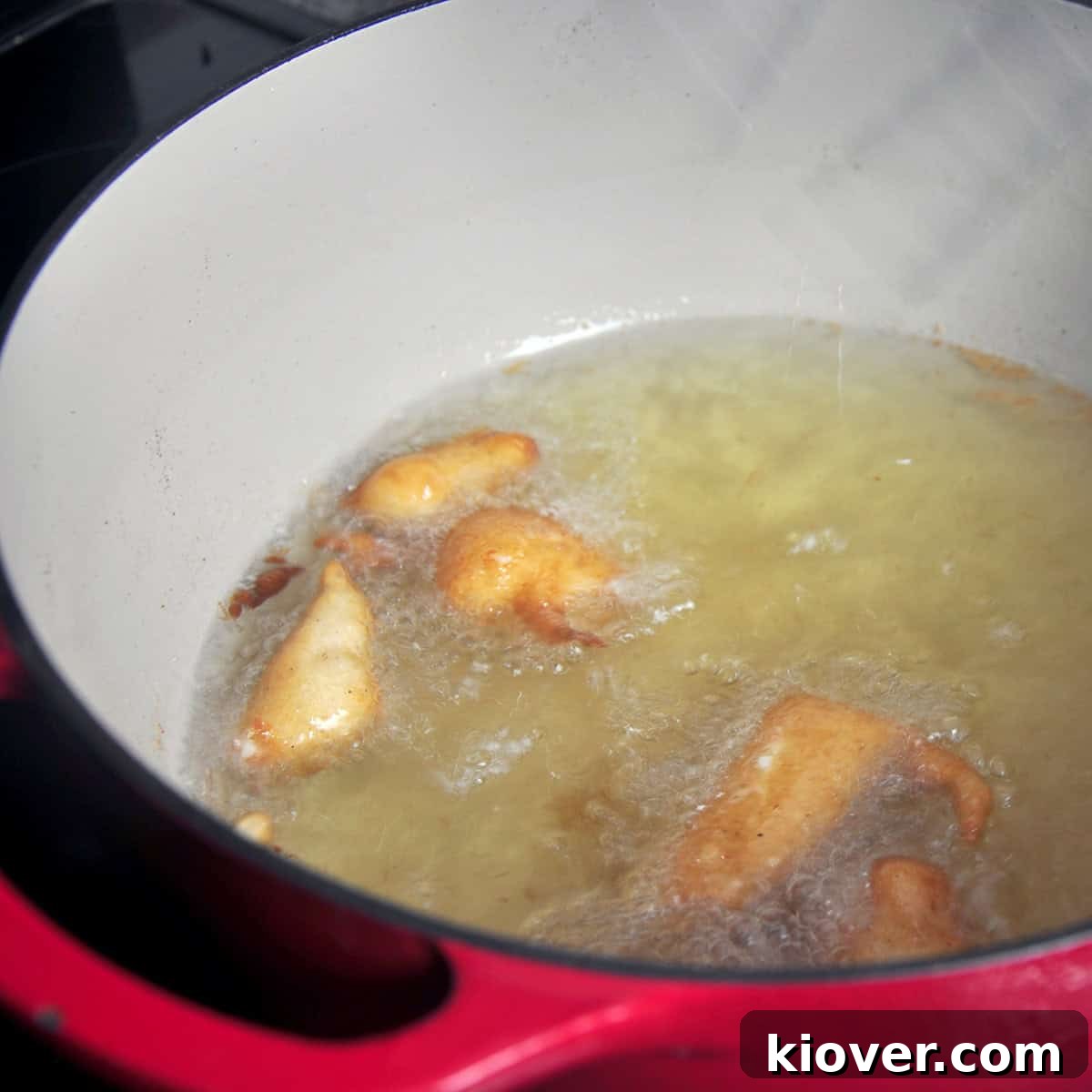
Now, it’s time for the main event: frying. Heat your preferred cooking oil – peanut oil is highly recommended for its high smoke point and neutral flavor – in a Dutch oven or a deep-fat fryer. The ideal temperature for frying cheese curds is 350°F (175°C). Maintaining this temperature is critical; too low, and your curds will be greasy; too high, and the batter will burn before the cheese inside melts properly.
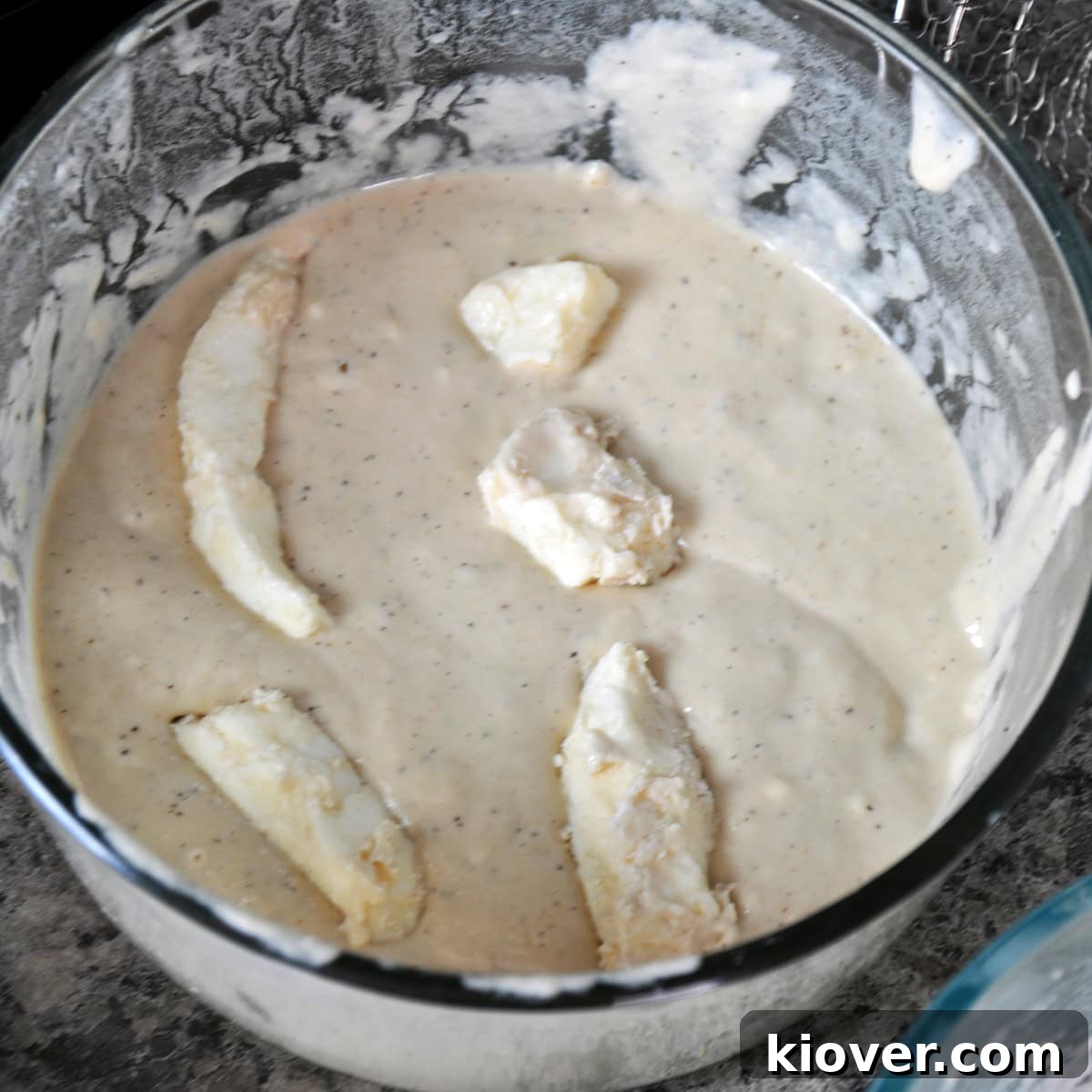
Carefully dip the cheese curds into the prepared batter, working with a few at a time to ensure each piece is fully coated. Do not overload the batter, as this can lead to clumping. Gently transfer the coated curds into the hot oil. Fry them in small batches for approximately 30 seconds on each side, or until they achieve a beautiful light golden-brown color. It’s important not to overcrowd the fryer, as this will drop the oil temperature and result in soggy curds. Use tongs to gently flip and remove them.
Once fried to perfection, immediately transfer the cheese curds to a plate lined with paper towels to drain any excess oil. While they are still hot, sprinkle them generously with a pinch of extra salt. This enhances their flavor and creates an even more irresistible bite. Repeat the frying process with the remaining curds and batter, maintaining the oil temperature between batches.
Serve your authentic Wisconsin Fried Cheese Curds immediately, while they are still wonderfully hot, crispy, and gooey. They are fantastic on their own, but pairing them with your choice of dipping sauce – classic marinara, creamy ranch dressing, or a spicy aioli – takes the experience to the next level. Gather your friends and family and enjoy this deliciously crispy and gooey treat!
Customizing Your Curds: Substitutions and Variations
The beauty of cooking lies in the ability to personalize dishes, and fried cheese curds are no exception. Substitutions and variations offer endless possibilities for customizing your curds to suit your taste preferences or dietary needs.
Feel free to experiment with different types of cheese beyond the traditional cheddar curds. Mozzarella curds will offer a milder flavor and a more pronounced stretch when melted. Pepper jack can introduce a delightful spicy kick, while a mild provolone might offer a softer, creamier texture. However, it’s crucial to note that different cheeses have varying densities and melting points, which can affect how well they hold up during frying. Firmer, fresher curds generally perform best. If using a softer cheese, consider freezing the battered curds for about 30 minutes before frying to help them maintain their shape and prevent excessive leakage.
Regarding frying oil, peanut oil is my top recommendation due to its high smoke point and relatively neutral flavor, which won’t overpower the delicate cheese. Other suitable oils with high smoke points include canola oil, sunflower oil, vegetable oil, or grapeseed oil. It is absolutely critical to avoid oils with low smoke points, such as extra virgin olive oil or sesame oil, as they will burn quickly, create an unpleasant flavor, and are not safe for deep frying. Always use an oil that is specifically appropriate for deep frying to ensure both safety and optimal results.
For those following a gluten-free diet, a high-quality gluten-free all-purpose flour blend can be substituted for regular flour in both the initial coating and the batter. Ensure your chosen blend is suitable for frying and has a good binding agent. Additionally, you can vary the seasoning in the batter to create unique flavor profiles. Consider adding a pinch of cayenne pepper for heat, a dash of smoked paprika for a smoky depth, or Italian herbs for an aromatic twist. Onion powder, white pepper, or even a touch of chili powder can also add exciting dimensions. Get creative and make this recipe truly your own culinary masterpiece!
Storage and Reheating Tips
Fried cheese curds are at their absolute best when enjoyed fresh, hot, and straight from the fryer, boasting maximum crispiness and gooey perfection. However, if you find yourself with the delightful problem of having leftovers, proper storage and reheating can help preserve their deliciousness.
To store leftover fried cheese curds, allow them to cool completely to room temperature. Then, place them in an airtight container and refrigerate for up to two days. Storing them uncovered or while still warm can lead to sogginess.
When you’re ready to enjoy them again, avoid the microwave, as it will inevitably turn your once-crispy curds into a rubbery mess. The best way to reheat fried cheese curds is in an oven or an air fryer. Preheat your oven to 375°F (190°C) or your air fryer to 350°F (175°C). Spread the curds in a single layer on a baking sheet (for the oven) or in the air fryer basket. Heat for 5-10 minutes, or until they are warmed through and the exterior has regained some of its crispness. Keep a close eye on them to prevent burning. While reheating may affect their texture slightly, they’ll still be wonderfully delicious and satisfy that cheesy craving.
A Taste of Tradition: The Rich History of Fried Cheese Curds
Fried cheese curds boast a rich and flavorful history, deeply intertwined with Wisconsin’s renowned dairy tradition. The story of cheese curds begins in the late 19th century, not as a gourmet item, but as a humble byproduct of the cheese-making process. When milk is coagulated and cut into small pieces to separate the curds from the whey, these fresh, unaged curds are what remain. Initially, they were often enjoyed fresh, straight from the vat, prized for their mild flavor and unique “squeaky” texture – a sign of their absolute freshness.
Over time, as dairy farming flourished and innovation in the culinary world took hold, locals began to experiment with these delectable nuggets. It’s believed that the practice of frying cheese curds gained popularity in the mid-20th century, particularly at county fairs, roadside diners, and taverns across Wisconsin. Deep-frying them transformed the simple curd into something extraordinary: a warm, melted interior encased in a golden, crispy shell. This irresistible combination quickly cemented their status as a beloved staple of Wisconsin cuisine.
Today, fried cheese curds are more than just a dish; they are a cultural icon in Wisconsin, celebrated at festivals, sports events, and family gatherings throughout the state. They embody the spirit of hearty, comforting American fair food and remain a proud symbol of Wisconsin’s dairy heritage, cherished for their irresistible blend of crispy exterior and gooey interior.
Frequently Asked Questions (FAQ)
Cheese curds are essentially young, fresh pieces of cheese that have not yet been aged or pressed into a block. They are formed during the early stages of cheese-making when milk is coagulated and cut into curds before the whey is drained. They typically have a mild, slightly salty flavor and a distinctive, somewhat rubbery texture that is often described as “squeaky” when very fresh.
While traditional cheese curds are the go-to choice for authentic fried cheese curds, you can certainly experiment with other types of cheese. Popular alternatives include mozzarella sticks (cut into curd-like shapes), cheddar (if you can find it in a fresh, curd-like form), or even pepper jack for a spicy twist. However, be aware that the melting characteristics and flavor will vary. Cheeses with a higher moisture content or softer texture may be more prone to leaking during frying. A useful tip is to freeze the breaded, unfried cheese pieces for about 30-60 minutes before frying; this helps them hold their shape better and prevents the cheese from melting out too quickly.
“Squeaky cheese” is a common term for exceptionally fresh cheese curds. The squeakiness is caused by the elastic protein strands in the cheese rubbing against the enamel of your teeth when you bite into it. This unique auditory and textural sensation is highly prized by cheese curd enthusiasts and is often considered a definitive sign of freshness and quality. The squeak diminishes as the cheese ages, so a good squeak indicates you have truly fresh curds. It’s a hallmark of dairy-rich regions like Wisconsin, where fresh curds are a cherished snack, whether enjoyed plain or fried.
For the batter, a lighter lager or pilsner will give a crisp, neutral flavor that allows the cheese to shine. A slightly maltier ale, like a Scottish ale, can add a pleasant depth. The carbonation in beer is key to a light and airy batter. If you prefer to avoid alcohol, you can substitute the beer with non-alcoholic beer or even sparkling water or club soda. The carbonation will still provide the desired lightness and crispness to the batter.
Several factors contribute to cheese leakage. Ensure your curds are as fresh as possible, as older curds tend to melt more readily. A thorough, even coating of flour before battering helps the batter adhere properly. Make sure your batter is thick enough to fully encapsulate the curd without being too heavy. Most importantly, maintain the correct oil temperature (350-375°F) and do not overcrowd the fryer. Overcrowding drops the oil temperature, leading to longer cooking times and more opportunities for cheese to escape. Frying in small, quick batches is crucial.
Expert Tips for Flawless Fried Cheese Curds
- Frying Safety First: Always follow USDA frying safety guidelines. Have a fire extinguisher nearby, never leave hot oil unattended, and be mindful of splashes.
- Perfect Pairings: While delicious on their own, fried cheese curds are excellent when served with a variety of dipping sauces. Classic choices include warm marinara sauce, creamy ranch dressing, a zesty chipotle aioli, or even honey mustard.
- Temperature is Key: The ideal frying temperature is consistently between 350°F and 375°F (175°C-190°C). Use a reliable thermometer to monitor the oil temperature. If the oil is too cool, your curds will absorb too much oil and become greasy. If it’s too hot, the batter will burn before the cheese has a chance to fully melt and become gooey, and the cheese is more likely to escape.
- Mind the Melt: Some cheese leakage is normal, especially depending on the moisture content and quality of your curds. Don’t worry if a little cheese escapes; it’s part of the rustic charm. Focus on quick frying times – these curds cook very fast.
- Avoid Crowding: Fry the cheese curds in small batches, typically 4-6 at a time. Overcrowding the fryer dramatically lowers the oil temperature, leading to soggy, oily curds and a less desirable outcome. Give each curd ample space to cook evenly.
- Batter Consistency: Your batter should be thick enough to coat the curds thoroughly, but still able to drip slowly from a spoon. If it’s too thin, it won’t adhere well; if it’s too thick, it can be heavy and doughy. Adjust with small amounts of flour or liquid.
- Immediate Seasoning: Always sprinkle freshly fried curds with a pinch of salt immediately after removing them from the oil. The hot, oily surface allows the salt to adhere perfectly, enhancing the flavor.
Essential Tools for the Perfect Fry
To make the process of frying cheese curds safe and efficient, here are a few essential tools that can greatly assist you:
- Tongs: Essential for safely handling and flipping the cheese curds in hot oil.
- Fry Ladle or Spider Skimmer: Perfect for easily scooping out batches of fried curds from the hot oil.
- Deep-Fry Thermometer: Crucial for accurately monitoring and maintaining the ideal oil temperature.
Your Feedback Matters!
That is awesome, and thank you so much for giving this Authentic Wisconsin Fried Cheese Curds recipe a try! Your cooking journey is important to us. If you could take a moment to leave a rating in the comment section below, it would be greatly appreciated. Your feedback not only lets us know how we’re doing but also helps other home cooks decide if they want to embark on this delicious adventure. Most of all, thank you for visiting Ramshackle Pantry and sharing your culinary experiences with us.
Print Recipe

Authentic Wisconsin Fried Cheese Curds
5 out of 5 stars based on 2 reviews
- Author: Ben
- Prep Time: 10 minutes
- Cook Time: 20 minutes
- Total Time: 30 minutes
- Yield: 6 Servings
- Category: Appetizer
- Method: Fry
- Cuisine: American
Description
Indulge in the crispy, gooey goodness of Authentic Wisconsin Fried Cheese Curds! Made with fresh cheese curds soaked in a buttermilk and beer batter, these golden nuggets are fried to perfection for a satisfyingly crunchy exterior and a melty, cheesy center. Perfect for sharing with friends and family, these irresistible treats are a beloved staple of Wisconsin cuisine. Serve them up with your favorite dipping sauce and enjoy a taste of cheesy bliss!
Ingredients
- 12 ounces Fresh Cheese Curds
- 1 1/4 cups all-purpose flour, divided
- 1 teaspoon baking powder
- 1 teaspoon salt, plus more for seasoning
- 1/4 teaspoon pepper
- 1 teaspoon garlic powder
- 1 cup buttermilk
- 12 ounces of beer (or non-alcoholic beer/sparkling water)
- 1 quart (4 cups) peanut oil (or any high smoke point fry oil) or enough for frying.
Instructions
- Soak cheese curds: In a medium bowl, soak curds in ½ cup of buttermilk and 6 ounces of beer. Mix well to ensure all curds are coated.
- Drain and flour curds: Drain the soaked cheese curds thoroughly. In a large bowl, toss the drained curds with 1/4 cup all-purpose flour, shaking off any excess. This creates a dry surface for the batter.
- Mix Curd Batter: In a separate large bowl, combine the baking powder, 1 teaspoon salt, pepper, garlic powder, and the remaining 1 cup of all-purpose flour. Whisk in the remaining buttermilk and 6 ounces of beer until the mixture is smooth and blended.
- Heat oil: Heat peanut oil (or your chosen fry oil) in a Dutch oven or a deep-fat fryer to 350°F (175°C). Use a thermometer to monitor the temperature closely.
- Dip and Fry Cheese Curds: Dip cheese curds into the prepared batter, 4 to 6 curds at a time, ensuring they are fully coated. Carefully place the battered curds into the hot oil. Fry curds in small batches for about 30 seconds on each side, or until they achieve a light golden brown color. Do not overcrowd the pan; use tongs to gently flip them and remove.
- Drain and Season: Transfer the fried cheese curds to a plate lined with paper towels to drain excess oil. Immediately sprinkle them generously with extra salt while they are still hot. Repeat the frying process with the remaining curds and batter.
- Serve cheese curds immediately with your preferred dipping sauce, if desired, and enjoy!
Notes
- Always prioritize safety when deep-frying. Follow USDA frying safety guidelines.
- Serve these crispy curds with classic marinara sauce, ranch dressing, or your favorite dipping sauce.
- Maintain an oil temperature between 350°F and 375°F. Once the temperature starts to climb towards 400°F, the cheese is much more likely to melt and escape the batter.
- Some cheese leakage is natural and can occur depending on the density, moisture content, and quality of your cheese curds. It’s a quick cook, so trust your judgment and remove them as soon as they are golden.
- Frying in small batches is crucial. Overcrowding the fryer will lower the oil temperature and lead to soggy, greasy curds.