
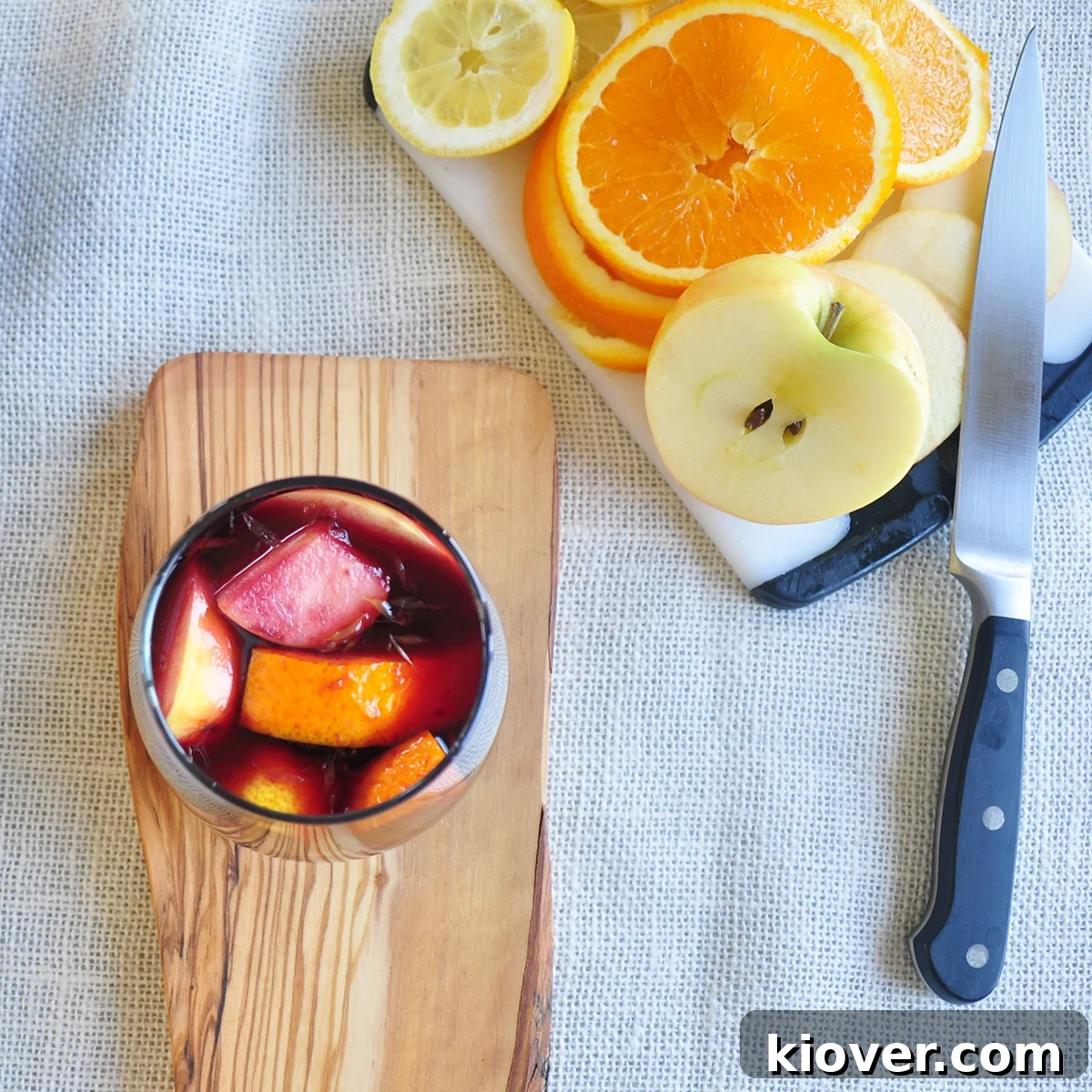
Easy Red Sangria Recipe: Your Authentic Spanish Escape
Transport yourself to the vibrant streets of Spain with this effortlessly delicious Red Sangria recipe. This classic cocktail, bursting with fresh fruit and rich wine, is the perfect centerpiece for any gathering, from a casual summer afternoon to an elegant tapas night. Forget complicated mixes; our recipe brings the authentic taste of a Spanish tapas bar right into your kitchen with a simple, refreshing, and utterly beautiful drink. Get ready to impress your guests and delight your taste buds – try this timeless Sangria today!
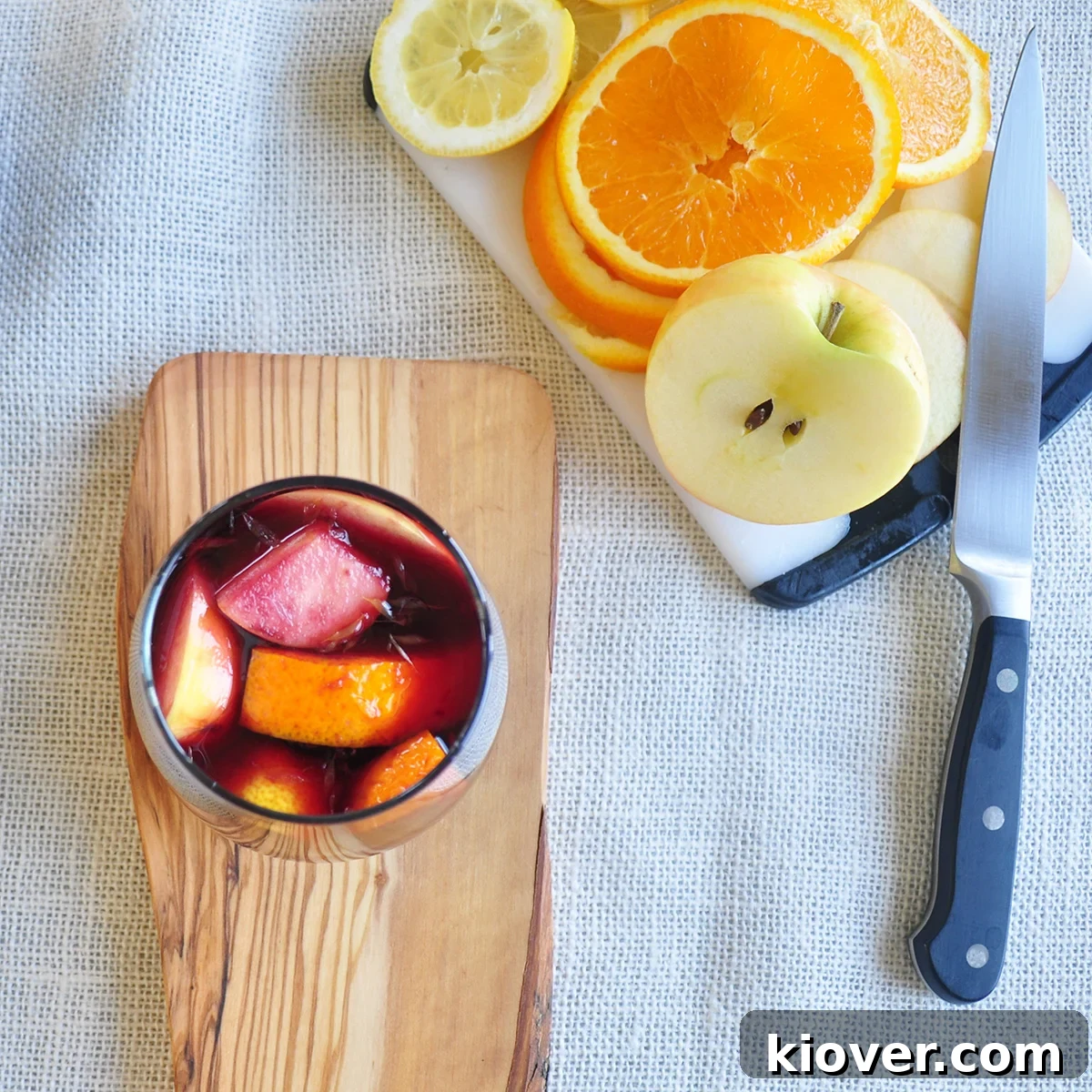
Why This Red Sangria Recipe Is Special
While many Sangria recipes exist, ours focuses on capturing the true essence of this beloved Spanish beverage while ensuring it remains incredibly easy to prepare. This isn’t just a drink; it’s an experience, a delightful fusion of flavors that instantly evokes the warmth and festivity of Spain. Perfect for cooling down on a scorching summer day, yet equally wonderful as a year-round companion for meals and celebrations, this recipe prioritizes authentic taste without sacrificing simplicity.
What sets this recipe apart is its balanced approach to traditional Sangria. We honor its heritage by combining robust red wine with a hint of brandy and the natural sweetness of fresh fruit, allowing ample time for the flavors to meld into a harmonious symphony. The result is a vibrant, sophisticated adult beverage that’s far from mundane, yet incredibly accessible for any home entertainer.
Perfect Pairings for Your Spanish Feast
Sangria is a social drink, and it pairs beautifully with a variety of dishes. Consider making it part of a larger Spanish-themed meal or a vibrant summer spread. For instance, complement its rich red notes with a pitcher of White Sangria or even a playful Tropical Moscato Sangria for variety. If you’re exploring other cocktails, a classic Horse’s Neck cocktail could offer a different kind of refreshment.
For food, think light, flavorful tapas or grilled delights. Imagine serving this Red Sangria alongside savory Grilled Bacon Wrapped Shrimp, a refreshing Mediterranean Watermelon Feta Salad, or even hearty Grilled Jo Jos. The robust flavors of the Sangria cut through rich foods and enhance fresh, crisp ones, making it an incredibly versatile beverage for any menu, from backyard BBQs to elegant dinner parties.
Table of Contents
- Why This Red Sangria Recipe Is Special
- The Allure of Spanish Sangria: A Brief History
- Key Ingredients for the Perfect Red Sangria
- Step-by-Step Instructions for Homemade Sangria
- Customizing Your Sangria: Substitutions and Variations
- Storage Tips for Freshness
- Frequently Asked Questions About Sangria
- Pro Tips for the Best Homemade Sangria
- Essential Tools for Crafting Sangria
- Easy Red Sangria Recipe Card
- Share Your Sangria Experience
The Allure of Spanish Sangria: A Brief History
Sangria, with its vibrant colors and refreshing taste, has a rich history deeply rooted in Spanish and Portuguese traditions. The word “Sangria” itself comes from “sangre,” the Spanish word for blood, a nod to its characteristic deep red color. While wine punches have been enjoyed for centuries, the modern form of Sangria we know and love today truly gained international recognition when it was introduced to the American masses at the 1964 World’s Fair in New York. This event sparked a global fascination with the fruity wine concoction, transforming it into a staple for summer parties and a symbol of Spanish hospitality worldwide.
Originally, Sangria was a practical way to make wine more palatable and stretch resources, especially in times when water quality was questionable. Farmers and locals would mix wine with fruits and spices, creating a refreshing drink that was both delicious and safer to consume. Over time, the recipe evolved, incorporating various fruits, spirits like brandy, and sweeteners to create the delightful variations we enjoy today. Despite its global popularity, the European Union has specific regulations concerning the naming of Sangria, reserving the term primarily for beverages originating from Spain and Portugal. This protection underscores its cultural significance and authenticity.
To delve even deeper into the fascinating journey of this iconic drink, explore our comprehensive article on the history and origin of Sangria, uncovering its ancient roots and modern evolution.
Key Ingredients for the Perfect Red Sangria
Crafting an authentic and delicious Red Sangria starts with understanding the role of each ingredient. While simple, the right choices can elevate your drink from good to extraordinary, ensuring a balanced and flavorful experience. Here’s a detailed look at what you’ll need and why:
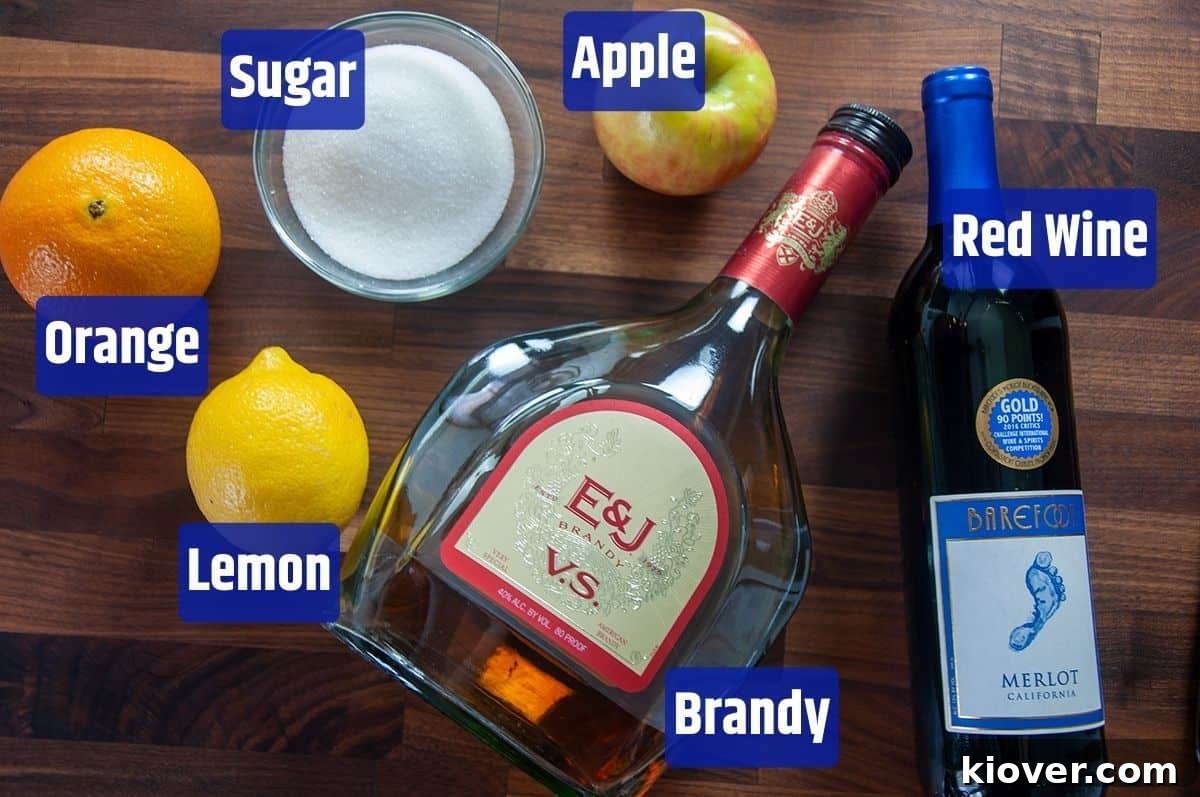
- Red Wine (Merlot Recommended): The undisputed star of the show! For Sangria, you don’t need to splurge on an expensive bottle. In fact, a dry, fruity, and inexpensive red wine works best. We particularly love Merlot for its smooth, approachable fruit profile that blends beautifully with other ingredients without overpowering them. Its soft tannins and red berry notes make it an ideal canvas. Other excellent choices include Grenache (Garnacha), Tempranillo, or even a basic table wine. The key is to choose something you enjoy drinking on its own, but also something whose character will shine through after being “doctored up” with fruit and spirits. Avoid anything too oaky or heavily tannic, as these flavors can clash with the fresh fruit.
- Brandy: This is our chosen fortifying agent, adding a layer of warmth, complexity, and a traditional Spanish touch that truly defines classic Sangria. Brandy enriches the wine’s flavor and enhances the fruity notes, contributing to a deeper, more rounded taste. While traditional, it is optional if you prefer a lighter drink, but highly recommended for an authentic depth of flavor. Alternatives like Cointreau (orange liqueur), Triple Sec, or even a splash of dark rum can also be used for a different, yet equally delicious, twist.
- Sugar: A crucial component for balancing the wine’s inherent acidity and the fruit’s natural tartness. The amount can be adjusted to your personal preference, making the Sangria sweeter or drier. Granulated sugar works perfectly, as it dissolves well over time. For quicker dissolving, you could opt for simple syrup. Natural sweeteners like honey or agave nectar are also viable, though keep in mind they will impart their own subtle flavors to the drink.
- Orange: Provides essential citrus notes, natural sweetness, and a beautiful aroma. Oranges are a cornerstone of traditional Sangria, releasing their refreshing juices and aromatic oils into the wine, creating a bright and invigorating base flavor.
- Apple: Adds a crisp texture and a subtle, sweet counterpoint to the more tart fruits. Apples are fantastic for soaking up the wine and brandy, becoming delicious, wine-infused morsels that are a delight to eat directly from your glass.
- Lemon: Introduces a bright, zesty acidity that prevents the Sangria from becoming overly sweet or cloying. Lemon is vital for that refreshing tang and helps to lift all the other flavors, ensuring a crisp finish.
When selecting your red wine, remember the goal is not a fine vintage. A reasonably priced bottle like Barefoot Merlot, which we’ve found to be excellent, is perfect. It provides a solid, fruity base that is ready to be transformed into something truly special through the infusion of fresh fruit and a touch of spirits. Trust us, once you add the fruit and allow it to macerate, even an economical wine will taste magnificent, evolving into a complex and delightful beverage.
Step-by-Step Instructions for Homemade Sangria
One of the most appealing aspects of Sangria is its incredible simplicity. This isn’t a cocktail that requires bartending expertise or specialized equipment. It’s truly as easy as chopping fresh fruit, combining ingredients, and then letting time work its magic. The key to exceptional Sangria lies in patience, allowing the flavors to fully meld and deepen into a harmonious blend.
-
Prepare Your Base: Sugar and Brandy Infusion
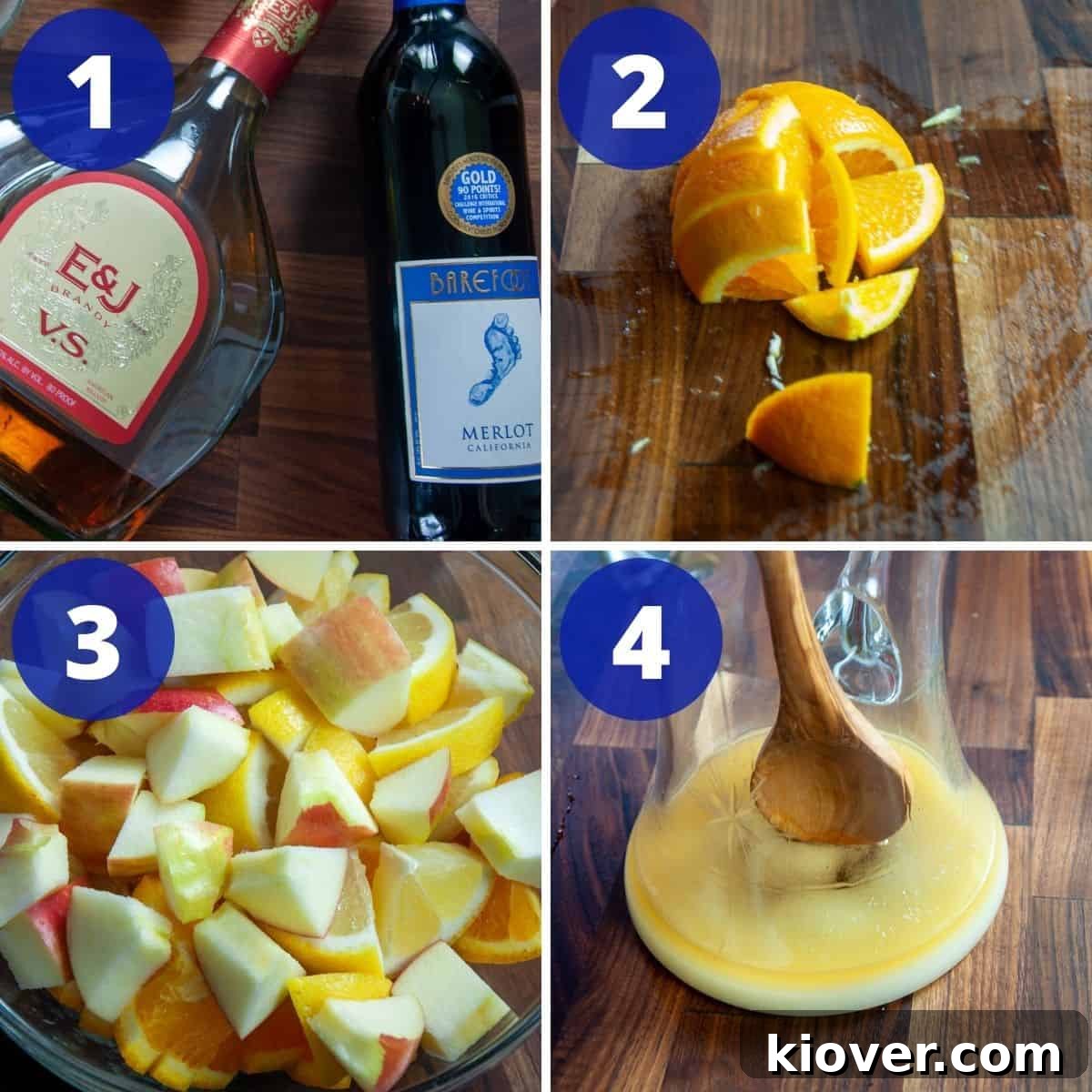
Begin by adding ½ cup of granulated sugar and ½ cup of brandy to a large pitcher. Stir them together until the sugar begins to dissolve. The brandy helps to extract flavors from the fruit and deepen the overall profile, while the sugar lays the foundation for a perfectly balanced sweetness. This initial step ensures an even distribution of sweetness and spirit, preventing any gritty sugar residue later on.
-
Infuse with Fresh Fruit
Next, carefully add your chopped fruits to the pitcher. Start with 1 orange, loosely chopped, followed by 1 apple, cored and loosely chopped, and finally 1 lemon, also loosely chopped. After adding each fruit, give the mixture a gentle stir. This helps to coat the fruit in the sugar-brandy mixture, kickstarting the flavor extraction process. Don’t worry too much about precise cuts; rustic chunks are perfect for Sangria, as they are meant to infuse and be spooned into glasses, not just garnish.
-
Add the Red Wine
Pour in the entire 750ml bottle of Merlot (or your chosen red wine). Stir gently once more to combine all the ingredients thoroughly. Ensure everything is well mixed, so the wine, brandy, sugar, and fruit can begin their beautiful transformation. Avoid vigorous stirring, as this can bruise softer fruits and introduce too much air into the wine.
-
The Crucial Chill Time
This is arguably the most important step for an exquisite Sangria. Cover your pitcher and place it in the refrigerator for at least 6 hours. While you *can* get away with serving it sooner, the magic truly happens during this chilling period. The fruits release their juices, the wine absorbs their essences, and all the flavors marry and deepen, resulting in a far more complex and harmonious drink. Overnight chilling (12-24 hours) is even better if you have the time, allowing for maximum flavor development.
-
Serve and Enjoy!
Once properly chilled and infused, your homemade Red Sangria is ready to be enjoyed. Give it a final gentle stir, then serve it over ice in wine glasses or tumblers. Make sure each serving gets a generous helping of the wine-soaked fruit – it’s part of the delight! For an extra touch of elegance and freshness, you can garnish with an additional fresh slice of orange, a lemon wheel, or a sprig of mint just before serving.
Notes
- While brandy is optional, it significantly enhances the depth of flavor. We highly recommend including it for a truly authentic and robust experience.
- Don’t be afraid to experiment with different fruits! Sangria is wonderfully forgiving and adaptable to your personal taste and what’s in season.
Customizing Your Sangria: Substitutions and Variations
The true beauty of Sangria lies in its adaptability. While our classic recipe provides a fantastic foundation for an authentic Spanish experience, don’t hesitate to get creative and tailor it to your personal preferences, dietary needs, or what seasonal fruits you have on hand. Experimentation is highly encouraged!
-
Fruit Choices: Embrace Seasonal Flavors
Our recipe calls for a classic trio of orange, apple, and lemon, which are staples for a reason – they provide a balanced sweet, tart, and crisp profile that complements red wine beautifully. However, the possibilities for fruit additions are endless! Consider incorporating seasonal fruits to your Sangria to truly make it your own:
- Berries: Strawberries, raspberries, and blackberries are fantastic additions, offering vibrant color, juicy sweetness, and a lovely aroma.
- Stone Fruits: Sliced peaches, nectarines, or plums can add a delightful summer sweetness and a tender texture after soaking in the wine.
- Tropical Fruits: For an exotic twist, try pineapple chunks, mango slices, or even kiwi. These fruits introduce a different flavor dimension.
- Other Citrus: Limes or grapefruit can intensify the zesty notes, providing an extra layer of refreshing tartness.
- Grapes: Halved red or green grapes add a subtle sweetness and a beautiful visual appeal, often becoming deliciously plump with wine.
Remember that softer fruits will break down faster, while firmer fruits like apples will retain more texture, offering a pleasant bite.
-
Brandy Alternatives & Fortification
Brandy is a traditional choice for fortifying Sangria, lending it a robust, sophisticated edge and deepening its flavor profile. However, if brandy isn’t to your taste or you’re looking for something different, consider these excellent options:
- Orange Liqueur: Cointreau, Triple Sec, or Grand Marnier will significantly enhance the orange notes and add a pleasant sweetness, creating a more citrus-forward Sangria.
- Rum: A splash of white or dark rum can introduce a different kind of warmth and depth, with dark rum offering richer, molasses-like undertones.
- Vodka: For a less traditional but still effective fortification, a neutral vodka can be used without altering the core flavor profile too much, simply adding an alcoholic kick.
- Omission: If you prefer a lighter Sangria or wish to keep the alcohol content solely from the wine, feel free to omit the brandy entirely. The Sangria will still be delicious and refreshing, just with a slightly milder character.
-
Adjusting Sweetness and Fizz
The sugar quantity in the recipe is a guideline, and your preference may vary. Taste your Sangria after it has chilled for a few hours and adjust to your liking. You can add more sugar (dissolved in a small amount of warm water or wine first to ensure it blends seamlessly) or, for a less sweet profile, incorporate sparkling water, club soda, or even a dry ginger ale just before serving. A splash of fruit juice like orange juice, cranberry juice, or even pomegranate juice can also add sweetness and another layer of fruity flavor.
-
Scaling Up or Down
This recipe is wonderfully easily scalable. Need more Sangria for a large party or gathering? Simply double or even triple the batch! Just ensure you have a sufficiently large pitcher, punch bowl, or even multiple pitchers. Conversely, for a smaller, more intimate serving, you can halve the recipe, though a full bottle of wine is typically the standard base for most Sangria preparations, providing a good balance of flavors.
Storage Tips for Freshness
Proper storage is essential to maintain the quality, flavor, and visual appeal of your homemade Sangria. Once prepared, your Sangria should be transferred to a pitcher or airtight container and immediately stored in the refrigerator.
Ideally, Sangria is best enjoyed within a few days of preparation. While it can last up to 3-4 days in the fridge, the quality will start to decline over time. The fruit will begin to soften and potentially become mushy, losing its crisp texture and vibrant appearance. Additionally, the flavors, while still pleasant, may not be as fresh and vibrant as they were on day one or two. For optimal taste and texture, we highly recommend consuming your Sangria within 48 hours of making it.
If you plan to add sparkling water, soda, or any other carbonated mixers to your Sangria, it’s always best to add these elements just before serving. Storing Sangria with carbonated mixers already added will inevitably result in a flat drink, as the carbonation will dissipate over time in the refrigerator. Instead, keep your base Sangria chilled, and pour it over ice, topping with your desired fizz right before enjoying.
Frequently Asked Questions About Sangria
What exactly is Sangria?
Sangria is a traditional Spanish and Portuguese beverage, typically a wine punch, made by sweetening red wine and infusing it with chopped fresh fruits. Often, it is fortified with a spirit like brandy, creating a more robust and complex flavor profile. While red wine is the most common base, variations using white wine (Sangria Blanca) or rosé wine also exist, offering a lighter alternative.
Where does Sangria originate from?
Sangria is native to Spain and Portugal, with its roots tracing back centuries to ancient wine punches. The European Union has specific regulations regarding the use of the term “Sangria,” generally reserving it for products made in these two countries, highlighting its protected status as a traditional regional drink. Despite these protections, delicious Sangria can be, and is, made all over the world by enthusiasts and connoisseurs alike!
What kind of wine is best for Sangria?
The best wine for Sangria is typically a dry, fruity, and relatively inexpensive red wine. Varietals like Merlot, Grenache (Garnacha), or Tempranillo are excellent choices as they offer a good fruit base that blends well with other ingredients without being too overpowering or overly tannic. There’s no need for a premium, aged bottle; a good quality, economical table wine will do wonders once infused with fruit and brandy.
How long does Sangria need to chill?
For optimal flavor infusion and to allow the diverse ingredients to truly meld, Sangria should chill in the refrigerator for at least 6 hours. This extended chill time allows the fruit juices to combine with the wine and brandy, creating a harmonious and deeply flavored drink. While you can serve it after a shorter chill, an overnight rest (12-24 hours) often yields the best, most complex results.
Can I make Sangria without alcohol?
Absolutely! While traditional Sangria contains alcohol, you can easily make a delicious non-alcoholic version. Replace the red wine with non-alcoholic red wine, grape juice, cranberry juice, or even sparkling cider for a festive feel. Omit the brandy entirely, or replace it with a splash of orange juice, a dash of non-alcoholic bitters, or a flavored syrup for added depth. The key is still to use plenty of fresh, chopped fruit and allow it to infuse for several hours in the refrigerator.
What other fruits can I add to Sangria?
Beyond the classic orange, apple, and lemon, Sangria welcomes a wide array of fruits. Strawberries, raspberries, peaches, nectarines, limes, grapes, and even tropical choices like pineapple or mango can create fantastic variations. Choose firm, ripe fruits that are in season for the best flavor and texture, and don’t be afraid to mix and match based on your preferences and what’s available.
Is Sangria only for summer?
While Sangria is famously refreshing on a hot summer day, it is a versatile drink that can be enjoyed year-round! By adjusting the fruits to match the season – think cranberries and pomegranates in winter, or pears and figs in autumn – you can adapt Sangria to any time of year. Its festive nature makes it perfect for holidays and celebrations, regardless of the temperature outside.
Pro Tips for the Best Homemade Sangria
-
Don’t Skip the Brandy (Unless Intentionally Lighter): While optional, a good quality brandy truly enhances the depth and complexity of your Sangria. It’s a classic addition for a reason, fortifying the drink and adding a subtle warmth that elevates the overall experience. Even a small amount makes a noticeable difference in achieving that authentic Spanish flavor profile.
-
Embrace Fruit Experimentation: The traditional fruits (orange, apple, lemon) are excellent, but don’t limit yourself! Think seasonally and creatively. In summer, add sliced peaches, an array of berries, or chunks of melon. In fall, try pears, pomegranates, or cranberries. Have fun with it; Sangria is incredibly versatile and forgiving, allowing for endless delicious combinations.
-
Chill Time is Crucial: This cannot be stressed enough. While you might be tempted to serve it right away, giving your Sangria at least 6 hours (and preferably overnight, 12-24 hours) in the refrigerator allows the flavors to properly meld and deepen. The fruit fully infuses the wine, and the sweetness balances out, resulting in a much richer, more harmonious, and well-rounded drink.
-
Taste and Adjust Sweetness: Everyone has a different preference for sweetness. After the initial chilling period, always taste your Sangria before serving. If it’s too tart, stir in a bit more sugar (dissolve it in a small amount of warm water or wine first to prevent grittiness). If it’s too sweet, a splash of unsweetened fruit juice, sparkling water, or additional lemon juice can balance it out.
-
Add Carbonation Last: If you desire a fizzy Sangria, always add sparkling water, club soda, or a lemon-lime soda just before serving. Adding it too early in the preparation process will result in a flat drink as the carbonation dissipates during chilling. Keep your carbonated mixer chilled separately and add it per glass or to the pitcher right before serving.
-
Use Fresh, Ripe Fruit: The quality of your fruit directly impacts the flavor of your Sangria. Choose ripe, fragrant fruits that are in season for the best results. Wash them thoroughly before chopping to remove any residues.
-
Serve Over Plenty of Ice: Always serve Sangria over plenty of ice to keep it perfectly chilled and refreshing. This also prevents the fruit from getting too warm too quickly and ensures every sip is as cool and invigorating as the first.
Essential Tools for Crafting Sangria
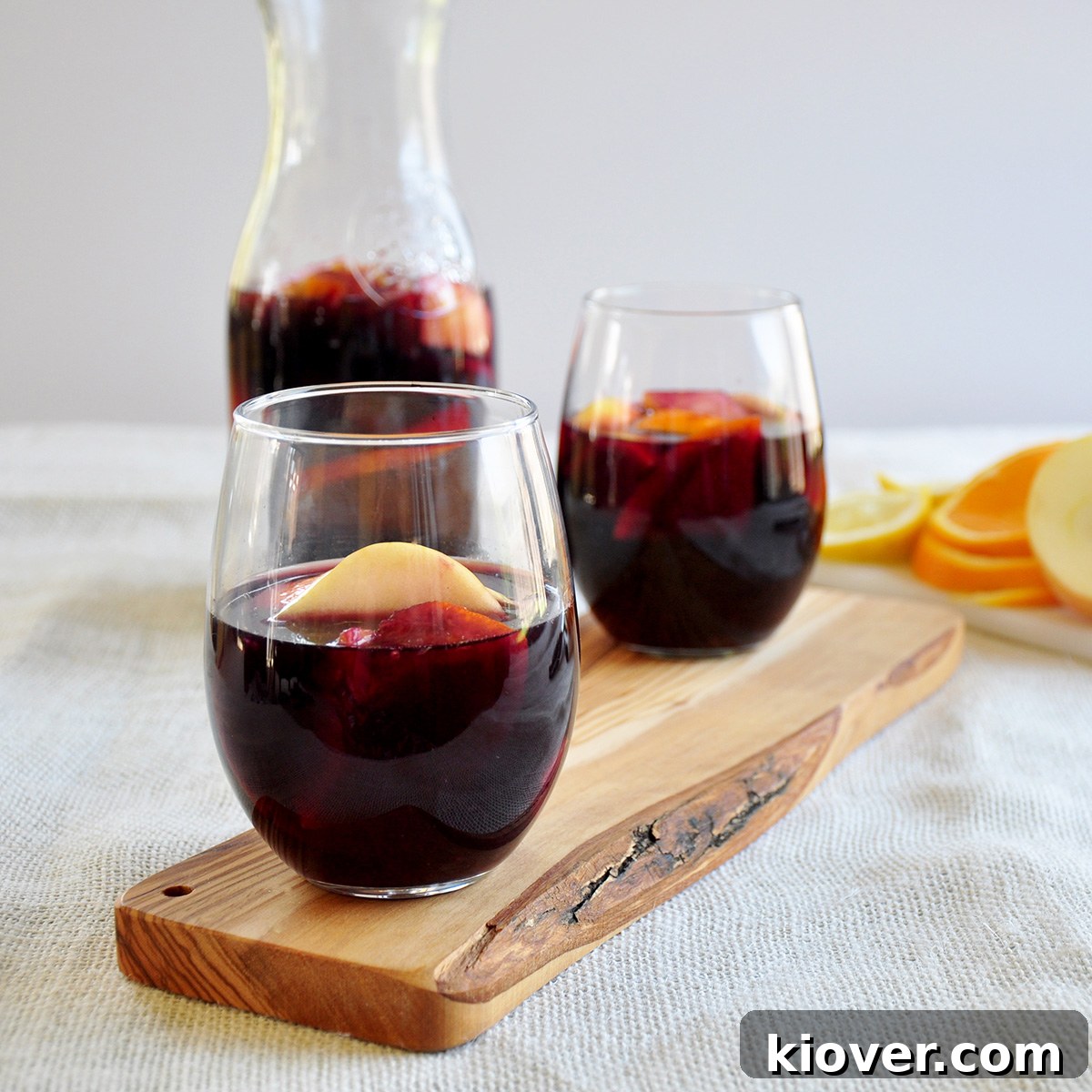
Making Sangria is quite straightforward, requiring only a few basic kitchen tools. Having the right equipment can make the process even smoother and more enjoyable, enhancing both the preparation and serving experience:
- Large Pitcher or Punch Bowl: This is essential for mixing all the ingredients and, crucially, allowing the Sangria to chill and infuse properly. A transparent glass pitcher is ideal as it allows you to admire the beautiful colors and the vibrant fruit within.
- Wustoff Knife Set: A sharp, high-quality knife is crucial for easily and safely chopping the various fruits. A good quality chef’s knife makes quick work of oranges, apples, and lemons, ensuring clean cuts and efficient prep.
- Stemless Wine Glasses: While any glass will do, stemless wine glasses are a stylish and practical choice for serving Sangria. They are comfortable to hold, less prone to tipping, and beautifully showcase the colorful fruit within each serving.
- Glass Pitcher: Beyond the initial mixing, a beautiful glass pitcher is perfect for serving your Sangria, especially if you want to display the colorful fruits and present your drink elegantly to guests.
- Cutting Board: A sturdy and stable cutting board is absolutely necessary for safely preparing your fruits, protecting your countertops and providing a secure surface for chopping.
- Long Stirring Spoon: A spoon with a long handle is incredibly helpful for thoroughly mixing the ingredients in a large pitcher, ensuring that the sugar dissolves and all components are well combined.
Easy Red Sangria Recipe Card

Easy Sangria Recipe
- Author: Ben Myhre
- Prep Time: 5 Minutes
- Chill Time: 6 Hours
- Total Time: 6 hours 5 minutes
- Yield: 6 Servings
- Category: Drinks
- Method: Refrigerator
- Cuisine: Spanish
Description
This easy Red Sangria recipe is perfect for any occasion, offering a delightful blend of wine and fresh fruit with minimal effort. Enjoy this refreshing Spanish cocktail on a warm day or at your next gathering for a taste of Spain.
Ingredients
- ½ cup sugar
- ½ cup brandy
- 1 orange, loosely chopped
- 1 apple, cored and loosely chopped
- 1 lemon, loosely chopped
- 750ml bottle of merlot (or other dry, fruity red wine)
Instructions
- Add ½ cup sugar and ½ cup brandy to a large pitcher. Stir to combine thoroughly until sugar begins to dissolve.
- Add in the chopped fruits (1 orange, 1 apple, 1 lemon) to the pitcher, mixing gently after adding each one to coat them in the sugar-brandy mixture.
- Pour in the 750ml bottle of red wine, then stir everything together one final time to ensure all ingredients are well combined.
- Place the pitcher in the fridge, covered, for at least 6 hours (or preferably overnight for best flavor development) to allow the flavors to meld.
- Serve chilled over ice with some of the infused fruit in each glass. Garnish with fresh fruit if desired.
Notes
- Brandy is optional, but highly recommended for an authentic and rich flavor profile in your Sangria.
- Feel free to experiment with different fruits based on seasonality and your personal preference for unique variations!
Share Your Sangria Experience
We absolutely love seeing your culinary creations and hearing about your experiences in the kitchen! If you’ve tried this Easy Red Sangria recipe, we would be thrilled to hear from you. Your feedback is incredibly valuable, as it helps our community of home cooks decide if they want to give this delightful recipe a try, and it lets us know how we’re doing.
Please take a moment to leave a review and share your thoughts in the comment section below. Did you experiment with a unique fruit combination? What did you pair your Sangria with for a complete meal? Your insights and tips are always welcomed and cherished!
Don’t forget to sign up for our newsletter to get more delightful recipes, cooking tips, and culinary inspiration delivered straight to your inbox. And if you captured a beautiful photo of your homemade Sangria, share it on social media and tag us, or even better, share this recipe on Pinterest to inspire others to whip up their own Spanish escape. We’re eager to see your creations!
Thank you for stopping by Ramshackle Pantry. We sincerely hope this authentic, easy Red Sangria recipe brings a touch of Spanish sunshine, joy, and deliciousness to your table and your next gathering!