
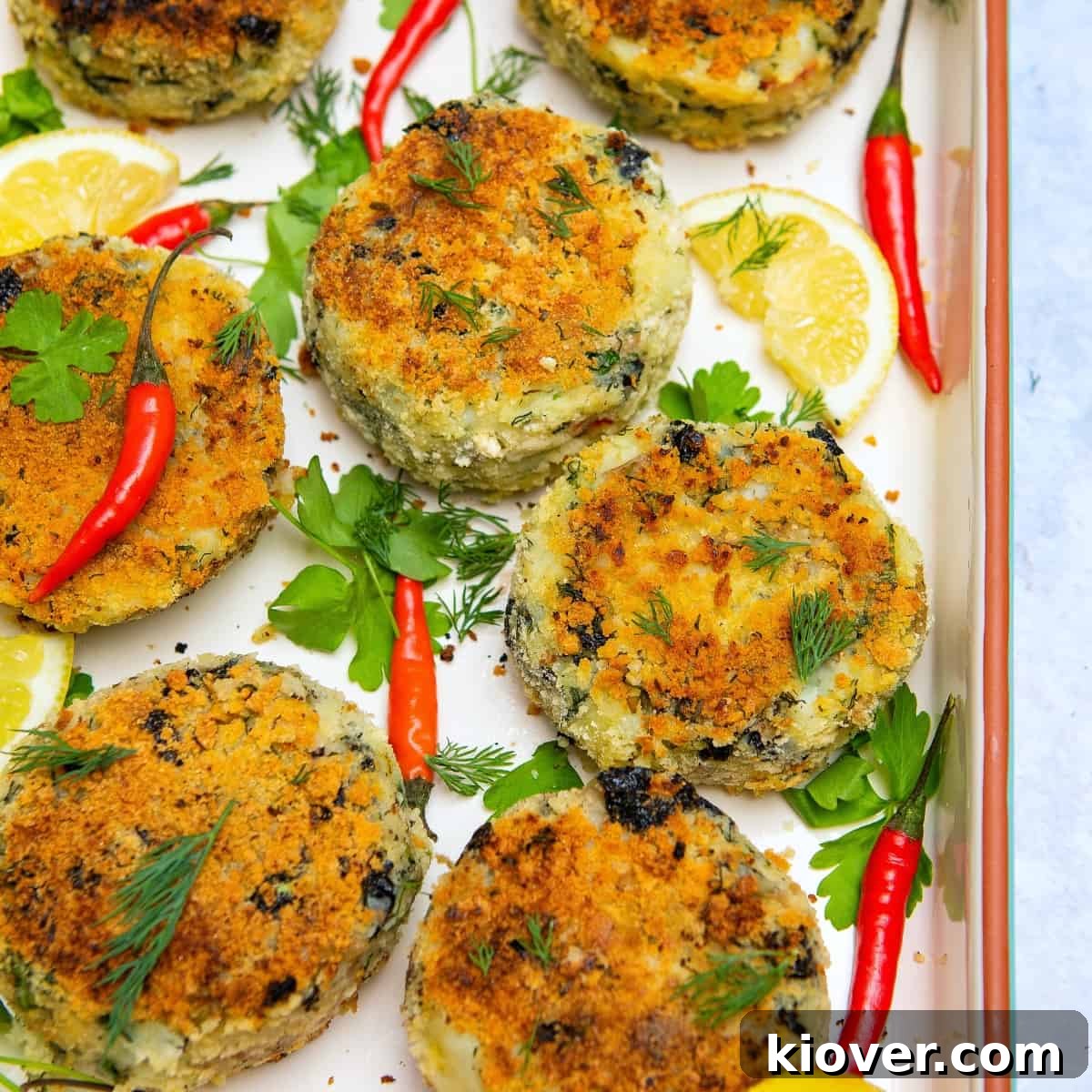
Discover the Best Vegan Fishcakes: A Wholesome & Flavorful Plant-Based Recipe
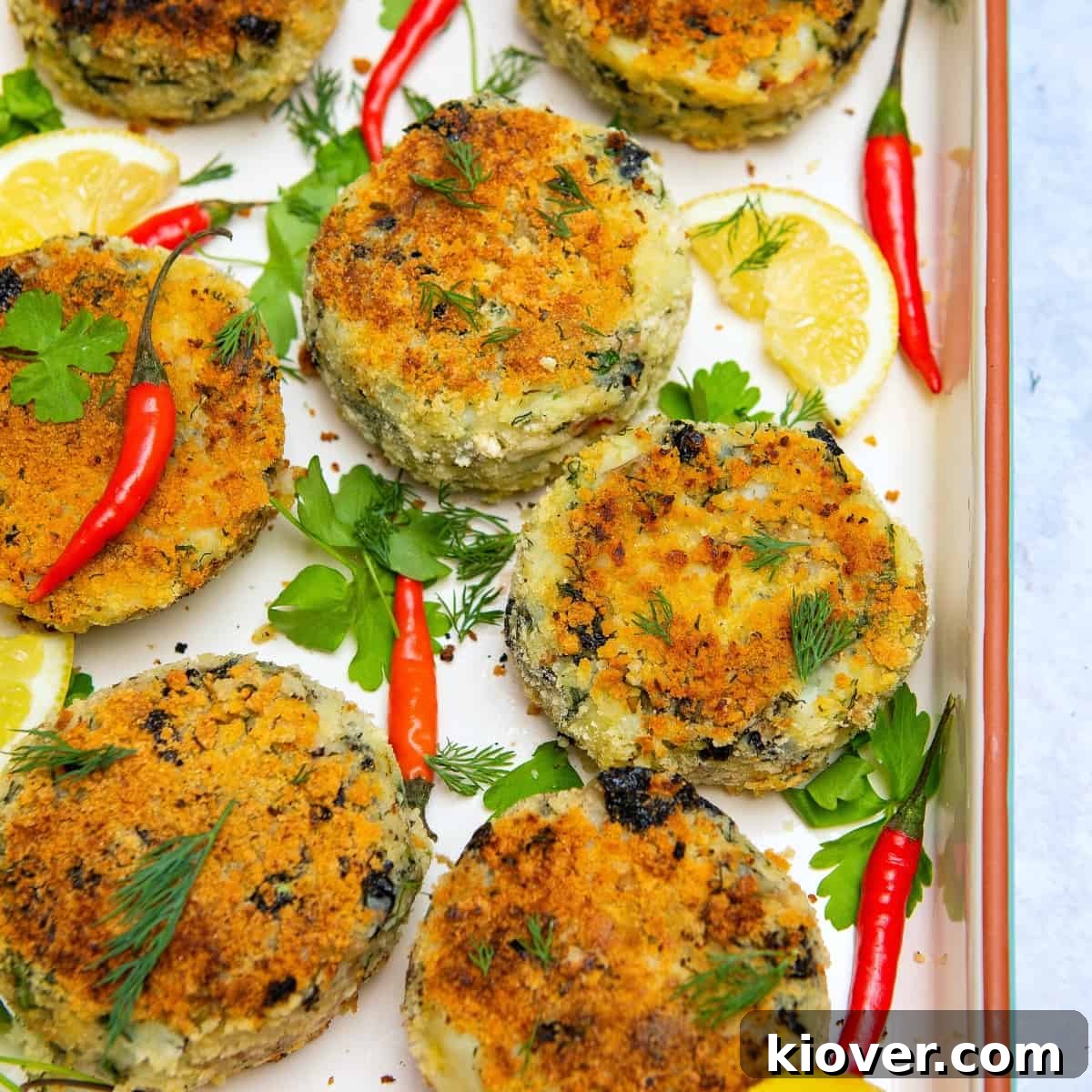
Craving the classic taste of fishcakes but seeking a plant-based alternative? Look no further! We proudly present the **best vegan fishcakes** you’ll ever make. Bursting with savory, sea-inspired flavors, these homemade delights are entirely *plant-based* and incredibly satisfying. Best of all, this recipe is designed to be remarkably **simple to make**, making it accessible for home cooks of all skill levels. Get ready to fall in love with these **delicious and versatile Vegan Fishcakes**, perfect for any season and naturally *free from gluten, nuts, and soy!*
Recipe Difficulty – Easy
Table of Contents
- Why This Vegan Fishcake Recipe Works
- Essential Ingredients for Vegan Fishcakes
- Smart Substitutions for Your Vegan Fishcakes
- Exciting Variations to Customize Your Fishcakes
- Step-by-Step: How to Make Vegan Fishcakes
- Storing and Reheating Leftover Vegan Fishcakes
- Vegan Fishcakes Recipe FAQs
- Full Vegan Fishcakes Recipe Card
Why This Vegan Fishcake Recipe Works Wonders
Vegan fishcakes? You might be wondering how we achieve that authentic taste and texture without any fish. Trust us, crafting delicious and innovative plant-based recipes is our specialty! The magic lies in a clever combination of ingredients and techniques that mimic the satisfying qualities of traditional fishcakes, all while being completely animal-product free.
One of the key secrets to the incredible texture of these fishcakes is the use of **chickpea flour**. Naturally gluten-free, chickpea flour acts as an excellent binder, ensuring your mash holds together beautifully, creating perfectly formed, crispy cakes. This makes our recipe suitable for those with celiac disease or gluten sensitivities, as well as being wonderfully free from dairy, eggs, and soy.
But what about the “fish” flavor? That’s where **seaweed** comes in. A small amount of dried seaweed, such as nori sheets, imparts a distinct briny, umami-rich taste that evokes the essence of the sea without a single fish. It’s a game-changer for plant-based seafood alternatives, adding depth and authenticity to every bite.
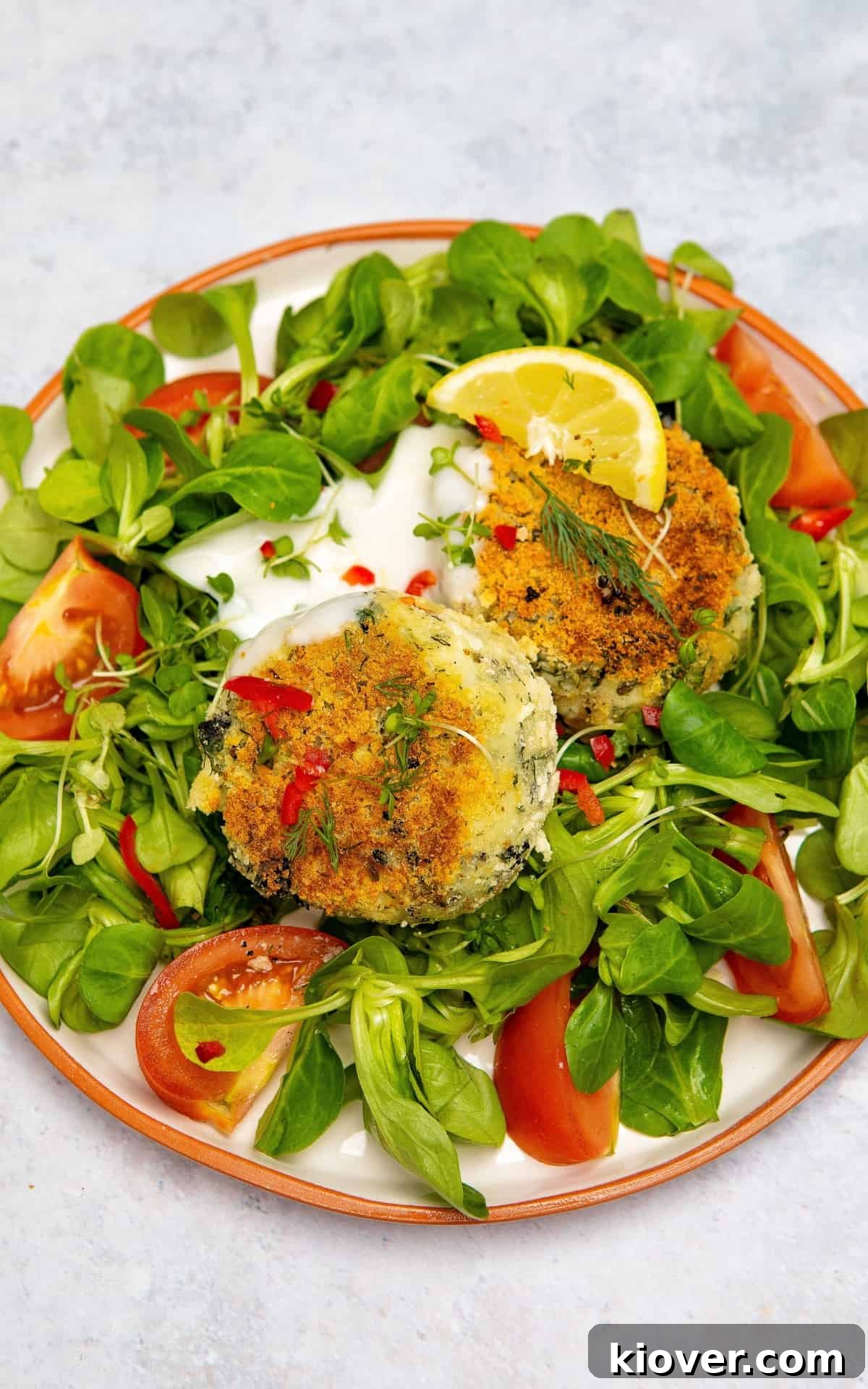
These versatile vegan fishcakes are the **perfect accompaniment to a refreshing summery salad**, offering a light yet satisfying meal. Their vibrant flavors also make them an ideal dish to enjoy year-round, bringing a taste of sunshine to your plate regardless of the season. If you’re embarking on a Veganuary challenge or simply looking to reduce your fish consumption, this recipe is an absolute must-try. It’s also a fantastic option for anyone exploring new flavors or catering to multiple food allergies.
Preparing this dish is incredibly straightforward. It’s a simple, colorful, and flavor-packed mash that comes together easily in just one bowl, ready to be coated in crispy gluten-free breadcrumbs. This recipe was inspired by a desire to veganize classic dishes like Sweet Chilli Salmon Fishcakes, and also draws inspiration from the “fishy” taste (without the fish!) of our Chickpea Tuna Salad. For a complete meal, these fishcakes pair wonderfully with our amazing Vegan Tzatziki Sauce recipe or a side of Healthy Basil Mushy Peas, making for a truly wholesome and delicious dining experience.
Essential Ingredients to Make Flavorful Vegan Fishcakes
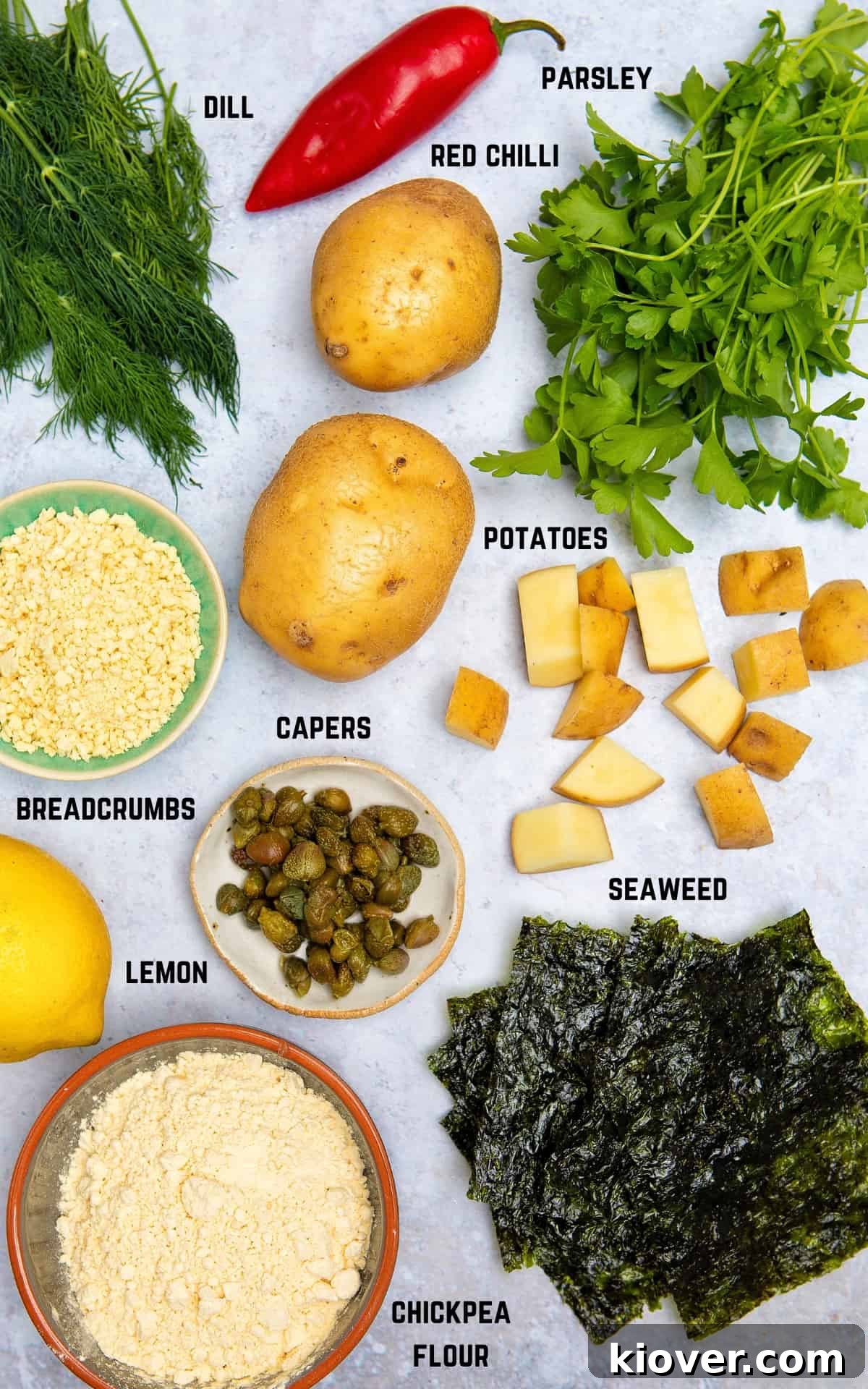
Each ingredient in this recipe plays a crucial role in delivering the incredible flavor and texture of these plant-based fishcakes:
- White Potatoes – These form the hearty, comforting base of our fishless cakes. Varieties like Maris Piper are ideal as they mash up beautifully, creating a fluffy interior that binds well. Other starchy potato types will also work effectively.
- Olive Oil – Used both in the mash for moisture and richness, and for frying, it helps achieve a beautiful golden crust and adds a lovely depth of flavor to the cakes.
- Capers – These tiny, pickled flower buds contribute a burst of briny, salty, and slightly lemony flavor, adding a fantastic tang that mimics the taste complexity often found in seafood dishes.
- Red Chilli – For those who appreciate a gentle kick, a hint of fresh red chilli infuses a lovely warmth and subtle spice, balancing the other flavors without overpowering them. Adjust to your preferred heat level.
- Fresh Dill & Parsley – These aromatic herbs are essential for that classic “fishcake” appeal. Dill offers a delicate, fresh, and slightly anisy note, while parsley adds a bright, clean, and herbaceous finish, contributing both vibrant color and essential flavor.
- Chickpea Flour – This gluten-free flour is the binding hero of the recipe, ensuring the cakes hold their shape perfectly during cooking. It also adds a subtle nutty flavor and a boost of plant-based protein. You can also use chickpea flour to make our Homemade Gluten-Free Pizza.
- Lemon – Both the zest and juice are indispensable. Lemon zest provides an intense aromatic brightness, while the fresh juice adds a zesty acidity that cuts through the richness and enhances all the other flavors, giving the fishcakes a wonderfully fresh finish.
- Crispy Seaweed – Often found as nori sheets (the kind used for sushi), this is the “secret ingredient” that truly gives these fishless fishcakes their authentic taste of the sea. It adds a subtle umami, a hint of saltiness, and a unique texture.
- Gluten-Free Breadcrumbs – While optional, we highly recommend a coating of gluten-free breadcrumbs. They create an incredibly crispy, golden exterior that contrasts beautifully with the soft interior, adding an irresistible crunch to every bite.
For precise measurements and detailed instructions, please refer to the complete recipe card below.
Smart Substitutions for Your Vegan Fishcakes
Don’t have every ingredient on hand? No problem! Here are some excellent substitutions to help you create delicious vegan fishcakes with what you have:
- White Potatoes – If Maris Piper isn’t available, other floury or waxy potatoes like Russets, Yukon Golds, or round red potatoes are also great for boiling and mashing, providing a solid base for your cakes.
- Capers – For a similar briny, tangy flavor, finely chopped gherkins (pickles) or even finely chopped green olives can be used as a substitute.
- Red Chilli – To adjust the heat, you can replace fresh red chillies with a pinch of chilli powder, a dash of hot sauce, or red pepper flakes. Start small and add more to taste.
- Herbs – While dill and parsley offer a classic flavor profile, feel free to experiment with other fresh herbs. Chives can add a mild oniony note, or a touch of tarragon could bring a more complex, anisy flavor.
- Chickpea Flour – Most all-purpose flours, whether gluten-free blends or regular wheat flour (if not restricted), should work effectively as a binder in this fishcake recipe. Lentil flour could also offer a similar binding and nutritional profile.
- Lemon – If fresh lemons are out of reach, bottled lemon juice can be used, although fresh zest provides a brighter, more intense aroma that’s hard to replicate. You can also try a splash of apple cider vinegar for a subtle tang.
- Gluten-Free Breadcrumbs – While highly recommended for texture, breadcrumbs are not strictly necessary. You could skip them for a softer exterior, or if you don’t have gluten restrictions, regular breadcrumbs work perfectly to achieve that fantastic crunch. Crushed cornflakes or oats can also be a creative gluten-free alternative for crispiness.
Exciting Variations to Customize Your Vegan Fishcakes
These vegan fishcakes are incredibly adaptable! Get creative with these variations to suit your taste or occasion:
- Spicier Kick – The recipe already includes red chilli, but if you love a fiery meal, don’t hesitate to increase the amount of fresh chilli, add a pinch of cayenne pepper, or incorporate a dash of your favorite hot sauce into the mixture for an extra spicy vegan fishcake.
- Deluxe Presentation – Elevate your fishcakes for a more gourmet experience. Serve them atop a bed of fluffy Quinoa or a vibrant mixed green salad with a lemon-tahini dressing. Garnish with extra fresh chopped dill and parsley, and elegant lemon wedges for a visually stunning and delicious meal. A creamy vegan aioli or a dollop of cashew-based tartar sauce would also add a touch of luxury.
- Kid-Friendly Fun – To make these appealing to younger palates, ensure a generous coating of breadcrumbs for maximum crunch! You can also shape them into smaller, bite-sized patties or fun shapes using cookie cutters. Serve with their favorite dipping sauce, such as ketchup, a mild vegan mayo, or a sweet chilli sauce, for an enjoyable and healthy meal for children.
- Mediterranean Twist – Add finely chopped sun-dried tomatoes, Kalamata olives, and a pinch of dried oregano to the potato mixture. Serve with a dollop of vegan feta or a sprinkle of fresh mint.
- Asian Inspiration – Incorporate grated ginger, a splash of soy-free tamari, and a hint of sesame oil into the mash. Serve with a side of steamed greens and a lime-peanut dipping sauce.
For another delightful potato-based recipe, explore this Spicy Potato and Quinoa Cakes version on our website!
Step-by-Step: How to Make Irresistible Vegan Fishcakes
Creating these flavorful vegan fishcakes is a straightforward process. Follow these simple steps for perfect results every time:
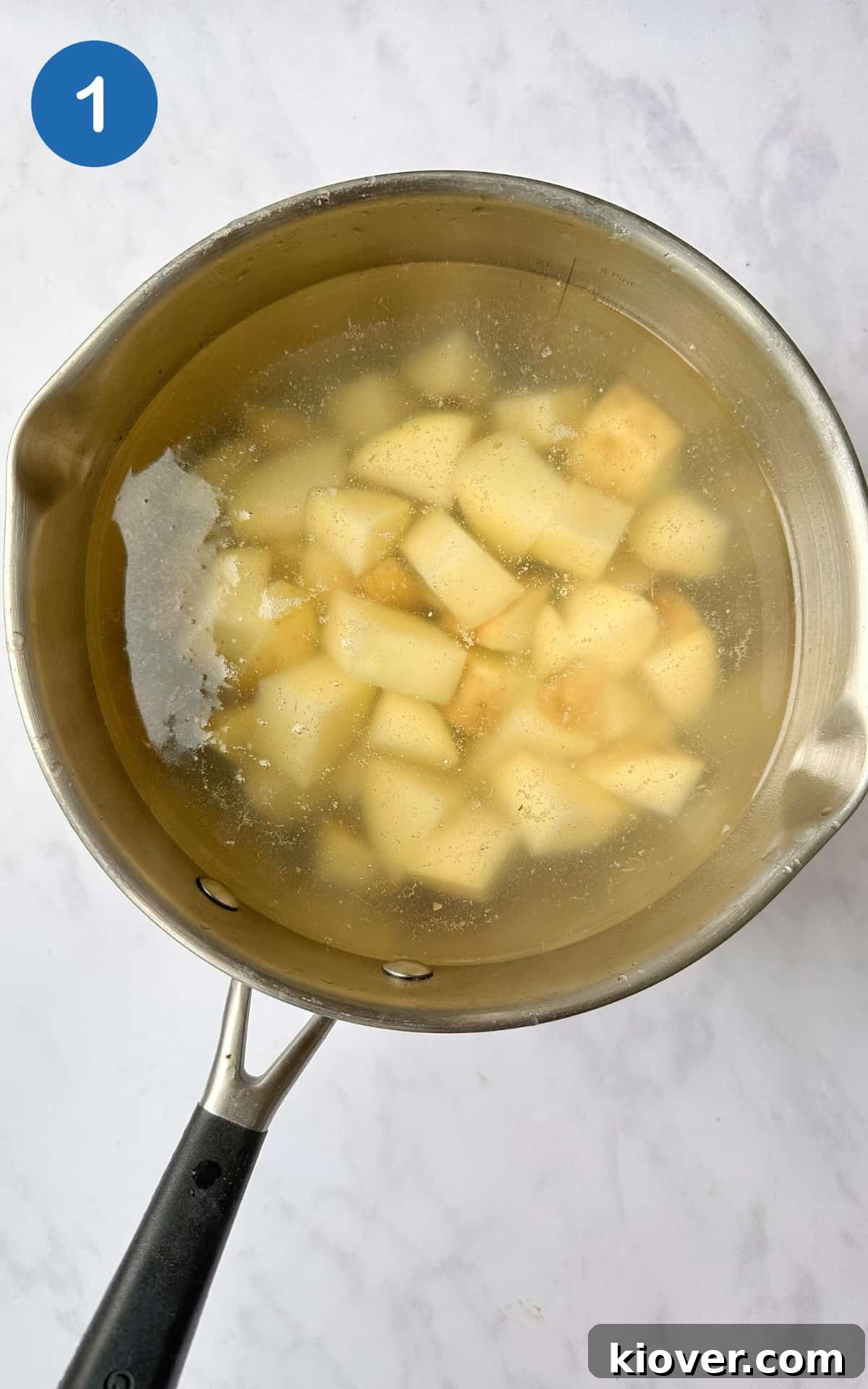
Step 1: Prepare the Potatoes. Begin by roughly chopping your white potatoes. There’s no need to peel them; the skin adds texture and nutrients. Place the chopped potatoes into a pot of boiling water and cook for approximately 10 minutes, or until they are fork-tender but not mushy. This ensures they’ll mash easily.
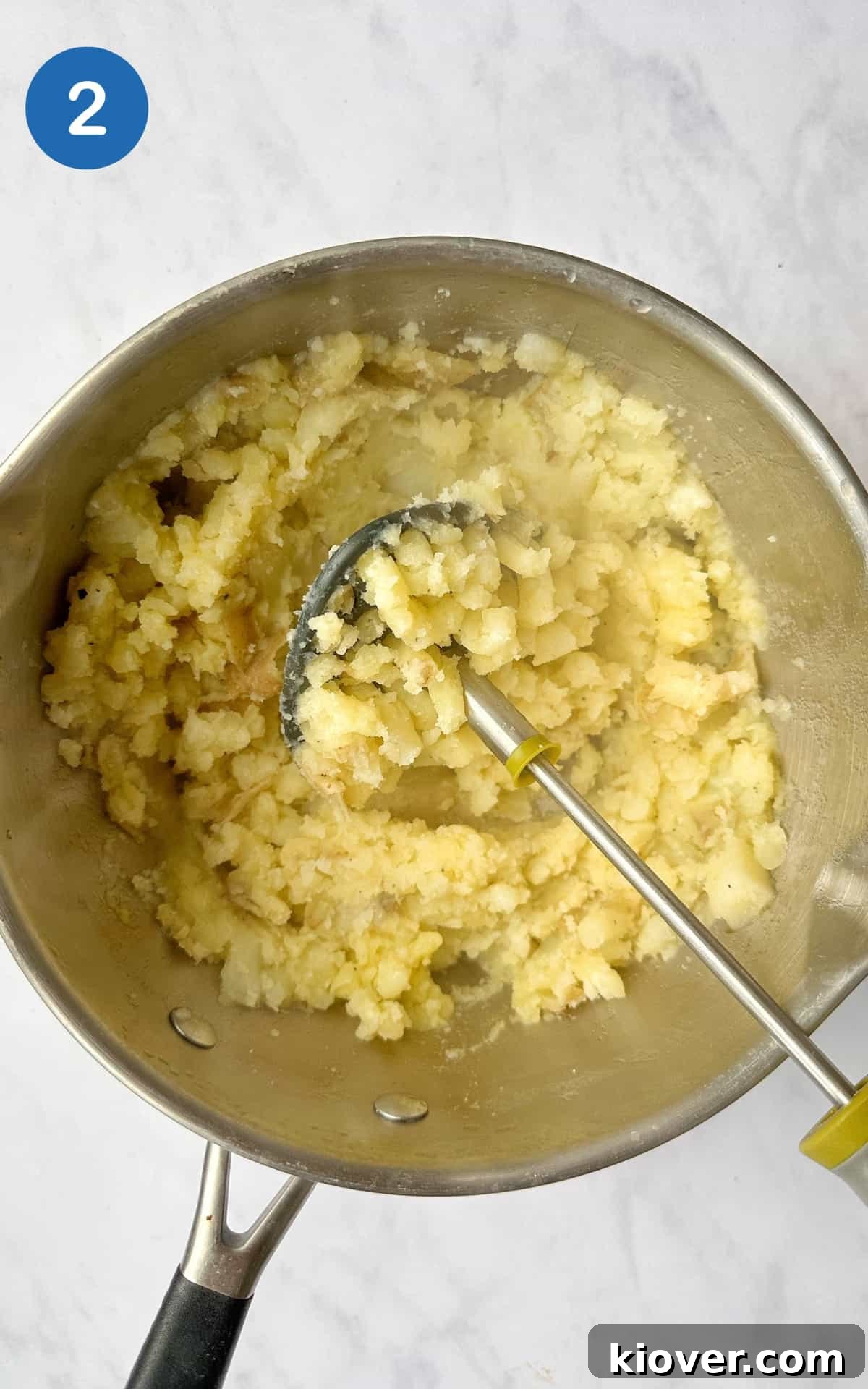
Step 2: Chop Your Aromatics. While the potatoes are cooking, take this time to finely chop the capers, deseed and finely chop the red chilli (adjusting to your spice preference), and finely chop the fresh dill, parsley, and seaweed. Having these prepared saves time and ensures an even distribution of flavor.
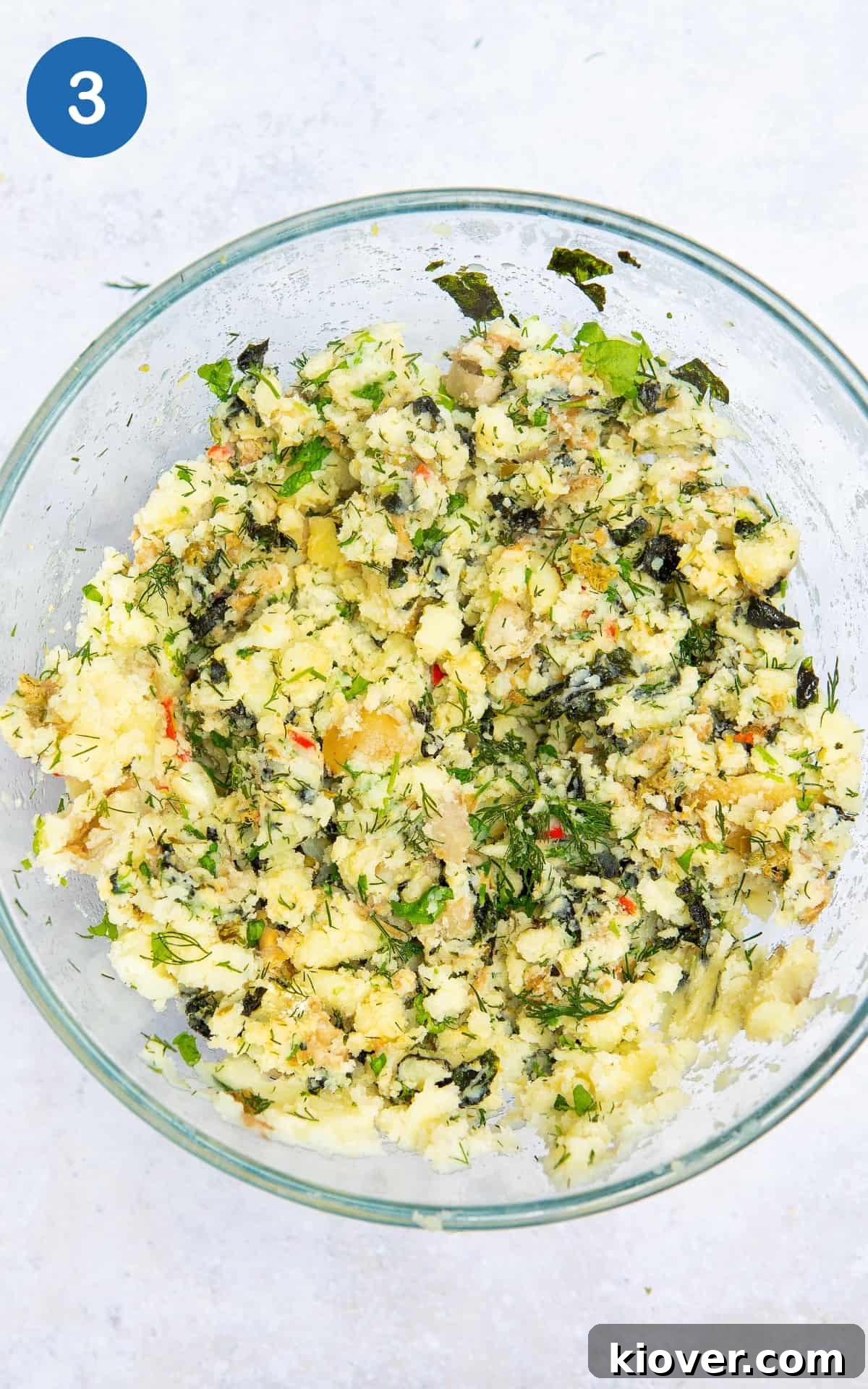
Step 3: Mash the Potatoes. Once the potatoes are ready, drain them thoroughly to prevent excess moisture, which can make fishcakes fall apart. Transfer the drained potatoes to a large mixing bowl. Add a generous drizzle of olive oil, a pinch of salt, and freshly ground black pepper. Use a fork or a potato masher to mash the potatoes until mostly smooth, leaving a few small lumps for texture if desired.
Step 4: Combine All Ingredients. To the mashed potatoes, add the chopped capers, red chilli, parsley, dill, chickpea flour, fresh lemon juice, lemon zest, and the finely chopped seaweed. Mix all the ingredients thoroughly until they are well combined and evenly distributed. This ensures every fishcake is packed with flavor.
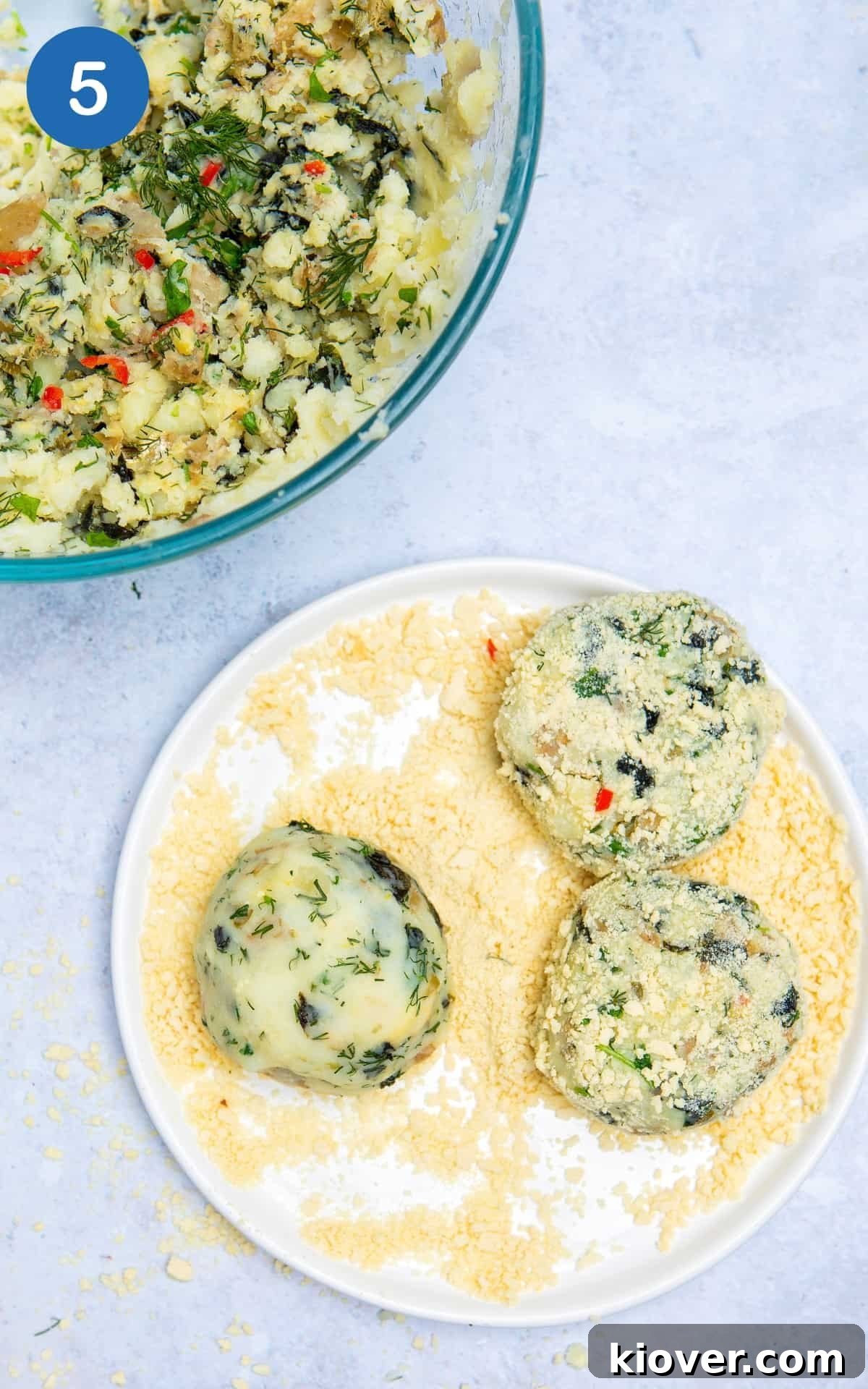
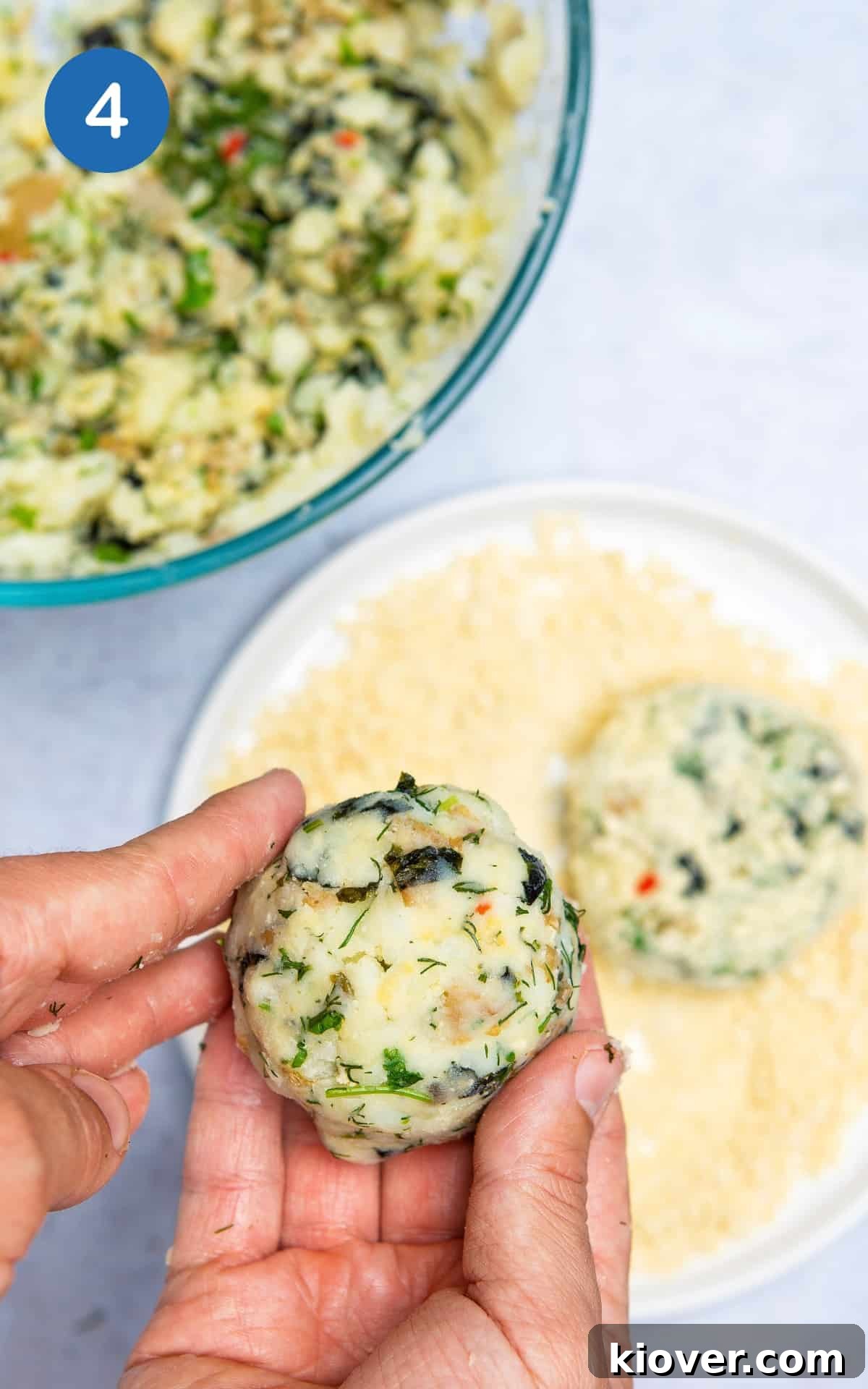
Step 5: Shape and Coat. Pour your gluten-free breadcrumbs onto a flat plate. With slightly moistened hands, take portions of the potato mixture and gently shape them into firm, flat cakes (about 1-inch thick). Press each cake into the breadcrumbs, ensuring both sides and edges are fully covered for a lovely, crispy crust.
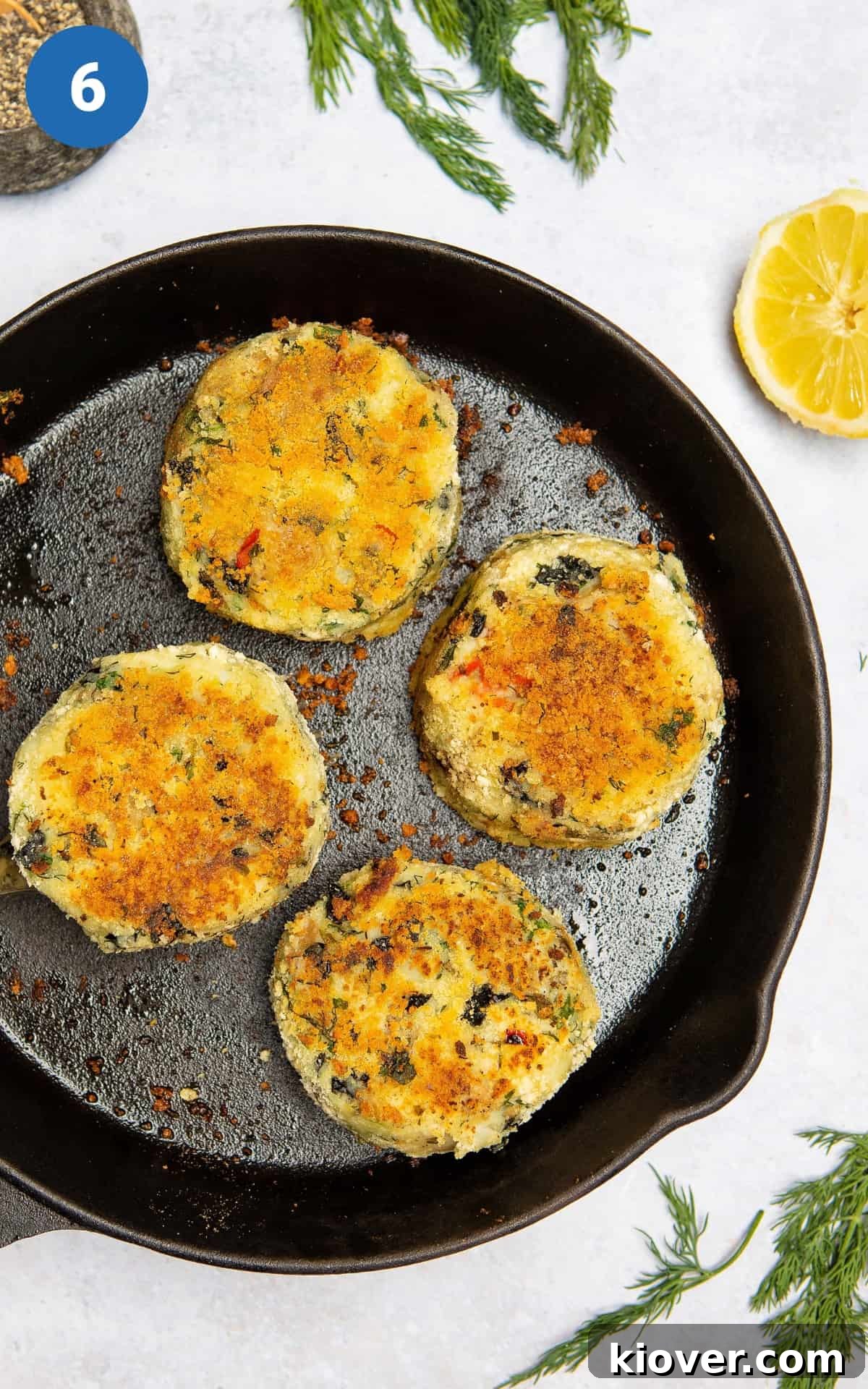
Step 6: Cook to Perfection. Heat a non-stick pan over medium heat with a generous amount of olive oil. Once hot, carefully place the shaped fishcakes into the pan. Fry them for a couple of minutes on each side until they turn beautifully golden brown and crispy. Alternatively, for a lighter option, you can air fry them at 200°C (390°F) for 12 minutes, or bake them in a preheated oven at 200°C (390°F) for 20 minutes, flipping halfway through for even crispiness. Serve immediately and enjoy!
Hint: For added fiber and convenience, you do not need to peel the potatoes for this recipe. Just give them a good scrub!
Storing and Reheating Leftover Vegan Fishcakes
These vegan fishcakes are so delicious, you might not have many leftovers! But if you do, they store beautifully for future enjoyment. Ensure they are completely cooled before storing. Place leftover vegan fishcakes in an airtight container and refrigerate for up to 2-3 days. For a quick reheat, gently warm them in a pan over low heat until piping hot, or pop them in an oven or air fryer at 180°C (350°F) for about 8-10 minutes to restore their crispiness.
For longer storage, these fishcakes freeze exceptionally well. Arrange the cooked and cooled fishcakes in a single layer on a baking sheet and freeze until solid. Once frozen, transfer them to a freezer-safe bag or airtight container, separated by parchment paper, for up to 3 months. When you’re ready to enjoy them, thaw them in the refrigerator overnight, then reheat as described above. They make for a convenient and tasty meal prep option!
Vegan Fishcakes Recipe FAQs
Our vegan fishcakes are primarily made from a base of mashed potatoes. The “fishy” flavor is cleverly achieved through the addition of crispy seaweed (nori sheets), which imparts a distinct briny, umami taste. We also incorporate finely chopped capers for a tangy bite, fresh red chillies for a touch of warmth, aromatic fresh dill and parsley, lemon zest and juice for brightness, and chickpea flour to bind everything together. A coating of gluten-free breadcrumbs gives them an irresistible crispy exterior. Many people experiment with adding ingredients like tofu or jackfruit, but our potato-based recipe focuses on simple, accessible ingredients for maximum flavor and ease.
If you’ve recently transitioned to a vegan diet, are exploring plant-based eating, or simply want a delicious alternative, our fishless fishcakes are the perfect substitute! They capture the essence of what makes traditional fishcakes so beloved – a soft, flavorful interior with a wonderfully crispy coating – all without any animal products. The combination of ingredients mimics the savory, slightly briny taste and satisfying texture, ensuring you won’t miss the meat.
No, traditional fishcakes, whether they are Thai fish cakes, Korean fish cakes, or classic British fishcakes, typically contain fish as their main ingredient, along with binders like egg and sometimes dairy. Therefore, they are not usually vegan. However, with the rising popularity of plant-based cuisine, there are many innovative vegan fishcake recipes available, like ours, that allow you to enjoy this comforting dish with entirely plant-based ingredients.
There are a few common reasons why fishcakes might fall apart. The most frequent culprit is too much moisture in the potato mixture. Ensure you drain your boiled potatoes very thoroughly after cooking. Another factor can be an incorrect ratio of binder (like chickpea flour) to the wet ingredients – always follow the recipe’s ingredient amounts precisely. Sometimes, not allowing the mixture to cool or firm up slightly before shaping can also lead to crumbly cakes. If your mixture feels too wet, you can add a little more chickpea flour or refrigerate it for 30 minutes to firm it up before shaping.
Vegan fishcakes are incredibly versatile and pair well with a variety of sides. For a light meal, serve them with a fresh green salad, a vibrant coleslaw, or our Vegan Tzatziki Sauce. For a heartier option, they are excellent with roasted vegetables, a side of fluffy quinoa, or our Mashed Peas. A squeeze of fresh lemon juice is always a perfect finishing touch!
Absolutely! You can prepare the fishcake mixture (Steps 1-4) in advance. Store the unshaped mixture in an airtight container in the refrigerator for up to 24 hours. When you’re ready to cook, simply take it out, shape the cakes, coat them in breadcrumbs, and proceed with frying, baking, or air frying.
YOU MIGHT ALSO LIKE…
Fish
Salmon Fishcakes
Slow Cooker
Easy Slow Cooker Jacket Potatoes
Sides
Potato Cakes
Sides
Potato Salad with Yoghurt
Tried this **Vegan Fishcakes** recipe? Please leave a star rating ⭐⭐⭐⭐⭐ below and let me know how you get on. Hearing positive feedback is one of the best parts of creating recipes so please review it below and leave a comment!
P.S Never miss a new recipe! Get more healthy recipes sent straight to your inbox weekly – Subscribe and receive a free recipe eBook!
Vegan Fishcakes
Ingredients
- 1 kg white potatoes , (I use maris piper)
- olive oil
- 1 heaped tbsp capers, finely chopped
- 1/2 red chilli, deseeded and finely chopped
- handful fresh dill, finely chopped
- handful fresh parsley, finely chopped
- 30 g chickpea flour, (other flour should work)
- 1/2 juice and zest of lemon
- 10 g crispy seaweed , also known as nori sheets
- gluten free breadcrumbs , optional (homemade or bought)
Instructions
-
Firstly roughly chop the potatoes (no need to peel) and place in boiling water for 10 minutes until they soften.
-
Meanwhile chop up the capers, red chilli, dill, parsley and seaweed.
-
Once the potatoes are boiled, drain and add to a large mixing bowl. Add a couple glugs of olive oil and a pinch of salt and pepper and mash with a fork.
-
Now add the capers, chilli, parsley, dill, flour, lemon juice and zest, seaweed and mix until well combined.
-
In your hands shape into cakes and then add the breadcrumbs to a plate and simply press the cakes into the breadcrumbs until fully covered.
-
Heat a pan with a generous amount of olive oil and fry on either side for a couple minutes until golden. You could also air fry these at 200C for 12 minutes or bake in the oven at 200C for 20 minutes.
Notes
Substitutions & Variations: I have included a list of these in the post above.
To Store: In an airtight container in the fridge for 2-3 days. Reheat in a pan over a low heat until piping hot or in the oven.
To Freeze: After completely cooled, store in an airtight container or freezer bag for up to 3 months. Allow to thaw and then heat in a pan over low heat or in the oven.
Tip 1: No need to peel the potatoes for this recipe!
Tip 2: If you love spicy dishes then you could increase the amount of chilli peppers in this recipe.
Tip 3: You can get crispy seaweed (aka nori sheets) in most snack sections in the supermarket or online.
Nutrition (per serving)
Carbohydrates: 25g |
Protein: 4g |
Fat: 0.4g |
Saturated Fat: 0.1g |
Fiber: 3g |
Sugar: 2g