
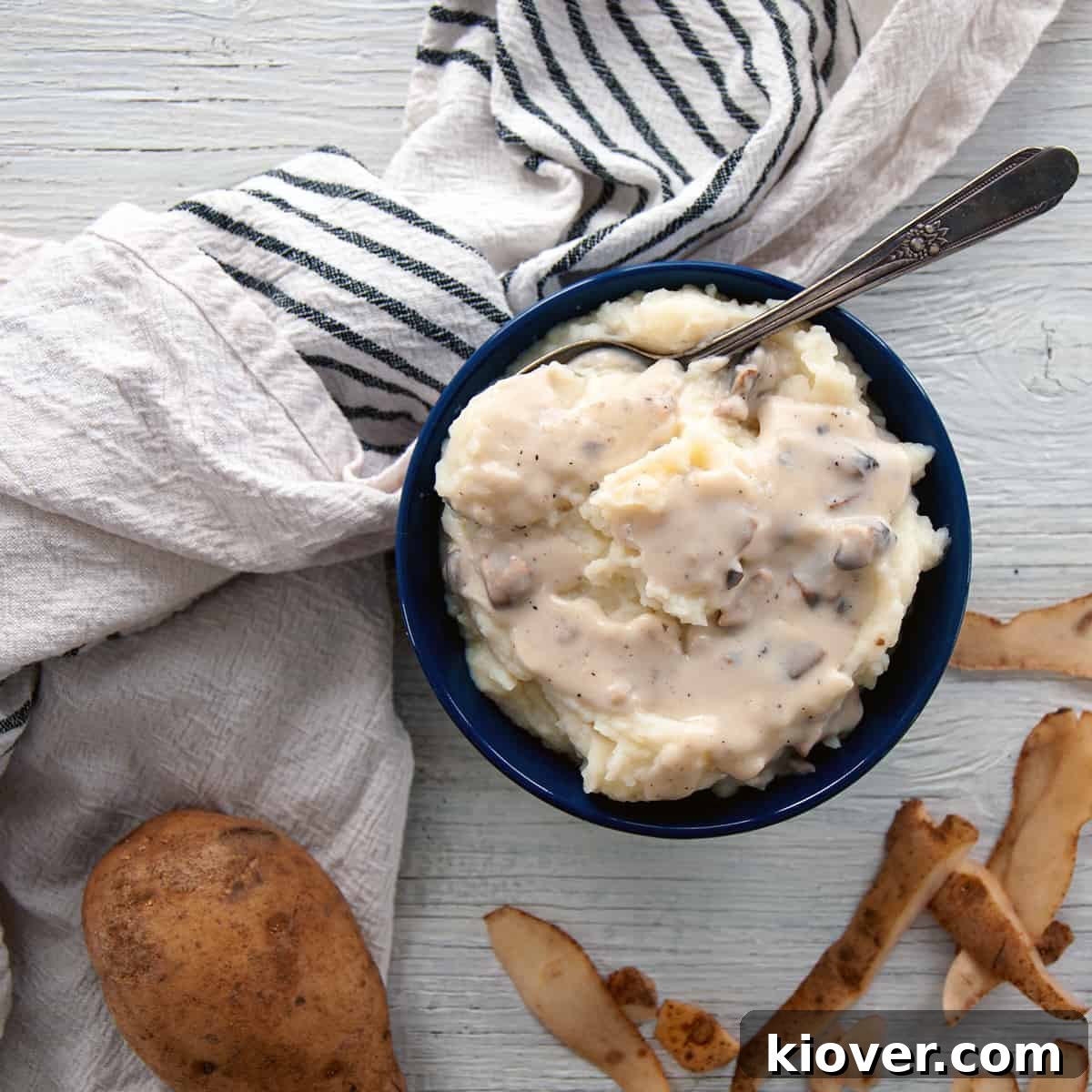
Hosting family gatherings and special occasions often means a bustling kitchen with limited stovetop space, especially when preparing an array of dishes. If you find yourself in this familiar predicament, these Make-Ahead Sous Vide Mashed Potatoes are your ultimate solution. This recipe delivers incredibly delicious, fluffy, and perfectly creamy mashed potatoes, and the innovative sous vide method ensures they stay warm and taste freshly made for hours, even up to a full day.
Whether you’re planning an elaborate Easter brunch, a traditional Thanksgiving feast, or a festive Christmas dinner, this recipe is designed to help you efficiently manage both your time and kitchen space. The truly remarkable aspect is that while offering unparalleled convenience, these mashed potatoes retain their exceptional flavor and luxurious texture. Say goodbye to last-minute cooking stress and hello to flawlessly creamy, restaurant-quality mashed potatoes. Give this Make-Ahead Sous Vide Mashed Potato recipe a try and transform your holiday cooking experience.
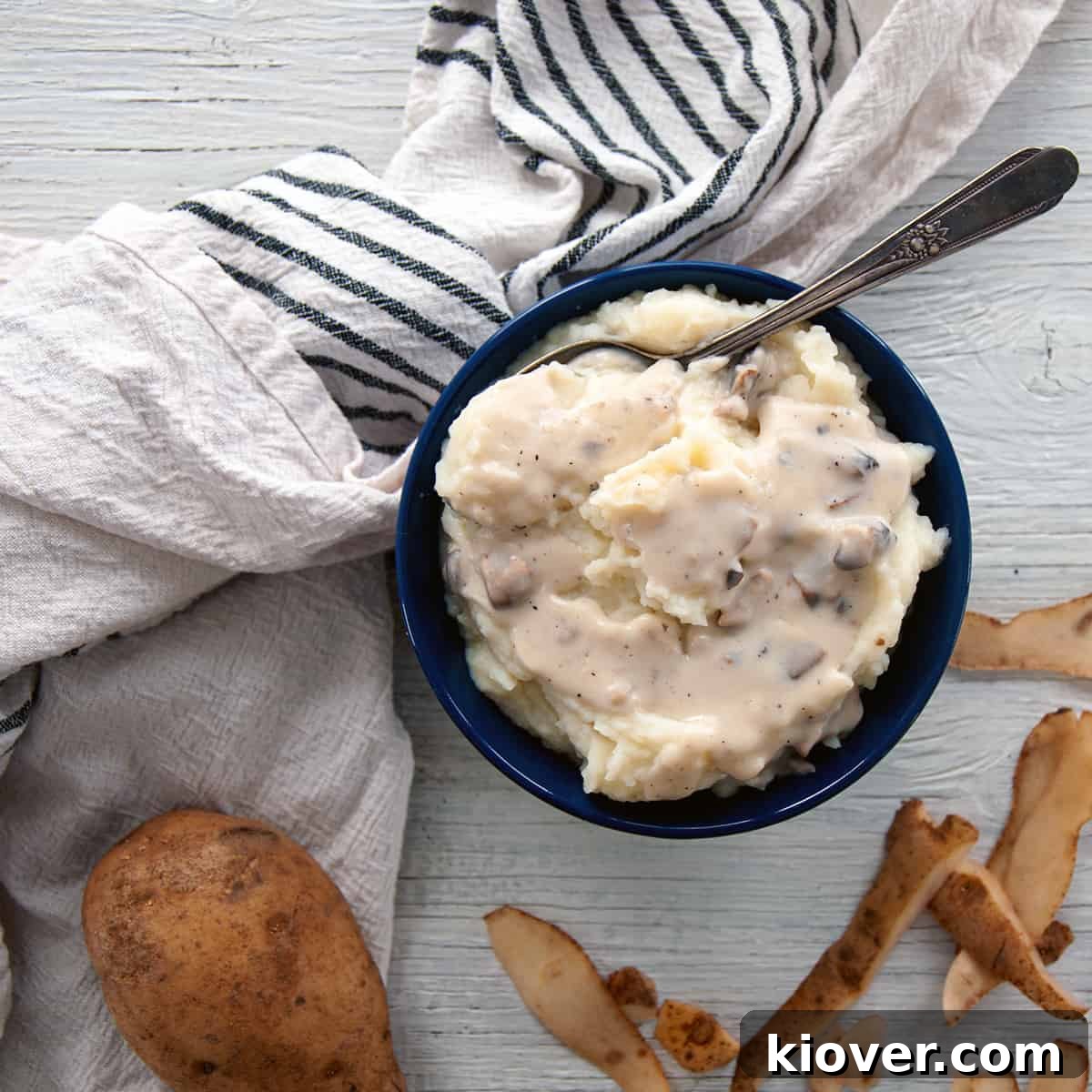
🦃 Why Our Make-Ahead Sous Vide Mashed Potatoes Are a Game Changer
As an avid home cook, I understand the challenge of orchestrating a large meal. The stovetop can quickly become a battleground, especially during the crucial final hours of preparation. That’s precisely why this sous vide mashed potato recipe has become my secret weapon. It transforms the often-stressful task of making mashed potatoes into a calm, make-ahead operation, allowing me to focus on other elements of the meal without sacrificing quality.
While the foundational mashed potato recipe itself is a robust classic, the integration of a sous vide cooker elevates it to an entirely new level. We prepare the potatoes using proven techniques that ensure optimal texture and flavor, similar to many traditional recipes. However, the sous vide method introduces an unparalleled advantage: holding power. Imagine waking up on Thanksgiving morning, preparing your mashed potatoes, and then simply letting them rest in a warm water bath, perfectly maintained at serving temperature, until you’re ready to dish them out hours later.
This method not only frees up valuable burner space but also guarantees consistently perfect, fluffy, and tender mashed potatoes every single time. No more scrambling to mash potatoes while the gravy cools, or worrying about them getting cold and pasty. This recipe provides you with the tools and tips to achieve that ideal, irresistible texture and taste, eliminating common mashed potato pitfalls.
For me, the peak of kitchen congestion always occurs during the last few hours of cooking for significant events like Thanksgiving. This is precisely when these Make-Ahead Sous Vide Mashed Potatoes shine. They are the first item I prepare in the morning, gently cooking and then holding in the sous vide bath, requiring no further attention until the very moment of serving. This simple shift in timing drastically reduces stress and creates a smoother cooking experience.
Have you ever served mashed potatoes that turned out gluey, lumpy, or just didn’t quite capture the comforting, creamy essence you remembered from childhood? I have. And I’ve cracked the code to ensure you never experience that disappointment again. My straightforward tips and essential tools will empower you to create superb, fluffy potatoes with ease. And if you’re planning a truly special meal, consider pairing these potatoes with a magnificent Sous Vide Prime Rib, a refreshing German Potato Salad, and our truly delicious All-American Apple Pie for dessert. Whatever your menu, treat yourself and your guests to culinary excellence.
Table of Contents
- 🦃 Why Our Make-Ahead Sous Vide Mashed Potatoes Are a Game Changer
- 🥔 Essential Ingredients for Perfect Mashed Potatoes
- 📗 Serving Size and Strategic Planning
- 🍲 Step-by-Step Instructions for Sous Vide Mashed Potatoes
- Understanding and Utilizing Your Sous Vide Machine
- ❓ Frequently Asked Questions About Sous Vide Mashed Potatoes
- 🤷 Creative Substitutions and Flavor Variations
- 📦 Storage Guidelines for Make-Ahead Mashed Potatoes
- 📝 Pro Tips for Fluffy Make-Ahead Mashed Potatoes
- 🛠 Recommended Products for This Recipe
- 😋 Share Your Culinary Success!
- Make Ahead Sous Vide Mashed Potatoes Recipe Card
🥔 Essential Ingredients for Perfect Mashed Potatoes
While potatoes are undoubtedly the star of this comforting dish, our trusty sous vide cooker plays a crucial supporting role. Beyond these, a carefully selected array of high-quality ingredients comes together to create a truly delicious and memorable mashed potato recipe.
- Russet potatoes: The backbone of our fluffy mashed potatoes, known for their high starch content.
- Whole milk: Adds richness and creaminess, contributing to the luxurious texture.
- Salted butter: Essential for flavor and a velvety mouthfeel. Room temperature butter incorporates more smoothly.
- Salt & Pepper: Fundamental seasonings to enhance the natural flavors of the potatoes.
Refer to the comprehensive recipe card below for precise quantities and detailed measurements.
Choosing the Best Potato Variety for Mashing
When it comes to achieving that quintessential fluffy texture in mashed potatoes, the type of potato you select is paramount. My top recommendation is the versatile Russet potato. Beyond their inherent suitability for mashing, Russets are generally quite economical, which is always a welcome bonus for any cook. Their high starch content is the key to their success; as they cook, their cells break down and absorb moisture, resulting in a wonderfully light and airy consistency when mashed.
While many potato varieties grace grocery store shelves, and some even work admirably for mashing, the Russet remains the most widely available and consistently reliable choice. It’s a foundational ingredient that ensures a superior end product every time. The generous starch in Russets prevents a gluey texture, which can often be a pitfall with lower-starch, waxy potatoes.
For those who enjoy a slightly more complex flavor profile or wish to experiment, a blend of half Russet and half Yukon Gold potatoes can be a delightful variation. Yukon Gold potatoes are celebrated for their rich, buttery flavor and slightly creamier texture, making them excellent for roasting. When combined with Russets, they lend a subtle sweetness and a touch of elegance to your mashed potatoes. However, if simplicity and guaranteed fluffiness are your goals, stick with the mighty Russet, and you won’t be disappointed.
📗 Serving Size and Strategic Planning for Your Feast
Accurately planning your serving sizes is crucial, especially when preparing for a crowd. A good general guideline for mashed potatoes is to allocate approximately ½ pound of raw potatoes per person. This particular recipe calls for 2 ½ pounds of Russet potatoes, which will comfortably yield about 5 generous servings. However, I must confess, mashed potatoes are often the undisputed favorite on any holiday table, and I, along with many others, tend to indulge! So, if you’re hosting guests with a hearty appetite for creamy potatoes, it’s always wise to err on the side of generosity and perhaps plan for a little extra.
This recipe has been thoroughly tested and proven effective at the 2 ½-pound quantity, consistently delivering excellent results. For larger gatherings, I’ve successfully doubled the recipe to 5 pounds. When scaling up, the primary difference I incorporate is dividing the mashed potatoes into two separate sous vide bags. While it might not be strictly necessary to use two bags, I find that keeping the individual bags somewhat lighter and less voluminous helps ensure that my clips securely hold them to the side of my stockpot, preventing them from slipping and ensuring even heating throughout the entire batch. This thoughtful planning helps maintain the integrity of the cooking process and guarantees perfect potatoes for everyone.
🍲 Step-by-Step Instructions for Sous Vide Mashed Potatoes
My approach to making mashed potatoes is quite specific, but for a very good reason: I want them to be consistently exceptional, bursting with flavor, and perfectly fluffy every single time. By diligently following these detailed instructions, you’ll unlock the secret to creating restaurant-quality mashed potatoes that will impress your guests and become a staple in your culinary repertoire.
Preparing Your Potatoes: Peeling, Chopping, and Rinsing
The journey to achieving super fluffy mashed potatoes begins with meticulous starch management, and this process starts right from the moment you cut and rinse your potatoes. Excessive starch in the final product is a common culprit behind that undesirable gluey or pasty texture. Fortunately, there are a few simple yet effective steps you can take at the outset to prevent this.
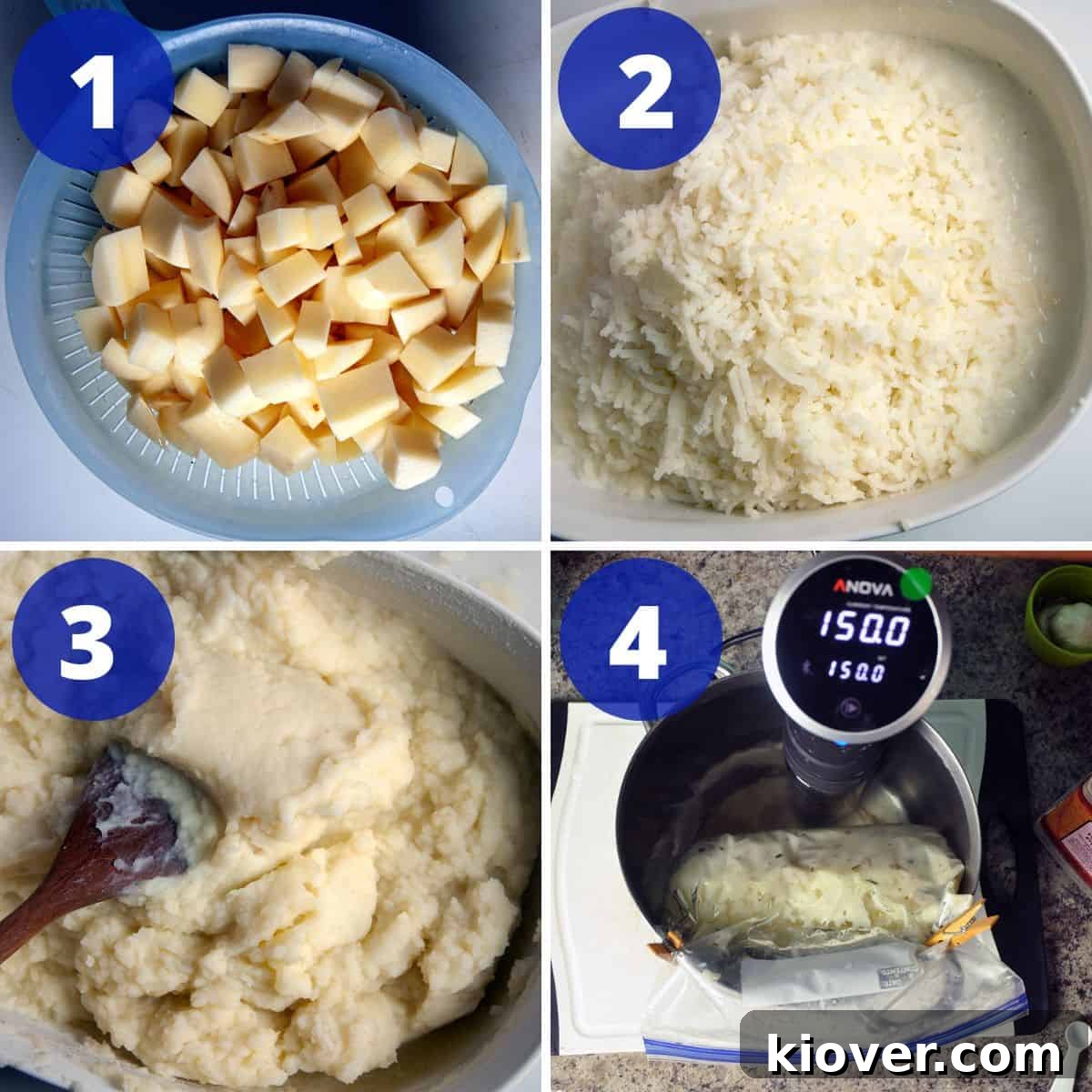
First, thoroughly peel your Russet potatoes. Once peeled, loosely chop them into approximately 1-inch chunks. Uniform sizing is important here, as it ensures even cooking. Before they ever touch boiling water, take a crucial step: rinse these chopped potatoes under cold running water. This initial rinse helps to wash away a significant amount of surface starch, setting the stage for a lighter, fluffier result.
Next, bring a large pot of water to a rolling boil and add your rinsed potato chunks. Cook them until they are fork-tender, which usually takes between 10-15 minutes depending on the size of your pieces. Once cooked, drain them thoroughly in a colander. Here’s an optional but highly recommended step for optimal starch removal: rinse the potatoes again, this time under very hot water. The hotter, the better – aim for water as hot as your sink faucet can produce. This secondary rinse further helps to eliminate residual starch, contributing to an incredibly airy texture. However, if you are planning to serve these potatoes immediately and are *not* using the sous vide method, you can skip this hot water rinse to maintain maximum heat, or simply rinse them briefly with ultra-hot water.
Achieving the Perfect Texture: The Art of Ricing Your Potatoes
When aiming for truly exceptional mashed potatoes, certain kitchen tools are your allies, while others can be your adversaries. To guarantee a wonderfully fluffy, lump-free, and non-pasty texture, **avoid using a food processor or a hand blender**. The high-speed blades of these machines work the potato starch too aggressively, releasing excess starch and breaking down cell walls in a way that creates an unpleasant, gluey, or pasty consistency – the exact opposite of what we desire in perfect mashed potatoes. Instead, opt for either a sturdy hand masher or, ideally, a potato ricer.
I personally swear by a potato ricer [Affiliate link]. This simple yet ingenious tool is a surefire way to achieve consistently smooth, airy, and lump-free mashed potatoes. It gently pushes the cooked potato through small holes, creating delicate, uniform strands that are perfectly broken down without overworking the starch. The result is a texture that is light, fluffy, and absorbs butter and milk beautifully. Furthermore, a ricer is incredibly efficient, making quick work of even large batches of potatoes.
While a good old-fashioned hand masher can also produce great results, especially if you prefer a slightly chunkier mash, a ricer offers the most reliable path to a consistently superior texture. Moreover, if you enjoy exploring various culinary traditions, a ricer is a versatile tool to have on hand for other recipes, such as traditional Lefse. Investing in a quality ricer is a small step that yields significant dividends in the quality of your mashed potatoes.
The Importance of Warming Butter and Milk
Once your potatoes have been cooked and potentially rinsed under hot water, their internal temperature may have fluctuated. This is a critical point where adding cold ingredients can detrimentally impact the final product. Introducing chilled butter and milk can cause the potato mixture to cool down rapidly, potentially leading to a less smooth consistency and requiring more vigorous mixing to melt the butter, which in turn can lead to overworked, gluey potatoes.
For this crucial reason, I strongly recommend using both room-temperature butter and milk when incorporating them into your riced potatoes. Allowing these dairy products to come to room temperature ensures that they meld seamlessly with the warm potatoes, promoting a uniform and velvety texture without unnecessary cooling or excessive mixing. The butter will melt effortlessly, and the milk will integrate smoothly, creating that luxurious creaminess we all desire.
This step is particularly vital if you are serving the mashed potatoes immediately after preparation. If, however, you are utilizing the sous vide method for make-ahead convenience, the precise temperature control of the machine will gently warm the entire mixture back to the desired serving temperature. Even so, starting with room-temperature dairy is still a best practice, as it contributes to a superior initial blend and a consistently excellent final product, whether served right away or held warm by your sous vide.
Understanding and Utilizing Your Sous Vide Machine for Mashed Potatoes
Sous vide, a French term meaning “under vacuum,” refers to a cooking technique where food is sealed in a bag and then immersed in a precisely temperature-controlled water bath. The core advantage of sous vide cooking is its ability to maintain an exact temperature throughout the entire cooking process, resulting in incredibly consistent and perfectly cooked food. The machine, often called an immersion circulator, precisely regulates the water temperature and cycles the water to ensure an even thermal environment.
This technique is famously excellent for achieving perfectly cooked proteins, such as steak, yielding a consistent doneness from edge to edge that is difficult to replicate with traditional methods. Indeed, I’ve prepared some of the finest steaks of my life using this very machine. However, I’ve discovered an equally impressive, if less conventional, application for the sous vide: crafting these remarkable Make-Ahead Sous Vide Mashed Potatoes.
My process involves cooking the potatoes according to the recipe’s initial steps, preparing them with milk, butter, and seasonings. Once the mashed potatoes are ready, I simply transfer them into a food-safe bag and submerge them in a water bath maintained at a steady 150°F (65°C). They can then hold at this optimal serving temperature for many hours, even up to a full day, without any degradation in quality. This method is vastly superior to traditional warming techniques like using a crockpot or slow cooker, which can often dry out mashed potatoes or cause them to develop an undesirable texture.
If you’re reading this, chances are you either already own a sous vide machine or are intrigued by its potential. For those looking to invest, I highly recommend the Sous Vide Machine I use [Affiliate Link]. It’s an incredibly useful and surprisingly fun kitchen tool that opens up a world of culinary possibilities, from these flawless mashed potatoes to perfectly tender steaks and beyond. Consider adding one to your kitchen arsenal today.
Complementary Tools for Your Sous Vide Setup
While a dedicated sous vide machine is the star, a few other tools can enhance your experience. You’ll find a variety of specialized containers [affiliate link] and bags [affiliate link] specifically designed for sous vide cooking. These can be convenient, offering insulation and secure sealing. However, for those who prefer to utilize existing kitchen items, a large stockpot works perfectly well as a water bath vessel.
For sealing, standard freezer bags can be used effectively for sous vide applications, particularly for items like mashed potatoes. When using freezer bags, simple clothespins or chip clips are excellent for securing the bag to the rim of your stockpot, ensuring the contents remain submerged while the opening stays above the waterline. While there’s ongoing discussion about the safety of plastic bags in cooking, many reputable sources, such as this article from CNET, affirm that commonly used freezer bags are perfectly safe for sous vide cooking. Ultimately, I encourage you to use your own informed judgment and the tools you feel most comfortable with, knowing that practical alternatives exist.
Ensuring Food Safety: Removing Air from Your Bag
One common concern that arises when using the sous vide method for mashed potatoes, especially since we incorporate dairy products, is the question of food safety. Is it safe for milk to sit at an elevated temperature for extended periods? It’s a valid concern, as bacterial growth is generally more prevalent in what’s known as the “temperature danger zone.” This zone, as defined by food safety guidelines, typically ranges between 41°F (5°C) and 140°F (60°C). Fortunately, with our sous vide mashed potatoes, we are intentionally holding them at a safe and consistent temperature of 150°F (65°C), which is above this danger zone, significantly mitigating the risk of bacterial proliferation.
Beyond maintaining the correct temperature, another crucial factor in preventing bacterial growth is limiting exposure to air. Oxygen provides an environment that many common food spoilage bacteria thrive in. Therefore, a key step in safely holding your mashed potatoes in the sous vide bath is to remove as much air as possible from the bag before sealing it. This creates a near-vacuum environment, which is less conducive to aerobic bacterial growth and helps preserve the quality and safety of your food for longer durations. You can achieve this effectively using the water displacement method, where you slowly lower the open bag into the water bath, allowing the water pressure to push the air out before sealing it just above the waterline.
❓ Frequently Asked Questions About Sous Vide Mashed Potatoes
Beyond mashed potatoes, the sous vide technique is excellent for a wide variety of side dishes. Popular choices include perfectly cooked root vegetables like carrots, beets, and parsnips, which retain their vibrant color and tender-crisp texture. Grains such as rice and quinoa can also be prepared sous vide for consistent results. Other favorites include corn on the cob, green beans, and even fruits for desserts.
For successful sous vide side dishes, proper bag sealing is paramount to prevent leaks and ensure even cooking. Always use high-quality, fresh ingredients for the best flavor. Don’t be afraid to experiment with different seasonings, herbs, and aromatics to infuse your dishes with unique tastes. Additionally, always ensure your water bath is maintained at the precise temperature specified in your recipe for optimal results and food safety.
The core ingredients for truly fluffy mashed potatoes are typically starchy potatoes (like Russets), rich salted butter, whole milk or cream, and simple seasonings like salt and pepper. The type of potato and proper mashing technique (like using a ricer) are just as crucial as the ingredients themselves to prevent a gummy texture.
🤷 Creative Substitutions and Flavor Variations for Your Mashed Potatoes
While this recipe provides a foolproof method for classic, fluffy mashed potatoes, there’s always room to personalize and experiment with flavors. Here are a few ways you can adapt this recipe to suit your taste or dietary needs:
- Type of Potato: As discussed, Russet potatoes are ideal for their starch content, but other starchy or all-purpose varieties can also work. Yukon Gold potatoes offer a slightly creamier texture and buttery flavor. For a more rustic, skin-on mash, consider red bliss or new potatoes, though the texture will be less fluffy.
- Milk Alternatives: I prefer whole milk for its richness, but you can certainly adjust. For a lighter version, 2% or skim milk can be used, though they will yield a less creamy result. For an even more decadent mash, substitute some or all of the whole milk with heavy cream or half-and-half. Dairy-free alternatives like unsweetened almond milk or oat milk can also be used for those with dietary restrictions, though the flavor and texture will be noticeably different.
- Garlic Infusion: To introduce a subtle yet aromatic garlic flavor, simply add a few peeled garlic cloves to the pot while boiling your potatoes. Once cooked, rice the garlic cloves right along with the potatoes. For a bolder flavor, roast a whole head of garlic until tender, then squeeze the softened cloves into your riced potatoes before mixing.
- Herbaceous Additions: Fresh herbs can elevate your mashed potatoes. Finely chopped chives, parsley, rosemary, or thyme can be folded in just before serving for a burst of fresh flavor.
- Cheesy Goodness: For a cheesy twist, incorporate grated Parmesan, sharp cheddar, or a blend of your favorite cheeses into the warm mashed potatoes until melted and smooth.
- Savory Enhancements: A dollop of sour cream or cream cheese can add tanginess and extra creaminess. A tablespoon of Dijon mustard can also provide a sophisticated, subtle depth of flavor.
- Spice It Up: A pinch of nutmeg offers a traditional, warming spice note that complements potatoes beautifully. For a touch of heat, consider a dash of cayenne pepper.
📦 Storage Guidelines for Make-Ahead Mashed Potatoes
The beauty of these sous vide mashed potatoes lies in their make-ahead convenience, but knowing how to store any leftovers properly is just as important. Once these mashed potatoes have been prepared and cooked, they can be safely stored in an airtight container in your refrigerator for up to 3-4 days. This makes them perfect for enjoying as delicious leftovers during the week.
When using the sous vide bath for holding, I typically don’t recommend letting the mashed potatoes sit in the warm water for more than 10 hours. While the temperature is safe, prolonged holding, especially with dairy products, can eventually affect the texture and freshness. However, for practical purposes, these potatoes should remain perfectly delicious and safe for consumption when held in the sous vide bath for up to one full day, offering immense flexibility for your meal planning.
To reheat refrigerated mashed potatoes, you can gently warm them in a saucepan over low heat, adding a splash of milk or butter if they seem too thick, stirring occasionally until heated through. Alternatively, they can be reheated in the microwave in short intervals, stirring between each, or even returned to a sous vide bath at 150°F (65°C) until thoroughly warmed, maintaining their creamy consistency.
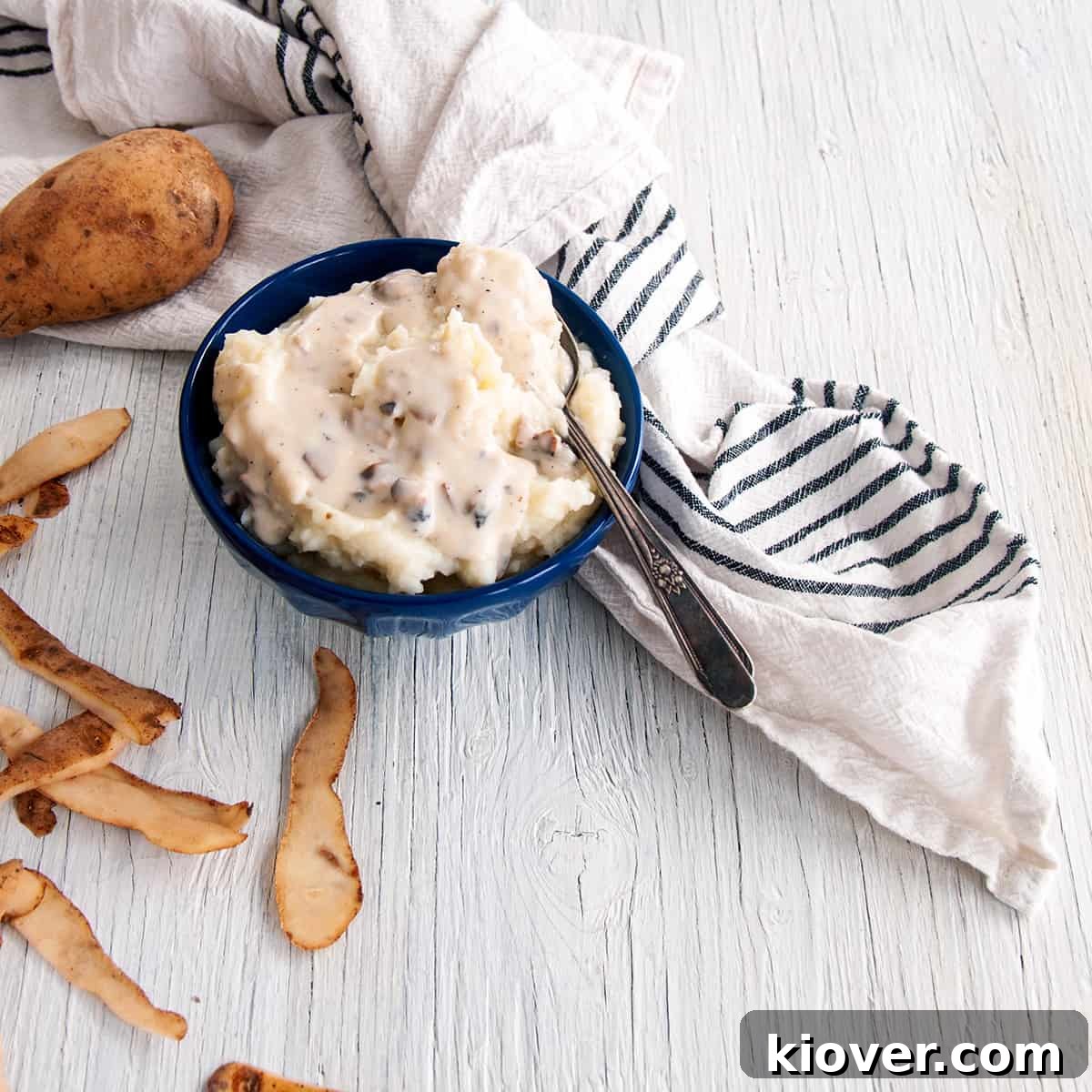
📝 Pro Tips for Fluffy Make-Ahead Mashed Potatoes
- Choose the Right Potato: Always opt for high-starch Russet potatoes for the fluffiest results. Their cellular structure breaks down perfectly for mashing.
- Thorough Rinsing is Key: Don’t skip the cold water rinse *before* boiling and the hot water rinse *after* boiling. This removes excess starch, preventing a gummy texture. If serving immediately without sous vide, the hot water rinse is optional to retain maximum heat.
- Temperature Matters: Ensure your milk and butter are at room temperature when adding them to the hot potatoes. This helps maintain the potato’s temperature and ensures smooth incorporation without cooling down the mash prematurely.
- Sous Vide is Optional (for serving immediately): While the sous vide makes these “make-ahead,” you can certainly prepare this recipe without it. Simply serve the mashed potatoes immediately after mixing in the butter and milk for a delicious, traditional dish.
- Secure Your Sous Vide Bag: Use clothespins or sturdy chip clips to keep the top of your freezer or sous vide bag out of the water. This prevents water from entering the bag and ensures proper, safe holding.
- Avoid Overworking: Whether using a ricer or a masher, mix the potatoes gently until just combined. Overworking develops starch, leading to a gluey texture.
- Season as You Go: Taste and adjust seasonings (salt and pepper) as you mix. Potatoes absorb a surprising amount of salt.
- Garlic Option: For a subtle garlic flavor, boil a few peeled garlic cloves with your potatoes, then rice them together.
🛠 Recommended Products for This Recipe
- Sous Vide Immersion Circulator: Essential for precise temperature control.
- Sous Vide Bags: High-quality bags for safe and efficient cooking.
- Sous Vide Water Bath Container: A dedicated vessel for your water bath, often insulated.
- Potato Ricer: The secret weapon for perfectly fluffy, lump-free mashed potatoes.
- Large Stock Pot: Versatile for boiling potatoes and can also serve as a makeshift sous vide bath.
😋 Share Your Culinary Success!
That is absolutely wonderful, and I extend my sincere gratitude for giving this Make-Ahead Sous Vide Mashed Potatoes recipe a try! Your cooking journey is important to me. If you could take a moment to leave a star rating and comment in the section below, it would be immensely helpful. Your feedback provides valuable insights into how the recipe performs and assists other home cooks in deciding whether to embark on this culinary adventure. Most importantly, thank you for visiting Ramshackle Pantry and being a part of our community!
Print
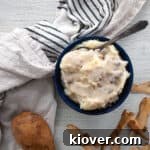
Make Ahead Sous Vide Mashed Potatoes
5 Stars 4 Stars 3 Stars 2 Stars 1 Star
5 from 1 review
Author: Ben Myhre
Prep Time: 10 minutes
Cook Time: 20 Minutes
Total Time: 30 Minutes
Yield: 5 servings
Category: Holiday
Method: Sous Vide
Cuisine: Traditional
Description
Mashed potatoes are an indispensable component of any memorable holiday meal. However, the scramble for stovetop space and the timing challenges can often add unnecessary stress to your cooking. These Make-Ahead Sous Vide Mashed Potatoes are engineered to eliminate those worries. This recipe ensures you don’t compromise on flavor, texture, or warmth, allowing you to prepare these exquisite potatoes well in advance. Free up your burners, enjoy the convenience, and serve flawlessly creamy, hot mashed potatoes every time.
Ingredients
Units
Scale
- 2 1/2 pounds Russet potatoes, peeled and cut into approximately 1-inch squares
- 1 cup whole milk, room temperature
- 4 tablespoons salted butter, room temperature, chopped into 1” pats
- 1 teaspoon salt
- 1/2 teaspoon pepper
Instructions
- Prepare Sous Vide Bath: Fill a large stockpot or dedicated sous vide container with water. Attach your sous vide immersion circulator and set the temperature to 150°F (65°C). Allow the water to come to temperature while you prepare the potatoes.
- Boil Water for Potatoes: In a separate, very large pot, bring a generous amount of water to a rolling boil. Ensure there’s enough water to completely cover the potatoes once added.
- Rinse Potatoes (First Time): While the water is heating, peel and chop your Russet potatoes into approximately 1-inch uniform cubes. Place the chopped potatoes in a colander and rinse them thoroughly under cold running water. This initial rinse helps remove surface starch.
- Cook Potatoes: Carefully add the rinsed potato chunks to the boiling water. Cook until they are very tender when pierced with a fork, typically 10-15 minutes depending on their size. They should be easily mashable.
- Drain and Rinse (Optional but Recommended): Once tender, drain the potatoes completely in a colander. For maximum fluffiness and starch removal, rinse the drained potatoes under very hot tap water for about 30 seconds. If you are planning to serve the potatoes immediately and are NOT using the sous vide for holding, you can skip this hot water rinse to keep them hotter, or rinse briefly with ultra-hot water.
- Prepare Dairy Mixture: In a separate, heat-proof dish or bowl, combine the room-temperature whole milk, softened salted butter (chopped into 1” pats), salt, and pepper. Having these ingredients at room temperature is crucial for smooth incorporation and maintaining the potato’s warmth.
- Rice and Mix Potatoes: Using a potato ricer, rice the hot, drained potatoes directly into the dish containing the dairy mixture. This ensures a lump-free texture. Immediately and gently fold the riced potatoes with a spatula or wooden spoon to mix all ingredients thoroughly and melt the butter. Be careful not to overmix, as this can lead to a gluey texture.
- Bag the Mashed Potatoes: Transfer the prepared mashed potatoes into a freezer-safe zip-top bag or a dedicated sous vide bag.
- Remove Air and Seal: Carefully remove as much air as possible from the bag. The most effective way is using the water displacement method: slowly lower the open bag with the potatoes into the sous vide water bath, allowing the water pressure to force out the air, then seal the bag just above the waterline.
- Submerge and Hold: Submerge the sealed bag of mashed potatoes into the 150°F (65°C) sous vide water bath. Use clips or clothespins to secure the top of the bag to the side of the pot, ensuring the potatoes remain fully submerged while the seal stays above water.
- Serve When Ready: Allow the potatoes to hold in the sous vide bath until you are ready to serve. They can be held for up to 10-12 hours, ensuring they stay perfectly warm and creamy. Before serving, remove the bag from the water bath, transfer the potatoes to a serving dish, give them a final gentle stir, and serve immediately.
Notes
- For the best fluffy texture, always use high-starch Russet potatoes.
- Rinsing the potatoes both before and after boiling is crucial for removing excess starch and achieving optimal fluffiness. However, if you are serving the potatoes immediately and not using the sous vide, you can omit the hot water rinse to keep them warmer.
- Ensure your milk and butter are at room temperature when adding them to the cooked potatoes. This prevents cooling the mash and ensures smoother incorporation.
- This recipe can be adapted for immediate serving without the sous vide. Simply prepare as directed and serve right away instead of holding in the water bath.
- When holding potatoes in a sous vide bag, use clothespins or chip clips to keep the top of the bag securely out of the water to prevent contamination.
Nutrition
- Serving Size: 1/2 lb
- Calories: 278 calories
- Sugar: 8 g
- Sodium: 498 mg
- Fat: 12 g
- Saturated Fat: 7 g
- Unsaturated Fat: 3 g
- Trans Fat: 0 g
- Carbohydrates: 43 g
- Fiber: 5 g
- Protein: 8 g
- Cholesterol: 32 mg