
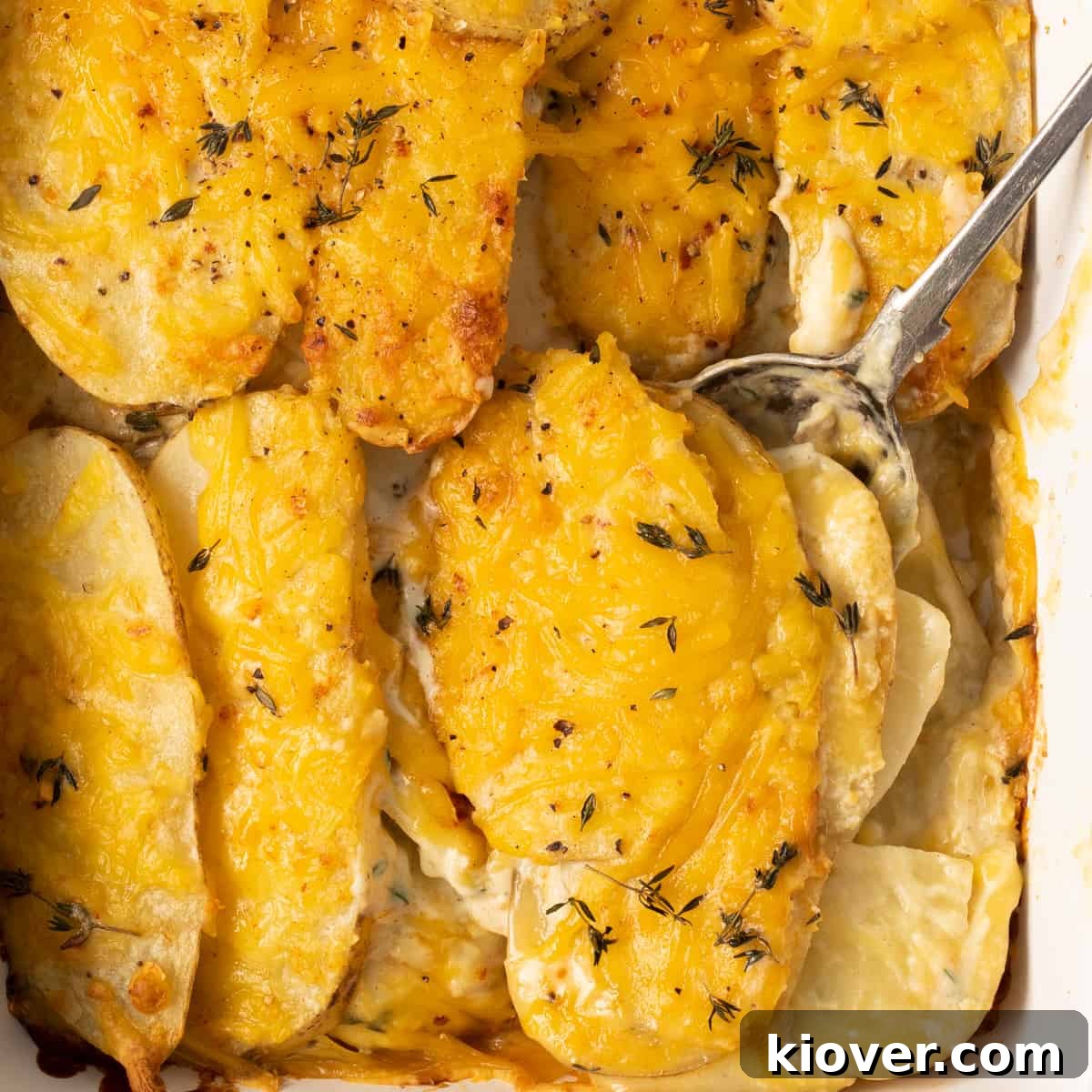
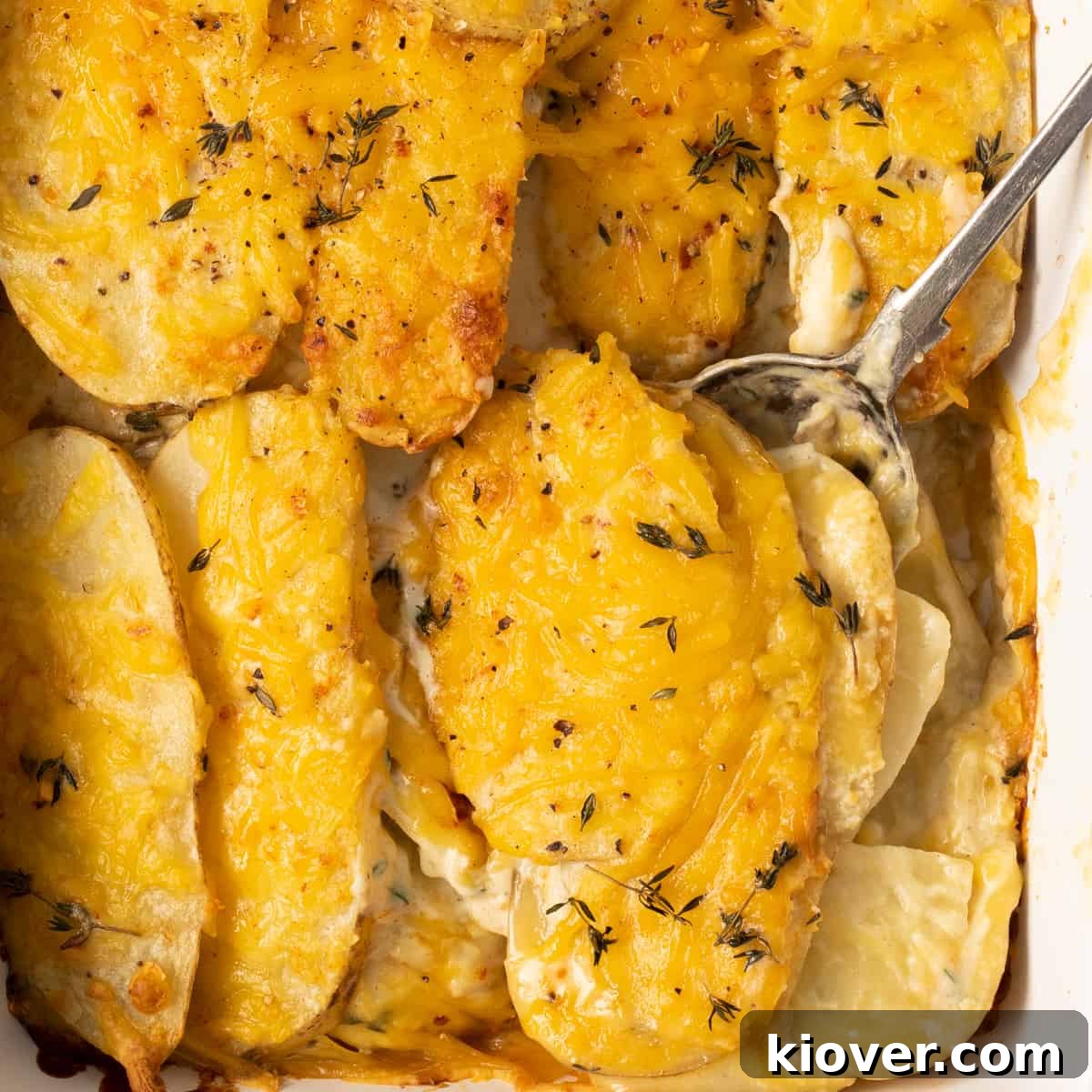
Welcome to the ultimate guide for crafting the most decadent and satisfying Vegan Dauphinoise Potatoes! This incredible recipe features a luscious, dairy-free cashew cream sauce, making it the perfect gluten-free side dish that’s ideal for any special occasion, especially during the festive holiday season. Prepare to be amazed by its super creamy texture and rich, comforting flavors. Both vegans and non-vegans will fall in love with this modern twist on a timeless classic.
Recipe Difficulty – Easy
Table of Contents
- Why This Recipe Works
- Essential Ingredients for Vegan Dauphinoise Potatoes
- Smart Substitutions
- Delicious Variations
- Step-by-Step Guide: How to Make Vegan Dauphinoise Potatoes
- Perfect Serving Suggestions
- Storing and Reheating Leftovers
- Recipe FAQs
- Full Vegan Dauphinoise Potatoes Recipe Card
Why This Recipe Works: A Dairy-Free Delight
There’s an undeniable charm about creamy, cheesy potatoes, especially when the holiday season rolls around. The rich, indulgent flavors are often a centerpiece of festive meals. However, for those of us following a dairy-free or vegan diet, this classic dish has often felt out of reach—until now! This recipe for Vegan Dauphinoise Potatoes was born from a desire to satisfy that craving without compromising on dietary choices or flavor.
This dish is a testament to how incredible plant-based cooking can be. It’s not just a vegan alternative; it’s a truly healthy and flavorful side dish that stands proudly on its own. The magic behind its unparalleled creaminess lies in our secret ingredient: cashews. When blended correctly, raw cashews transform into a silky, rich cream that mimics the texture and mouthfeel of traditional dairy cream, but with a lighter, healthier profile. This ingenious cashew-based sauce is a staple in many of my favorite recipes, including my Vegan Cauliflower Cheese, Vegan Lasagne, and Vegan Mac & Cheese, proving its versatility and deliciousness.
Beyond its creamy core, the dish boasts an incredible depth of flavor. Fresh thyme infuses every layer with an aromatic, herbaceous note, while a hint of Dijon mustard adds a subtle tang and warmth, elevating the overall taste profile. The beauty of this recipe is its universal appeal – even those who aren’t vegan or dairy-free will be astonished by its rich taste and luxurious texture. It’s a guaranteed crowd-pleaser that will impress guests and family alike, making it the ideal addition to any meal, whether it’s a casual dinner or a grand holiday feast.
And for potato lovers like me, this recipe is a must-try. If you enjoy experimenting with different potato dishes, I highly recommend exploring my other creations like Smashed Potatoes, Boulangere Potatoes, and Herb-Salted Hasselback Potatoes for more exciting ways to enjoy this versatile vegetable!
Essential Ingredients for Vegan Dauphinoise Potatoes
Crafting these delectable vegan dauphinoise potatoes requires a selection of fresh, high-quality ingredients that work in harmony to create its signature creamy and flavorful profile. Here’s what you’ll need to gather:
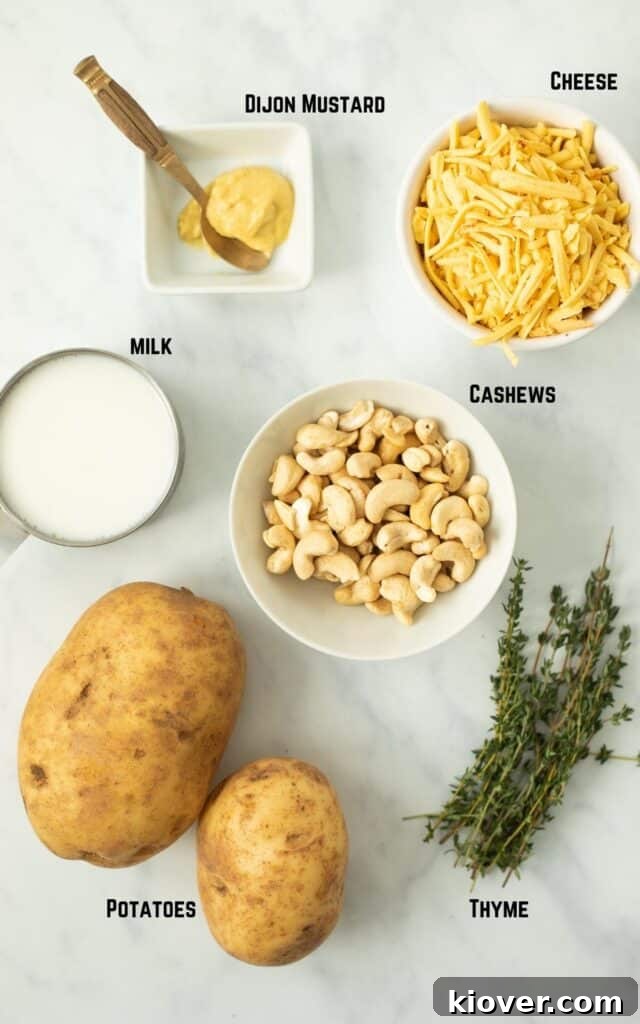
- Cashews: It’s crucial to use raw, unsalted cashews, not roasted ones. These form the creamy, luxurious base of our dairy-free sauce. Their mild flavor and high-fat content make them ideal for blending into a smooth, rich consistency that perfectly emulates traditional cream.
- Fresh Thyme: This aromatic herb adds a beautiful, earthy, and slightly peppery note that is characteristic of classic dauphinoise. While fresh thyme offers the best flavor, a pinch of dried thyme can be used as a convenient substitute if fresh isn’t available.
- Dijon Mustard: A small amount of Dijon mustard is a game-changer, adding a subtle tang and depth of flavor to the cashew cream sauce. It brightens the dish and provides a sophisticated, savory undertone without overpowering the other ingredients.
- Dairy-Free Milk: Unsweetened almond milk is my preferred choice for its neutral flavor and smooth texture, which blends seamlessly into the sauce. However, feel free to use any unsweetened dairy-free milk you prefer, such as oat milk, soy milk, or even a homemade cashew milk for extra creaminess.
- Potatoes: Maris Piper potatoes are highly recommended for this recipe. They offer a fantastic balance of starchiness and waxiness, ensuring they hold their shape beautifully when sliced thinly, yet become incredibly tender and fluffy after baking. For another delightful vegan potato recipe, consider trying my Vegan Fishcakes.
- Grated Vegan Cheese: A generous sprinkle of grated vegan cheese adds a savory, umami note and helps create that desirable golden, bubbling crust. Choose your favorite mild or sharp vegan cheese that melts well. If you are not strictly vegan, any mild or sharp dairy cheese will also work perfectly.
For precise quantities and detailed measurements, please refer to the comprehensive recipe card located at the bottom of this page.
Smart Substitutions for Your Vegan Dauphinoise Potatoes
One of the many reasons to love this gluten-free dauphinoise potatoes recipe is its adaptability. While the core ingredients create an exceptional dish, you can easily make smart substitutions to suit your preferences or what you have on hand. Here are a few suggestions to inspire your culinary creativity:
- Expand Your Herb Garden: Fresh thyme is wonderful, but feel free to explore other aromatic herbs. Fresh rosemary adds a robust, piney flavor that pairs beautifully with potatoes, while parsley offers a fresh, bright note. Sage provides a more earthy, slightly peppery kick. You can use these herbs instead of or in addition to thyme, or even combine them for a more complex herbaceous profile. If using dried herbs, remember that their flavor is more concentrated, so use about one-third of the amount compared to fresh.
- Sweet Potato Sensation: For a delightful twist, swap out traditional Maris Piper potatoes for sweet potatoes. This substitution introduces a subtle sweetness and a vibrant color, creating a slightly different but equally delicious flavor experience. Sweet potatoes are also packed with vitamins and fiber, making this variation an even healthier option. Be mindful that sweet potatoes might cook slightly faster than regular potatoes, so keep an eye on them during baking.
- Nut-Free Cream Base: While cashews provide the best creamy texture, if you have a nut allergy, you can explore alternatives for the cream sauce. Soaked sunflower seeds (ensure they are deshelled and raw) can be blended to a similar consistency, though they might impart a slightly earthier flavor. Silken tofu is another excellent option for a smooth, high-protein, nut-free cream, though it might require a bit more seasoning to achieve the desired depth.
- Milk Alternatives: Beyond almond milk, coconut milk (full-fat for extra richness, light for a leaner option) can be used, but be aware it might add a subtle coconut flavor. Soy milk and oat milk are also fantastic choices that offer good creaminess without a strong taste.
Delicious Variations to Elevate Your Dish
The inherent flexibility of this gluten-free and dairy-free dauphinoise potatoes recipe is truly one of its greatest strengths. Crafted with plant-based ingredients to accommodate allergies and personal dietary choices, it can effortlessly be adapted to a multitude of tastes and preferences. Whether you want to add a touch of indulgence or incorporate more vegetables, these variations allow you to customize this classic side dish:
- Crispy ‘Bacon’ Bliss: For an added layer of flavor and texture, consider topping your dauphinoise with some crispy, crumbled ‘bacon’ bits before serving. You can use homemade crispy rice paper bacon for a delicious vegan option, or if you consume meat, traditional crispy bacon or pancetta can be a fantastic addition. The smoky, salty crunch beautifully complements the creamy potatoes.
- Embrace Dairy (If You Wish): If you’re not vegan or lactose intolerant, this recipe can easily revert to its traditional dairy-based roots. Simply substitute the dairy-free milk with an equal amount of full-fat dairy cream (such as heavy cream or double cream) and use your favorite dairy cheddar or Gruyère cheese for a classic, rich flavor.
- Garlic Lover’s Dream: Dauphinoise potatoes traditionally feature garlic, and you can certainly incorporate it here. Finely mince 2-3 cloves of garlic and add them to the cashew cream sauce before blending, or sauté them lightly and layer them with the potatoes for a more intense garlic flavor.
- Vegetable Boost: Enhance the nutritional value and texture by incorporating thinly sliced vegetables between the potato layers. Spinach, finely chopped kale, or thinly sliced mushrooms can be sautéed briefly before adding to the dish. Caramelized onions would also add a delightful sweetness and depth.
- A Hint of Nutmeg: A traditional touch in many creamy potato dishes, a tiny pinch of freshly grated nutmeg can elevate the flavor profile of the cashew cream sauce, adding warmth and sophistication.
Step-by-Step Guide: How to Make Vegan Dauphinoise Potatoes
Creating these creamy vegan dauphinoise potatoes is a straightforward and rewarding process. Follow these detailed steps to achieve a perfectly tender, flavorful, and beautifully golden side dish:
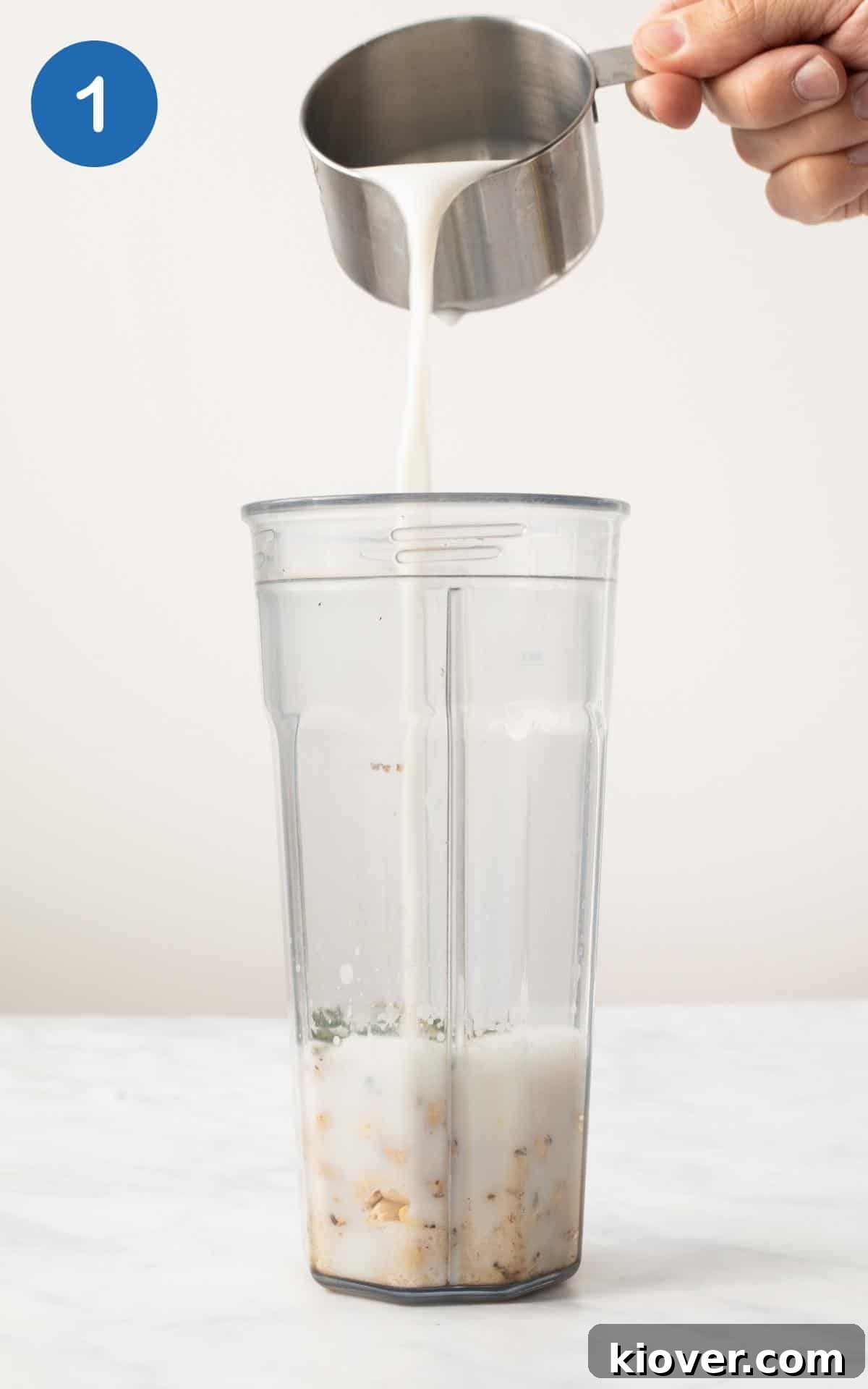
Step 1: Prepare the Dairy-Free Cream Sauce. Begin by gathering all the ingredients for your rich cashew cream sauce. Into a high-speed blender, add the raw cashews, dairy-free milk of choice, fresh thyme sprigs (leaves removed from stems), Dijon mustard, and a pinch of salt and black pepper. Blend these ingredients until the mixture is completely smooth and creamy. If you don’t have a high-powered blender, ensure you soak the cashews in hot water for at least 10-15 minutes beforehand, then drain them. This softening process will help achieve a truly velvety sauce without any grainy texture.
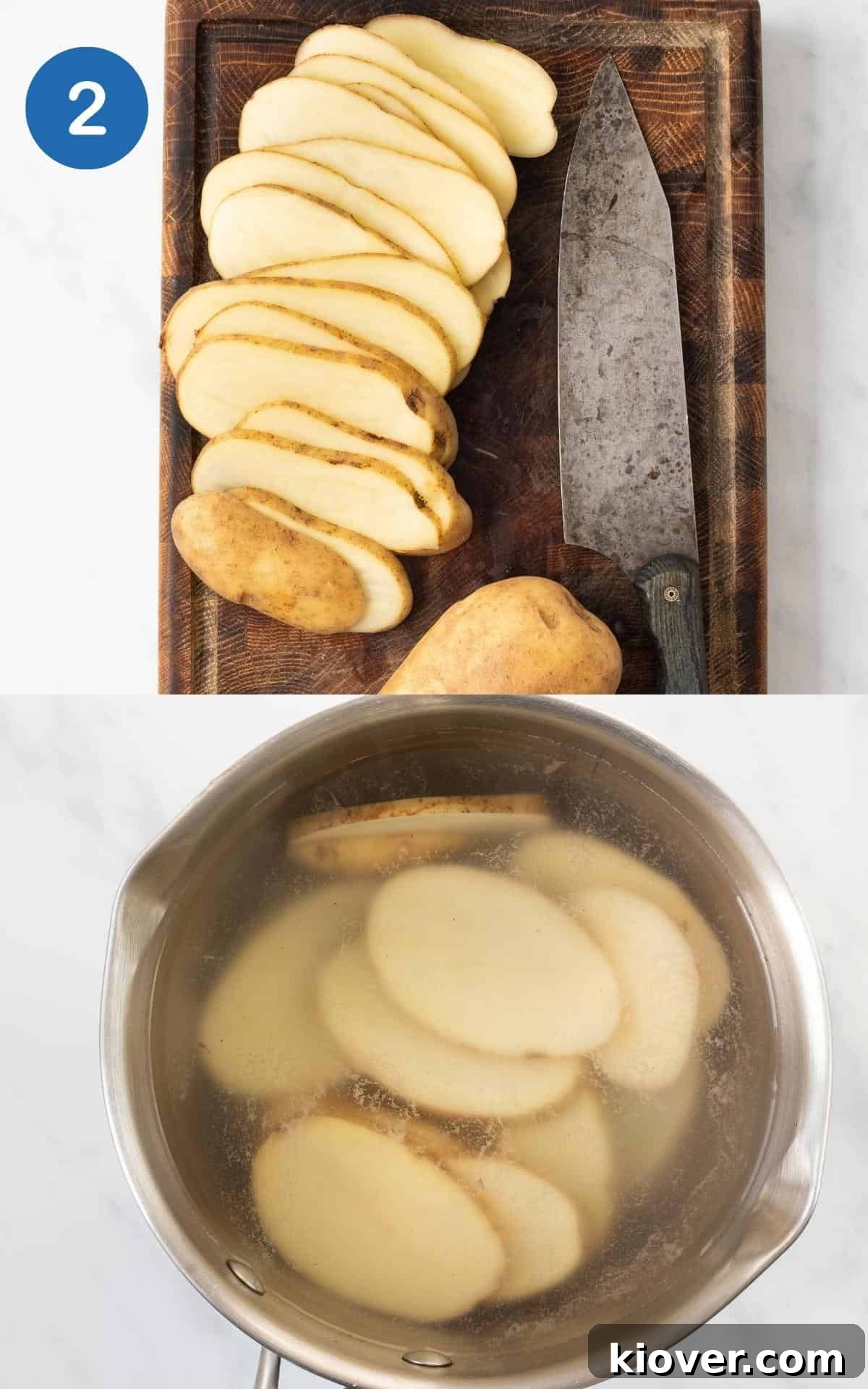
Step 2: Prepare the Potatoes. Next, focus on the Maris Piper potatoes. You can slice them thinly with a sharp chef’s knife, aiming for an even thickness of about 2-3mm. For ultimate precision and speed, a mandoline slicer is highly recommended, as it ensures uniform slices, which is key for even cooking. Once sliced, place the potato rounds in a small pot of boiling water and cook for just 3 minutes. This par-boiling step is crucial: it softens the potatoes slightly, significantly reducing baking time and guaranteeing they are perfectly tender all the way through without becoming mushy.
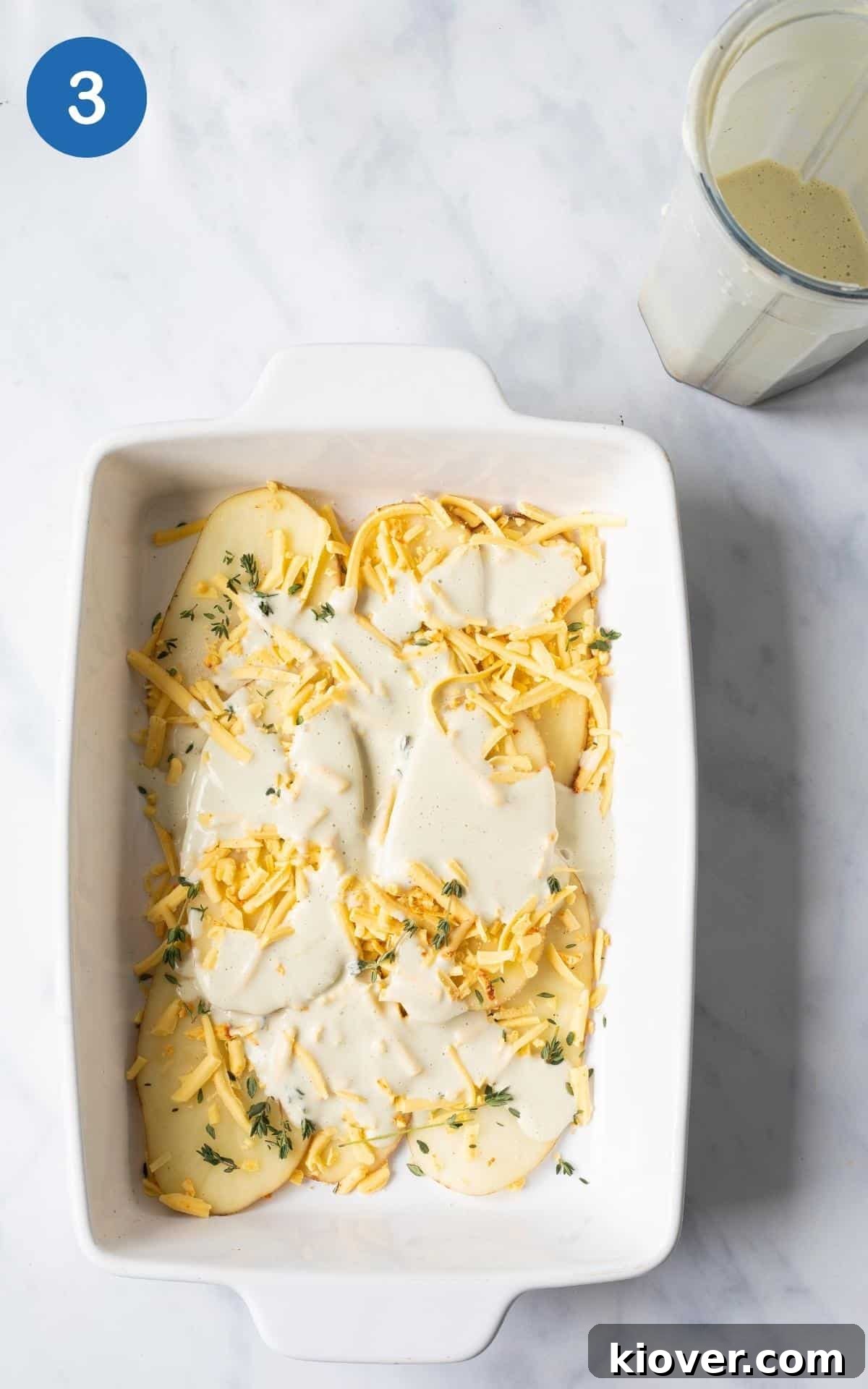
Step 3: Assemble the Layers. Now it’s time to assemble your beautiful vegan dauphinoise potatoes in a prepared casserole or baking dish. Start by arranging a single, even layer of the par-boiled potato slices at the bottom of the dish. Try to overlap them slightly to create a sturdy base. Next, generously pour a portion of your creamy cashew sauce over the potato layer, ensuring it’s evenly distributed. Follow with a liberal sprinkle of grated vegan cheese and a scattering of fresh thyme leaves. This careful layering ensures every bite is bursting with flavor and creaminess.
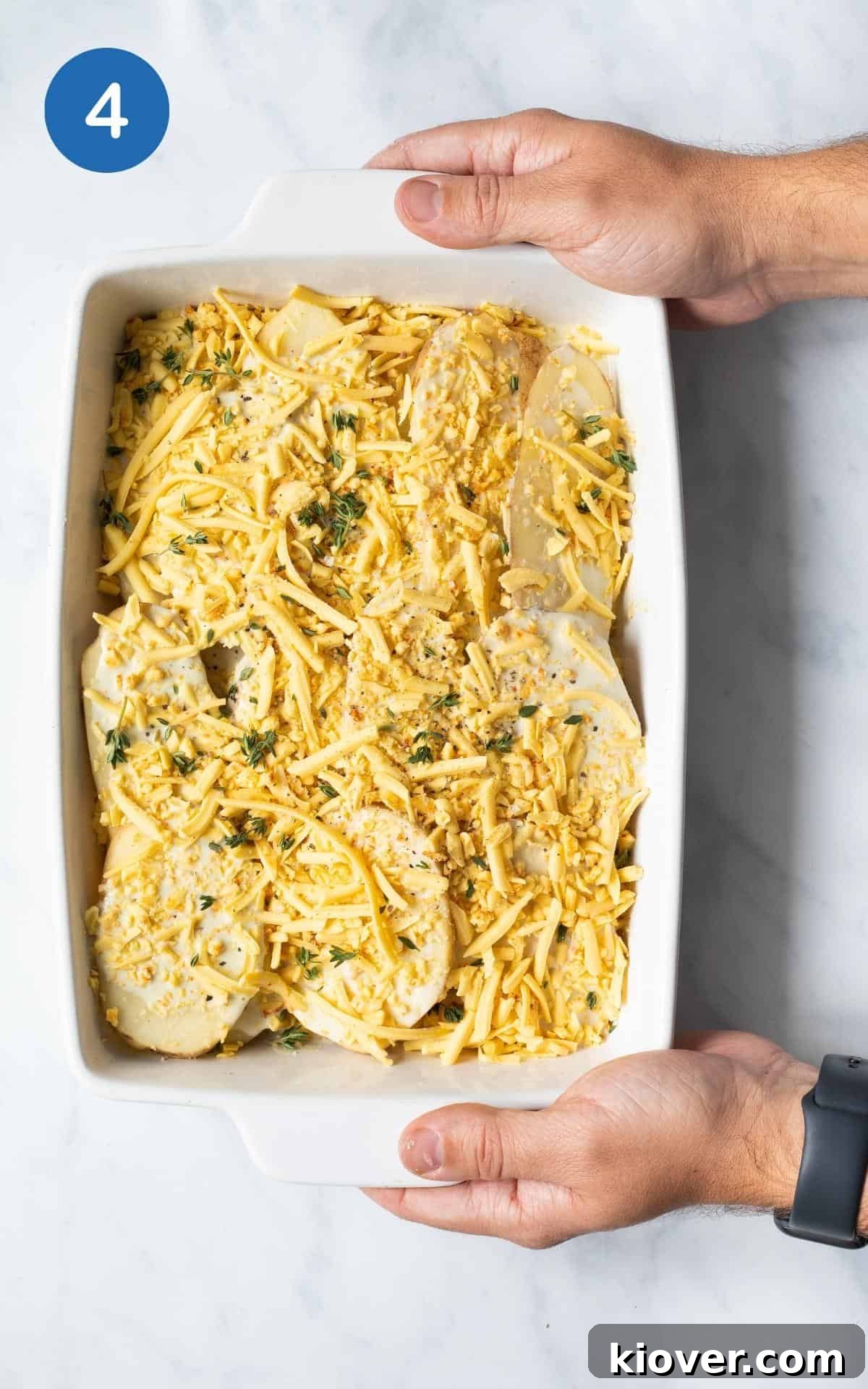
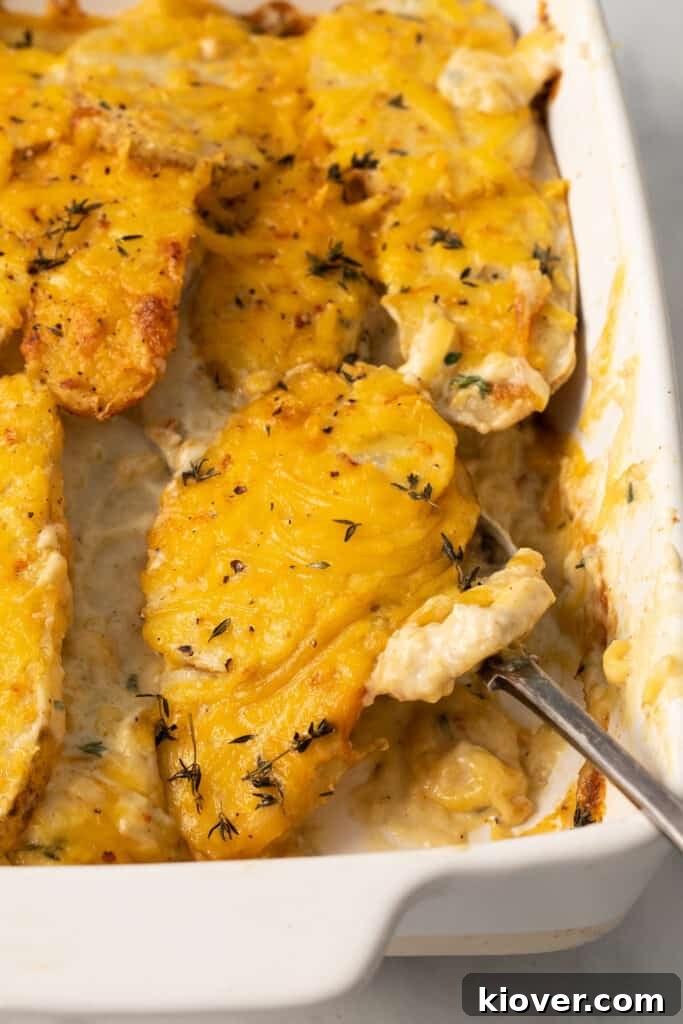
Step 4: Bake to Golden Perfection. Repeat the layering process from Step 3 two more times, aiming for a total of three distinct layers of potatoes, sauce, cheese, and herbs. For the final top layer, ensure you have a generous coating of cheese and fresh thyme, as this will create a beautiful golden crust. Once assembled, bake the dish in a preheated oven at 200°C (390°F) for approximately 30 minutes. The potatoes are ready when the cheese is melted and golden brown, the sauce is bubbling enticingly around the edges, and the potatoes are perfectly cooked through and tender when pierced with a fork. Allow it to rest for a few minutes before serving to let the sauce set slightly.
Perfect Serving Suggestions for Your Vegan Dauphinoise Potatoes
These vegan dauphinoise potatoes are more than just a side dish; they’re a star attraction that can elevate any meal, especially during the festive seasons. Their rich, creamy, and savory profile makes them incredibly versatile. Here are some of my favorite ways to serve them:
- The Ultimate Holiday Companion: This dish truly shines as part of a grand holiday feast. Its elegant presentation and comforting flavors make it a perfect pairing for a show-stopping main course like my Easy Lentil Wellington or a festive Stuffed Butternut Squash. The creamy potatoes provide a wonderful counterpoint to the more robust flavors of these holiday entrées.
- Hearty Weeknight Dinners: Don’t reserve this dish just for special occasions! It makes an excellent side for a hearty weeknight meal. Serve it alongside a delicious Plant-Based Sausage Tray Bake for a complete and satisfying meal that’s both flavorful and easy to prepare.
- Grilled & BBQ Pairings: Surprising as it may seem, the creamy texture of dauphinoise potatoes beautifully complements grilled dishes. Imagine a platter of succulent Summer Salmon Kebabs or juicy BBQ Salmon Burgers, served with a generous portion of these comforting potatoes. The contrast of smoky, grilled flavors with the rich, creamy potatoes is simply divine.
- Green Salad for Balance: To balance the richness of the dauphinoise, serve it with a crisp, fresh green salad tossed in a light vinaigrette. The freshness and acidity of the salad will cut through the creaminess, creating a perfectly balanced meal.
- Garnish for Extra Flair: Before serving, consider a final garnish. A sprinkle of freshly chopped parsley or chives can add a pop of color and an extra layer of freshness. A crack of black pepper also enhances the overall flavor.
Storing and Reheating Leftovers: Maximizing Flavor and Freshness
It’s always a treat to have leftovers of these delicious dairy-free dauphinoise potatoes! While they are best enjoyed fresh from the oven, they can be stored and reheated to retain much of their wonderful flavor and texture. Here’s how to handle any remaining portions:
- Storage: If you find yourself with a portion of these delectable potatoes remaining, simply allow them to cool completely to room temperature. Once cooled, transfer the dauphinoise into a sealed, airtight container. Store this container in the refrigerator, where the potatoes will remain fresh for up to 3-4 days. Proper storage is key to maintaining their quality and ensuring they are safe to enjoy later.
- Reheating in the Oven: For the best results, especially if you desire to restore some of that crispy golden top, reheating in the oven is the preferred method. Preheat your oven to 180°C (350°F). Place the leftover dauphinoise (you can transfer it to an oven-safe dish if it’s not already in one) and cover loosely with foil to prevent the top from browning too quickly. Bake for 15-20 minutes, or until heated through. For a crispier top, remove the foil for the last 5 minutes of baking.
- Reheating in the Microwave: If you’re short on time, the microwave offers a quick and convenient reheating option. Place an individual portion on a microwave-safe plate, cover it loosely to retain moisture, and heat on high for 1-2 minutes, or until thoroughly warmed. Be aware that the texture might be softer than oven-reheated portions, and the top won’t regain its crispness.
- Freezing Recommendations: When it comes to freezing, cooked potatoes generally don’t hold up exceptionally well. The texture can become grainy or watery upon thawing and reheating. For this reason, I highly recommend enjoying these dauphinoise potatoes within a few days of making them rather than attempting to freeze them. Fresh is always best, and this dish is too good to compromise its texture!
Recipe FAQs: Your Questions Answered
Here are some frequently asked questions about making the perfect vegan dauphinoise potatoes, along with detailed answers to ensure your success:
While I personally prefer and recommend fresh thyme for its vibrant aroma and slightly more nuanced flavor, dried thyme works absolutely fine in this recipe. Dried herbs are more concentrated, so if you’re substituting, use about one-third the amount of dried herbs for fresh. For example, if the recipe calls for 2 sprigs of fresh thyme (roughly 1 tablespoon of leaves), use about 1 teaspoon of dried thyme. Both will impart that delicious herbaceous quality to your creamy potatoes.
For the best results with this recipe, it’s generally advisable to stick to starchy or all-purpose potatoes like Maris Pipers, Russets, or Yukon Golds. Potatoes with very waxy peels, such as red or new potatoes, tend to hold a lot of moisture and can result in a more watery or less creamy consistency when baked in a gratin. My preference for Maris Pipers or even sweet potatoes ensures that the sliced potatoes cook fully and remain delightfully fluffy and tender, perfectly absorbing and complementing the rich dairy-free cheese sauce without becoming soggy.
Absolutely! This is one of those plant-based recipes that consistently wows everyone, regardless of their dietary preferences. Many non-vegans who have tried this dish are genuinely surprised to learn it’s entirely dairy-free. The cashew cream sauce is incredibly rich and creamy, and the savory flavors from the thyme and Dijon mustard are universally appealing. It’s a true crowd-pleaser and often becomes a favorite, even for those accustomed to traditional dauphinoise. Don’t hesitate to serve it at your next gathering; you might just convert a few skeptics!
Truthfully, cashews are the absolute best nut to use for the dairy-free cream sauce in this vegan dauphinoise potatoes recipe. Their high-fat content, relatively neutral flavor, and soft texture when soaked allow them to blend into an incredibly smooth, rich, and velvety cream that truly comes closest to replicating the texture and flavor of real dairy cream. While you could technically try other nuts like blanched almonds, they might yield a slightly grainier texture or impart a more distinct nutty flavor that could alter the overall profile of the dish. For that authentic dauphinoise experience, cashews are truly unrivaled.
You can certainly do some prep work in advance. The cashew cream sauce can be made up to 2 days ahead and stored in an airtight container in the refrigerator. You can also slice and par-boil the potatoes the day before, letting them cool completely and storing them in the fridge. Assemble the dish just before baking for the best texture and freshness.
To get that coveted extra crispy, golden-brown top, ensure your final layer of vegan cheese is generous. During the last 5-10 minutes of baking, you can also switch your oven to the grill (broiler) setting. Keep a very close eye on it, as the cheese can go from perfectly golden to burnt very quickly!
YOU MIGHT ALSO LIKE…
Slow Cooker
Easy Slow Cooker Jacket Potatoes
Sides
Rosemary Roast Potatoes
Sides
Hasselback Potatoes
Salads
Vegan Potato Salad
If you tried this Vegan Dauphinoise Potatoes recipe, please leave a star rating ⭐️⭐️⭐️⭐️⭐️ below and let me know how you get on. Your positive feedback is one of the most rewarding parts of creating recipes, so please take a moment to review it below and leave a comment!
P.S. Never miss a new recipe! Get more healthy recipes sent straight to your inbox weekly – Subscribe and receive a free recipe eBook!

Pin
Vegan Dauphinoise Potatoes
Ingredients
- 100 g raw cashews
- 2 sprigs fresh thyme
- 1 tsp dijon mustard
- 250 ml unsweetened dairy-free milk, (e.g., almond milk)
- 1 kg potatoes, (Maris Piper recommended)
- 150 g grated vegan cheese
- Salt and freshly ground black pepper to taste
Instructions
-
To prepare the dairy-free cream sauce, combine the cashews, fresh thyme leaves, Dijon mustard, salt, pepper, and dairy-free milk in a high-speed blender. Blend until the mixture is completely smooth and creamy. If your blender isn’t high-powered, soak the cashews in hot water for 10-15 minutes, then drain before blending.
-
Thinly slice the potatoes (approx. 2-3mm thick) using a sharp knife or mandoline for evenness. Place the sliced potatoes in a pot of boiling water and cook for 3 minutes to soften them slightly before baking. Drain thoroughly.
-
Begin assembling the dauphinoise in a large baking dish. Arrange a single layer of potato slices at the bottom, then pour a portion of the cashew sauce over them. Sprinkle with grated vegan cheese and more fresh thyme. Repeat this layering process two more times, aiming for three distinct layers, with the final layer topped generously with cheese and herbs.
-
Bake the dish in a preheated oven at 200°C (390°F) for 30 minutes, or until the top is golden brown, the sauce is bubbling around the edges, and the potatoes are tender when pierced. Let it rest for a few minutes before serving.
Notes
Substitutions & Variations: Explore a comprehensive list of suggested substitutions and delightful variations provided in the sections above to customize your dish.
To Store: Allow leftovers to cool completely, then place them in a sealed container and refrigerate overnight. Reheat in the oven or microwave the next day for a delicious lunch or dinner.
To Freeze: Cooked potatoes can change texture when frozen, so it’s best to enjoy this dish within a few days of preparation rather than freezing.
Tip 1: For the best texture, opt for Maris Piper potatoes or a similar all-purpose variety.
Tip 2: Slicing potatoes about 2-3mm thick ensures they cook evenly and quickly without falling apart.
Tip 3: If you don’t have a powerful blender, soak your cashews in hot water for 10-15 minutes prior to blending to achieve a perfectly smooth and creamy sauce.