
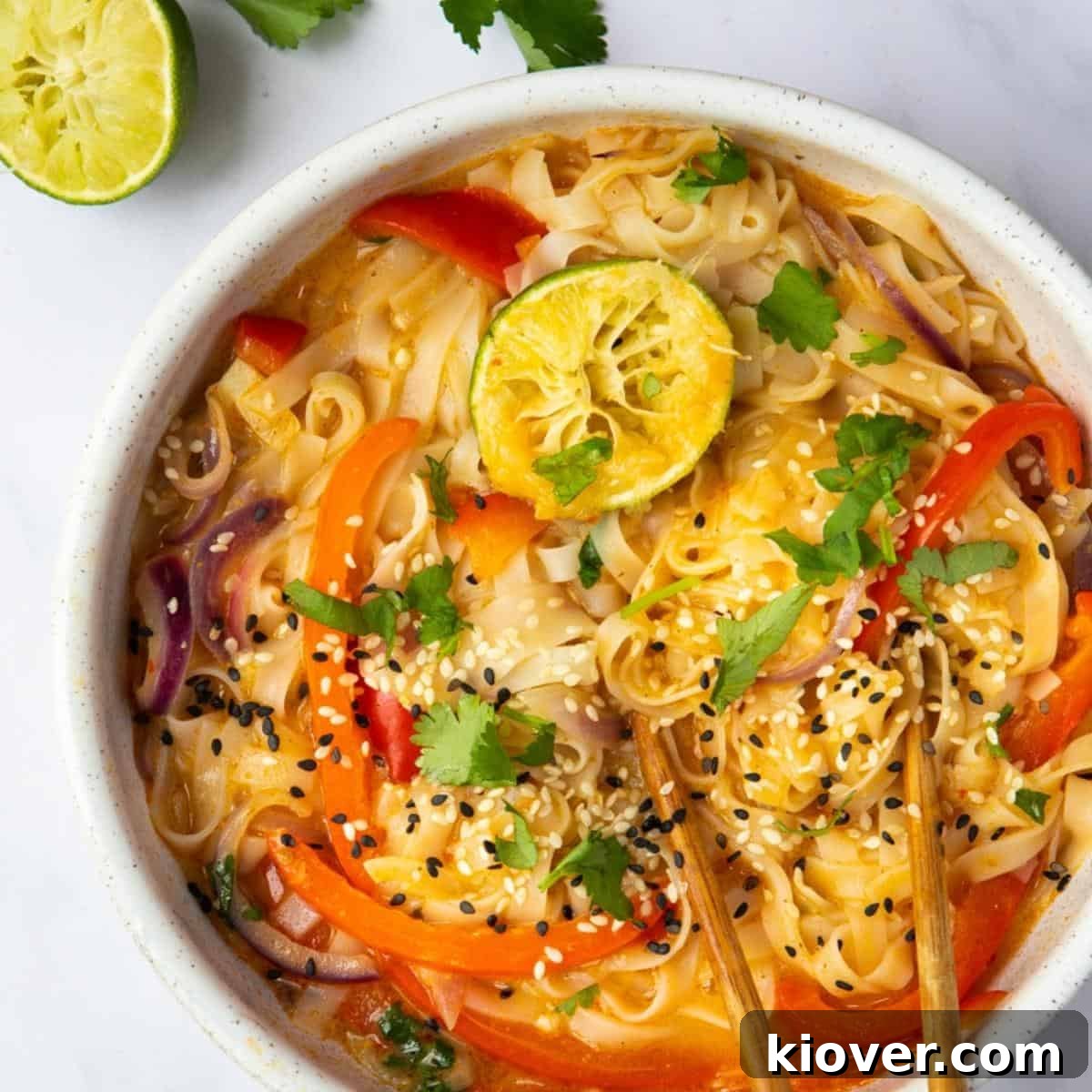
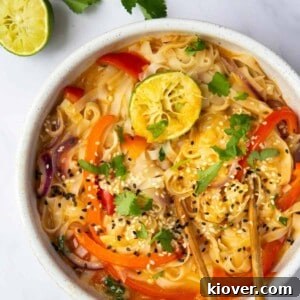
Welcome to your new favorite weeknight meal: a vibrant and incredibly flavorful Thai Curry Noodle Soup that promises to tantalize your taste buds! This ‘souper’ easy recipe is designed for busy individuals and culinary beginners alike, proving that delicious, authentic-tasting Thai cuisine doesn’t have to be complicated or time-consuming. Imagine whipping up a rich, aromatic bowl of comfort in under 15 minutes, using nothing more than a single pot or pan, all while keeping your grocery bill refreshingly low, typically under £5! It’s a culinary triple threat – fast, frugal, and fantastically flavorful – making it a dish you’ll undoubtedly want to prepare again and again.
Recipe Difficulty – Very Easy
Table of Contents
- Why This Easy Thai Noodle Soup Recipe Works
- Essential Ingredients for Thai Curry Noodle Soup
- Smart Substitutions for Your Thai Curry Soup
- Delicious Variations to Customize Your Soup
- Step-by-Step Instructions to Make Thai Curry Noodle Soup
- Expert Tips for the Perfect Thai Curry Noodle Soup
- Serving Suggestions
- Leftovers & Storage
- Recipe FAQs
- Thai Curry Noodle Soup Full Recipe Card
Why This Easy Thai Noodle Soup Recipe Works
There’s nothing quite like that moment when you open your refrigerator, hoping for inspiration, only to be met with a sparse collection of ingredients. This Thai Curry Noodle Soup recipe is my ultimate savior for those “nothing-to-eat” evenings! It predominantly relies on common store-cupboard staples, making it incredibly accessible and convenient. You won’t need to run to a specialty store for obscure ingredients; chances are, you already have most of what you need. This simplicity is a huge plus, especially after a long day when complex cooking feels like a monumental task.
What truly sets this recipe apart is its **incredible versatility**. It’s designed to be flexible, allowing you to *creatively use up any leftover vegetables you might have* wilting in the fridge. Carrots, spinach, broccoli, snap peas – almost any vegetable can find a happy home in this flavorful broth, transforming potential food waste into a delicious meal. This adaptability not only makes the recipe economical but also ensures a unique twist every time you make it, preventing meal boredom.
Furthermore, this soup is a true comfort food, especially perfect for those cooler autumnal days or any time you’re craving a bit of warmth and spice. The creamy coconut base infused with aromatic spices creates a hug-in-a-bowl experience. It’s a hearty and satisfying dish that nourishes both body and soul without weighing you down. If you’re looking for a quick, wholesome, and incredibly flavorful meal that champions pantry ingredients and reduces food waste, this Thai Curry Noodle Soup is an absolute must-try. Give it a go, and watch it become a regular in your meal rotation!
If you’re a fan of rich, coconut-based sauces, you absolutely must explore some of my other favorites. My Thai Red Prawn Curry offers a delightful depth of flavor, or try my classic Prawn Curry for its perfectly creamy and spiced profile. For those who enjoy making things from scratch and want to master the art of homemade curry paste, my Vegetable Thai Green Curry recipe is an excellent culinary adventure. And to truly elevate any curry dish, pair it with my recipe for the Best Gluten-Free Naan Bread – trust me, once you try it, you’ll never look back!
Essential Ingredients for Thai Curry Noodle Soup
Crafting this flavorful Thai Curry Noodle Soup relies on a carefully selected blend of ingredients, each playing a vital role in creating its distinctive taste and texture. Here’s a closer look at what you’ll need to bring this delightful dish to life:
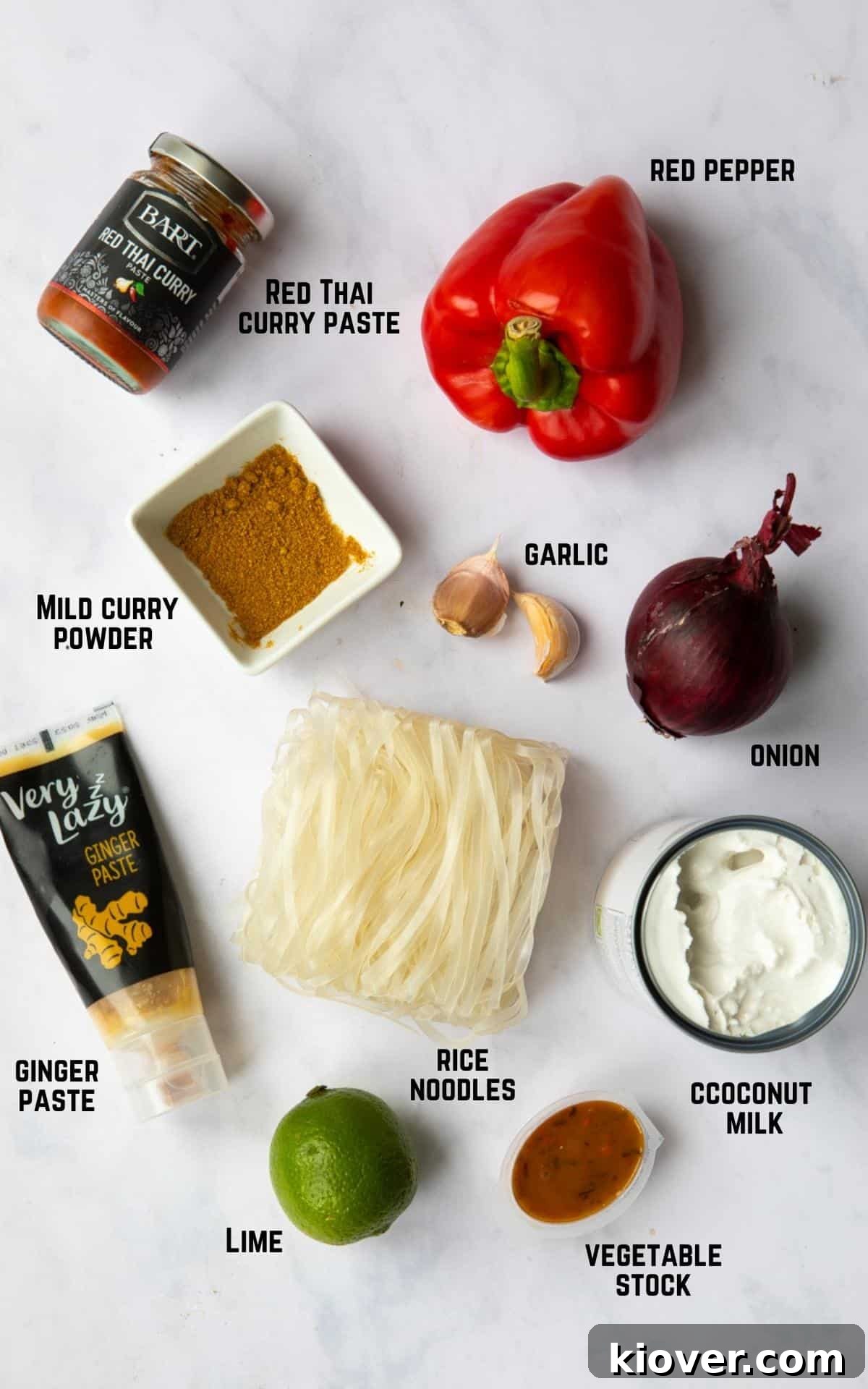
- Rice Noodles: These are the star of our noodle soup, contributing a wonderfully chewy and satisfying texture that truly elevates the dish. I personally adore the robustness of thicker rice noodles, but if you prefer a lighter feel, thinner vermicelli noodles would also work beautifully. If you find yourself with extra rice noodles, don’t let them go to waste! They’re fantastic in my Peanut Butter Noodles or my comforting Vegan Laksa.
- Thai Red Curry Paste: This paste is the heart and soul of our curry, providing a gentle yet invigorating kick and a deep, aromatic warmth. It’s crucial for building the complex flavor profile and adding an incredible depth to the soup. Any extra paste can be perfectly utilized in my Vegan Thai Tofu Curry.
- Vegetable Stock: Essential for forming the rich, savory base of this curry soup. A high-quality vegetable stock adds a significant layer of body and robust flavor, making the broth truly satisfying.
- Lime: A squeeze of fresh lime juice at the end is non-negotiable! It introduces a bright, zesty acidity that perfectly balances the creamy richness of the coconut milk and cuts through the spices, adding a fresh, vibrant finish.
- Coconut Milk: The hero ingredient for creaminess, coconut milk provides a luxurious, velvety texture and subtly sweet, nutty undertones. It harmonizes wonderfully with the other spices, enriching the Thai Curry Noodle Soup without overpowering it.
- Ginger Paste: This adds a delightful warm bite and a hint of natural sweetness, infusing the soup with an inviting aromatic depth that is characteristic of Thai cuisine. Freshly grated ginger can also be used for an even brighter flavor.
- Red Pepper: I’ve chosen red pepper not only for its beautiful color and vibrant visual appeal but also for its sweet crunch, which adds a lovely textural contrast to the soft noodles and creamy broth. Feel free to use any other colored bell pepper you have on hand.
- Garlic: A foundational aromatic in almost any savory dish, garlic contributes a gentle pungency and an indispensable layer of flavor that underpins the entire soup.
- Mild Curry Powder: This blend of spices provides an additional layer of warmth and complexity, perfectly complementing the Thai red curry paste without making the dish overly spicy. It’s an ingredient I also love to use in my hearty Slow Cooker Chickpea Curry.
- Onion: I prefer red onion for its slightly sharper, sweeter flavor profile, which deepens when sautéed and adds a fantastic base note to the soup. However, a white onion or even shallots can be used if that’s what you have available.
For precise quantities and a complete list of ingredients, please refer to the comprehensive recipe card below.
Smart Substitutions for Your Thai Curry Soup
One of the beauties of this Thai Curry Noodle Soup recipe is its adaptability. Don’t have an ingredient on hand, or catering to specific dietary needs? Here are some smart substitutions you can make without sacrificing flavor:
- Noodle Alternatives: While rice noodles are highly recommended for their naturally gluten-free nature and perfect texture in this soup, you can certainly switch them up. Udon noodles offer a chewier, thicker alternative, while egg noodles (if not adhering to a vegan diet) provide a different, classic Asian noodle experience. Just ensure to check labels for gluten-free options if needed.
- Spice Level Adjustment (Curry Powder): This recipe uses mild curry powder to appeal to a wide audience. However, if you’re someone who loves a fiery kick, feel free to substitute it with a medium or hot curry powder. This simple swap will instantly dial up the heat to your preferred level.
- Curry Paste Options: Thai Red Curry Paste is a key flavor component, but it’s not the only option. You could experiment with green curry paste for a different flavor profile, or even yellow curry paste. If you don’t have any curry paste, you can simply omit it and increase the quantity of mild (or hot) curry powder, along with a pinch of chili flakes, to still achieve a rich, spiced broth.
- Lime vs. Lemon: Fresh lime juice provides that essential bright acidity. If limes are unavailable, an equal amount of fresh lemon juice will serve as an excellent substitute, offering a similar tangy zest to balance the creamy soup.
- Onion Varieties: Red onion is chosen for its robust flavor and appealing color when cooked. However, white onions offer a slightly milder sweetness, and shallots provide a more delicate, refined onion flavor. Any of these will work wonderfully as the aromatic base for your soup.
- Ginger Form: While ginger paste offers convenience, fresh ginger grated or finely minced will provide an even more vibrant and pungent ginger flavor. Approximately 1 inch of fresh ginger root grated should suffice for the amount of paste recommended.
Delicious Variations to Customize Your Soup
This Thai Curry Noodle Soup is a fantastic canvas for culinary creativity. Whether you want to amp up the heat, pack in more nutrients, or simply try something new, these variations will help you customize your bowl to perfection:
- Boost the Spice: For those who truly love heat, there are several ways to turn up the flame. Opt for a medium or hot curry powder instead of mild. Increase the quantity of Thai red curry paste by an extra tablespoon or two. For an extra kick, a pinch of red chili flakes or a few slices of fresh bird’s eye chili can be added during cooking or as a garnish. Conversely, if you’re cooking for children or those sensitive to spice, simply reduce the quantities of curry powder and paste. If heat is truly your thing, you absolutely must check out my 10-Minute Spicy Pasta Recipe – it definitely delivers a memorable kick!
- Vegetable Power-Up: This soup is an excellent way to boost your daily vegetable intake and utilize produce that needs to be eaten. Beyond red pepper, consider adding sliced mushrooms, crisp mange tout, tender baby corn, broccoli florets, spinach, bok choy, or even thinly sliced carrots. Add harder vegetables at the beginning with the onion and pepper, and softer greens like spinach in the last couple of minutes of simmering.
- Add Protein: While delicious as a vegan dish, this soup is also incredibly versatile for adding various proteins. If you’re not vegan or vegetarian, consider adding cooked prawns (shrimp) or shredded cooked chicken for a heartier meal. Simply add them in the last few minutes to heat through. For a plant-based protein boost, firm or extra-firm tofu, pressed and cubed, then lightly pan-fried or baked until golden, would be an excellent addition. Edamame beans are another quick and easy plant-based protein option.
- Deluxe Presentation: To take this already delicious soup to the next level, focus on the garnishes. Serve with generous wedges of fresh lime for an extra citrusy zing, a vibrant sprinkle of freshly chopped coriander, and a scattering of toasted sesame seeds for added texture and nutty flavor. A drizzle of chili oil or a swirl of extra coconut cream can also add a gourmet touch.
- Kid-Friendly Version: If you’re preparing this for children who are sensitive to spice, the best approach is to significantly reduce the quantity of both the Thai red curry paste and the curry powder. You can also make a separate, milder batch. Alternatively, my Vermicelli Soup recipe offers a fantastic, minimally spiced option packed with vegetables, making it a great and comforting alternative for little ones.
Step-by-Step Instructions to Make Thai Curry Noodle Soup
Creating this delicious Thai Curry Noodle Soup is straightforward and quick. Follow these simple steps for a truly satisfying meal:
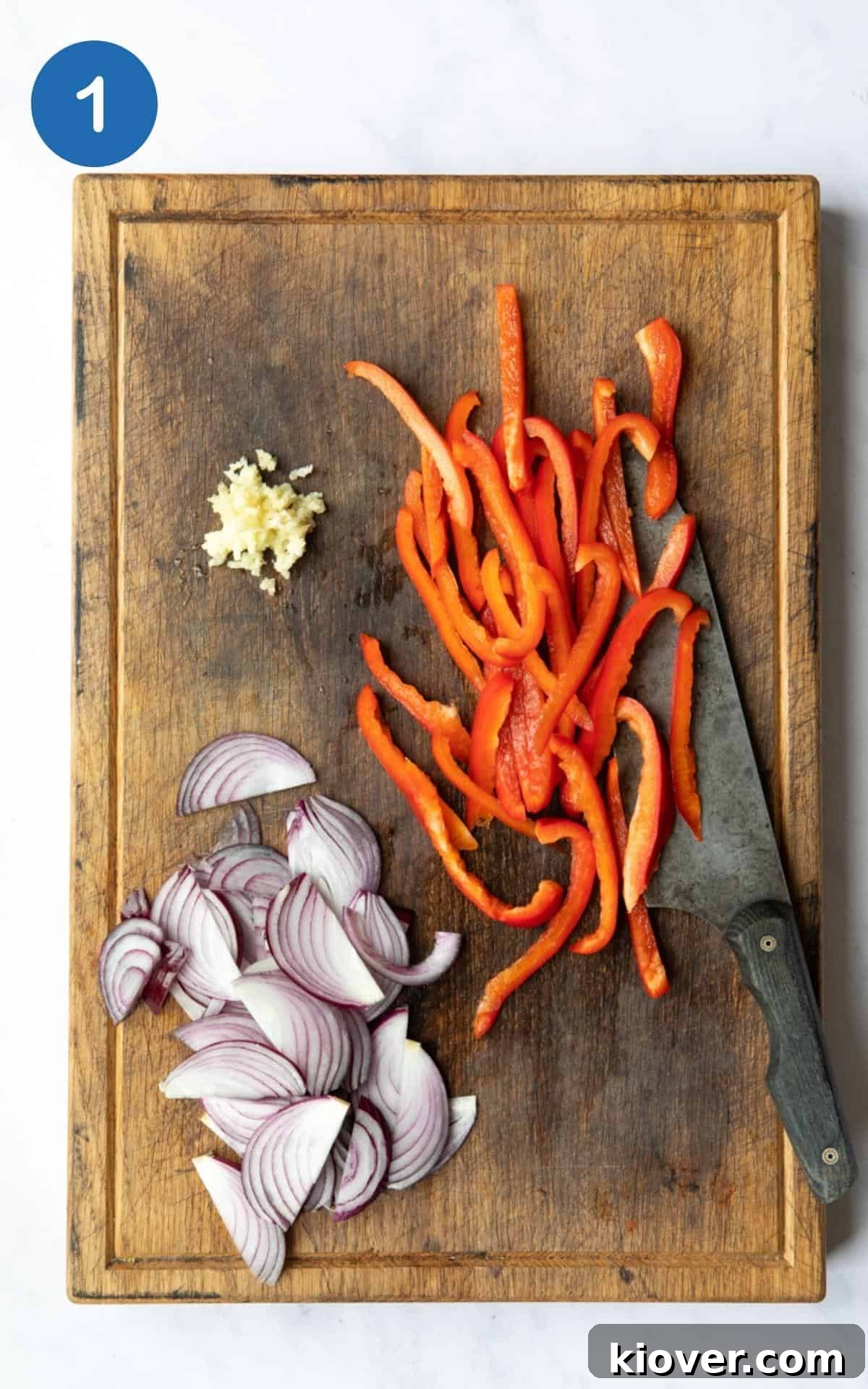
Step 1: Prepare Your Aromatics and Vegetables. Begin by finely slicing the onion, crushing the garlic cloves, and roughly slicing the red pepper into thin, uniform strips. This preparation ensures even cooking and infuses the soup with maximum flavor.
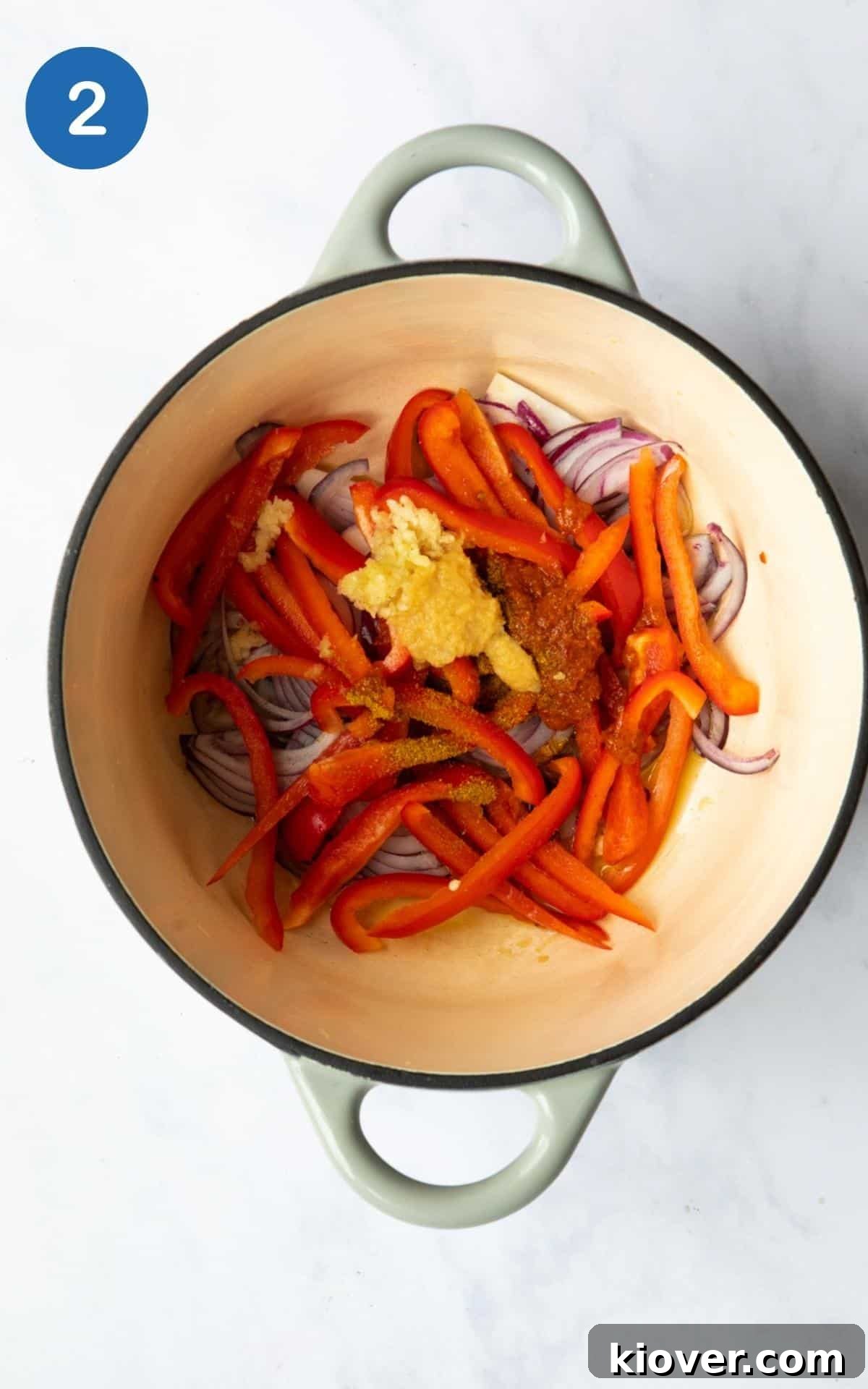
Step 2: Sauté the Flavor Base. Heat a large pot or deep pan over medium heat with a tablespoon of oil. Add the prepared onion, red pepper, crushed garlic, Thai red curry paste, mild curry powder, and ginger paste. Fry these aromatics and spices together for 2-3 minutes, stirring constantly until fragrant and slightly softened. This step is crucial for developing the deep, complex flavors of the soup.
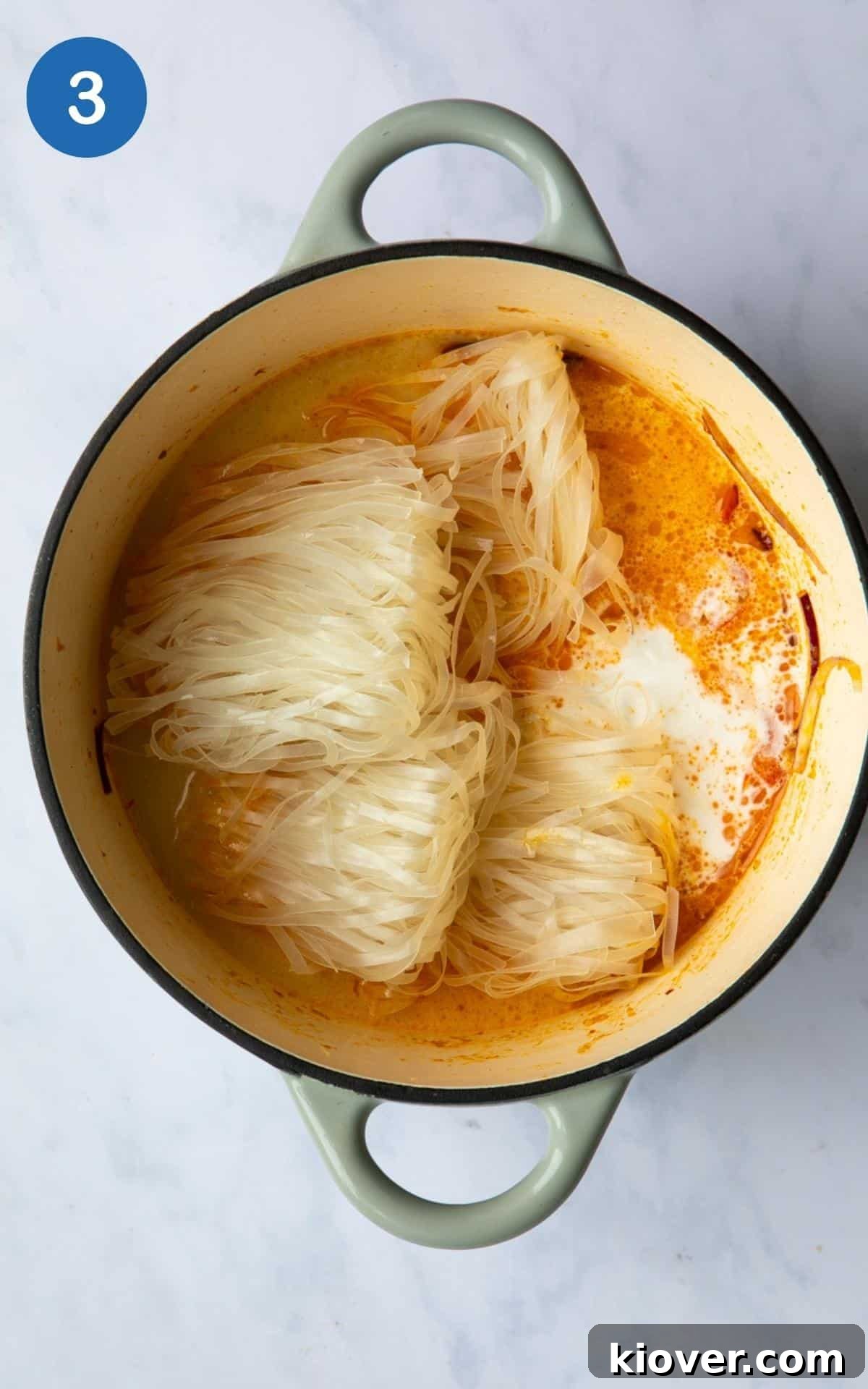
Step 3: Simmer the Soup. Pour in the coconut milk, crumble in the vegetable stock cube, add the rice noodles, and pour in the water. Stir everything well to combine, ensuring the curry paste is fully dissolved and the noodles are submerged. Place a lid on the pot and bring the mixture to a gentle simmer for 5-7 minutes, or until the noodles are tender and the vegetables are cooked to your liking.
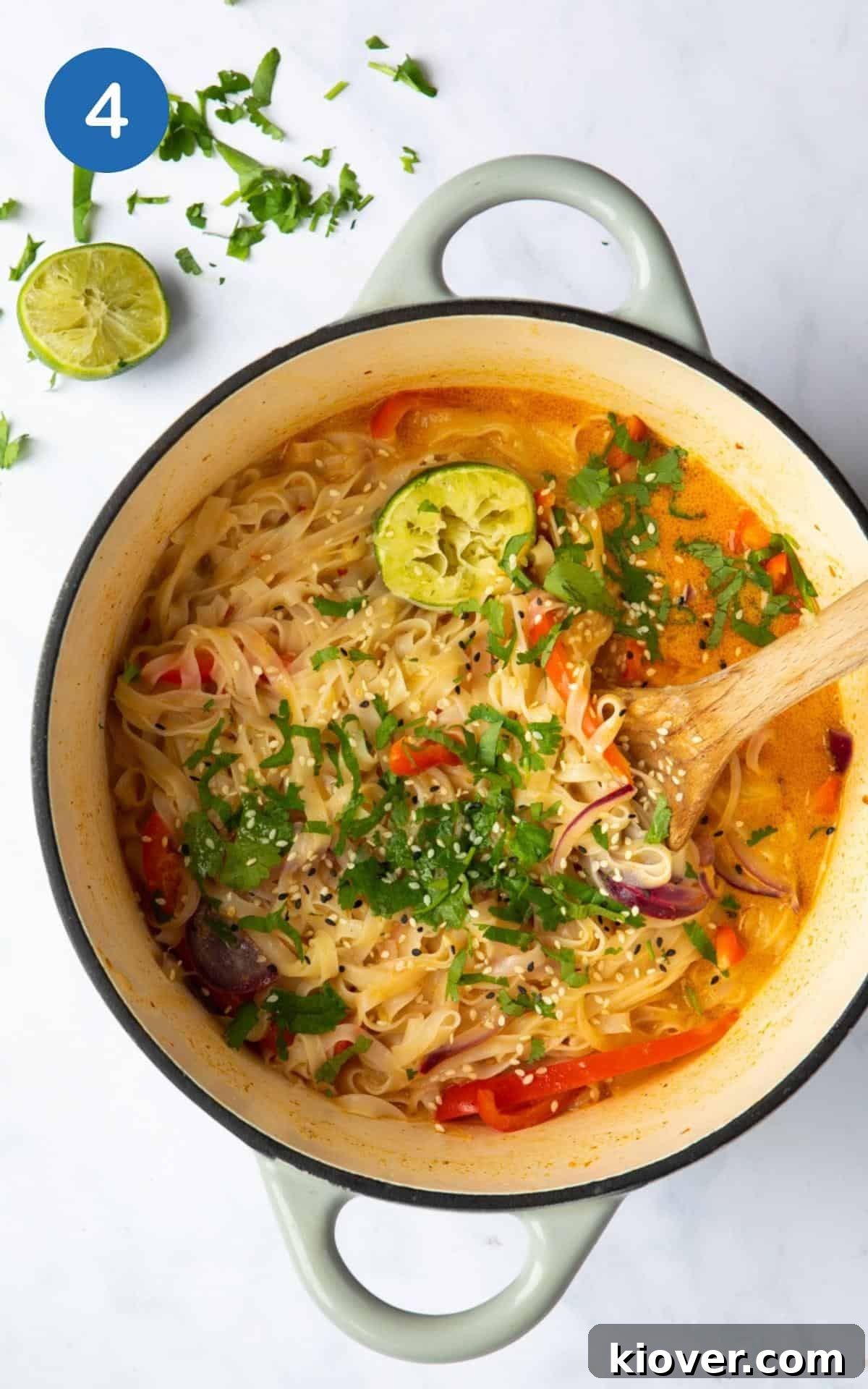
Step 4: Garnish and Serve. Once the soup is ready, remove it from the heat. If desired, finish by topping each serving with a generous squeeze of fresh lime juice, a sprinkle of freshly chopped coriander, and a scattering of sesame seeds for an extra touch of flavor and visual appeal. Serve hot and enjoy immediately!
Expert Tips for the Perfect Thai Curry Noodle Soup
Achieving a truly outstanding Thai Curry Noodle Soup is easy with a few insider tips. These pointers will help you maximize flavor and ensure a consistently delicious result every time:
- Quality of Curry Paste: The quality of your Thai red curry paste makes a significant difference. Invest in a good brand for a more authentic and robust flavor. While this recipe uses red, feel free to experiment with green or yellow curry pastes for different flavor profiles.
- Toast Your Spices: When frying the curry paste and curry powder in Step 2, allow them to cook for the full 2-3 minutes. This crucial step, known as “blooming” the spices, releases their aromatic oils, intensifying their flavor and depth. Don’t rush it!
- Don’t Overcook Noodles: Rice noodles cook very quickly. Add them during the simmering phase and keep a close eye on them to prevent them from becoming mushy. They should be tender but still have a slight chew (al dente).
- Balance is Key: Thai cuisine is all about balancing sweet, sour, salty, and spicy. This recipe leans on the sourness from lime, saltiness from stock/paste, and spiciness from curry paste/powder. Taste your soup before serving and adjust as needed – a dash of soy sauce or a pinch of sugar can fine-tune the balance.
- Fresh Garnishes Matter: Fresh lime juice, coriander, and sesame seeds aren’t just for show. The acidity of the lime brightens the entire dish, while fresh herbs add an invaluable layer of aroma and freshness. Don’t skip these!
- Adjust Consistency: If your soup is too thick, add a little extra water or vegetable stock until it reaches your desired consistency. If it’s too thin, simmer uncovered for a few extra minutes to allow some liquid to evaporate, though this soup is typically on the thinner side.
Serving Suggestions
This Thai Curry Noodle Soup is a complete meal on its own, packed with flavor and satisfying ingredients. However, you can enhance the dining experience with a few thoughtful additions:
- Fresh Herbs: Beyond coriander, consider a scattering of fresh Thai basil leaves or mint for an extra aromatic kick.
- Crunchy Toppings: Crushed peanuts, toasted cashews, or crispy fried shallots add a delightful textural contrast.
- Extra Spice: A drizzle of chili oil, a sprinkle of red chili flakes, or finely sliced fresh red chilies can be offered on the side for those who prefer more heat.
- Protein Boost: As mentioned in variations, pan-fried tofu, cooked shrimp, or shredded chicken can be added directly to individual bowls.
- Lime Wedges: Always serve with extra lime wedges on the side, allowing diners to adjust the bright, tangy flavor to their preference.
- Side of Bread: A warm piece of gluten-free naan bread or crusty bread for dipping is always a welcome accompaniment to soak up every last drop of the delicious broth.
Leftovers & Storage
One of the many benefits of this Thai Curry Noodle Soup is how well it keeps, making it an ideal candidate for meal prepping. Enjoying this delicious soup throughout the week is easy with proper storage:
- Storing Leftovers: Any leftover soup should be transferred to an airtight container as soon as it has cooled sufficiently. Store it in the refrigerator, where it will remain fresh and delicious for up to 3 days. This makes it a fantastic recipe to cook on a Sunday evening, providing quick, convenient, and flavorful lunches or dinners on the go during busy weekdays.
- Reheating: To reheat, gently warm the soup in a pot or pan over a low heat on the stovetop, stirring occasionally, until it is piping hot all the way through. Alternatively, you can reheat individual portions in the microwave. Due to the noodles absorbing liquid, you may find that the soup thickens upon refrigeration. Don’t worry, this is normal! Simply add a splash of water or extra vegetable stock when reheating to loosen the sauce and restore it to your desired consistency.
- Freezing: Unfortunately, this recipe is not ideal for freezing. The rice noodles can become mushy and the coconut milk base may separate upon thawing, affecting the overall texture and appeal of the soup. It’s best enjoyed fresh or from the refrigerator within a few days.
Recipe FAQs
Absolutely! This soup is incredibly versatile for adding protein. If you are not vegan or vegetarian, you can easily add cooked chicken pieces or prawns (shrimp) during the last few minutes of simmering to heat through. For a plant-based option, firm tofu, pressed and cubed, then lightly pan-fried or baked until golden, would be a fantastic addition. Edamame beans are another quick and easy vegan protein boost.
As written, this recipe is crafted to be mild, making it enjoyable for most palates. The aim is flavor over intense heat. However, if you prefer a spicier dish, you have several options: use a hotter curry powder, increase the quantity of Thai red curry paste, or add a pinch of chili flakes or finely sliced fresh chilies to taste. Always adjust to your personal preference!
Generally, yes! The vast majority of rice noodles are naturally gluten-free as they are made purely from rice flour and water. However, it is always a good practice to double-check the packaging to confirm, especially if you have a severe gluten sensitivity or allergy, as some brands may include other ingredients or be processed in facilities that handle gluten.
Ideally, yes, rice noodles are recommended as they offer the perfect texture and are naturally gluten-free, complementing the rich broth beautifully. However, if you prefer or have other noodles on hand, you can certainly use alternatives. Udon noodles would provide a thicker, chewier texture, while egg noodles (if not adhering to a vegan diet) are another popular choice that would work well in this soup.
This soup is excellent for meal prepping! You can prepare the entire recipe and store it in an airtight container in the refrigerator for up to 3 days. When reheating, you might need to add a splash of water or stock to thin the broth slightly, as the noodles will absorb some liquid over time. It makes for a super quick and easy lunch or dinner.
For the creamiest and richest soup, I recommend using full-fat canned coconut milk. The higher fat content contributes significantly to the luxurious texture and deep flavor. Lite coconut milk can be used for a lighter version, but the soup might be less creamy.
YOU MIGHT ALSO LIKE…
Dinner
Vegan Laksa
Dinner
15-Minute Vegan Pad Thai
Dinner
The Best Thai Red Prawn Curry
Dinner
Vegan Thai Curry
Tried this Thai Curry Noodle Soup recipe? Please leave a star rating below and let me know how you get on. Hearing positive feedback is one of the best parts of creating recipes, so please review it below and leave a comment!
P.S. Never miss a new recipe! Get more healthy recipes sent straight to your inbox weekly – Subscribe and receive a free recipe eBook!
Print Recipe
Thai Curry Noodle Soup
Packed full of flavour, this Thai Curry Noodle Soup recipe is easy to follow, can be made in under 15 mins, and uses just one pot or pan!
Equipment
- Chopping Board
- Knife
- Large pot
- Wooden spoon
Ingredients
- 1 small red onion, finely sliced
- 1 red pepper, roughly sliced into thin strips
- 2 cloves garlic, crushed
- 2 tbsp red Thai curry paste
- 1 tbsp mild curry powder
- 1 tsp ginger paste (or use fresh grated ginger)
- 1 can coconut milk (full-fat recommended)
- 1 vegetable stock cube
- 150g rice noodles
- 500 ml water
- 1 lime, juice of, to serve
- 1 handful fresh coriander, chopped, to serve
- 1 tbsp sesame seeds, to serve
Instructions
- Firstly, finely slice the onion, crush the garlic, and roughly slice the pepper into thin strips.
- Heat a large pot with oil and add the sliced onion, red pepper, crushed garlic, red Thai curry paste, curry powder, and ginger paste. Fry these ingredients together for 2-3 minutes until fragrant.
- Now, add the coconut milk, vegetable stock cube, rice noodles, and water. Stir well to combine all ingredients.
- Place a lid on the pot and simmer for 5-7 minutes, or until the noodles are tender and the vegetables are cooked to your desired consistency.
- Serve hot in bowls, topped with a squeeze of fresh lime juice, a sprinkle of chopped coriander, and sesame seeds (if using). Enjoy!
Video
A video demonstration of this Thai Curry Noodle Soup recipe is available on the original blog post to guide you through each step. (Please embed video link or player here if specific requirements were given for videos. For now, a descriptive placeholder is used.)
Notes
- Step-by-Step Photos: The main blog post above includes helpful step-by-step photos to further guide you through making this recipe.
- Substitutions & Variations: A comprehensive list of substitution and variation ideas is included in the main blog post to help you customize the recipe to your liking.
- To Store: Store any leftovers in an airtight container in the fridge for 2-3 days. Reheat gently in a pot/pan over low heat until piping hot or in the microwave. You may need to add a splash of water or stock to loosen the sauce upon reheating.
- To Freeze: I would not recommend freezing this recipe, as the noodles can become mushy and the coconut milk may separate upon thawing.
- Tip 1: Opt for a good quality vegetable stock pot or cube as it significantly enhances the flavor of the soup base.
- Tip 2: If you enjoy spicy dishes, simply increase the amount of curry powder or add chili flakes to taste for an extra kick.
- Tip 3: Feel free to add cooked chicken or prawns if you are not vegan or vegetarian. For a plant-based protein, pan-fried tofu makes a wonderful addition.
Nutrition
Calories: 493kcal | Carbohydrates: 9g | Protein: 2g | Fat: 35g | Saturated Fat: 1g | Fiber: 2g | Sugar: 10g
Did you make this recipe? Tag me Today!
Tag @HealthyLivingJames on Instagram and use #HealthyLivingJames!