
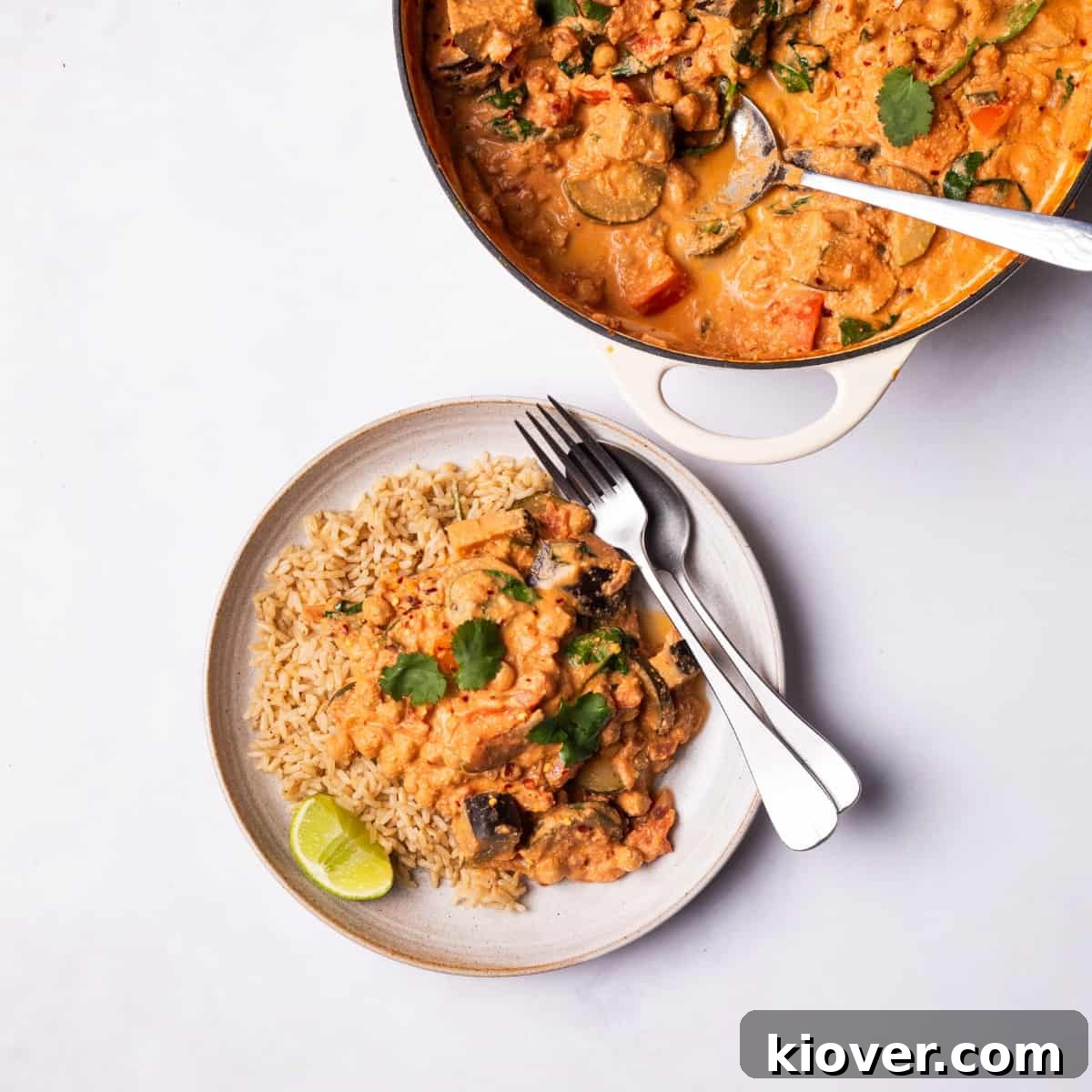
This incredibly easy Vegetable Curry is a truly delightful and healthy meal, prepared entirely in one pot and astonishingly ready in just 15 minutes! Bursting with colorful, nutritious vegetables, it’s a wholesome curry that’s perfect for busy weeknights and sure to become a family favorite. Whether you’re a seasoned chef or a kitchen novice, this recipe guarantees a flavorful and satisfying dish.
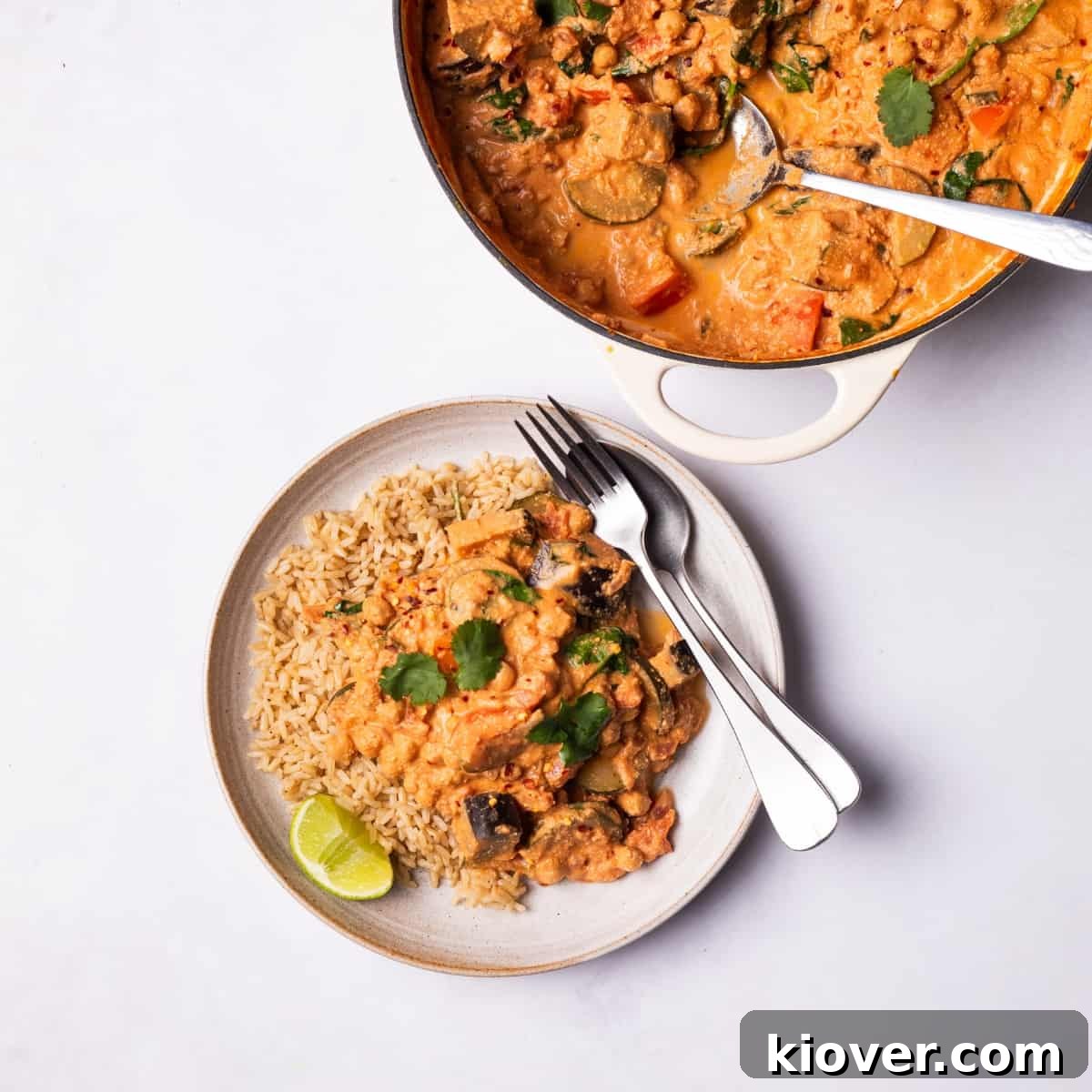
Recipe Difficulty – Easy
Table of Contents
- Why This Recipe Works
- Ingredients for a Super Speedy Vegetable Curry
- Smart Substitutions for Your Vegetable Curry
- Exciting Variations to Customize Your Curry
- Step-by-Step: How to Make 15-Minute Vegetable Curry
- Leftovers: Storage and Meal Prep Tips
- Vegetable Curry FAQs
- What to Serve with Your Delicious Vegetable Curry
- More Curry Recipes You Might Love
- Easy Vegetable Curry Recipe Card
Why This Recipe Works: Your Go-To 15-Minute Vegetable Curry
This creamy, aromatic vegetable curry is more than just a meal; it’s a culinary triumph, especially for those seeking warmth and comfort during cooler months. Its undeniable deliciousness is matched only by its incredible speed and simplicity, making it an ideal choice for any day of the week.
One of the most remarkable aspects of this mixed vegetable curry is its lightning-fast preparation time. There’s a common misconception, particularly when it comes to curries, that deep, complex flavors can only be achieved through hours of simmering. This easy vegetarian curry recipe completely shatters that myth! From the moment you start chopping to the second you ladle it onto your plate, this vibrant vegan curry requires only about 15 minutes of your time. This makes it a perfect solution for busy weeknights when you crave a homemade, healthy meal without the extensive cooking commitment.
Beyond its quick turnaround, this versatile veggie curry shines as an excellent candidate for batch cooking and meal preparation. Imagine having a wholesome, flavorful lunch ready to go the next day with minimal effort. Furthermore, you can effortlessly freeze portions of this curry, transforming it into a convenient and healthy homemade “ready meal” that can be defrosted and reheated on those particularly hectic evenings. It’s a smart way to ensure you always have a nutritious, plant-based option available, saving you time, effort, and potentially money on takeout.
This recipe truly works because it delivers on taste, health, and convenience. It proves that healthy eating doesn’t have to be complicated or time-consuming, making it an essential addition to any busy kitchen.
Key Ingredients for a Super Speedy Vegetable Curry
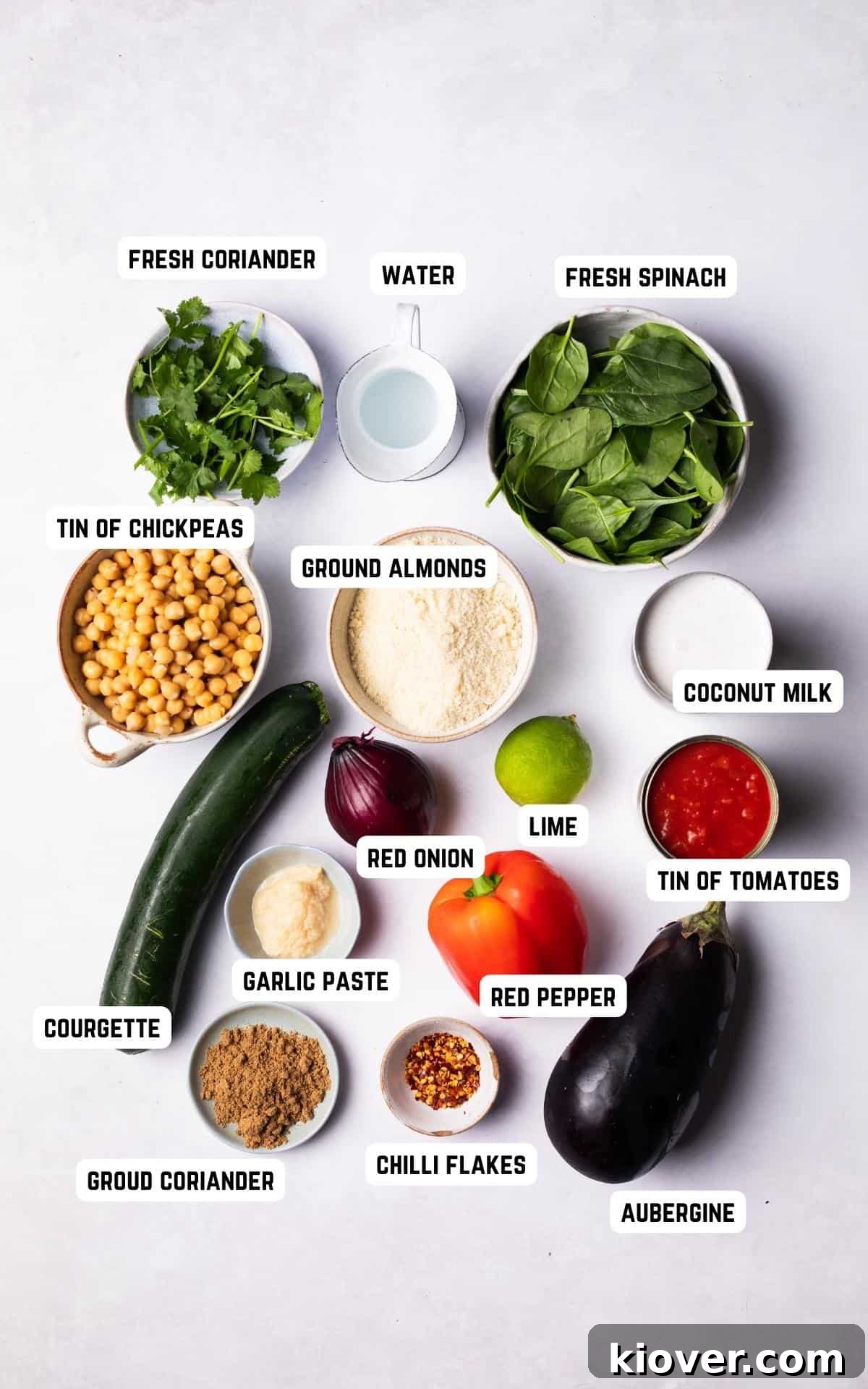
Creating a truly exceptional curry starts with selecting the right ingredients. For this 15-minute vegetable curry, we focus on fresh, flavorful components that come together harmoniously to create a rich and satisfying dish. Here’s a detailed look at the core ingredients:
- Garlic Paste: A fantastic shortcut that shaves precious minutes off your prep time. Made from pre-pureed garlic cloves blended with oil, it offers robust garlic flavor instantly. If using fresh garlic, simply mince it finely.
- Red Onion: Forms the aromatic foundation of this curry, imparting a mild sweetness and savory depth as it softens.
- Ground Coriander: An essential spice in many curry recipes, ground coriander contributes a warm, earthy, and slightly citrusy-sweet note that is characteristic of a well-balanced curry.
- Red Pepper Flakes: These add a subtle hint of warmth and a gentle kick to the vegetable curry, enhancing its overall complexity without overwhelming the palate. Adjust the quantity to your preferred level of spice.
- Courgette (Zucchini): A versatile and mild-flavored vegetable that absorbs the rich curry sauce beautifully. It adds a pleasant texture without dominating the other flavors.
- Aubergine (Eggplant): Known for its ability to soak up flavors, aubergine becomes wonderfully tender and creamy when cooked in the curry, adding a satisfying meatiness to the dish.
- Red Bell Pepper: Contributes a vibrant color, natural sweetness, and a delightful crunch, providing textural contrast to the softer vegetables.
- Tin of Chopped Tomatoes: These provide a tangy, robust base for the sauce, adding essential moisture and a rich, savory depth that balances the spices and coconut milk.
- Full-fat Coconut Milk: A non-negotiable ingredient for this vegetable curry! Its rich, creamy texture is fundamental to creating the luxurious, velvety curry sauce that coats every ingredient and ties the flavors together perfectly. For a lighter option, light coconut milk can be used.
- Can of Chickpeas: A powerhouse of plant-based protein and fiber, chickpeas add substance and a wonderful nutty flavor. Remember to drain and rinse them thoroughly before adding them to the curry to remove excess sodium and improve digestibility.
- Water: A small splash of water helps achieve the perfect consistency for the curry, ensuring it’s neither too thick nor too thin.
- Ground Almonds: This secret ingredient adds a fantastic nutty flavor and a subtle, pleasant texture. More importantly, it acts as a natural thickener, giving the healthy curry a beautifully rich body.
- Lime Juice: Freshly squeezed lime juice is crucial for brightening the flavors of the curry, adding a zesty tang that cuts through the richness of the coconut milk and spices.
- Fresh Coriander (Cilantro): While optional, a generous sprinkle of fresh coriander at the end adds a burst of freshness and an aromatic herbaceous note that truly elevates the dish. Highly recommended!
- Baby Spinach: A simple and effective way to boost the nutritional value and add a vibrant green color to the dish. It wilts quickly into the hot curry, becoming tender and barely noticeable.
Refer to the recipe card below for precise quantities and additional details on all ingredients.
Smart Substitutions for Your Vegetable Curry
Flexibility is key in the kitchen, and this vegetable curry recipe is wonderfully adaptable. Don’t have an ingredient on hand, or simply want to try something new? Here are some smart substitutions to keep your curry delicious and versatile:
- Garlic Paste: If you prefer fresh, ensure to crush or finely mince fresh garlic cloves. Minced garlic from a jar or garlic powder can also be used in a pinch (adjust quantity as powder is more concentrated). For an extra layer of flavor, consider adding fresh ginger – either grated or in paste form – alongside the garlic.
- Full-fat Coconut Milk: For a lighter meal, opt for light coconut milk to reduce calories without sacrificing much creaminess. If you’re not strictly vegan or dairy-free, heavy cream or even plain Greek yogurt (stirred in at the very end to prevent curdling) could offer a different kind of richness.
- Vegetables: This curry is a fantastic way to use up whatever vegetables you have! Experiment with:
- Root Vegetables: Diced sweet potatoes, red potatoes, or carrots add heartiness and a natural sweetness.
- Cruciferous Veg: Broccoli florets or cauliflower florets bring texture and nutritional value.
- Legumes & Greens: Green peas or green beans are quick-cooking and add freshness. Leafy greens like kale or Swiss chard can also be wilted in at the end.
- Other Options: Mushrooms, bell peppers of different colors, or even thinly sliced cabbage can work wonderfully.
- Chickpeas: For alternative plant-based protein, consider roasted cauliflower (adds a smoky flavor), pan-fried tempeh (for a firmer texture), or white beans (such as cannellini or butter beans) which will add a similar creaminess. Red lentils can also be cooked directly in the curry for added protein and thickness.
- Spices: To tailor the flavor profile, explore different spice blends. For a more authentic Indian-style vegetable curry, try incorporating a mild curry powder or a fragrant garam masala blend. Turmeric powder will add a beautiful golden color and earthy notes, while a pinch of smoked paprika can introduce depth.
Exciting Variations to Customize Your Curry
This easy vegetable curry recipe is a fantastic canvas for creativity. Whether you’re craving more heat, a richer flavor profile, or a kid-friendly version, these variations will help you customize your dish to perfection:
- Spicy Kick: If you love heat, there are many ways to turn up the spice. Add a teaspoon or more of hot curry powder, a dollop of red curry paste, a pinch of cayenne pepper, or a generous dash of dried chili flakes (beyond the initial recommended amount). Freshly chopped green chilies or a finely diced bird’s eye chili can also provide a fresh, fiery burst. Cumin powder, while not strictly “spicy,” adds a warm, earthy depth that often accompanies spicy curries.
- Deluxe Flavor Boost: Elevate your curry to a gourmet experience. Don’t skip the optional fresh herb toppings like extra fresh coriander, mint, or even a sprinkle of toasted coconut flakes or chopped cashews for added texture and richness. For a deeper umami flavor, stir in a tablespoon of tomato paste, a dash of soy sauce, or its gluten-free counterpart, tamari, during the cooking process. A squeeze of tamarind paste can also add a delightful tangy complexity.
- Kid-Friendly Version: Making curry appealing to younger palates often involves adjusting spice levels and vegetable choices. For kids, significantly tone down or completely omit the red pepper flakes and any extra spicy additions. Focus on milder vegetables like sweet potatoes, carrots, peas, and bell peppers (perhaps finely diced). You can also blend a portion of the curry before serving to create a smoother, more uniform texture that might be more appealing to children. Serving with a side of plain rice or naan bread can also help.
Step-by-Step: How to Make 15-Minute Vegetable Curry
Get ready to whip up this delicious and healthy vegetable curry in hardly any time at all. Follow these simple steps for a truly rewarding meal:


Hint: Don’t hesitate to personalize this easy vegetable curry by adding your favorite quick-cooking vegetables. Spinach, kale, mushrooms, or even thinly sliced cabbage can be wonderful additions!
Leftovers: Storage and Meal Prep Tips for Your Vegetable Curry
One of the many benefits of this quick vegetable curry is how wonderfully it lends itself to meal prep and enjoying delicious leftovers. Proper storage ensures your curry remains fresh and flavorful for days to come:
- Refrigeration: Any leftover vegetable curry can be stored in an airtight container in the refrigerator for 3-4 days. The flavors often deepen overnight, making it even more delicious the next day!
- Reheating: To reheat, gently warm the curry on the stovetop over medium-low heat, stirring occasionally, until it’s heated through. Alternatively, you can microwave individual portions until piping hot. If the sauce has thickened too much in the fridge, feel free to add a splash of water or vegetable broth while reheating to achieve your desired consistency.
- Freezing: This vegetable curry freezes exceptionally well, making it a perfect candidate for batch cooking. Allow the curry to cool completely, then transfer it to freezer-safe airtight containers or heavy-duty freezer bags. It can be stored in the freezer for up to three months.
- Thawing and Reheating from Frozen: When you’re ready to enjoy, simply transfer the frozen curry to the refrigerator and allow it to defrost overnight. Once thawed, reheat it in a Dutch oven or large pot over medium heat, stirring frequently, until thoroughly warmed. Again, a little water or broth might be needed to loosen the sauce. This makes for a fantastic homemade “ready meal” on those super busy evenings when cooking from scratch isn’t an option.
Embracing leftovers not only saves you time but also helps reduce food waste, making this a truly sustainable and convenient recipe!
Vegetable Curry FAQs
Curries are incredibly versatile, allowing for a wide range of vegetable choices! The best vegetables often depend on the specific type of curry you’re making – for instance, Indian-style vegetable curry might feature different ingredients than Japanese, Pakistani, Malaysian, or Thai variations. For a quick and flavorful curry like this one, my favorites include aubergine (eggplant), courgette (zucchini), red onion, bell peppers, and canned tomatoes. Other excellent options that cook relatively quickly or add great texture are sweet potatoes (diced small), green beans, broccoli florets, cauliflower florets, mushrooms, and baby spinach or kale, which can be stirred in at the very end.
While there’s no single “secret,” a truly good curry often balances rich flavors with appealing textures. For this particular vegetable curry recipe, I highly recommend two key ingredients that make a significant difference. First, full-fat coconut milk is paramount for its luscious creaminess, which creates the most decadent and satisfying curry sauce. Second, ground almonds provide a wonderful nutty depth and also act as a natural thickener, giving the curry a more substantial body and enhancing its overall richness. Fresh lime juice at the end also acts as a “secret weapon,” brightening all the flavors and adding a crucial zesty finish.
Absolutely, traditional vegetable curry is perfect for freezing! In fact, it’s an excellent dish for meal prepping. Double your recipe and freeze half to enjoy a super quick, healthy, and easy dinner later when you’re short on time. Ensure it’s stored in an airtight, freezer-safe container and thawed completely in the refrigerator before reheating for the best results.
Yes, this vegetable curry recipe is naturally gluten-free! All the core ingredients like vegetables, coconut milk, chickpeas, and spices are free from gluten. If you’re sensitive to gluten, always double-check the labels of any pre-made pastes or broths you might use as substitutions to ensure they are certified gluten-free.
For sautéing the aromatics, you have a few excellent choices. Olive oil is a popular and healthy option that works well with the flavors. Coconut oil is also a fantastic choice, as it complements the coconut milk in the curry and adds a subtle tropical note. Vegetable oil or canola oil are neutral alternatives if you prefer.
What to Serve with Your Delicious Vegetable Curry
A great curry deserves equally great accompaniments! Here are some fantastic options to complete your meal and soak up every last drop of that incredible sauce:
- Naan Bread: Soft, fluffy naan is perfect for scooping up the rich curry.
- Flatbread: A simple flatbread offers a delightful alternative for wiping the plate clean.
- Quinoa: For a highly nutritious and protein-rich side, quinoa is an excellent choice.
- Socca (Chickpea Flatbread): A gluten-free and flavorful option that adds another layer of plant-based goodness.
- Basmati Rice: The classic pairing for any curry, its fragrant grains are ideal for absorbing the sauce.
- Cauliflower Rice: A low-carb alternative that’s light and healthy, perfect for a lighter meal.
- Poppadoms: Crispy and addictive, poppadoms add a satisfying crunch and are great for dipping.

More Curry Recipes You Might Love
Slow Cooker
Slow Cooker Chickpea Curry
Dinner
10 Minute Peanut Butter Curry
One Pot or Pan
Sweet Potato Satay Curry
Dinner
Aubergine Curry
Tried this Vegetable Curry recipe? Please leave a star rating below and let me know how you get on. Hearing positive feedback is one of the best parts of creating recipes, so please share your experience!
P.S. Never miss a new recipe! Get more healthy recipes sent straight to your inbox weekly – Subscribe and receive a free recipe eBook!

Print Recipe
Vegetable Curry
James Wythe
5 minutes
10 minutes
15 minutes
4 People
Ingredients
- 2 tsp garlic paste
- 1 red onion, roughly sliced
- 1 tbsp ground coriander
- 1 tsp chilli flakes
- 1 courgette, roughly chopped
- 1 aubergine, roughly chopped
- 1 red pepper, roughly chopped
- 400 g can of chopped tomatoes
- 400 ml can of full-fat coconut milk
- 400 g can of chickpeas, drained & rinsed
- 200 ml water (just under 1 cup)
- 100 g ground almonds (roughly 1 cup)
- Juice 1 Lime
- Handful fresh coriander (optional)
- Handful fresh spinach (optional)
Instructions
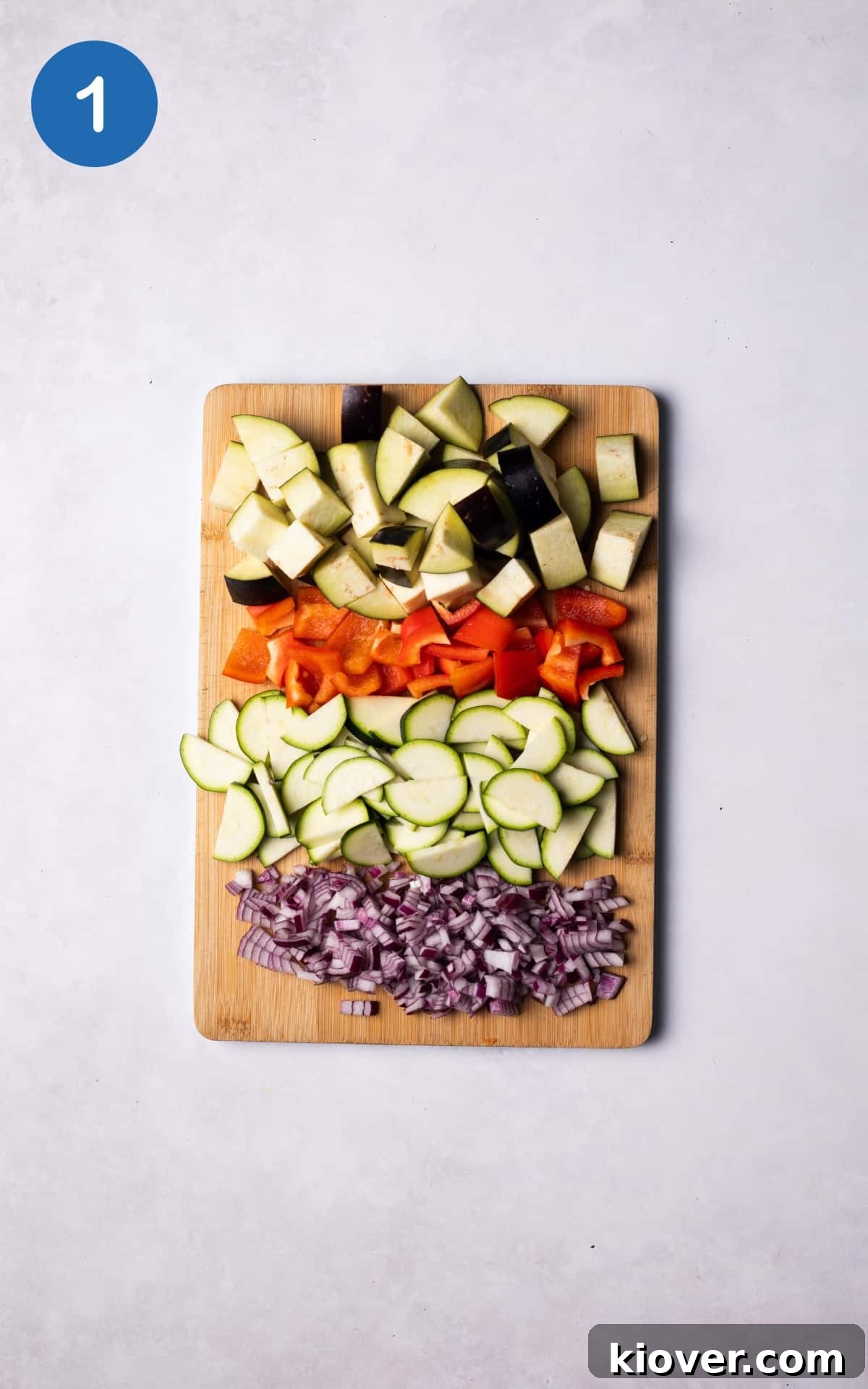
- Firstly, dice the onion, roughly chop the courgette, aubergine and pepper.
- Heat a large pot with oil, add in the garlic paste, red onion, ground coriander, chilli flakes, stir and fry for a couple minutes.
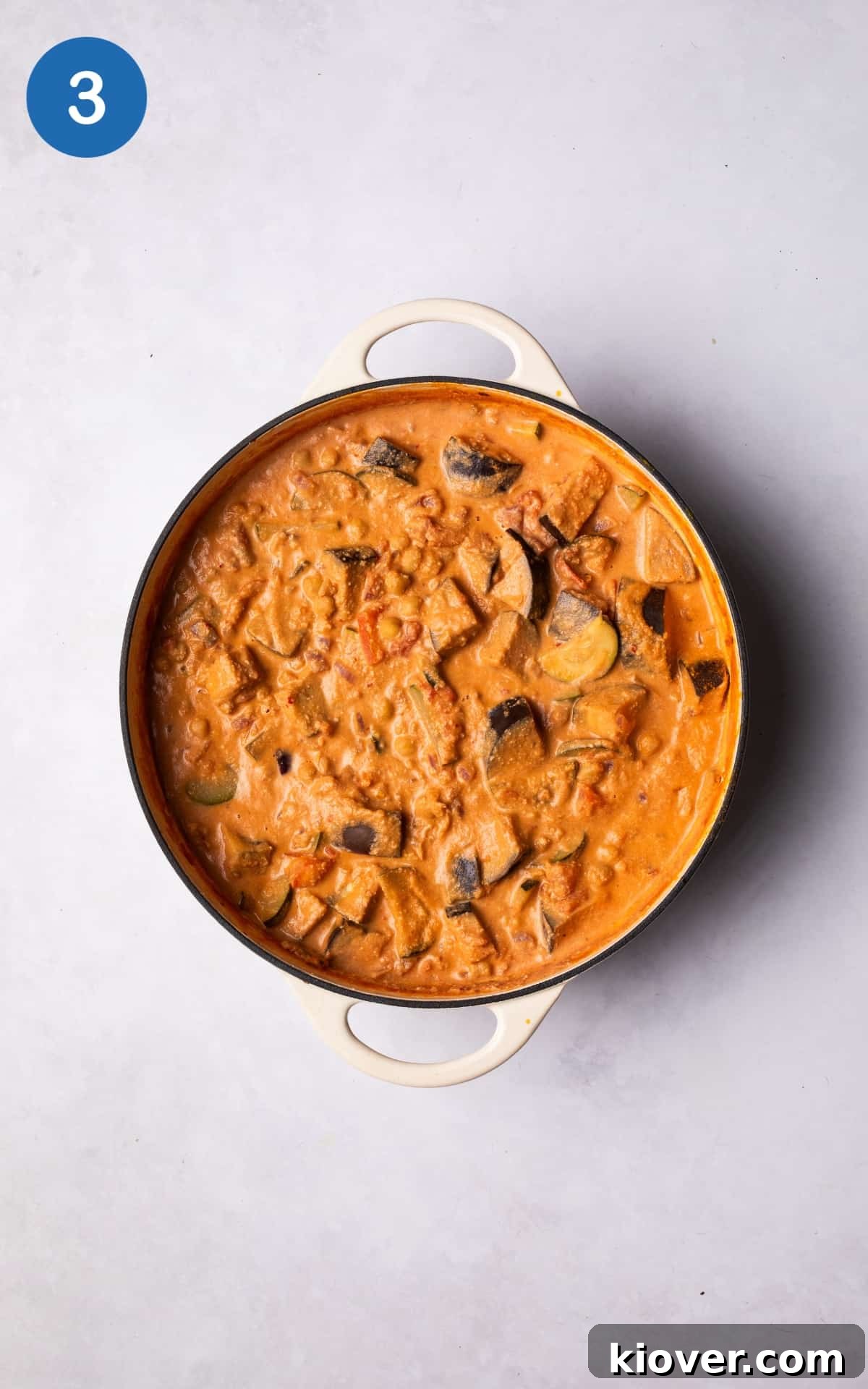
- Now add the chopped veg, tinned tomatoes, coconut milk, chickpeas, 200ml water, 100g ground almonds, lime juice, salt and pepper and stir.
- Cook on a high heat for 10 minutes until it thickens. Take off the heat, stir through the fresh coriander and spinach (both optional) and serve.
Notes
- Step-by-Step Photos: This blog post includes helpful step-by-step photos to guide you through making this recipe.
- Substitutions & Variations: I have included a list of these in the post above, offering ways to adapt the recipe to your taste or ingredients on hand.
- To Store: Store any leftover curry in an airtight container in the fridge for 2-3 days. Reheat in a pot/pan over low heat until piping hot or in the microwave. You may need to add some water to loosen the sauce upon reheating.
- To Freeze: This curry freezes beautifully. Store in an airtight container for up to three months. Thaw completely in the refrigerator before reheating.
- Tip 1: For an even heartier curry, consider adding in some red lentils (cook until tender) or black beans.
- Tip 2: If you desire a spicier curry, feel free to add more potent spices like extra chili flakes, a pinch of cayenne pepper, or some finely chopped fresh green chilies.
- Tip 3: If you are not vegan or vegetarian, you can easily incorporate protein such as diced chicken, shrimp, beef, or pork. For a vegetarian/vegan protein boost, firm tofu (pressed and cubed) can be added during the last few minutes of cooking.
Nutrition
Calories: 219kcal | Carbohydrates: 15g | Protein: 9g | Fat: 15g | Saturated Fat: 1g | Fiber: 8g | Sugar: 8g
Did you make this recipe? Tag me Today!
Tag @HealthyLivingJames on Instagram and use #HealthyLivingJames!