

Craving a delicious, healthy, and effortlessly elegant dinner that comes together in mere minutes? Look no further than this incredible Baked Walleye with White Wine Butter Sauce. In just about 30 minutes, you can transform fresh walleye fillets into a flaky, tender masterpiece, bathed in a bright, aromatic sauce that will delight your senses. This recipe is designed for simplicity, making it a perfect main course for busy weeknights or a sophisticated yet easy option for entertaining guests. Whether you’re an experienced angler with a fresh catch or simply seeking a premium seafood experience, this dish promises a delightful culinary journey.
Don’t have white wine on hand, or prefer to omit alcohol? No worries! This versatile recipe easily accommodates substitutions. You can effortlessly swap out the white wine for chicken broth or vegetable broth, achieving a similarly rich and flavorful sauce without compromising on taste. The essence of this dish lies in its fresh ingredients and straightforward preparation, ensuring a fantastic meal regardless of your preference.

The beauty of this baked walleye lies not only in its exquisite flavor but also in its versatility when it comes to pairing. It’s a dish that harmonizes beautifully with a wide array of side dishes, whether you prefer something light and refreshing, hearty and comforting, or crisp with contrasting flavors. Consider serving it alongside a vibrant Mediterranean Orzo Salad for a fresh, zesty complement that brightens the palate. For a delicious vegetable-forward option, an Italian Zucchini Casserole offers a delightful baked side that soaks up the sauce beautifully. If you crave a touch of elegance and a crisp texture, Pancetta Wrapped Asparagus with Orange Honey Glaze introduces a wonderful sweet and savory contrast. And for those moments when you desire something richer to fully embrace the luscious butter sauce, a serving of Easy, Creamy, and Cheesy Mashed Potatoes is simply divine. No matter your choice, ensure you treat yourself to a truly satisfying culinary experience.
Table of Contents
- 🐟 Ingredients for Baked Walleye
- 🍲 Step-by-Step Baking Instructions
- 🤷 Substitutions and Flavor Variations
- 📦 Storage Tips for Baked Walleye
- ❓ Frequently Asked Questions (FAQ)
- 📝 Expert Tips and Tricks for Perfect Walleye
- 🛠 Products to Enhance Your Cooking
- 😋 Share Your Baked Walleye Creation!
- Baked Walleye with White Wine Sauce Recipe
🐟 Ingredients for Baked Walleye
The success of any great dish begins with quality ingredients, and this baked walleye recipe is no exception. The fish itself is undeniably the star, and the care you put into selecting it will significantly influence the final flavors. Whether you’ve just reeled in your own fresh walleye or are purchasing it from a local market, always aim for the best quality you can find. Freshness is paramount for delicate fish like walleye, ensuring its mild, sweet flavor and flaky texture truly shine through.
What is Walleye? A Prized Freshwater Fish
Walleye (Sander vitreus) is a highly sought-after freshwater fish, predominantly found in the cool, clear waters of Canada and the Northern United States. Known for its distinctive “glassy” eyes – which is where it gets its name – walleye is revered by anglers and food enthusiasts alike. For those of us living in regions like North Dakota and Minnesota, it holds a special place, often considered the primary game fish for sport fishing. There’s a unique joy in spending time outdoors with friends or family, casting lines, and the anticipation of catching this remarkable fish.
Culinary-wise, walleye is celebrated for its delicate, white, flaky flesh and remarkably mild, sweet flavor, making it incredibly versatile in the kitchen. Unlike some stronger-flavored fish, walleye’s subtle profile perfectly absorbs the accompanying flavors, like the rich white wine butter sauce in this recipe, without being overpowered. It’s also a lean source of protein, rich in omega-3 fatty acids, making it a fantastic choice for a healthy diet. If you enjoy walleye, you might also like to explore other creative preparations, such as our Beer Battered Fish Tacos with Homemade Sriracha Baja Sauce recipe for a completely different yet equally delicious walleye experience.
Understanding Walleye Fillet Size and Cooking Time
Walleye fillets can vary significantly in size and thickness, and these characteristics directly impact your cooking time. The fillets showcased in this recipe are quite generous, typically weighing around 8 ounces each. For most full meals, a 4-ounce portion is considered a standard serving, meaning each of these larger fillets could provide two servings. Smaller fillets, perhaps 4-6 ounces each, will naturally cook faster, while thicker cuts will require a bit more time in the oven. The key to perfectly cooked fish, regardless of size, is to ensure it reaches the correct internal temperature. For white fish like walleye, the safe minimum cooking temperature is 145° Fahrenheit (63° Celsius). Always use a meat thermometer inserted into the thickest part of the fillet to verify doneness. The fish should also appear opaque throughout and flake easily with a fork.
Selecting the Perfect White Wine for Your Sauce
Choosing the right white wine for this sauce is largely a matter of personal preference, but some types lend themselves better to cooking with fish. The goal is to select a dry white wine that offers crispness and acidity without being too sweet or heavily oaked. For this recipe, I often use an affordable yet reliable option like Kirkland Chardonnay. When cooking, especially for a simple butter sauce, there’s no need to splurge on a premium bottle; an inexpensive and good-quality cooking wine will do the trick perfectly.
Beyond Chardonnay, other excellent choices for this fish sauce include Pinot Grigio and Sauvignon Blanc. Pinot Grigio is typically light, dry, and refreshing, with notes of green apple and citrus that beautifully complement the delicate flavor of walleye. Sauvignon Blanc, known for its vibrant acidity and herbaceous or citrusy notes, also works wonderfully, adding a bright dimension to the sauce. Avoid overly sweet wines, as they can caramelize too much and overpower the fish. You truly don’t need to spend a fortune to create a fantastic white wine sauce that elevates your baked walleye.
If you prefer to cook without alcohol, you can achieve a very similar flavor profile by substituting the white wine with an equal amount of good quality chicken or vegetable broth. When using broth, adding a little extra lemon juice to the sauce can help replicate the acidity that wine typically contributes, ensuring a bright and balanced flavor.
Thoughtful Seasoning Choices for Maximum Flavor
My approach to seasoning this baked walleye is deliberately minimalist, allowing the natural, exquisite flavor of the fish to truly be the focal point. The delicate flesh of walleye doesn’t require heavy seasoning; instead, it thrives when paired with subtle enhancements that complement its character. In this recipe, the fish is the undisputed star, with the white wine and butter serving as indispensable costars, creating a rich and savory base.
The supporting cast of ingredients, including salt, fresh cracked pepper, paprika, minced garlic, and minced shallots, plays a crucial role in building layers of flavor. Salt and pepper are fundamental, enhancing the natural taste of the walleye. Paprika adds a subtle warmth and a beautiful hint of color to the dish. Minced garlic and shallots provide an aromatic depth, infusing the butter and wine sauce with their savory, slightly sweet notes. This carefully chosen ensemble works in harmony to create a baked walleye that is not only perfectly seasoned but also yields a delicious, aromatic sauce that you’ll want to spoon generously over every serving. Remember, a little goes a long way when the ingredients are fresh and high quality.
🍲 Step-by-Step Baking Instructions
Preparing this baked walleye is remarkably simple, proving that gourmet flavors don’t have to come with complicated steps. This dish is designed for ease and efficiency, making it accessible even for novice cooks. The entire cooking process, from preparation to plating, is straightforward and swift, allowing you to enjoy a flavorful meal without spending hours in the kitchen. Here’s how you can achieve perfectly flaky baked walleye:
- Preheat your oven: Begin by preheating your oven to 400° Fahrenheit (200° Celsius). Allowing the oven to reach the correct temperature beforehand is crucial for even cooking and ensuring the fish bakes quickly and perfectly.
- Prepare the baking dish: Lightly grease a 9×13-inch glass baking dish (or a similar sized oven-safe dish). This prevents the fish from sticking and makes cleanup a breeze.
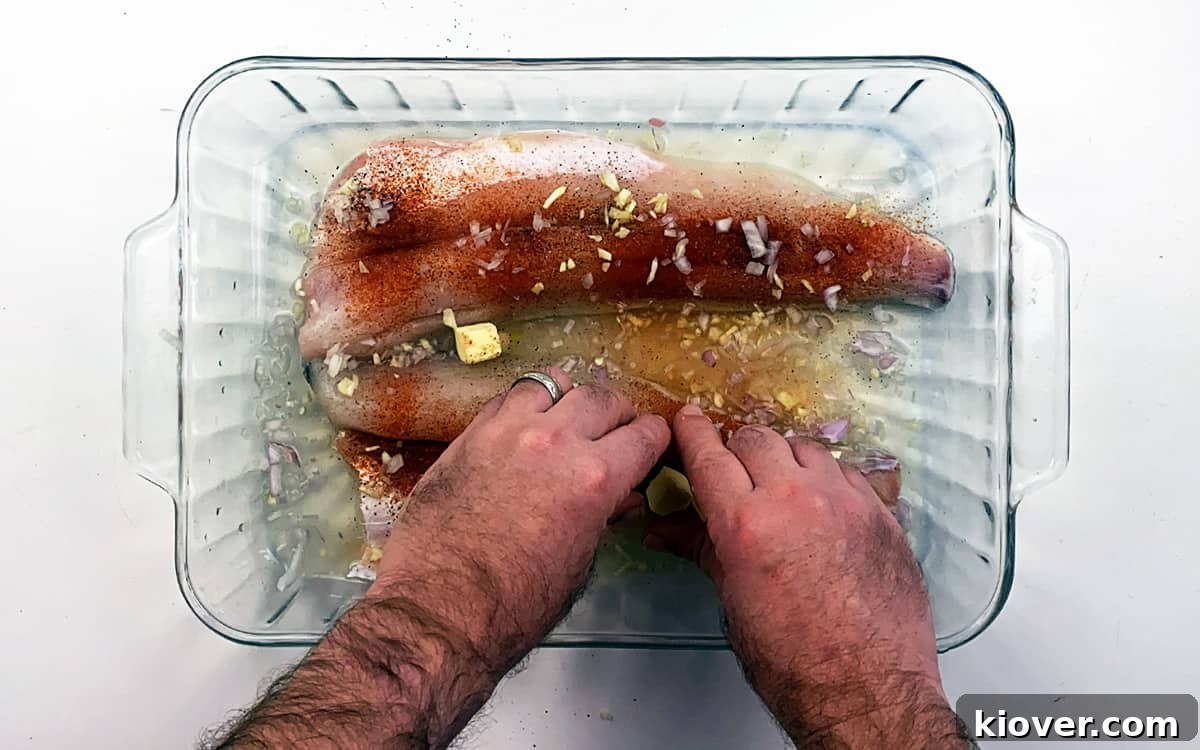
- Arrange the walleye: Place 16 ounces of cleaned walleye fillets evenly in the prepared baking dish. Ensure there’s a little space between the fillets for even heat distribution.
- Add the white wine: Carefully pour ½ cup of white wine (or chicken/vegetable broth) around the walleye fillets in the baking dish. This liquid will form the base of your delicious butter sauce.
- Season the fish: Sprinkle 1 teaspoon of paprika, along with salt and fresh cracked pepper, evenly over the walleye fillets. Ensure each piece is lightly coated to enhance its natural flavor.
- Distribute aromatics: Evenly spread 2 minced garlic cloves and 2 tablespoons of minced shallots over the entire dish, ensuring some pieces rest directly on the fish and others in the surrounding liquid. This allows the aromatics to infuse both the fish and the sauce.
- Add the butter: Scatter 4 tablespoons of butter, cut into small cubes, over the walleye fillets and into the wine/broth mixture. As the butter melts, it will combine with the wine and aromatics to create a rich and luscious sauce.
- Bake to perfection: Place the baking dish in the preheated oven and bake for 20 minutes. Cooking time can vary based on the thickness of your fillets, so it’s essential to check for doneness. The thickest part of the fish should reach an internal temperature of 145° Fahrenheit (63° Celsius) and flake easily with a fork.
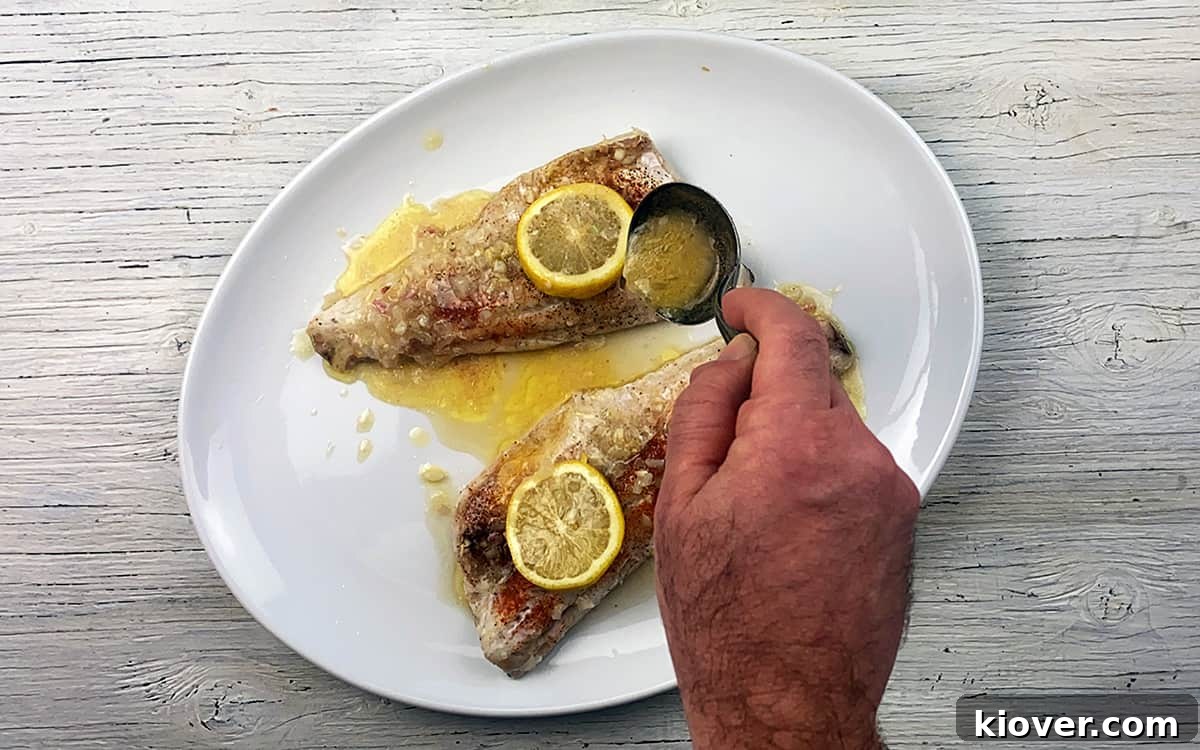
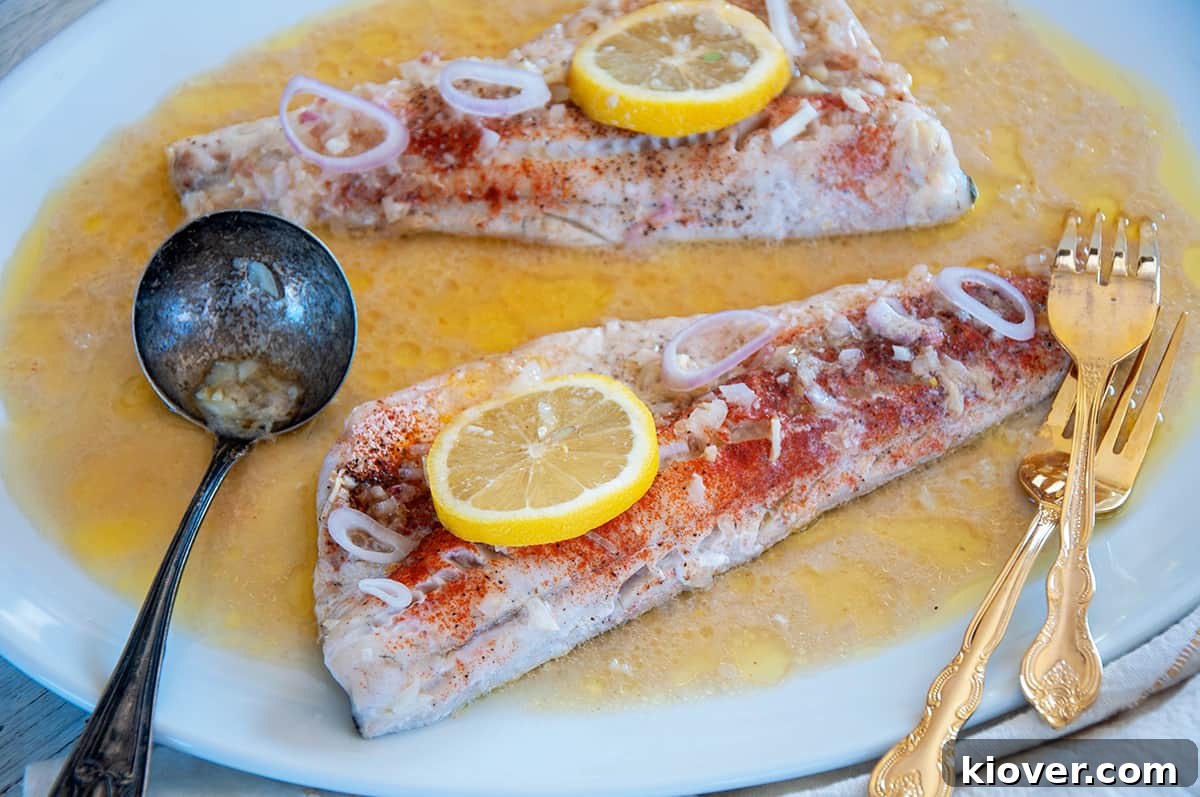
- Serve immediately: Once baked, carefully remove the dish from the oven. Plate the walleye fillets, and then spoon the savory white wine butter sauce generously over each serving. The sauce is truly the crowning glory of this dish!
This baked walleye pairs beautifully with a simple side of fluffy rice or tender boiled potatoes, which are excellent for soaking up every last drop of the delectable sauce. For a complete and balanced meal, consider adding a vibrant green vegetable like steamed green beans, roasted asparagus, or sautéed zucchini.
🤷 Substitutions and Flavor Variations
While this recipe for baked walleye with white wine butter sauce is undeniably delicious as written, it’s also incredibly adaptable. Don’t hesitate to experiment with substitutions or add your own creative twists to suit your preferences or what you have available. Here are a few ideas to get you started:
- Fish Alternatives: This recipe is designed for walleye, but its method works wonderfully with many other flaky white fish. Excellent substitutes include cod, haddock, tilapia, snapper, or even flounder. Each will offer a slightly different texture and subtle flavor, but all will benefit from the white wine butter sauce.
- Shallots for Onions: Shallots offer a delicate, milder onion flavor with a hint of garlic. If you don’t have shallots, a small amount of finely minced yellow or white onion can be used in a pinch. Start with half the amount of onion, as its flavor is more potent.
- Butter Adjustments: Butter is key for richness and moisture. The general guideline is to use 1 tablespoon of butter for every 4 ounces of fish. If you increase or decrease the amount of walleye, adjust the butter accordingly to maintain the perfect balance in the sauce.
- White Wine Alternatives: If you prefer to avoid alcohol or don’t have white wine, chicken broth or vegetable broth are fantastic substitutes. To replicate the acidity that wine provides, consider adding an extra squeeze of fresh lemon juice to the broth-based sauce. You could also use a tablespoon of white wine vinegar or apple cider vinegar mixed into the broth.
- Herb Infusion: Elevate the flavor profile with fresh herbs. Finely chopped fresh dill, parsley, or chives sprinkled over the fish before baking adds a bright, herbaceous note that complements seafood beautifully. You can also mix them into the sauce after baking for a fresh burst of flavor.
- Citrus Zest and Slices: For an even brighter, more aromatic dish, add a pinch of lemon zest along with the other seasonings. You can also place thin lemon slices directly on top of the walleye fillets before baking; as they bake, they release their oils and infuse the fish with a wonderful citrusy essence.
- Spicy Kick: If you enjoy a little heat, a tiny pinch of red pepper flakes or a dash of cayenne pepper can be added with the paprika for a subtle spicy kick.
- Vegetable Medley: Turn this into a one-pan meal by adding quick-cooking vegetables to the baking dish alongside the fish. Thinly sliced zucchini, cherry tomatoes, or asparagus spears tossed with a little olive oil can bake simultaneously with the walleye, absorbing all the delicious sauce flavors.
📦 Storage Tips for Baked Walleye
While fresh, hot-from-the-oven baked walleye is truly at its best, it’s understandable that you might have leftovers or wish to plan ahead. However, it’s important to note that delicate fish like walleye typically do not store or reheat as well as some other proteins. The texture can change, becoming drier, and the flavor can become more “fishy” over time. Therefore, this recipe is best enjoyed immediately after preparation.
If you do have leftovers, here are some guidelines:
- Refrigeration: Place any leftover baked walleye and its sauce in an airtight container within two hours of cooking. Store it in the refrigerator for no more than 1-2 days. While it can be consumed within this timeframe, the quality will diminish.
- Reheating: To reheat, gently warm the walleye in the microwave on a low setting or in an oven preheated to 275-300° Fahrenheit (135-150° Celsius) until just heated through. Avoid high heat, as this will dry out the fish. Adding a splash of extra broth or water to the sauce can help maintain moisture. The goal is to warm it gently without further cooking it.
- Freezing: I do not recommend freezing this cooked walleye recipe. The delicate texture of the fish, combined with the butter and wine sauce, tends to break down significantly upon thawing and reheating, resulting in a less desirable consistency and flavor. It’s always best to enjoy this dish fresh.
For the best culinary experience, aim to prepare and consume this baked walleye fresh. If you anticipate having leftovers, consider baking only the amount of fish you expect to eat in one sitting.
❓ Frequently Asked Questions (FAQ)
Walleye (Sander vitreus) is a highly prized freshwater fish native to North America. It is particularly popular in the Northern United States and Canada. It is renowned for its delicate, white, flaky flesh and its distinctively mild, sweet flavor, making it a favorite for a wide range of culinary preparations, especially baking and pan-frying.
The baking time for walleye largely depends on the thickness of the fillets. A general rule of thumb is to bake for about 10-15 minutes per half-inch of thickness, at an oven temperature of 400° Fahrenheit (200° Celsius). The most accurate way to determine doneness is to use a meat thermometer; insert it into the thickest part of the fillet, ensuring it reaches an internal temperature of 145° Fahrenheit (63° Celsius). The fish should also become opaque throughout and flake easily when tested with a fork. For the 16 ounces of walleye fillets used in this recipe, typically 20 minutes is sufficient.
Absolutely! Walleye is an excellent choice for a healthy diet. It’s a lean source of high-quality protein and is low in calories and saturated fat. It also contains beneficial omega-3 fatty acids, which are known to support heart health and reduce inflammation. Its mild flavor makes it a family-friendly fish, perfect for incorporating more seafood into your meals.
Yes, you can certainly use frozen walleye fillets. For best results, it is crucial to thaw them completely before cooking. Transfer the frozen fillets to the refrigerator the night before you plan to cook them. Once thawed, gently pat them dry with paper towels to remove any excess moisture. This helps the seasonings adhere better and prevents the fish from steaming instead of baking properly.
A 9×13-inch glass baking dish is ideal for this recipe as it allows for even cooking and showcases the beautiful colors of the dish. Ceramic baking dishes or oven-safe metal pans also work well. The key is to use a dish that is large enough to comfortably hold the walleye fillets in a single layer without overcrowding, which can lead to uneven cooking.
📝 Expert Tips and Tricks for Perfect Walleye
Achieving perfectly baked walleye with a flavorful sauce is simple when you follow a few key tips and tricks. These insights will help ensure your dish is consistently moist, flaky, and full of delicious flavor every time you make it:
- Accurate Temperature is Key: While our instructions suggest baking for 20 minutes, oven temperatures can vary, and fillet thicknesses differ. Always use a reliable meat thermometer to ensure the thickest part of the walleye reaches an internal temperature of 145° Fahrenheit (63° Celsius). This guarantees safety and optimal doneness without overcooking.
- Adjust Butter for Fish Quantity: Butter is essential for the richness and moisture of the sauce. A good rule of thumb is to use 1 tablespoon of butter for every 4 ounces of fish. If you adjust the amount of walleye, remember to scale the butter accordingly to maintain the perfect balance.
- Even Distribution of Aromatics: When adding the minced garlic and shallots, ensure they are spread evenly across the entire baking dish. You want some of these flavorful bits to be directly on the fish, infusing it with flavor, and others to be in the surrounding sauce, enriching its base.
- Choose Your Wine Wisely, Not Expensively: You don’t need to splurge on an expensive bottle of wine for cooking. An inexpensive yet drinkable dry white wine, such as a nice Chardonnay, Pinot Grigio, or Sauvignon Blanc, works perfectly for this recipe, contributing a bright acidity without breaking the bank.
- Pat Your Fish Dry: Before seasoning, gently pat the walleye fillets thoroughly dry with paper towels. Removing excess moisture helps the seasonings adhere better and promotes a better texture, preventing the fish from steaming and ensuring a beautiful flaky result.
- Don’t Overcrowd the Pan: Arrange the walleye fillets in a single layer in the baking dish, ensuring they are not touching or overlapping too much. Overcrowding can lead to uneven cooking and prevent the fish from baking properly.
- Garnish for Freshness: A squeeze of fresh lemon juice or a sprinkle of fresh chopped parsley or dill just before serving can elevate the flavors and add a vibrant touch to the presentation.
- Perfect Pairing Suggestions: For a complete and satisfying dinner, consider serving your baked walleye with classic sides like tender boiled potatoes or fluffy rice, which are excellent for soaking up the delicious sauce. Steamed or roasted vegetables such as green beans, asparagus, or broccoli also make a wonderful healthy accompaniment. If you’re looking for something a bit more indulgent, our Creamy Lemon Butter pasta could be a fantastic pairing.
🛠 Products to Enhance Your Cooking
To make your cooking experience even smoother and ensure the best results for this baked walleye, consider using some of these helpful kitchen tools. While not strictly necessary, they can certainly make preparation and cooking a breeze:
- A reliable skillet saucepan for cooking the sauce (if preparing a separate sauce, though this recipe bakes it all in one dish)
- A pot for cooking noodles or potatoes if serving pasta or mashed potatoes as a side
- A sturdy strainer for draining pasta or blanched vegetables
- A zester for adding fresh lemon zest to brighten the flavors
😋 Share Your Baked Walleye Creation!
We absolutely love seeing your culinary creations! If you’ve given this Baked Walleye with White Wine Sauce recipe a try, we’d be thrilled to hear about your experience. Your feedback is invaluable, helping us to improve and guiding other home cooks in their recipe choices. Please take a moment to leave a rating and share your thoughts in the comment section below.
Your reviews not only help us understand what you enjoy but also assist others in deciding if this recipe is the perfect fit for their next meal. Thank you so much for visiting Ramshackle Pantry and for giving our recipe a chance. We appreciate your support and participation!
Print

Baked Walleye with White Wine Sauce
5 Stars 4 Stars 3 Stars 2 Stars 1 Star
4.8 from 6 reviews
Author: Ben
Prep Time: 10 minutes
Cook Time: 20 minutes
Total Time: 30 minutes
Yield: 4 servings
Category: Seafood
Method: Bake
Cuisine: American
Diet: Low Calorie
Description
A flakey fish dinner, this Baked Walleye with White Wine Sauce is packed with flavor. The buttery wine sauce covers colorful, spiced fish fillets and provides a comforting and calorie-conscious dinner.
Ingredients
Units
USM
Scale
1x2x3x
- 16 ounces Walleye fillet
- 4 Tablespoons butter, cut into small cubes
- 2 garlic cloves, minced
- 2 Tablespoons shallots, minced
- 1/2 cup White Wine, such as chardonnay
- 1 teaspoon Paprika
- Salt, to taste
- Fresh cracked pepper, to taste
- Lemon, to garnish (optional)
Instructions
- Preheat oven to 400° degrees F (200° C).
- Place fish in an appropriate baking dish (e.g., a 9×13 glass baking dish), ensuring fillets are in a single layer.
- Pour white wine (or broth) around the fish in the dish.
- Sprinkle salt, pepper, and paprika evenly over the fish fillets.
- Spread garlic and shallots evenly over the entire dish, ensuring some bits rest on the fish and in the sauce.
- Scatter chunks of butter evenly over the fish and into the liquid.
- Bake for 20 minutes or until the thickest part of the fish reaches an internal temperature of 145° Fahrenheit (63° Celsius) and flakes easily with a fork.
- Plate the walleye and spoon the savory sauce generously over the fish before serving.
Notes
- Our instructions call to bake for 20 minutes but always use a meat thermometer to make sure the walleye hits an internal temperature of 145° Fahrenheit (63° Celsius) for optimal safety and doneness.
- If you increase the amount of fish, use 1 Tablespoon of butter for every 4 ounces of fish to ensure the sauce remains balanced and the fish stays moist.
- Spread the garlic and shallots evenly over the entire dish. This ensures that some of these flavorful bits infuse the fish directly, while others enrich the delicious white wine butter sauce.
- There’s no need to spend a lot on wine for this recipe. A nice, inexpensive, dry Chardonnay, Pinot Grigio, or Sauvignon Blanc works wonderfully for the sauce.
- Consider serving this elegant fish dinner with simple sides like boiled potatoes and steamed green vegetables for a wholesome and satisfying meal.