
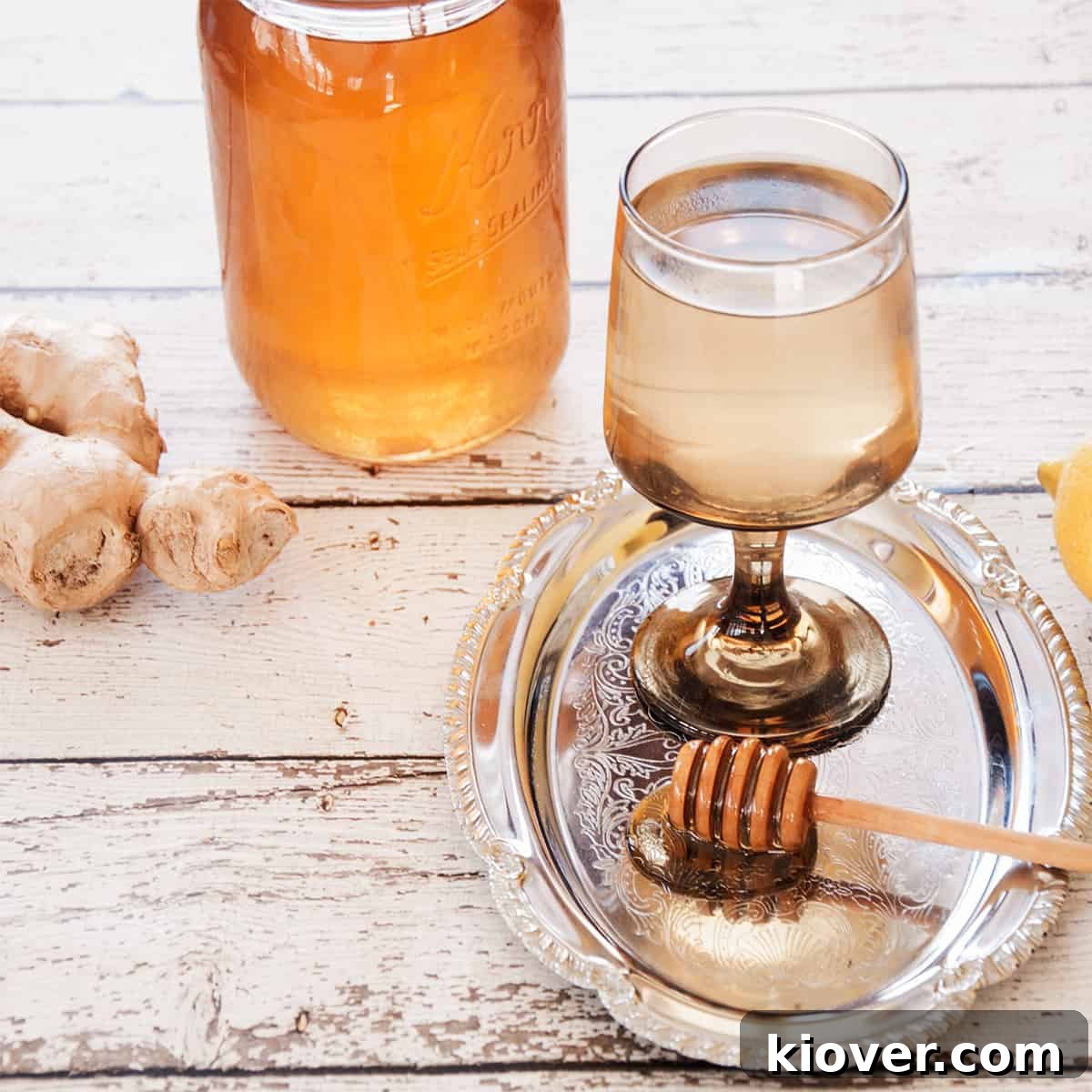
In a world bustling with constant demands, finding moments of tranquility and self-care is paramount. This Easy Homemade Honey Ginger Tea offers just that – a simple, warm elixir crafted to soothe your senses, calm your mind, and invigorate your body with a perfect touch of natural spice. Harnessing the potent goodness of fresh ginger root and the sweet embrace of pure honey, this comforting beverage is more than just a drink; it’s a wellness ritual. Prepare to embark on a delightful journey that nourishes from within, making it an essential addition to your daily routine, especially when seeking relaxation or a natural boost.
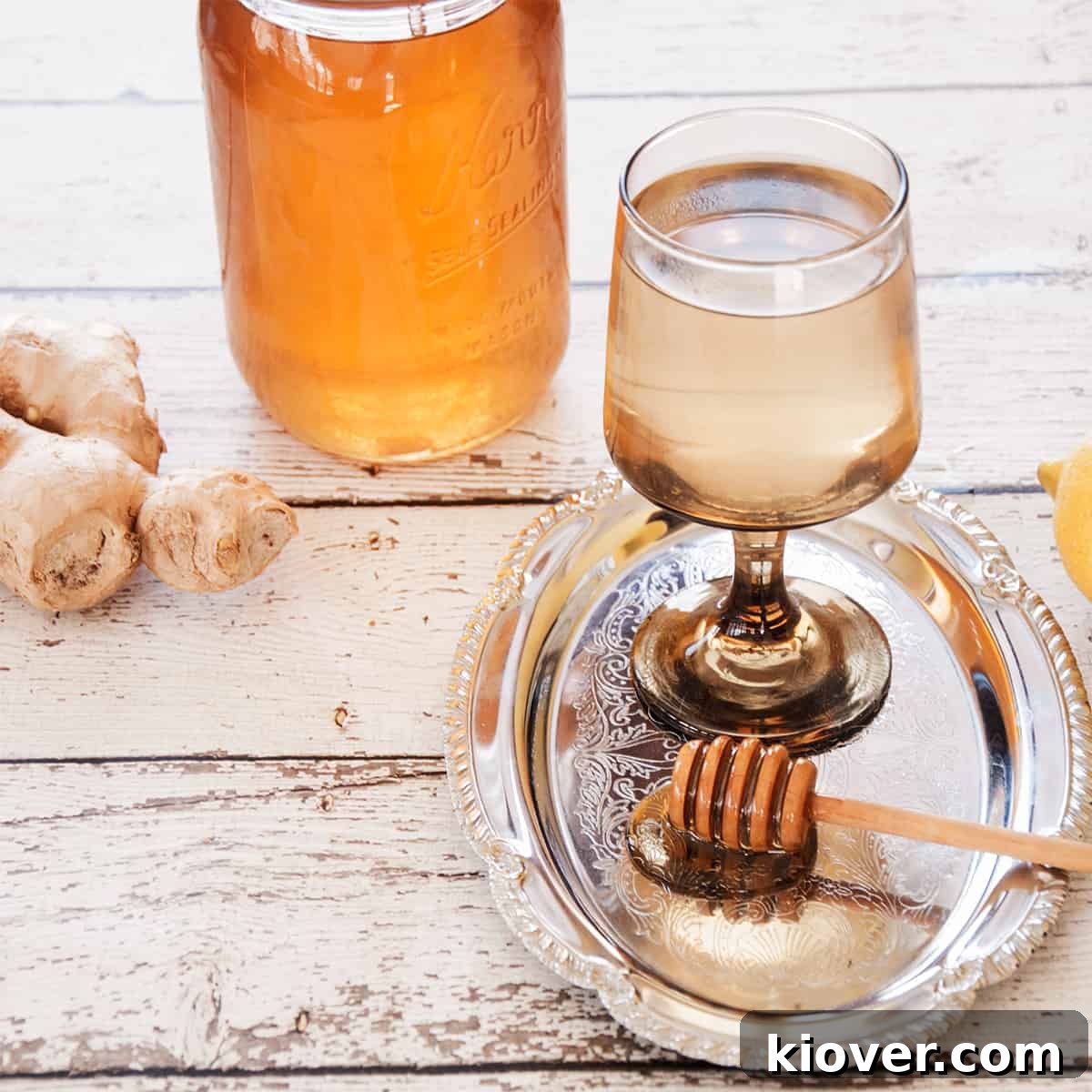
🍵 Why This Homemade Honey Ginger Tea is a Must-Try
In our fast-paced lives, prioritizing personal well-being is crucial, and often, it’s the simplest remedies that offer the most profound impact. This homemade ginger tea recipe stands out as a genuine ally in promoting a healthier, more balanced lifestyle. As a dedicated recipe developer, I’m always exploring new culinary creations, but there’s a unique joy in sharing those staple recipes that I rely on daily, and this ginger tea is undoubtedly one of them.
What truly makes this recipe special is its multifaceted benefits, elegantly encapsulated in a warm, inviting mug. First and foremost, it serves as an excellent natural aid for relaxation, which can significantly contribute to better sleep quality. In an age where restorative sleep often feels like a luxury, a simple, warm drink like this can be a game-changer for winding down after a long day.
Beyond its calming effects, this tea is lauded for the inherent goodness of its core ingredients. Ginger and honey, both celebrated for centuries in traditional medicine, bring a wealth of potential health advantages. This isn’t just a delightful beverage; it’s a functional drink designed to support your body’s natural processes. Moreover, its simplicity is a major draw – no specialized tea bags or complicated brewing methods required. You can effortlessly prepare this wholesome concoction right in your own kitchen, enjoying the pure, unadulterated flavor and benefits of fresh ingredients.
It’s an incredibly easy recipe that seamlessly integrates into my evening routine, helping me transition from the day’s hustle to a peaceful night’s rest. If you’re exploring other comforting beverages, whether with an adult twist or for pure wellness, consider delving into recipes like a classic Hot Toddy or an indulgent White Russian Coffee drink. For those seeking warm, nourishing food, perhaps a delightful Garlic Soup or a hearty Buffalo Style Veggie Chicken Sandwich might pique your interest. Whatever you choose to create, always remember the importance of treating yourself to moments of culinary comfort and wellness!
Table of Contents
- 🍵 Why This Homemade Honey Ginger Tea is a Must-Try
- 🍯 Powerhouse Ingredients for Your Soothing Brew
- 🍲 Crafting Your Perfect Cup: Step-by-Step Instructions
- 🤷 Elevate Your Tea: Substitutions and Variations
- 📦 Storage & Ensuring Freshness
- 🎓 A Journey Through Time: The Rich History of Ginger Root
- ❓ Frequently Asked Questions (FAQ) About Honey Ginger Tea
- 📝 Expert Tips for the Best Honey Ginger Tea
- 🛠 Recommended Tools & Ingredients
- 😋 Share Your Experience!
- Easy Homemade Ginger Tea With Honey Recipe Card
🍯 Powerhouse Ingredients for Your Soothing Brew
At its core, this remarkable tea thrives on the simplicity and potency of just three primary ingredients. Each plays a vital role in creating a beverage that is both delicious and beneficial:
- Fresh Ginger Root: The star of our tea, offering its signature spicy warmth and a wealth of health benefits.
- Pure Water: The essential base that extracts and carries the flavors and nutrients.
- Natural Honey: A touch of sweetness that complements the ginger and adds its own soothing properties.
While the recipe card provides precise quantities, feel free to customize. For instance, a squeeze of fresh lemon juice can add a bright, tangy note and an extra dose of Vitamin C, though I’ve kept it optional here for purity of flavor.
Ginger: The Zesty Healer
Fresh ginger root, scientifically known as Zingiber officinale, has been revered for thousands of years in various culinary traditions and ancient medicinal practices, particularly in Asian cultures. Its distinct pungent and spicy flavor comes from compounds like gingerol, which is also responsible for many of its therapeutic properties.
Studies have shown that ginger possesses potent anti-inflammatory and antioxidant effects. It is widely recognized for its ability to effectively treat nausea, making it a popular remedy for motion sickness, morning sickness, and even chemotherapy-induced nausea. Furthermore, ginger is a fantastic aid in digestive health, helping to stimulate digestion, relieve bloating, and soothe upset stomachs.
For someone like me, who enjoys exploring and tasting many fabulous foods as a recipe developer, maintaining physical activity is paramount. Getting to the gym is essential, but sometimes, vigorous workouts can lead to muscle soreness. This is where ginger truly shines! Research suggests that ginger may help reduce muscle pain and soreness after exercise, particularly delayed onset muscle soreness (DOMS). Incorporating a warm cup of ginger tea before bed not only assists with muscle recovery but also helps in digesting the delicious meals I’ve prepared throughout the day, ensuring my body feels its best.
Honey: Nature’s Sweet Elixir
Honey, a golden liquid produced by bees, is much more than just a sweetener. It’s a natural wonder with a fascinating history and a plethora of health benefits. From ancient Egypt to modern kitchens, honey has been cherished for its unique flavor and medicinal properties.
While the exact mechanisms are still being explored, there’s growing interest and anecdotal evidence suggesting honey can aid in sleep quality. Some theories propose that honey provides a slight insulin spike, which allows tryptophan (a compound that helps us feel sleepy) to enter the brain more easily. Additionally, honey contains natural sugars that can replenish liver glycogen stores, which the brain needs during sleep. A spoonful of honey before bed can prevent the brain from triggering adrenaline and cortisol surges that occur when glycogen stores run low, thus promoting uninterrupted sleep.
Personally, I find that a small amount of honey provides an initial, gentle energy lift, followed by a pleasant, natural relaxation that prepares my body for sleep. It’s a subtle yet effective process.
I have the distinct pleasure of using honey harvested directly from my own beehives – a truly added bonus. It’s incredibly rewarding to find delightful ways to incorporate this wonderful gift that my industrious little ladies so generously share. This personal connection makes each sip of honey ginger tea even more special.
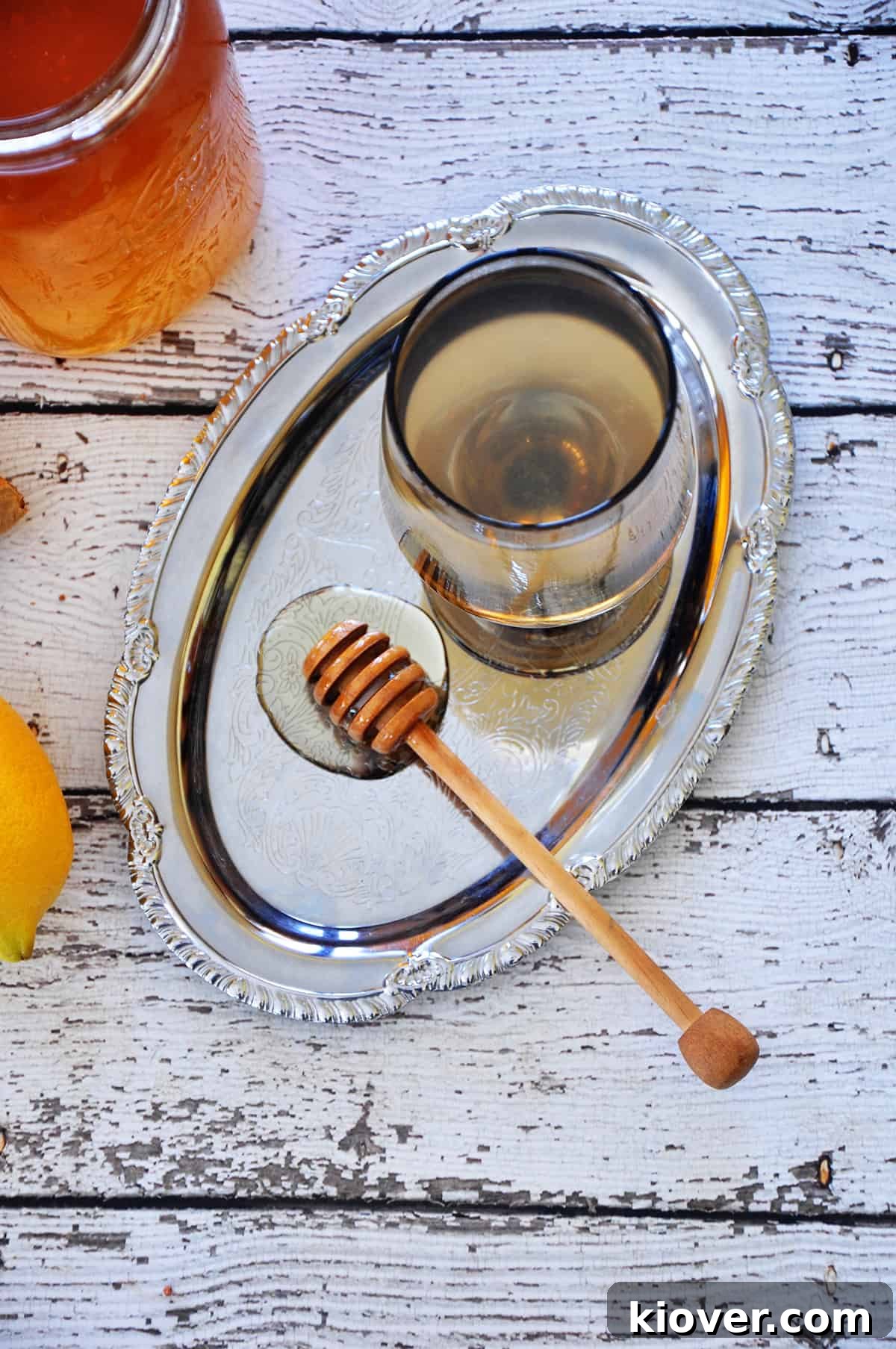
And speaking of honey, have you ever wondered about the proper name for those charming wooden tools used to drizzle honey? They are, quite simply, called Honey Dippers, readily available on Amazon (affiliate link for your convenience).
Water: The Foundation of Wellness
Often overlooked, the quality of water significantly impacts the overall taste and efficacy of your ginger tea. Using filtered or spring water ensures that no unwanted flavors or impurities detract from the pure essence of ginger and honey. It provides a clean canvas for these powerful ingredients to shine, resulting in a tea that is not only healthier but also more enjoyable.
🍲 Crafting Your Perfect Cup: Step-by-Step Instructions
Making delicious and potent honey ginger tea is an incredibly simple process, requiring minimal effort for maximum reward. The beauty lies in its straightforward nature, allowing you to create a fresh batch whenever you desire. Here’s how to master this soothing beverage:
The core process involves simmering fresh ginger in water to extract its beneficial compounds and vibrant flavor. Once brewed, this ginger infusion can be cooled and stored, ready to be enjoyed at a moment’s notice. The key is to add the honey just before serving to preserve its delicate properties and ensure optimal taste.
I intentionally avoid boiling the honey with the ginger infusion for a couple of crucial reasons. Firstly, subjecting honey to high temperatures can degrade some of its delicate enzymes and beneficial compounds, potentially diminishing its natural health benefits. Raw, unheated honey retains its full spectrum of nutrients. Secondly, and equally important for storage, honey, when diluted with water, becomes susceptible to fermentation. While pure honey boasts an incredibly long shelf life (it can literally last indefinitely without spoiling), introducing too much water creates an environment where yeast can thrive, leading to fermentation.
Even when stored in the refrigerator, which slows down the fermentation process significantly, I still prefer the practice of adding honey right at the point of serving. This ensures that the honey maintains its pristine quality, maximizes its health benefits, and guarantees the freshest taste in every warm cup.
🤷 Elevate Your Tea: Substitutions and Variations
One of the joys of homemade beverages is the freedom to customize them to your personal preference and dietary needs. This honey ginger tea recipe is wonderfully adaptable:
- Sweeteners Beyond Honey: If honey isn’t to your liking for any reason, or if you’re exploring other options, feel free to omit it entirely – the ginger infusion is delightful on its own. Alternatively, you can use other natural sweeteners such as agave nectar, maple syrup, or stevia. Each will impart a slightly different flavor profile while still offering a touch of sweetness.
- A Zesty Twist with Lemon: While I typically enjoy the pure taste of ginger and honey, a squeeze of fresh lemon juice can elevate this tea beautifully. Lemon not only adds a bright, tangy counterpoint to the ginger’s spice but also provides a beneficial boost of Vitamin C. Add it after the tea has cooled slightly to preserve its nutrient content.
- Serving Temperature – Hot or Cold: This versatile drink is equally enjoyable served hot, perfect for a chilly evening or a soothing morning, or chilled over ice for a refreshing cold beverage on a warm day. For iced tea, simply prepare a stronger ginger concentrate, allow it to cool completely, and then dilute with cold water and add ice.
- Additional Spices & Herbs: Don’t hesitate to experiment! A cinnamon stick added during the boiling process can infuse a warm, sweet aroma. A pinch of turmeric can enhance its anti-inflammatory properties, or a few mint leaves can add a refreshing note.
📦 Storage & Ensuring Freshness
Proper storage is key to enjoying your homemade ginger tea for several days without compromising its flavor or quality. I typically prepare a larger batch and store it efficiently:
I find that a mason jar is an ideal vessel for storing the tea in the refrigerator. Its airtight seal helps to maintain freshness and prevent any absorption of refrigerator odors. I aim to make a fresh batch every 3-4 days to ensure the best possible flavor and potency. While refrigerated, your ginger tea should generally remain good for up to a week. Beyond that, the flavors might start to diminish, and there’s a slight increase in the potential for spoilage, especially if any honey was added prematurely.
Always ensure your jar is thoroughly clean before pouring in the tea. When reheating, only take out the amount you intend to consume, leaving the rest safely chilled. This simple storage method allows you to have a warm, soothing cup of ginger tea ready whenever the mood strikes, without the need for daily preparation.
🎓 A Journey Through Time: The Rich History of Ginger Root
Ginger root (Zingiber officinale) boasts an incredibly long and storied history, deeply woven into the fabric of human culture, medicine, and cuisine for millennia. Native to the lush tropical regions of Asia, specifically in areas like India and China, ginger quickly became a prized commodity, renowned for its pungent flavor, aromatic qualities, and remarkable health-promoting properties.
One of the earliest documented uses of ginger in beverages, particularly tea, dates back to ancient China. Here, ginger tea was not merely a delightful drink but a revered natural remedy. It was consumed extensively for its purported health benefits, especially its efficacy in addressing a myriad of digestive issues. In the intricate system of traditional Chinese medicine, ginger is highly valued for its warming “yang” properties, believed to improve circulation, dispel cold, and bolster the immune system, making it a go-to remedy for common colds and flu symptoms.
The popularity of ginger tea wasn’t confined to China; it spread across the globe along ancient trade routes, becoming equally cherished in other parts of the world. In India, ginger is a cornerstone of Ayurvedic medicine, where it’s used to balance the body’s doshas and treat ailments ranging from inflammation to respiratory conditions. Across Southeast Asia, Africa, and the Middle East, ginger found its way into countless medicinal concoctions and culinary delights.
For centuries, ginger tea has been a trusted natural remedy for cold and flu symptoms due to its believed antioxidant and anti-inflammatory properties. It is thought to help clear nasal passages, soothe sore throats, and provide general relief from congestion. While these traditional uses are widely accepted and practiced, it’s important to remember that I am not a medical professional, and this information should not be taken as medical advice.
In recent years, ginger tea has experienced a significant resurgence in popularity within the Western world. It’s now widely enjoyed not only for its spicy, aromatic, and invigorating flavor but also for its well-recognized potential health benefits. Modern research continues to explore and validate many of the traditional claims associated with ginger, further cementing its status as a wellness powerhouse. Whether enjoyed as a comforting hot beverage on a chilly day, or served refreshingly chilled and mixed with other ingredients for a diverse range of flavored teas, ginger tea continues to charm and benefit people across all cultures.
❓ Frequently Asked Questions (FAQ) About Honey Ginger Tea
Honey ginger tea is rich in potential health benefits. Key advantages may include powerful anti-inflammatory properties, relief from nausea, improved digestion, reduction in muscle soreness after physical activity, and a boost to the immune system. It’s also widely praised for its soothing qualities, which can aid in relaxation and promote better sleep.
Generally, yes, honey ginger tea is considered a very healthy drink. Both fresh ginger and natural honey are packed with beneficial compounds. Ginger offers antioxidants and anti-inflammatory agents, while honey provides natural sugars, enzymes, and a host of micronutrients. Combining them in a warm tea is a delicious, convenient, and effective way to incorporate these healthful ingredients into your diet, supporting overall wellness.
Ginger tea can be given to children in moderation, especially for upset stomachs or colds. However, it’s best to consult with a pediatrician, especially for very young children or those with underlying health conditions. Always use a milder strength and ensure the tea is not too hot. Honey should generally not be given to infants under one year old due to the risk of infant botulism.
Ginger is often recommended for treating morning sickness during pregnancy. However, it’s crucial to consult with your doctor or healthcare provider before consuming ginger tea or any herbal remedies during pregnancy, as individual circumstances and recommended dosages can vary.
Honey ginger tea can be enjoyed at any time of day. Many prefer it in the morning to kickstart their digestion, or in the evening as a soothing bedtime ritual. Its ability to aid digestion makes it a good post-meal drink, and its calming properties make it ideal before sleep. For muscle soreness, consuming it after a workout or before bed can be beneficial.
📝 Expert Tips for the Best Honey Ginger Tea
Achieving the perfect cup of honey ginger tea is easy with a few simple techniques:
- Optimal Storage: As mentioned, a mason jar is an excellent choice for keeping your brewed ginger concentrate fresh in the refrigerator. Its tight seal will protect the flavor for days.
- To Peel or Not to Peel: Many wonder if they should peel ginger. My advice is simple: don’t bother! The skin of fresh ginger is perfectly fine to consume and actually contains a good amount of nutrients. A quick wash is all it needs before chopping. This saves time and minimizes waste.
- Slice or Grate: For a milder flavor, slicing the ginger thinly works well. If you prefer a more intense, potent tea, grate the ginger. Grating exposes more surface area, allowing for a stronger extraction of flavor and beneficial compounds during boiling.
- Adjusting Strength: You can easily customize the strength of your tea. For a milder brew, use less ginger or boil for a shorter duration. For a stronger, more pungent tea, increase the amount of ginger or extend the simmering time up to 20-25 minutes.
- Quality Ingredients Matter: Always opt for fresh, firm ginger root. Avoid ginger that appears shriveled or moldy. Similarly, use high-quality, pure honey for the best flavor and maximum health benefits.
- Temperature Control: When serving, ensure the tea is hot enough to be comforting but not so hot that it scorches the honey or makes it uncomfortable to drink. Allowing it to cool slightly before adding honey is ideal.
🛠 Recommended Tools & Ingredients
While this recipe is incredibly simple, having the right tools can make the process even more enjoyable and efficient:
- Mason Jars: Perfect for batch brewing and refrigerated storage.
- Honey Dipper: An elegant and practical tool for drizzling honey without the mess.
- Small to Medium Saucepan: Essential for boiling your ginger.
- Fine-Mesh Strainer: To separate the ginger pieces from the liquid, ensuring a smooth tea.
- Cutting Board & Knife: For preparing your fresh ginger.
- Quality Fresh Ginger: Look for firm, unblemished roots with a spicy aroma.
- Pure, Unpasteurized Honey: For maximum health benefits and rich flavor.
😋 Share Your Experience!
It’s truly wonderful to hear that you’ve given this Easy Homemade Honey Ginger Tea recipe a try! Your culinary adventures and feedback are incredibly valuable. If you enjoyed this soothing beverage, please consider leaving a rating in the comment section below. Your ratings and comments not only let me know how I’m doing but also help other readers decide if this recipe is the right fit for them. Most importantly, thank you for visiting Ramshackle Pantry – your support means the world! Happy brewing!
Print Recipe
Easy Homemade Ginger Tea With Honey
5 Stars
4 Stars
3 Stars
2 Stars
1 Star
5 from 5 reviews
- Author: Ben Myhre
Prep Time: 5 minutes
Cook Time: 15 minutes
Total Time: 20 minutes
Yield: 4 cups
Category: Tea, Beverage
Method: Boil, Infuse
Cuisine: Wellness, Asian-Inspired
Description
This simple homemade honey ginger tea is the perfect natural remedy for relaxation, aiding digestion, soothing muscle soreness, and contributing to a peaceful night’s sleep. A warm and comforting beverage that’s easy to make with fresh ingredients.
Ingredients
- 2 to 4 Ounces Fresh Ginger, washed and roughly chopped (no need to peel)
- 5 cups of filtered or spring water
- 4 Tablespoons pure natural honey (or to taste, added at serving)
- Optional: Squeeze of fresh lemon juice, a cinnamon stick, or a pinch of turmeric for variations.
Instructions
- Prepare Ginger & Water: Place the washed and roughly chopped ginger root into a medium-sized pot. Pour in 5 cups of fresh, filtered water.
- Boil and Simmer: Bring the water and ginger to a rolling boil over medium-high heat. Once boiling, reduce the heat to a simmer and let it continue to gently boil for at least 15 minutes. For a stronger flavor, you can simmer for up to 20-25 minutes.
- Cool & Store Concentrate: Carefully remove the pot from the heat and allow the ginger tea concentrate to cool completely. Once cool, strain out the ginger pieces using a fine-mesh sieve, then pour the liquid into a clean mason jar or an airtight container.
- Serve Warm with Honey: When you’re ready to enjoy your tea, pour a portion of the cooled ginger concentrate into a mug. Heat it gently on the stovetop or in the microwave until it reaches your desired warm temperature. Add 1-2 tablespoons of pure honey (or to taste) and stir until fully dissolved.
- Refrigerate Remaining Tea: Store any unused ginger concentrate in the refrigerator. It will stay fresh and potent for up to one week. Simply reheat and add honey when you’re ready for another soothing cup.
Notes
- A sturdy mason jar is ideal for storing your homemade ginger tea concentrate in the refrigerator, ensuring it stays fresh and ready for your next cup.
- There’s no need to peel the fresh ginger root before boiling. The skin is perfectly edible and contains beneficial compounds, plus it saves you time! Just give it a good wash.
- For an extra boost, consider adding a slice of fresh lemon or a sprinkle of cayenne pepper to your hot tea for an invigorating kick.