
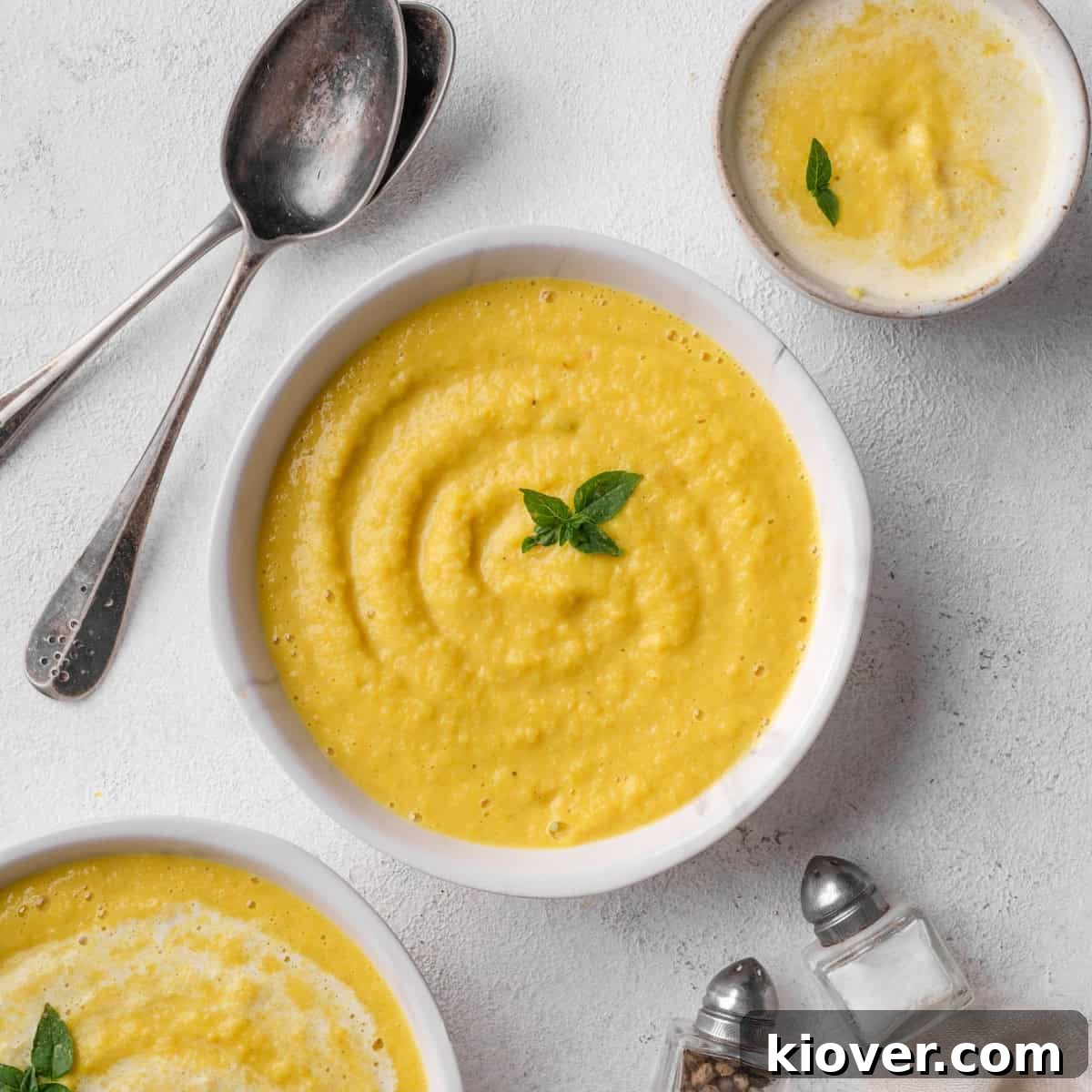
Easy & Healthy Curried Parsnip Soup: A Comforting Vegan Meal
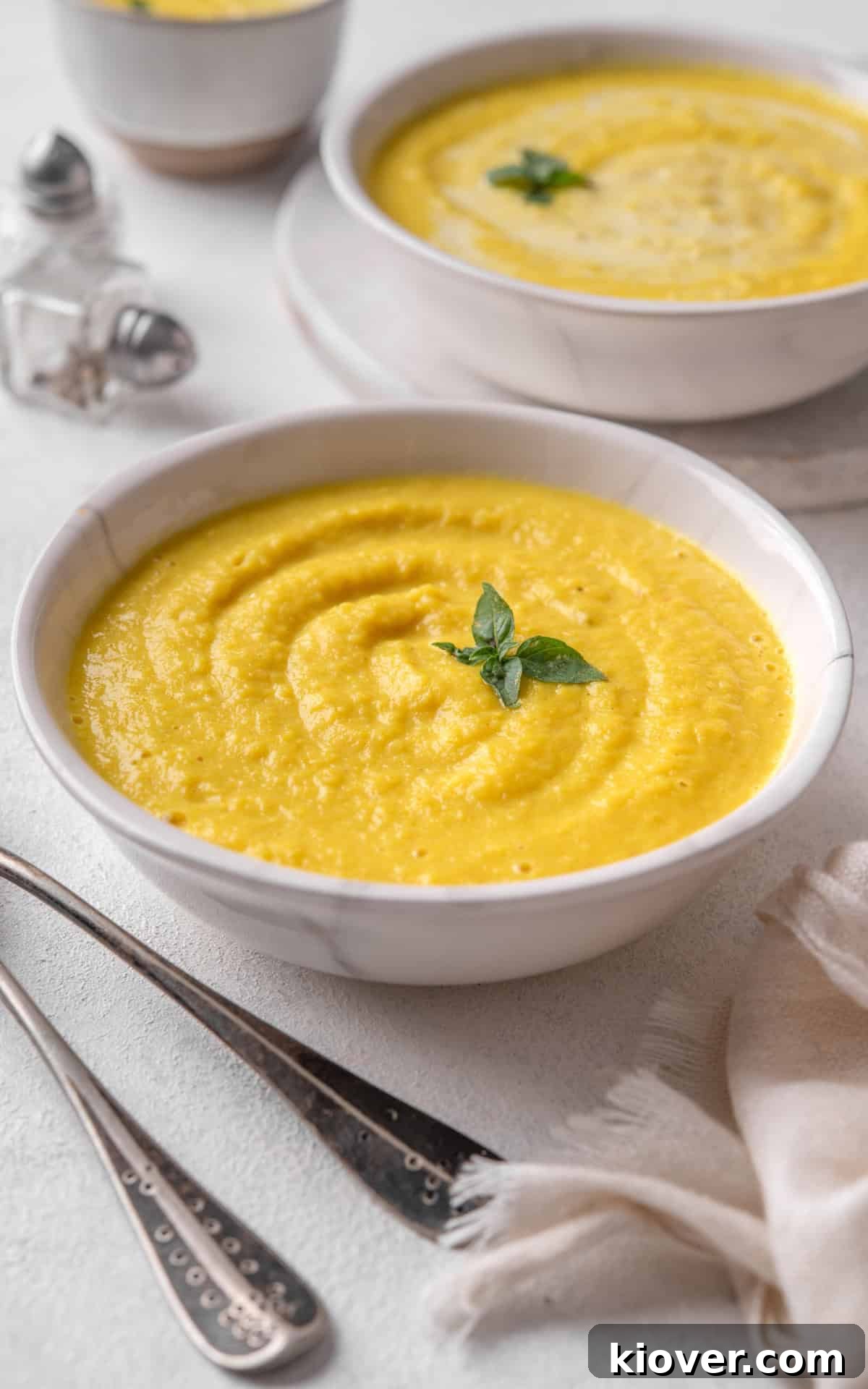
Welcome to your new favorite weeknight meal! This incredibly easy and healthy Curried Parsnip Soup recipe is designed for maximum flavor with minimal effort. Ready in just about 30 minutes, it’s the perfect solution for busy evenings when you crave something warm, nourishing, and utterly delicious. The secret to its surprisingly complex taste lies in roasting the vegetables, which deepens their natural sweetness and earthiness, creating a rich foundation for the aromatic curry spices. Whether you’re a seasoned chef or a kitchen novice, you’ll find this recipe straightforward and deeply satisfying. Get ready to transform humble parsnips into a golden bowl of comfort!
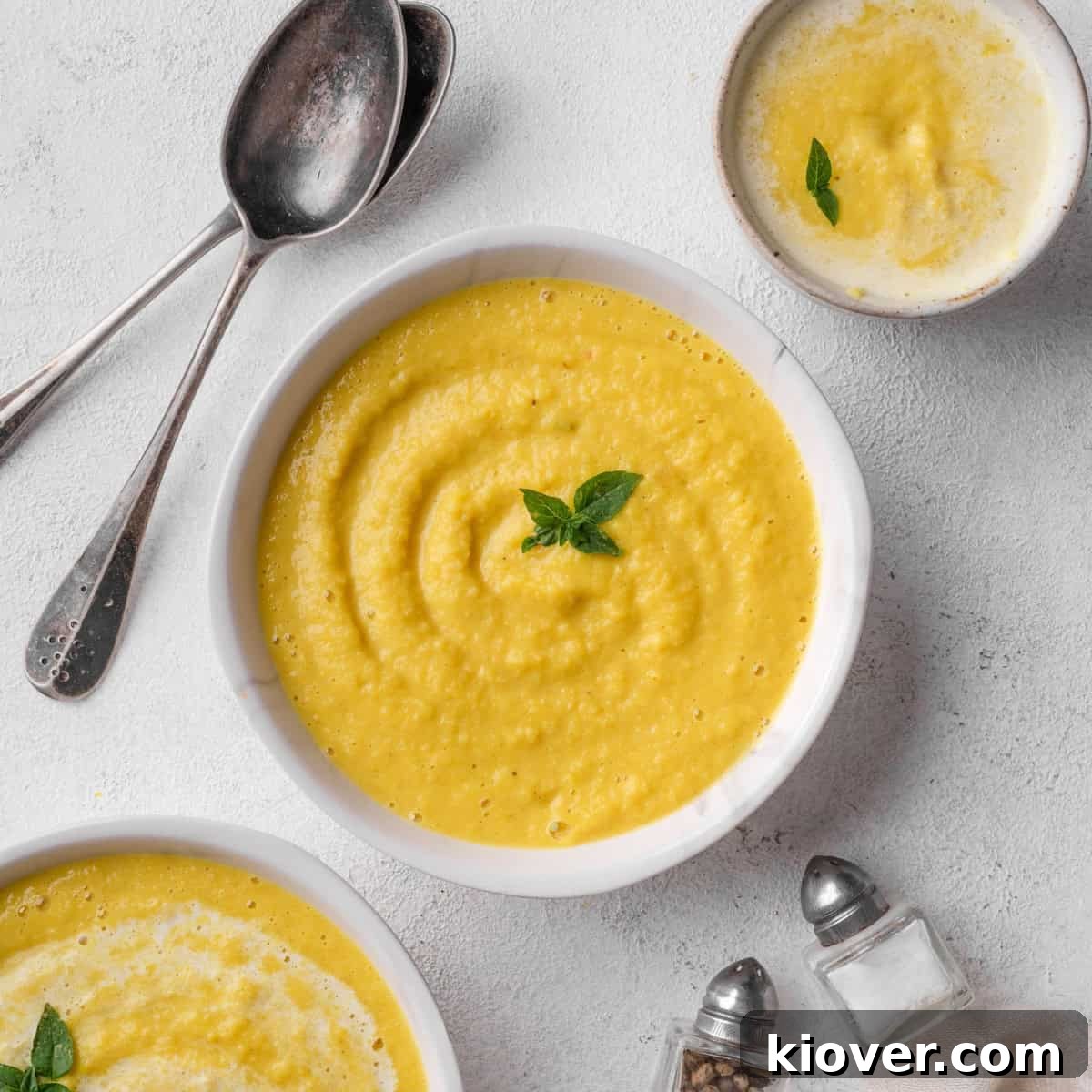
Recipe Difficulty – Very Easy
Table of Contents
- Why This Curried Parsnip Soup Recipe Works
- Health Benefits of Parsnips
- Key Ingredients for Curried Parsnip Soup
- Simple Substitutions for This Recipe
- Exciting Variations to Try
- How to Make Curried Parsnip Soup
- Storing and Reheating Leftovers
- Curried Parsnip Soup FAQs
- More Delicious Vegetable Soup Recipes
- You Might Also Like
- Rate This Recipe & Get More!
- Curried Parsnip Soup Recipe Card
Why This Curried Parsnip Soup Recipe Works
This curried parsnip soup isn’t just a meal; it’s a culinary hug, particularly as the seasons shift and cooler temperatures arrive. Its appeal lies in its remarkable simplicity combined with a depth of flavor that belies its quick preparation time. The roasting process for the vegetables is a game-changer, caramelizing their natural sugars and creating a more profound, richer taste profile than simply boiling them. This step elevates the humble parsnip to star status, blending beautifully with the aromatic curry spices for a comforting and vibrant dish. It’s a fantastic way to enjoy seasonal produce, transforming everyday ingredients into something truly special.
Beyond its delicious taste, this soup shines as a healthy and versatile option. It’s naturally vegan and can easily be made gluten-free, making it suitable for a wide range of dietary needs. The warmth from the curry and the soup itself provides an incredibly satisfying experience, perfect for warding off a chill or simply enjoying a nourishing meal at any time of year. Its straightforward steps mean less time in the kitchen and more time savoring, making it an ideal choice for busy individuals and families looking for wholesome, flavourful food without the fuss.
Health Benefits of Parsnips
Parsnips are often overlooked but are nutritional powerhouses, bringing a wealth of health benefits to your bowl of soup. They are an excellent source of dietary fiber, which is crucial for digestive health, promoting regularity, and helping to maintain stable blood sugar levels. This makes the soup not only filling but also beneficial for your gut.
Furthermore, parsnips are packed with essential vitamins and minerals. They provide a significant amount of Vitamin C, a powerful antioxidant that supports immune function and skin health. You’ll also find a good dose of potassium, which is vital for maintaining healthy blood pressure and fluid balance in the body. Beyond these, parsnips contain folate, Vitamin K, and other trace minerals, all contributing to overall well-being. Incorporating them into your diet through this delicious soup is a smart and tasty way to boost your nutrient intake.
Key Ingredients for Curried Parsnip Soup
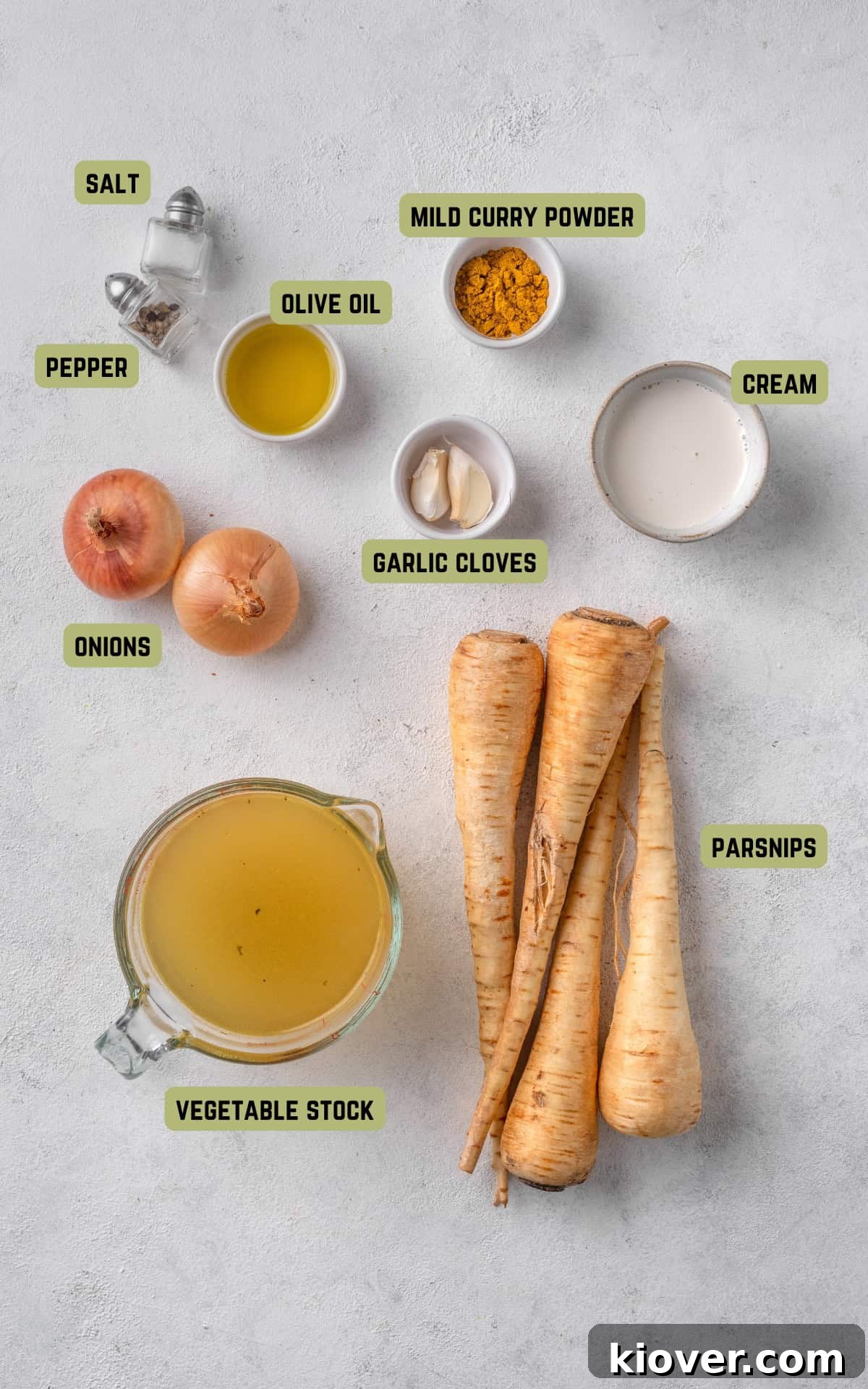
Creating a truly remarkable curried parsnip soup starts with understanding the role each ingredient plays:
- Parsnips: These root vegetables are the star of our soup. With a slightly less sweet profile than carrots and a distinct earthy, nutty flavor, they develop a beautiful caramelization when roasted, which is absolutely crucial for the depth of this soup. Choose firm, blemish-free parsnips for the best results.
- Onions: When roasted alongside the parsnips, onions contribute a foundational layer of umami and a subtle sweetness that balances the earthy notes of the parsnips and the warmth of the curry. They melt into the soup, adding body and flavor.
- Garlic Cloves: Roasting whole garlic cloves in their skins yields a mellow, sweet, and deeply aromatic flavor that is far more nuanced than raw or sautéed garlic. It adds an essential layer of savory complexity without being overpowering.
- Olive Oil: Used for roasting the vegetables, olive oil helps achieve that beautiful golden-brown caramelization, imparting a fruity, peppery note that complements the other ingredients. A good quality extra virgin olive oil can make a difference.
- Salt and Pepper: These basic seasonings are fundamental. They don’t just add taste; they enhance and draw out the natural flavors of the vegetables, making every other ingredient shine. Always season to taste throughout the cooking process.
- Vegetable Stock: This forms the liquid base of our soup. A high-quality vegetable stock is essential for a rich, flavorful result. If you’re not strictly vegan/vegetarian, chicken stock can also be used, but ensure it’s low-sodium to control the overall saltiness.
- Cream: To achieve that luxurious, silky-smooth texture, cream is indispensable. For a dairy-free and vegan option, I highly recommend using a rich plant-based cream like soya cream or full-fat coconut milk, which also adds a wonderful subtle flavor.
- Mild Curry Powder: This spice blend is the heart of the “curried” aspect of the soup. A mild powder provides a beautiful mix of warm, aromatic spices without overwhelming the delicate parsnip flavor. It typically includes turmeric, cumin, coriander, and fenugreek, offering a balanced and comforting profile.
For precise measurements and nutritional information, please refer to the comprehensive recipe card below.
Simple Substitutions for This Recipe
Recipes are meant to be adapted, and this Curried Parsnip Soup is incredibly forgiving. Feel free to experiment with these thoughtful substitutions to match your pantry, preferences, or dietary needs:
- Vegetables: While parsnips are key, you can certainly substitute or add other root vegetables to the roasting pan. Carrots will add sweetness, artichokes a unique tang, celeriac a celery-like earthiness, potatoes for a thicker, heartier soup, or butternut squash for a sweeter, creamier result. Roasting these along with the parsnips will infuse the soup with even more diverse flavors.
- Olive Oil: Any neutral, high-heat cooking oil will work well for roasting. Options include avocado oil, grapeseed oil, or sunflower oil. These oils have a high smoke point, ensuring your vegetables roast beautifully without burning.
- Vegetable Stock: If you’re not strictly vegan or vegetarian, you can absolutely use chicken stock to form the base of your soup. It will add a different layer of savory depth. Ensure whatever stock you choose is good quality to maximize flavor.
- Cream: For a lighter soup, you can use a plant-based milk (like oat milk or almond milk, ensuring it’s unsweetened) or dairy milk if preferred. However, for a truly creamy texture, full-fat coconut milk is an exceptional dairy-free option that harmonizes beautifully with the curry flavors, adding a subtle exotic touch.
- Mild Curry Powder: If you don’t have mild curry powder or prefer to craft your own blend, a combination of individual spices works wonderfully. Turmeric provides color and warmth, ground ginger adds a spicy zest, ground cumin offers earthy depth, and ground coriander contributes a citrusy note. You can adjust the ratios to your liking. Alternatively, if you’re looking for a simpler parsnip soup without the curry, try my classic Parsnip Soup recipe instead.
Exciting Variations to Try
Once you’ve mastered the basic Curried Parsnip Soup, unleash your creativity with these delightful variations:
- Spicy Kick: If you love a bit of heat, elevate the spice level! Use a spicier curry powder, or add a pinch of cayenne pepper, a dash of red pepper flakes, or a finely chopped fresh chili (like a bird’s eye chili) along with the vegetables when roasting. A touch of freshly grated ginger in the soup can also add a lovely, warming heat.
- Deluxe Toppings: Transform your soup into an elegant dish with gourmet toppings. Swirl a dollop of extra cream or a spoonful of coconut yogurt on top just before serving. For a textural contrast, make parsnip crisps by thinly slicing parsnips, tossing them in a tiny bit of oil, and roasting or air-frying until golden and crispy. A sprinkle of fresh cilantro, chopped chives, or a squeeze of fresh lemon juice will brighten the flavors beautifully.
- Kid-Friendly Twist: To make this soup appealing to younger palates, consider toning down the curry spice slightly. Offer fun toppings that kids can add themselves, such as a sprinkle of mild cheddar cheese (if not vegan), crunchy croutons, toasted pumpkin seeds, or even a side of warm crusty bread for dipping. Allowing them to customize their bowl can make mealtime more engaging.
- Aromatic Boost: Introduce fresh herbs like cilantro or parsley at the end. A squeeze of fresh lime juice just before serving can add a zing that truly makes the flavors pop, especially with the curry.
- Protein Power-Up: For a more substantial meal, add a source of protein. Stir in cooked red lentils or chickpeas during the simmering phase for a vegan boost. If you’re not vegetarian, shredded cooked chicken or even some crispy pan-fried tofu cubes can be added directly to the bowls.
How to Make Curried Parsnip Soup
Follow these simple steps to create a wonderfully flavorful and creamy curried parsnip soup. The key is in the roasting!
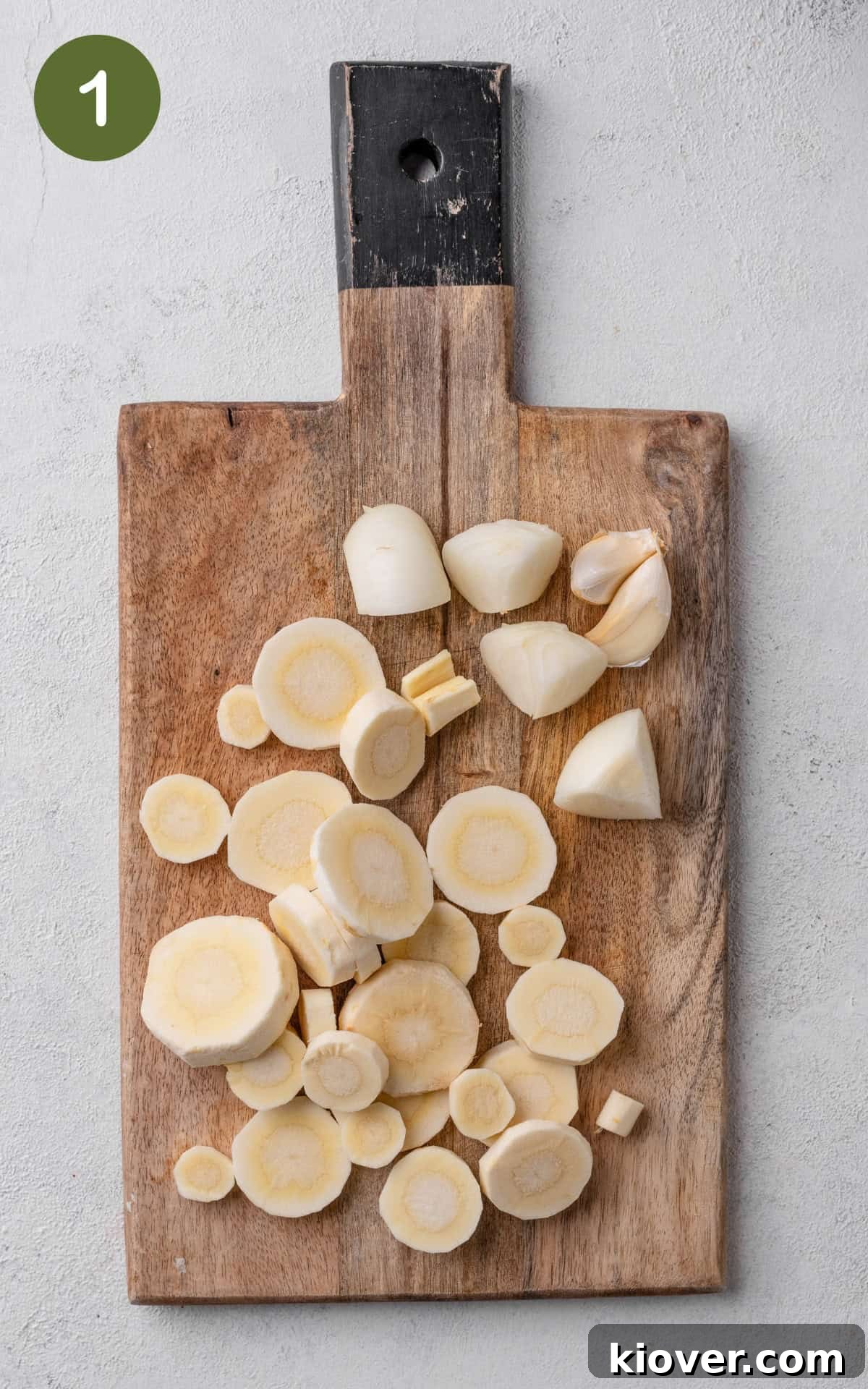
Step 1: Prepare for Roasting. Begin by preheating your oven to a robust 200°C (390°F) to ensure even caramelization. Line a sturdy baking sheet with parchment paper to prevent sticking and make cleanup a breeze. Next, prepare your star vegetables: peel the parsnips (a standard potato peeler works perfectly here) and cut them into uniform ¼-inch thick wedges. This ensures they cook evenly and roast beautifully. Peel the onions and quarter them. Leave the garlic cloves unpeeled; roasting them in their skins allows them to become wonderfully soft and sweet, preventing them from burning.

Step 2: Roast the Vegetables. Carefully arrange your prepared parsnips, onions, and unpeeled garlic cloves on the lined baking sheet. Drizzle generously with olive oil, ensuring all vegetables are lightly coated. Season them thoroughly with salt and freshly ground black pepper to taste. Spread them in a single layer to encourage even roasting. Transfer the baking sheet to the preheated oven and roast for approximately 20 minutes, or until the parsnips are tender and slightly caramelized at the edges. Once roasted, remove the vegetables from the oven and allow them to cool for about 5 minutes; this makes them easier to handle for the next step.

Step 3: Blend Until Smooth. Now it’s time to transform your roasted vegetables into a creamy soup base. Carefully transfer the roasted parsnips and onions to a high-speed food blender. Take the roasted garlic cloves, squeeze them from their skins (they should pop out easily and be incredibly soft), and add the sweet, roasted garlic pulp to the blender. Pour in the vegetable stock. Blend on high speed until the mixture is completely smooth and velvety. Depending on the size of your blender, you may need to do this in batches. Alternatively, an immersion blender can be used directly in a large pot for convenience, though a stand blender often yields a silkier texture.

Step 4: Finish and Simmer. Pour the blended soup into a large, clean saucepot. Add the cream (soya cream or coconut milk work wonderfully for a vegan option) and the mild curry powder. Stir everything together thoroughly until the curry powder is fully incorporated and the soup is uniformly colored. Place the pot over medium heat and gently reheat the soup, bringing it to a light simmer for 2-3 minutes. This allows the flavors to meld beautifully and ensures the soup is piping hot and ready to serve. Taste and adjust seasoning with additional salt and pepper if needed.
Hint: If your blender isn’t large enough to process all the vegetables and stock at once, simply blend them in two separate batches. For an even easier cleanup, an immersion blender (stick blender) can be used directly in the pot after adding the stock, eliminating the need to transfer hot liquids.
Storing and Reheating Leftovers
This Curried Parsnip Soup is fantastic for meal prepping, as it stores and reheats beautifully. Leftover soup can be stored in an airtight container in the fridge for up to three days. When you’re ready to enjoy it again, gently reheat it in a pot on the stovetop over low heat, stirring occasionally, until it’s hot throughout. Alternatively, individual portions can be reheated in the microwave, stirring halfway through to ensure even heating.
To Freeze: For longer storage, this soup freezes exceptionally well. Pour cooled soup into freezer-safe airtight containers or heavy-duty freezer bags, leaving a little headspace for expansion. It can be stored in the freezer for up to three months. To thaw, simply transfer the frozen soup to the fridge overnight. Once thawed, reheat it on the stovetop or in the microwave until thoroughly warm, as described above. If the soup appears too thick after thawing, you can add a splash of vegetable stock or water to reach your desired consistency.
Curried Parsnip Soup FAQs
Bitterness in parsnip soup often comes from using older, larger parsnips, which tend to have a woody, bitter core. To avoid this, always peel your parsnips thoroughly, and for larger ones, make sure to cut out any fibrous or woody center before roasting or cooking. Proper peeling and selecting younger, smaller parsnips can significantly improve the flavor.
If your soup isn’t as thick as you’d like after blending, there are several easy ways to adjust the consistency. You can create a slurry by mixing one tablespoon of flour or cornstarch with two tablespoons of cold water until smooth. Slowly stir this mixture into the simmering soup and cook for a few more minutes until it thickens. Alternatively, you can add a cooked potato or a handful of cooked cannellini beans to the blender with the parsnips for a natural thickening agent, which also boosts creaminess and protein.
Absolutely! This curried parsnip soup is an excellent make-ahead meal. You can prepare the entire recipe up to three days in advance and store it in an airtight container in the refrigerator. The flavors often deepen and meld even further overnight, making it taste even better the next day. Simply reheat gently on the stovetop or in the microwave when ready to serve.
This soup is wonderful on its own, but it also pairs beautifully with a variety of sides. Consider serving it with a crusty loaf of bread or warm naan for dipping. A fresh green salad with a light vinaigrette provides a refreshing contrast, while garlic bread or homemade croutons can add extra crunch and flavor. For a more substantial meal, a simple grilled cheese sandwich or a small side of roasted vegetables would also complement the soup perfectly.
Parsnips are root vegetables and contain carbohydrates. While this soup is healthy, it might not be strictly low-carb, especially compared to leafy green vegetable soups. However, it’s rich in fiber and nutrients. If you’re looking to reduce the carb content, you could consider adding more non-starchy vegetables like cauliflower or zucchini to the blend, or reduce the quantity of parsnips slightly.
More Delicious Vegetable Soup Recipes
If you’ve enjoyed this curried parsnip soup, you’ll love exploring other wholesome and flavorful vegetable-based soups. Here are some of my top recommendations to inspire your next cozy meal:
- Beetroot Soup: A vibrant, earthy, and uniquely flavored soup that’s as beautiful as it is delicious.
- Butternut Squash Soup: Creamy, sweet, and incredibly comforting, a true autumn classic.
- Simple Carrot and Coriander Soup: A refreshing and aromatic blend, perfect for a light lunch.
- Hearty Carrot and Lentil Soup: A protein-packed and satisfying soup, ideal for a chilly day.
- Fresh Spinach Soup: Light, vibrant, and packed with nutrients, a quick and easy green delight.
- Creamy Cauliflower Soup: A surprisingly rich and velvety soup that’s both healthy and indulgent.
- Robust Celeriac Soup: Discover the unique, savory flavor of celeriac in this comforting soup.
- Classic Leek and Potato Soup: A timeless favorite, simple yet incredibly satisfying.
- Earthy Mushroom Soup: Rich and savory, this soup is a treat for mushroom lovers.
- Bright Pea and Ginger Soup: A refreshing and subtly spicy soup that’s quick to prepare.
- Delicate Courgette Soup: A light and fresh soup, perfect for using up summer zucchini.
You Might Also Like
Sides
Roast Parsnips with Mustard & Maple
Healthy Soups
Classic Parsnip Soup
Healthy Soups
Hearty Carrot and Parsnip Soup
Sides
Colourful Roasted Root Vegetables
Rate This Recipe & Get More!
Loved this Curried Parsnip Soup recipe? Your feedback means the world to me! Please take a moment to leave a star rating below and share your experience in the comments. Hearing your positive feedback and seeing your creations is truly the best part of sharing these recipes. Your reviews help others discover and enjoy this delicious soup too!
⭐️⭐️⭐️⭐️⭐️
P.S. Don’t miss out on any new healthy recipes! Get more wholesome recipes sent straight to your inbox every week – Subscribe to my newsletter and receive a free recipe eBook as a thank you!

Print Recipe
★
★
★
★
Curried Parsnip Soup
Ingredients
- 4 parsnips
- 2 medium onions
- 2 cloves garlic, unpeeled
- 2 tbsp olive oil
- Salt and pepper, to taste
- 750 ml vegetable stock, (or chicken stock)
- 125 ml cream, (I used soya, full-fat coconut milk also works)
- 2 tsp mild curry powder
Instructions
-
Preheat the oven to 200°C (390°F) and line a baking sheet with parchment paper. Prepare your vegetables: peel the parsnips and cut them into ¼-inch thick slices. Peel the onions and cut them into quarters. Leave the garlic unpeeled.
-
Add your prepared vegetables to the baking sheet. Drizzle with olive oil and season generously to taste with salt and pepper. Roast the veggies for 20 minutes, or until tender and lightly caramelized. Remove from the oven and cool for 5 minutes.
-
Transfer the roasted vegetables into a food blender. Squeeze the soft roasted garlic from its skin directly into the blender. Add the vegetable stock. Blend until the soup is completely smooth and creamy. You can do this in batches if necessary, or use an immersion blender directly in a pot.
-
Transfer the blended soup to a large saucepot. Stir in the cream and curry powder until well combined. Reheat the soup over medium heat and simmer gently for 2-3 minutes, allowing the flavors to meld. Taste and adjust seasoning as needed before serving hot.
Notes
Substitutions & Variations: I have included a detailed list of these in the post above, offering ways to customize the soup to your taste and dietary needs.
To Store: Store leftover soup in an airtight container in the fridge for 2-3 days. Reheat gently in a pot over low heat or in the microwave until piping hot.
To Freeze: Store in the freezer in an airtight container for up to three months. Thaw overnight in the fridge, then reheat on the stove or in the microwave.
Tip 1: To save time and simplify, you could cook all of the vegetables in a large saucepan until tender, then proceed with blending, though roasting adds superior depth of flavor.
Tip 2: For a thicker soup with some texture, blend it a bit less to leave a few small vegetable chunks. For an exceptionally silky smooth soup, blend for longer until completely pureed.
Tip 3: If you want to add some protein to make it a more complete meal, try stirring in cooked red lentils, chickpeas, pan-fried tofu cubes, or shredded chicken (if not vegan).
Nutrition
Carbohydrates: 36g |
Protein: 3g |
Fat: 12g |
Saturated Fat: 2g |
Fiber: 9g |
Sugar: 12g