

The world of pizza is a vibrant tapestry of flavors, textures, and culinary traditions, far richer than many might imagine. Having recently explored the hearty depths of Chicago Deep Dish and the uniquely satisfying crust of Detroit Style Pizza – two distinct and delicious variations – it became clear that these are just the tip of the iceberg. Pizza’s global appeal has led to an astonishing array of styles, each with its own story, ingredients, and preparation methods.
Embarking on a journey to discover and savor these diverse interpretations of pizza is not just a culinary adventure, but a true appreciation of regional innovation and tradition. It’s a fantastic bucket list goal to try, and perhaps even master making, every style. This comprehensive guide aims to be your definitive resource, compiling an extensive list of pizza styles from around the globe. While we strive for thoroughness, the pizza landscape is ever-evolving, so if you know of a unique style not yet featured, please share it in the comments below – we’d love to expand our ultimate list!
So, let’s dive into the fascinating world of pizza with our ultimate guide: The Big List of Pizza Styles.
Neapolitan Pizza Style: The Authentic Italian Origin
Often hailed as the progenitor of all pizzas, the Neapolitan pizza is a testament to culinary simplicity and perfection, deeply rooted in the city of Naples, Italy. Its legacy is so profound that the European Union has granted it Traditional Speciality Guaranteed (TSG) status, meticulously defining the ingredients and preparation methods required for a pizza to truly bear the Neapolitan name. This strict adherence ensures authenticity and preserves centuries of tradition.
The essence of a genuine Neapolitan pizza lies in its minimal, high-quality components: a soft, elastic dough made from specific flour, water, salt, and yeast; vibrant San Marzano tomatoes, known for their sweet and low-acid profile; fresh mozzarella (ideally fior di latte or buffalo mozzarella); fresh basil leaves; and a drizzle of extra virgin olive oil. The artistry of the pizza maker, or pizzaiolo, is paramount, as the dough must be hand-stretched to a thin center with a puffy, airy cornicione (crust).
Cooking is a rapid, intense affair. Neapolitan pizzas are baked in wood-fired ovens reaching blistering temperatures of 900-1000°F (485-535°C), often cooking in a mere 60-90 seconds. This extreme heat creates a distinct charring on the crust, known as leopard spots, and results in a soft, pliable, and slightly soupy center that is traditionally eaten with a fork and knife, rather than by hand, reflecting its delicate nature. The dough, with its distinct chewiness and subtle flavor, is undoubtedly the true star of this iconic style.
New York Style Pizza: The Foldable Street Food Icon
A direct descendant of the Neapolitan, the New York style pizza has evolved into a global superstar in its own right, perfectly adapted for the bustling pace of urban life. While both styles feature a thin crust, the New York version is significantly sturdier, designed to be easily folded in half for on-the-go consumption – a signature characteristic. Often sold by the generous slice, it stands in contrast to the Neapolitan, which is typically served whole.
The key differentiating factor lies in the dough. New York style typically uses high-gluten bread flour, which, combined with the unique mineral content often attributed to New York City’s tap water, results in a crust that is both crisp and chewy. It’s thin enough to be pliable but robust enough to support its toppings without tearing. Toppings usually include a classic tomato sauce and low-moisture, full-fat mozzarella, which melts perfectly without making the crust soggy. Baked in a deck oven, it achieves that desirable balance of a crisp bottom and a slightly airy edge, making it a beloved choice for millions. Explore the nuanced differences here.
Chicago Style Deep Dish Pizza: A Hearty Culinary Marvel
The Chicago Deep Dish pizza is a culinary experience unto itself, famously resembling a savory pie more than a traditional flat pizza. This iconic style is characterized by its remarkable thickness and generous layers of ingredients, making it an incredibly substantial meal. While the pizza itself is deep, the dough base is not necessarily thick; rather, it forms a high wall to hold an abundance of fillings. Many aficionados, like myself, enjoy baking these in a seasoned 14-inch cast iron pan, though spring-release pie tins are also a perfectly reasonable and traditional option.
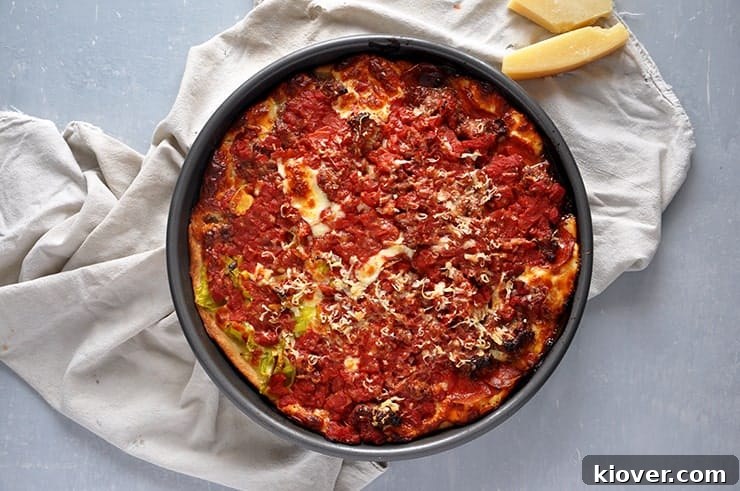
A defining characteristic of Chicago Deep Dish is its unique layering sequence: the tomato sauce is added last. Given the sheer volume of this pizza and its extended baking time, placing cheese on top would inevitably lead to burning. Thus, a layer of cheese (often mozzarella) is placed directly on the bottom crust, followed by an assortment of toppings like sausage, pepperoni, and vegetables. Finally, a rich, chunky tomato sauce crowns the pie, sometimes finished with a sprinkle of Parmesan cheese for an extra flourish. This inverted layering ensures all components cook perfectly, delivering a harmonious blend of flavors and textures in every decadent bite. Furthermore, the dough often incorporates cornmeal or semolina, which contributes to its distinct texture and a slightly crispier crust.
Chicago Thin Crust: The Local Favorite
While deep dish captures tourist attention, true Chicagoans often opt for the city’s other prominent pizza style: the Chicago Thin Crust. This style is a stark contrast to its thicker cousin, offering a crispier, more subtle experience. Characterized by a remarkably thin, cracker-like crust, it’s typically cut into small squares, often referred to as “tavern style.” This cutting method makes it ideal for sharing in a casual setting, allowing patrons to easily grab small, manageable pieces.
Unlike many other thin crust pizzas, the Chicago Thin Crust is baked until notably crisp, sometimes even slightly charred at the edges, providing a satisfying crunch with every bite. Toppings are spread edge-to-edge, ensuring flavor in every square. It’s a testament to Chicago’s diverse pizza landscape, proving that the city’s culinary prowess extends far beyond its famous deep-dish creation. For locals, it’s a staple – unpretentious, flavorful, and incredibly satisfying.
Neo-Neapolitan: Modern Interpretations of a Classic
If the Neapolitan pizza represents the quintessential, strictly defined classic, the Neo-Neapolitan style offers a more relaxed and experimental approach to its heritage. The primary distinction often lies in the dough. Authentic Neapolitan pizza traditionally calls for “00” Italian flour, a finely milled variety that produces a specific texture and flavor. Neo-Neapolitan pizzas, however, might use different flours or blends, allowing for variations in hydration, fermentation, and oven temperatures, leading to a broader spectrum of crust characteristics.
This contemporary interpretation liberates the pizzaiolo from some of the rigid stipulations of the TSG classification. While respecting the spirit of the Neapolitan tradition, Neo-Neapolitan embraces flexibility in ingredients and techniques. This means you might find locally sourced cheeses instead of strictly specified mozzarella, or innovative toppings that wouldn’t typically grace a traditional Neapolitan pie. It’s an accessible and creative evolution, perfect for those who appreciate the essence of Neapolitan but enjoy exploring new possibilities in their pizza-making or dining experiences. Here is a great recipe from a great pizza maker for this adaptable style.
Stuffed Crust Pizza Style: The Cheese Lover’s Dream
The Stuffed Crust pizza, while sometimes debated as a “stunt” or marketing innovation rather than a traditional style, undeniably captured the hearts (and stomachs) of pizza enthusiasts worldwide. Popularized by major chains, its premise is delightfully simple yet incredibly appealing: the very edge of the pizza crust is filled with a delicious, molten ribbon of cheese.
This inventive twist transforms what is often an overlooked part of the pizza into an integral and exciting component. No longer just a handle, the crust becomes a bonus round of cheesy goodness, appealing especially to those who love cheese in abundance. While it may lack the historical gravitas of other styles, its commercial success and enduring popularity are undeniable, proving that sometimes, adding more cheese is indeed a stroke of genius. It offers an extra layer of indulgence that has cemented its place in the modern pizza landscape.
California Pizza Style: Gourmet Toppings, Innovative Flavors
The California style pizza distinguishes itself primarily through its imaginative and often gourmet toppings, built upon a foundation of traditional New York or Neapolitan-style crusts. This vibrant style emerged from the innovative California cuisine movement of the 1980s, championed and popularized by culinary figures like Wolfgang Puck and establishments such as California Pizza Kitchen.
Instead of standard pepperoni and sausage, California pizzas feature an eclectic array of fresh, often unconventional ingredients. Think grilled chicken, goat cheese, sun-dried tomatoes, artichoke hearts, avocado, sprouts, and even BBQ sauce as a base. This emphasis on fresh, seasonal produce and fusion flavors transformed pizza into a canvas for culinary creativity, appealing to a more adventurous palate. So, when you encounter a pizza advertised with ingredients like arugula, avocado, or a unique protein, there’s a strong likelihood you’re experiencing the distinctive flair of a California-style pie.
Ohio Valley Pizza Style: A Regional Quirky Delight
The Ohio Valley boasts its own peculiar and beloved pizza style, a testament to regional culinary diversity. This unique pizza is immediately recognizable by its rectangular shape and several distinctive characteristics. Crucially, the cheese is not fully cooked; instead, it’s typically added to the hot pie after baking, allowing it to soften and melt gently from the residual heat without undergoing extensive browning or bubbling.
Adding to its unconventional nature, any additional toppings beyond the sauce and the partially melted cheese are also placed on the pizza *after* it has been removed from the oven. This method preserves the freshness and texture of ingredients that might otherwise be overcooked. The result is a uniquely textured pizza with distinct layers of flavor, offering a softer cheese experience and vibrant, fresh toppings. It’s a style that genuinely proves you can learn something new about pizza every day. Delve deeper into this intriguing regional specialty.
Grilled Pizza: The Smoky Outdoor Sensation
Grilled pizza, as the name suggests, offers a distinctive smoky flavor and crispy texture achieved by cooking directly over an open flame. What sets this style apart is the innovative cooking process: the pizza dough is partially grilled on one side before any sauce, cheese, or toppings are applied. This initial grilling creates a firm, slightly charred base that holds up well to the heat and prevents sogginess.
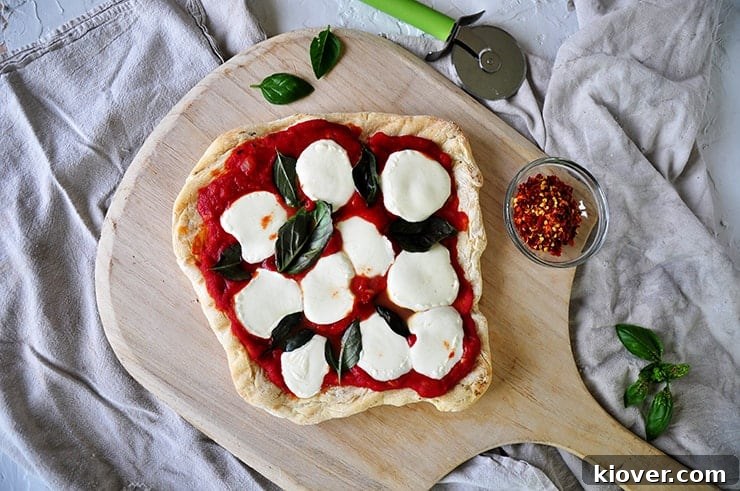
Once the dough is partially cooked, it’s flipped, and the toppings are quickly added to the grilled side. The pizza then continues to cook, allowing the cheese to melt and the flavors to meld, while the bottom of the crust finishes crisping. This method is fantastic for infusing the pizza with a wonderful char and smokiness that a conventional oven cannot replicate. Last summer, we had a chance to experiment with a Margherita-style grilled pizza, but with the ridiculously cold weather here in Fargo, North Dakota, we’ll have to wait for warmer days to fire up the grill again. It’s a perfect summer outdoor cooking project that yields incredibly flavorful results.
Montanara Pizza: The Fried Crust Delight
Originating from Naples, the Montanara pizza offers an intriguing twist on traditional pizza preparation by incorporating a deep-frying step. This unique characteristic is what truly sets it apart from other pizza styles: the crust is deep-fried until golden and puffy before it is adorned with toppings and baked. While the idea of frying pizza might sound unconventional or even heavy, the result is surprisingly light and airy.
The quick deep-fry creates an incredibly soft, cloud-like interior and a delicately crisp exterior, providing a distinct texture that traditional baking alone cannot achieve. After frying, the crust is quickly topped with simple ingredients, typically San Marzano tomato sauce, mozzarella, basil, and a drizzle of olive oil, and then briefly baked in a hot oven to melt the cheese and finish cooking. This process ensures the interior remains tender while the toppings achieve perfect doneness, resulting in a pizza that is both familiar and excitingly different. The Montanara is a testament to the continuous evolution and regional variations within Italian pizza making. Discover more about this unique fried crust pizza.
Vesuvio Pizza: The Half-Folded Mystery
The Vesuvio style pizza, named perhaps for its dramatic, rising appearance reminiscent of the famous volcano, presents an interesting hybrid between a traditional pizza and a calzone. This intriguing style is defined by two primary characteristics that give it its unique form and flavor profile. Firstly, the pizza is only partially folded, creating a distinctive shape where roughly half of the pie appears as a conventional flat pizza, while the other half is gently folded over, creating a slightly enclosed section.
This partial fold adds an element of surprise and a different textural experience to each bite. Secondly, what makes Vesuvio unique is the common use of creamy ricotta cheese instead of or in addition to mozzarella. This choice of cheese contributes a rich, smooth texture and a milder flavor that complements the robust tomato sauce and other traditional toppings. While information on this style can be somewhat scarce, its unique visual appeal and the delightful combination of textures from the folded crust and ricotta filling make it a memorable pizza experience. Explore recipes and variations of Pizza Vesuvio.
Old Forge Pizza: Pennsylvania’s Distinctive Pie
Deep in the heart of Pennsylvania lies Old Forge, a town so passionate about pizza that it has cultivated its own distinct style. The Old Forge pizza style is instantly recognizable by its signature rectangular shape, a thick yet surprisingly airy crust, and delightfully crispy edges. However, its most notable characteristic might be its unconventional approach to cheese.
Rather than relying solely on mozzarella, Old Forge pizzas frequently incorporate a unique blend of cheeses, often including American cheese, which lends a distinct creaminess and mild flavor not typically found in other pizza styles. This cheese blend melts to create a uniform, flavorful layer. The style also famously features a “white” version, which often comes with a rich, savory sauce and a generous amount of cheese, sometimes resembling a large, open-faced calzone in appearance. It’s a testament to regional innovation, offering a unique textural and flavor experience that sets it apart in the diverse world of pizza.
Pizza Bianca: The Elegant “White Pizza”
Pizza Bianca, directly translating to “white pizza,” is a beautifully simple and often overlooked style that challenges the conventional notion of what constitutes a pizza. Its defining characteristic is the absence of both tomato sauce and often, traditional mozzarella cheese. Instead, this style celebrates the pure flavor of its dough, enhanced by simple yet effective seasonings.
Typically, a Pizza Bianca is a flatbread brushed with olive oil, generously sprinkled with sea salt, and often infused with aromatic herbs like fresh rosemary. Some variations might include a light dusting of Parmesan or Pecorino Romano cheese, or even thin slices of garlic. It serves as an excellent appetizer, a delightful accompaniment to meals, or even a base for more elaborate toppings that don’t require a tomato foundation. Essentially, it highlights the quality of the dough and the subtle interplay of simple, fresh flavors, proving that less can often be more in the culinary world.
Pizza di Sfrigole: A Rustic, Flavorful Creation
Building upon the rustic simplicity of Pizza Bianca, the Pizza di Sfrigole takes the concept of a “white pizza” to a hearty, more intensely flavored dimension. This style, also lacking tomato sauce and often heavy cheese, distinguishes itself by incorporating a savory ingredient directly into the crust: ‘sfrigole,’ or crispy pork cracklings.
The pork cracklings are baked right into the dough, infusing the bread with a rich, smoky, and deeply savory flavor, along with delightful textural pockets of crispness. This addition transforms the pizza from a simple bread into a robust and satisfying meal, perfect for those who appreciate the rustic charm and rich flavors of traditional Italian peasant cuisine. It’s a wonderfully flavorful variation that demonstrates how a single ingredient can fundamentally alter the character of a classic dish, offering a truly unique and memorable pizza experience.
Grandma Pizza: Homestyle Comfort on a Plate
The Grandma pizza is a beloved homestyle creation, particularly popular in Long Island, New York, that evokes a sense of comfort and rustic charm. It’s characterized by its rectangular shape, typically baked in an olive-oil-lined sheet pan, which contributes to its signature crust. The dough is relatively thin, often stretched by hand to fit the pan, and bakes to a delightful crispness on the bottom and sides, while remaining soft and airy on top.
What truly defines Grandma pizza is its understated elegance. It features a simple, often uncooked, tomato sauce dabbed over the dough, followed by a light scattering of fresh mozzarella and sometimes a sprinkle of Parmesan or Pecorino Romano. The sauce is usually sparse enough to allow the crust to shine, and the cheese is just enough to create a delightful melt without overwhelming the other flavors. It’s a pizza designed for easy preparation in a home kitchen, reflecting the informal, delicious meals often made by Italian grandmothers – hence its endearing name.
Sicilian Pizza: The Focaccia-Inspired Classic
Sicilian pizza, or “sfincione” as it’s known in its native Sicily, is a hearty, focaccia-like pizza that offers a distinct textural experience compared to its thinner-crusted relatives. This style is characterized by its thick, spongy, and airy crust, which is often baked in a rectangular pan. The dough itself is reminiscent of artisanal bread, with a robust chewiness and a slightly crispy bottom from being baked in an olive-oil-lined pan.
Traditionally, Sicilian pizza is topped with a flavorful, often chunky tomato sauce, which might include onions, anchovies, and herbs, and then finished with a dusting of Pecorino Romano cheese or breadcrumbs rather than a heavy layer of mozzarella. This lighter approach to cheese allows the rich flavors of the sauce and the substantial texture of the crust to take center stage. American adaptations often include more copious amounts of mozzarella and various toppings, but the core characteristic remains its unique, bread-like base, making it a satisfying and substantial meal.
Trenton-style Tomato Pie: The New Jersey Original
The Trenton-style Tomato Pie, a cherished culinary institution from Trenton, New Jersey, shares a unique characteristic with Chicago Deep Dish: the tomato sauce is prominently featured on top of the cheese. However, the similarities largely end there. This style places a profound emphasis on the tomatoes, often celebrating a bright, vibrant, and slightly sweet tomato sauce that covers the pizza.
Unlike many other pizzas where cheese is the star, the Trenton Tomato Pie deliberately highlights the quality and flavor of its tomato base. Beneath this vibrant red layer, you’ll find a thin, crispy crust, usually topped with a modest amount of mozzarella or a blend of cheeses. The result is a pizza where the tangy sweetness of the tomatoes truly shines, creating a distinct and refreshing flavor profile that sets it apart. It’s a humble yet iconic pie that has earned a dedicated following in the Garden State. Discover recipes for this tomato-centric pizza.
Philly-style Tomato Pie: Saucy Focaccia from the City of Brotherly Love
Not to be confused with its New Jersey counterpart, the Philly-style Tomato Pie offers its own distinctive take on a sauce-forward pizza. Often described by Serious Eats as “saucy focaccia,” this pie is characterized by a thick, airy, and risen crust that serves as a robust foundation for a rich, deep, and often sweet tomato sauce.
The crust of the Philly Tomato Pie has a soft, bread-like texture, similar to a traditional focaccia, and is often baked in a rectangular pan. The star, however, is the generous layer of robust tomato sauce, which is typically spread thick and sometimes adorned with just a hint of cheese or a sprinkle of Parmesan. Many traditional versions are even served at room temperature, making them a popular grab-and-go item or a staple for parties and picnics. It’s a comforting, savory, and satisfying pie that highlights the enduring appeal of a great tomato sauce paired with a substantial, flavorful crust. Explore variations of this classic Philly pie.
Detroit Style Pizza: The Crispy, Cheesy Square
The Detroit Style Pizza is a deep-dish delight that has soared in popularity, renowned for its incredibly crispy bottom and distinctively caramelized, cheesy edges. Much like the Chicago deep dish, it’s a substantial pie, but with its own unique characteristics. Instead of a round pan, this pizza is traditionally baked in square or rectangular steel pans, often originally repurposed from the automotive industry.
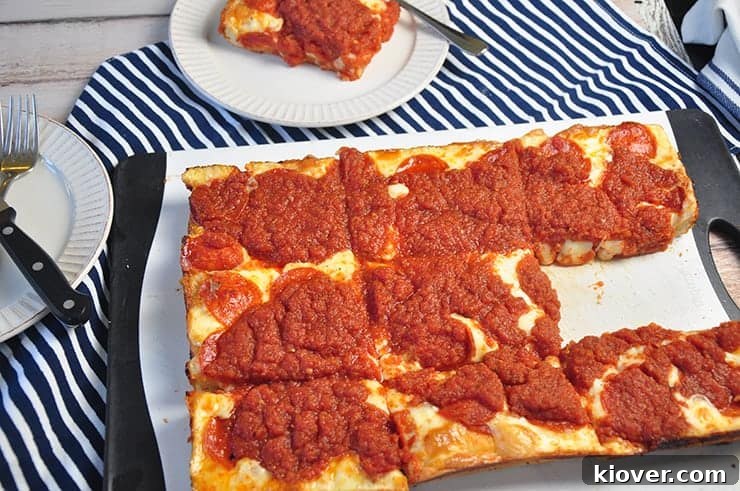
A liberal amount of oil is used in the pan, contributing to the crust’s signature crunch and helping to create that coveted “frico” effect – a golden, crispy, and slightly chewy crust formed by cheese caramelizing against the hot pan sides. The layering also sets it apart: cheese, most notably brick cheese (a mild, slightly pungent cow’s milk cheese), is spread all the way to the edges of the pan, creating a protective barrier and ensuring every bite of crust is imbued with cheesy goodness. Toppings are then added, followed by stripes of sauce, which cook down and intensify their flavor. Interestingly, this style emerged around the same time as Chicago Deep Dish, almost as if the Midwest was collectively craving deep, cheesy, and satisfying pizzas. They are, without a doubt, exceptionally delicious pizzas!
Quad Cities Pizza Style: Spiced Dough and Strip Cuts
Hailing from the Quad Cities region spanning Illinois and Iowa, this pizza style offers a truly unique local flavor profile. What makes the Quad Cities pizza style so distinctive? The secret lies within its dough, which is famously spiked with brewer’s malt and a blend of spices. This unique addition imparts a nutty, subtly sweet, and distinctively spicier flavor profile to the crust, setting it apart from any other pizza dough.
Beyond the flavorful dough, Quad Cities pizza is traditionally topped with a spicy, often intensely seasoned tomato sauce and a generous amount of mozzarella cheese. The sausage used is typically finely crumbled and heavily spiced, further contributing to the bold flavor. Perhaps its most visually striking characteristic is how it’s cut: instead of traditional wedges or squares, Quad Cities pizzas are sliced into long, narrow strips. This unconventional cutting method makes for easy sharing and ensures a satisfying crunch in every elongated piece, making it a truly regional and memorable pizza experience.
Brier Hill Pizza: Youngstown’s Pepper-Topped Legacy
Named after a historic neighborhood in Youngstown, Ohio, that was once home to a large Italian immigrant population, Brier Hill pizza style stands out with a couple of key distinguishing features. The most significant departure from other styles is its choice of cheese: traditional Brier Hill pizza uses robust Romano cheese instead of the more common mozzarella. This lends a sharper, saltier, and more piquant flavor to the pie, creating a distinctive taste experience.
Additionally, while other pizzas boast a variety of toppings, hot peppers are the undisputed mainstay topping of the Brier Hill style. Often, these are vibrant bell peppers or other sweet and savory peppers, sometimes with a touch of heat, adding a fresh and slightly pungent counterpoint to the rich Romano cheese and simple tomato sauce. The crust is typically a medium-thick, bread-like base, creating a satisfying texture. It’s a testament to the influence of Italian immigrants who brought their culinary traditions and adapted them with local ingredients, creating a cherished regional specialty.
St. Louis Style Pizza: Cracker-Thin and Provel-Powered
The St. Louis Pizza Style is instantly recognizable and often a topic of fervent discussion among pizza enthusiasts, thanks to its two defining characteristics. First, it features a remarkably thin, unleavened crust that is often described as cracker-like. This distinct crust provides a crisp, almost brittle texture that shatters with each bite, a stark contrast to the chewy or airy crusts of other styles.
The second, and perhaps most iconic, feature is the exclusive use of Provel cheese. Provel is a processed cheese unique to the St. Louis area, a blend of cheddar, Swiss, and provolone cheeses. It has a low melting point and a creamy, slightly tangy flavor, creating a distinctively gooey texture that sets St. Louis pizza apart. The combination of the thin crust and the unique cheese, often paired with a sweeter tomato sauce and cut into small, square “party slices,” makes for a pizza experience that is truly one-of-a-kind and deeply cherished by locals.
New Haven “Apizza”: The Charred, Coal-Fired Masterpiece
New Haven “Apizza” (pronounced ah-BEETS-a) is a direct, robust descendant of the Neapolitan tradition, yet it takes certain characteristics to a more intense and distinct level. Born from the large Italian immigrant community in New Haven, Connecticut, this style is renowned for its unique baking process and flavor profile.
The defining characteristic of New Haven style is its lengthy cooking in extremely hot, traditionally coal-fired ovens. This intense heat results in a crust that is often charred and blistered, developing a smoky flavor and a satisfying chewiness that purists adore. Unlike most pizzas, cheese is not a guaranteed topping; if you want mozzarella, you must explicitly order it as a separate topping. The most iconic New Haven pie is often the “White Clam Pie,” featuring fresh clams, garlic, olive oil, and oregano, showcasing the style’s adventurous yet simple approach. This unapologetically bold pizza offers a truly unforgettable taste of Italian-American culinary heritage.
The Big List of Pizza Styles: A Culinary Journey Concluded
As this extensive exploration reveals, the world of pizza is far more diverse and captivating than a casual glance might suggest. From the venerable traditions of Naples to the bold innovations across America and beyond, each pizza style offers a unique culinary narrative waiting to be discovered. The sheer variety in doughs, sauces, cheeses, toppings, and cooking methods is a testament to pizza’s incredible adaptability and universal appeal.
Whether you’re a purist who cherishes the simplicity of a Neapolitan Margherita or an adventurer eager to try a spicier Quad Cities slice, there’s a pizza out there for every palate and occasion. We hope this comprehensive guide inspires you to embark on your own pizza journey – to seek out new flavors, perhaps try your hand at crafting these diverse styles at home, and continue to appreciate the rich tapestry that is the global pizza phenomenon. The next delicious slice is always just around the corner!