
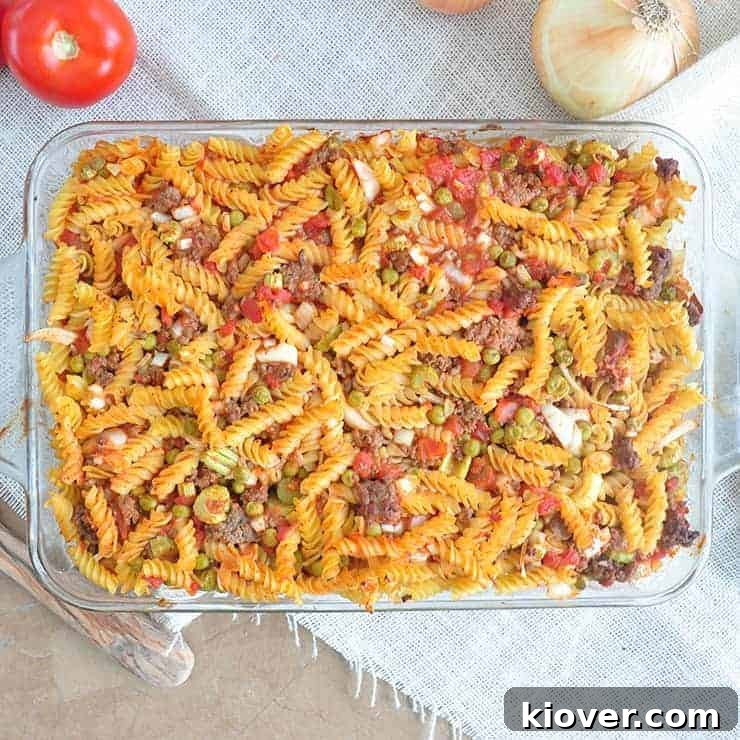
Embark on a captivating journey through time, delving into the culinary traditions of yesteryear. This exploration reveals that the ingenious home cooks of the past, much like modern homemakers, mastered the art of making every dollar stretch. Today, we are not just rediscovering but recreating what many consider to be the First Hot Dish Recipe, inviting you to prepare this truly classic and tasty casserole in your own kitchen. It’s more than just a meal; it’s a testament to enduring practicality and the timeless appeal of comforting food.
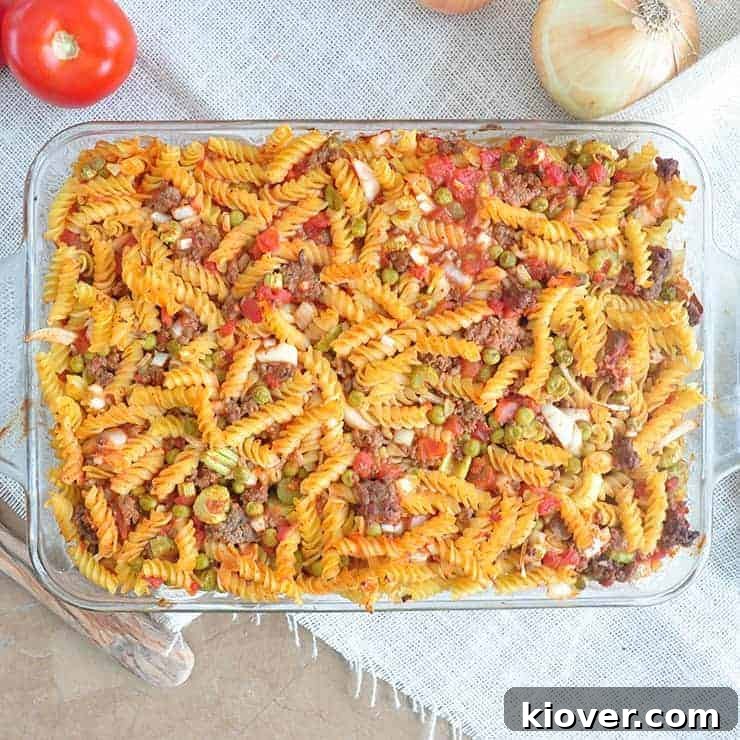
Our previous culinary deep-dive thoroughly examined the rich history of the hotdish, tracing its evolution and highlighting the very first recorded hot dish recipe documented in a cookbook. Now, it’s time to bring that historical blueprint to life. The esteemed Mrs. C. W. Anderson, representing the Grace Lutheran Church in Mankato, MN, holds the distinct honor of being credited with this inaugural hot dish creation. We’ve meticulously replicated her original recipe, and we are thrilled to share our findings and the step-by-step process with you today. If you’re eager to get straight to the kitchen, you can jump directly to the recipe instructions.
Why Embark on a Culinary Expedition to Recreate the First Hot Dish Recipe?
One might ask, “Is it truly necessary to recreate a recipe from nearly a century ago?” While not strictly a necessity, the inherent value lies in connecting with culinary heritage and understanding the roots of dishes that have shaped our food culture. Here at Ramshackle Pantry, our mission extends beyond merely publishing recipes. We endeavor to capture the true spirit and historical essence of each dish we explore. Whether it’s delving into the nuanced origins of the refreshing Mojito, uncovering the intricate layers of The Chicago Style Pizza, or appreciating the classic simplicity of The Old Fashioned cocktail, our primary goal is to present recipes that honor their storied past. We also aim to occasionally push the boundaries of traditional understanding, offering fresh perspectives on familiar favorites.
Beyond the simple act of cooking, the historical narratives embedded within these dishes and cocktails are profoundly captivating and immensely rewarding to uncover. Consider, for instance, the fascinating question: why did the hotdish ascend to such widespread popularity and become a beloved staple in countless households, while other intriguing meals from the late 1800s or early 1900s faded into obscurity? What makes one recipe endure through generations, becoming synonymous with comfort and tradition, while others, perhaps equally innovative for their time, simply did not gain traction?
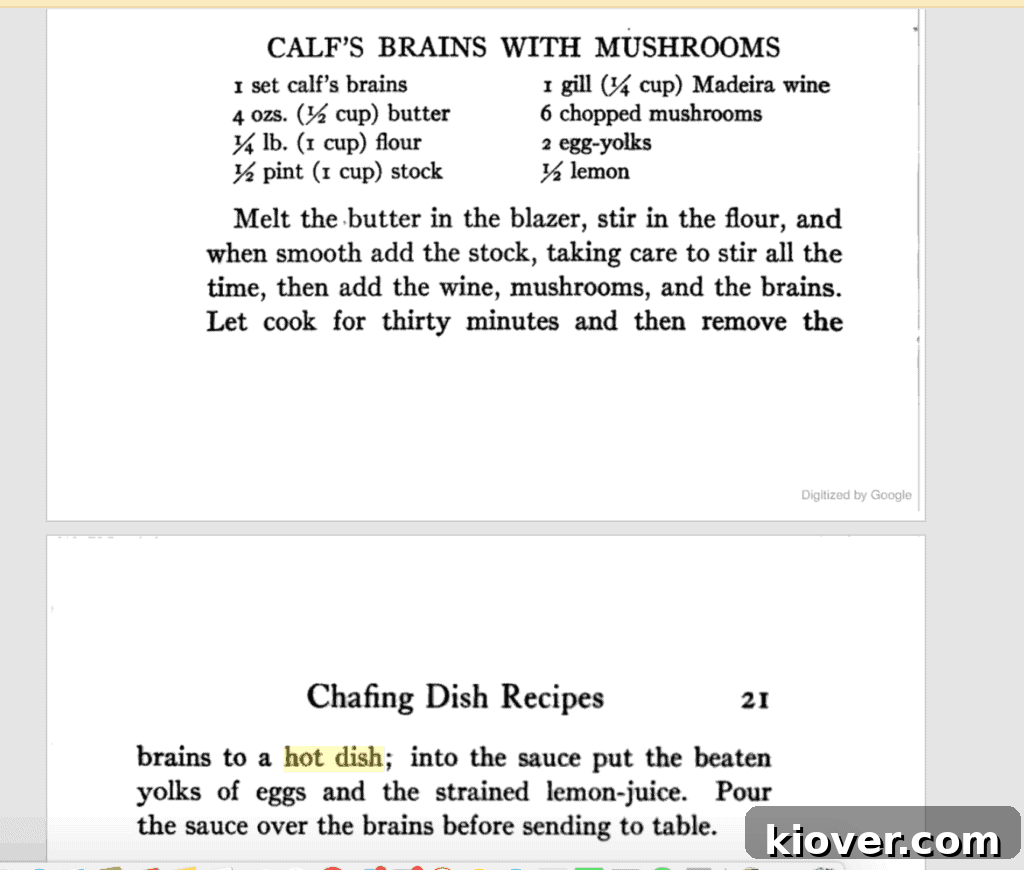
Indeed, a recipe for “Calf Brains with Mushrooms” might initially sound, shall we say, a bit unconventional to the modern palate. However, as an adventurous culinary explorer, I must admit I’ve never personally sampled calf brains. Perhaps, against all preconceptions, they are surprisingly delectable and could even rival the beloved hotdish in flavor. Yet, history has already cast its vote in this culinary competition, and the hotdish unequivocally emerged as the victor in the cultural evolution of popular American meals. Its triumph, in my humble opinion, makes it an exceptionally worthy subject for our attention and time. What more fitting tribute could we offer to the hotdish than to meticulously reconstruct and experience its original form?
Here is the Original First Hot Dish Recipe from 1930
The beauty of this foundational hot dish recipe lies in its remarkable simplicity and ease of preparation. As we previously discussed in our deep dive into hotdish history, the very essence of this dish is rooted in creating nourishing, economical meals that can effortlessly feed an entire family without straining the household budget. Mrs. Anderson’s original recipe perfectly embodies these principles, offering a practical and satisfying solution for busy kitchens of the past, and indeed, of today.
Unveiling the 1930 Original Hot Dish Recipe
Before we break down this timeless dish into a more contemporary, itemized list of ingredients and step-by-step instructions, it is only fitting to present the original text as it appeared in the 1930 cookbook. This direct excerpt provides a fascinating glimpse into the culinary language and expectations of nearly a century ago, offering authentic insight into the recipe’s genesis:
“Fry two pounds of hamburger. Fry, but not till brown, two large onions. Boil in salted water until tender one box Creamettes. Put in baking dish the fried hamburger, onions, creamettes, and add one bunch of celery cut up, one can of peas, 1 can of tomato soup, and 1 quart tomatoes, salt and pepper. Stir all together and enough water so liquid covers all, bake. — Mrs. C. W. Anderson”
This succinct description provides all the core information needed to recreate the dish, a testament to the straightforward nature of early casserole recipes. The challenge for modern cooks often lies in interpreting vague quantities like “one bunch of celery” or “enough water so liquid covers all,” which we’ll address in our adapted recipe.
The First Hot Dish Recipe: A Culinary Snapshot of Simplicity and Sustenance
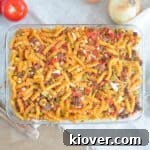
Making The Original Hot Dish Recipe
- Author: Ben
- Prep Time: 30 Minutes
- Cook Time: 45 Minutes
- Total Time: 1 Hour 15 Minutes
- Yield: 8 Servings
- Category: Casserole, Main Dish
- Method: Baking
- Cuisine: American, Midwestern
Description
Seeking authentic hotdish recipes? Delve into history with this original hot dish recipe from 1930. This timeless casserole offers an easy, hearty, and budget-friendly meal, perfect for feeding the entire family with classic Midwestern comfort.
Ingredients
- 2 pounds ground beef (hamburger)
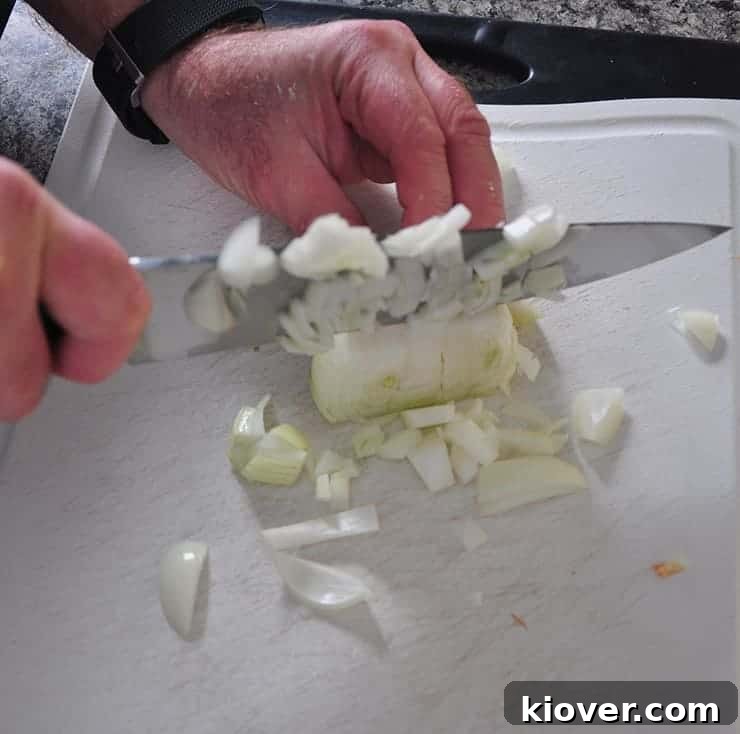
- 2 large onions, finely chopped
- 16 ounces (1 box) rotini pasta (such as Creamettes)
- 1 can (10.75 ounces) condensed tomato soup
- 1 can (28 ounces) diced tomatoes, undrained
- 1 can (15 ounces) peas, drained
- 2 cups chopped celery (from about 1 bunch)
- ½ cup water (or as needed to cover)
- Salt and freshly ground black pepper, to taste
Note: The original recipe specified “one box Creamettes” and “one bunch of celery,” quantities which we’ve translated to modern standard measurements for convenience and consistency.
Instructions
- Prepare Pasta: Bring a large pot of salted water to a boil. Add the rotini pasta and cook according to package directions until tender but still firm (al dente). Drain thoroughly.
- Cook Ground Beef: While the pasta cooks, heat a large skillet over medium-high heat. Add the ground beef and cook, breaking it apart with a spoon, until it is fully browned. Drain off any excess fat.
- Sauté Onions: In a separate skillet or after draining the beef, add the chopped onions. Sauté over medium heat until softened and translucent, but ensure they do not brown.
- Preheat Oven: Preheat your oven to 350°F (175°C).
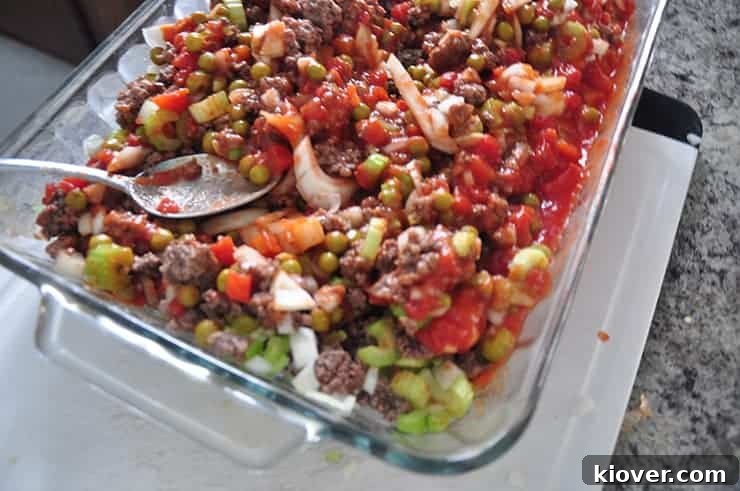
- Combine Ingredients: In a large 9×13 inch baking dish, combine the cooked ground beef, sautéed onions, drained rotini pasta, condensed tomato soup, undrained diced tomatoes, drained peas, and chopped celery. Season generously with salt and freshly ground black pepper. Stir all the ingredients together until well combined.
- Add Liquid: Pour in the ½ cup of water. Add more water, if necessary, until the liquid mixture just covers all the solid ingredients in the dish. This ensures everything cooks evenly and prevents the dish from drying out.
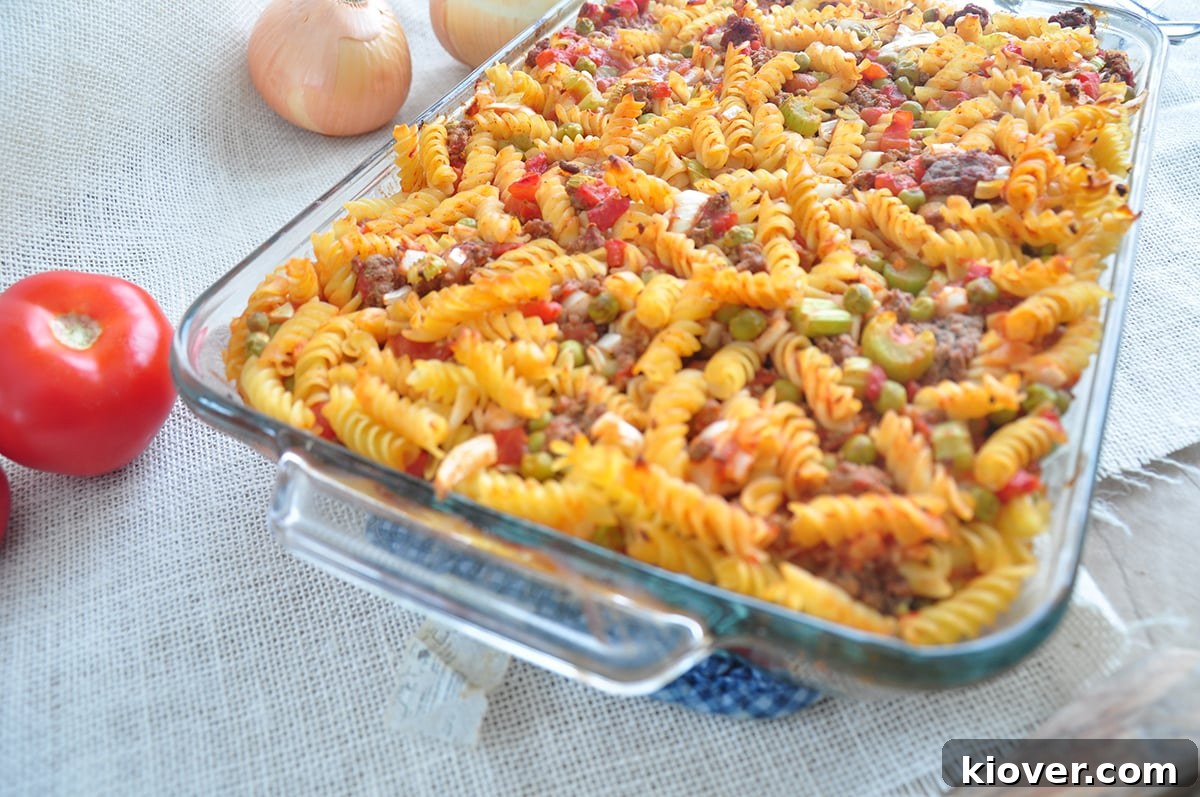
- Bake: Place the baking dish in the preheated oven and bake for 45 minutes, or until the casserole is bubbling, heated through, and the flavors have melded together beautifully.
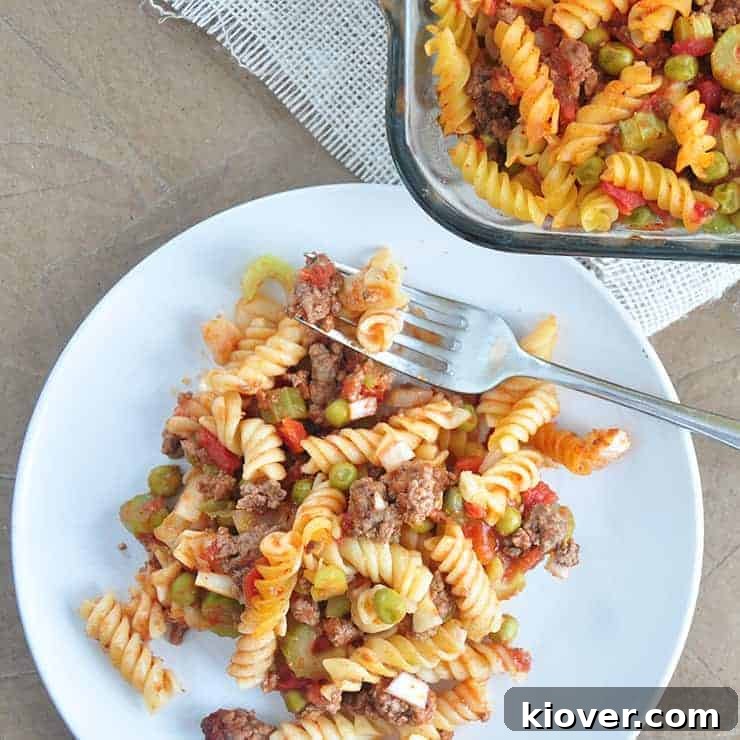
- Serve: Remove from the oven and let it stand for a few minutes before serving. Enjoy this classic, hearty hot dish!
The Enduring Appeal: Taste and Practicality of the First Hot Dish
Sampling Mrs. Anderson’s original hot dish is like taking a bite out of history itself. It delivers precisely what a classic hot dish promises: a straightforward, unpretentious meal that is both satisfying and incredibly functional. Every spoonful offers a balanced blend of essential nutrients, featuring robust protein from the ground beef, comforting starch from the pasta, and vital vitamins from the vegetables like peas, celery, and tomatoes. It’s a complete meal in one dish, designed for efficiency and nourishment.
Beyond its nutritional profile, this recipe excels in practicality. It’s remarkably easy to assemble, making it an ideal choice for busy weekdays or when you need a reliable meal solution without extensive effort. Furthermore, the ingredients are universally accessible and, crucially, budget-friendly. In an era where food costs continue to be a concern for many families, this vintage hot dish offers an economically sound option that doesn’t compromise on heartiness or flavor. It truly embodies the spirit of smart, resourceful home cooking.
Admittedly, this is a no-frills recipe. It isn’t designed to be a gourmet culinary masterpiece or a dish that will win awards for innovative flavor combinations. However, for what it is—a robust, wholesome, and economical family meal—it possesses a genuinely good, comforting taste. Would I choose this as my preferred meal every single night? Perhaps not. But I can absolutely understand its integral role in the meal planning of a bustling household, especially during challenging economic times or when time is of the essence. If offered a plate of this hot dish, I would certainly partake with appreciation, recognizing its value and its place in our collective culinary memory. Its enduring simplicity is precisely its strength.
Have You Embraced This Culinary Slice of History?
We extend our sincere gratitude to everyone who takes the time to try this historic recipe. In a world of ever-changing culinary trends, discovering a meal that truly stands the test of time is a remarkable experience. From the resourceful kitchens of Mrs. C. W. Anderson in 1930 to the modern homes of today, the fundamental principles of dishes like this one continue to resonate, providing satisfying, economical, and comforting meals for families everywhere. We are immensely pleased to have recreated and shared this iconic recipe, and we wholeheartedly encourage you to give it a whirl in your own kitchen!
If you appreciate our dedication to exploring culinary history and sharing delightful, practical recipes, we invite you to become a part of our community. Sign up to receive our latest posts about recipes, food history, and cooking tips directly via email. Additionally, be sure to follow us on Pinterest for more inspiration and visual delights from the world of food. Your engagement helps us continue our journey through the fascinating tapestry of food history.