
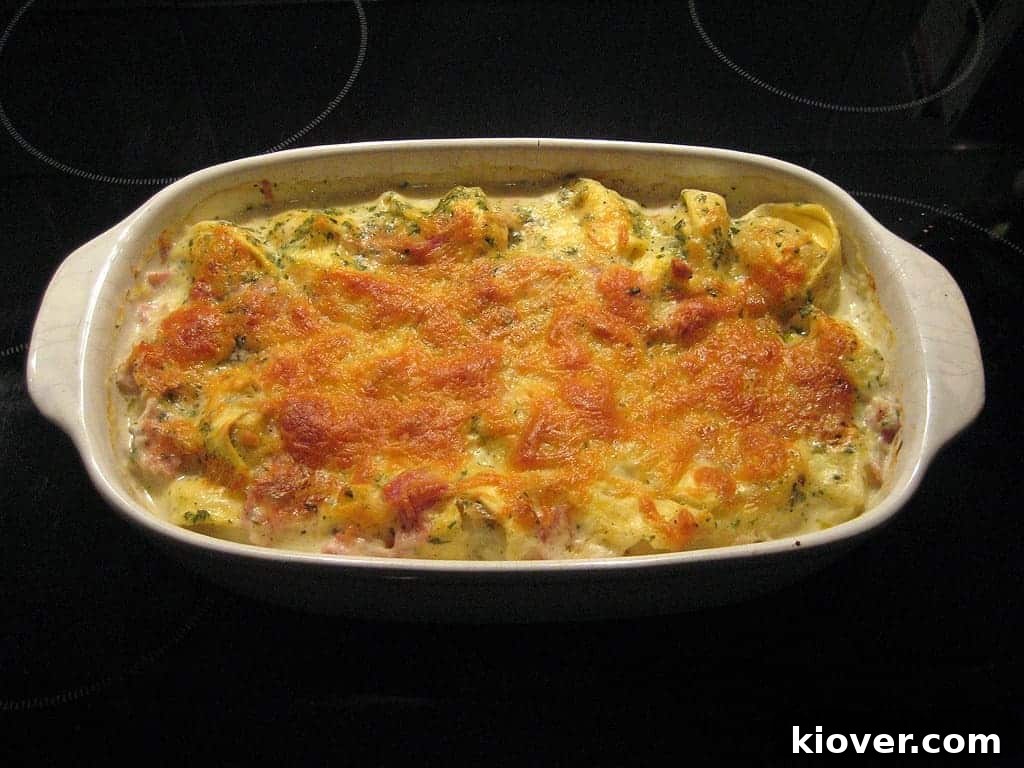
Before we delve deeper into our fascinating exploration of hotdish, it’s crucial to establish a shared understanding of what this beloved dish truly is. While you might be encountering the term “hotdish” for the very first time, this would be quite uncommon for anyone residing in the Upper Midwest of the United States, where it holds a cherished culinary status. Many outside this region often mistake it for a generic casserole, or perhaps the distinction simply hasn’t been clearly articulated. To ensure we’re all on the same page for our comprehensive dive into the world of hotdish, it’s imperative to define its unique characteristics and clearly differentiate it from the broader category of casseroles. Today, we will embark on a journey to demystify hotdish, distinguishing its core identity from that of a mere casserole.
Is Hotdish Truly Synonymous with Casserole?
In short, no. However, you’ll quickly discover that this view isn’t universally accepted. A quick search for the word ‘hotdish’ in Webster’s Dictionary might lead you directly to the definition of ‘casserole’, implying they are interchangeable. While lexicographers are undeniably brilliant, I respectfully believe that in this specific instance, the definition falls short of capturing the regional nuance and distinct identity of hotdish. Even a documentary exploring Minnesota Hotdish suggests it’s merely a regional term for casserole, treating them as complete synonyms. Again, I must respectfully disagree with this simplification.
The fundamental truth is: All hotdishes are casseroles, but not all casseroles are hotdishes.
This distinction isn’t just linguistic; it’s cultural, historical, and culinary. Understanding this hierarchy is key to appreciating the unique place hotdish occupies in Midwestern cuisine. A hotdish is a specific *type* of casserole, characterized by a particular set of ingredients, preparation methods, and intended purpose that sets it apart from the vast universe of baked, one-dish meals.
Defining the Broad Canvas: What Exactly is a Casserole?
To fully grasp what a hotdish is, we must first clearly define its parent category: the casserole. Webster’s Dictionary broadly defines a casserole as:
“a food cooked and served in a casserole”
While technically accurate, this dictionary definition primarily focuses on the vessel itself – the deep, oven-safe dish in which the food is prepared and presented. To provide a more comprehensive understanding, I would elaborate that a casserole is essentially a one-pot meal, typically baked in an oven, designed to serve various functions for any meal of the day. Its versatility is truly remarkable; a casserole can comfortably serve as a hearty main course, a delightful side dish, or even a comforting dessert. The ingredients within a casserole are incredibly diverse, reflecting a global culinary heritage.
Consider the wide array of dishes commonly accepted as casseroles: the comforting layers of macaroni & cheese, the rich complexity of lasagna, the hearty appeal of shepherd’s pie, or the sophisticated French classic, cassoulet. These dishes, while undeniably delicious and baked in a single dish, would likely elicit confusion, if not outright disbelief, if referred to as a “hotdish” by a typical Minnesotan or North Dakotan. They are unequivocally casseroles, celebrated in their own right, yet they lack the distinctive characteristics that define a hotdish. While a hotdish is indeed a member of the extensive casserole family, it possesses a unique identity, a different “beast” altogether. So, what precisely constitutes that crucial difference? It boils down to two key elements:
Ingredients and purpose.
These two factors are the bedrock of hotdish identity, shaping its flavor, texture, and cultural significance. It’s not merely a casserole by another name; it’s a distinct culinary tradition.
Understanding the Essence: What Exactly is Hotdish?
A hotdish is a specific category of casserole, meticulously crafted with a defined set of ingredients and unequivocally intended to be served as the main course for either lunch or supper. It’s not a side, it’s not a dessert; it’s the star of the meal, designed to be a complete and satisfying dish in itself. This primary function as a fulfilling centerpiece of a meal is one of its most defining characteristics.
The Canonical Hotdish Ingredients: A Recipe for Comfort
I believe that identifying a hotdish upon sight is relatively straightforward, thanks to its consistent and recognizable ingredient profile. These specific components not only define it but also distinctly separate it from other types of casseroles. The hallmark ingredients of a true hotdish typically include:
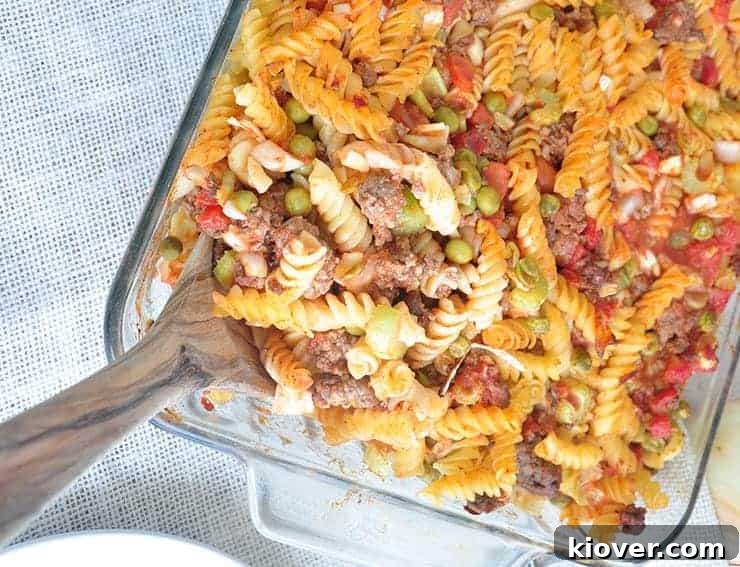
- The Binding Base: Most commonly, a can of “cream of something” soup (e.g., cream of mushroom, cream of chicken). This ingredient is practically non-negotiable for many purists, providing the signature creamy, comforting texture. Less frequently, but still acceptable, you might encounter a robust tomato base, particularly in certain regional variations.
- The Hearty Protein: A substantial protein component is essential, with ground beef being the undisputed king. Other proteins like ground turkey, shredded chicken, or even tuna are also found, but the humble hamburger holds a special place in the hotdish lexicon, making it a truly filling main dish.
- The Bite-Sized Vegetables: Vegetables are a must, but their preparation is crucial. They must be cut or chosen to fit into a single bite, ensuring a consistent texture and ease of eating. Common choices include canned or frozen corn, peas, green beans, or diced carrots.
- The Essential Starch: A starch component is fundamental for satiety, typically pasta (such as egg noodles, macaroni, or rotini) or potatoes (most famously, tater tots). Like the vegetables, these starches should be sized to fit comfortably into a single bite, contributing to the harmonious texture of the dish.
- The Crispy Crown: A distinctive crispy topping is the crowning glory of a hotdish, adding vital textural contrast. Popular choices include tater tots (a classic and beloved option), crushed potato chips, crispy fried onions, or even chow mein noodles. This element provides a satisfying crunch that elevates the entire experience.
- The Optional Indulgence: While not always mandatory, a generous layer of cheese is often included, melting into a gooey, flavorful blanket that enhances the richness of the hotdish. Cheddar, Colby, or American cheese are frequent additions.
The inclusion of a tomato-based hotdish in my definition was a point of considerable debate. While the creamed soup base is arguably more iconic and instantly recognizable as a hotdish, discussions with my friends (many of whom are quintessential Midwesterners) revealed that some fondly recall tomato-based recipes as their favorite childhood hotdishes. Furthermore, the venerable Betty Crocker, a culinary institution and a reliable source of Midwestern cooking, features a basic hamburger hotdish recipe that proudly calls for a tomato base. Therefore, acknowledging this tradition, a tomato base must indeed be part of the comprehensive definition.
This led me to ponder: what truly differentiates a tomato-based hotdish from, say, a lasagna? After all, lasagna is a universally accepted casserole but would never be mistaken for a hotdish. The critical distinction, I concluded, lies primarily in the size and consistency of the ingredients. In a hotdish, every component – from the protein and vegetables to the starch – should be capable of fitting onto a single spoonful without requiring any breakage or excessive effort. A tater tot, for example, is perfectly spoon-sized. Noodles should be short enough to be scooped without dangling, and vegetables like carrots should be uniformly diced to achieve this single-bite harmony. This meticulous attention to ingredient size ensures a cohesive texture and effortless eating experience, distinguishing it from layered, more architecturally complex casseroles like lasagna or even the chunky composition of a shepherd’s pie. I believe this “single-spoonful” rule effectively encapsulates what most would instinctively define as a hotdish, clearly setting it apart from other casserole dishes such as the Finnish liver casserole Maksalaatikko, which, despite being a one-dish meal, unequivocally falls outside the hotdish category.
The Unwavering Purpose of Hotdish: To Nourish and Satisfy
Beyond its specific ingredient list, another crucial differentiator between hotdish and a general casserole is its singular purpose. While a casserole can be incredibly versatile, serving any function from breakfast to dessert, the hotdish has an unambiguous role: to be the main course of a meal. It is fundamentally designed to provide all the necessary nutrients and satiety within a single, convenient dish. As we will explore in a future post dedicated to its fascinating history, the origins of hotdish are deeply rooted in resourcefulness and economy. It emerged as a practical solution for stretching ingredients to feed large families and communities in an affordable manner. It was, and remains, an accessible, everyday meal that effectively fills the bellies of growing children and hardworking adults alike. While a casserole’s purpose can span numerous categories – main dish, side dish, breakfast, dinner, or dessert – the purpose of a hotdish is remarkably clear and unwavering: to be a hearty, complete meal that truly satisfies.
This commitment to being a self-contained, nourishing meal speaks volumes about its place in Midwestern culture. It’s a dish for potlucks, church suppers, family gatherings, and busy weeknights, consistently delivering comfort and sustenance without fuss. Its humble origins and straightforward preparation belie its significant role as a cornerstone of communal eating and everyday domestic life in the region.
The Modern Hotdish: Re-evaluating Canned and Frozen Ingredients
Many traditionalists might argue that the very essence of a hotdish necessitates the use of canned soups and vegetables, along with frozen components like tater tots. However, I propose a more flexible and quality-focused perspective. For me, the fundamental difference between commercially canned green beans and green beans I might can myself at home, or even fresh green beans, primarily lies in the quality of the ingredients and the control over the process. If I choose to preserve my own green beans through canning, would they not still qualify as “canned” in spirit? And if I understand the process of canning, why can’t I simply prepare those same fresh ingredients, achieving a similar texture and flavor profile, without actually going through the canning process?
Is it truly a requirement to relegate this iconic dish to ingredients that might be considered “less than par” in terms of freshness or nutritional value? Do we need to intentionally add preservatives or compromise on flavor to make our hotdish “legitimate”? I strongly believe that the answer is no. While the history and heritage of hotdish are undeniably intertwined with the convenience and necessity of canned goods – originating during periods of economic hardship and the rise of food industrialization in America – the spirit of the dish lies in its ease, heartiness, and ability to feed many.
We absolutely acknowledge and respect this historical context. In future discussions, we will delve deeper into the fascinating history that shaped the hotdish into what it is today. However, in our modern approach, we are enthusiastic about demonstrating how to embrace the core principles of hotdish while utilizing fresh, high-quality ingredients. We aim to elevate this beloved comfort food by focusing on homemade elements, from crafting our own cream sauces to preparing fresh vegetables, ensuring that the essence of the hotdish remains, but with enhanced flavor and nutritional value. This allows us to honor its heritage while adapting it for contemporary tastes and dietary preferences.
Embracing the Hotdish Legacy: A Call to Culinary Connection
Who would have thought that defining a single dish like hotdish could warrant such extensive discussion? Yet, in our endeavor to truly capture the spirit and significance of this Midwestern staple, it felt imperative to articulate precisely what it entails. Specifically, our goal has been twofold: to provide a clear, comprehensive definition of hotdish itself, and critically, to distinguish it from the broader, more encompassing category of casseroles. This distinction is vital for anyone wishing to truly understand and appreciate its unique place in American comfort food.
If my definition doesn’t quite align with your understanding, or if you hold a different perspective, I genuinely encourage you to share your thoughts. The beauty of culinary traditions lies in their diverse interpretations and regional variations, and I am always eager to learn from different experiences and opinions. Your feedback is invaluable as we continue to explore and celebrate the rich tapestry of home cooking. Furthermore, I invite you to follow my Pinterest pages for more culinary inspiration and to sign up to receive regular updates directly to your mailbox, ensuring you never miss a new recipe or a deeper dive into beloved dishes like hotdish!