

While our usual focus often delves into the fascinating history behind culinary delights or presents mouth-watering recipes, today we’re taking a slightly different turn within our popular grilling series. Instead of diving into hot dog recipes or exploring their extensive historical journey – though undoubtedly interesting – our mission today is far more practical and immediately useful. We’re here to equip you with the knowledge and insights needed to confidently select a truly great hot dog when you’re navigating the aisles of your local grocery store. It’s about making an informed choice that elevates your grilling experience, ensuring every bite is a pleasure, not a gamble.
Deciphering the Labels: Hot Dog vs. Wiener vs. Frank
For many, the terms “hot dog,” “wiener,” and “frank” are used interchangeably, and in everyday conversation, this is perfectly acceptable. However, from a technical and even historical perspective, there are subtle distinctions that can influence your perception of the product. When you scrutinize the packaging in the grocery store, you’ll often notice that manufacturers rarely label their product simply as “hot dog.” Instead, you’ll predominantly find “wiener” or “frankfurter.”
At its core, a wiener or a frankfurter typically refers to the sausage itself – the prepared meat product, often smoked or cured, that is ready to be cooked and served. The “hot dog,” on the other hand, is traditionally understood to be the complete culinary assembly: the wiener or frankfurter nestled within a bun, usually accompanied by various condiments. This subtle linguistic difference highlights that while all hot dogs contain wieners or franks, not all wieners or franks are, at that moment, hot dogs. Understanding this helps clarify what you’re actually purchasing – just the savory sausage, ready for your creative bun and topping combinations.
The Essential Guide to Choosing Quality Hot Dogs: The Rule of Three Ingredients
When faced with a myriad of options in the meat aisle, discerning a quality hot dog can seem daunting. Fortunately, there’s a straightforward and highly effective method we call “The Rule of Three.” This simple principle requires you to do nothing more than glance at the first three ingredients listed on the hot dog package. Every food product is legally mandated to list its ingredients in descending order by weight, meaning the first ingredients are the most prevalent. By focusing on these initial three, you gain immediate insight into the product’s primary composition.
The core question to ask yourself is: Do these first three ingredients appear normal, wholesome, and desirable for a hot dog? This quick assessment serves as your first and most critical filter in the selection process. It’s an easy way to judge the fundamental quality of a hot dog before it even touches your grill or taste buds, setting the stage for a more enjoyable eating experience.

Prioritize Plain and Recognizable Descriptions in Hot Dog Ingredients
When examining the ingredient list, clarity and simplicity are your best friends. I consistently look for primary ingredients that are straightforward and easily identifiable, such as “pork,” “beef,” “turkey,” or “chicken.” These terms indicate that the hot dog is primarily made from conventional cuts of meat, which generally signifies a higher quality product with a more predictable and appealing texture and flavor profile. The absence of vague or unsettling terminology in the initial ingredients is a strong positive indicator.
Conversely, my alarm bells start ringing when I encounter phrases that sound less like wholesome food and more like a chemistry experiment. Terms such as “mechanically separated poultry,” “mechanically separated pork,” or “variety meat” are immediate red flags. These descriptions often point to lower-grade meat components, which can significantly affect the hot dog’s texture, taste, and overall palatability. Opting for hot dogs with clearly defined and familiar meat sources ensures you’re getting a product that aligns with traditional expectations of what a good hot dog should be.
Understanding the Role of Water in Hot Dog Ingredients
It’s very common to find water listed as one of the first three ingredients in a hot dog, and this is generally not a cause for concern. In fact, it’s often an essential component in the manufacturing process. During the production of hot dogs, the meat mixture undergoes significant friction, which can generate enough heat to prematurely cook the meat – an undesirable outcome for products that are typically cooked or cured at specific stages. To counteract this, ice (which melts into water) is frequently added to the meat emulsion. This addition helps to keep the mixture cool, prevent premature cooking, and ensure a smooth, consistent texture.
Beyond temperature control, water also plays a crucial role in the final texture and juiciness of the hot dog. It contributes to the characteristic plumpness and succulent mouthfeel that consumers expect. Therefore, seeing “water” among the first few ingredients is typically a sign of standard manufacturing practice rather than an indication of a diluted or inferior product. A well-hydrated hot dog is often a tastier one, making water a perfectly acceptable and often necessary inclusion in its composition.
Demystifying Mechanically Separated Meat (MSM)
The phrase “lips and assholes in hot dogs” is a dramatic exaggeration, but it does highlight a common concern about the less desirable parts of animals potentially ending up in processed meats. This concern often traces back to the use of Mechanically Separated Meat (MSM). The USDA provides a clear definition of Mechanically Separated Meat, explaining its nature and regulatory requirements. Essentially, MSM is a paste-like and pourable meat product created by forcing bones (with attached edible meat) through a sieve-like plate or similar device under high pressure to separate the remaining meat tissue. This process yields a product that has been colloquially referred to as “pink slime” due to its distinctive appearance.
Under USDA regulations, if a product contains MSM, it must be clearly labeled as such in the ingredients statement. For example, you might see “mechanically separated chicken” or “mechanically separated pork.” This transparency is crucial for consumers who wish to avoid such ingredients. The presence of MSM indicates that the hot dog is likely made from less preferred parts of the animal, potentially including small bone fragments, blood vessels, and other tissues that contribute to a different texture and flavor profile compared to hot dogs made from whole muscle meat. If you’re seeking a higher-quality hot dog, avoiding labels that explicitly mention “mechanically separated” components is a prudent strategy.
Understanding “Variety Meats” in Hot Dog Production
Another ingredient category that warrants careful attention is “variety meats.” While less common in today’s mainstream hot dog market, understanding this term is important for informed selection. The USDA defines products containing variety meats with specific labeling requirements:
“Frankfurter, Hot Dog, Wiener, or Bologna With Byproducts” or “With Variety Meats” are made according to the specifications for cooked and/or smoked sausages (see above), except they consist of not less than 15% of one or more kinds of raw skeletal muscle meat with raw meat byproducts. The byproducts (heart, kidney, or liver, for example) must be named with the derived species and be individually named in the ingredients statement.
This means that if a hot dog contains variety meats, it’s incorporating organ meats (like heart, liver, or kidney) in addition to skeletal muscle meat. While organ meats are highly nutritious and form a part of culinary traditions worldwide, their inclusion in hot dogs fundamentally alters the flavor and texture compared to traditional formulations. Most consumers expect a particular taste from their hot dogs, and organ meats can introduce stronger, more distinct flavors. While I personally haven’t encountered many hot dogs in my local store featuring “variety meats,” even among the most budget-friendly options, it’s a label to be aware of. If you prefer the classic hot dog taste and texture, ingredients like “heart,” “liver,” or “kidney” explicitly listed indicate a product that will offer a different experience.
Ultimately, the “Rule of Three” serves as your quick and reliable guide. Does the beginning of the ingredient list look reasonable and appealing? This initial check offers a powerful predictive tool for the quality you can expect, simplifying your decision-making process in a crowded market. While the total number of ingredients and the presence of various additives also play a role, mastering the “Rule of Three” is your fundamental step towards hot dog enlightenment.
Exploring Meat Types: Pork, Beef, Turkey, and Chicken Hot Dogs
The type of meat used in a hot dog is largely a matter of personal preference, and the market offers a wide array to cater to every taste. Many premium brands proudly tout their “all-beef” dogs, appealing to those who prefer the robust, rich flavor and often firmer texture associated with beef. All-beef hot dogs are indeed a classic choice and often command a higher price point due to consumer perception and the quality of meat used.
However, there’s absolutely no inherent problem with hot dogs that incorporate pork. Pork, being a naturally fatty and flavorful meat, contributes significantly to a hot dog’s juiciness and tender texture. Given my personal inclination towards grilling brats, which are often pork-based, the inclusion of pork in a hot dog is quite welcome. It can add a delicious depth of flavor that complements grilling beautifully. Furthermore, combinations of pork and beef are incredibly popular, often striking a perfect balance between richness, juiciness, and a satisfying meatiness. This blend is often considered by many, including myself, to offer the best overall flavor profile.
Even hot dogs made from chicken or turkey are perfectly viable options, particularly for those seeking leaner alternatives or different flavor experiences. Advances in meat processing have allowed for chicken and turkey hot dogs to achieve surprisingly good texture and taste, often seasoned to mimic their beef or pork counterparts. While they might offer a slightly different mouthfeel, they can be excellent choices depending on dietary preferences or culinary applications. The key is to experiment and discover which meat type, or combination, best suits your palate and grilling intentions.
The Casing Debate: Natural Casing vs. Skinless Hot Dogs
The choice between natural casing and skinless hot dogs is another highly debated topic among hot dog aficionados, and once again, it largely boils down to individual preference. My personal preference leans strongly towards natural casing hot dogs, and for a very specific reason: the “snap.” A natural casing, typically made from cleaned sheep or hog intestines, provides a distinct and satisfying ‘snap’ when you bite into it. This textural contrast, where the casing breaks with a slight resistance before giving way to the tender meat interior, significantly enhances the eating experience. It adds an authentic, old-world charm and a premium feel that many find irresistible, especially when grilled to perfection.
On the other hand, skinless hot dogs are precisely what their name suggests – they are hot dogs without a casing. These are typically cooked in a temporary cellulose casing, which is then removed before packaging. Skinless hot dogs offer a uniformly smooth, soft texture from the first bite. They appeal to those who prefer a less rustic experience, perhaps finding the snap of a natural casing distracting or simply preferring a melt-in-your-mouth consistency. While skinless hot dogs are essentially ‘loaves of meat’ in their form, they still offer a delightful eating experience, especially for children or those who prioritize a smooth texture. Both types have their merits, and the best way to decide is to try both and see which one delivers the sensory experience you crave.
Key Takeaways for Selecting a Superior Hot Dog
To summarize your journey to finding the perfect hot dog, keep these actionable tips in mind during your next shopping trip:
- Adhere to the “Rule of Three”: Scrutinize the first three ingredients listed on the package. Do they consist of whole, recognizable meats like pork, beef, turkey, or chicken, with water as an acceptable inclusion? Avoid products where “mechanically separated” meats or vague “variety meats” dominate the initial list.
- Confirm Desired Meat Composition: Based on your preference, ensure the hot dog contains the type of meat you enjoy most, whether it’s all-beef, a pork-and-beef blend, or leaner alternatives like turkey or chicken. The meat base profoundly influences the flavor profile.
- Consider the Casing: Decide whether you prefer the satisfying ‘snap’ and authentic texture of a natural casing hot dog or the smooth, uniform consistency of a skinless variety. This choice significantly impacts the mouthfeel and overall enjoyment.
By following these guidelines, you’ll be well-equipped to make an informed decision that elevates your hot dog experience from ordinary to extraordinary.
A Personal Hot Dog Brand Recommendation
In my dedicated quest to uncover truly outstanding hot dogs for this comprehensive guide, I embarked on a rigorous taste-testing journey. After savoring various options, one brand distinctly captured my preference: Ambassador hot dogs. They consistently excelled across all my critical criteria.
Firstly, Ambassador hot dogs flawlessly pass “The Rule of Three,” with their primary ingredients clearly listed as pork, water, and beef. This transparent and wholesome composition immediately signals a quality product. Secondly, and perhaps most delightfully, they feature a natural casing. This is crucial for me, as it delivers that highly coveted, delightful ‘snap’ upon biting, adding an invaluable textural dimension to each mouthful. Finally, what truly sets them apart is their fantastic, rich smoke flavor. This isn’t just an artificial hint; it’s a deep, authentic smoky essence that many other brands simply cannot replicate. The combination of quality ingredients, perfect snap, and exceptional flavor makes Ambassador hot dogs a real pleasure to eat, leaving me consistently craving more!
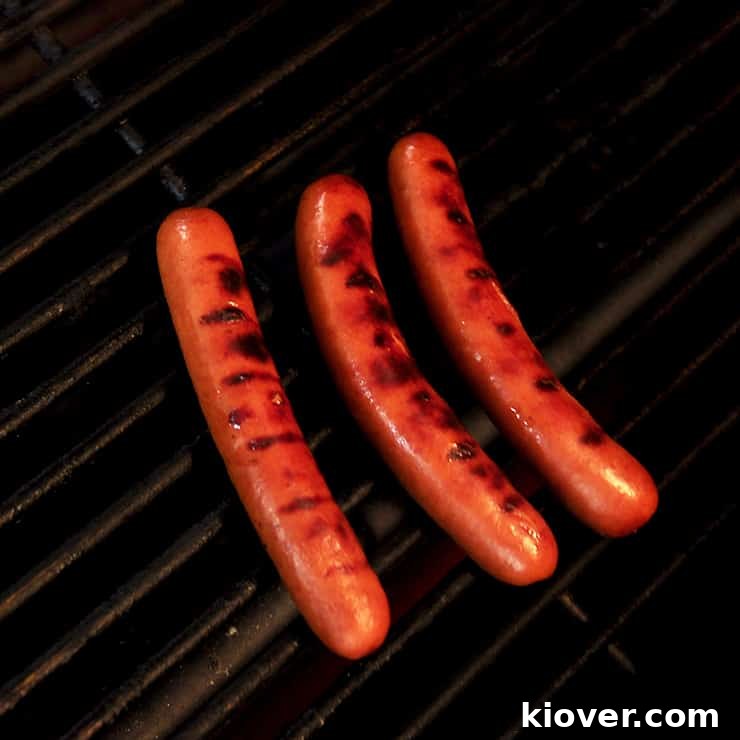
While Ambassador has certainly won my heart, I’ve also thoroughly enjoyed other well-regarded brands such as Nathan’s and Hebrew National Hotdogs, both of which offer excellent quality and distinct flavor profiles. However, it’s important to acknowledge that not everyone will have access to Ambassador hot dogs, as their distribution is primarily limited to Minnesota and surrounding border regions. This geographic restriction underscores the importance of your own exploration and experimentation.
My hope is that I’ve provided you with a robust framework and ample information to confidently approach your local market. Armed with “The Rule of Three” and an understanding of meat types and casings, you can now embark on your own taste adventure to discover the hot dog brand that best aligns with your personal tastes, your family’s preferences, and your regional availability. The journey to finding your ultimate hot dog is a delicious one!
Exploring Plant-Based Hot Dog Alternatives
Living with a vegetarian has expanded my culinary horizons significantly, particularly into the realm of meat alternatives. While traditional hot dogs hold a special place in my grilling repertoire, the quality and variety of plant-based options have improved dramatically. Among the many choices available today, I must take a moment to specifically highlight the Beyond Sausage. In my experience, it stands out as arguably the best plant-based alternative I have ever tasted, perfectly capable of stepping in for a hot dog or a brat.
The Beyond Sausage excels remarkably in both texture and taste. It achieves a satisfying chewiness that closely mimics traditional meat sausages, and its flavor profile is rich, savory, and surprisingly authentic. This makes it an excellent choice for a wide range of palates, not just strict vegetarians or vegans. If you have a vegetarian or vegan in your life, or simply want to offer a delicious, inclusive option at your next backyard cookout, stocking up on these Beyond Sausages is a fantastic idea. They are guaranteed to make your non-meat-eating guests feel celebrated and satisfied, proving that plant-based options can be just as exciting and flavorful on the grill.
The undeniable truth is that I am passionate about grilling, and there’s nothing quite like a perfectly cooked hot dog. However, as we’ve explored, not all hot dogs are created equal. My aim has been to provide you with insightful tips and a deeper understanding of the finer points involved in choosing a quality hot dog. I genuinely hope that these guidelines will transform your next grocery shopping experience, making it more informed, confident, and ultimately, more successful in finding that ideal hot dog for your grill. Happy grilling, everyone! And don’t forget to sign up for our email list – we share a lot of fun, delicious content!