
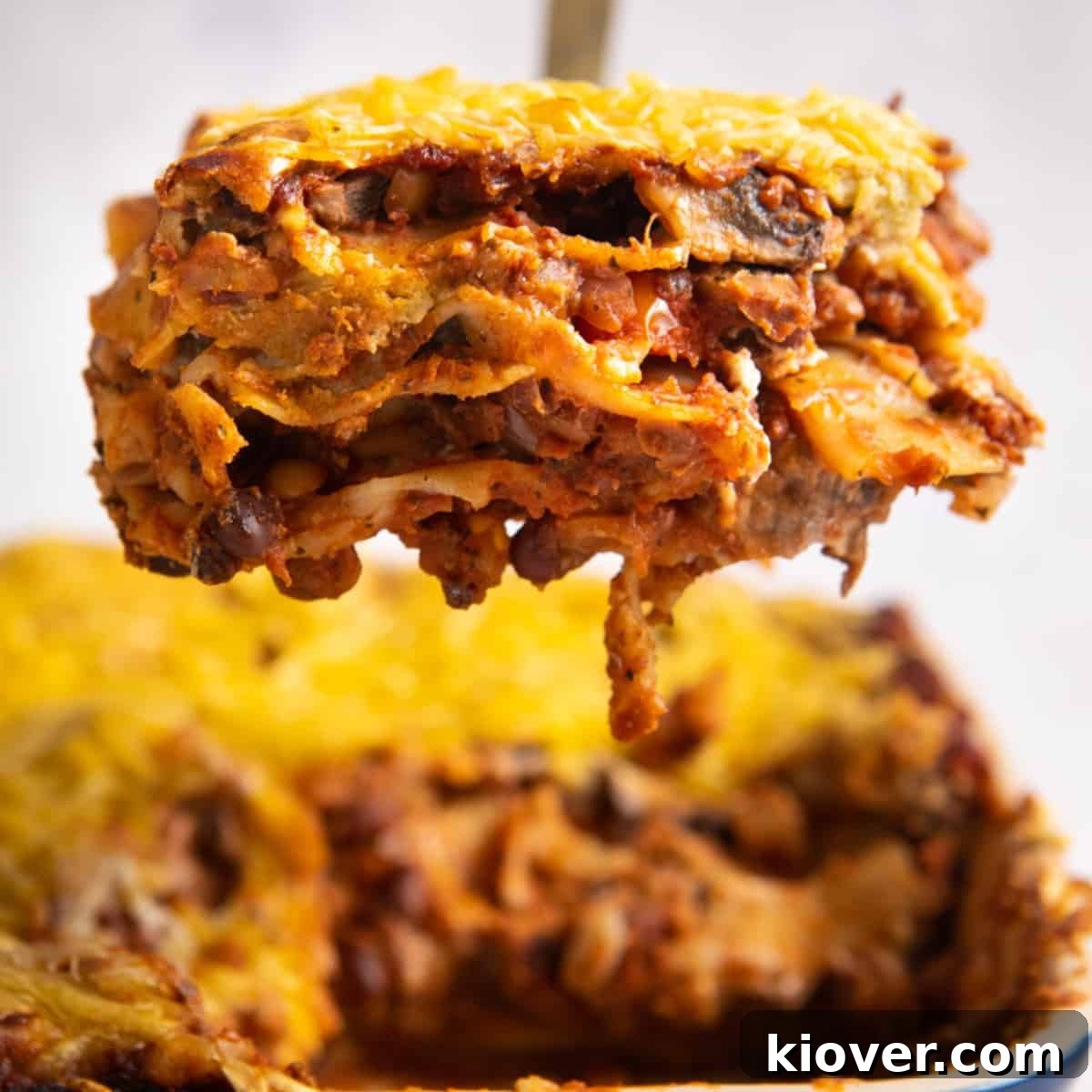
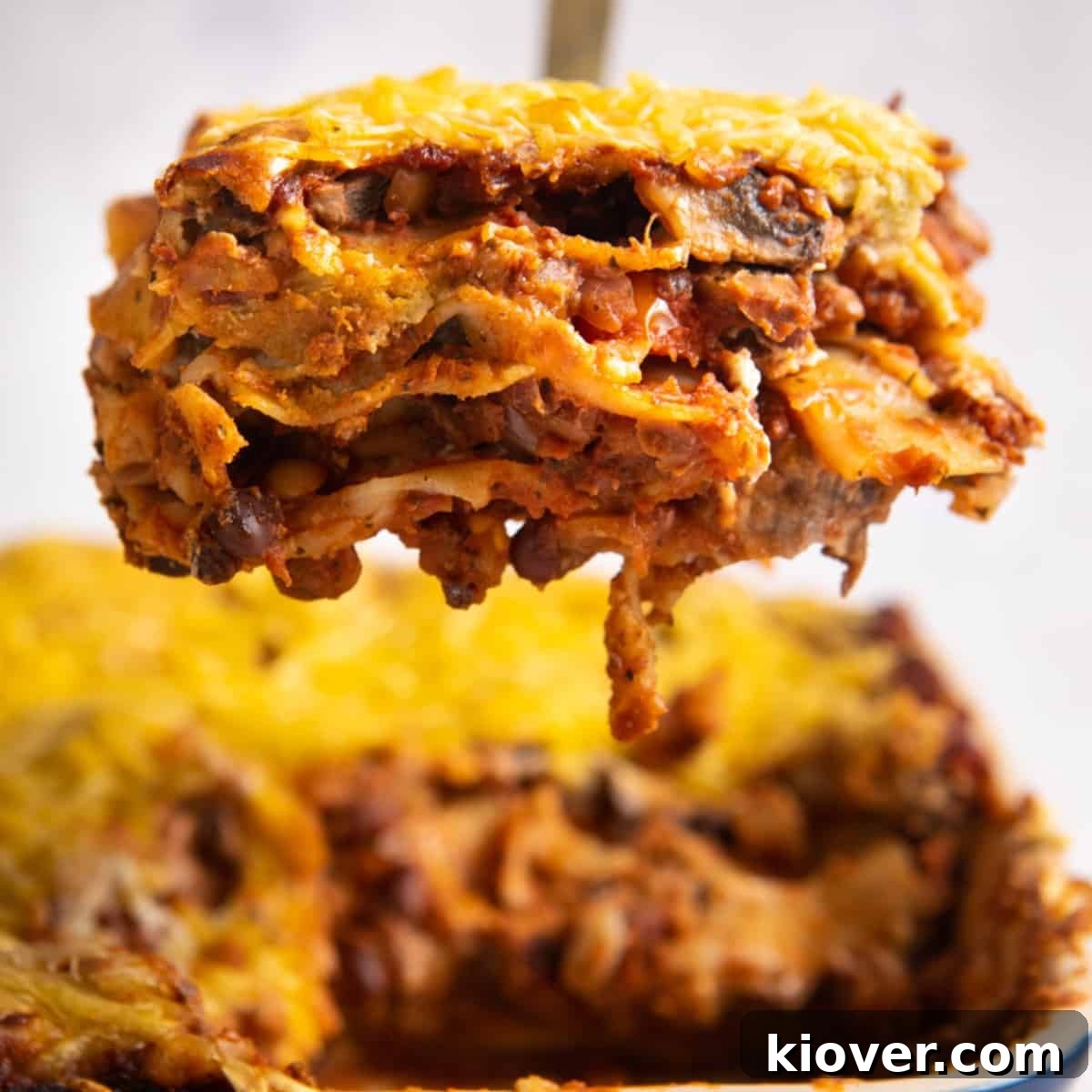
Welcome to the ultimate guide for creating the Best Vegan Lasagne you’ll ever taste! This isn’t just another plant-based recipe; it’s a culinary masterpiece that has consistently won over even the most devoted meat-eaters, often earning reviews that claim it surpasses traditional meat lasagne. Prepare yourself for a truly satisfying and deeply flavorful dish that proves vegan food can be every bit as hearty and comforting.
Recipe Difficulty – Easy!
Table of Contents
- Why This Vegan Lasagne Recipe Works So Well
- Essential Ingredients for the Best Vegan Lasagne
- Ingredient Spotlight: Depth of Flavor Explained
- Smart Substitutions for Your Vegan Lasagne
- Exciting Variations to Customize Your Lasagne
- Step-by-Step: How to Make the Best Vegan Lasagne
- Tips for a Perfect Vegan Lasagne Every Time
- Storing and Reheating Leftover Vegan Lasagne
- Vegan Lasagne Recipe FAQs
- What to Serve with Vegan Lasagne
- Printable Vegan Lasagne Recipe Card
Why This Vegan Lasagne Recipe Works So Well
This isn’t just a “good” vegan lasagne; it’s genuinely the best. From the vibrant, fresh tomato sauce bursting with garden-fresh flavor to the luxuriously creamy vegan cashew béchamel sauce, every layer contributes to an unforgettable culinary experience. You might think creating a dish this impressive requires advanced culinary skills, but the truth is, this recipe is surprisingly straightforward and easy to master, making it the ultimate comfort food for any occasion.
What sets this vegan lasagne apart is its incredible texture and depth of flavor. We achieve a truly satisfying “meaty” texture in our rich red sauce by incorporating hearty black beans and green lentils. These plant-based powerhouses not only mimic the texture of traditional meat sauces but also pack a significant protein punch, making this a wonderfully nourishing and filling meal. Paired with our homemade vegan béchamel, which delivers a creamy, cheesy sensation without any dairy, you’ll be astonished at how authentically it replicates the classic lasagne experience.
This recipe is also incredibly versatile and can be made gluten-free by simply using gluten-free lasagne sheets. It’s a fantastic option for those with dietary restrictions who still crave a robust and flavorful meal. Its universal appeal makes it perfect for family dinners, potlucks, or impressing guests – even those skeptical about plant-based cuisine. Get ready to add this easy vegan lasagne to your regular rotation!
If you’re eager for more delicious vegan comfort food that will satisfy even the most discerning palates, be sure to explore my other popular recipes like Vegan Moussaka, Vegan Meatballs, or my speedy Lentil Bolognese. Each offers a unique take on satisfying, plant-based indulgence.
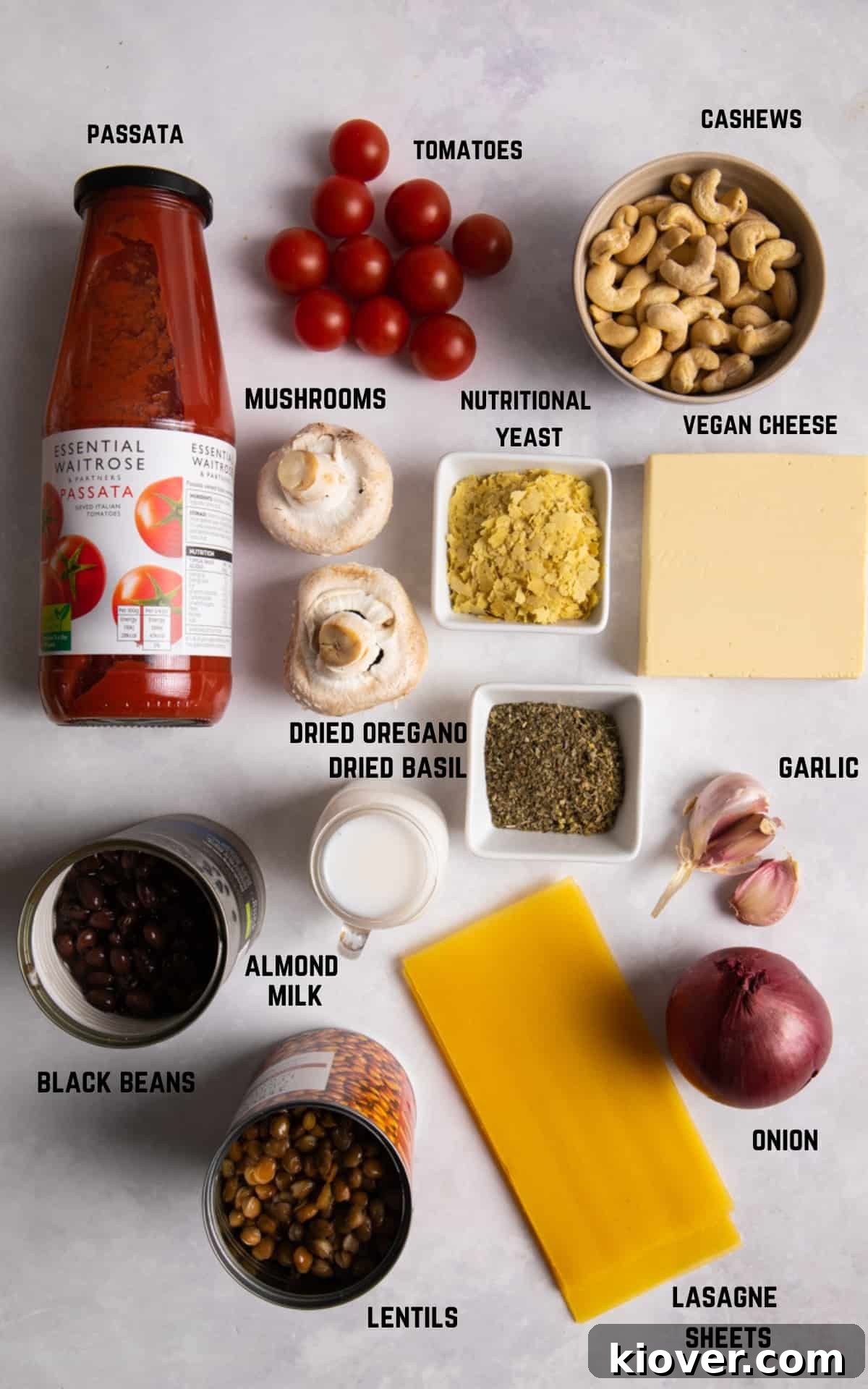
Essential Ingredients for the Best Vegan Lasagne
Ingredient Spotlight: Depth of Flavor Explained
Each ingredient in this recipe plays a crucial role in building the incredible flavor and texture of our vegan lasagne. Let’s dive into why these components are essential:
For the Rich Tomato Sauce:
- Olive Oil: The foundation of our sauce, olive oil is used to sauté the aromatics and vegetables, bringing out their natural sweetness and preventing them from sticking. It also adds a lovely richness and Mediterranean flavor.
- Garlic Cloves: Crushed garlic infuses the sauce with its pungent, aromatic flavor, providing a classic Italian base that is both comforting and robust.
- Red Onion: Opting for red onion offers a slightly sweeter and milder flavor profile than white or yellow onions, which beautifully complements the acidity of the tomatoes. It caramelizes nicely, adding depth.
- Dried Oregano: A staple in Italian cuisine, dried oregano contributes a bold, earthy, and slightly peppery note, essential for that authentic lasagne taste.
- Dried Basil: Sweet and aromatic, dried basil is another classic herb that pairs perfectly with tomatoes, adding a layer of fresh, slightly anise-like flavor to the sauce.
- Mushrooms: Sautéed mushrooms add a wonderful umami depth and a tender, chewy texture, making the sauce more substantial and ensuring a bounty of vegetables in every bite.
- Fresh Chopped Tomatoes: These provide a bright, fresh sweetness and a slightly chunky texture, balancing the rich passata and adding a vibrant taste to the sauce.
- Tinned Black Beans: Drained and rinsed, black beans are excellent for replicating a “meaty” texture. They contribute significant protein and fiber, making the lasagne hearty and satisfying.
- Green Lentils: Similar to black beans, green lentils offer a firm yet tender texture and an earthy flavor. They are a fantastic source of protein and help create a dense, flavorful sauce that holds up beautifully between the pasta layers.
- Passata: This smooth, strained tomato puree forms the backbone of our sauce, providing intense tomato flavor, body, and the perfect balance of acidity.
- Fresh Spinach (Optional): A handful of fresh spinach can be stirred into the tomato sauce for added greens, vitamins, and a pop of color, wilting down perfectly into the rich sauce.
- Salt & Pepper: Essential for seasoning, bringing out all the flavors and ensuring the sauce is perfectly balanced.
For the Creamy Vegan Bechamel Sauce:
- Cashews: The star of our béchamel, cashews are blended to create an incredibly creamy, rich, and smooth texture, mimicking dairy-based sauces beautifully. For the best results, soak them in hot water for at least 30 minutes (or overnight) to soften them before blending.
- Nutritional Yeast: This magical ingredient is key to achieving that distinctive “cheesy” flavor in our dairy-free béchamel. It also provides a nutty depth and is a good source of B vitamins.
- Dried Basil: A touch of dried basil enhances the béchamel’s flavor, adding a subtle herbaceous note that complements the tomato sauce.
- Garlic Clove: A single crushed garlic clove adds a gentle, aromatic warmth to the béchamel, ensuring every layer of your lasagne is packed with flavor.
- Unsweetened Plant Milk: Almond, oat, or soy milk are all excellent choices. They provide the necessary liquid for blending the cashews into a smooth, pourable sauce without adding unwanted sweetness.
- Olive Oil: A small amount of olive oil contributes to the béchamel’s luxurious texture and mouthfeel, adding a touch of richness.
- Salt & Pepper: Crucial for seasoning the béchamel, ensuring it is savory and well-balanced.
Additional Layers:
- Lasagne Sheets: For a truly gluten-free vegan lasagne, opt for gluten-free noodles. However, traditional or whole wheat lasagne noodles work just as well if gluten isn’t a concern. The beauty is that most modern lasagne sheets do not require pre-boiling!
- Vegan Cheese: The final flourish! The choice of vegan cheese allows for personalization. Options like vegan parmesan for a sharp kick, melty vegan mozzarella for classic gooeyness, or even vegan ricotta for an extra creamy layer, all work wonderfully. You can use a single type or a combination to achieve your desired flavor and texture.
Refer to the full recipe card below for exact quantities and detailed instructions.
Smart Substitutions for Your Vegan Lasagne
Life happens, and sometimes you don’t have every ingredient on hand. Here are some excellent substitutions that will still result in a delicious vegan lasagne:
- Tomato Sauce Base: If you’re short on time, a good quality store-bought marinara or pasta sauce can be used as a base. However, for best results, I recommend enhancing it with extra garlic, herbs, and perhaps a splash of balsamic vinegar to deepen the flavor.
- Cooking Oil: Any neutral-flavored oil like vegetable oil, canola oil, or sunflower oil can be used in place of olive oil for sautéing. Keep in mind that these oils might slightly alter the overall flavor profile compared to olive oil’s distinct notes.
- Onion Type: While red onion offers a sweeter flavor, a white or yellow onion will work perfectly fine. They provide the essential aromatic base for the tomato sauce.
- Garlic Alternatives: If fresh garlic isn’t available, you can use garlic powder. As a general rule, 1/4 teaspoon of garlic powder equals one clove of fresh garlic.
- Beans and Pulses: The black beans and lentils are fantastic for texture and protein, but feel free to experiment with other legumes. Chickpeas can add a slightly firmer texture, while cannellini beans offer a creamier mouthfeel. Even kidney beans could be used for a robust flavor.
- Nutritional Yeast: If you don’t have nutritional yeast, you can substitute it with a vegan parmesan alternative for a cheesy flavor, though the béchamel might be slightly less thick.
- Passata: Canned chopped tomatoes can replace passata. For a smoother sauce, you might want to blend them briefly. A squeeze of tomato paste can also be added to intensify the tomato flavor and thicken the sauce.
- Extra Veggies: This lasagne is highly adaptable to extra vegetables. Bell peppers (red, yellow, or orange) add sweetness and color. Zucchini, grated carrots, or even finely chopped celery can be incorporated into the tomato sauce for added nutrients and texture. Wilted spinach or kale can also be added to the tomato sauce or layered directly.
Exciting Variations to Customize Your Lasagne
Once you’ve mastered the basic recipe, feel free to get creative with these delicious variations:
- Spicy Kick: For those who love a bit of heat, infuse your veggie lasagne with some spice. Add a pinch or two of crushed red pepper flakes to the red sauce as it simmers. For an even more fiery experience, consider finely dicing a jalapeño or serrano pepper and sautéing it with the onions and garlic.
- Deluxe Presentation & Flavor: Elevate your lasagne for dinner guests or a special occasion. Before baking, sprinkle fresh basil or chopped parsley over the top for a vibrant burst of color and aroma. A generous dusting of grated vegan parmesan cheese adds an extra layer of savory depth. To boost the umami flavor in the sauce, stir in a splash of soy sauce (or tamari for a gluten-free option) or a small spoonful of miso paste. These ingredients add a rich, savory complexity that will impress everyone.
- Kid-Friendly Perfection: This vegan lasagne is already a hit with most families, but you can make it even more appealing for picky eaters. Ensure the vegetables in the tomato sauce are finely diced or even blended slightly for a smoother consistency. Serve it alongside some warm vegan garlic bread for an irresistible pairing. My Gluten Free Focaccia is another excellent side that kids adore. The familiar and comforting flavors of this lasagne are often enough to win over even the fussiest eaters!
- Mediterranean Twist: Add chopped artichoke hearts, sun-dried tomatoes, and a sprinkle of Kalamata olives to the tomato sauce for a rich, Mediterranean-inspired flavor.
- Creamy Pesto Layer: For a burst of fresh flavor, spread a thin layer of vegan pesto over some of your lasagne sheets before adding the next sauce. This adds a beautiful green color and an aromatic herbaceousness.
Step-by-Step: How to Make the Best Vegan Lasagne
Creating this show-stopping vegan lasagne is simpler than you think. Follow these easy steps to assemble your masterpiece:
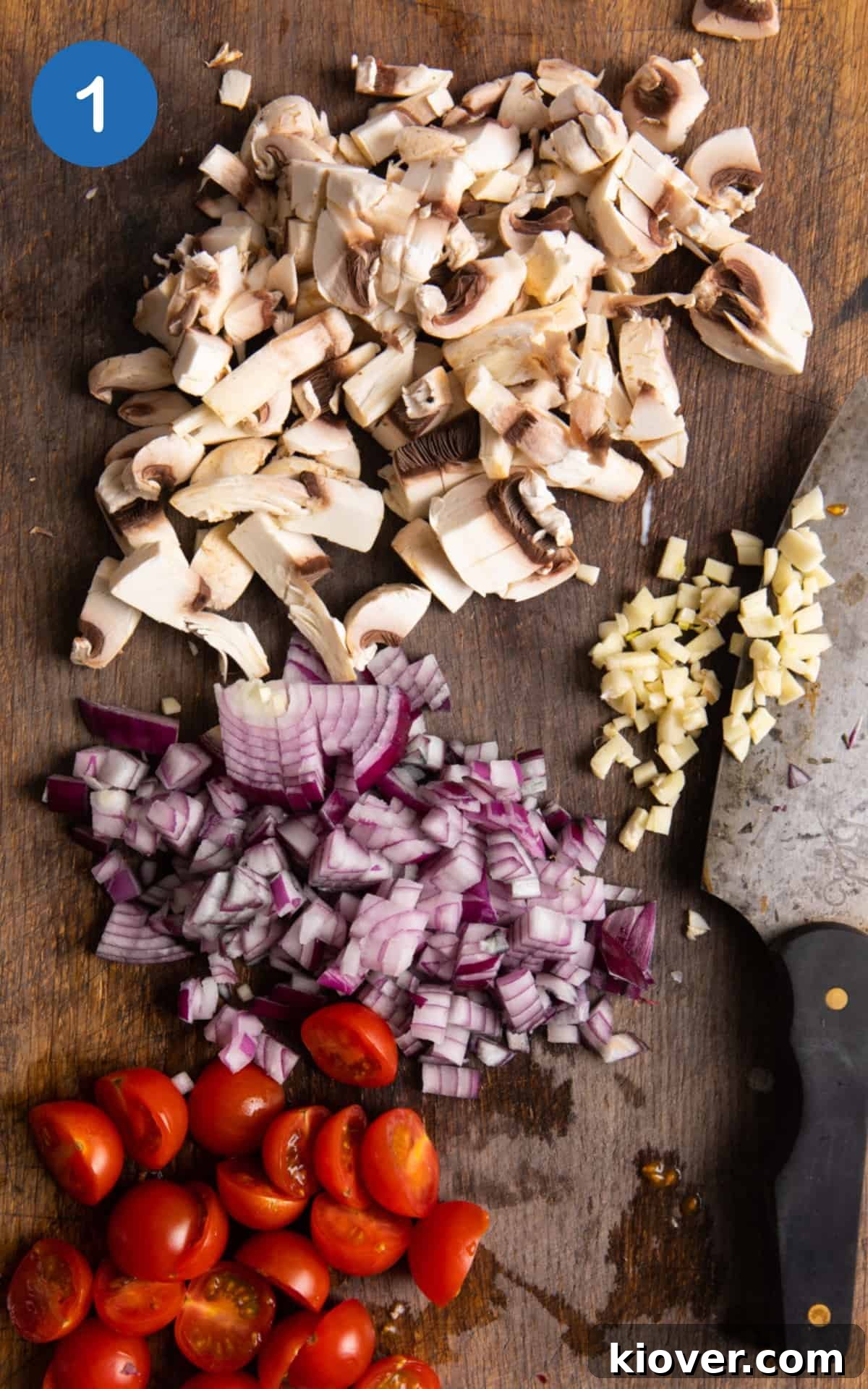
Step 1: Prepare & Preheat. First, preheat your oven to 200°C (390°F). While the oven heats, meticulously chop your mushrooms, fresh tomatoes, red onion, and garlic cloves. Precision in chopping ensures even cooking and optimal flavor release.
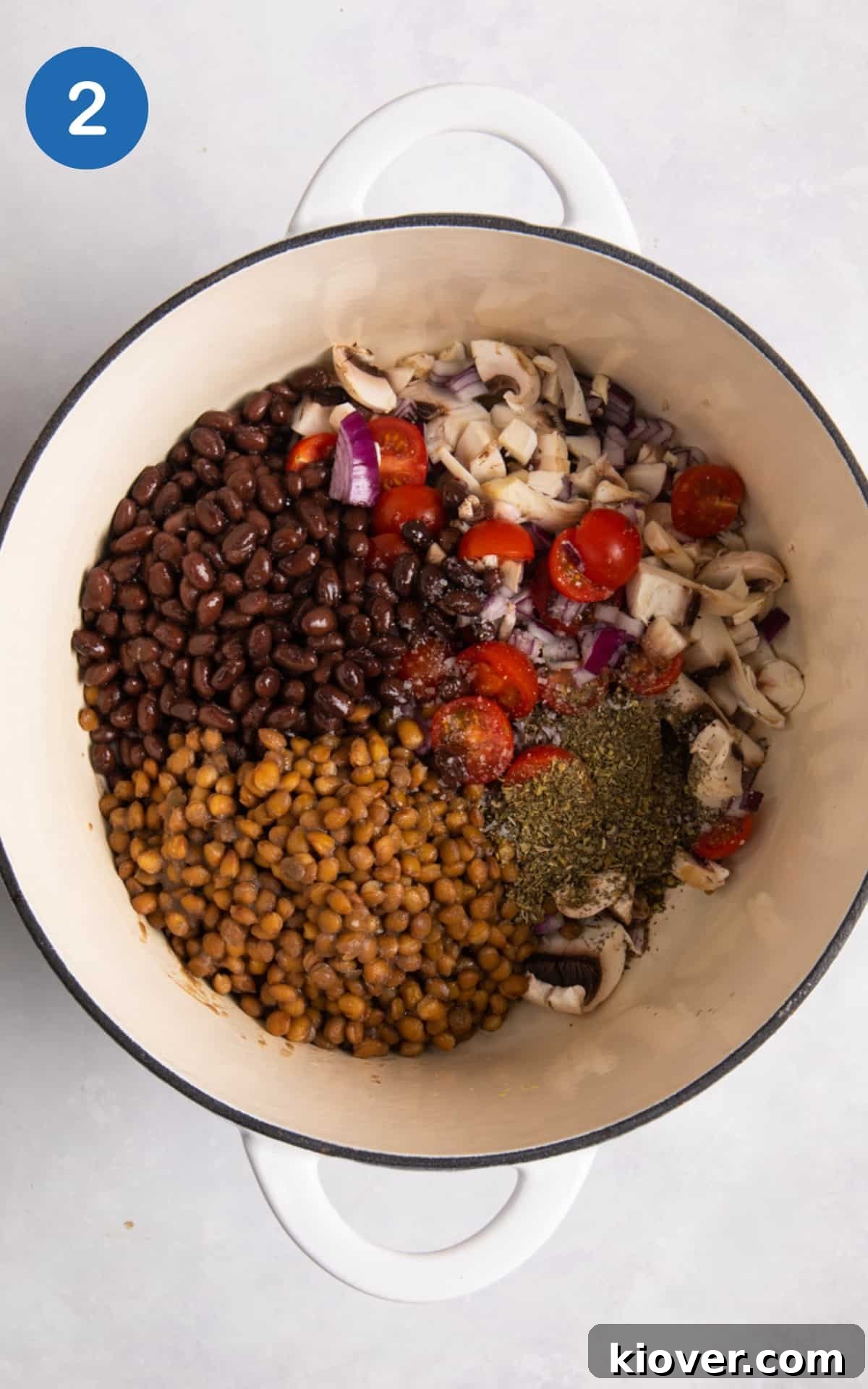
Step 2: Sauté the Aromatics and Vegetables. Heat a large, deep saucepan or pot over medium heat. Add the olive oil, then introduce the chopped garlic and onion, sautéing until fragrant and softened, about 3-5 minutes. Stir in the dried oregano and basil, followed by the chopped tomatoes, mushrooms, drained black beans, and rinsed green lentils. Allow this flavorful mixture to fry for several minutes, letting the flavors meld and the vegetables slightly tenderize.
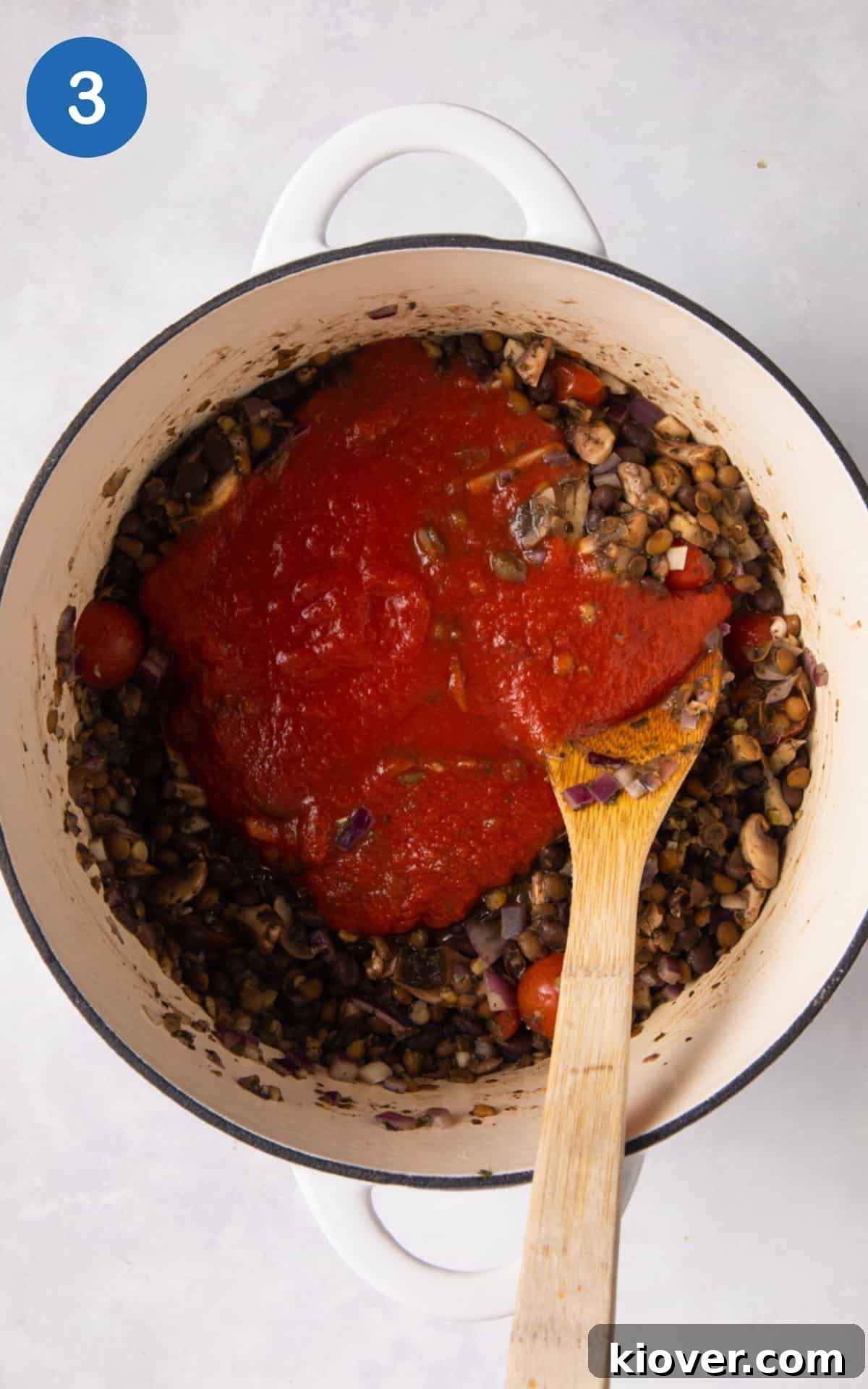
Step 3: Simmer the Tomato Sauce. Pour in the passata and season generously with salt and black pepper. Stir everything together thoroughly, bring the mixture to a gentle simmer, then reduce the heat to low, cover, and let it cook for at least 15 minutes. This simmering time is crucial for the flavors to deepen and the sauce to thicken beautifully.
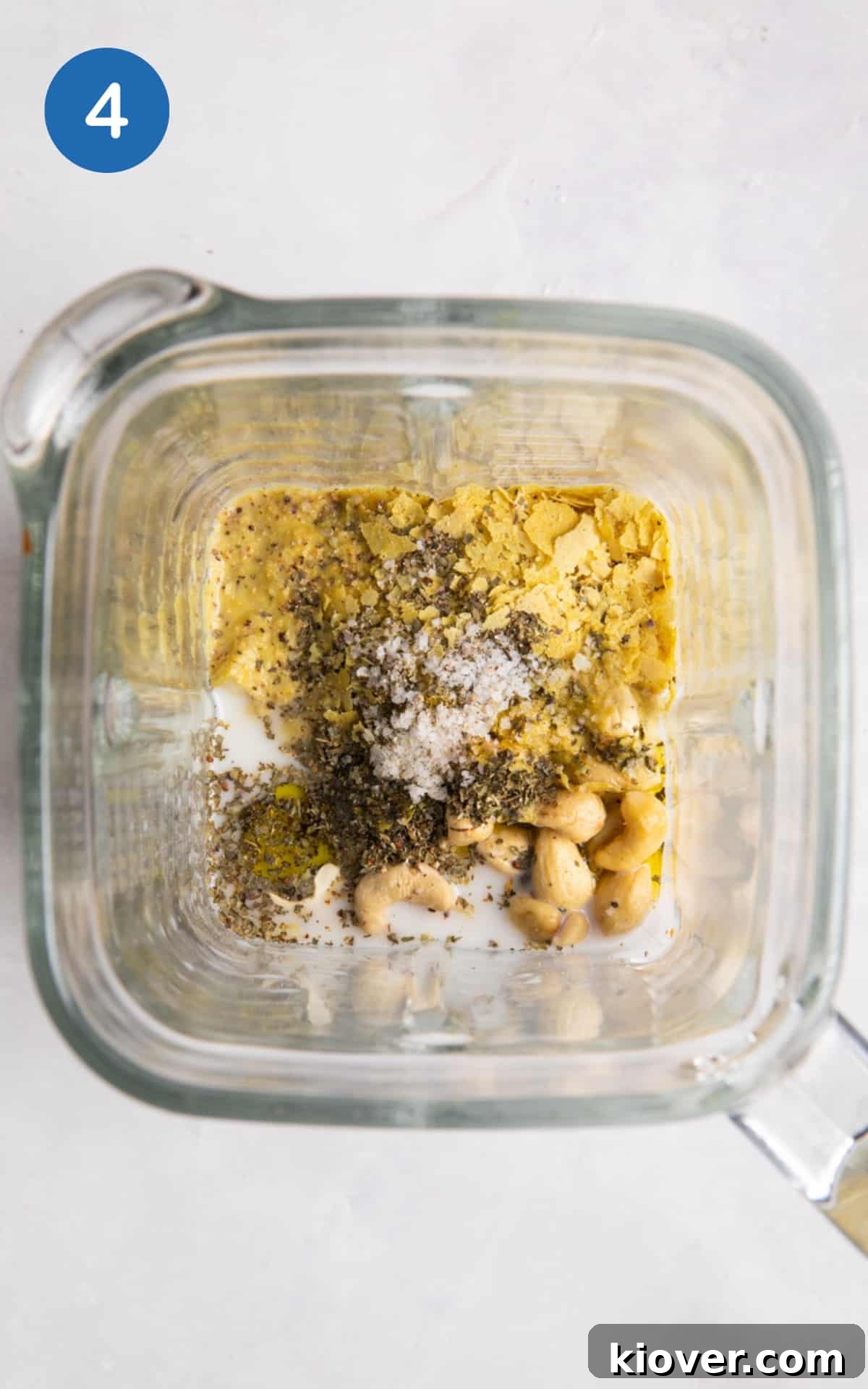
Step 4: Prepare the Creamy Bechamel. While your tomato sauce is simmering, prepare the vegan béchamel. Combine all the béchamel ingredients—pre-soaked cashews, nutritional yeast, dried basil, crushed garlic, salt, pepper, unsweetened plant milk, and olive oil—into a high-speed blender. Blend until the mixture is completely smooth and wonderfully creamy. Scrape down the sides as needed to ensure everything is incorporated.
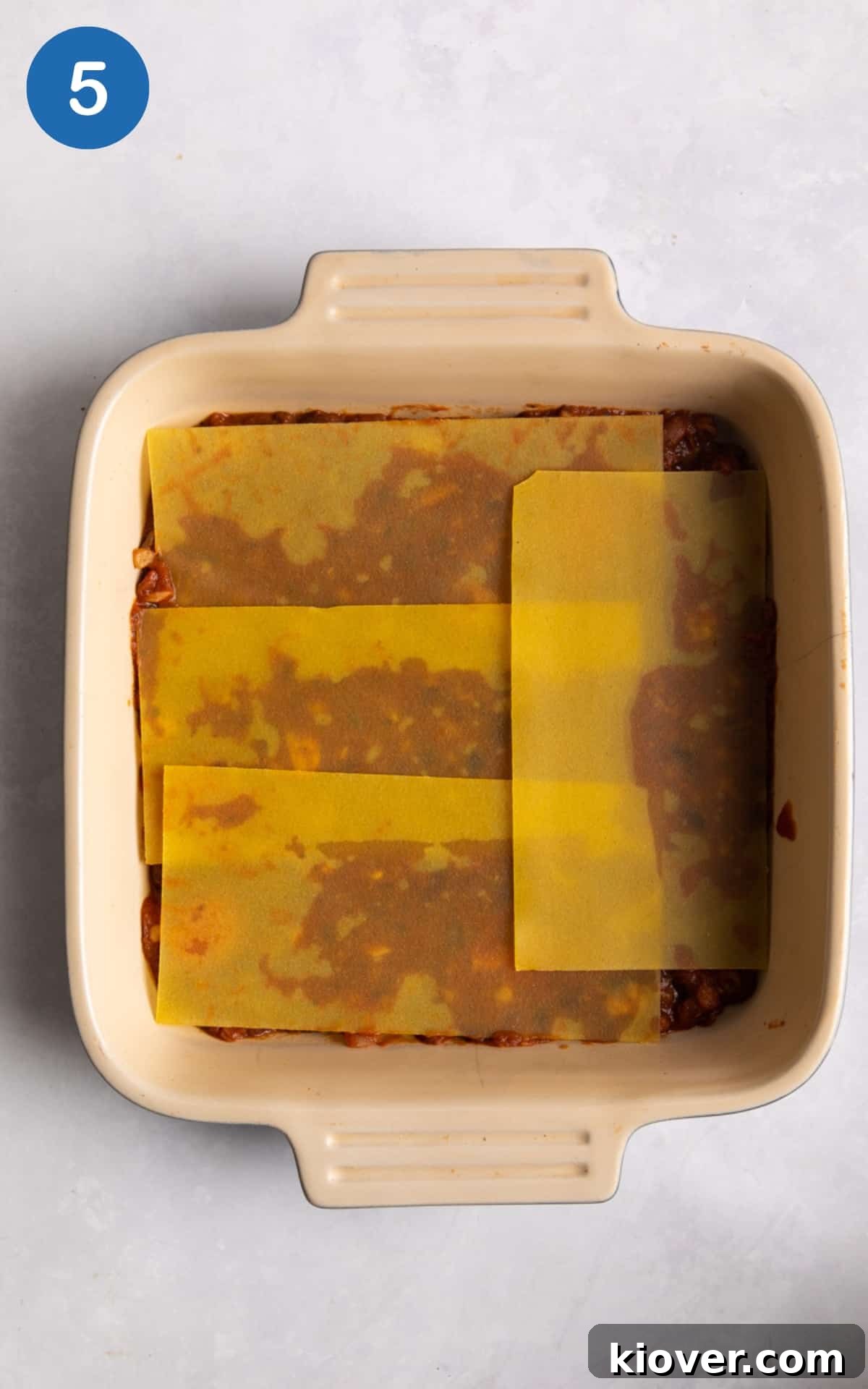
Step 5: Assemble the Layers. Now for the fun part – assembling your lasagne! Begin with a thin layer of tomato sauce at the bottom of your baking dish to prevent sticking. Then, lay down a single layer of lasagne sheets. Continue layering: tomato sauce, a drizzle of creamy white béchamel sauce, another layer of pasta, and so on. The exact order is up to your preference, but a common and effective pattern is: sauce, pasta, sauce, béchamel, pasta.
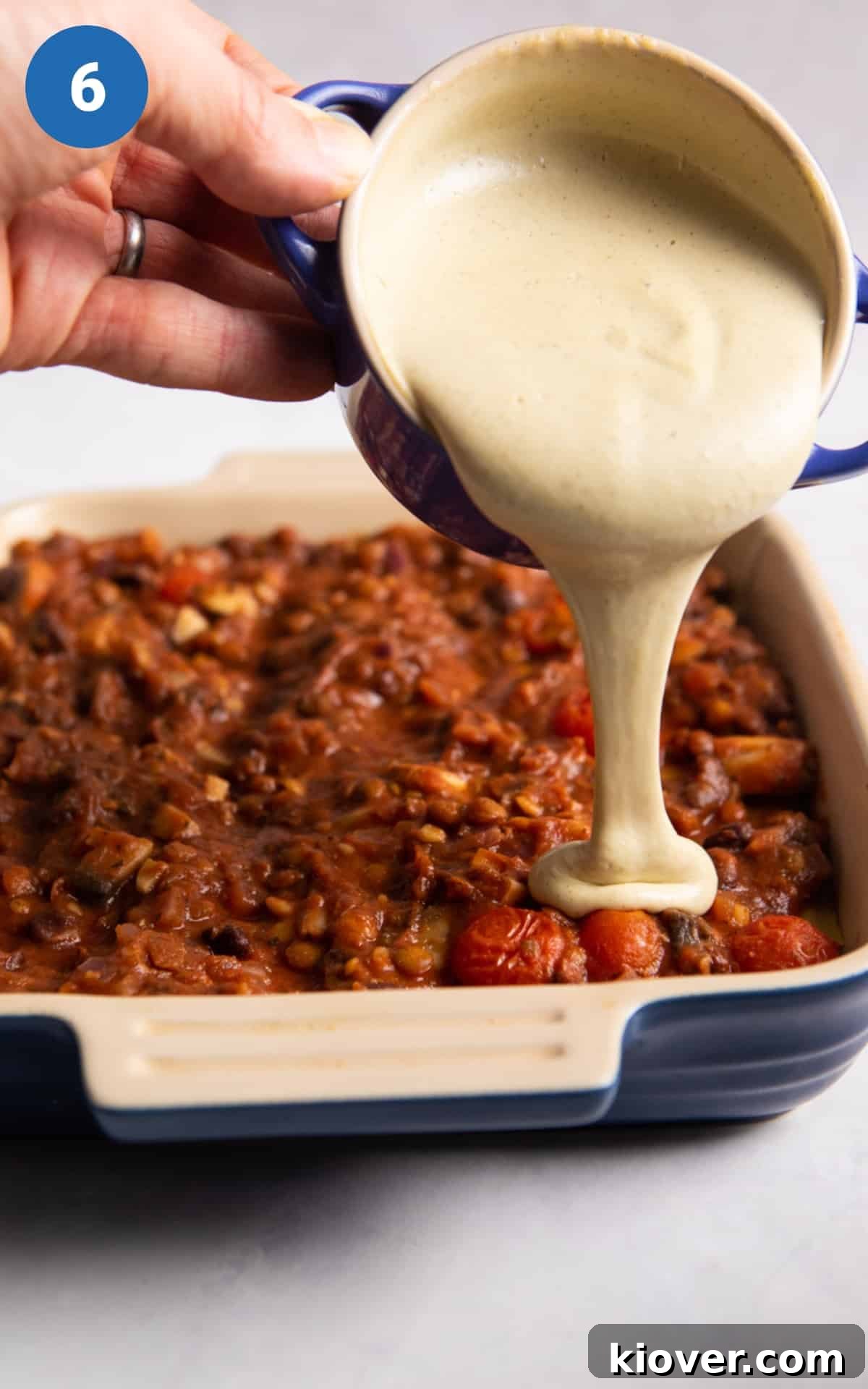
Step 6: Top it Off. Ensure your final layer of noodles is completely covered with sauce. I recommend finishing with a generous layer of the creamy Vegan Bechamel Sauce, as this provides a rich, moisture-rich base for the vegan cheese topping, preventing the pasta from drying out.

Step 7: Bake to Perfection. Grate your chosen vegan cheese generously over the top of the assembled lasagne. Carefully place the baking dish into your preheated oven and bake for 30-35 minutes, or until the top is golden brown, bubbly, and the lasagne sheets are tender. If the top starts to brown too quickly, you can cover it loosely with foil.
Hint: Lining your baking dish with parchment paper before assembling the lasagne can make clean-up an absolute breeze!
Tips for a Perfect Vegan Lasagne Every Time
Achieving the perfect vegan lasagne is easy with a few simple tricks:
- Pre-Soak Cashews: For the smoothest béchamel, soak your cashews in hot water for at least 30 minutes (or in cold water overnight) before blending. This softens them considerably, resulting in an incredibly silky sauce.
- Don’t Rush the Simmer: The tomato sauce benefits immensely from a good simmer. Allowing it to cook for at least 15 minutes lets the flavors deepen and meld, creating a richer, more complex taste.
- Layer Thoughtfully: Ensure a good balance of sauce to pasta in each layer. Too much pasta can make the lasagne dry, while too much sauce can make it watery. Always start and end with a sauce layer.
- Cover if Browning Too Quickly: If the top of your lasagne starts to brown excessively before the pasta is cooked through, loosely cover the dish with aluminum foil. This protects the top while allowing the interior to finish cooking.
- Rest Before Serving: It’s tempting to dig in immediately, but allowing the lasagne to rest for 10-15 minutes after baking helps the layers set. This makes for cleaner slices and a less messy serving experience.
- Drain and Rinse Beans/Lentils: Always drain and thoroughly rinse canned black beans and green lentils. This removes excess sodium and any residual liquid that could dilute your sauce’s flavor.
Storing and Reheating Leftover Vegan Lasagne
This vegan lasagne is one of those magical dishes that often tastes even better the next day! Proper storage is key to enjoying your leftovers safely and deliciously.
- Refrigeration: Once cooled to room temperature (within 2 hours of cooking), transfer any leftover lasagne to an airtight container. Store it in the refrigerator for 3-5 days. Ensure it’s not left at room temperature for extended periods to maintain freshness and safety.
- Freezing: This recipe freezes wonderfully, making it ideal for meal prep! Allow the cooked lasagne to cool completely. You can freeze it whole in the baking dish (if freezer-safe and covered tightly), or cut it into individual portions for convenience. Place individual servings in freezer-safe airtight containers or wrap them securely in plastic wrap and then foil. It will keep well in the freezer for up to 3 months.
- Defrosting: To defrost, transfer the frozen lasagne to the refrigerator and allow it to thaw completely overnight.
- Reheating:
- Oven: For best results, reheat in the oven. Preheat your oven to 180°C (350°F). Place the defrosted (or even frozen, adding more time) lasagne in an oven-safe dish, covered with foil, and bake for 20-30 minutes for defrosted portions, or 45-60 minutes for frozen, until piping hot throughout. Remove the foil for the last 5-10 minutes if you want a crispy top.
- Microwave: Individual portions can be reheated in the microwave. Place a serving on a microwave-safe plate, cover loosely, and heat on high for 2-4 minutes, or until thoroughly heated, stirring occasionally if possible.
Vegan Lasagne Recipe FAQs
Generally, no! Most modern lasagne sheets are designed to cook perfectly in the oven, absorbing moisture from the sauces as they bake. There’s no need for the extra step of boiling them beforehand, which simplifies the process considerably.
Absolutely! Lasagne is a fantastic make-ahead meal. You can assemble the entire dish a day in advance, cover it tightly, and store it in the refrigerator. When you’re ready to eat, simply pop it into the oven. This makes it perfect for entertaining or busy weeknights.
In this recipe, black beans and lentils are expertly used to mimic the texture and richness of a meaty sauce. For the creamy, cheesy elements, a cashew-based béchamel sauce replaces dairy milk and cheese, enhanced by nutritional yeast for that savory ‘umami’ cheese flavor. Additionally, various vegan cheeses (like mozzarella, parmesan, or ricotta alternatives) are readily available to complete the authentic lasagne experience.
Yes, just like its traditional counterpart, this vegetarian and vegan lasagne recipe freezes beautifully! You have the option to freeze it either before or after baking. If you’re freezing leftovers, consider portioning them into single servings. This makes it incredibly convenient to grab a quick, delicious meal whenever you need one.
To make the béchamel nut-free, you can substitute the cashews with a blend of sunflower seeds (soaked) or a thick oat cream for creaminess. Alternatively, you can make a roux-based béchamel using plant-based butter and flour with plant milk, then add nutritional yeast for the cheesy flavor.
For the best melt, look for vegan mozzarella shreds or blocks specifically designed for melting. Many brands offer excellent dairy-free alternatives that will give you that satisfying gooey, bubbly topping similar to traditional lasagne. Vegan parmesan is great for flavor, but often won’t melt as readily.
What to Serve with Vegan Lasagne
This robust vegan lasagne is a meal in itself, but it pairs beautifully with simple sides that complement its rich flavors and hearty texture.
- Fresh Green Salad: A crisp, refreshing green salad is the perfect counterpoint to the rich lasagne. Drizzle it with a light vinaigrette, such as my Maple Dijon Dressing, to add brightness and cut through the richness.
- Garlic Bread: You can never go wrong with a side of warm, crusty vegan garlic bread. It’s ideal for soaking up any extra sauce and adding an extra layer of comfort.
- Roasted Vegetables: Simple roasted vegetables like asparagus, broccoli, or bell peppers offer a healthy and flavorful addition. Their slight char and tender-crisp texture complement the soft layers of the lasagne.
- “Chips” or Fries: For a more indulgent side, a portion of crispy Air Fryer Chips or homemade oven fries can be a fun and satisfying accompaniment, especially for a casual family meal.
- For a Three-Course Meal: If you’re hosting and want to impress, follow up this hearty main course with a decadent dessert. My super impressive yet incredibly easy Vegan Chocolate Tart is always a showstopper that will leave your guests completely delighted.
YOU MIGHT ALSO LIKE…
Dinner
Vegan Moussaka
Dinner
Vegan Meatballs
15 Minute Dinners
Vegan Mushroom Pasta
Dips/Sauces
Vegan White Sauce (Bechamel)
Tried this Vegan Lasagne recipe? Please leave a star rating ⭐️⭐️⭐️⭐️⭐️ below and let me know how you get on. Your positive feedback is one of the best parts of creating recipes, so please review it below and leave a comment!
P.S. Never miss a new recipe! Get more healthy recipes sent straight to your inbox weekly – Subscribe and receive a free recipe eBook!

Vegan Lasagne
Equipment
-
1 Knife
-
1 Chopping Board
-
1 Blender
-
1 Large Pot or Deep Saucepan
-
1 Baking Tray (approx. 9×13 inch)
-
1 Grater (for cheese)
Ingredients
Tomato Sauce Ingredients:
- 1 tbsp olive oil
- 3 garlic cloves, crushed
- 1 red onion, diced
- 1 tbsp dried oregano
- 1 tbsp dried basil
- 100 g mushrooms , chopped
- 100 g fresh tomatoes, chopped
- 1 can (400g) tinned black beans, drained and rinsed
- 1 can (400g) green lentils , drained and rinsed
- 680 g passata, (1 large glass jar)
- 2 handfuls fresh spinach, (optional)
- salt & pepper, to taste
Vegan Bechamel Ingredients:
- 200 g cashews, pre-soaked (see tips)
- 4 tbsp nutritional yeast
- 1 tsp dried basil
- 1 garlic clove, crushed
- 2 pinches salt
- 4 pinches pepper
- 200 ml unsweetened plant milk, (almond, oat, or soy)
- 1 tbsp olive oil
Extra Ingredients:
- 12 Lasagne Sheets, (gluten-free or regular)
- 150 g vegan cheese, grated (e.g., mozzarella, parmesan style)
Instructions
-
Preheat your oven to 200°C (390°F). Meanwhile, prepare your vegetables by finely chopping the mushrooms, fresh tomatoes, onion, and garlic.
-
Heat a large pot or deep saucepan over medium heat with olive oil. Add the chopped garlic and onion, sautéing until softened and fragrant (about 3-5 minutes). Stir in the dried oregano, dried basil, chopped tomatoes, mushrooms, drained black beans, and rinsed green lentils. Sauté for a few minutes to allow the flavors to develop.
-
Pour in the passata and season generously with salt and pepper. Mix well to combine, then bring the sauce to a gentle simmer. Reduce heat to low, cover, and allow it to simmer for at least 15 minutes, stirring occasionally, to thicken and deepen the flavors.
-
While the tomato sauce simmers, prepare the creamy vegan béchamel. Combine all the béchamel ingredients (pre-soaked cashews, nutritional yeast, dried basil, crushed garlic, salt, pepper, unsweetened plant milk, and olive oil) into a small blender. Blend until the sauce is completely smooth and creamy.
-
Assemble the lasagne layers in your baking dish. Start with a thin layer of tomato sauce at the bottom. Then, lay a single layer of lasagne sheets. Continue layering as you prefer: tomato sauce, a drizzle of white béchamel sauce, then another layer of pasta, and so on.
-
Ensure the final layer of noodles is completely covered with sauce. I recommend finishing with a generous layer of the Vegan Bechamel Sauce, followed by the grated vegan cheese.
-
Bake in the preheated oven at 200°C (390°F) for 30-35 minutes, or until the top is golden brown and bubbly, and the lasagne sheets are tender. If the top browns too quickly, cover loosely with foil. Allow to rest for 10-15 minutes before serving for cleaner slices.
Notes
Substitutions & Variations: I have included a comprehensive list of these options in the post above to help you customize your lasagne.
To Store: Store any cooled leftovers in an airtight container in the fridge for up to 3-5 days. It’s just as delicious the next day!
To Freeze: Allow the lasagne to cool completely. Store it in an airtight freezer-safe container for up to 3 months. To cook again, allow it to fully defrost in the fridge before reheating gently until piping hot.
Tip 1: Always drain and thoroughly rinse tinned lentils and black beans before adding them to the sauce to remove excess sodium.
Tip 2: I highly recommend using my homemade cashew béchamel sauce as it adds unparalleled creaminess and flavor that truly elevates the dish.
Tip 3: This recipe freezes exceptionally well, so consider making a double batch for convenient future meals.