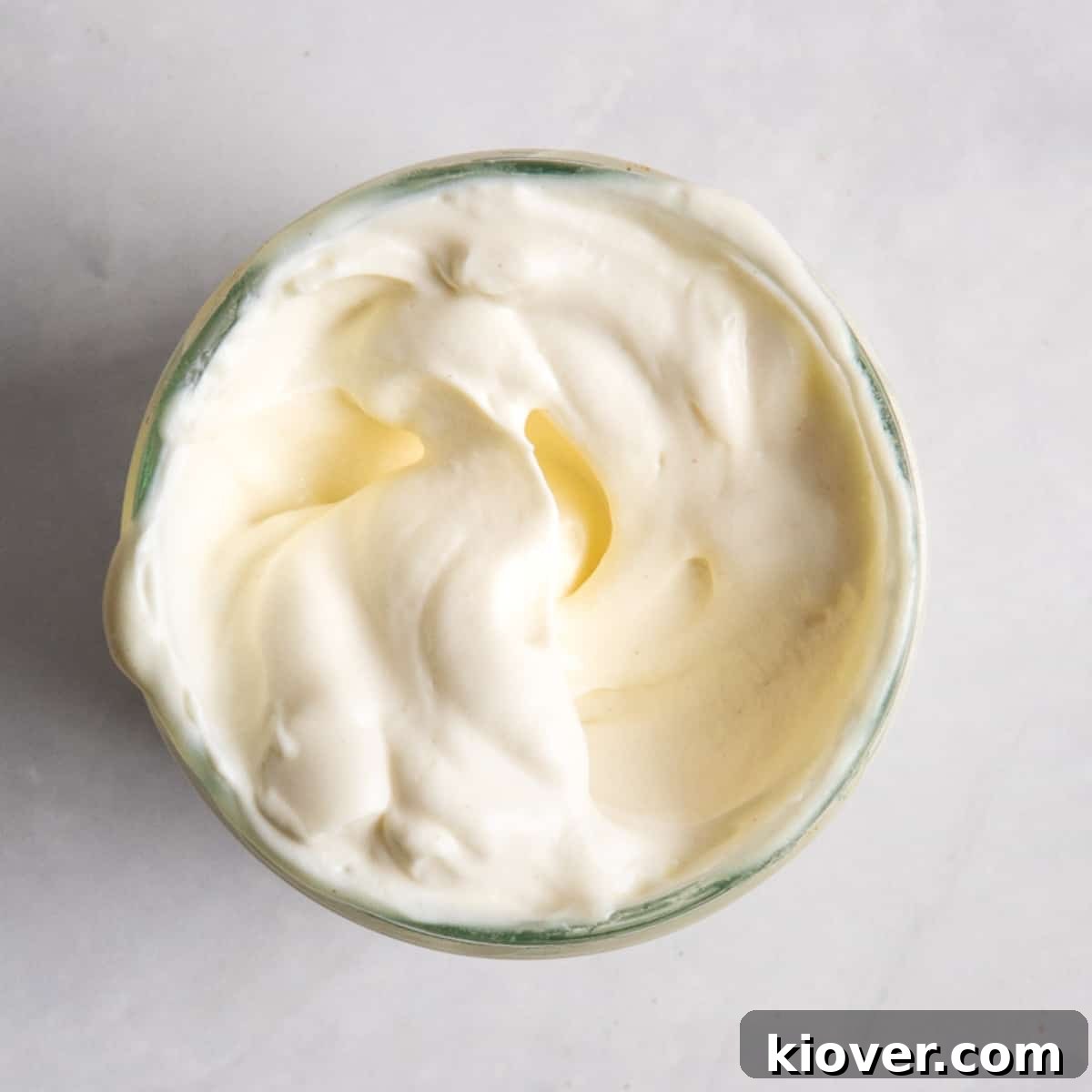
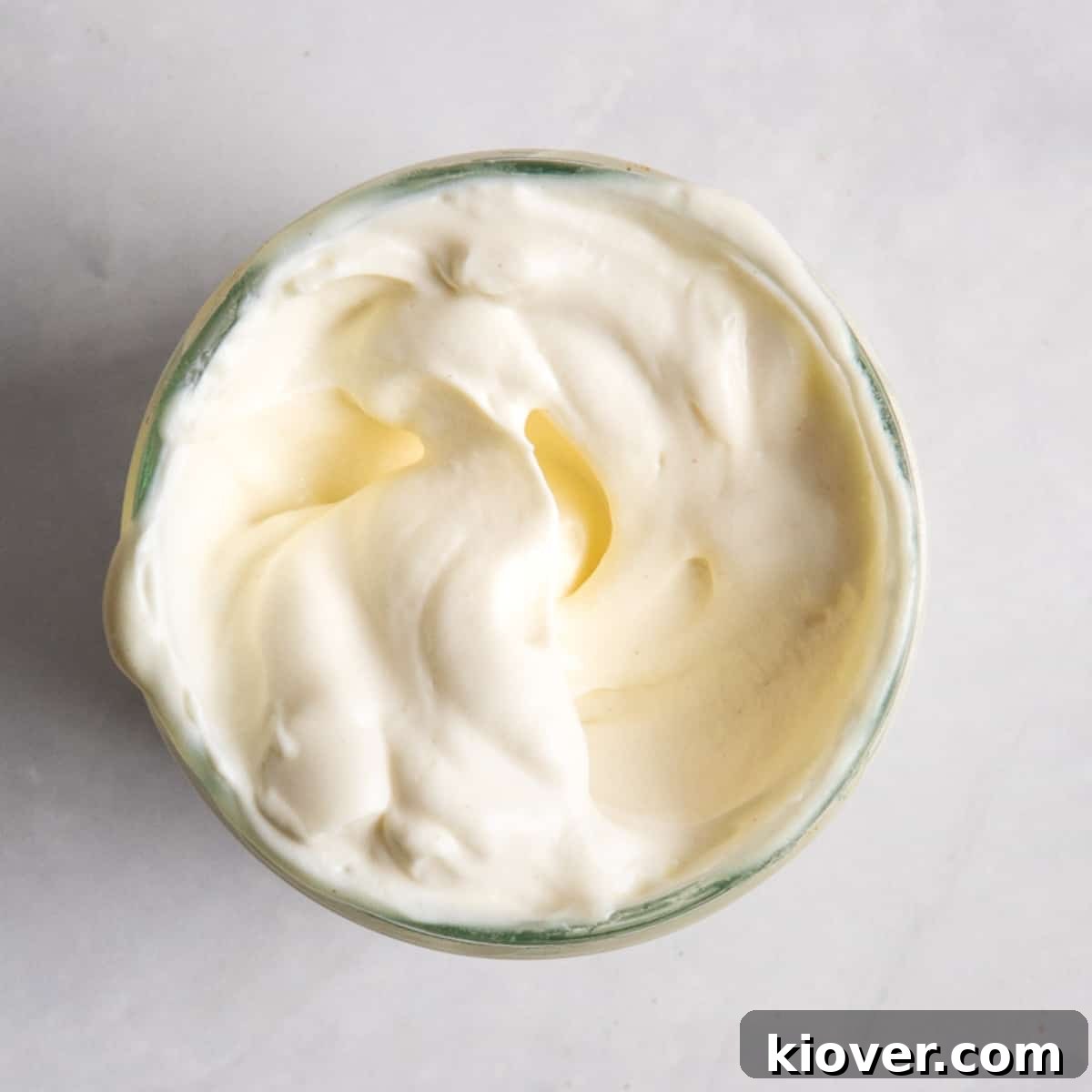
Ditch store-bought jars and discover the unparalleled freshness and convenience of Easy Homemade Vegan Mayonnaise. This extraordinary recipe is poised to become your new kitchen essential, delivering a rich, creamy mayo experience in under 5 minutes using just 4 simple ingredients! If you’re embracing a plant-based lifestyle, managing egg allergies, or simply seeking healthier alternatives, you might have believed that delicious, authentic mayonnaise was off-limits. Prepare to be delightfully surprised!
Recipe Difficulty – Very Easy
Table of Contents
- Why This Vegan Mayonnaise Recipe is a Game-Changer
- Essential Ingredients for Your Homemade Vegan Mayonnaise
- Smart Substitutions for Vegan Mayo Ingredients
- Exciting Variations to Elevate Your Vegan Mayo
- Step-by-Step Guide: How to Make Homemade Vegan Mayonnaise
- Creative Ways to Serve Your Homemade Vegan Mayo
- Storing Leftover Vegan Mayonnaise
- Frequently Asked Questions About Vegan Mayonnaise
- The Best Vegan Mayonnaise Recipe Card
Why This Vegan Mayonnaise Recipe is a Game-Changer
This recipe revolutionizes how you think about homemade condiments. By simply swapping traditional egg yolks for unsweetened soy milk, you unlock a world of possibilities. It’s an incredibly easy recipe featuring just a few common ingredients that are likely already staples in your kitchen. Forget complex techniques or obscure ingredients; this method is designed for speed and simplicity, making it accessible for everyone, from novice cooks to seasoned chefs.
Mayonnaise plays a pivotal role in countless culinary applications. Sometimes it’s the star ingredient, providing the creamy base for salads and dips. Other times, it’s the secret weapon that elevates a simple sandwich or wrap to gourmet status. Traditional mayonnaise relies on eggs as powerful natural emulsifiers, creating that signature rich, stable texture. Our vegan mayonnaise masterfully replicates this using soy milk instead. The result is a smooth, velvety consistency and a tangy flavor profile that’s virtually indistinguishable from conventional mayo. This isn’t just an egg-free mayo; it’s a culinary triumph that often outshines its traditional counterpart in taste and texture.
What sets this particular vegan mayo recipe apart is its ingenious approach. Unlike many other vegan mayonnaise recipes that call for aquafaba (the liquid from a can of chickpeas), ours sidesteps that extra step, making the process even more straightforward and reducing the need for specialized ingredients. This focus on readily available components ensures you can whip up a fresh batch whenever the craving strikes, without any fuss. Beyond its incredible flavor and texture, homemade vegan mayonnaise also offers significant health benefits, being naturally cholesterol-free and allowing you complete control over the quality of your ingredients, avoiding unwanted additives or preservatives found in many commercial varieties.
Essential Ingredients for Your Homemade Vegan Mayonnaise
Crafting the perfect vegan mayonnaise requires only a handful of carefully selected ingredients, each playing a vital role in achieving that desired creamy texture and balanced flavor. Opt for high-quality ingredients to ensure the best possible results.
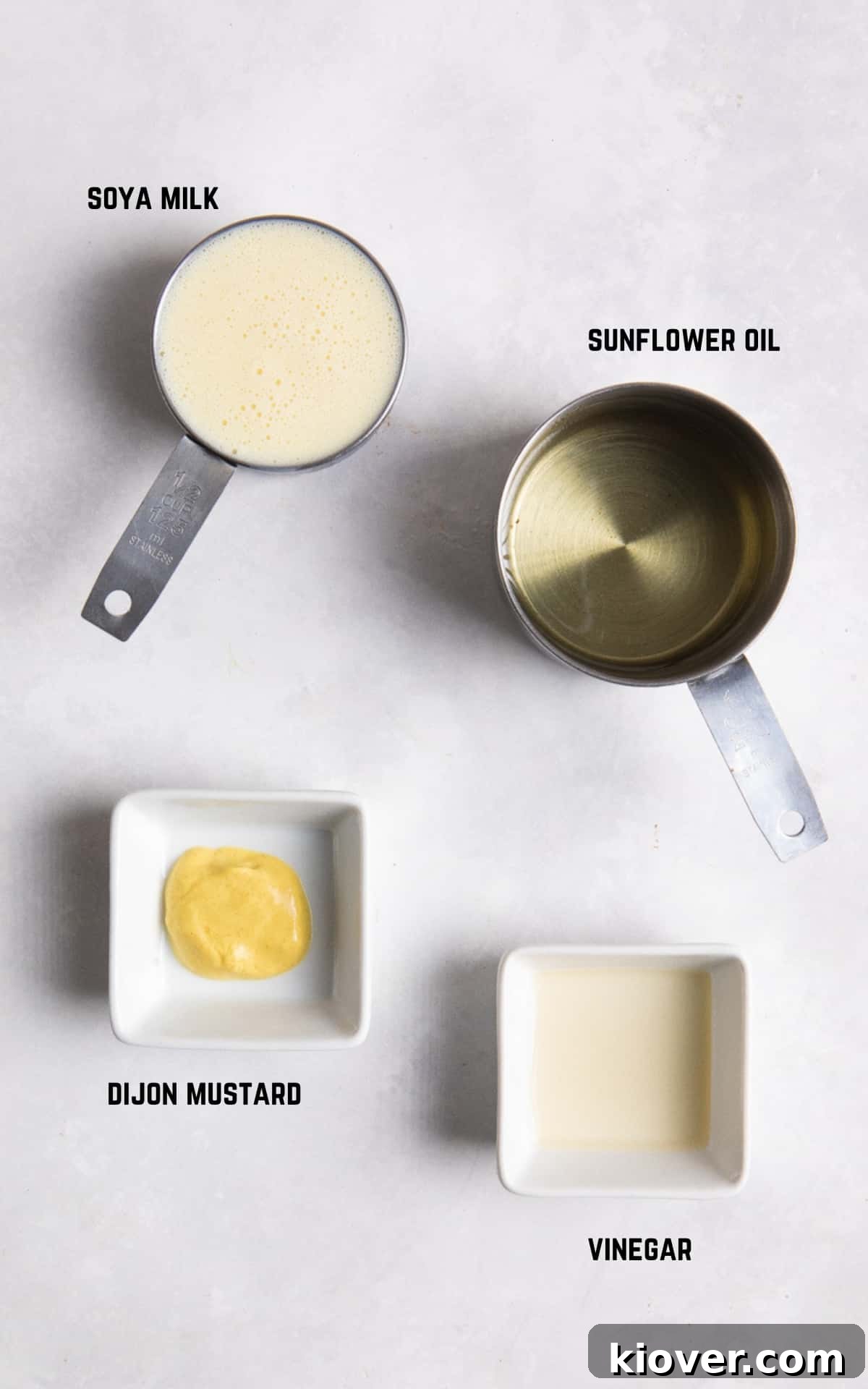
- Unsweetened Soya Milk – This is the foundation of our egg-free emulsion. Soy milk, particularly the unsweetened variety, contains proteins that are essential for creating a stable and creamy mayonnaise. It acts as the primary emulsifier, allowing the oil and liquid components to bind together seamlessly, delivering the ideal texture without any dairy or egg. Ensure it’s unsweetened to avoid an overly sweet mayo.
- Dijon Mustard – More than just a flavor enhancer, Dijon mustard is a secret weapon for emulsification. Its natural compounds help to stabilize the mixture and prevent it from separating, while also imparting a wonderfully complex, tangy, and slightly spicy depth to the creamy spread. It’s crucial for that characteristic mayonnaise zing.
- Vinegar – I personally recommend and used apple cider vinegar for this recipe. Its bright, acidic notes cut through the richness of the oil, balancing the flavors and adding a crucial tang that makes homemade mayo so irresistible. The acidity also aids in the emulsification process, contributing to a smooth and stable final product. Other vinegars can be used, but apple cider vinegar offers a distinct, pleasing flavor profile.
- Sunflower Oil – The choice of oil is paramount for a neutral flavor and optimal consistency. Sunflower oil is ideal due to its mild taste, which allows the other ingredients to shine, and its light texture, which helps to ensure a beautifully thick, velvety, and stable mayo with the perfect consistency. A neutral-flavored oil is key here to prevent any undesirable taste overpowering your mayonnaise.
- Salt – A generous pinch of salt is essential to enhance all the flavors and bring balance to the mayo.
For precise measurements and detailed instructions, please refer to the complete recipe card below.
Smart Substitutions for Vegan Mayo Ingredients
While the original recipe provides the best results, sometimes you might need to adapt based on what you have on hand or specific dietary needs. Here are some smart substitutions to keep in mind:
- Soya Milk – For achieving the most consistent and authentic mayonnaise-like texture, soy milk truly is the superior choice. Its protein content and composition are uniquely suited for emulsification in this recipe. While I have experimented with almond milk, the results weren’t quite the same in terms of thickness and stability. It’s important to note that not all plant-based milks will yield equally successful results here; soy milk stands out for its emulsifying properties. If you have a soy allergy, you might explore recipes specifically designed for cashew milk or oat milk, but for this particular recipe, soy milk offers optimal performance.
- Dijon Mustard – If Dijon mustard isn’t available, yellow mustard can serve as a suitable 1:1 substitution. Yellow mustard typically offers a milder flavor profile, whereas Dijon mustard provides a more pronounced tang and a hint of spiciness, contributing a richer depth. Adjusting other seasonings might be necessary to achieve your preferred flavor balance if opting for yellow mustard.
- Vinegar – Fresh lemon juice makes an excellent substitute for vinegar, offering a vibrant, zesty tang that complements the richness of the mayo beautifully. If you choose to use white vinegar, which can be quite sharp, you might find it beneficial to add a small amount of sweetener (like agave nectar or a touch of maple syrup) to balance its acidity and round out the flavor profile.
- Sunflower Oil – The key to selecting an alternative oil is its neutral flavor. Avocado oil, vegetable oil, or canola oil are all fantastic neutral oil options that can seamlessly replace sunflower oil without altering the taste of your mayonnaise. It’s important to avoid strong-flavored oils like traditional olive oil, as its distinct taste can overpower the delicate flavors of the mayo. Similarly, steer clear of coconut oil, as it will solidify when chilled in the fridge, leading to an undesirable texture.
- Hand Blender – An immersion blender (also known as a stick blender) is highly recommended for its ease of use and efficiency in creating smooth emulsions. If you don’t have one, a high-speed blender or food processor can also work. When using a high-speed blender, it’s crucial to leave the lid slightly ajar or remove the small cap in the center to allow air to incorporate into the mixture. This aeration is vital for proper emulsification and achieving that light, creamy consistency. Blend on medium-high speed, gradually adding the oil as instructed.
Exciting Variations to Elevate Your Vegan Mayo
Once you’ve mastered the basic vegan mayonnaise, the possibilities for customization are endless. Here are some delicious variations to inspire your culinary creativity:
- Spicy Vegan Mayo – For those who love a kick, transform your plain mayo into a fiery delight. Simply mix in a dash of your favorite hot sauce or Sriracha to taste. A pinch of smoked paprika or a tiny amount of cayenne pepper can also add a delightful warmth and depth of flavor, along with a bit of freshly ground black pepper for extra zing. This spicy version is perfect for dipping fries, spreading on burgers, or drizzling over tacos.
- Deluxe Garlic and Herb Mayo – Elevate your homemade vegan mayo by infusing it with aromatic herbs and garlic. This “deluxe” version is more about how you enhance its flavor and how you utilize it. Add a teaspoon of garlic powder (or 1-2 cloves of minced fresh garlic for a bolder flavor) to create a tantalizing garlic mayo. Incorporate finely chopped fresh herbs such as dill, chives, parsley, or basil for a herbaceous kick. This sophisticated mayo is excellent in potato salads, pasta salads, as a base for creamy salad dressings, or as a flavorful spread for gourmet sandwiches. Imagine it in a vegan “egg” salad made with mashed chickpeas – simply divine!
- Kid-Friendly & Everyday Uses – This versatile dairy-free mayo can seamlessly replace traditional mayonnaise in any recipe, making it a staple for family meals. For a simple kid-friendly dip, combine it with a squeeze of ketchup or a touch of sweet relish – perfect for dipping french fries, chicken nuggets, or vegetable sticks. Spread this creamy mayo generously on your children’s favorite sandwiches, whether it’s a classic peanut butter and jelly upgrade or a simple veggie delight. Its mild yet flavorful profile makes it an instant hit with picky eaters and adults alike.
- Umami Boost – A tiny dash of kala namak (black salt) can add an eggy, savory, umami note, especially if you’re aiming for a more “egg salad” like flavor profile.
- Smoky Flavor – A touch of liquid smoke or smoked paprika can give your mayo a wonderful smoky depth, perfect for BBQ-inspired dishes or smoky sandwiches.
Step-by-Step Guide: How to Make Homemade Vegan Mayonnaise
Making this creamy vegan mayonnaise is incredibly straightforward. Follow these simple steps for a perfect batch every time. The key is patience and a steady hand when adding the oil.
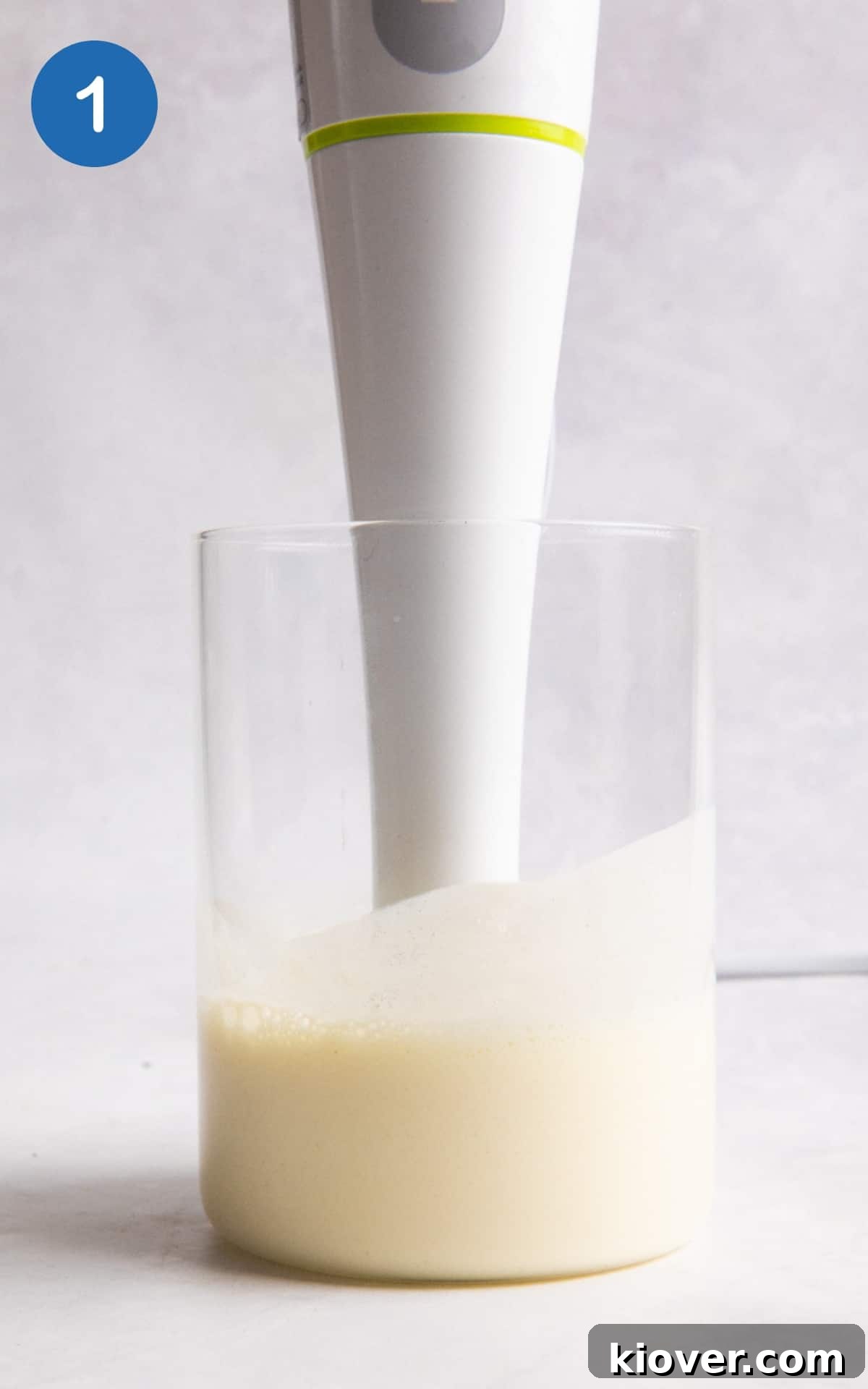
Step 1: Combine Base Ingredients. Begin by pouring the unsweetened soy milk, Dijon mustard, vinegar, and a generous pinch of salt into a tall, narrow jug or a wide-mouthed jar. Ensure your hand blender can comfortably fit into the container and reach the bottom. Submerge the hand blender to the bottom of the jug and blend for approximately 30 seconds. You’ll notice the mixture starting to lighten in color and become slightly frothy on top, indicating the initial emulsification process has begun.
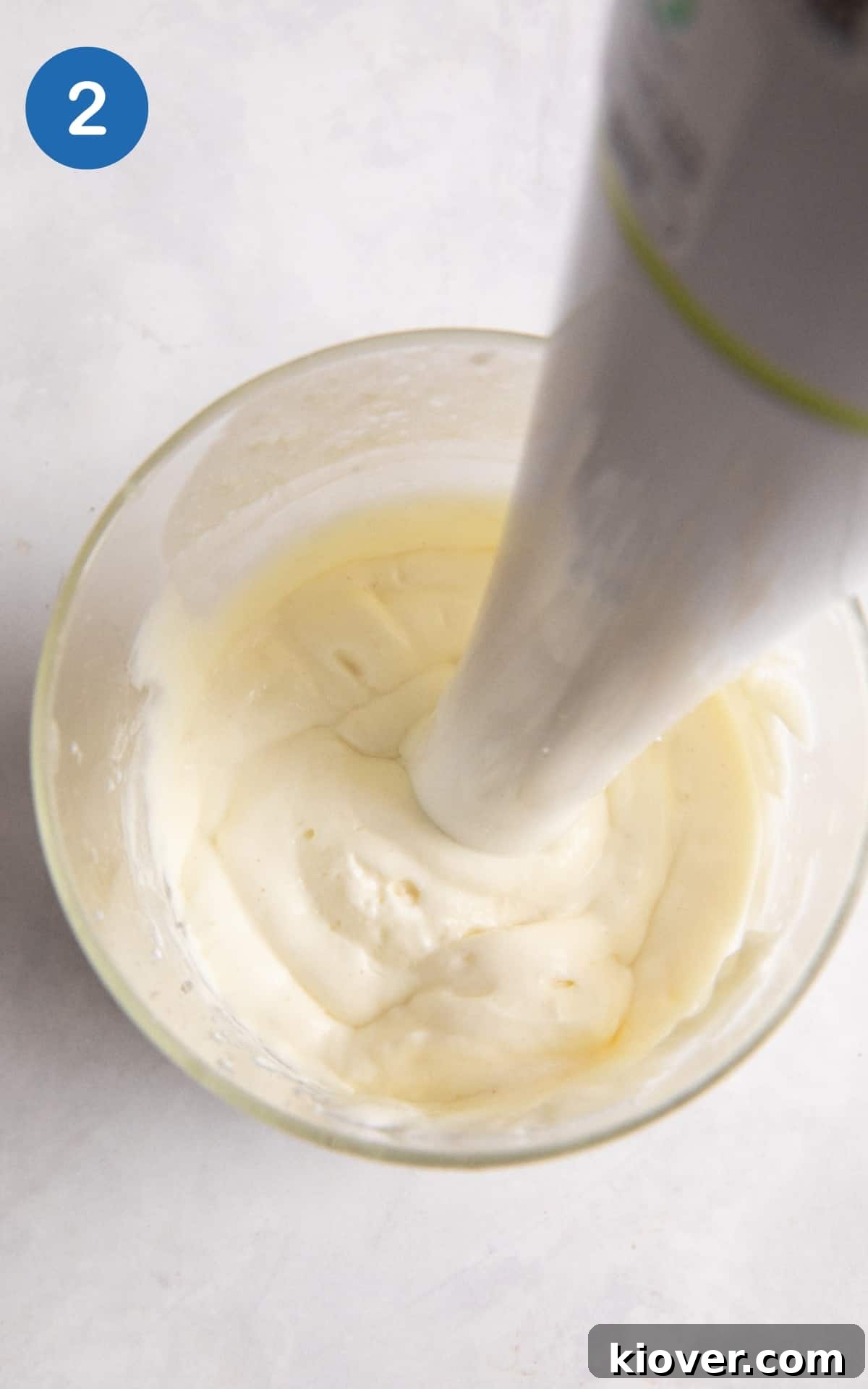
Step 2: Slowly Add Oil and Emulsify. With the hand blender still at the bottom of the jug and running, begin to slowly and steadily pour in the sunflower oil in a thin, continuous stream. This slow addition is absolutely critical for successful emulsification. As you pour, gradually lift the hand blender upwards very slowly, allowing the oil to incorporate fully into the soy milk mixture. Continue blending until the mixture transforms into a wonderfully thick, creamy, and cohesive mayonnaise. This process typically takes about 2-3 minutes, but the exact time may vary based on your equipment and technique.
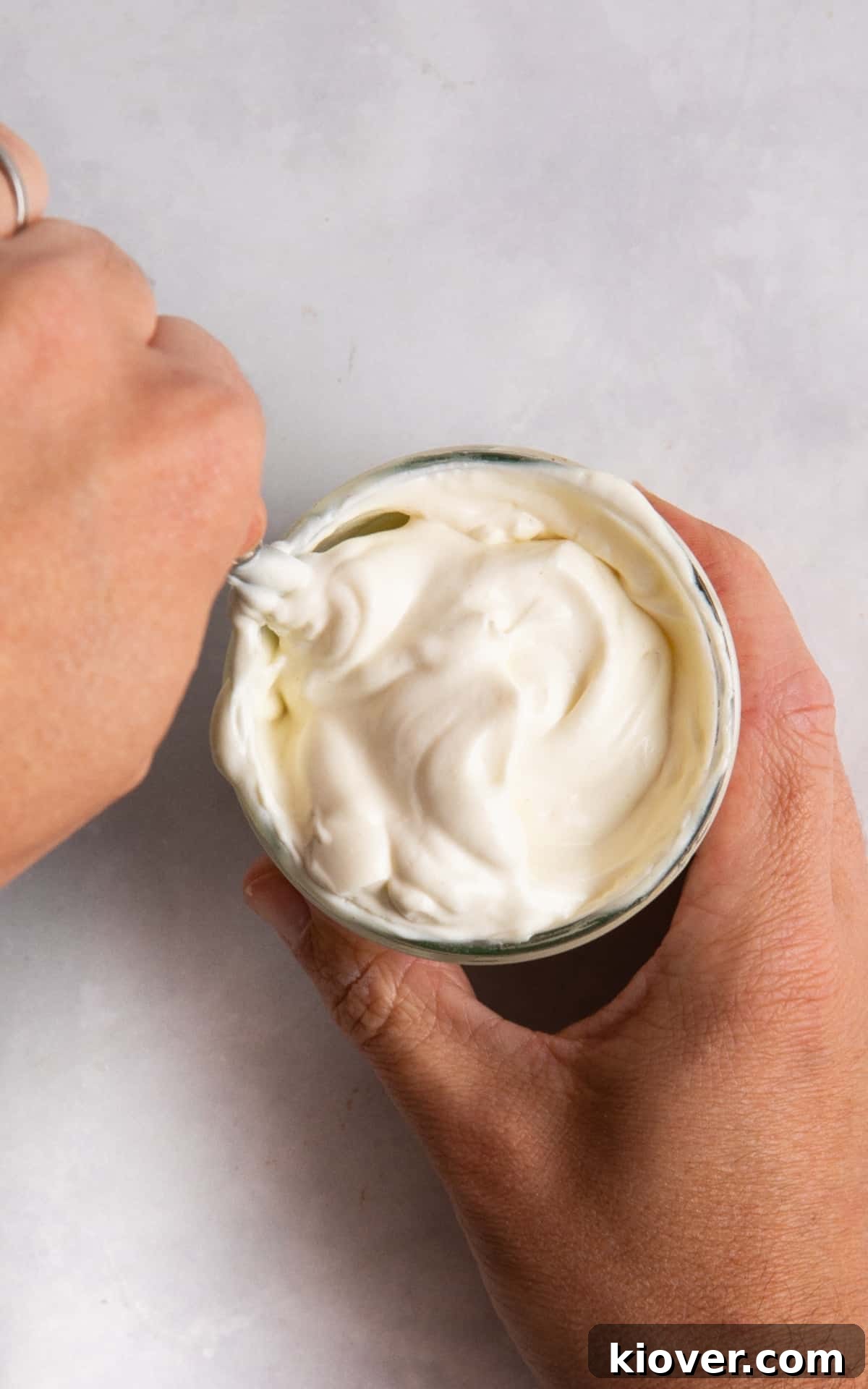
Hint: Achieving the perfect consistency is key. Don’t strictly adhere to the suggested blending times; instead, rely on the visual appearance of your mayonnaise. The mixture should be visibly thick and creamy, similar to traditional mayo. You might need to blend for a slightly shorter or longer duration depending on the power of your hand blender or food processor, and how steadily you pour the oil. If it seems too thin, continue blending slowly while very gradually drizzling in a tiny bit more oil until it reaches the desired consistency.
Creative Ways to Serve Your Homemade Vegan Mayo
This versatile, homemade vegan mayo recipe will quickly become a go-to condiment for countless dishes. I was initially inspired to create this recipe while perfecting my Vegan Potato Salad, where its rich creaminess truly shines. But the uses for this eggless mayo extend far beyond! Here are some fantastic ideas to incorporate it into your meals:
- Elevate Classic Salads: Transform a simple green salad into a hearty meal by using this mayo as the base for a creamy dressing. It’s also exceptional when mixed into my Vegan “Tuna” Pasta Salad or Chickpea Tuna Salad recipe, providing that satisfying, familiar texture and flavor.
- Sandwiches & Wraps: Spread generously on any sandwich or wrap to add moisture and a burst of flavor. It pairs beautifully with Grilled Salmon Burgers (if you’re pescatarian, otherwise use plant-based burgers!) or in a vibrant veggie wrap.
- Dipping Sauce Extraordinaire: Use it as a delightful dip for freshly cut vegetables, sweet potato fries, or crispy oven-baked potato wedges. It’s the perfect companion for my Bang Bang Cauliflower Sauce, adding a creamy contrast.
- Global Inspirations: Incorporate it into dishes like Jackfruit Gyros to add a cool, creamy element that complements the savory fillings.
- Comfort Food Enhancer: Stir it into a Tuna Pasta Bake (veganized, of course!) or mix it into the filling for a delicious Vegan Quiche for an extra layer of richness.
- Perfect with Potatoes: Beyond potato salad, dollop it onto warm Smashed Potatoes or use it as a creamy binder for homemade coleslaw, delivering an unparalleled fresh taste.
- Burger & Fry Companion: A must-have for any burger night! Whether you’re enjoying classic fries or a hearty veggie burger, a generous dollop of this mayo is the perfect accompaniment.
- Creamy Salad Dressings: Whisk it with lemon juice, a touch of maple syrup, and your favorite herbs to create custom creamy salad dressings.
- Taco & Burrito Topping: Drizzle over tacos, burritos, or nachos for a cool, creamy finish that balances spicy flavors.
Storing Leftover Vegan Mayonnaise
One of the many advantages of homemade vegan mayonnaise is its excellent shelf life when stored correctly. To keep your creamy condiment fresh and delicious, transfer any leftover mayo into an airtight container or a sealed mason jar. Store it in the refrigerator, and it will remain wonderfully fresh for approximately 1-2 weeks. I personally love to always have a batch on hand, ready to elevate any meal with its delightful flavor and texture. Freezing this recipe is not recommended, as it can alter the texture and lead to separation upon thawing.
Frequently Asked Questions About Vegan Mayonnaise
Have questions about making or using vegan mayonnaise? Here are some common queries and detailed answers to help you perfect your homemade batch.
Vegan mayonnaise is a versatile condiment designed to mimic traditional mayo without any animal products. There are various approaches to making your own, primarily differing in the emulsifying base. My preferred method, highlighted in this recipe, uses unsweetened soy milk due to its excellent protein content which facilitates stable emulsification, resulting in the creamiest and most authentic texture. Other plant-based bases you might encounter in different recipes include other plant-based milks (though results can vary), silken tofu, or aquafaba (the viscous liquid found in a can of chickpeas), which is known for its egg-white-like properties.
Generally, yes, homemade vegan mayonnaise tends to be a healthier option. The core benefit stems from its plant-based, basic ingredients, which means it is naturally cholesterol-free. Traditional mayonnaise, made with egg yolks, contains cholesterol. Furthermore, by making your own egg-free mayonnaise from scratch, you gain complete control over every ingredient. This allows you to avoid the hidden additives, preservatives, artificial flavors, and excessive sugars or unhealthy oils often found in many store-bought conventional and even some vegan mayonnaises. You can choose high-quality oils and adjust salt content to your preference, leading to a fresher, cleaner condiment.
The beauty of vegan mayo is its incredible versatility; it can be used anywhere you would typically use regular mayonnaise! It’s a fantastic staple for effortlessly converting many classic recipes into vegan versions with just this one simple trade. I particularly enjoy using it as a rich, creamy base for potato salad, as a binder in various dressings and dips, spread generously on sandwiches and wraps, and as the star ingredient in my beloved Chickpea Mayo Salad. Think creamy coleslaw, tangy burger spreads, or even a base for a flavorful aioli.
Emulsification is the magic of mayonnaise, but it can be a bit finicky. If your mayo isn’t thickening up as expected and remains thin, there are a few common culprits to check. Firstly, the most frequent reason is adding the oil too quickly. Slow and steady wins the race when pouring the oil – it needs time to properly incorporate into the base. Try drizzling the oil in an even slower, very thin stream next time. Secondly, ensure your soy milk is at room temperature before blending; cold liquids can sometimes hinder emulsification. Lastly, if it’s still too thin, try adding a tiny bit more oil (a tablespoon at a time) very gradually while continuing to blend. Sometimes the ratio needs a slight adjustment for a successful bind. Be patient, keep blending, and ensure the immersion blender stays at the bottom of the jug initially to create a strong emulsion base.
This particular recipe relies on oil for its classic mayonnaise texture and richness. Mayonnaise by definition is an oil-in-water emulsion. While there are some “oil-free” dressings that aim to mimic mayonnaise, they typically achieve a different texture and flavor profile using ingredients like cashews, silken tofu, or white beans as a base. For an authentic, thick, and creamy mayonnaise, oil is an essential ingredient in this recipe.
Yes, this homemade vegan mayonnaise recipe is naturally gluten-free. All the ingredients – unsweetened soy milk, Dijon mustard, apple cider vinegar, sunflower oil, and salt – are typically gluten-free. However, it’s always a good practice to double-check the labels of your specific mustard and soy milk brands, as formulations can vary and some may contain hidden gluten-containing ingredients, especially in processed versions. Opt for certified gluten-free products if you have severe sensitivities or celiac disease.
For optimal emulsification, it is often helpful for all your ingredients, especially the soy milk, to be at room temperature. To achieve this, simply take your soy milk out of the refrigerator about 30 minutes to an hour before you plan to make the mayonnaise. The other ingredients, like mustard and vinegar, are typically stored at room temperature or will quickly adjust. This helps prevent shocking the oil when it’s added, making the emulsification process smoother and more reliable.
YOU MIGHT ALSO LIKE…
Salads
Vegan Potato Salad
Lunch
Chickpea Tuna Salad
Dinner
Vegan Gyros
Dips/Sauces
Vegan Tzatziki
Tried this Easy Homemade Vegan Mayonnaise recipe? We’d love to hear from you! Please consider leaving a star rating ⭐️⭐️⭐️⭐️⭐️ below and share your experience in the comments. Your positive feedback is incredibly valuable and helps our community grow. Don’t forget to review it below and leave a comment!
P.S. Never miss out on delicious, healthy recipes! Get more plant-based inspiration sent straight to your inbox weekly – Subscribe Now and receive a complimentary recipe eBook!
Pin
The Best Homemade Vegan Mayonnaise
Equipment
-
Hand Blender (or food processor/high-speed blender)
-
Tall, Narrow Jug or Wide-Mouthed Jar
Ingredients
- 1/2 cup unsweetened soy milk, 125ml, at room temperature
- 2 tsp Dijon mustard
- 1 ½ tsp apple cider vinegar
- 3/4 cup sunflower oil, 187.5ml, neutral-flavored oil
- Generous pinch salt
Instructions
-
Combine the unsweetened soy milk (at room temperature), Dijon mustard, apple cider vinegar, and a generous pinch of salt in a tall, narrow jug. Submerge your hand blender to the bottom and blend for approximately 30 seconds until the mixture becomes slightly frothy and lighter in color.
-
With the hand blender still running at the bottom, slowly and steadily pour in the sunflower oil in a very thin stream. As the mixture begins to thicken, gradually lift the hand blender upwards to incorporate all the oil. Continue blending for 2-3 minutes, or until the mayonnaise achieves a wonderfully thick and creamy consistency.
Video
Notes
Substitutions & Variations: Detailed lists and explanations for adapting ingredients and creating flavor variations can be found in the main body of the post above.
To Store: Store your homemade vegan mayonnaise in an airtight container or a sealed mason jar in the refrigerator for up to 1-2 weeks.
To Freeze: Freezing this recipe is not recommended, as it can cause the emulsion to break and alter the creamy texture.
Tip 1: The secret to perfect emulsification is to add the oil very slowly and steadily while continuously blending. This allows the liquids to bind properly.
Tip 2: Always use unsweetened soy milk for the best results. Sweetened varieties will impart an undesirable flavor to your savory mayonnaise.
Tip 3: For optimal emulsification, ensure your soy milk is at room temperature before you begin blending.
Tip 4: This mayo lasts well in the fridge, so feel free to make a larger batch and enjoy it with any of the delicious recipes linked in the serving suggestions section above.
Nutrition