
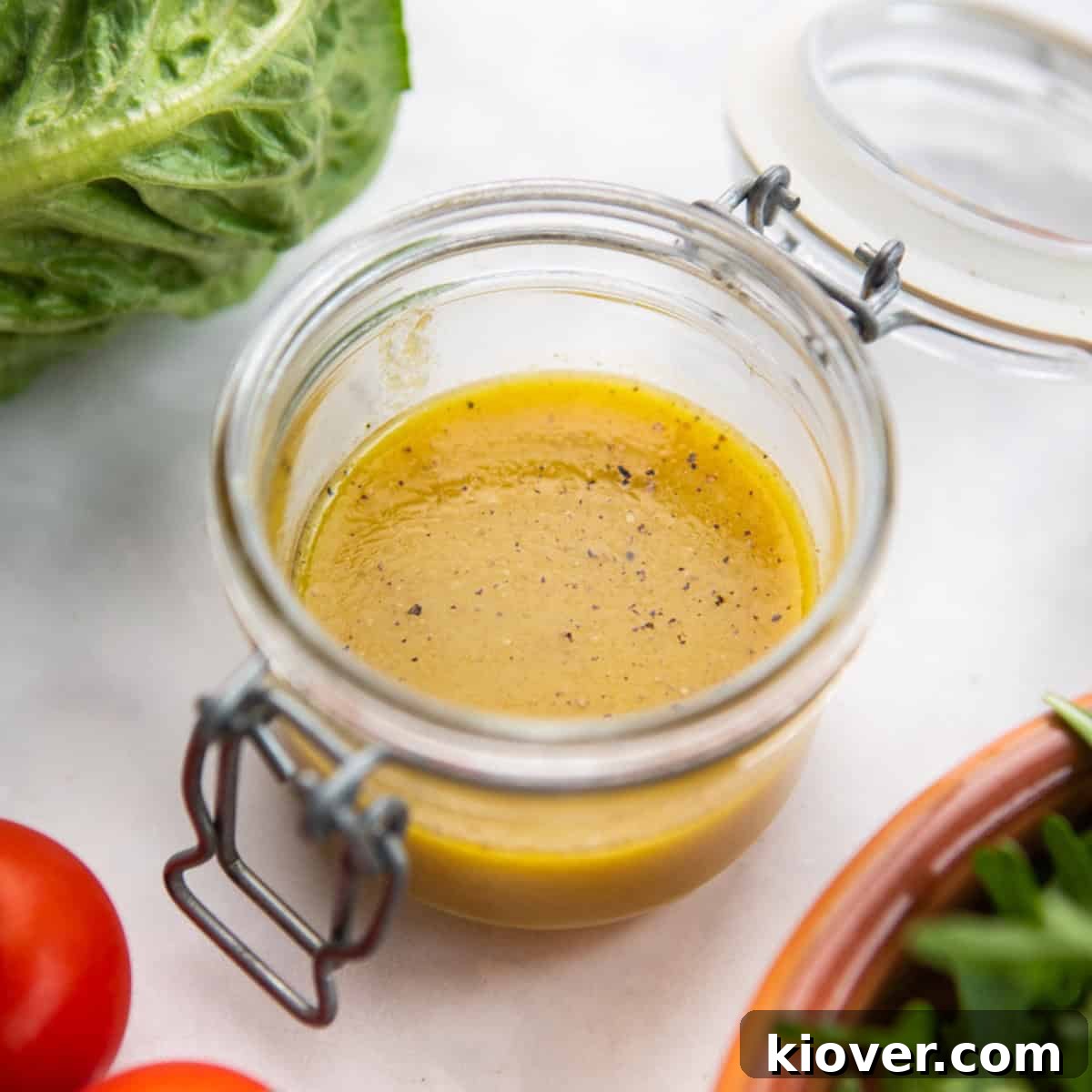
Homemade Maple Dijon Dressing: Your Go-To Healthy Vinaigrette Recipe
Elevate your everyday meals with this incredibly simple yet sophisticated Maple Dijon Dressing. Crafted from just 8 everyday ingredients, this homemade vinaigrette comes together in under one minute, promising a burst of flavor that will make your taste buds sing. Beyond its effortless preparation, this dressing is also naturally gluten-free and vegan, making it an inclusive and perfect choice for sharing with everyone. Say goodbye to store-bought dressings filled with unpronounceable ingredients and embrace the fresh, vibrant taste of a truly homemade creation!
Recipe Difficulty – Very Easy
Table of Contents
- Why This Maple Dijon Dressing Works
- Key Ingredients for Your Maple Dijon Dressing
- Smart Substitutions to Try
- Exciting Variations to Explore
- How to Make Maple Dijon Dressing: A Step-by-Step Guide
- Storage and Leftovers
- Health Benefits of Homemade Dressings
- Creative Serving Suggestions
- Maple Dijon Dressing FAQs
- You Might Also Like These Recipes
- Full Maple Dijon Dressing Recipe Card
Why This Maple Dijon Dressing Will Become Your Favorite Vinaigrette
This homemade maple dijon dressing isn’t just another vinaigrette; it’s a versatile culinary staple designed to enhance a myriad of dishes. Its harmonious blend of sweet and tangy flavors makes it incredibly adaptable, transforming any simple salad into a gourmet experience. Whether you’re tossing it with a crisp classic green salad during the vibrant summer months, pairing it with hearty root vegetables for a comforting fall harvest salad, or bringing a touch of brightness to rich winter greens, this easy dressing recipe performs beautifully across all seasons.
The magic truly lies in the balance of its core components. Pure maple syrup lends a natural, subtle sweetness that’s far superior to refined sugars, offering a delicate counterpoint to the robust acidity. This sweetness is perfectly complemented by the bright, tangy notes of apple cider vinegar and the pungent, savory kick of Dijon mustard. These elements don’t just coexist; they intertwine to create a perfectly emulsified vinaigrette that awakens the palate with every bite, ensuring a delicious and healthy salad dressing experience.
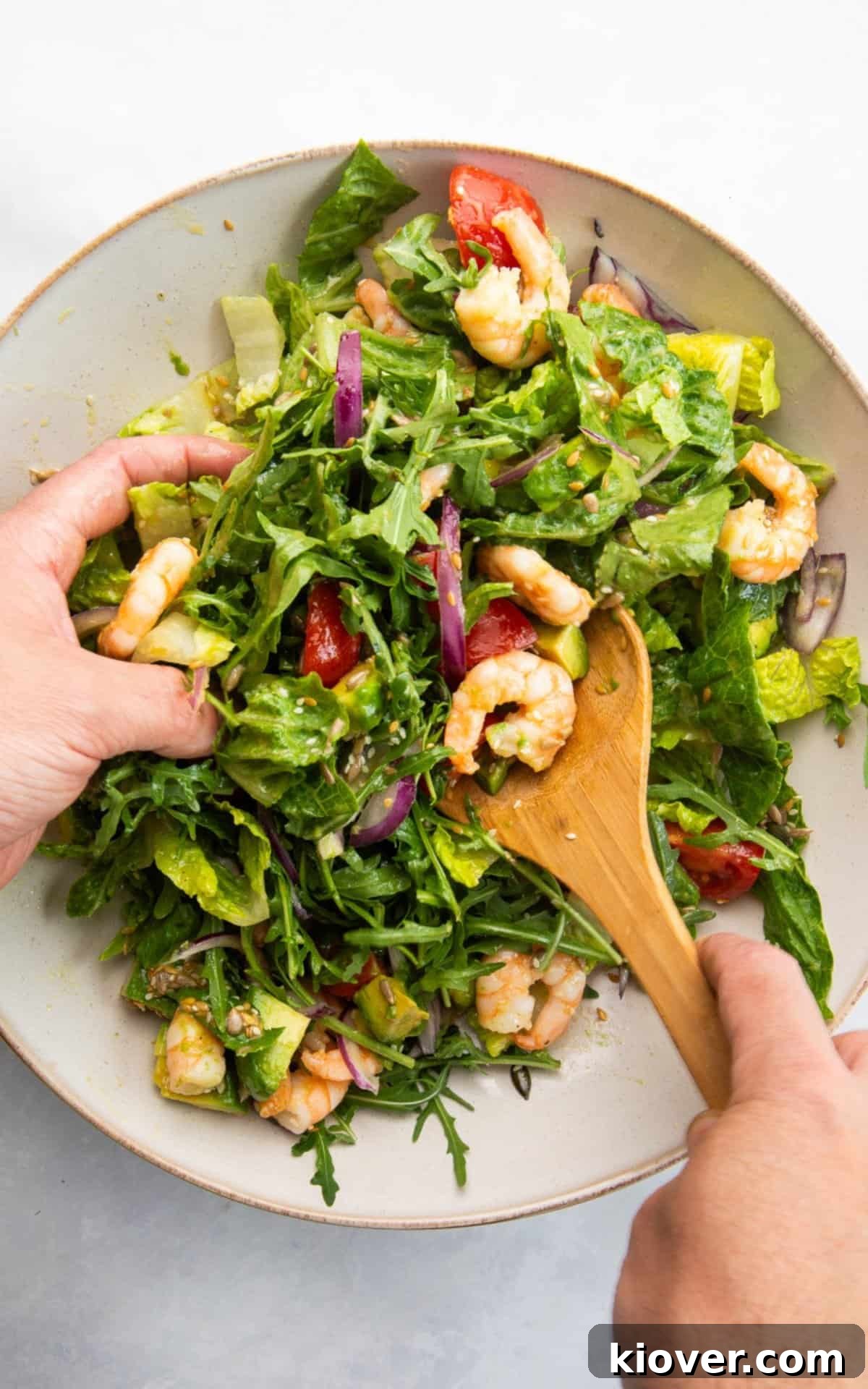
One of the most compelling reasons to embrace homemade salad dressings is the absolute control you gain over the ingredients. Unlike many store-bought options that often contain artificial preservatives, excessive sugars, and unrecognizable additives, crafting your own ensures you know exactly what you’re consuming. This homemade approach empowers you to tailor the dressing precisely to your dietary needs and personal preferences, whether you’re managing allergies, reducing sugar intake, or simply prefer a fresher taste. This particular Dijon vinaigrette was lovingly inspired by the dressing featured in our popular Three Bean Salad recipe and proves to be an exquisite match for lighter fare like our refreshing Prawn Salad and the elegant Smoked Salmon Salad, making it a truly versatile and healthy choice.
Key Ingredients for Your Homemade Maple Dijon Dressing
Creating this delicious, healthy salad dressing requires just a handful of straightforward ingredients, many of which you likely already have in your pantry. Opting for high-quality versions of these staples will undoubtedly elevate the final flavor profile of your homemade vinaigrette. Here’s a closer look at what you’ll need to make this perfect maple mustard dressing:
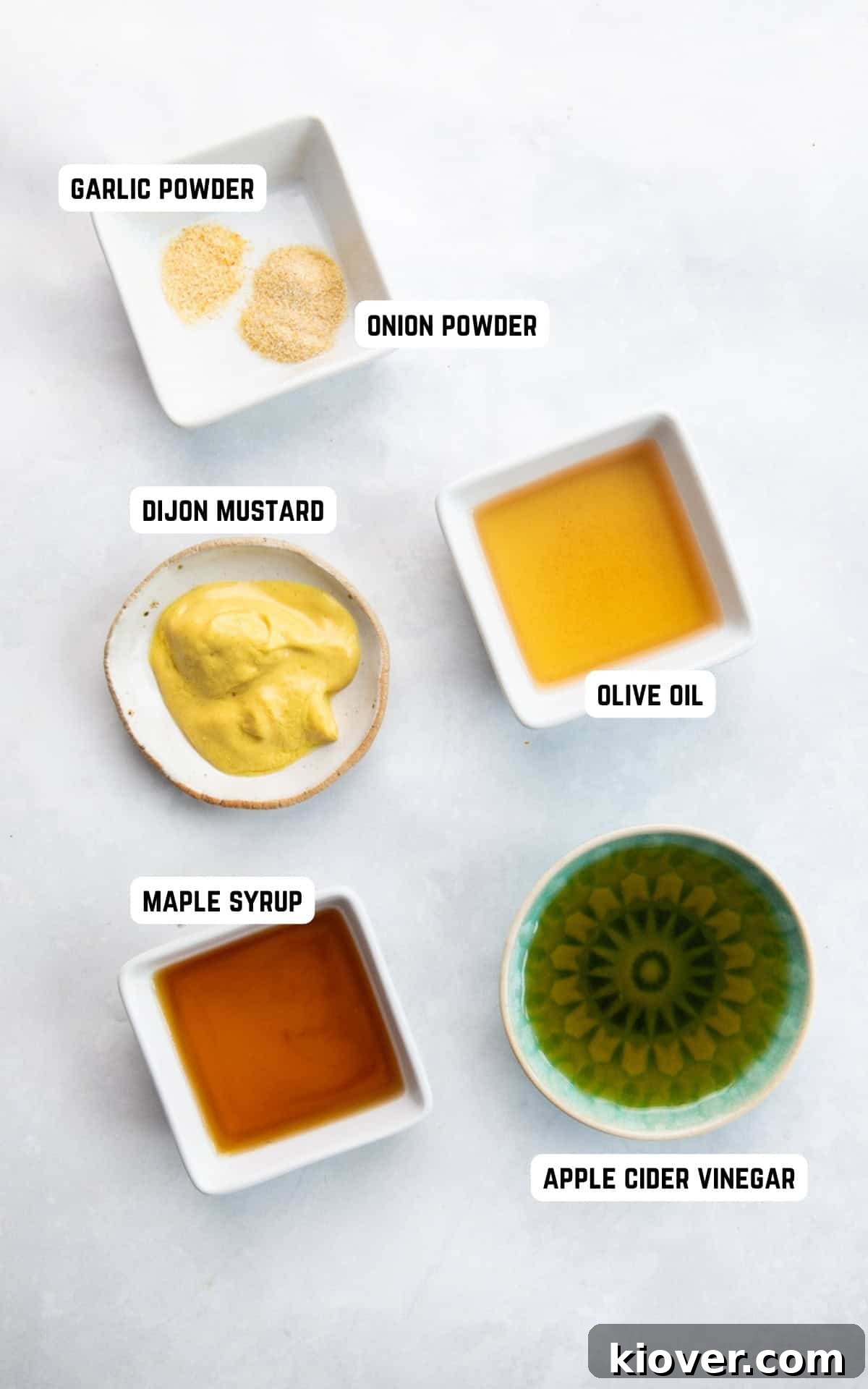
- Maple Syrup: This is the star sweetener, providing a rich, nuanced sweetness that is far more complex than granulated sugar. Always choose pure maple syrup for the best flavor; imitation syrups will not yield the same delicious results. Its natural caramel notes perfectly balance the tanginess of the other ingredients, making it an ideal choice for this sweet and savory dressing.
- Apple Cider Vinegar: Essential for that characteristic tangy zest, apple cider vinegar also contributes to the dressing’s overall brightness and helps to emulsify the oil and other liquids. Its slightly fruity and acidic profile is key to a well-rounded vinaigrette, offering a delightful counterpoint to the maple’s sweetness.
- Extra Virgin Olive Oil: Forming the smooth, luxurious base of this dijon vinaigrette dressing, high-quality extra virgin olive oil is crucial. It brings a subtle peppery note and a silky texture. Choose a cold-pressed olive oil for maximum flavor and heart-healthy benefits, ensuring a rich foundation for your dressing.
- Dijon Mustard: Far from just a binder, Dijon mustard is integral to both the flavor and texture of this dressing. Its sharp, tangy, and slightly spicy notes provide depth, while its emulsifying properties help to bring all the ingredients together into a smooth, cohesive dressing. It’s truly the best mustard for this maple mustard dressing, contributing significantly to its signature taste.
- Onion Powder: This convenient pantry staple delivers a mellow, savory onion flavor without the sharpness or texture of fresh onion. It blends seamlessly into the dressing, adding a layer of aromatic complexity that complements the other strong flavors, creating a harmonious blend.
- Garlic Powder: A milder alternative to raw garlic, garlic powder ensures a consistent garlic essence throughout the dressing without overpowering it. It’s a foundational aromatic that almost always enhances a good dish, and this maple syrup vinaigrette is certainly no exception, adding a subtle warmth and depth.
- Salt and Black Pepper: These fundamental seasonings are vital for enhancing and tying all the flavors together. Always season to taste, ensuring the dressing is perfectly balanced before serving. Freshly ground black pepper offers a more potent aroma and flavor, making a noticeable difference in the final product.
For precise measurements and detailed nutritional information, please refer to the comprehensive recipe card located at the end of this article.
Smart Substitutions to Try for Your Dijon Vinaigrette
One of the joys of making your own salad dressing is the flexibility to customize it. Don’t have a specific ingredient on hand, or simply want to experiment with different flavor profiles? No problem! Here are some excellent substitutions that will allow you to adapt this maple dijon vinaigrette to your pantry or personal preference without compromising on flavor:
- Maple Syrup Alternatives: While pure maple syrup offers a unique depth, other sweeteners can work exceptionally well. For a different sweet profile, consider using **honey**, which transforms it into a classic honey mustard dressing, a universally loved combination. Alternatively, **agave syrup** offers a similar vegan option with a neutral sweetness. If you prefer a less sweet and more tart dressing, a splash of fresh **lemon juice** can be added, creating a bright lemon dijon dressing with an invigorating zest.
- Vinegar Options: The acidic component is highly flexible, allowing for various flavor explorations. You can easily swap apple cider vinegar for other common vinegars like **cider vinegar**, **white wine vinegar**, or **red wine vinegar**, each offering a slightly different nuance. For a richer, slightly sweeter, and more complex flavor, **balsamic vinegar** makes an excellent substitute, although it will noticeably change the dressing’s color and introduce a deeper, fruitier taste profile.
- Oil Choices: Any good quality neutral oil can stand in for extra virgin olive oil if you’re looking for a less pronounced olive flavor or simply don’t have it on hand. Excellent choices include **avocado oil**, known for its mild taste and beneficial monounsaturated fats, or a standard **vegetable oil** for a truly neutral base that lets other flavors shine.
- Mustard Varieties: If regular smooth Dijon mustard isn’t available, **whole grain mustard** can be a fantastic alternative for this maple vinaigrette dressing. It will introduce a slightly different texture and a more rustic, robust mustard flavor, adding an interesting visual and textural element. You could also experiment with a spicy brown mustard for an added kick and depth of flavor.
Exciting Variations to Explore with Your Homemade Dressing
This Maple Dijon Dressing recipe serves as a fantastic foundation, but don’t hesitate to get creative and customize it to suit different tastes and occasions. Here are a few exciting variations to inspire your culinary adventures and help you discover new favorite uses for this versatile dressing:
- Spicy Kick: For those who love a bit of heat, infusing a spicy element is incredibly simple. Stir in a pinch or two of **crushed red pepper flakes** for a subtle warmth, or add a dash of your favorite **hot sauce** (like sriracha or tabasco) for a more pronounced kick. Freshly minced **chili** (such as jalapeño or serrano) can also add a vibrant, fresh heat if you’re feeling adventurous and enjoy a more intense spice.
- Deluxe Salad Enhancer: The versatility of this dressing truly shines when paired with a variety of salads. While it’s excellent with simple green leaves, consider elevating your meal with a “deluxe” harvest salad. Incorporate delicious seasonal **fall or winter vegetables** such as roasted butternut squash, sweet potatoes, beets, or Brussels sprouts. Add some toasted nuts (walnuts, pecans) or dried cranberries for extra texture and flavor. For non-vegan diets, this dressing is also superb with a warm **roast chicken salad** or a hearty **bacon salad**, where its sweet-tangy profile beautifully cuts through the richness of the meat.
- Kid-Friendly Sweetness: If you’re serving younger palates or simply prefer a sweeter profile, adjust the balance by increasing the amount of **maple syrup** to enhance the maple flavor. Conversely, you can slightly reduce the quantities of apple cider vinegar and Dijon mustard to mellow out their tanginess and sharp notes, creating a milder dressing that’s more appealing to those who prefer a less intense taste.
- Creamy Texture: For a richer, creamier dressing, consider whisking in a tablespoon of **vegan mayonnaise**, **cashew cream**, or even a small amount of **Greek yogurt** (if not strictly vegan). This addition will transform the vinaigrette into a luscious, velvety dressing perfect for heartier salads, grain bowls, or as a delightful dipping sauce for vegetables.
- Herbaceous Twist: Fresh herbs can add an incredible aromatic dimension to your dressing. Finely chop and add a tablespoon of fresh **parsley**, **dill**, **chives**, or **thyme** to the dressing. Each herb will impart its unique character, creating a fresh and vibrant variation that complements different types of salads and main courses.
For more inspiring salad ideas, be sure to check out our Courgette Salad recipe on our website, which pairs wonderfully with this type of dressing.
How to Make Maple Dijon Dressing: A Quick and Easy Guide
One of the most appealing aspects of this Maple Dijon Dressing is its incredible ease of preparation. You don’t need any fancy equipment or complex techniques; just a few simple steps stand between you and a delicious, homemade vinaigrette. It’s so quick, you’ll wonder why you ever bought dressing!
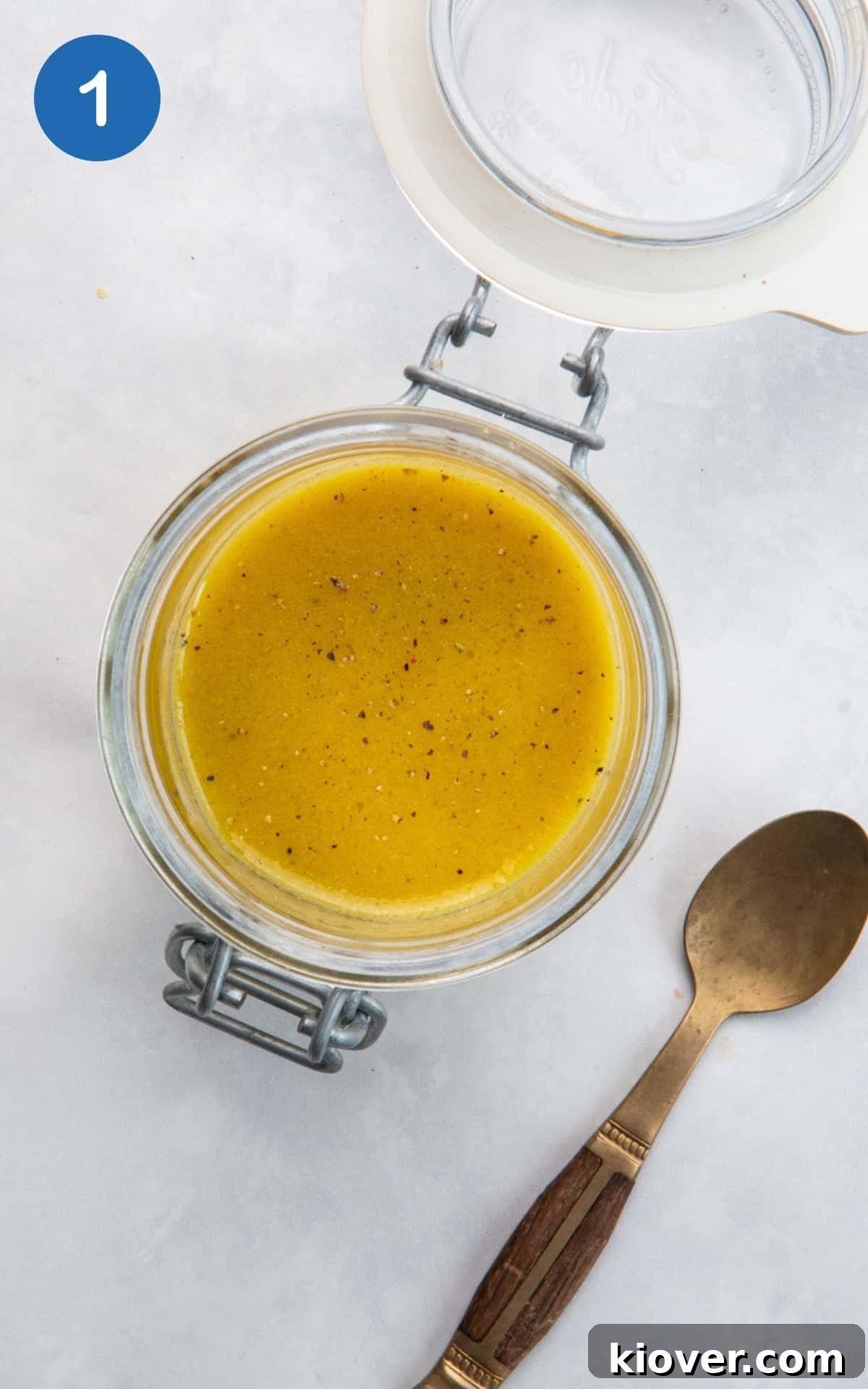
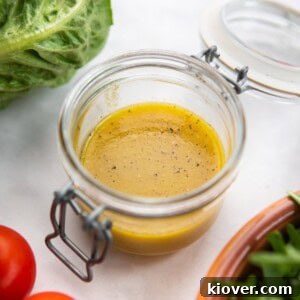
Step 1: Combine All Ingredients. Gather all the measured ingredients – maple syrup, apple cider vinegar, extra virgin olive oil, Dijon mustard, onion powder, garlic powder, salt, and black pepper. Place them all into a small mixing bowl or, for ultimate convenience and easy storage, a glass jar with a tight-fitting lid. Ensure your chosen container is large enough to allow for thorough mixing.

Step 2: Whisk or Shake Until Emulsified. If using a bowl, vigorously whisk the ingredients together until they are thoroughly combined and the mixture appears smooth and creamy. The oil and vinegar should be fully emulsified, meaning they no longer separate and the dressing has a uniform consistency. If using a jar, simply secure the lid tightly and shake vigorously for about 30 seconds to 1 minute, or until the dressing is well blended. The natural emulsifying properties of Dijon mustard will help achieve this perfect consistency. Taste and adjust seasonings as needed.
Expert Tip: This recipe is ideal for making a larger batch! Prepare a double or triple portion and store it in a clean glass jar with a tight-fitting lid. This ensures you always have a healthy, flavorful dressing on hand for quick meals throughout the week. Remember to give it a good shake or whisk just before each use, as natural separation can occur over time, especially with oil and vinegar-based dressings.
Storage and Leftovers: Keeping Your Maple Dijon Dressing Fresh
Proper storage is key to enjoying your homemade Maple Dijon Dressing for as long as possible. The good news is, this vibrant vinaigrette holds up exceptionally well in the refrigerator, making it perfect for meal prepping a week’s worth of salads or other delicious dishes. Its simple ingredients also contribute to its stable shelf life.
- Refrigeration: Once prepared, transfer your dressing into an air-tight container. A glass mason jar is an excellent choice as it provides a secure seal, prevents flavor absorption from other foods, and allows for easy shaking before use. Stored correctly in the fridge, this vibrant dressing will maintain its freshness and robust flavor for up to one week.
- Before Each Use: It’s natural for the oil and vinegar components to separate slightly after sitting in the refrigerator. Before each use, simply give the container a good, vigorous shake to re-emulsify the dressing and ensure a consistent flavor and smooth texture. This quick step is crucial for an optimal dressing experience.
- Freezing for Longer Storage: While vinaigrettes are generally best fresh, this maple dijon salad dressing can actually be frozen for longer storage, up to three months. If freezing, use a freezer-safe container, leaving a little headspace as liquids can expand when frozen. When you’re ready to use it, thaw the dressing overnight in the refrigerator. Once thawed, shake it very well to recombine any separated ingredients before serving. This makes it a fantastic recipe for batch cooking and ensuring you always have a healthy, ready-to-use dressing for multiple meals throughout the week or month.
The Health Benefits of Choosing Homemade Salad Dressing
Opting for a homemade dressing like this Maple Dijon Vinaigrette comes with a wealth of health advantages compared to many commercial alternatives. When you prepare dressings at home, you have complete control over every ingredient, allowing you to create a healthier, more nutrient-dense option for your meals that aligns perfectly with a healthy lifestyle.
- Control Over Ingredients: Store-bought dressings often contain high levels of unhealthy fats, excessive added sugars (like high-fructose corn syrup), artificial flavors, and preservatives. By making your own, you can avoid these unnecessary additives entirely, focusing on whole, natural ingredients.
- Quality Fats: Using extra virgin olive oil as the base provides monounsaturated fats, which are known for their heart-healthy benefits. These fats can help lower bad cholesterol levels, provide essential fatty acids, and improve nutrient absorption from your salads.
- Natural Sweetener: Pure maple syrup is a natural sweetener that offers beneficial antioxidants and minerals, unlike refined sugars often found in commercial dressings. It provides a delightful sweetness without the artificial additives or the metabolic spikes associated with highly processed sugars.
- Digestive Health Support: Apple cider vinegar is renowned for its potential digestive benefits, including aiding in digestion, balancing gut flora, and promoting gut health. Incorporating it into your dressing can contribute positively to your overall well-being and digestive system.
- Tailored to Dietary Needs: This recipe is inherently gluten-free and vegan, making it suitable for a wide range of dietary preferences. You can further adapt it to be low-sodium or low-sugar by adjusting the salt and maple syrup quantities, ensuring it fits specific health requirements.
By choosing homemade, you’re not just making a dressing; you’re making a conscious choice for a healthier lifestyle, ensuring your meals are both delicious and nourishing, enhancing your overall wellness.
Creative Serving Suggestions for Your Versatile Maple Dijon Dressing
Beyond being a phenomenal healthy salad dressing, this versatile Maple Dijon Vinaigrette can elevate a myriad of dishes, transforming simple ingredients into something special. Its balanced sweet and tangy profile makes it an excellent accompaniment to much more than just leafy greens. Here are some creative ways to incorporate this dressing into your culinary repertoire, making it a true kitchen staple:
- Classic Green Salads: Of course, its primary and most beloved use is to dress up any green salad. From simple mixed greens to robust kale salads or even a vibrant spinach salad, this dressing adds a bright, tangy, and subtly sweet burst of flavor that invigorates every bite.
- Harvest and Grain Bowls: Drizzle generously over warm grain bowls featuring wholesome bases like quinoa, farro, brown rice, or couscous. Pair it with roasted vegetables, legumes, and your favorite protein (grilled chicken, chickpeas, or tofu). This dressing beautifully ties all the components together, creating a harmonious and flavorful meal.
- Marinade for Proteins: The acidic components of the dressing, combined with the sweetness of maple, make it an excellent marinade. Use it to tenderize and flavor chicken, fish (especially salmon!), pork, or plant-based proteins like tempeh or seitan before grilling, baking, or pan-frying. The maple will caramelize beautifully, imparting a delicious glaze.
- Dip for Vegetables or Appetizers: Thicken the dressing slightly (perhaps by reducing the olive oil or adding a touch more Dijon, or even a spoon of vegan mayo) to create a delicious dip for fresh crudités (carrots, celery, bell peppers), pita bread, crackers, or even oven-baked sweet potato fries.
- Roasted Vegetable Enhancer: Elevate your roasted vegetables by tossing them with this dressing immediately after they come out of the oven. The warmth of the vegetables will absorb the flavors wonderfully, creating a glossy finish and a burst of taste on broccoli, carrots, Brussels sprouts, or asparagus.
- Sandwich and Wrap Spread: Use it as a healthier, flavorful alternative to mayonnaise or other condiments in sandwiches and wraps. It adds a gourmet touch and a zesty punch to everyday lunches, enhancing both vegetarian and meat-filled options.
- Pasta Salads: Incorporate it into cold pasta salads featuring vegetables, chickpeas, grilled chicken, or feta cheese for a refreshing and zesty twist. Its light yet flavorful profile won’t overpower the other ingredients.
Experiment with these ideas and discover new favorite ways to enjoy the exquisite flavors of your homemade Maple Dijon Dressing, proving its versatility beyond just a simple salad dressing!
Maple Dijon Dressing: Your Questions Answered
What are the benefits of making homemade salad dressings?
There are numerous advantages to preparing your own salad dressings at home. Firstly, most homemade dressings are crafted from basic pantry staples, meaning you can whip them up at your convenience without a last-minute trip to the store. Secondly, you gain complete control over the ingredients, allowing you to tailor the flavors and health profile precisely to your preferences. If you adhere to a medically restrictive diet, homemade dressings offer the flexibility to make necessary adjustments, such as reducing sodium, sugar, or avoiding specific allergens. Crucially, you’ll know exactly what goes into your food, ensuring you’re enjoying a healthy salad free from artificial additives, preservatives, or excessive amounts of unhealthy fats and sugars often found in commercial alternatives. This level of transparency and customization is unmatched by store-bought options.
What is Dijon dressing made of?
Classic Dijon dressing, often known as Dijon vinaigrette, typically features Dijon mustard as its foundational ingredient. This pungent and subtly spicy mustard is combined with a base oil, commonly a healthy extra virgin olive oil, and an acidic component such as apple cider vinegar or white wine vinegar. A touch of sweetness, usually from honey or maple syrup (as in this recipe), is added to balance the intense flavors. It’s often seasoned with aromatics like garlic powder and onion powder, along with salt and black pepper, to create a well-rounded and flavorful condiment that’s both tangy, subtly sweet, and wonderfully aromatic. Some variations might also include fresh herbs or a touch of creamy element.
What can you use Maple Dijon Dressing on?
The applications for Maple Dijon Dressing are incredibly diverse, extending far beyond just green salads! It’s a fantastic vinaigrette for a simple green salad, but particularly excellent on hearty harvest salads brimming with seasonal vegetables like roasted squash, cranberries, and nuts. It also excels as a vibrant dressing for nutritious grain bowls featuring rice or quinoa, adding a complex flavor layer that brings all the elements together. Furthermore, its balanced sweet and tangy profile makes it a versatile marinade for poultry, fish, or plant-based proteins, imparting a beautiful, slightly caramelized glaze. You can also use it as a delightful dipping sauce for crudités, roasted vegetables, or even as a flavorful spread in sandwiches and wraps. Its adaptable nature makes it suitable for nearly any dish needing a bright, zesty kick.
How long does dijon vinaigrette last in the fridge?
When stored correctly in an airtight container, such as a sealed glass mason jar, this homemade Dijon vinaigrette will remain fresh and delicious in the refrigerator for up to one week. The vinegar acts as a natural preservative, helping to extend its shelf life. It’s important to note that natural separation of the oil and vinegar components will occur during storage; this is completely normal. For longer preservation, you can also freeze the dressing for up to three months. Before using refrigerated or thawed dressing, always give it a good, vigorous shake to re-emulsify the ingredients and ensure a consistent flavor and texture. Preparing it in batches allows you to conveniently have a ready-to-use, flavorful dressing for multiple meals throughout the week or month, reducing waste and saving time.
You Might Also Like These Healthy Recipes
Dips/Sauces
Peanut Salad Dressing
Salads
Prawn Salad
Dips/Sauces
Vegan Mayonnaise
Salads
Rocket Salad
Rate This Recipe & Stay Connected!
Have you tried this incredible Maple Dijon Dressing recipe? Your feedback is invaluable! Please take a moment to leave a star rating below and share your experience in the comments section. Hearing positive feedback and seeing how you enjoy our creations is truly one of the most rewarding parts of developing these recipes. So, don’t hesitate to review it and let us know what you think!
P.S. Don’t miss out on any new healthy recipes! Get more delicious and nutritious meal ideas sent straight to your inbox weekly by subscribing to our newsletter. As a special thank you, you’ll also receive a free recipe eBook!
Maple Dijon Dressing Recipe
★★★★★
5 from 3 votes
Quick to whip up and incredibly versatile, this Maple Dijon Dressing will become your go-to for adding a burst of flavor to any salad or dish.
By: James Wythe
Prep Time: 1 minute
Total Time: 1 minute
Servings: 1 large salad
Print Recipe
Ingredients
- 2 tbsp pure maple syrup
- 2 tbsp apple cider vinegar
- ¼ cup extra virgin olive oil
- 1 tbsp Dijon mustard
- 1 tsp onion powder
- ¼ tsp garlic powder
- 1 pinch salt and black pepper (to taste)
Unit Conversion: Metric – US Customary
Instructions
- Add all of the ingredients (maple syrup, apple cider vinegar, extra virgin olive oil, Dijon mustard, onion powder, garlic powder, salt, and black pepper) into a small mixing bowl or a glass jar. Whisk vigorously or shake tightly with a lid until all ingredients are well combined and the dressing is smooth and emulsified. Serve immediately or store for later.
Notes
- Step-by-Step Photos: Our blog post above includes helpful step-by-step photos to visually guide you through the preparation of this easy recipe, ensuring perfect results every time.
- Substitutions & Variations: A comprehensive list of creative substitutions and exciting variations is included in the sections above, allowing you to customize this dressing to your liking.
- To Store: Store any leftover Maple Dijon Dressing in an airtight container, preferably a glass jar, in the refrigerator for up to one week. Always remember to give it a good shake before each use to re-emulsify the ingredients.
- To Freeze: This versatile maple dijon salad dressing can be frozen for up to three months. Thaw it in the refrigerator overnight, then shake well before serving. It’s an excellent way to prepare batches in advance.
- Tip 1 (Versatility): While fantastic as a salad dressing, this vinaigrette can also be slightly thickened for a delicious dipping sauce or drizzled over roasted vegetables for added flavor. For non-vegans, it also makes an exceptional marinade for various meats.
- Tip 2 (Spicy Kick): If you appreciate a bit of heat, feel free to enhance this dressing with freshly chopped chili or a sprinkle of chili flakes, adjusted to your personal taste preference.
- Tip 3 (Creamier Texture): For a thicker, creamier dijon salad dressing, slightly increase the amounts of Dijon mustard and maple syrup while marginally reducing the olive oil and vinegar. This adjustment yields a richer consistency without sacrificing flavor.
Nutrition Information
Nutritional values are approximate per serving (based on 1 large salad).
- Calories: 610kcal
- Carbohydrates: 30g
- Protein: 1g
- Fat: 55g
- Saturated Fat: 7g
- Fiber: 1g
- Sugar: 24g
Did you make this recipe? Tag me Today!
Tag @HealthyLivingJames on Instagram and use #HealthyLivingJames!