Crafting your own delightful gin doesn’t have to be a complex process reserved for master distillers. Imagine elevating your classic cocktail experience with a truly unique, homemade spirit. This guide will walk you through constructing your very own rustic gin right in your kitchen, transforming a neutral spirit into a botanical masterpiece. Get ready to explore the exciting world of DIY gin, a journey that promises both creativity and incredibly rewarding sips.
Having previously delved into making homemade tonic water, it’s only natural that our next adventure leads us to gin. When you think of gin, you might picture the store-bought varieties, most of which are crafted through a meticulous distillation process where juniper and other aromatics infuse their essence into the spirit. However, there’s another fascinating category: compound gin, or infused gin. This method involves steeping botanicals directly into a neutral alcohol, allowing the flavors to marry over time. It’s a simpler, more accessible approach for home enthusiasts, and it’s precisely how we’re going to embark on our journey to make gin at home.
Understanding Homemade Gin: Infusion vs. Distillation
The world of gin is wonderfully diverse, primarily divided into two main categories based on their production methods: distilled gin and compound (or infused) gin. Traditional distilled gins, such as London Dry, undergo a second distillation after the initial creation of a neutral spirit. During this second run, juniper berries and other botanicals are introduced, and their aromatic compounds vaporize with the alcohol, condense, and form the complex flavor profile characteristic of gin. This method requires specialized equipment and a careful hand.
Our focus today is on compound gin, also known as infused gin. This method skips the complex distillation process entirely. Instead, you take a high-quality neutral spirit – typically vodka – and steep a selection of botanicals directly into it. The botanicals slowly release their flavors, aromas, and colors into the alcohol over several days. This technique is far more approachable for the home bartender or culinary adventurer, offering a hands-on experience without the need for a still. While the resulting spirit might be referred to as “rustic gin” due to its un-distilled nature and often amber hue, it can be incredibly delicious, customizable, and a source of immense pride. It’s a return to the roots of gin-making, where infusing spirits with natural ingredients was the original way to create unique beverages.
Choosing Your Foundation: Starting with Vodka
The foundation of any great infused gin is a quality neutral spirit, and for our purposes, that means vodka. Gin, in its traditional form, often undergoes two distillations. The first yields a neutral spirit, and it’s during the second distillation that the specific aromatics are introduced, transforming it into gin. However, for our home infusion method, we directly impart these flavors into a pre-made neutral alcohol. This is why vodka is the perfect starting point: it acts as a blank canvas, allowing the botanicals to shine without competition from pre-existing flavors.
When selecting your vodka, consider a few factors. You don’t need to splurge on the most expensive bottle, as its primary role is to carry the botanical flavors. However, avoid the cheapest options, which can sometimes have a harsh or unpleasant undertone that even the freshest botanicals might struggle to mask. A mid-range, clean-tasting vodka is usually ideal for this experiment. For instance, a brand like New Amsterdam Vodka, which offers good quality for its price point (around $15 for a 1.75L bottle), is an excellent choice. Since this is an experimental project where the vodka will be heavily infused and then likely mixed into cocktails, opting for a more budget-conscious yet smooth spirit is a sensible decision, especially for your first attempt. It allows you to experiment with botanicals without a significant investment, making the learning process more enjoyable and less intimidating.
Is All Gin Made From Vodka? Dispelling a Common Myth
It’s a common misconception that all gin begins its life as vodka. The truth is, most commercial gins are distilled directly as gin and do not start as vodka. The base spirit for these gins is typically a neutral grain spirit, but the gin characteristics are imparted during a distillation process that incorporates botanicals. Our homemade, rustic gin, however, does indeed start with vodka, and there’s absolutely nothing wrong with that! We are not performing distillation; rather, we are having fun with infusion, utilizing readily available ingredients to create a unique spirit.
For those who find the science of distilling fascinating and wish to explore it further, numerous resources are available. The art of distilling gin from scratch can be a rewarding endeavor. However, it’s crucial to be aware that distilling alcohol at home is subject to various local rules, laws, and regulations. Before considering any form of distillation, always research and understand your local statutes to ensure you are compliant. Our method, focusing on infusion, remains a safe and legal way to craft your own gin in most regions.
The Heart and Soul: Juniper Berries and Beyond
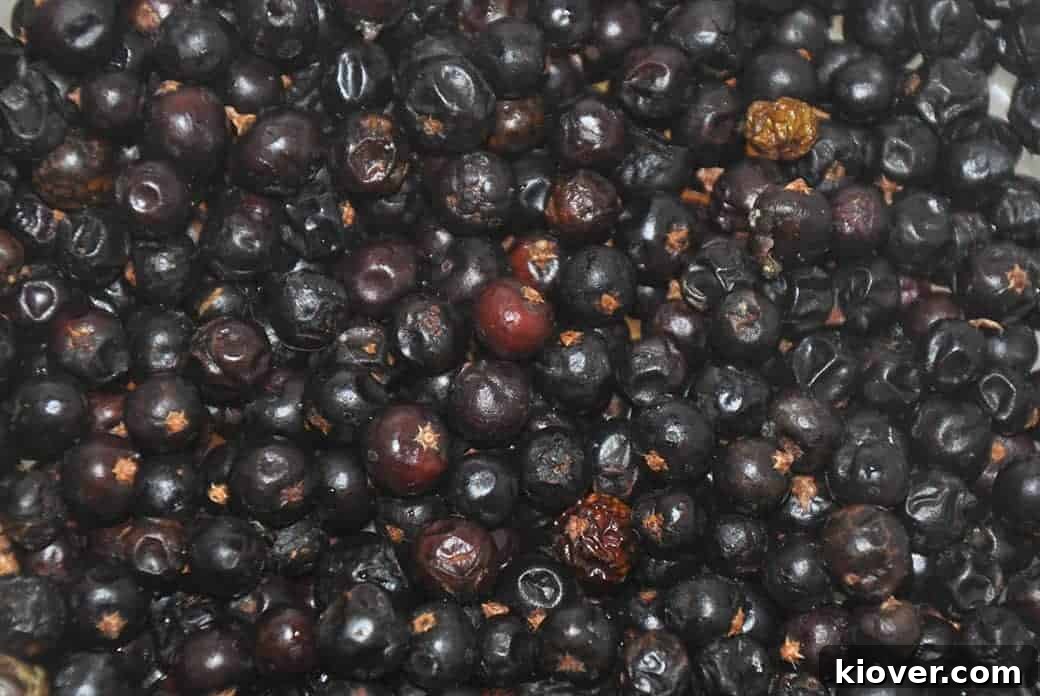
No discussion about gin can begin without acknowledging the king of botanicals: Juniper Berries. These small, bluish-purple berries are the undisputed defining flavor of gin; without them, it simply wouldn’t be gin. Juniper imparts that characteristic piney, resinous, slightly citrusy, and subtly peppery note that is instantly recognizable. You can easily order high-quality juniper berries online, for example, from Amazon, ensuring you have the essential ingredient for your homemade creation.
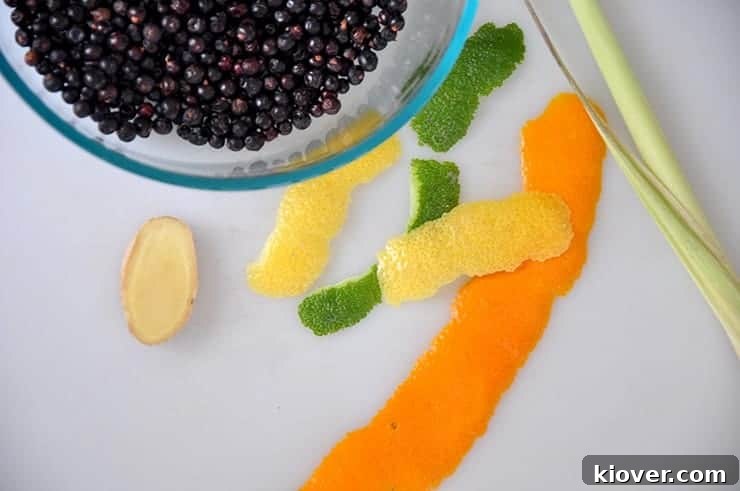
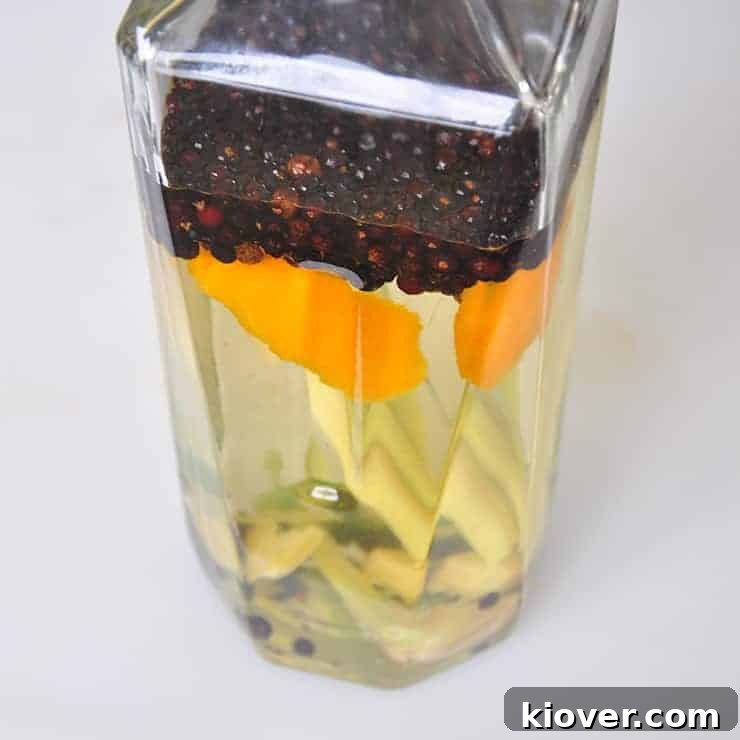
Beyond juniper, the world of botanicals opens up, allowing for endless customization. For this particular recipe, I chose a blend that was both readily available in my pantry and offered a compelling flavor profile: coriander seed, fresh ginger, lemon peel, lime peel, orange peel, and lemongrass. These ingredients were selected not only for their accessibility but also for their ability to complement and enhance the juniper without overpowering it.
- Coriander Seed: Adds a warm, citrusy, and slightly spicy note. It’s one of the most common gin botanicals after juniper.
- Ginger Root: Provides a pungent, spicy kick and a warming sensation.
- Lemon, Lime, and Orange Peels: Contribute bright, fresh citrus notes, adding complexity and a refreshing lift. It’s important to use only the colored zest and avoid the bitter white pith.
- Lemongrass: Offers a unique citrusy, herbaceous, and slightly floral aroma that adds an exotic twist.
While I also had cinnamon, cucumber, and almonds on hand, I decided to omit them for this batch. The combination of lemongrass and ginger already provided a distinctive enough character that I felt would make this gin truly stand out. The beauty of making your own gin lies in this freedom to experiment. You can explore a vast array of botanicals—from classic angelica root and orris root to more adventurous floral notes like rose or lavender, or even a hint of spice from cardamom or black pepper. The key is to start with quality ingredients and build your flavor profile thoughtfully, always ensuring juniper remains at the forefront.
The Art of Infusion: A Deeper Dive into Juniper
One of the most crucial aspects of crafting exceptional homemade gin is mastering the infusion of juniper berries. An initial recipe that inspired my attempt suggested using 25g of juniper for 750ml of vodka. However, through experimentation, I discovered that a more generous amount truly allowed the juniper’s distinctive character to shine. My final iteration incorporated a total of 120g of juniper for approximately 6 cups of vodka, and the taste was undeniably robust and authentic.
My process involved a two-stage juniper infusion. Initially, I added 70g of juniper berries along with the other chosen aromatics to the vodka. I allowed this mixture to steep for two days. After this period, I carefully strained out all the solids and performed a taste test. While the essence of gin was present, I felt it needed a more pronounced juniper presence to achieve the depth I desired. This is a critical learning point: don’t be afraid to adjust based on your palate. Instead of simply adding more to the existing infusion, I decided to discard the initial, spent botanicals. This allowed for a fresh start for the second juniper infusion, preventing any over-extraction of potentially bitter notes from the initial aromatics that had already given their best.
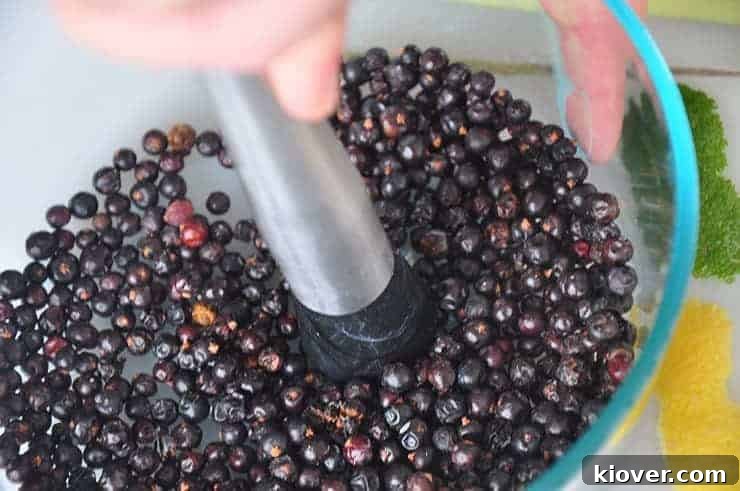
For the second stage, I added an additional 50g of fresh juniper berries to the strained vodka. To help release their full flavor and essential oils more effectively, I lightly used a muddler on these berries before adding them to the bottle. This gentle crushing breaks down the berry’s structure, allowing the alcohol to penetrate and extract flavor more efficiently. After allowing this second batch to infuse for another day, I tasted it again, and this time, the juniper character was perfectly balanced, achieving the desired gin profile. This two-step process, with an initial infusion followed by a re-evaluation and a second, more focused juniper addition, proved to be an excellent method for achieving a rich, well-defined juniper flavor in the final product.
The Final Product: A Rustic Delight
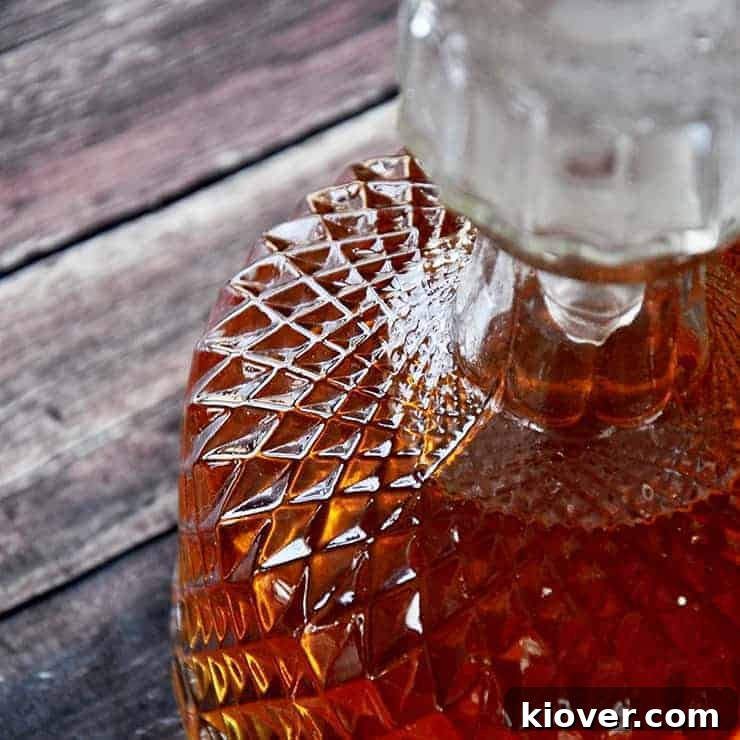
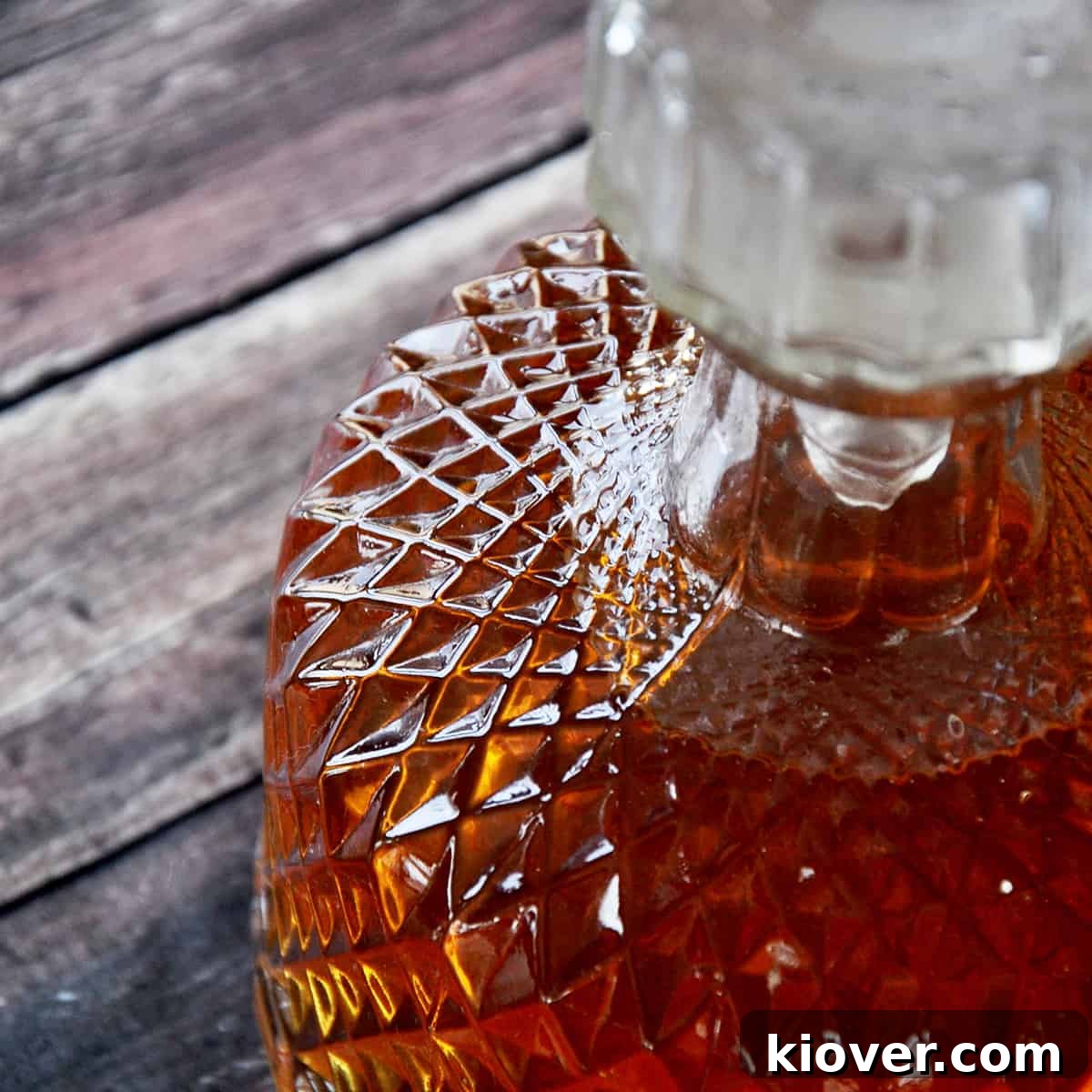
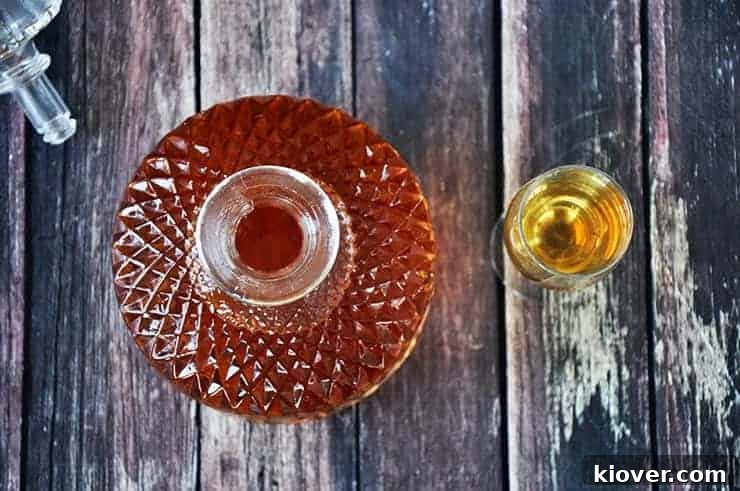
After the infusion periods and careful straining, the moment of truth arrives: tasting your homemade gin. I can confidently say the result was pretty darn good! One immediate observation you might make is the color of the final spirit. Unlike the clear, crystal-like appearance of most commercially distilled gins, your homemade infused gin is likely to have a brownish or amber hue. This is entirely normal and expected. It’s simply the natural coloration extracted from the botanicals, particularly the juniper berries and citrus peels, during the steeping process. Don’t let this unique color deter you; it’s a hallmark of a truly rustic, handcrafted spirit.
While the overall flavor profile was excellent, I did notice a lingering hint of the original vodka. This suggests that the choice of base spirit can indeed influence the final product. For future batches, experimenting with a vodka specifically known for its extreme neutrality might further refine the gin, allowing the botanicals to dominate completely. All things considered, this experiment was a resounding success. The process was enjoyable, educational, and yielded a distinctively flavored gin that I’m eager to pair with my homemade tonic water. Crafting your own gin at home is not just about making a drink; it’s about the experience, the customization, and the satisfaction of creating something truly your own.
Recipe Details: How To Make Gin Right At Home
This recipe guides you through creating a great and easy rustic Gin at home, using just a few key ingredients and a good quality vodka.
Recipe Summary
- Author: Ben Myhre
- Prep Time: 30 Minutes
- Cook Time: 4 Days
- Total Time: 4 Days 30 Minutes
- Yield: 32 servings
- Category: Distillation (Infusion Method)
- Method: Steeping
- Cuisine: English (Traditional Gin Style)
Ingredients
- 6 cups Vodka (a neutral, mid-range quality is recommended)
- 120 grams Juniper berries (70g for the first infusion, 50g for the second)
- 4 inches lime peel (ensure no white pith)
- 8 inches orange peel (ensure no white pith)
- 6 inches lemon peel (ensure no white pith)
- 1/2 inch ginger root (freshly sliced or grated)
- 1 small lemongrass stalk (bruised for better flavor release)
Instructions
- Prepare Juniper Berries: In a separate bowl, lightly mash or muddle 70 grams of the juniper berries. This action helps to break open the berries and release their essential flavors and oils.
- First Infusion: Add the prepared 70 grams of juniper berries and all other ingredients (lime peel, orange peel, lemon peel, ginger root, lemongrass) to a clean, sealable container or bottle with the vodka.
- Steep: Allow the mixture to sit and infuse for a period of 2 days at room temperature, away from direct sunlight.
- First Strain: After 2 days, use a funnel lined with cheesecloth (or a very fine-mesh colander) to carefully strain all solid materials out of the vodka. Pour the infused spirit into a separate clean bottle or dish, ensuring all botanical solids are removed.
- Prepare for Second Juniper Infusion: Lightly muddle the remaining 50 grams of juniper berries to enhance flavor extraction.
- Second Juniper Infusion: Add these freshly muddled 50 grams of juniper berries back into the previously strained and infused vodka.
- Additional Steeping: Let this mixture sit for an additional day to allow the fresh juniper to impart its full flavor.
- Final Strain: Strain the gin once more through cheesecloth to remove all remaining juniper berries and any fine sediment.
- Enjoy Your Gin! Your homemade, rustic gin is now ready to be enjoyed. Bottle it in a clean, airtight container.
Notes
For best results, source high-quality, fresh botanicals. Remember that the initial brownish color of the gin is completely normal for an infused spirit. You can find excellent quality Juniper Berries at a reasonable price on Amazon.