
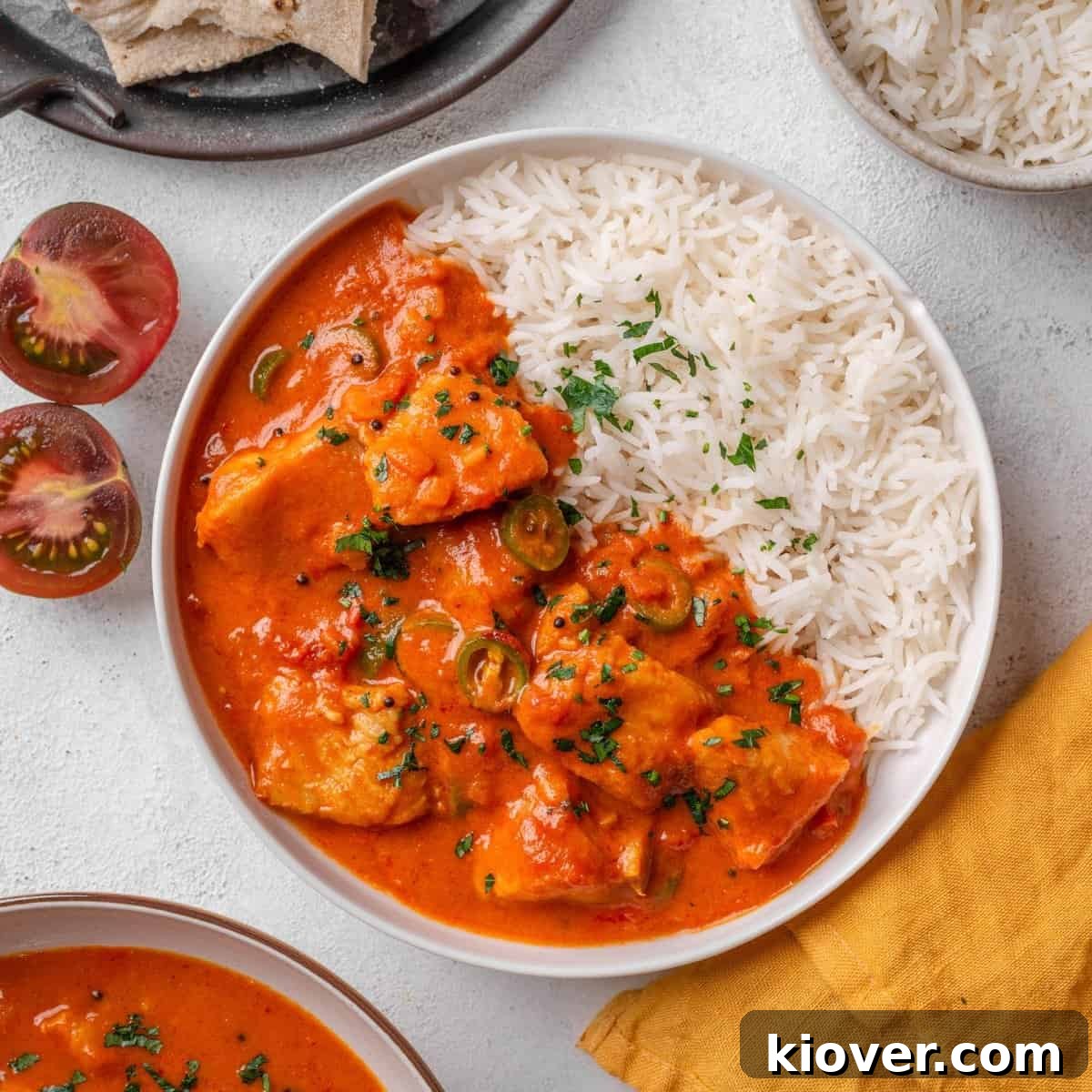
Are you searching for a vibrant, flavorful, and incredibly easy dinner that transports your taste buds to the tropics? Look no further than this **Easy Fish Curry**! This recipe is a true culinary gem, promising a burst of exotic flavors in every spoonful. Perfect for busy weeknights, it boasts a remarkably quick preparation and cook time, ensuring a delicious meal is on your table in under 30 minutes. Forget complicated steps and long ingredient lists – this recipe simplifies the art of curry-making, delivering an authentic and satisfying experience without the fuss.
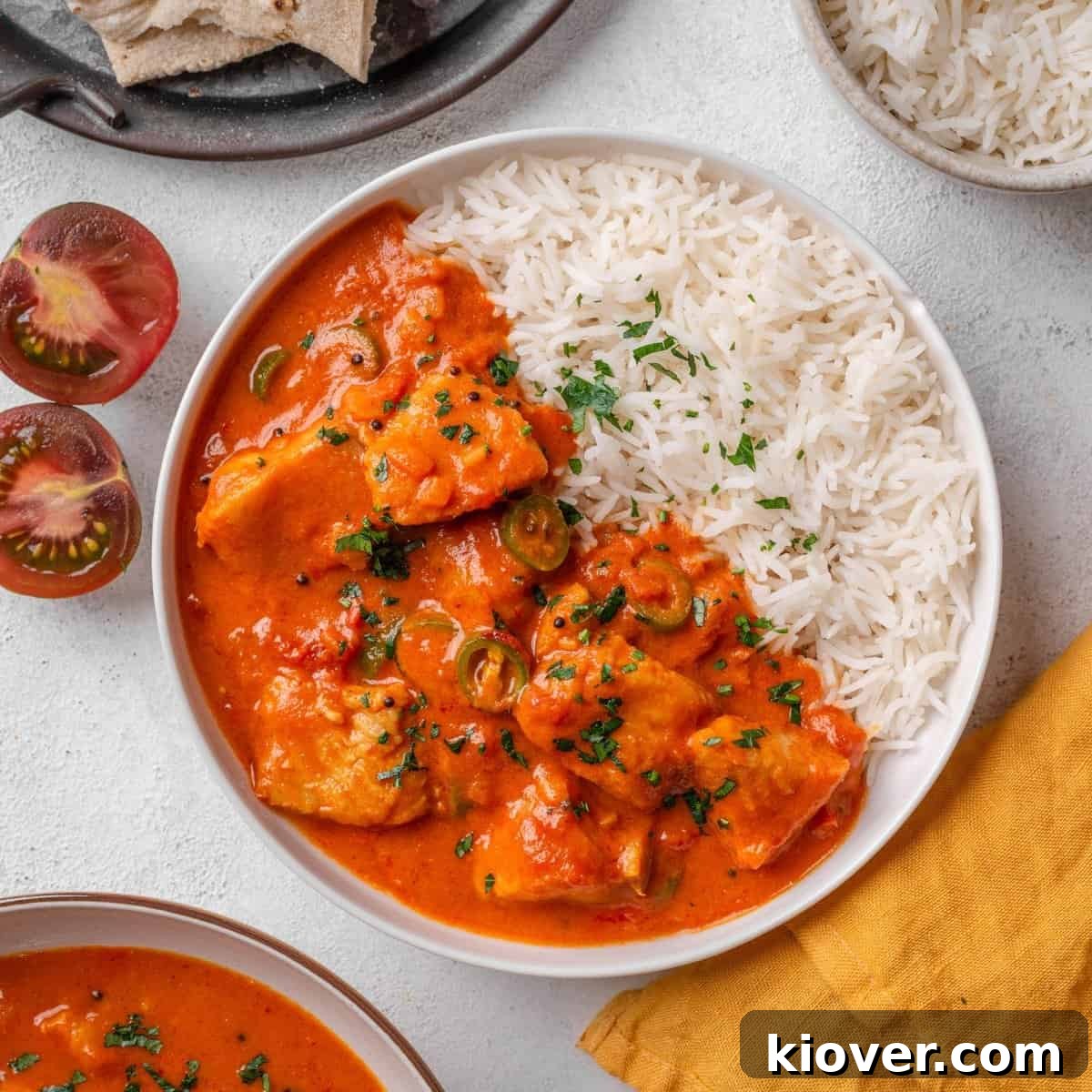
Recipe Difficulty – Very Easy
Table of Contents
- Why This Easy Fish Curry Recipe Works
- Health Benefits of Homemade Fish Curry
- Essential Ingredients to Make Fish Curry
- Smart Substitutions for Your Fish Curry
- Creative Variations for Your Fish Curry
- Step-by-Step: How to Make Fish Curry
- Expert Tips for a Perfect Fish Curry
- Leftovers and Storage for Fish Curry
- Fish Curry Recipe FAQs
- More Delicious Curry Recipes
- You Might Also Like
- Rate This Recipe
- Printable Fish Curry Recipe Card
Why This Easy Fish Curry Recipe Works
This Easy Fish Curry stands out as a true weeknight champion for several compelling reasons. At its heart is a rich, creamy **coconut and tomato-based sauce** that perfectly complements the delicate texture and mild flavor of white fish. This vibrant sauce isn’t just delicious; it’s also incredibly wholesome, packed with nutrients and satisfying without feeling heavy. You can truly *feel good about enjoying* every single bite of this homemade masterpiece.
As a huge enthusiast of both curries and seafood, I can confidently say this **Coconut Fish Curry** combination is a match made in culinary heaven. The aromatic spices, combined with the natural sweetness of coconut milk and the tang of tomatoes, create a harmonious flavor profile that is both comforting and exhilarating. What makes it even better? The total time to get this incredible dinner on the table is an astonishing **25 minutes from start to finish**. This makes it an absolute lifesaver for those evenings when you’re in a time crunch but still crave something truly special and homemade.
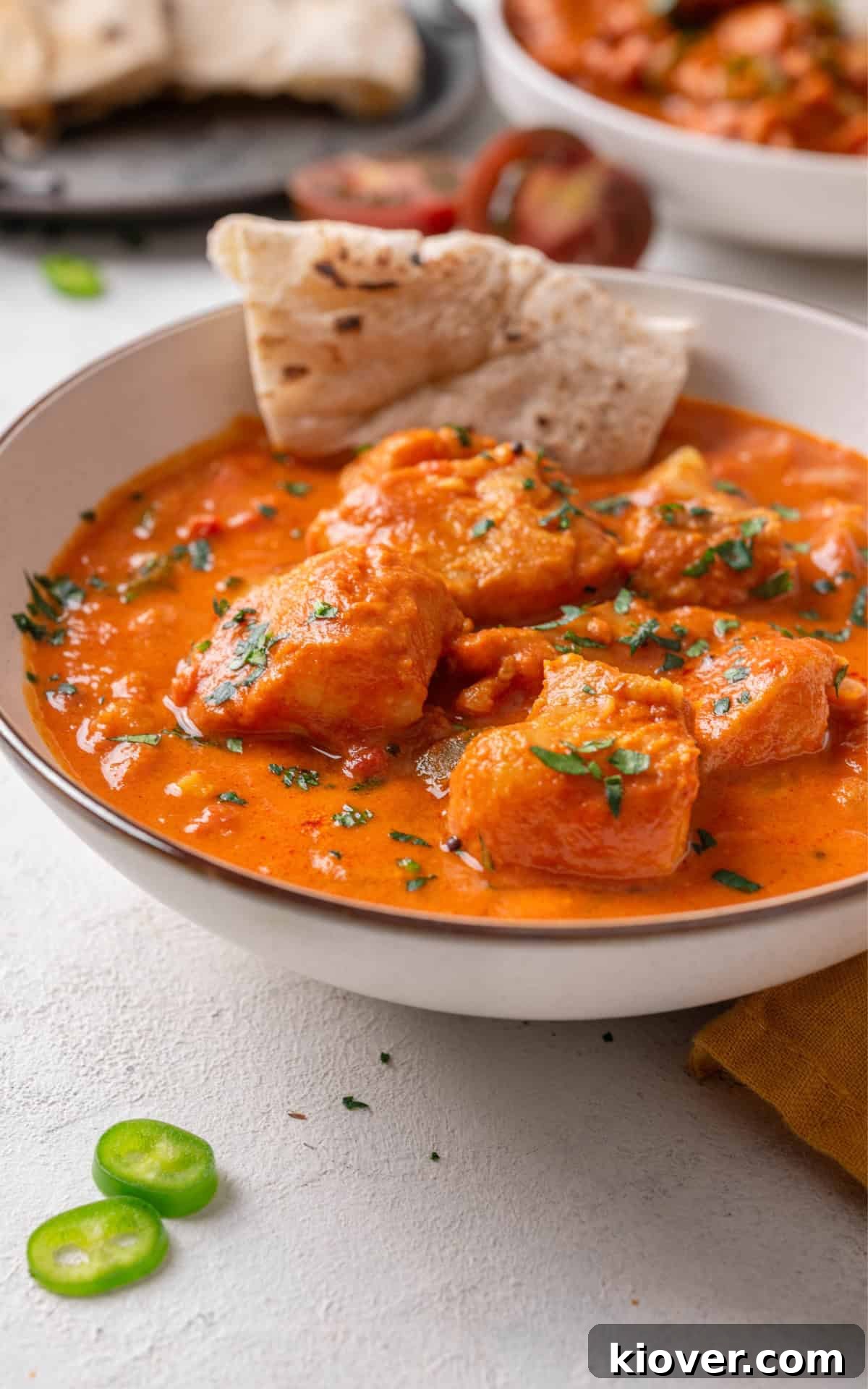
This delightful **Thai-inspired Fish Curry** is incredibly versatile and pairs wonderfully with a variety of sides. Whether you prefer fluffy basmati rice, nutrient-rich quinoa, or warm, pillowy naan bread to soak up every last drop of that incredible sauce, you’re in for a treat. The warm, inviting flavors meld together perfectly, creating a dish that is both deeply satisfying and surprisingly light. This recipe doesn’t just fill you up; it leaves you wishing for more, making it a regular fixture in many kitchens. It’s also naturally gluten-free (when served with rice or gluten-free naan) and dairy-free, catering to a wide range of dietary needs without compromising on taste or texture.
Health Benefits of Homemade Fish Curry
Beyond its incredible taste and quick preparation, this fish curry offers a wealth of health benefits, making it an excellent choice for a nutritious meal. White fish, such as haddock or cod, is an outstanding source of lean protein, essential for muscle repair and growth, and keeping you feeling full and satisfied. It’s also rich in omega-3 fatty acids, which are crucial for heart health, brain function, and reducing inflammation throughout the body.
Coconut milk, a core ingredient in this curry, provides healthy fats (MCTs) that can boost energy levels and support a healthy metabolism. It also contributes to the curry’s creamy texture without the need for dairy, making it suitable for those with lactose intolerance or dairy allergies. The tomatoes are packed with lycopene, a powerful antioxidant known for its potential to protect against certain diseases, while onions and garlic offer immune-boosting properties. Even the spices, like mustard seeds and curry paste, bring their own medicinal benefits, including anti-inflammatory and digestive aids. Incorporating such a diverse range of wholesome ingredients makes this fish curry not just a treat for the palate, but also a nourishing meal for your body.
Essential Ingredients to Make Fish Curry
Crafting a truly exceptional fish curry starts with selecting the right ingredients. Each component plays a vital role in building the layered flavors and rich texture of this delicious dish. Here’s a closer look at what you’ll need and why:
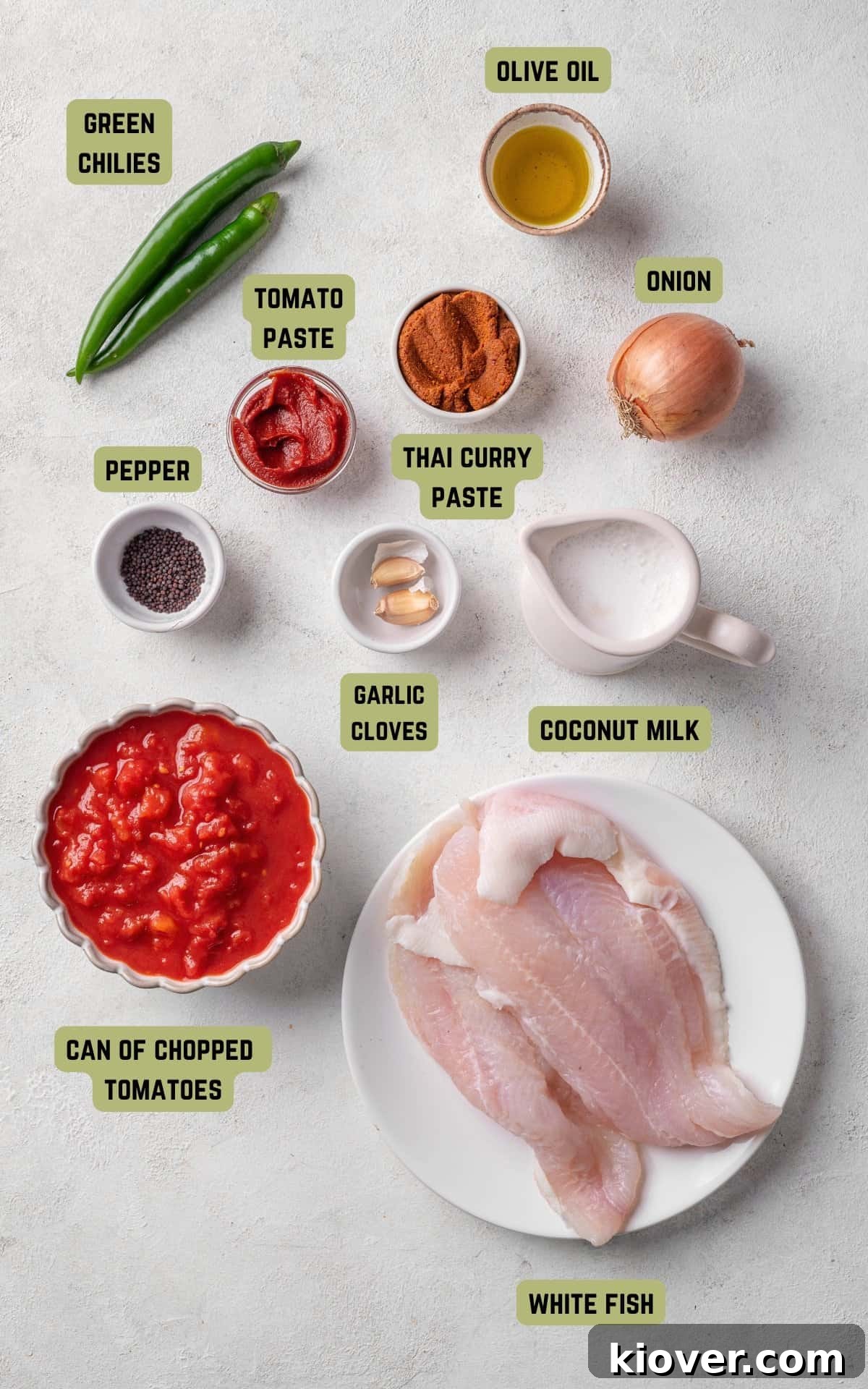
- Olive Oil – The foundation of our curry, olive oil is used to gently sauté the aromatics, releasing their flavors and creating a rich base. Its mild flavor won’t overpower the delicate spices.
- Black Mustard Seeds – A hallmark of Indian and South Asian cuisine, these tiny seeds add a distinctive, pungent, and slightly nutty aroma when fried in hot oil until they pop. They contribute a subtle warmth and complexity to the overall flavor profile.
- Onion – Diced onion provides a fundamental aromatic base, adding both sweetness and a crucial textural element that thickens the curry sauce as it breaks down during cooking.
- Garlic Cloves – A cornerstone of savory cooking, freshly crushed or minced garlic infuses the curry with its unmistakable pungent and savory notes, enhancing the depth of flavor significantly.
- Thai Curry Paste – This is your shortcut to authentic flavor! You have the flexibility to choose **red, yellow, or green Thai curry paste** for this fish curry. Red paste offers a good balance of spice and richness, yellow is typically milder with a hint of turmeric, and green is often the spiciest and freshest tasting. Select your favorite to customize the heat and flavor profile.
- Can of Chopped Tomatoes – Canned chopped tomatoes provide both acidity and a lovely texture, forming the tangy backbone of the curry sauce. They contribute to the vibrant color and robust flavor.
- Coconut Milk – The star ingredient for creaminess, full-fat coconut milk is essential for that luxurious, velvety texture and subtly sweet flavor that beautifully balances the spices and acidity. It makes the curry rich and satisfying.
- Tomato Paste – A concentrated form of tomato, this ingredient helps to deepen the tomato flavor and naturally thicken the sauce, contributing to a more robust and well-rounded curry.
- Green Chilies – For those who appreciate a kick, thinly sliced green chilies add a fresh, vibrant heat. Adjust the quantity according to your preferred spice level. You can remove the seeds for less heat.
- White Fish – The star protein! I typically use **haddock** for its firm texture and mild flavor, which holds up well in a curry. However, other fantastic choices include **cod, tilapia, mahi-mahi, halibut, or snapper**. Choose fresh, firm fillets for the best results.
- Salt and Pepper – Essential seasonings to enhance and balance all the intricate flavors of the dish. Always taste and adjust to your preference before serving.
- Chopped Coriander (Cilantro) – The perfect fresh garnish, a sprinkle of chopped coriander (also known as cilantro) adds a bright, herbaceous finish, cutting through the richness of the curry and adding a pop of color.
Refer to the full recipe card below for exact quantities and detailed instructions on ingredients.
Smart Substitutions for Your Fish Curry
One of the beauties of this fish curry recipe is its adaptability. Don’t have a specific ingredient? Or perhaps you’re catering to different tastes or dietary needs? Here are some excellent substitutions that will ensure your curry is still delicious and satisfying:
- Alternative Spices – If you prefer to build your curry flavor from scratch or want to deepen the existing profile, consider adding individual spices. Freshly grated ginger (1-inch piece), ½ tsp turmeric powder, 1 tsp ground cumin, ½ tsp garam masala, or a pinch of chili powder can be added along with the curry paste. These spices offer more control over the warmth and complexity, allowing you to tailor the curry precisely to your palate. Sauté them briefly with the onion and garlic to unlock their full aroma.
- Different Proteins – While white fish is fantastic, this curry base is incredibly versatile for other proteins. Simply swap out the fish for an equal amount of raw shrimp (cook for 2-3 minutes until pink), chicken breast or thigh (diced, cook for 8-10 minutes until tender), lamb, or beef (diced, cook longer until tender). Adjust cooking times accordingly based on the protein chosen. For a truly unique flavor, consider smoked tofu or tempeh for a plant-based option.
- Vegetable Boost – Want to add more vegetables? Feel free to incorporate spinach (stir in at the end until wilted), bell peppers (sauté with onions), green beans, or even chunks of sweet potato (add with tomatoes and cook until tender). This is a great way to increase the fiber and nutrient content of your meal.
- Lime Juice vs. Tamarind – If you don’t have fresh lime, a teaspoon of tamarind paste can be used for a similar tangy depth, often found in many Asian curries. Add it with the chopped tomatoes.
Creative Variations for Your Fish Curry
This Easy Fish Curry recipe is a fantastic starting point, but don’t hesitate to get creative and tailor it to your personal preferences. Here are some exciting variations to explore:
- Turn Up the Heat (Spicy) – For those who love a fiery kick, there are several ways to intensify the spice. Add an extra fresh red chili, finely chopped, at the beginning with the garlic and onion. A pinch of cayenne pepper or an additional ½ teaspoon of chili powder can be stirred in with the curry paste. For an even more intense heat, try a dash of hot sauce right before serving, or a sprinkle of dried chili flakes.
- Elevate to Deluxe – To add layers of gourmet flavor, incorporate fresh curry leaves (fry 5-6 leaves with the mustard seeds until fragrant). A generous squeeze of fresh lime juice just before serving brightens the entire dish, adding a zesty counterpoint to the rich sauce. You could also swirl in a spoonful of fish sauce or a dash of finely grated ginger at the end for an umami boost.
- Kid-Friendly & Mild – If you’re cooking for little ones or prefer a milder curry, it’s easy to adjust. The simplest method is to increase the amount of coconut milk by ¼ cup, which helps to mellow the spice. You can also completely omit the green chilies. If using a spicier curry paste, opt for a yellow or mild red variety, or reduce the amount used. Adding a touch of natural sweetness, like a teaspoon of maple syrup or honey, can also balance any lingering heat.
- Herb Garden Freshness – Experiment with other fresh herbs! While coriander is traditional, a scattering of fresh mint or Thai basil leaves at the very end can introduce different aromatic dimensions and a vibrant freshness.
- Add Vegetables – Boost the nutritional content and bulk up the curry by adding various vegetables. Broccoli florets, cauliflower florets, bell peppers, snow peas, or sliced carrots can be added in step 6 along with the chopped tomatoes to cook until tender-crisp. Leafy greens like spinach or kale can be stirred in at the very end until wilted.
Step-by-Step: How to Make Fish Curry
Making this flavorful fish curry is surprisingly straightforward. Follow these simple steps to create a restaurant-quality meal in your own kitchen:
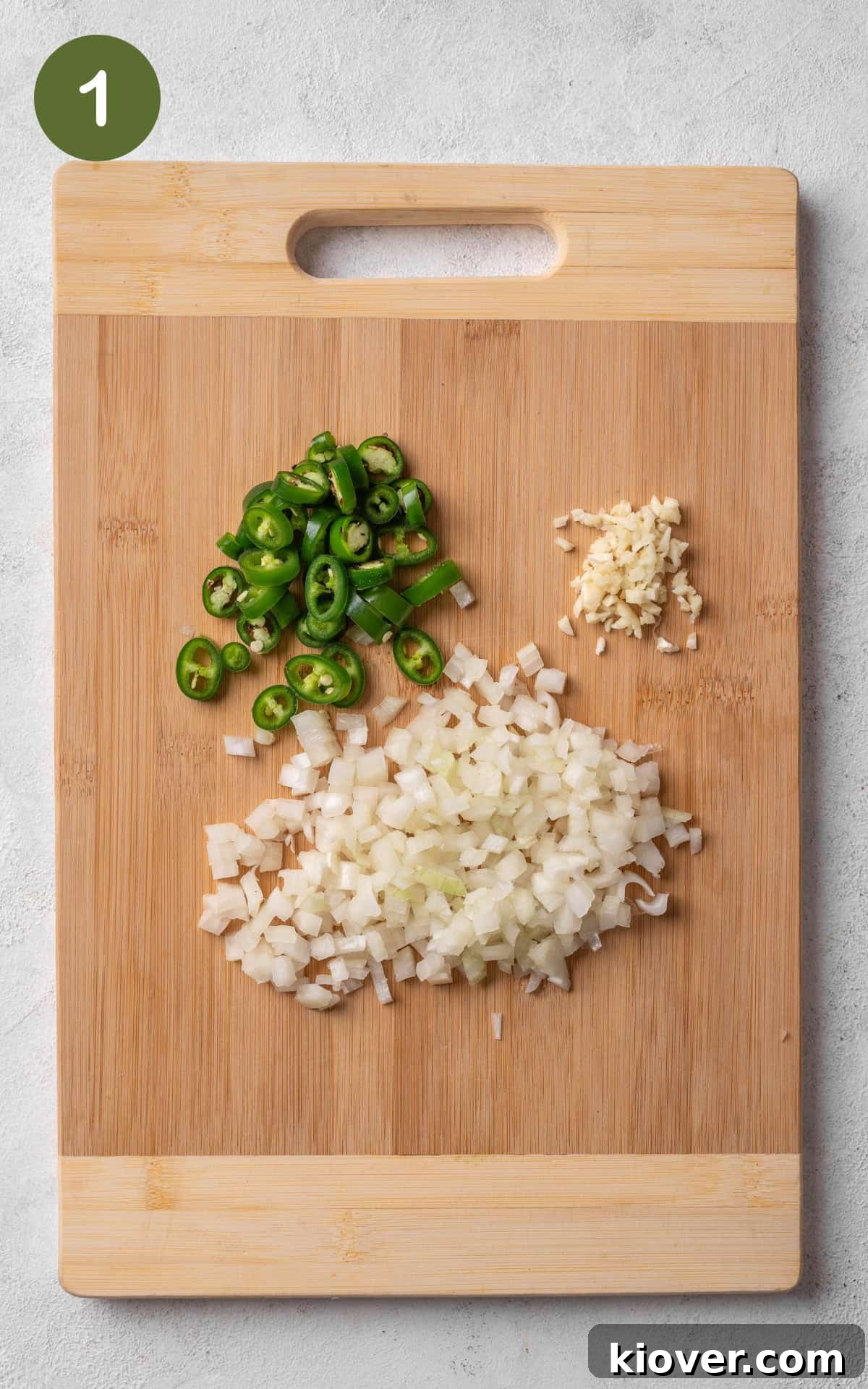
Step 1: Prep Your Ingredients. Begin by preparing all your vegetables. Finely chop the onion, crush and mince the garlic cloves, and thinly slice the green chilies (removing seeds if you prefer less heat). Having everything prepped in advance makes the cooking process smooth and quick.
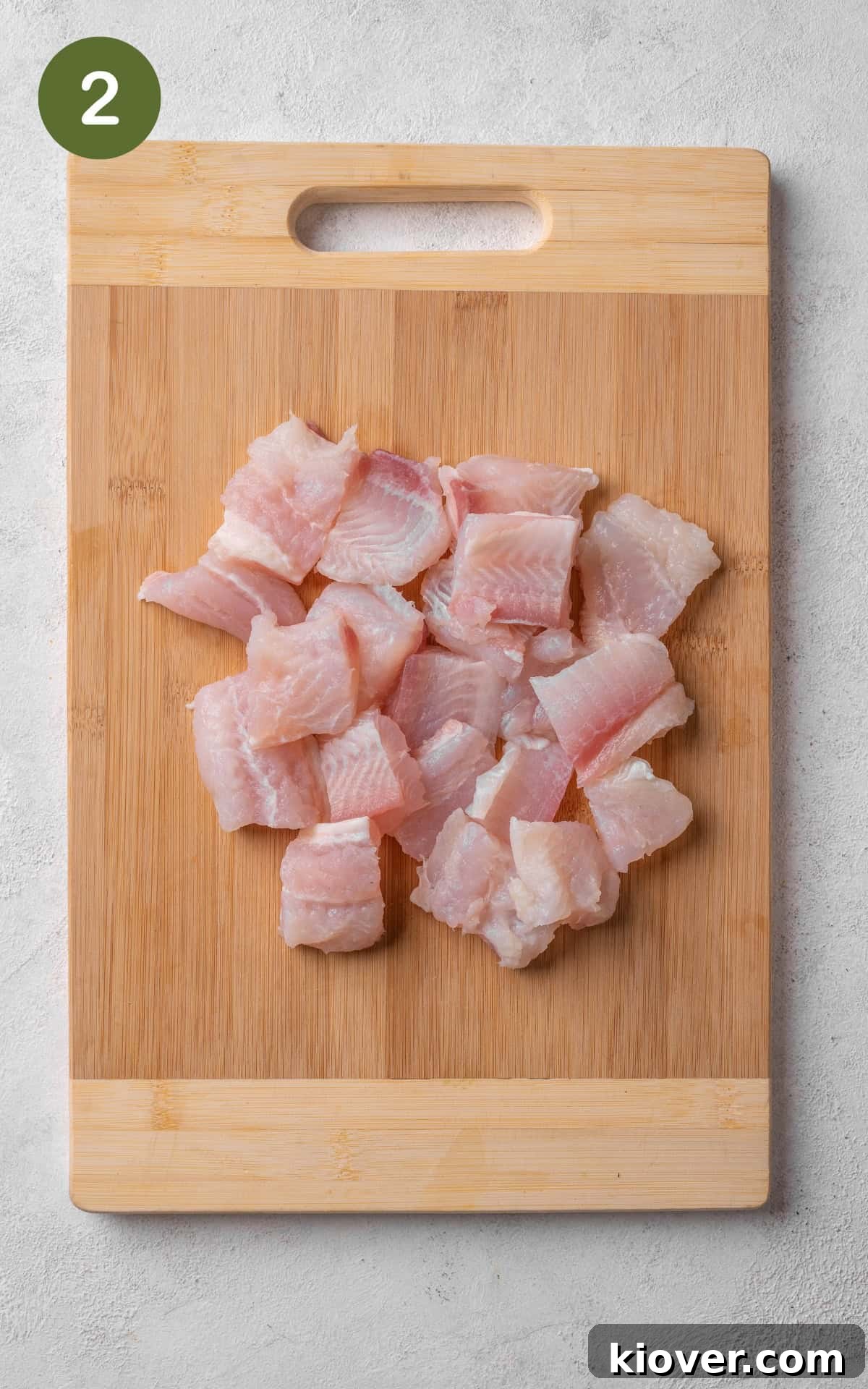
Step 2: Prepare the Fish. Take your chosen white fish fillets and chop them into uniform, bite-sized chunks, roughly 1-inch pieces. This ensures even cooking and makes the curry easy to eat.
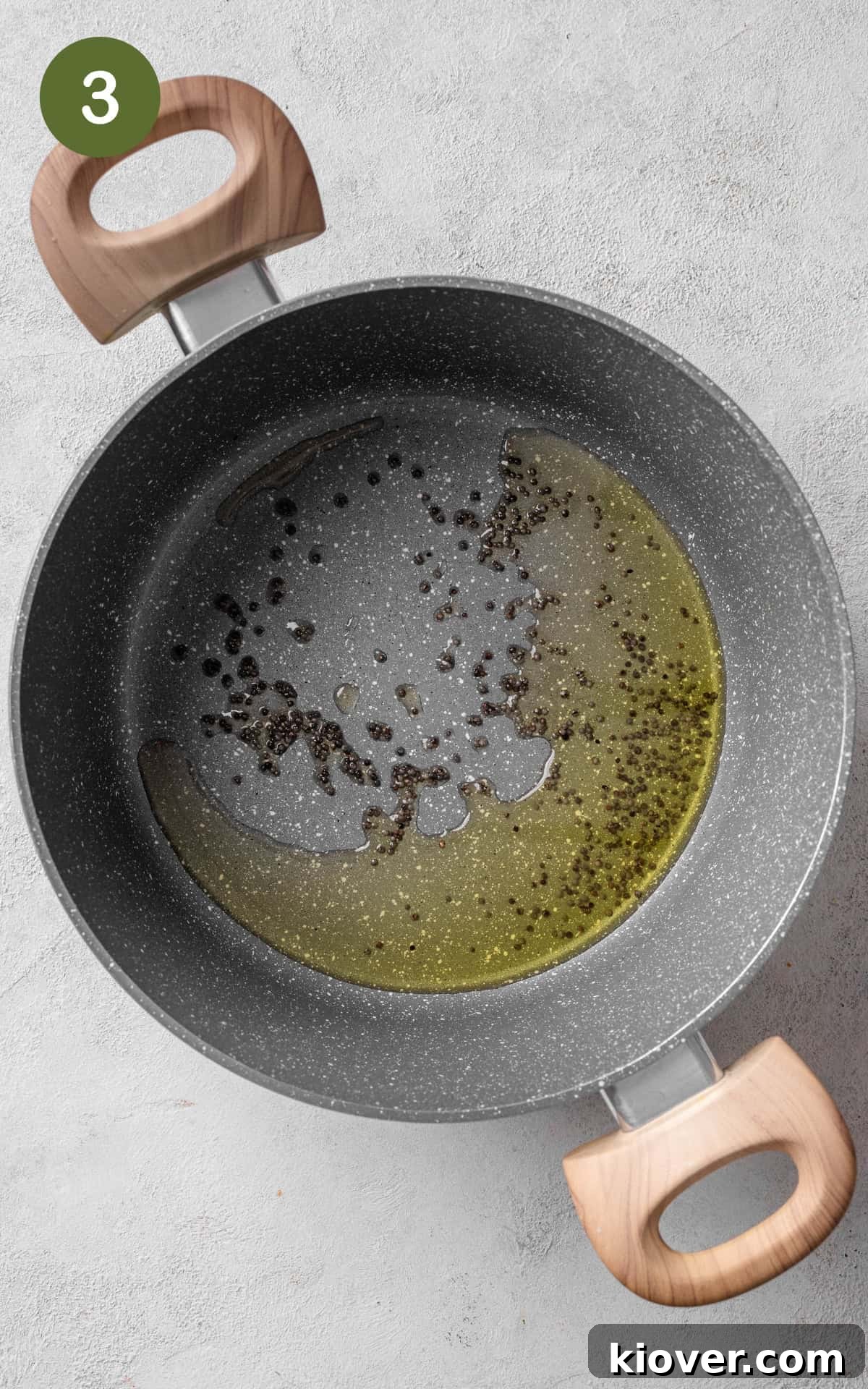
Step 3: Bloom the Spices. Heat the olive oil in a large pot or deep skillet over medium heat. Once shimmering, add the black mustard seeds. Cook them, stirring frequently, until they start to pop and release their aromatic fragrance, usually about 30 seconds to 1 minute. Be careful not to burn them.
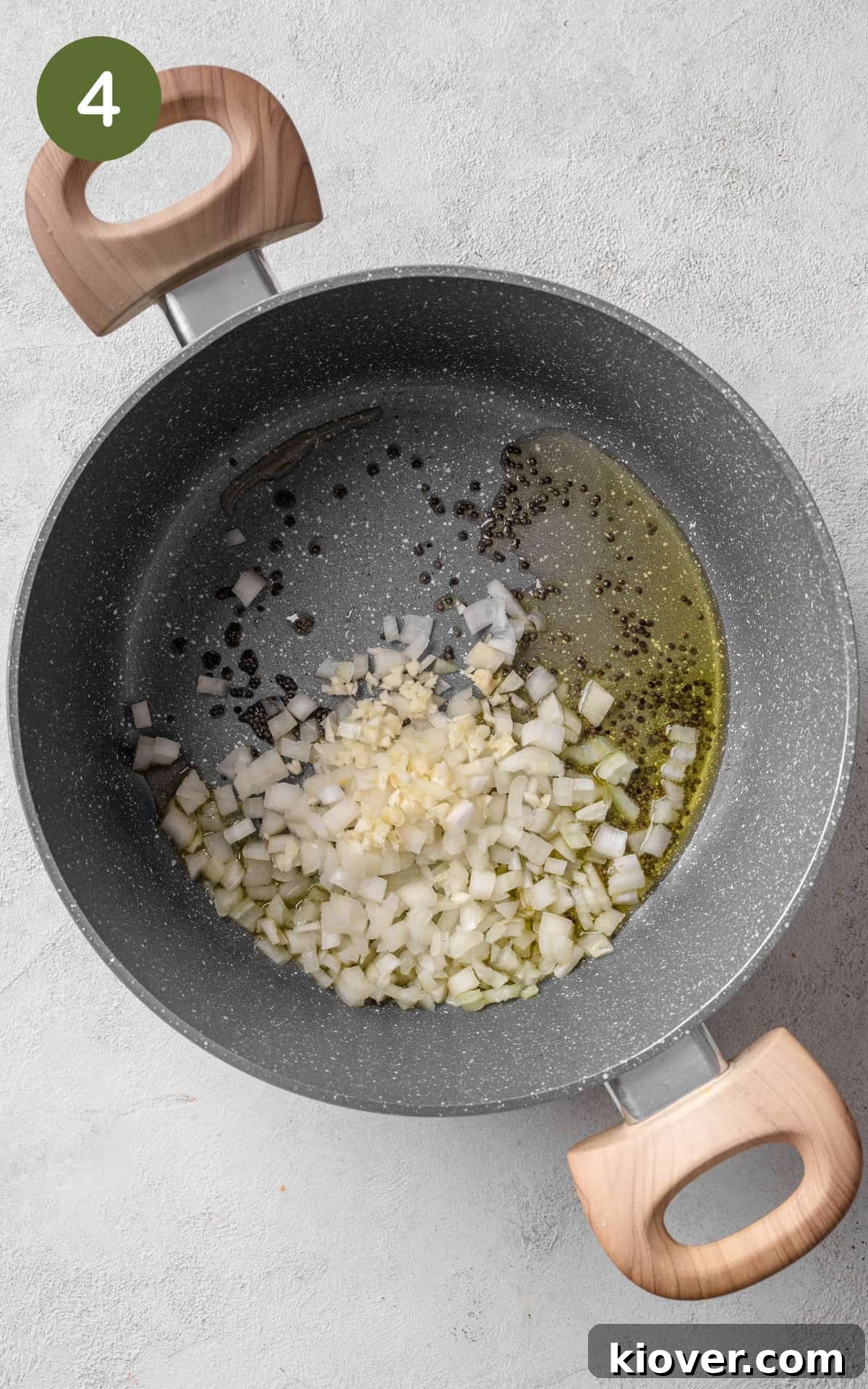
Step 4: Sauté Aromatics. Add the chopped onion and crushed garlic to the pot. Cook, stirring occasionally, for 3-4 minutes, or until the onion softens and becomes translucent. This step is crucial for building the foundational flavor of your curry.
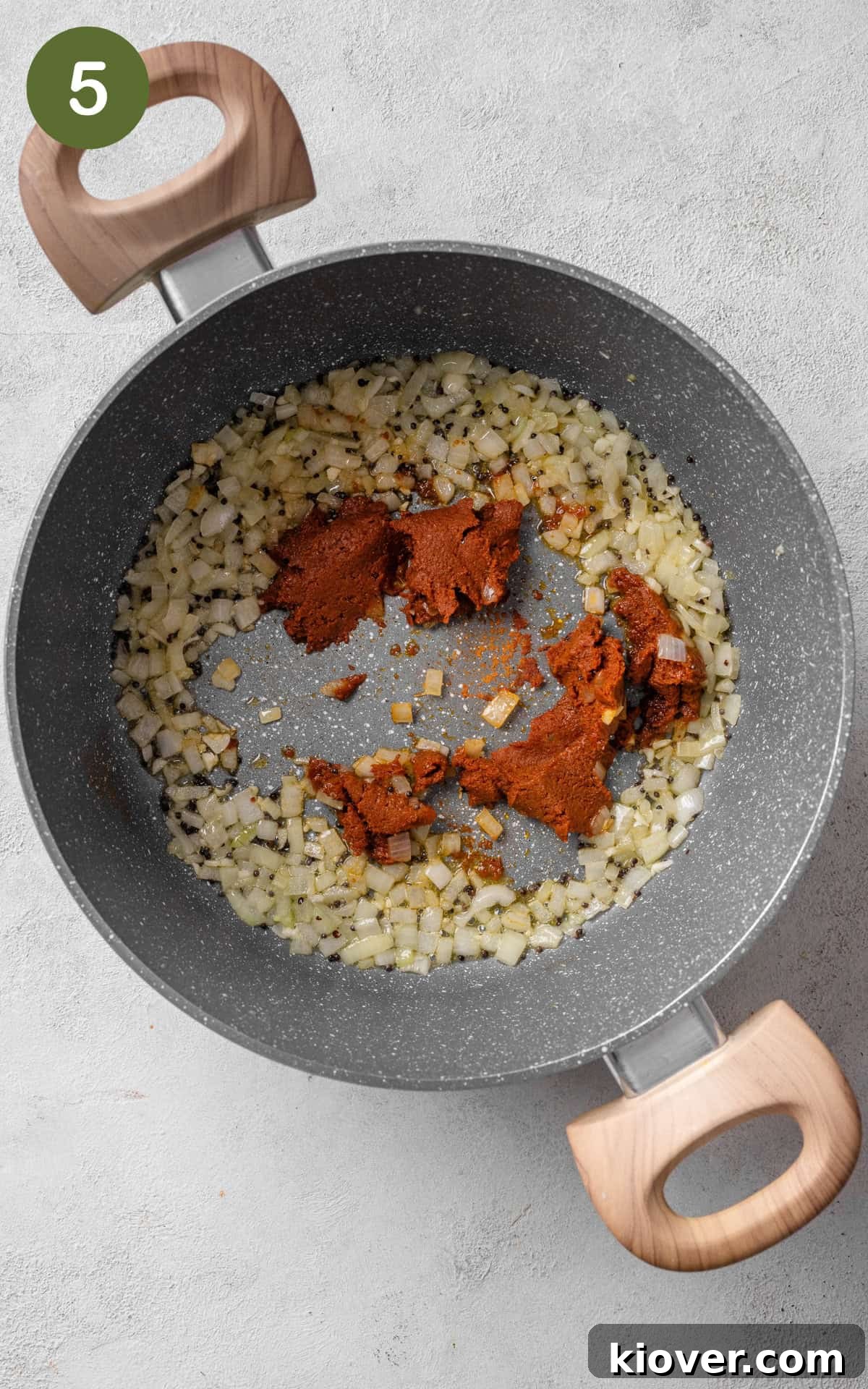
Step 5: Toast the Curry Paste. Stir in the Thai curry paste. Cook for another 2-3 minutes, stirring constantly. Toasting the curry paste briefly in the oil helps to deepen its flavor and release its full aromatic potential.

Step 6: Build the Sauce. Pour in the can of chopped tomatoes and the tomato paste. Cook for 2 minutes, stirring to combine. Then, add the rich coconut milk and sliced green chilies. Bring the mixture to a gentle simmer and cook for another 2-3 minutes, allowing the flavors to meld. If the curry sauce appears too thick, you can add about ¼ cup of water or vegetable broth to achieve your desired consistency. Stir well to incorporate.
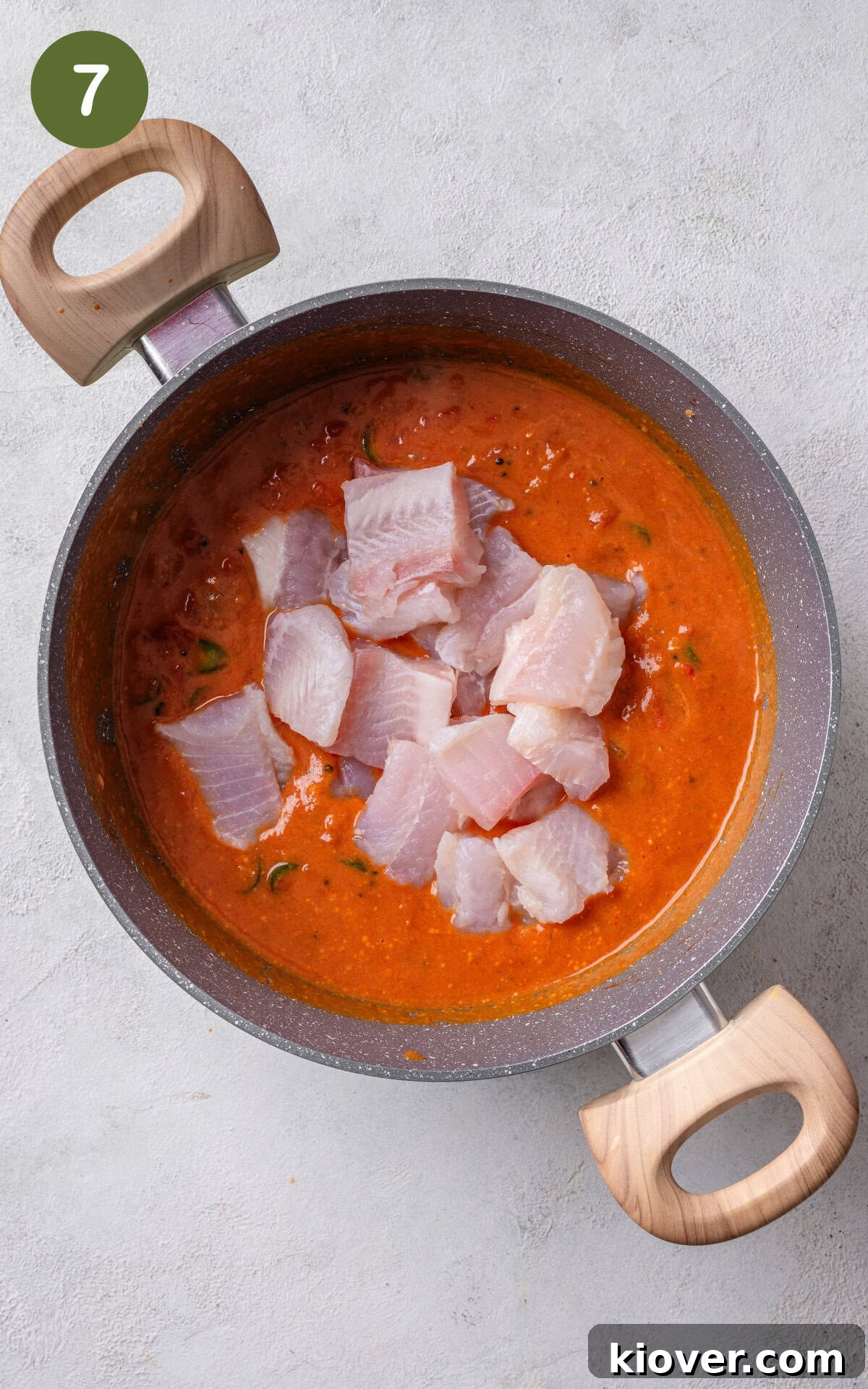
Step 7: Cook the Fish and Serve. Gently add the chopped white fish pieces to the simmering curry sauce. Cook for just 4-5 minutes, or until the fish is opaque and cooked through. Be careful not to overcook the fish, as it can become tough. Taste and adjust seasoning with salt and pepper as needed. Serve the fragrant curry warm, garnished generously with fresh chopped coriander (cilantro). It’s wonderful served with fluffy basmati rice, jasmine rice, or warm naan bread for a complete and satisfying meal.
Expert Tips for a Perfect Fish Curry
- Don’t Overcook the Fish: Fish cooks very quickly, especially in hot liquid. Add it at the very end and cook just until it turns opaque and flakes easily. Overcooked fish becomes dry and rubbery.
- Adjust Consistency: Be sure that your curry is at the consistency you desire *before* adding the fish. If it’s too thick, add a little water or broth; if too thin, let it simmer uncovered for a few more minutes to reduce slightly. This prevents the fish from overcooking while you adjust the sauce.
- Balance Flavors: Always taste your curry before serving. Curries often benefit from a final touch of acidity (a squeeze of lime juice), sweetness (a pinch of sugar), or salt to truly make the flavors sing.
- Fresh Herbs are Key: Don’t skip the fresh coriander garnish! It adds a vital burst of freshness and aroma that brightens the entire dish and balances the richness of the curry.
- Prep Ahead: To make this an even quicker weeknight meal, you can chop your onion, garlic, and chilies in advance. You can even prepare the curry sauce (without the fish) ahead of time and store it in the fridge. When ready to eat, simply reheat the sauce and add the fresh fish.
- Lessen Fishy Smell: If you’re sensitive to the “fishy” aroma, you can quickly sear the fish in a separate pan before adding it to the curry. Alternatively, marinating the fish in a little lemon juice or vinegar for 10-15 minutes prior to cooking can help.
- Smooth Sauce: For a silkier curry, you can use an immersion blender to carefully blend the sauce after step 6 (before adding the fish). This creates an incredibly smooth and creamy texture.
Leftovers and Storage for Fish Curry
This Fish Curry is delightful as leftovers, often tasting even better the next day as the flavors have more time to meld. Here’s how to store and reheat it:
- Refrigeration: Store any leftover Thai red fish curry in an airtight container in the fridge for up to four days. Ensure it cools down completely before sealing and refrigerating.
- Reheating:
- Stovetop: Gently reheat the curry in a pot or pan over low heat, stirring occasionally, until it is piping hot all the way through. You may find the sauce has thickened slightly; if so, add a splash of water or vegetable broth to loosen it back to your desired consistency.
- Microwave: For a quicker option, reheat individual portions in the microwave. Cover the dish loosely to prevent splattering and microwave in 1-minute intervals, stirring in between, until heated through.
- Freezing: This curry freezes well! Transfer cooled leftovers into an airtight, freezer-safe container. It can be stored in the freezer for up to three months. Thaw frozen curry overnight in the fridge before reheating. When reheating from frozen, it’s best to use the stovetop method and add a little extra liquid (water or broth) to restore the sauce’s texture.
- Meal Prep Tip: For ultimate convenience, make a double batch of the curry sauce (without the fish). Freeze half for a future quick meal. When you’re ready to enjoy, thaw the sauce, heat it in a pan, and simply add fresh fish to cook through.
Fish Curry Recipe FAQs
White fish is generally considered the best choice for curry for several reasons. Varieties like haddock, cod, tilapia, mahi-mahi, halibut, or snapper have a mild flavor that won’t overpower the rich curry sauce. They also tend to have a firm, flaky texture that holds up well during cooking without falling apart. Additionally, white fish cooks quickly, making it ideal for fast, weeknight meals, and it’s often a more budget-friendly option. Always opt for fresh, high-quality fillets.
Several factors can contribute to a bitter taste in white fish curry. Overcooking the initial spices, onion, or garlic can lead to bitterness, so ensure they are sautéed until fragrant and translucent, not burnt. Sometimes, the fish itself can contribute a slight bitterness if the bile sac was not properly removed. Excessive amounts of certain spices like turmeric or fenugreek, if not balanced, can also cause bitterness. If you find your curry tastes bitter, try balancing it out by adding a small amount of sweetness (like a pinch of sugar or maple syrup), a squeeze of lime or lemon juice, or a teaspoon of tamarind paste to counteract the bitterness.
Yes, absolutely! Frozen white fish fillets work perfectly for this curry. For best results, thaw the fish completely in the refrigerator overnight or under cold running water before chopping and adding it to the curry. Pat it dry with paper towels to remove excess moisture, which can water down your sauce.
Yes, this recipe is naturally gluten-free and dairy-free! It uses coconut milk for creaminess, not dairy, and all the other ingredients are typically free from gluten and dairy. Just ensure that the Thai curry paste you use is certified gluten-free, as some brands may contain hidden wheat derivatives, and serve with rice or gluten-free naan.
Fish curry is incredibly versatile. Classic accompaniments include fluffy basmati or jasmine rice, which perfectly soaks up the rich sauce. Other excellent choices are quinoa for added protein and fiber, or warm, soft naan bread (either regular or gluten-free) for scooping. For a lighter meal, consider serving it with a simple green salad, steamed vegetables, or a refreshing cucumber raita.
To make your curry sauce thicker, you can let it simmer uncovered for a few extra minutes, allowing some of the liquid to evaporate. Stir occasionally to prevent sticking. Alternatively, you can mix a teaspoon of cornstarch with a tablespoon of cold water to create a slurry, then stir it into the simmering curry and cook for another minute until it thickens. To make the sauce thinner, simply add a splash of water, vegetable broth, or extra coconut milk until you reach your desired consistency.
More Delicious Curry Recipes
If you loved this Easy Fish Curry, you’re in for a treat! The world of curries is vast and flavorful, with options to suit every palate and preference. Here are some more incredible curry recipes to inspire your next meal, ranging from vegetarian delights to rich seafood concoctions:
- Aubergine Curry – A rich and satisfying plant-based option.
- The Best Thai Red Prawn Curry – For shrimp lovers seeking bold Thai flavors.
- Apricot Butternut Squash Cashew Curry – A unique blend of sweet and savory.
- Cauliflower Curry – Simple, wholesome, and packed with flavor.
- Cod Cauliflower Curry – A fantastic combination of healthy fish and vegetables.
- Potato Curry – A comforting and hearty vegetarian staple.
- Prawn Curry – Another quick and delicious seafood curry option.
- Vegan Thai Tofu Curry – A plant-powered meal bursting with Thai aromatics.
- 15-Minute Vegetable Curry – Perfect for when time is truly of the essence.
You Might Also Like
Dinner
Dairy Free Fish Pie
Fish
Salmon Fishcakes
Dinner
Vegetable Curry
Dinner
The Best Thai Red Prawn Curry
Rate This Recipe…
Have you tried this incredible Easy Fish Curry recipe? We would love to hear from you! Please consider leaving a star rating ⭐⭐⭐⭐⭐ below and let us know how your culinary adventure turned out. Your positive feedback is one of the most rewarding parts of creating and sharing delicious recipes, so please take a moment to review it and leave a comment! We appreciate your support.
P.S. Never miss a new recipe again! Get more healthy and exciting recipes sent straight to your inbox weekly. Don’t forget to Subscribe to our Newsletter and receive a free recipe eBook as a special thank you!

Print Recipe
Easy Fish Curry
Ingredients
- 1 tbsp olive oil
- ½ tsp black mustard seeds
- 1 onion, chopped
- 2 cloves garlic, crushed
- 1 tbsp Thai curry paste, red, yellow or green
- 400 g can chopped tomatoes
- 400 ml coconut milk
- 1 tbsp tomato paste
- 2 green chilies, thinly sliced (optional, or remove seeds for less heat)
- 600 g haddock, or other white fish, desired type, cut into 1-inch chunks
- Salt and pepper, to taste
- Chopped coriander, for garnish
Instructions
-
Start by preparing your veggies: chop the onion, crush and mince the garlic, and thinly slice the chilies (if using).
-
Chop the fish into uniform, bite-sized chunks, approximately 1-inch pieces.
-
Heat the olive oil in a large pot or deep skillet over medium heat. Add black mustard seeds and cook until they start popping, about 30-60 seconds.
-
Add chopped onion and garlic, and cook, stirring frequently, for 3-4 minutes until the onion softens and becomes translucent.
-
Stir in the Thai curry paste and cook for 2-3 minutes, stirring constantly to toast the paste and release its aromas.
-
Now, add the can of chopped tomatoes and tomato paste. Cook for 2 minutes, stirring to combine. Then, pour in the coconut milk and sliced green chilies. Bring the sauce to a gentle simmer and cook for 2-3 minutes. If your curry sauce is too thick, add about ¼ cup of water or vegetable broth and stir to reach your desired consistency.
-
Finally, gently add the fish chunks to the simmering curry. Cook for just 4-5 minutes, or until the fish is opaque and cooked through. Be careful not to overcook. Taste and season with salt and pepper to your preference. Serve the curry warm, garnished with fresh chopped coriander. It’s excellent served with basmati rice, jasmine rice, or warm naan bread.
Notes
Substitutions & Variations: Refer to the sections above for a comprehensive list of suggested substitutions and creative variations to customize your curry.
To Store: Store leftover Fish Curry in an airtight container in the fridge for 3-4 days. For reheating, gently warm in a pot over low heat until piping hot, or use the microwave. You might need to add a little water or broth to loosen the sauce.
To Freeze: This curry freezes well (without fresh fish if possible, or cooked fish for up to 3 months). Freeze in an airtight container for up to 3 months. Defrost overnight in the fridge and then reheat on the stove or in the microwave, adding liquid if needed.
Tip 1: If you want to lessen any potential “fishy” aroma during cooking, you can quickly sear the fish in a separate pan before adding it to the curry sauce, or marinate it briefly in lemon juice.
Tip 2: For efficient meal prep, consider making a larger batch of the curry sauce (without the fish) ahead of time and freezing it. When ready to enjoy, thaw the sauce, heat it in a pan, and simply add your fresh fish to cook through.
Tip 3: If you prefer an exceptionally smooth curry sauce, you can carefully use an immersion blender to blend the sauce after it simmers (before adding the fish). This creates a luxurious, velvety texture.