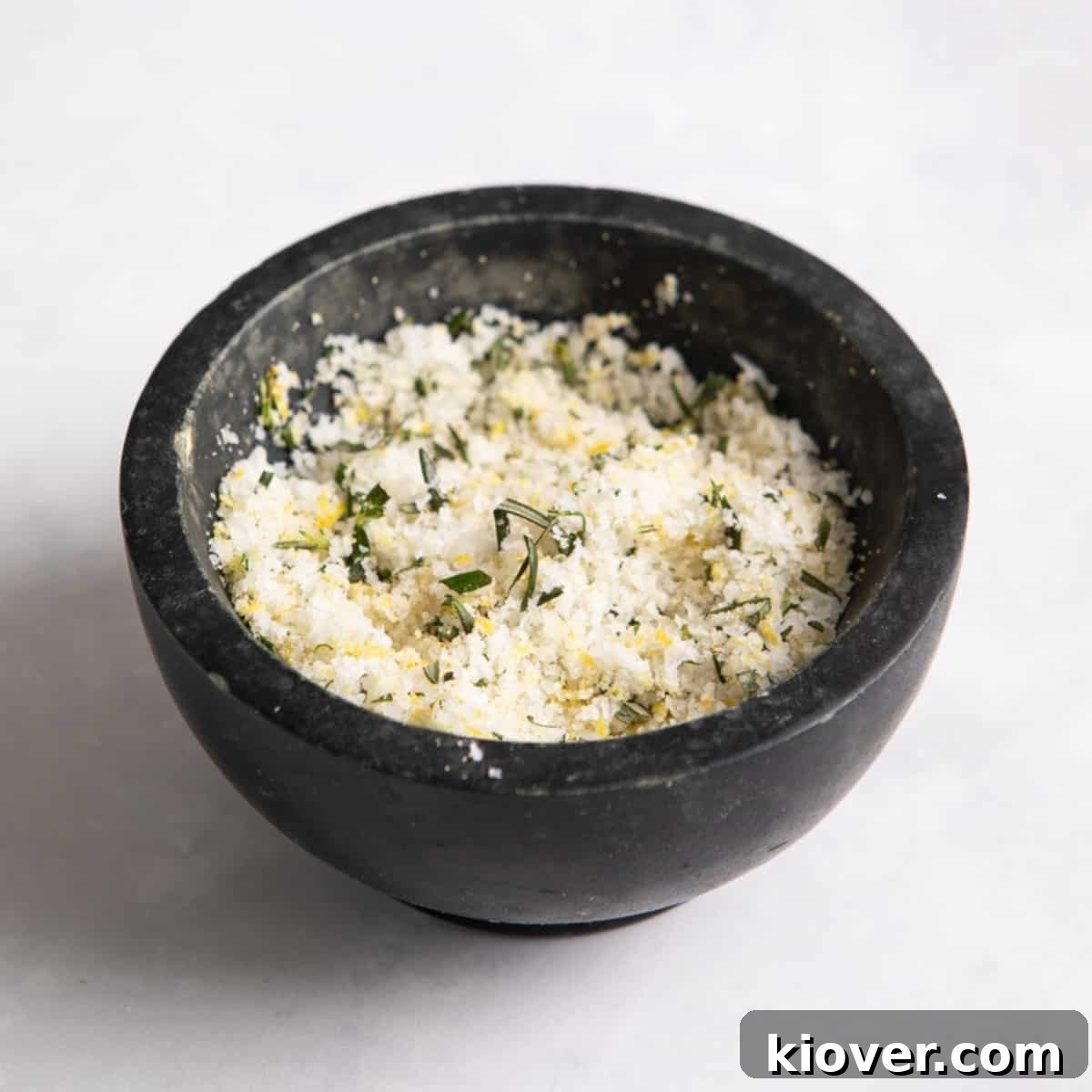
Unlock a world of vibrant flavors and elevate your culinary creations with this simple yet transformative Rosemary Salt recipe. Forget bland seasonings; this homemade blend promises to infuse your dishes with an irresistible aromatic depth. Incredibly easy to prepare in just 5 minutes, it utilizes fresh, accessible ingredients you likely already have thriving in your garden or pantry. Beyond its ease, this artisanal salt offers a significant upgrade to store-bought alternatives, delivering a complexity that will make your everyday meals feel gourmet. It’s more than just a seasoning; it’s a secret weapon for any home cook looking to impress with minimal effort.
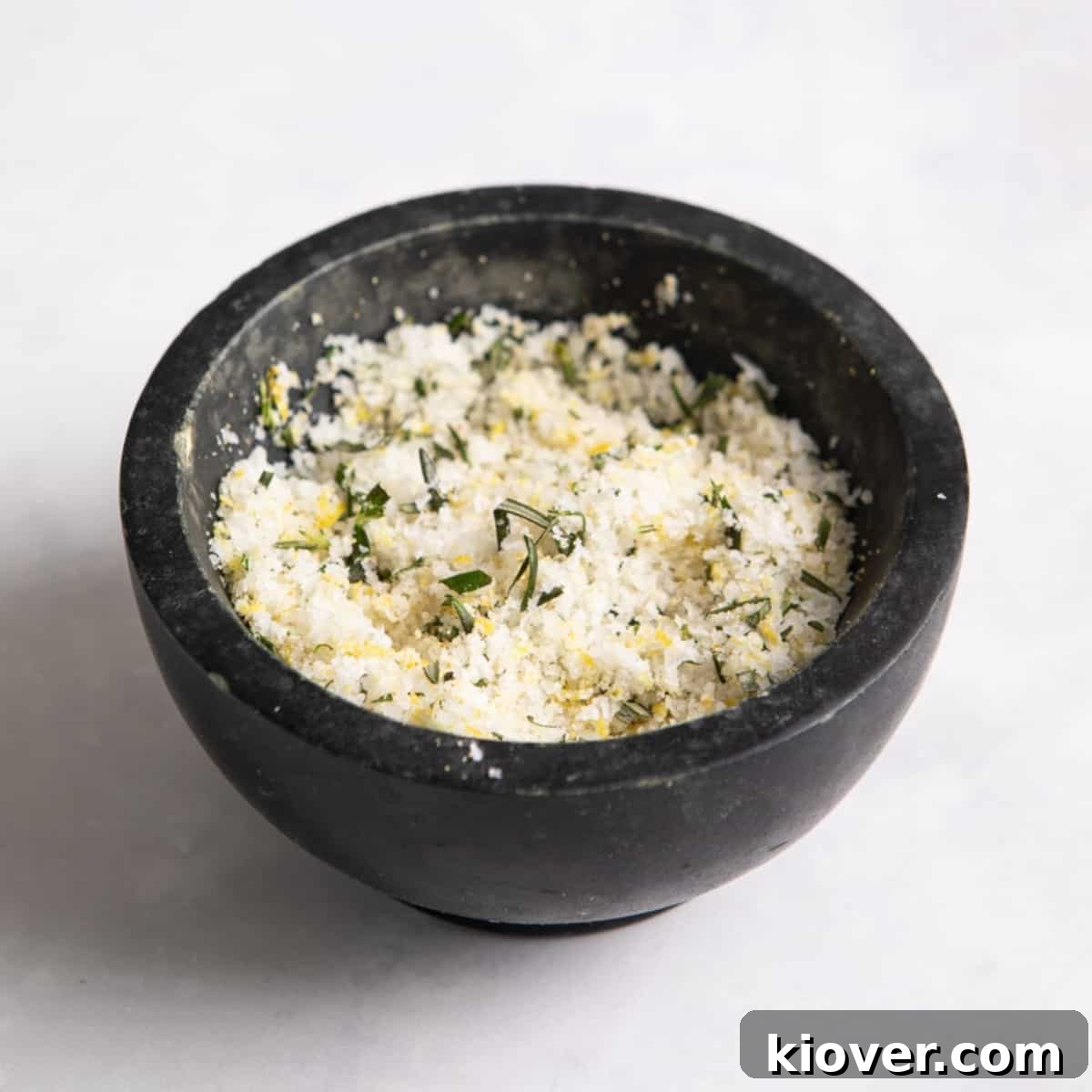
Recipe Difficulty – Very Easy
Table of Contents
- Why This Homemade Rosemary Salt is a Must-Try
- Essential Ingredients for Perfect Rosemary Salt
- Smart Substitutions for Your Rosemary Salt
- Exciting Variations to Customize Your Flavored Salt
- Step-by-Step Guide: How to Make Rosemary Salt
- Storing Your Homemade Rosemary Salt
- Creative Ways to Use Rosemary Salt in Your Cooking
- Rosemary Salt Recipe Card
Why This Homemade Rosemary Salt is a Must-Try
Once you experience the sheer delight of having this fresh, aromatic rosemary salt readily available in your kitchen, you’ll wonder how you ever cooked without it. It’s truly a game-changer that effortlessly elevates the flavor profile of nearly every dish you prepare. The process of making your own rosemary salt is not just incredibly quick and easy – a genuine “quick win” in the culinary world – but also immensely rewarding. Unlike generic store-bought salts that often fall flat, our homemade version boasts subtle yet impactful flavors, thanks to the harmonious blend of fresh rosemary, zesty lemon, and savory garlic.
This isn’t just another seasoning; it’s a gourmet enhancer that transforms ordinary meals into extraordinary dining experiences. The aromatic notes of rosemary perfectly complement the bright acidity of lemon and the warm depth of garlic, creating a flavor profile that is surprisingly versatile and addictive. From roasted vegetables to grilled meats, stews, and even simple egg dishes, this flavored salt adds a layer of sophistication and freshness that cannot be replicated. It’s a testament to how simple, high-quality ingredients can produce complex and memorable tastes. Imagine finishing a dish with a sprinkle of this vibrant salt, knowing that each crystal carries the essence of fresh herbs and citrus, ready to awaken your palate.
The inspiration for this exquisite rosemary sea salt recipe came about while perfecting my Homemade Air Fryer Chips. I realized that a special seasoning was needed to truly make those crispy, golden chips shine, and thus, the quest for the best rosemary salt began. The result is a blend that’s not only perfect for chips but so universally appealing that it can be added to almost any recipe, providing an instant gourmet touch. It’s an affordable way to bring restaurant-quality flavors into your home, making every meal a little more special and a lot more delicious.
Essential Ingredients for Perfect Rosemary Salt
Crafting your own rosemary salt requires just a handful of fresh, high-quality ingredients. The beauty of this recipe lies in its simplicity and the ability of each component to contribute significantly to the overall flavor. Here’s a closer look at what you’ll need and why each element is crucial for achieving that perfect balance of aroma and taste:
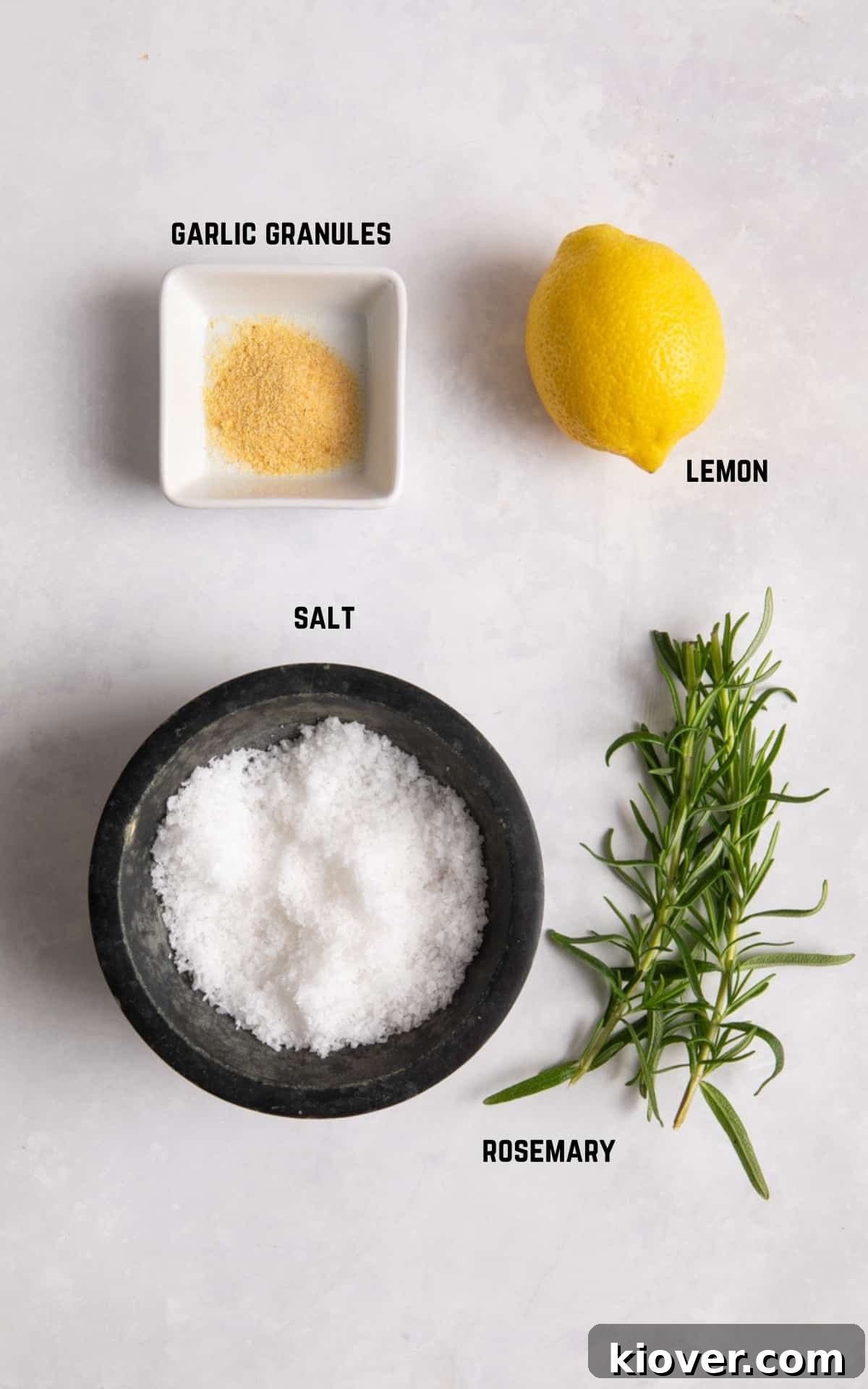
- Salt: As the foundational ingredient for this rosemary and lemon salt, the type of salt you choose makes a difference. For this recipe, I’ve opted for flakey sea salt. Its delicate texture and clean taste allow the other flavors to shine through beautifully, dissolving evenly and adhering well to food. If flakey sea salt isn’t available, coarse sea salt is an excellent alternative, offering a satisfying crunch and a robust salty kick. The goal is a salt that can carry the flavors without overpowering them.
- Fresh Rosemary: This aromatic herb is the star of our herb salt, infusing it with its distinctive piney, slightly peppery, and earthy notes. Using fresh rosemary is paramount, as it provides a vibrant fragrance and a potent flavor that dried herbs simply can’t match. Its evergreen qualities bring an incredible freshness and depth that will instantly transport your dishes to a Mediterranean garden. The quality of your rosemary will directly impact the vibrancy of your finished product.
- Garlic Powder (or Granules): Garlic is a secret weapon in many culinary applications, and this salt is no exception. Garlic powder, or granules, adds a subtle yet essential layer of savory flavor and depth to the blend. It introduces a hint of pungency and a delicate acidity that beautifully complements the lemon and rosemary. This inclusion transforms the salt from a simple herb blend into a more complex and well-rounded seasoning, making it truly irresistible.
- Lemon Zest: The bright, citrusy notes of lemon zest are what truly make this rosemary salt sing. The zest, specifically, contains all the essential oils and aromatic compounds that deliver an uplifting, tangy, and refreshing taste without adding moisture. Lemon is often an unsung hero in many of my recipes, as it has a magical ability to brighten flavors, cut through richness, and add a spark of vivacity. The zest provides that crucial touch of brightness, making the overall flavor profile incredibly balanced and appealing.
For precise measurements and ingredient quantities, please refer to the comprehensive recipe card below.
Smart Substitutions for Your Rosemary Salt
While the classic combination of rosemary, lemon, and garlic creates an exceptional flavored salt, creativity in the kitchen often calls for flexibility. If you find yourself missing an ingredient or simply wish to experiment with different flavor profiles, these smart substitutions will help you customize your homemade herb salt without compromising on quality or taste. Remember, cooking is about exploring and adapting, and these suggestions offer pathways to delicious variations:
- Rosemary Alternatives: Fresh rosemary is undeniably the heart of this recipe, but if you don’t have access to it, other fresh herbs can step in beautifully. Thyme is an excellent substitute, offering a similar earthy and slightly woody aroma that pairs well with salt and citrus. Its delicate leaves are easy to chop and blend. Marjoram or oregano could also work, providing a more robust, slightly peppery flavor. If fresh herbs are entirely out of reach, high-quality dried herbs can be used in a pinch. Remember that dried herbs are more concentrated, so use about half the amount you would for fresh, or adjust to taste.
- Lemon Swaps: The vibrant citrus kick from lemon zest is a key component, but it’s not the only option. Lime zest offers a slightly tarter and more exotic citrus note, which can be fantastic, especially for dishes with an Asian or Latin American influence. If citrus isn’t what you’re after, or if you prefer a simpler, purely herbal and savory salt, you can certainly omit the citrus zest entirely. The rosemary and garlic blend alone is wonderfully aromatic and potent.
- Salt Varieties: I recommend a good quality sea salt, either flakey or coarse, for its clean taste and texture. However, the world of salt is vast and exciting! Pink Himalayan Salt, with its beautiful color and rich mineral content, makes a fantastic alternative, potentially adding a subtle depth of flavor. Fleur de Sel, while more expensive, offers a delicate crunch and brininess that can elevate the “deluxe” feel of your salt. Even kosher salt can be used as a more accessible option, though you might adjust the quantity slightly to achieve your desired salinity due to its different crystal structure.
Exciting Variations to Customize Your Flavored Salt
Once you master the basic rosemary salt recipe, the possibilities for customization are endless. Flavored salts are a fantastic way to experiment with different culinary profiles, allowing you to create unique seasonings tailored to specific dishes or personal preferences. Here are some exciting variations to inspire your inner chef and expand your homemade salt repertoire:
- Deluxe Blends: Elevate your flavored salt game by venturing beyond the classic. Imagine a Smoky Chilli Salt, perfect for barbecued meats, grilled corn, or even a spicy margarita rim. This can be achieved by blending dried smoked paprika, a touch of chipotle powder, and red pepper flakes with your chosen salt. Another intriguing option is Seaweed Salt, which brings a savory umami depth, ideal for fish, sushi, or Asian-inspired dishes. Simply dry and finely grind edible seaweed (like nori or dulse) and mix it with sea salt. For a more coarse salt texture, which can be delightful for finishing dishes or as a rub, consider using a food processor. A quick pulse will achieve a coarser grind, integrating the herbs and spices more thoroughly while maintaining a satisfying crunch.
- Spicy Enhancements: If you love a bit of heat, infusing your homemade flavored salt with spicy ingredients is a fantastic way to add an extra kick. For a vibrant warmth, incorporate dried chilli flakes, adjusting the quantity to your preferred spice level. These flakes not only add heat but also a beautiful visual element. For a fresher, more robust heat, finely chopped jalapeños or serrano peppers can be added, though you might want to dry them slightly beforehand to prevent moisture from clumping the salt. Other options include a pinch of cayenne pepper, a dash of hot smoked paprika, or even a touch of ground black pepper for a more subtle piquancy. This spicy variation is perfect for sprinkling over tacos, grilled chicken, or any dish that benefits from a fiery finish.
- Other Herb Infusions: Don’t limit yourself to rosemary! Consider making other single-herb or mixed-herb salts. Thyme, sage, oregano, or even a classic Herbes de Provence blend can create equally delightful savory salts. Pair them with complementary citrus zest or spices for unique flavor profiles.
- Citrus Zest Combinations: Explore other citrus zests beyond lemon. Orange zest can add a sweet and bright note, wonderful for poultry or root vegetables. Grapefruit zest offers a sophisticated, slightly bitter tang that can be surprisingly good with certain seafood or salads.
- Aromatic Spices: Introduce whole or ground spices to your salt mix. Cumin, coriander, fennel seeds, or even a touch of star anise can add exotic and fragrant dimensions, opening up your salt to new culinary regions.
Step-by-Step Guide: How to Make Rosemary Salt
Creating your own batch of flavorful rosemary salt is astonishingly straightforward and takes mere minutes. The process is simple, allowing you to quickly enjoy this homemade seasoning. Follow these two easy steps to infuse your salt with the fresh aromas of rosemary, lemon, and garlic:
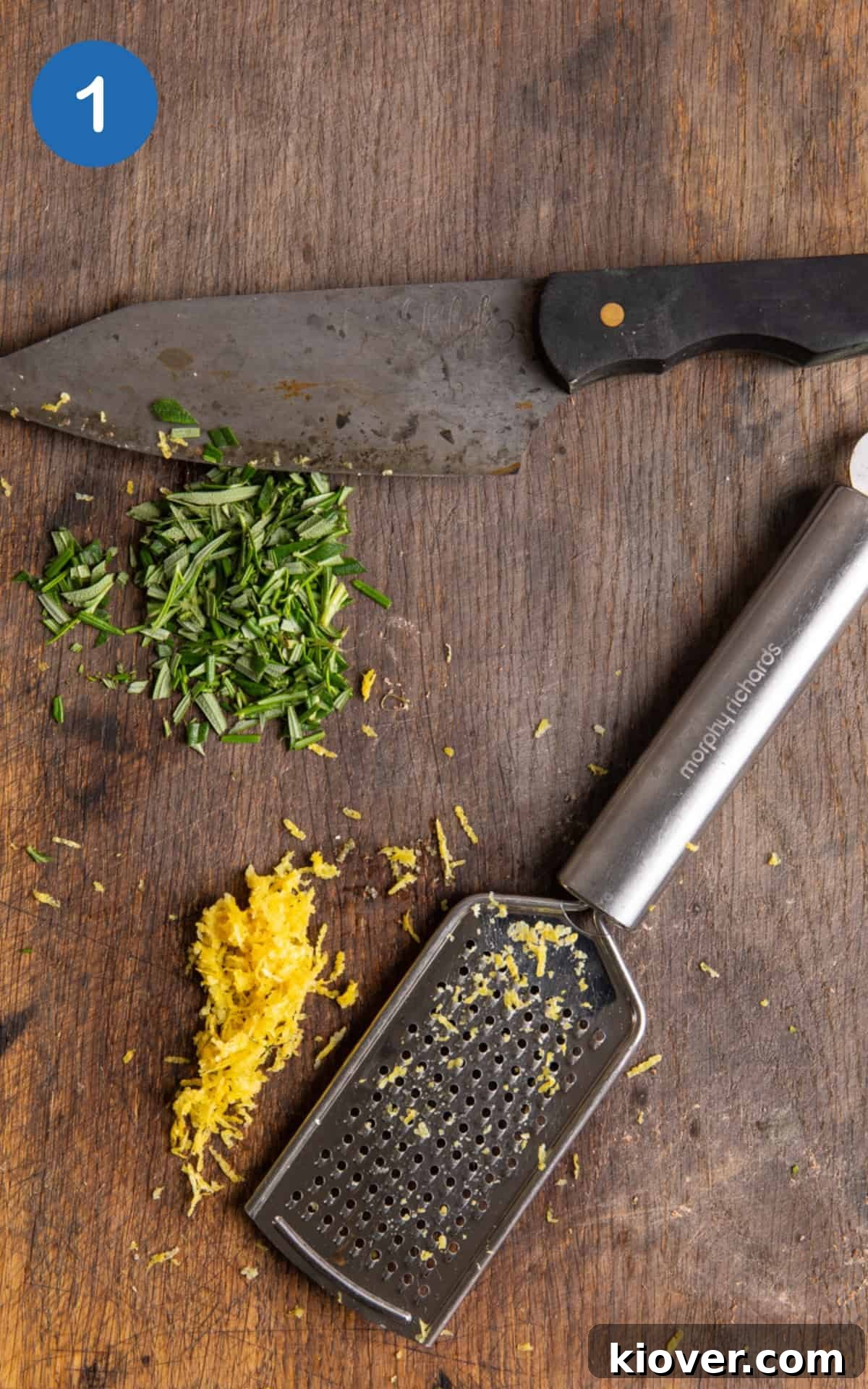
Step 1: Prepare Your Aromatic Ingredients. Begin by carefully zesting your lemon. Aim to get only the bright yellow outer layer, avoiding the bitter white pith beneath. A fine grater or microplane works best for this. Next, take your fresh rosemary sprigs and remove the needles from the stems. Gather the needles and finely chop them. The finer you chop, the more evenly the rosemary flavor will distribute throughout the salt. Ensuring these ingredients are prepped properly is key to achieving a balanced flavor in your final product.
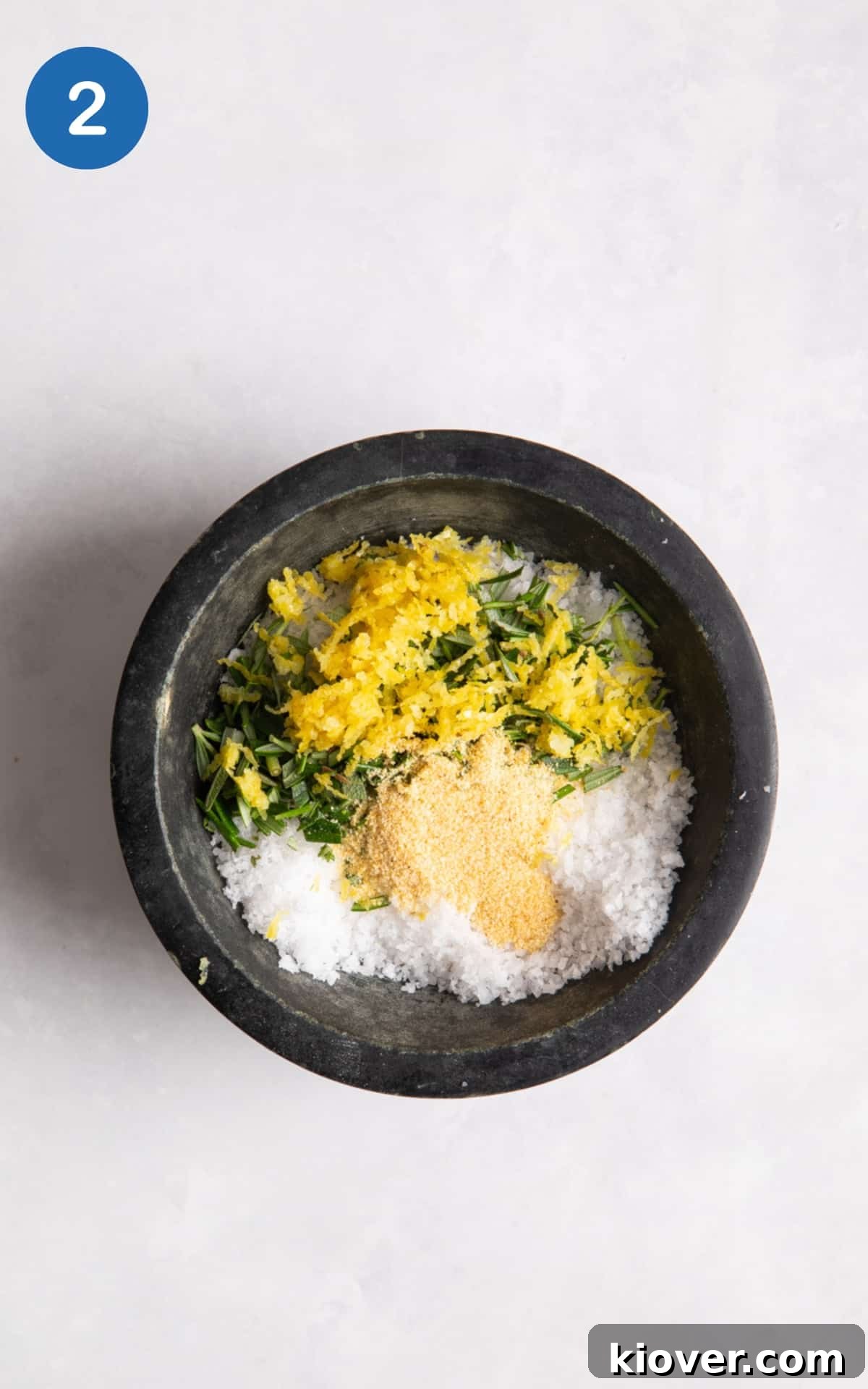
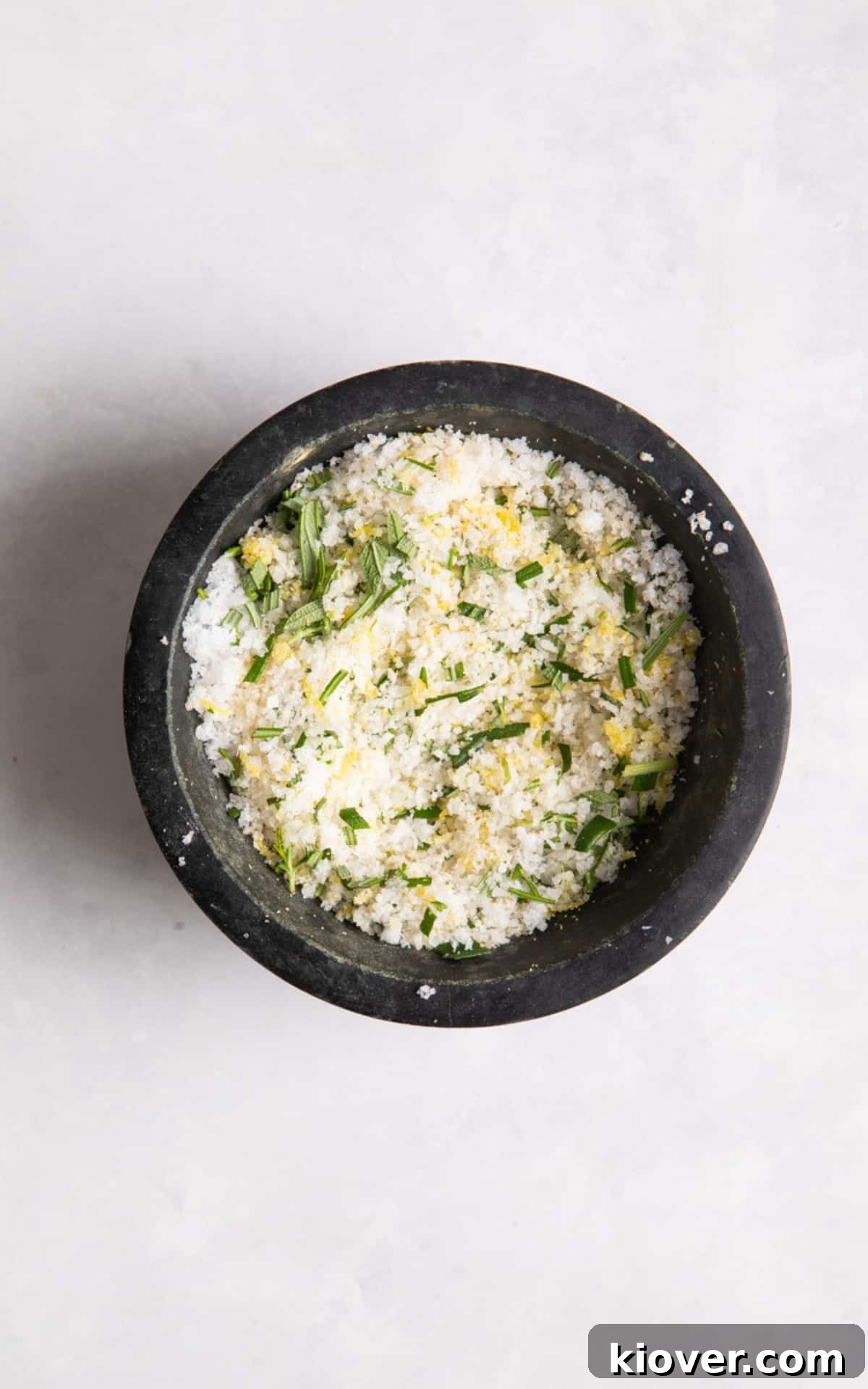
Step 2: Combine and Mix. Once your lemon zest and finely chopped rosemary are ready, transfer them to a small mixing bowl. Add the garlic powder (or granules) and your chosen sea salt to the bowl. Now, it’s time to thoroughly mix all the ingredients together. Use a spoon or your fingertips to gently rub and combine the mixture. The goal is to ensure the rosemary, lemon zest, and garlic powder are evenly distributed throughout the salt. You’ll notice the salt absorbing the vibrant colors and aromas as you mix. Once well combined, your homemade rosemary salt is ready to be used immediately or stored for future culinary adventures!
Storing Your Homemade Rosemary Salt for Maximum Freshness
One of the most appealing aspects of this homemade rosemary salt is its excellent shelf life, making it a convenient staple to keep on hand. Proper storage is crucial to preserve its vibrant flavors and aromatic qualities, ensuring it remains fresh and potent for weeks. Here’s how to best store your flavorful creation:
The key to maximizing its longevity is to keep this flavored salt in an airtight container. This prevents moisture from entering, which can cause the salt to clump, and also locks in the delicate aromas of rosemary and lemon. Glass jars, especially mason jars with tight-fitting lids, are ideal as they don’t impart any unwanted flavors and allow you to admire the beautiful herb flecks within. Any other container with a secure seal, such as a sturdy plastic food storage container, will also work effectively.
It’s best to store your rosemary salt at room temperature in a cool, dry place, away from direct sunlight or heat sources. A pantry, cupboard, or even on your countertop (if it’s not exposed to excessive heat or humidity) are all suitable locations. Avoid storing it near your stovetop, where steam and heat can compromise its texture and flavor over time.
When stored correctly, this aromatic salt can maintain its peak freshness and potency for up to 6 weeks. You’ll likely find, however, that it gets used up much faster than that due to its irresistible appeal! While it can last longer, the fresh notes of the rosemary and lemon will gradually mellow. If you notice any significant clumping that doesn’t easily break apart, or a diminishing aroma, it might be time to make a fresh batch. Rest assured, this recipe is so quick and easy, whipping up a new supply is never a hassle.
Creative Ways to Use Rosemary Salt in Your Cooking
The versatility of homemade rosemary salt is truly one of its greatest assets. Its bright, herbaceous, and savory profile makes it a phenomenal finishing salt or an integral seasoning throughout the cooking process. It’s perfect for topping or mixing into a myriad of different recipes, adding a gourmet touch with minimal effort. While I particularly adore it served on pasta dishes or roasted vegetables, the possibilities extend far beyond. Here are just a few creative ideas and specific recipes where this flavored salt shines:
- Roasted & Grilled Dishes: A sprinkle over roasted root vegetables, potatoes, or sweet potatoes before roasting or grilling enhances their natural sweetness and adds a savory depth. It’s magnificent on grilled chicken, lamb chops, or even firm fish like salmon or cod.
- Roasted Root Vegetables
- Rosemary Roast Potatoes
- Hasselback Potatoes
- Pasta & Grains: Stir it into hot pasta with a drizzle of olive oil, use it to season homemade bread dough, or sprinkle it over a fresh batch of risotto or quinoa for an aromatic boost. It also elevates simple garlic bread or focaccia.
- Soups & Stews: Add a pinch to your favorite hearty potato stew, minestrone, or lentil soup during the final stages of cooking to brighten and deepen the flavors.
- Hearty Potato Stew
- Eggs & Breakfast: Sprinkle it over scrambled eggs, fried eggs, or an omelet for a fragrant start to your day. It’s also fantastic on avocado toast!
- Salads: Use it to season salad dressings, vinaigrettes, or directly sprinkle over a fresh green salad or a tomato and mozzarella caprese for an instant flavor lift. It pairs wonderfully with a refreshing Tofu Salad.
- Baking & Breads: Incorporate it into savory baking, like rosemary focaccia, savory scones, or even homemade crackers. A pinch on top of a vegan quiche before baking provides a beautiful crust and flavor.
- Vegan Quiche
- Snacks: A simple sprinkle over popcorn, homemade potato chips, or roasted nuts turns an ordinary snack into a gourmet treat. Don’t forget, it’s perfect on Air Fryer Chips!
Experiment with this versatile seasoning; you’ll quickly discover it becomes an indispensable tool in your kitchen, adding a touch of homemade magic to countless dishes.
YOU MIGHT ALSO LIKE…
Air Fryer Recipes
Air Fryer Chips
Air Fryer Recipes
Air Fryer Roast Potatoes
Sides
Rosemary Roast Potatoes
Sides
Hasselback Potatoes
Tried this Rosemary Salt recipe? We would absolutely love to hear about your experience! Please take a moment to leave a star rating ⭐️⭐️⭐️⭐️⭐️ below and share your thoughts in the comments. Your positive feedback is incredibly valuable and truly the best part of creating and sharing these recipes.
P.S. Never miss out on new, delicious recipes! Get more healthy and inspiring meals sent straight to your inbox weekly – Subscribe now and as a special thank you, you’ll receive a free recipe eBook!
Rosemary Salt
Equipment
-
Chopping Board
-
Sharp Knife
-
Small Mixing Bowl
-
Grater (Microplane recommended for zest)
Ingredients
- 75 g Flakey Sea Salt , (or coarse sea salt)
- 2 sprigs Fresh Rosemary , (about 2 tablespoons finely chopped, see substitutions)
- 1 tsp Garlic Powder
- 1 Lemon (for zesting)
Instructions
-
Firstly, zest the lemon, making sure to avoid the bitter white pith. Then, finely chop the fresh rosemary needles from their stems.
-
Add the lemon zest, chopped rosemary, garlic powder, and sea salt to a small mixing bowl. Mix thoroughly until all ingredients are well combined and the salt is evenly flavored. Your rosemary salt is now ready to use or store!
Notes
Substitutions & Variations: Explore various alternatives and customization ideas detailed in the post above to tailor the recipe to your preferences.
To Store:This salt boasts a fantastic shelf life. Keep it in an airtight container at room temperature for up to 6 weeks to maintain its freshness and flavor.
To Freeze: Freezing is not recommended for this recipe, as it can affect the texture and aroma of the salt.
Tip 1: For the best results, use a high-quality flakey sea salt; its texture and taste perfectly complement the fresh herbs.
Tip 2: If you prefer a purely herbal salt, simply omit the lemon zest. The rosemary and garlic blend is wonderfully aromatic on its own.
Tip 3: For an unforgettable culinary experience, be sure to try this rosemary salt on my air fryer chips or Hasselback Potatoes!
Nutrition