
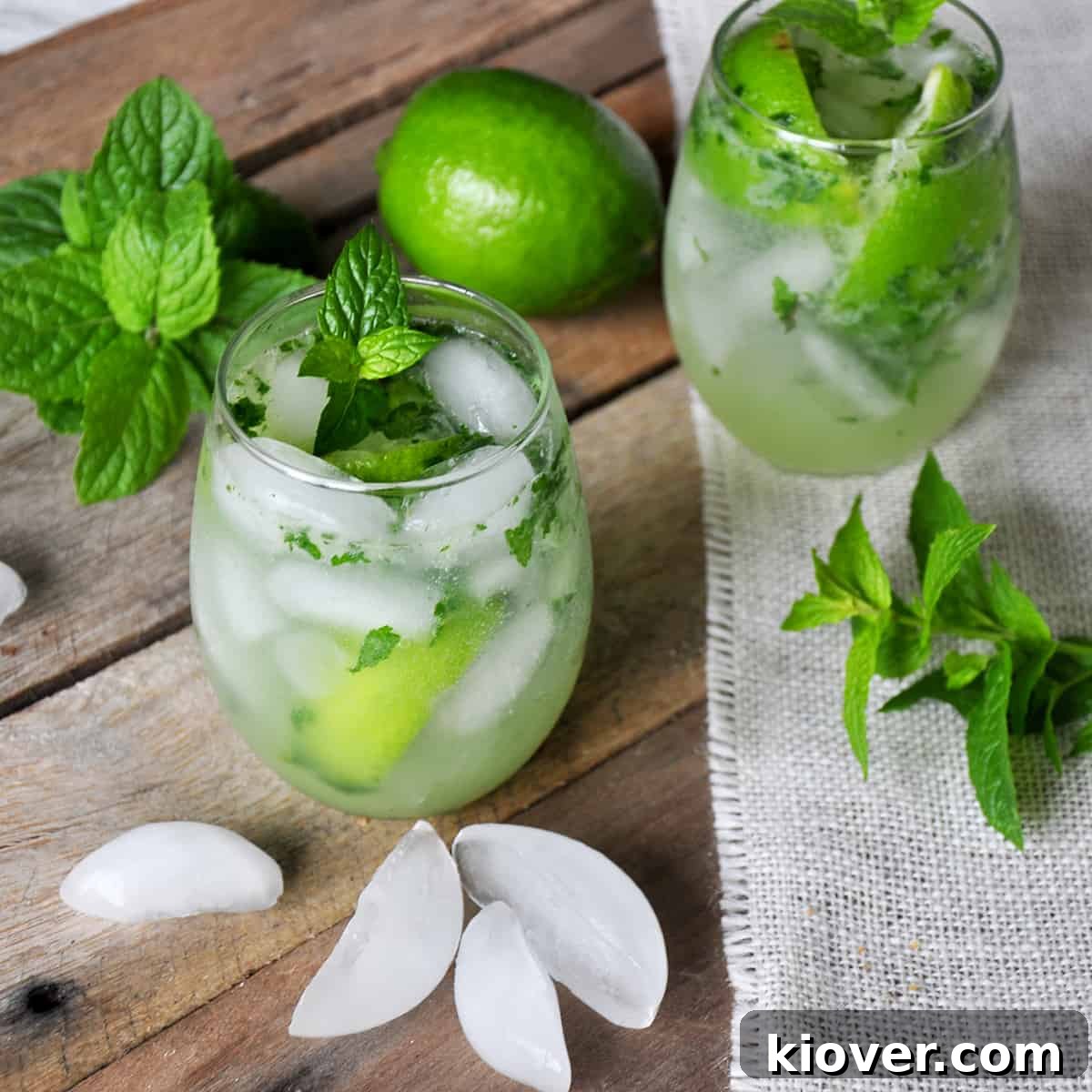
Embark on a delightful journey into the world of Mojitos, where we explore every facet of this iconic cocktail. Central to any Mojito is its rum, and today, we’re diving deep to uncover the best rum for Mojitos. Beyond spirits, we’ll also share a refreshing, minty, and undeniably delicious Mojito recipe that promises to elevate your home bartending skills.
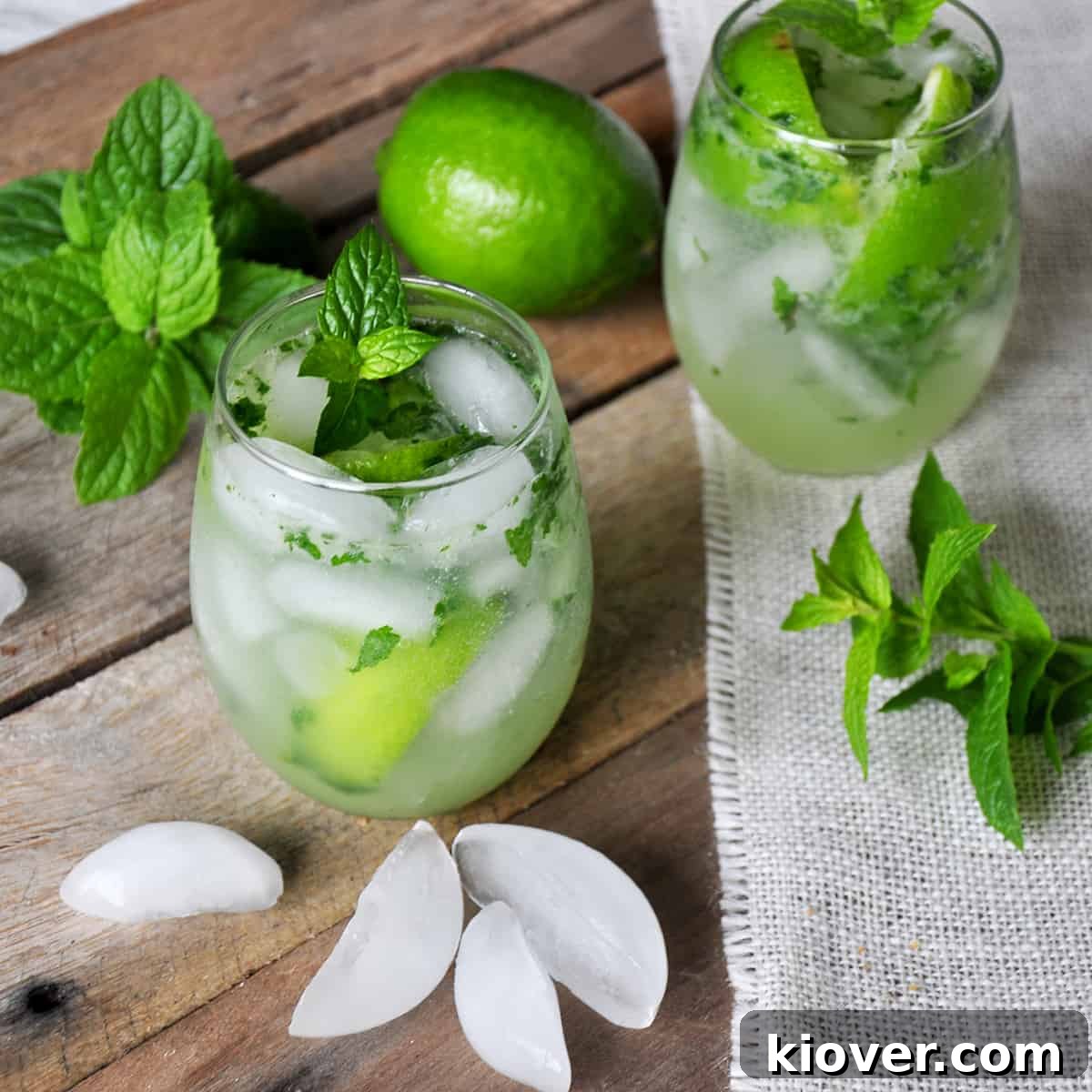
🌿 Unveiling the Magic: What Makes a Mojito Truly Special?
Have you ever had a Mojito that simply captivated your senses, a drink so exquisitely crafted it made you pause and wonder about the secret behind its perfection? It’s that exhilarating burst of freshness, the impeccable balance of sweet and tart, and the invigorating aroma of mint that truly sets an exceptional Mojito apart. It’s the kind of cocktail that instantly transports you to a sun-drenched beach, embodying the very essence of summer in a glass.
While often underestimated, the choice of rum plays a crucial role in shaping this experience. In this comprehensive guide, we’ll explore the nuances that define the best rum for Mojitos. We’ll demystify what rum truly is, examine its various grades and styles, and ultimately guide you toward making an informed decision for your ultimate Mojito recipe. The Mojito, at its heart, is a symphony of vibrant flavors—a powerful punch of invigorating freshness. It’s the quintessential taste of summer, designed to refresh and uplift.
Crucially, while rum is undeniably important, the superstar elements of this cocktail are the fresh lime, fragrant mint, and the perfect touch of sweetness. The rum contributes a subtle sweetness and a foundational spirit, but the vibrant, herbaceous, and citrusy notes typically take center stage. This unique characteristic makes the Mojito one of those rare cocktails where the base spirit gracefully takes a passenger’s seat, allowing the other fresh ingredients to truly shine.
Table of Contents
- 🌿 Unveiling the Magic: What Makes a Mojito Truly Special?
- 🍾 Decoding Rum: The Spirit Behind Your Mojito
- 🍹 Exploring the World of Rum: Types and Their Characteristics
- ❓ Frequently Asked Questions About Rum and Mojitos
- 🤷 The Verdict: Choosing the Best Rum for Your Mojito
- Mastering the Classic Mojito: A Refreshing Recipe
- 😋 Your Mojito Journey: Share and Connect
🍾 Decoding Rum: The Spirit Behind Your Mojito
Before we reveal our top picks for the best rum for Mojitos, let’s take a moment to truly understand what rum is. Rum is a versatile and historically rich spirit, enjoyed across cultures and continents. While specific regulations can vary significantly from country to country, the general definition consistently points to its sugarcane origins. For instance, according to US law, rum is defined as:
“Rum” is an alcoholic distillate from the fermented juice of sugar cane, sugar cane syrup, sugar cane molasses, or other sugar cane by-products, produced at less than 190° proof in such manner that the distillate possesses the taste, aroma, and characteristics generally attributed to rum, and bottled at not less than 80° proof; and also includes mixtures solely of such distillates.
This definition highlights a fundamental aspect of rum: its reliance on sugar as the base for fermentation. Just as corn or rye forms the backbone of Bourbon, and malted barley is essential for beer and Scotch, rum’s distinct character comes directly from sugarcane. This inherent sweetness translates powerfully into the finished spirit, making rum an incredibly popular choice for tropical and refreshing cocktails like the vibrant Daiquiri, the creamy Piña Colada, and, of course, the ever-popular Mojito.
The journey of rum begins with sugarcane, which is either pressed for its juice or processed into molasses. This sugary liquid is then fermented with yeast, converting sugars into alcohol. Following fermentation, the liquid is distilled, a process that concentrates the alcohol and refines its flavors. The type of still (pot or column) and the distillation proof can significantly influence the final spirit’s character, ranging from light and crisp to rich and heavy. Finally, the distillate is often aged in barrels, further developing its complexity and color. Understanding these basics is key to appreciating the diverse world of rum and selecting the perfect bottle for your next Mojito.
🍹 Exploring the World of Rum: Types and Their Characteristics
The world of rum is wonderfully diverse, with various styles offering distinct characteristics. While legal classifications can be complex, particularly when considering international regulations, several common grades and types are widely recognized and influence their application in cocktails like the Mojito. Let’s explore some of the most prominent styles.
Light (White) Rum: The Mojito’s Ideal Partner
As a key spoiler for our quest to find the best rum for Mojitos, light or white rum is consistently recommended for a traditional Mojito. This category is generally considered the top choice for this type of refreshing cocktail. Light rum undergoes minimal aging, often for only a few months in stainless steel tanks or lightly charred barrels, sometimes followed by charcoal filtering to remove any color. This results in a young, clear spirit with a very mild flavor profile, primarily characterized by its inherent sweetness rather than strong oak or caramel notes.
The subtlety of light rum is precisely why it excels in a Mojito. Its lack of overpowering taste allows the other vibrant ingredients—fresh lime, mint, and sugar—to truly sing and define the cocktail. It provides the necessary alcoholic kick and a gentle sweet foundation without competing with or overshadowing the delicate herbaceous and citrus flavors that make a Mojito so unique. Brands like Bacardi Superior are excellent examples of accessible, well-balanced light rums perfect for this purpose.
Gold (Aged) Rum: Adding Depth and Warmth
Gold rum, sometimes referred to as ‘aged’ or ‘amber’ rum, has spent a moderate amount of time maturing in oak barrels. The “gold” color is primarily imparted by the wood during this aging process, which also contributes more complex flavors and a smoother finish compared to its lighter counterpart. These rums typically offer notes of vanilla, caramel, and a hint of spice, gaining more depth and character from their interaction with the barrel.
While delicious in many cocktails, gold rum is generally not the go-to for a classic Mojito. Its richer flavor profile, though appealing, can sometimes overwhelm the fresh, delicate balance of mint and lime. However, if you’re looking to create a Mojito with a slightly different twist, perhaps a ‘Spiced Mojito’ or a ‘Winter Mojito’ with additional warm spices, a gold rum could introduce an interesting depth. For the purist seeking the iconic refreshing taste, though, white rum remains superior.
Dark Rum: Complexities for Sipping and Rich Cocktails
Continuing the progression, dark rum is aged for even longer periods in heavily charred oak barrels, or sometimes blends are created to achieve its characteristic deep color and robust flavor. The extended aging process imbues dark rum with profound complexity, offering notes of molasses, toffee, dried fruit, baking spices, and sometimes a smoky finish. While some dark rums achieve their color naturally through prolonged barrel contact, it’s worth noting that some producers may add caramel coloring to enhance the visual appeal, a practice that doesn’t necessarily correlate with age or quality.
An important distinction, as pointed out by avid rum connoisseurs, is that color isn’t always a reliable indicator of age. While darker rums often are older, color can be added or filtered out. A more accurate measure of a rum’s maturity and character might be its “weight” or flavor profile—whether it’s light-bodied and delicate or heavy-bodied and rich. For example, some ‘white gold’ rums, despite their clear appearance, may have been aged longer than some darker rums, achieving their clarity through extensive filtration while retaining the complexity of age. These rums are typically meant for sipping neat, on the rocks, or in richer, more robust cocktails that can stand up to their strong flavors. Consequently, dark rum is generally too assertive for a traditional Mojito, as it would overpower the light, refreshing qualities that define the drink.
Cachaça: Brazil’s Unique Sugarcane Spirit
Diverging slightly from typical rum, Cachaça is a unique Brazilian spirit that shares rum’s sugarcane heritage but possesses its own distinct identity. The US law notably recognizes Cachaça as a special type of rum, distinguished by two key characteristics: first, it must be produced directly from fresh sugarcane juice, unlike most other rums which are made from molasses (a byproduct of sugar production). Second, it holds a geographic designation, meaning it must be produced in Brazil. Indeed, Cachaça is the most popular distilled alcoholic beverage in Brazil, forming the base of its national cocktail, the Caipirinha.
Cachaça often has a more herbaceous, grassy, and somewhat funkier flavor profile compared to molasses-based rums, especially unaged versions (Prata). While not traditionally used in Mojitos, its fresh sugarcane notes could inspire interesting variations for those looking to experiment with a more earthy, vibrant twist on the classic.
Navy Strength Rum: A Historical Powerhouse
Just as with Navy strength gin, Navy strength rum carries a fascinating historical legacy. Originating from the days of the British Royal Navy, sailors were often given a daily ration of rum. To ensure they weren’t being short-changed with diluted spirits, a rather unscientific but effective test was devised. The rum was mixed with gunpowder and ignited. If the concoction still lit on fire, it was deemed “proof” enough—specifically, it had to be at least 57% alcohol by volume (114 proof) or stronger. This high-proof spirit became known as Navy strength.
Today, Navy strength rums are celebrated for their intensity and potent flavor, offering a robust alcoholic backbone. However, their high alcohol content makes them generally unsuitable for a classic Mojito. The sheer power of a Navy strength rum would overwhelm the delicate balance of mint, lime, and sugar, turning a refreshing drink into an alcoholic punch. They are typically reserved for specific cocktails where their strength is a desired characteristic or for sipping by those who appreciate their intensity.
Spiced and Overproof Rums: For Adventurous Mixers
Beyond the primary categories, you’ll encounter other styles such as overproof rum and spiced rum. Overproof rum, as its name suggests, boasts an alcohol content significantly higher than the standard 40% ABV, often reaching 75.5% (151 proof) or even higher. Like Navy strength, its intense alcoholic kick is typically too dominant for the balanced profile of a traditional Mojito, though it finds its place in potent cocktails or as a float for flair.
Spiced rum is made by infusing rum with various spices, herbs, and sometimes caramel or other flavorings. Common spices include cinnamon, vanilla, star anise, and allspice. While offering unique and often comforting flavor profiles, these additions dramatically alter the rum’s character, making them inappropriate for a classic Mojito. The goal of a Mojito is to highlight the fresh mint and lime, not to introduce complex spice notes from the rum itself. However, for those keen on creating an innovative twist, a subtly spiced rum could be the base for a seasonal Mojito variation. Other countries also recognize distinct styles of rum, each with its own regional charm, but for the classic, refreshing Mojito, a clean white rum remains paramount.
❓ Frequently Asked Questions About Rum and Mojitos
What is rum made from?
Rum is primarily made from sugarcane byproducts, most commonly molasses, or directly from fresh sugarcane juice. These sugary liquids are fermented with yeast and then distilled to produce the alcoholic spirit.
What are the different types of rum?
There are several main types of rum, generally categorized by their color and aging process: light (white) rum, gold (aged) rum, and dark rum. Other specialized types include spiced rum, overproof rum, and Cachaça, each with unique characteristics and flavor profiles.
How is rum typically consumed?
Rum is incredibly versatile. It’s a staple in countless classic cocktails such as the Mojito, Daiquiri, and Piña Colada. Many aged rums are also enjoyed neat, on the rocks, or with a splash of water, allowing their complex flavors to be savored.
What is the alcohol content of rum?
The alcohol content of rum can vary widely. Standard rums are typically bottled at around 40% alcohol by volume (ABV), which is 80 proof. However, overproof and Navy strength rums can have significantly higher alcohol content, sometimes exceeding 75% ABV (150 proof).
Can rum be aged?
Yes, rum is frequently aged. It is commonly matured in oak barrels, often previously used for whiskey or bourbon. The aging process imparts color, smooths the spirit, and develops complex flavors like vanilla, caramel, and spice, greatly enhancing its character.
🤷 The Verdict: Choosing the Best Rum for Your Mojito
When it comes to crafting the perfect Mojito, I stand firm in my belief that there’s no need to be a liquor snob. While rum is undoubtedly an integral component, it’s not the sole star of this vibrant cocktail. The true magic lies in the harmonious blend of fresh mint, zesty lime, and just the right amount of sweetness. For this reason, my unwavering pick for the best rum for Mojitos is a good quality, reasonably priced light or white rum.
The brand that consistently comes to mind, and one that I frequently use myself, is Bacardi Superior. It’s widely available, budget-friendly, and offers a clean, crisp profile that perfectly complements the Mojito’s fresh ingredients without overwhelming them. Its subtle sweetness and gentle character allow the mint and lime to truly shine, creating that quintessential refreshing experience we all seek in a Mojito.
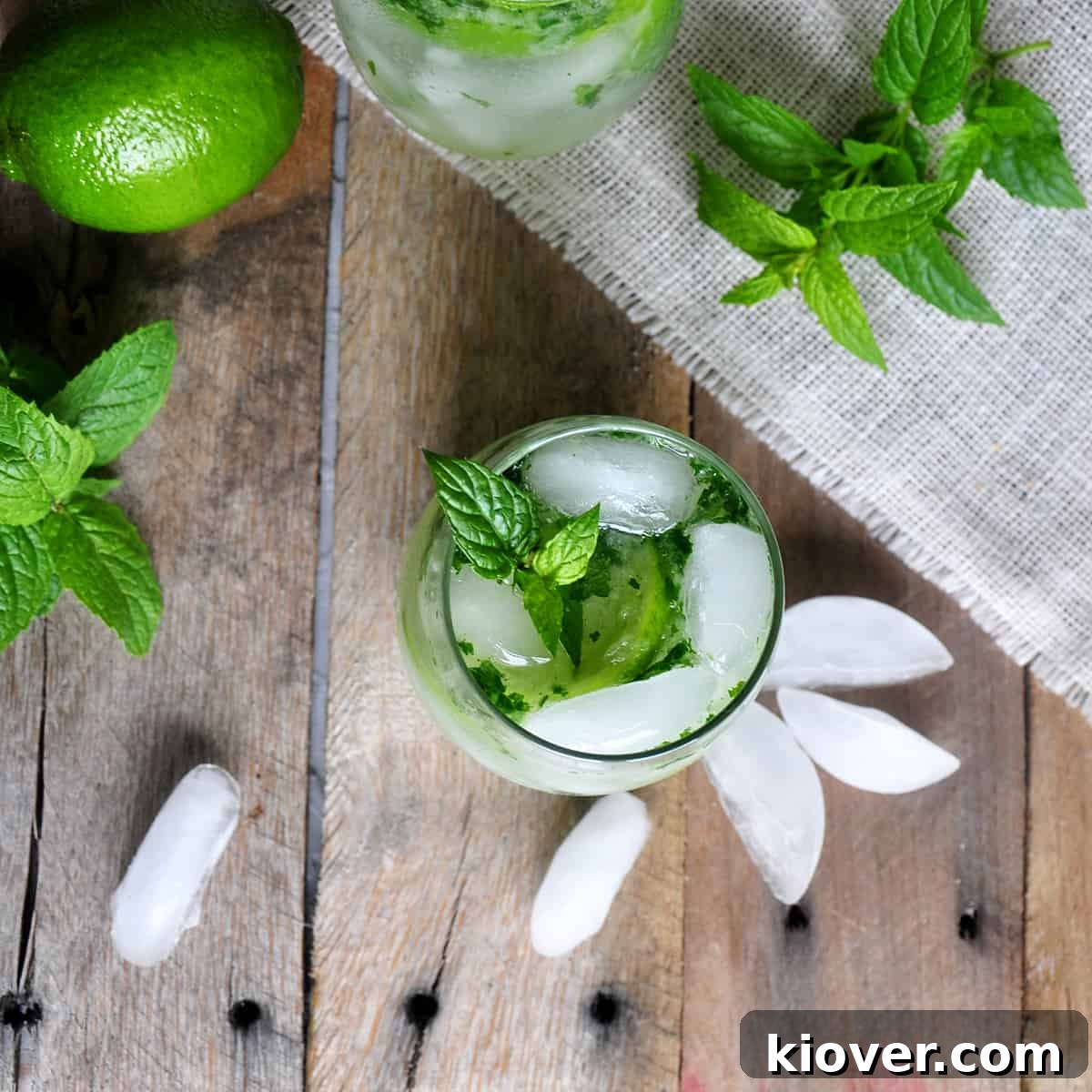
Of course, if you’re passionate about supporting local distilleries or are a true connoisseur of specialty rums, by all means, indulge your preferences! There are many excellent white rums on the market that would make a superb Mojito. However, for a reliable, consistently delicious, and accessible option, I will always stick with what I typically have on hand: Bacardi. It’s the dependable choice that consistently delivers a fantastic Mojito experience, proving that sometimes, simplicity is key to perfection.
Mastering the Classic Mojito: A Refreshing Recipe
Ready to put your rum knowledge to the test? Here’s our tried-and-true recipe for a classic Mojito, designed to be simple, elegant, and incredibly tasty. This recipe focuses on technique and fresh ingredients to ensure every sip is a perfect balance of flavors.
The Best Rum for Mojitos Recipe
Rated 5 stars from 3 reviews
- Author: Ben Myhre
- Prep Time: 2 minutes
- Cook Time: 3 minutes
- Total Time: 5 minutes
- Yield: 1 cocktail
- Category: Cocktails
- Method: Shaker
- Cuisine: Tropical
Description
Seeking the ultimate rum for your Mojito? Don’t overthink it—whether it’s what you have on hand or a bottle of Bacardi, this recipe will guide you in crafting a simple, elegant, and exceptionally tasty classic Mojito.
Ingredients
- ½ Lime, cut into wedges
- 2 Tablespoons fine sugar (granulated sugar works too, but fine sugar dissolves more easily)
- 12 Fresh mint leaves, plus 1 sprig for garnish
- 2 Ounces light rum (such as Bacardi Superior)
- Ice (approximately 8 large cubes, or fill your glass)
- Club Soda or sparkling water, to top
Instructions
- Prepare the Lime: Cut your lime into 4 sections, ensuring they are small enough for effective muddling.
- Combine Base Ingredients: Place the fine sugar, 12 mint leaves, and the lime sections into a sturdy cocktail shaker.
- Muddle with Care: Gently muddle the ingredients. The goal is to release the oils from the mint and the juice from the lime, and to dissolve the sugar. Be careful not to over-muddle the mint, as this can release bitter flavors.
- Add Rum and Ice: Pour the 2 ounces of light rum into the shaker, then fill the shaker with ice.
- Shake Vigorously: Secure the lid on your shaker and shake all ingredients vigorously for about 15 seconds. This chills the drink thoroughly and ensures all flavors are well-combined.
- Serve: Pour the entire content of the shaker (including the muddled lime and mint) into a highball glass. Top with club soda or sparkling water to your desired level. Garnish with a fresh mint sprig and enjoy!
😋 Your Mojito Journey: Share and Connect
Congratulations, you’re now equipped with the knowledge to craft a truly exceptional Mojito! We hope this guide on choosing the best rum and mastering the perfect recipe has inspired you to mix up this refreshing classic at home. The journey of discovering and perfecting cocktails is a rewarding one, and sharing those experiences makes it even better.
If you’ve given this Mojito recipe a try, we would be absolutely thrilled to hear your thoughts. Your feedback helps us understand what you love and guides us in creating more valuable content. Please consider leaving a rating and comment in the section below; it’s a simple yet powerful way to support our passion and assist other enthusiasts in finding their next favorite drink. Most importantly, thank you for visiting us at Ramshackle Pantry. We appreciate your company and hope you continue to explore the wonderful world of food and drink with us!