
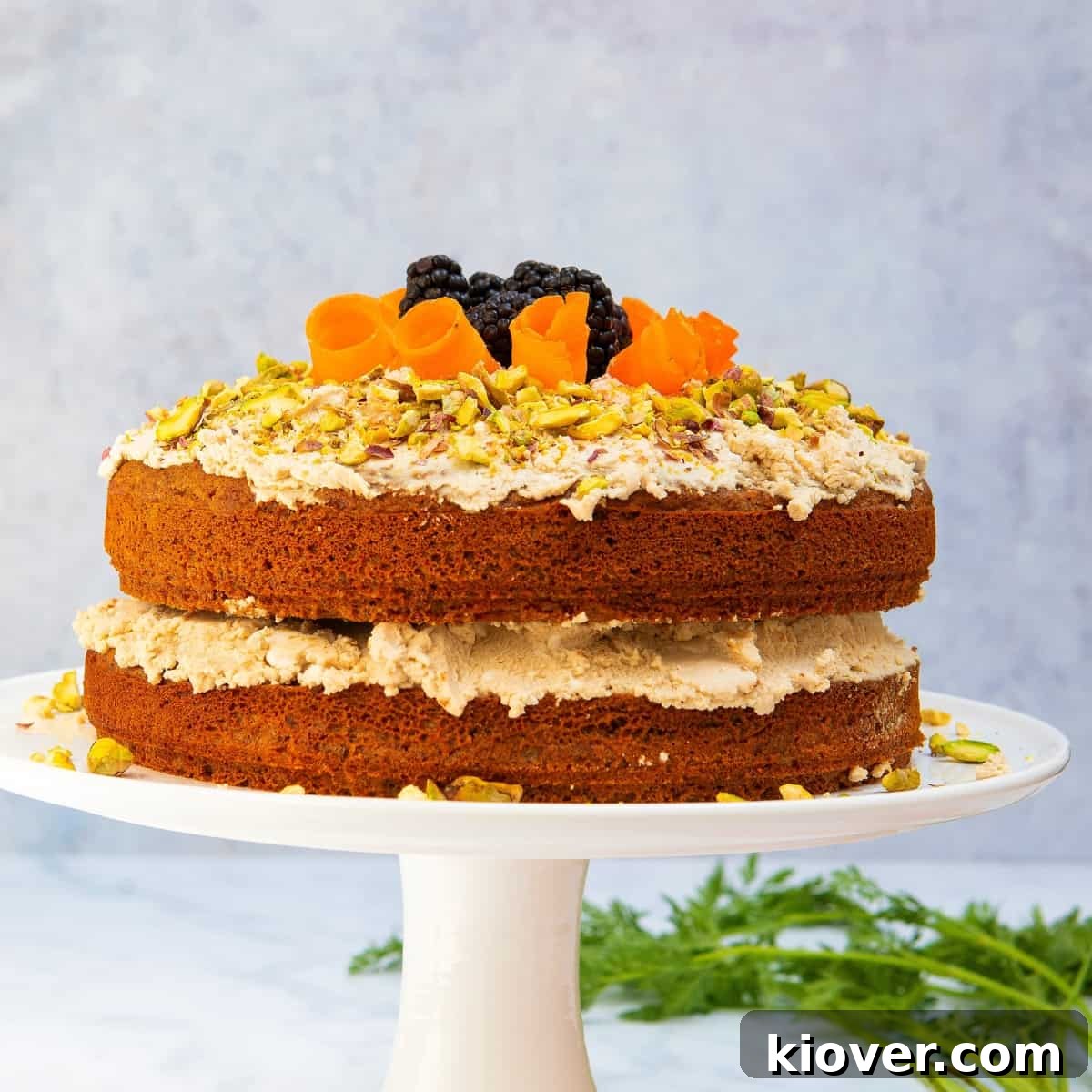
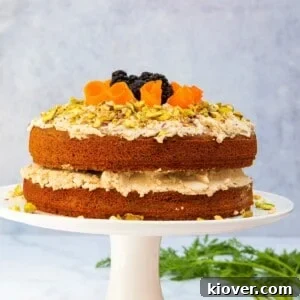
Prepare to discover the ultimate Gluten-Free Carrot Cake recipe that will revolutionize your baking! This magnificent two-tiered dessert, generously adorned with luscious coconut icing, stands as the quintessential showstopper for any special occasion, especially Easter gatherings. Designed to impress friends and family, this recipe is remarkably simple, undeniably delicious, and surprisingly easy to create using readily available ingredients. What’s not to adore about a treat that caters to dietary needs without compromising on flavor or elegance?
Recipe Difficulty – Easy
Table of Contents
- Why This Gluten-Free Carrot Cake Recipe Works
- Essential Ingredients for Gluten-Free Carrot Cake
- Smart Ingredient Substitutions
- Exciting Recipe Variations
- Step-by-Step Guide: How to Make Gluten-Free Carrot Cake
- Storing and Enjoying Leftovers
- Gluten-Free Carrot Cake FAQs
- Full Gluten-Free Carrot Cake Recipe
Why This Gluten-Free Carrot Cake Recipe Works
Navigating the world of carrot cake recipes can often feel overwhelming, especially when you’re searching for a genuinely healthy carrot cake recipe that isn’t laden with excessive oils. Rest assured, your search ends here! This recipe delivers the best healthy carrot cake you will ever taste, striking the perfect balance between indulgence and mindful eating. This egg-free carrot cake stands out for its incredible moisture, vibrant presentation, and utterly delightful flavor profile. Once you experience the magic of this recipe, you’ll undoubtedly find yourself returning to it time and again, making it a guaranteed family favorite for years to come.
In the spirit of celebrating, especially leading up to festive seasons like Easter, I embarked on a journey to perfect a collection of show-stopping treats. This magnificent carrot cake recipe is a proud result of that endeavor. Inspired by the overwhelming popularity of my gluten-free and vegan Lemon Drizzle Cake, I aimed to craft another refreshing dessert that beautifully incorporates fruits and vegetables. For fellow carrot cake enthusiasts, I also created the most exquisite Carrot Cake Cupcakes, which are equally delightful and perfect for individual servings. Whether you choose the zesty Lemon Drizzle or this impressive two-tier carrot cake, both are certain to leave a lasting impression this Easter or any celebratory occasion.
If you’re seeking a more traditional English cake for a sophisticated tea party or gathering, my Gluten-Free Victoria Sponge Cake offers a timeless classic that is equally impressive and delicious. This recipe further enhances my growing collection of dietary-friendly desserts, earning a spot in my curated lists such as 21 Gluten-Free Easter Recipes, my top 33 Vegan Desserts, and a comprehensive roundup of 35 Gluten-Free Desserts. Each recipe is crafted with care, ensuring delicious results for everyone, regardless of dietary preferences.
The Benefits of Gluten-Free & Vegan Baking
Opting for a gluten-free and vegan carrot cake isn’t just about catering to dietary restrictions; it’s about embracing a healthier, more inclusive approach to baking. Gluten-free baking eliminates common allergens and can be beneficial for those with celiac disease or gluten sensitivities, often resulting in cakes that are surprisingly light yet satisfying. Similarly, vegan baking, by omitting eggs and dairy, opens up a world of plant-based ingredients that contribute unique textures and flavors, making desserts accessible to a wider audience. This recipe proves that you don’t need traditional ingredients to create a moist, flavorful, and truly memorable carrot cake that everyone can enjoy.
Essential Ingredients for Gluten-Free Carrot Cake
Crafting this exceptional gluten-free carrot cake relies on a selection of high-quality, plant-based ingredients that contribute to its distinctive flavor and perfect texture. Each component plays a vital role in creating a moist, subtly spiced, and wonderfully rich dessert.
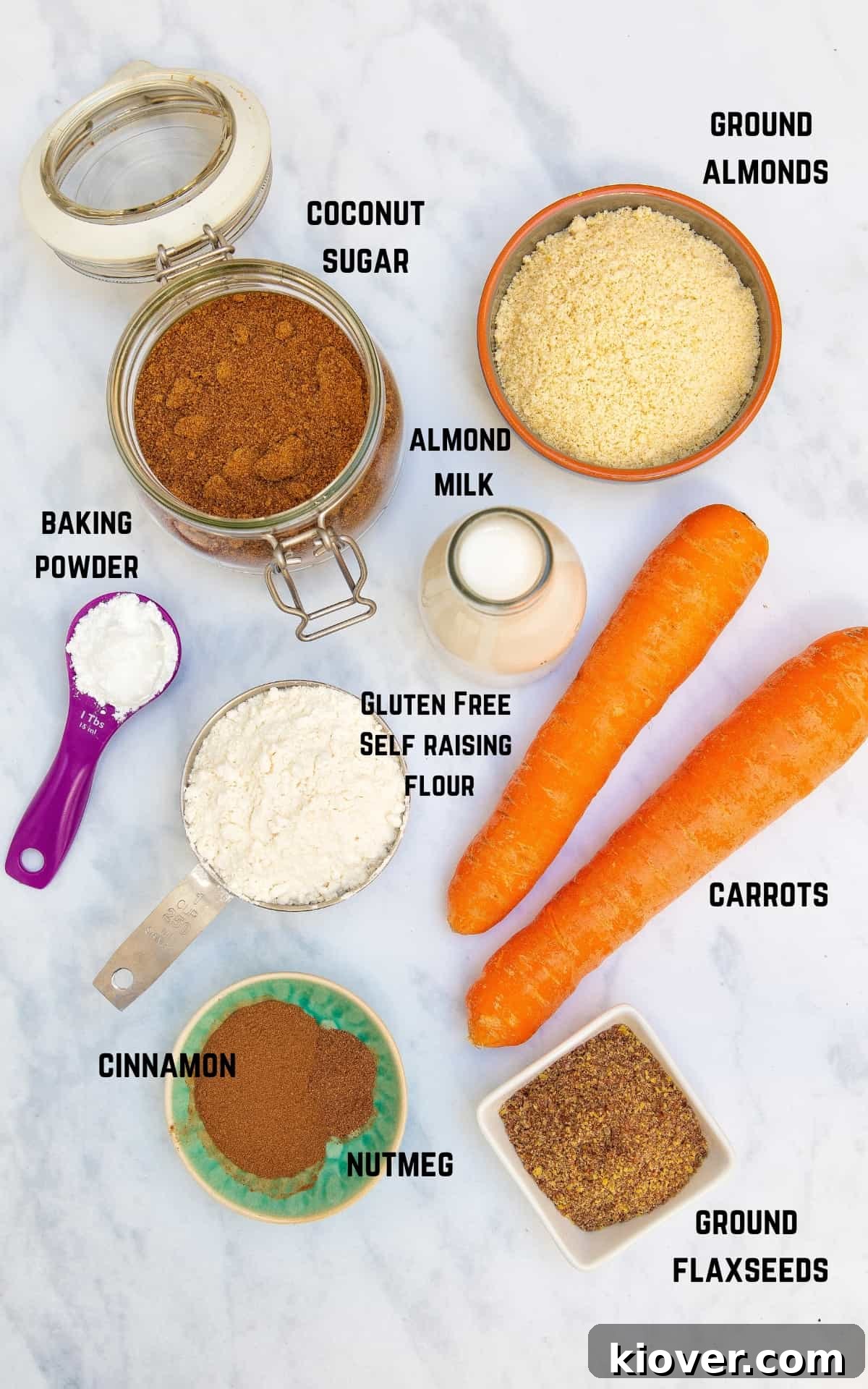
- Coconut Sugar: I prefer coconut sugar for its rich, caramel-like taste and its lower glycemic index compared to refined sugars. It behaves similarly to brown sugar in baking, imparting a beautiful, deep brown hue to the cake batter and making this a genuinely refined sugar-free carrot cake recipe. This versatile sugar is also a key ingredient in my popular Gluten-Free Chocolate Cake, proving its efficacy in diverse desserts.
- Almond Milk: Incorporating milk into cake recipes is crucial for achieving a lighter and stronger crumb structure. Unsweetened almond milk is my choice due to its thin consistency, which blends seamlessly without adding unwanted sweetness or heaviness, ensuring the perfect moisture balance in this dairy-free carrot cake.
- Ground Almonds: These finely ground almonds are essential for introducing moisture and a delicate, nutty flavor to the cake. They also play a significant role in keeping this recipe naturally gluten-free and contribute to a wonderfully tender texture. Beyond cakes, I use ground almonds to help bind my delicious Crunchy Peanut Butter Granola into perfect clusters.
- Nutmeg: This warm, comforting spice adds an earthy, slightly sweet, and nutty depth to the cake. Its distinctive aroma and flavor are quintessential to a classic carrot cake profile, elevating the overall sensory experience.
- Cinnamon: With its sweet and woody notes, complemented by a subtle citrusy undertone, cinnamon is the perfect partner for carrots. It enhances their natural sweetness and brings a fragrant warmth that defines the essence of carrot cake.
- Ground Flaxseeds: Serving as a remarkable binder and providing additional texture, ground flaxseeds are a cornerstone of this egg-free carrot cake. When mixed with water, they form a gel-like consistency, effectively replacing eggs and contributing to the cake’s moist and cohesive structure.
- Self-Raising Flour: To ensure this cake is suitable for all, I use a high-quality gluten-free self-raising flour. However, if you do not have gluten sensitivities, standard self-raising flour can be easily substituted without altering the fundamental integrity of the recipe.
- Baking Powder: This leavening agent is vital for giving the carrot cake its beautiful rise and airy texture, ensuring a light and fluffy result despite being gluten-free and vegan.
- Carrots: The star ingredient of this sugar-free carrot cake, fresh carrots infuse the cake with natural sweetness and essential moisture. Their vibrant color and subtle flavor are what make a carrot cake truly special. If you find yourself with extra carrots, consider transforming them into a comforting Slow Cooker Carrot & Coriander Soup or for a quicker option, my Simple Carrot & Coriander Soup.
For a complete list of ingredients and precise quantities, please refer to the recipe card below.
Understanding the Coconut Icing
The decadent coconut icing is a standout feature of this cake. It’s made using the thick, creamy fat from canned coconut milk, which, when chilled overnight, solidifies and can be whipped into a luxurious, dairy-free frosting. This natural, wholesome alternative to traditional cream cheese frosting not only enhances the cake’s flavor profile with a delicate coconut essence but also keeps the entire dessert vegan and perfectly complements the warm spices of the carrot cake.
Smart Ingredient Substitutions
Flexibility in baking is key, especially when accommodating various dietary needs or simply working with what you have on hand. Here are some reliable substitutions for this gluten-free vegan carrot cake, allowing you to adapt the recipe without compromising on taste or texture.
- Coconut Sugar: While I highly recommend coconut sugar for its unique flavor and lower glycemic index, you can easily substitute it with an equal amount of light or dark brown sugar. Brown sugar will provide a similar moisture content and rich color, maintaining the cake’s depth of flavor.
- Almond Milk: To keep this a truly dairy-free carrot cake, any other plant-based milk will work effectively. Oat milk, soy milk, or cashew milk are excellent alternatives. Just ensure they are unsweetened to avoid altering the cake’s sweetness balance. The key is a thin, neutral-flavored liquid that contributes moisture without overwhelming the other ingredients.
- Ground Almonds: If you need an alternative to ground almonds, fine coconut flour or oat flour (which can be made by simply blitzing rolled oats in a blender until fine) are suitable options. Both will help maintain the gluten-free status and absorb moisture, though you might need to adjust quantities slightly as different flours absorb liquids differently. Start with a slightly lesser amount and add more if the batter seems too wet.
- Self-Raising Flour: As mentioned, this recipe is designed with gluten-free self-raising flour. However, if gluten is not a concern for you, standard wheat-based self-raising flour can be used in an equal measure. This substitution will ensure your oil-free carrot cake still achieves the perfect rise and texture.
Exciting Recipe Variations
This gluten-free carrot cake recipe provides a fantastic foundation, but it’s also incredibly versatile, allowing for creative adaptations to suit different preferences or occasions. Whether you’re making it for little ones or aiming for an ultra-luxurious dessert, here are some inspiring variations.
- Kid-Friendly Fun: Involving children in the baking process is a wonderful way to spark their interest in the kitchen. This vegan carrot cake is a great starting point for little hands, from mixing ingredients to decorating. For children who might prefer chocolate over carrot, my fun and simple Vegan Chocolate Tart recipe is a guaranteed hit and just as engaging to make. You can also turn this carrot cake into cupcakes for easier, less messy handling for kids, and let them decorate with sprinkles or small fruit pieces.
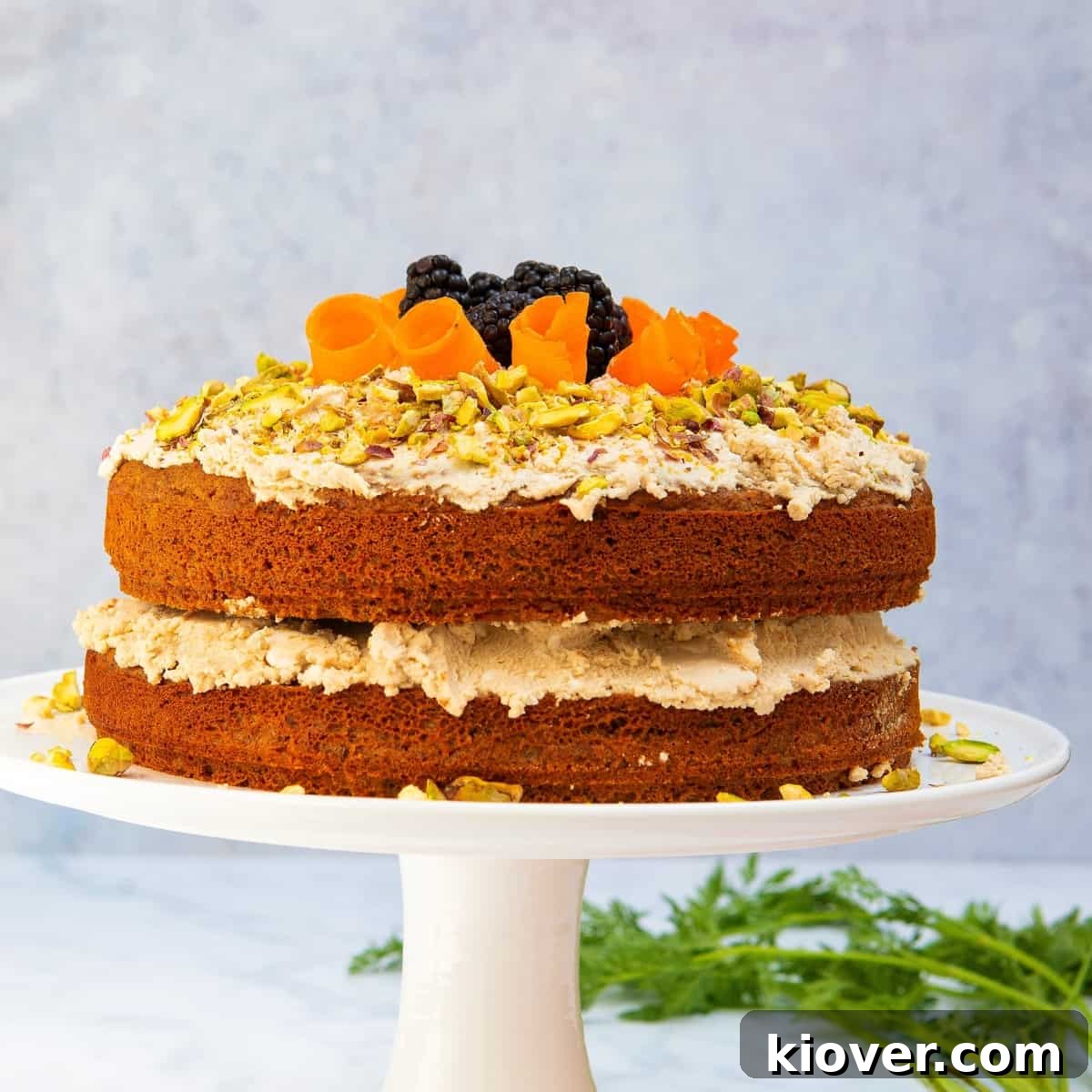
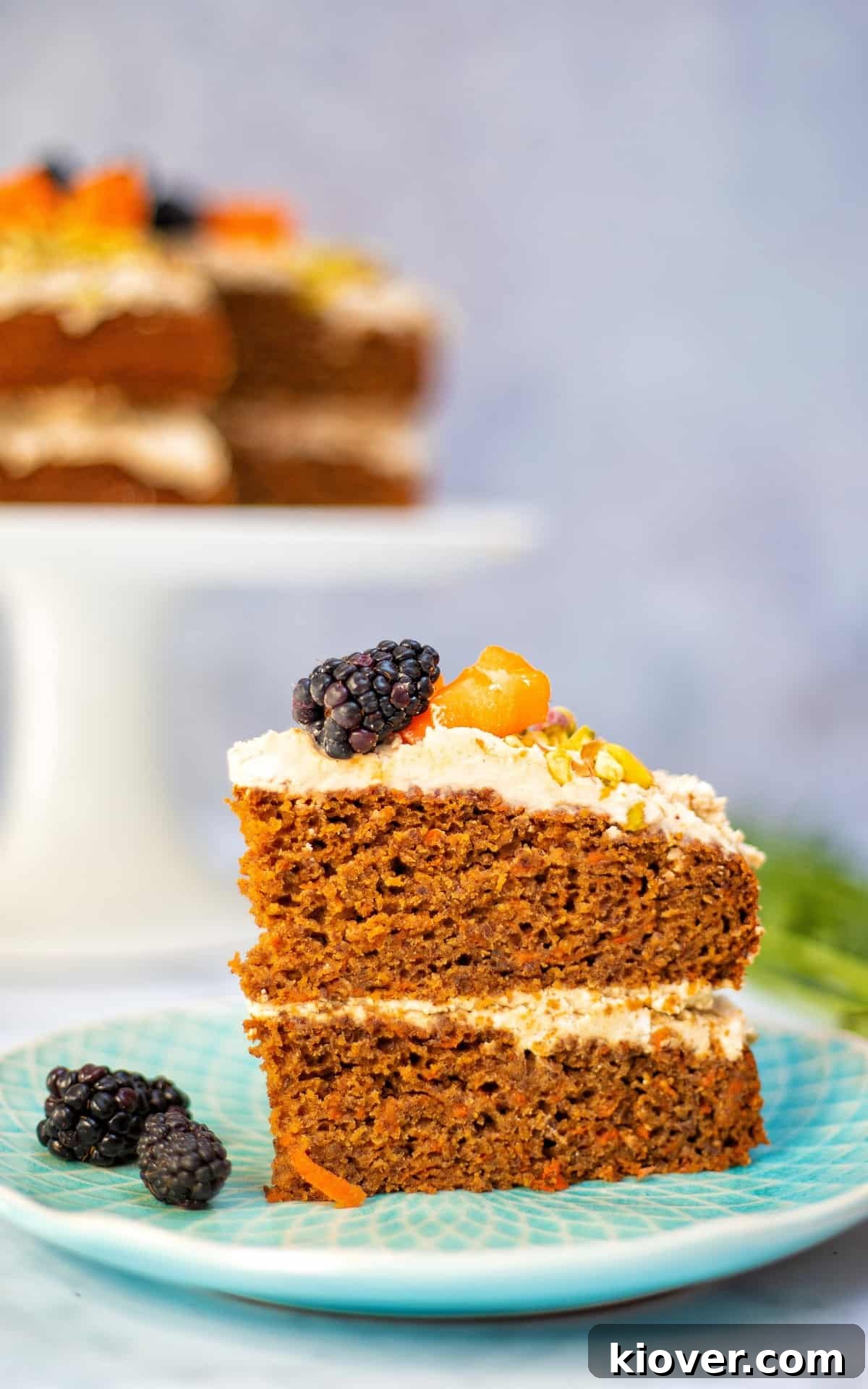
- Deluxe Presentation: Transform this already impressive cake into an even grander centerpiece, perfect for significant events like Easter Sunday, birthdays, or anniversaries. As you can observe in the accompanying photographs, I elevate mine with a thoughtful selection of toppings. Chopped pistachios add a delightful crunch and vibrant color, while delicate peeled carrot ribbons create an elegant garnish. Fresh blackberries burst with juicy flavor and offer a beautiful contrast. To truly take this Gluten-Free Carrot Cake to an unparalleled level, consider serving it with an exquisite beverage. While a comforting cup of herbal tea is always a delightful pairing, for an indulgent experience, try it alongside my rich and creamy Christmas Hot Chocolate recipe. Despite its festive name, it’s insanely delicious any time of year and provides a luxurious counterpoint to the cake’s spices.
- Spice Variations: While cinnamon and nutmeg are classics, feel free to experiment with other warm spices. A pinch of ground ginger or allspice can add another layer of complexity and warmth to your carrot cake, making it truly unique.
- Adding Texture: Incorporate a handful of chopped walnuts or pecans into the batter for an added crunch. You can also mix in some shredded unsweetened coconut for an extra tropical note that complements the coconut icing beautifully.
Step-by-Step Guide: How to Make Gluten-Free Carrot Cake
Creating this delightful gluten-free carrot cake is a straightforward process, designed to yield perfect results even for novice bakers. Follow these simple steps for a truly exceptional dessert.
Pro Tip: For the best coconut icing, remember to place your cans of full-fat coconut milk in the refrigerator overnight. This allows the creamy fat to separate and solidify at the top, making it ideal for whipping. Additionally, chill your mixing bowl for the icing in the fridge for a couple of hours before you start.
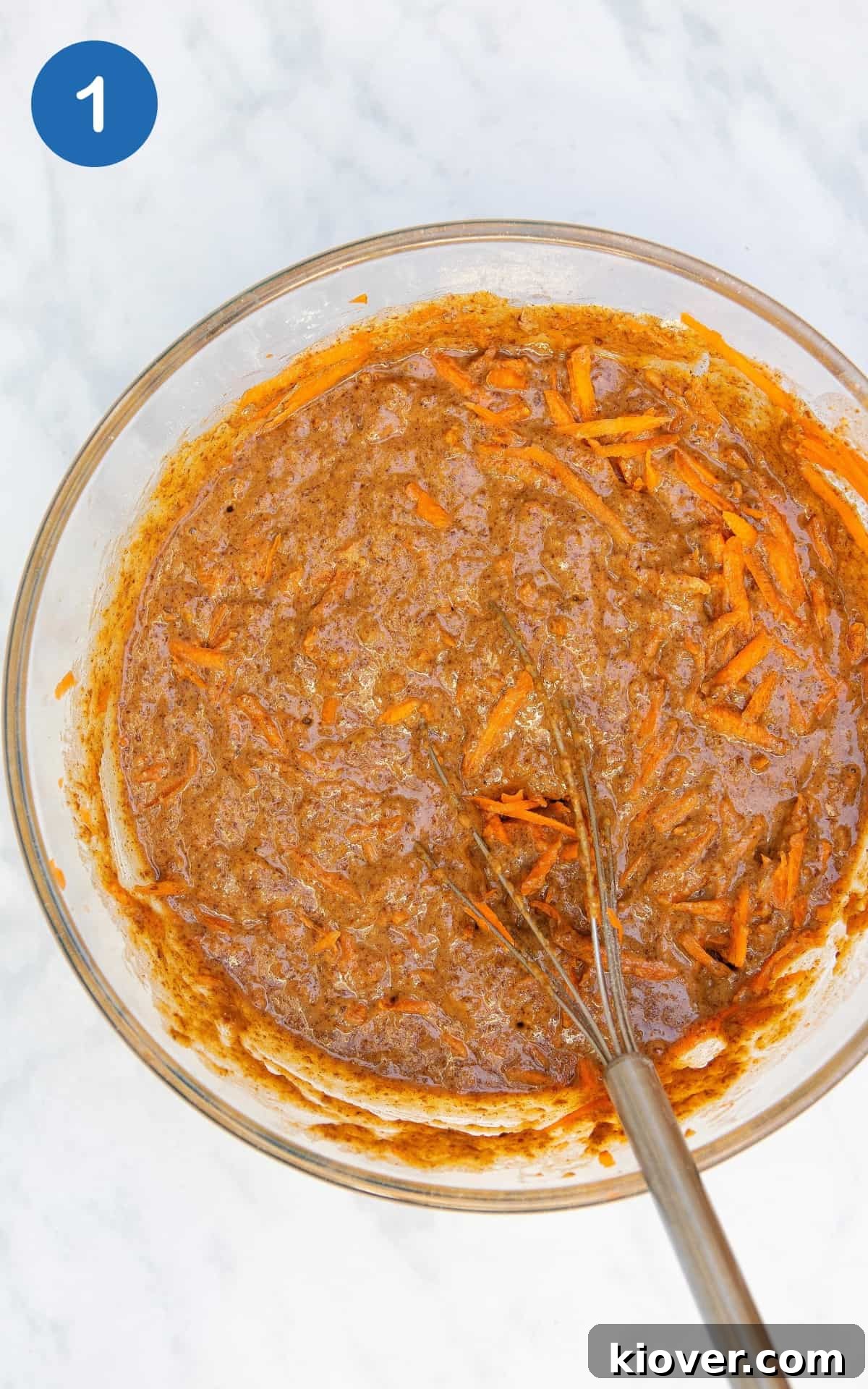
Step 1: Prepare the Flax Egg and Dry Ingredients. Begin by preheating your oven to 200°C / 390°F. In a small bowl, combine the ground flaxseed with water, stir well, and set aside for 10 minutes to allow it to thicken. This mixture will act as your vegan egg replacer. While the flax egg is setting, in a large mixing bowl, whisk together the gluten-free self-raising flour, ground almonds, cinnamon, nutmeg, coconut sugar, and baking powder until thoroughly combined and free of any lumps. Next, pour in the almond milk and the thickened flaxseed mixture, mixing gently until just combined. Finally, grate the fresh carrots directly into the batter and fold them in until evenly distributed.
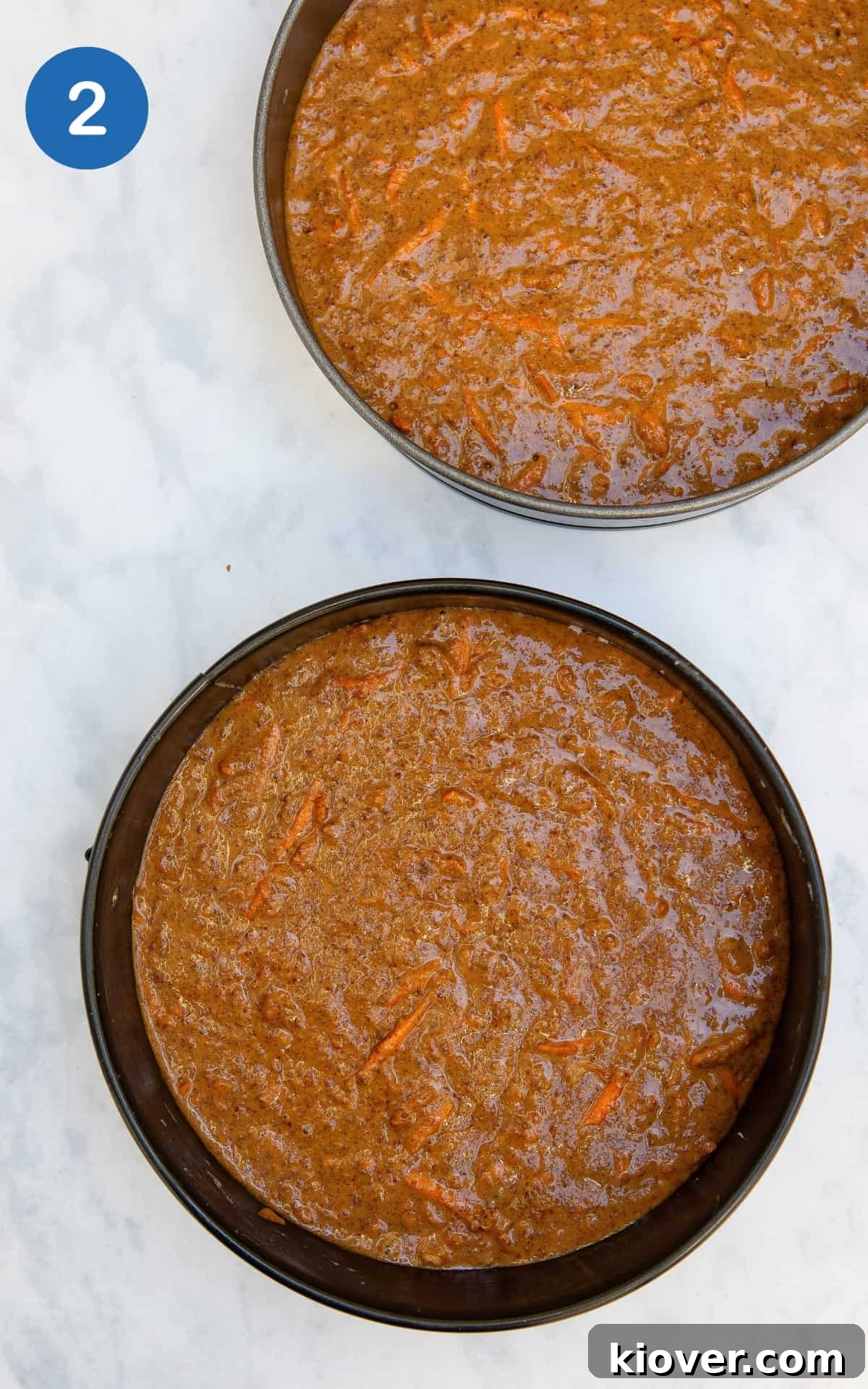
Step 2: Bake the Cakes. Lightly grease two 8-inch baking tins with oil, or line them with baking paper for an oil-free approach. Divide the carrot cake batter equally between the two prepared tins. Place the tins into the preheated oven and bake for approximately 25 minutes at 200°C / 390°F. Once baked, remove the cakes from the oven and allow them to cool completely in the fridge for about 90 minutes. This crucial cooling period ensures the cakes are firm and ready for icing without melting the delicate coconut frosting.
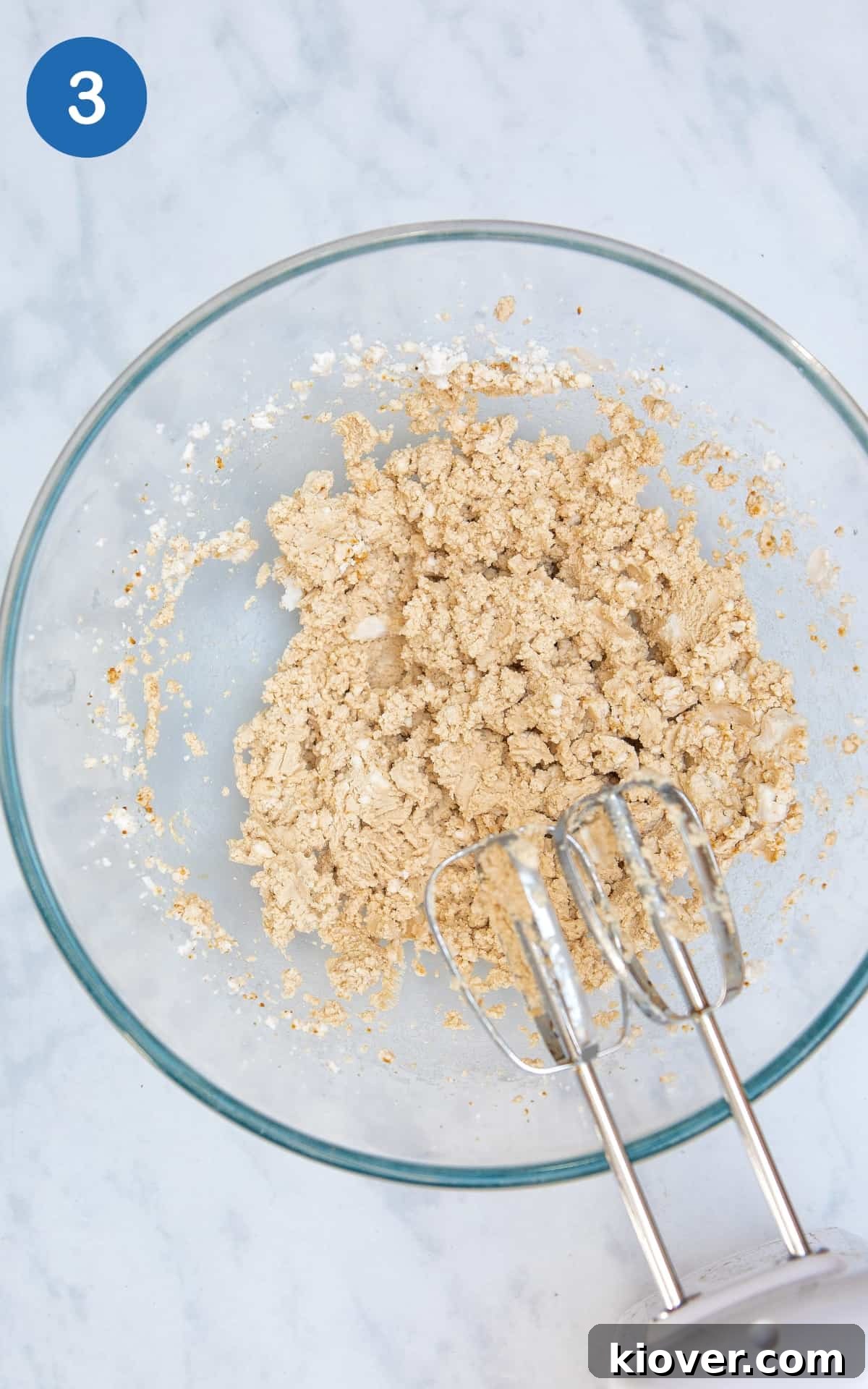
Step 3: Prepare the Coconut Icing. Once your cake layers have cooled thoroughly, carefully open the chilled coconut milk cans. Scoop out the thick, solidified coconut fat (which will be at the top of the can) into your chilled mixing bowl. Add two tablespoons of coconut sugar to the bowl. Using a handheld electric whisk, beat the mixture until it becomes light, fluffy, and forms soft peaks, resembling a rich, creamy frosting.
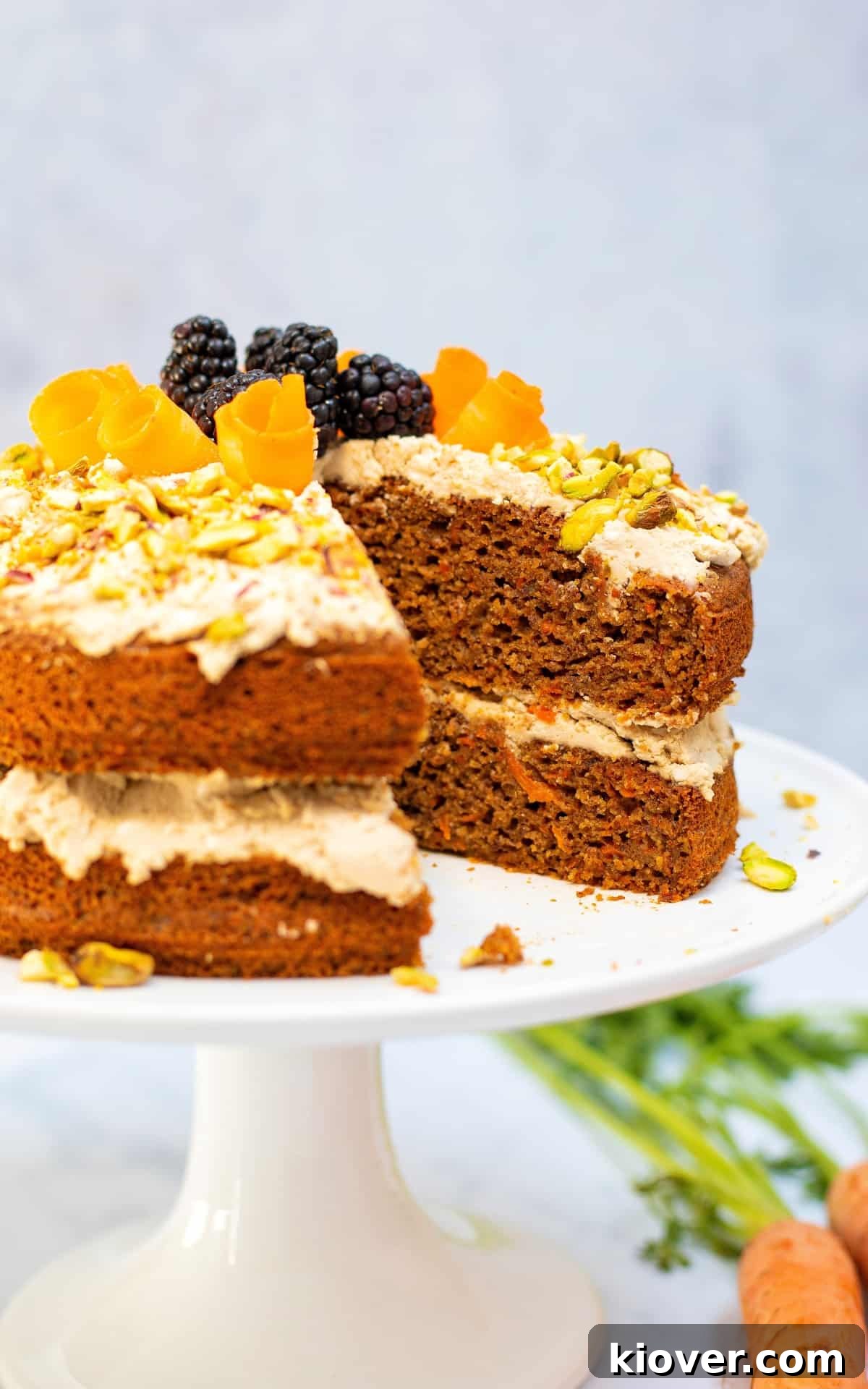
Step 4: Assemble and Decorate Your Cake. With both cake layers completely cool and your coconut icing perfectly whipped, it’s time for assembly. Spread a generous layer of coconut icing evenly over the top of the first cake layer. Carefully place the second cake layer on top. Apply another generous layer of icing over the top of the second cake, and then spread remaining icing around the sides if desired. Finally, decorate your beautiful cake with your chosen garnishes, such as chopped pistachios, delicate carrot ribbons, or fresh blackberries, to create a stunning visual appeal.
Storing and Enjoying Leftovers
One of the fantastic aspects of this gluten-free carrot cake is its versatility when it comes to storage, allowing you to savor its deliciousness over several days or even longer. For short-term enjoyment, this Gluten-Free Carrot Cake will remain wonderfully tasty when stored in an airtight container in the refrigerator for up to 3-4 days. While refrigeration may cause the cake’s texture to become slightly denser than when freshly baked, its rich flavor and moisture will persist, making it a perfect treat to grab and enjoy.
For longer storage, this carrot cake freezes exceptionally well. To freeze, simply slice the cake into individual portions and wrap each slice tightly in plastic wrap, then place them in an airtight freezer-safe container or bag. This method prevents freezer burn and makes it incredibly convenient to enjoy a single slice whenever a craving strikes. When you’re ready to indulge, simply allow the frozen slice to defrost at room temperature for a few hours. You’ll be rewarded with an effortless and delicious afternoon snack or dessert, tasting almost as good as fresh. This makes meal prep and spontaneous treat moments wonderfully easy!
Gluten-Free Carrot Cake FAQs
Here are some frequently asked questions about this gluten-free and vegan carrot cake, addressing common concerns and providing helpful insights for your baking journey.
This gluten-free carrot cake can be stored in an airtight container at room temperature for a couple of days, though I recommend the refrigerator for optimal freshness and to keep the coconut icing firm. In the fridge, it will last for 3-4 days. For extended storage, the cake freezes beautifully. Simply slice individual portions, wrap them well, and freeze. Allow to defrost at room temperature for a few hours before serving for an effortless, delightful snack.
The delightful brown hue of this carrot cake, which differs from more traditional “white” carrot cakes, is attributed to my choice of sweetener: coconut sugar. I enjoy baking with coconut sugar not only for its appealing taste and caramel notes but also because it has a lower glycemic index and is an unrefined sugar. This natural sweetener imparts a lovely rich color to the batter, contributing to the cake’s rustic charm.
The exceptional moisture of this gluten-free carrot cake is a result of a carefully balanced combination of ingredients. The almond milk provides essential liquid, while the ground almonds contribute fats and moisture-retaining properties. Crucially, the fresh grated carrots release natural juices during baking, further enhancing the cake’s tenderness and ensuring every bite is perfectly moist and flavorful.
The luscious filling and icing for this vegan carrot cake are crafted from the rich, solidified fat found at the top of a chilled can of full-fat coconut milk, combined with a touch of coconut sugar. When whipped, this mixture transforms into a creamy, dairy-free frosting that perfectly complements the spiced carrot cake, offering a light coconut flavor and a smooth texture.
To make this recipe nut-free, you would need to substitute the ground almonds. Oat flour is a good alternative, or you could try a seed-based flour like sunflower seed flour. For the almond milk, opt for a nut-free plant-based milk such as oat milk, soy milk, or rice milk. Always ensure all your ingredients are certified nut-free if severe allergies are a concern.
For the best flavor and moisture, use fresh, firm carrots. Standard orange carrots work perfectly. Avoid pre-shredded carrots if possible, as they can sometimes be drier and lack the same vibrant flavor. Grating your own carrots ensures maximum freshness and moisture in your cake.
YOU MIGHT ALSO LIKE…
More Delicious Gluten-Free & Vegan Recipes
Dessert
Vegan Lemon Drizzle Cake
Dessert
Easy Gluten-Free Chocolate Cake
Dessert
Vegan Carrot Cake Cupcakes
Dessert
Gluten-Free Victoria Sponge
Tried this Gluten-Free Carrot Cake recipe? We would love to hear your feedback! Please leave a star rating ⭐⭐⭐⭐⭐ below and share your experience in the comments. Your positive feedback is incredibly valuable and one of the most rewarding parts of creating these recipes. Thank you for reviewing!
P.S. Never miss out on new, healthy recipes! Get more delicious ideas sent straight to your inbox weekly by Subscribing today, and receive a free recipe eBook as a welcome gift!
Print Recipe
Gluten-Free Carrot Cake
Equipment
- 2 small mixing bowls
- 1 large mixing bowl
- 2 8-inch baking tins
- Grater
- Whisk (handheld electric whisk for icing is recommended)
Ingredients
For the Cake:
- 100 g ground flaxseed
- 1 1/2 cups water
- 300 g gluten-free self-raising flour
- 100 g ground almonds
- 2 tsp cinnamon
- 1/2 tsp nutmeg
- 250 g coconut sugar
- 1 tbsp baking powder
- 150 ml plant-based milk (unsweetened almond recommended)
- 2 large carrots, grated (finely grated for best texture)
For the Coconut Icing:
- 2 cans full-fat coconut milk (chilled overnight for thick fat)
- 2 tbsp coconut sugar
Instructions
- Prepare for Icing: If you plan to make the coconut icing, place your full-fat coconut milk cans in the fridge overnight. Also, place a mixing bowl in the fridge a couple of hours before you start baking. This ensures the coconut fat solidifies and the bowl is cold, both crucial for whipping the icing.
- Preheat Oven: Pre-heat your oven to 200°C / 390°F.
- Make Flax Egg: In a small bowl, combine the ground flaxseed and water. Stir well and let it sit for 10 minutes until it thickens into a gel-like consistency. This is your “flax egg” for binding.
- Combine Dry Ingredients: Meanwhile, in a large mixing bowl, add the gluten-free self-raising flour, ground almonds, cinnamon, nutmeg, coconut sugar, and baking powder. Mix until there are no lumps and all dry ingredients are well combined.
- Add Wet Ingredients & Carrots: Now, add the plant-based milk and the thickened flaxseed mixture to the dry ingredients. Mix until just combined. Grate the fresh carrots directly into the batter and fold them in gently until evenly distributed.
- Prepare & Fill Tins: Grease two 8-inch baking tins with oil (or line with baking paper for an oil-free approach). Pour half of the cake mixture into each prepared tin, ensuring an even distribution.
- Bake & Cool: Place the tins in the preheated oven for 25 minutes at 200°C / 390°F. Once cooked, remove the cakes from the oven and transfer them to the fridge to cool for at least 90 minutes. It’s essential they are completely cool before applying the coconut icing to prevent melting.
- Make Coconut Icing: Once the cakes are cooled, carefully scoop the thick coconut fat from the top of the chilled coconut milk cans into your chilled mixing bowl. Add 2 tablespoons of coconut sugar. Using a handheld electric whisk, beat the mixture until it becomes light, fluffy, and forms soft peaks (refer to the photo above for visual guidance).
- Assemble Cake: Simply layer the whipped coconut icing onto the top of one cooled cake. Carefully place the second cake layer on top. Apply the remaining icing generously over the top and sides of the entire cake, spreading it evenly. Decorate with your preferred garnishes, such as fresh fruit or nuts.
Notes
Substitutions & Variations: Detailed lists and explanations for various ingredient swaps and creative variations are provided in the post above.
To Store: Store the cake in an airtight container for a few days in the fridge. Note that refrigeration might make the cake slightly denser, but it will remain exceptionally tasty.
To Freeze: For longer preservation, slice the cake and freeze individual portions separately. Allow to defrost at room temperature for a few hours for a ready-to-eat snack.
Tip 1: While optional, sieving your gluten-free flour can contribute to an even fluffier cake texture.
Tip 2: Use the finer side of your grater when preparing the carrots to avoid large, chunky bits in your cake and ensure even moisture distribution.
Tip 3: For the best experience, this carrot cake is truly at its peak when served freshly baked, though it keeps well.
Nutrition
Carbohydrates: 53g |
Protein: 7g |
Fat: 22g |
Saturated Fat: 13g |
Fiber: 4g |
Sugar: 27g
Did you make this recipe? Tag me Today!
Tag @HealthyLivingJames on Instagram and use #HealthyLivingJames!