

The Ultimate Detroit Coney Dog with Authentic Homemade Sauce
Experience the legendary taste of Detroit with this classic Coney Dog recipe, featuring a rich, flavorful homemade beanless chili sauce. Discover the vibrant heritage, master the unique ingredients, and bring this iconic American street food sensation to your kitchen. Get ready for a remarkably fun hot dog adventure with deep roots in American culinary history.

Why This Classic Detroit Coney Dog Recipe Stands Out
The Detroit Coney Dog isn’t just another hot dog; it’s a culinary icon, a cherished staple deeply embedded in the heart of Michigan’s largest city. While many regions boast their own variations of the classic hot dog, Detroit’s rendition distinguishes itself with its signature, beanless chili, affectionately known as “Coney Sauce.” This recipe offers more than just a delicious meal; it’s an immersive journey into a rich American heritage, a taste of comfort that has delighted generations and continues to be a source of local pride.
As we delve into the diverse world of iconic Detroit foods, the Coney Dog proudly stands shoulder-to-shoulder with the renowned Detroit-style pizza. Our exploration of Motor City cuisine would be incomplete without paying homage to this savory marvel. Prepare to set aside any preconceived notions of what a chili dog should be – the Detroit Coney Dog presents a unique flavor profile and an unforgettable textural experience. We’re here to unravel the mystery and magic behind this legendary creation, providing you with a comprehensive guide to crafting an authentic homemade Coney Sauce that promises to transport your palate directly to the bustling streets of Detroit.
Our culinary adventures in Detroit don’t stop here. For those who enjoy a creative twist on local favorites, be sure to explore our Detroit Style Coney Island Pizza Recipe, a fantastic fusion that combines two beloved classics. If you’re passionate about perfecting your grilling skills or choosing the finest frankfurters, you’ll find invaluable insights in our comprehensive guide on grilling brats and essential tips for selecting the best hot dogs. And, of course, no Detroit food tour would be complete without our definitive Detroit Style Pizza recipe, offering another authentic taste of Motor City excellence.
Table of Contents
- Why This Classic Detroit Coney Dog Recipe Stands Out
- Essential Ingredients for an Authentic Coney Dog
- Step-by-Step Guide to Making Detroit Coney Dogs
- Adaptations and Variations for Your Detroit Coney Dog
- Storing Your Homemade Coney Sauce and Hot Dogs
- A Brief History of the Detroit Coney Dog
- Frequently Asked Questions About Detroit Coney Dogs
- Expert Tips and Tricks for the Perfect Coney Dog
- Detroit Coney Dog with Homemade Coney Sauce Recipe Card
- Tools to Craft Your Detroit Coney Dog
- Share Your Detroit Coney Dog Creation!
Essential Ingredients for an Authentic Coney Dog
The secret to an unparalleled Detroit Coney Dog lies predominantly in its distinctive Coney Sauce, which, in its truest form, calls for ingredients that might seem unconventional: ground beef heart and beef suet. While these might initially sound unusual to the uninitiated, they are absolutely pivotal for achieving the signature rich flavor and unique, almost velvety texture that defines an authentic Coney Sauce. Beef suet, a dense fat typically found around the loins and kidneys of beef, plays a crucial role in contributing an incredible depth of flavor and a luscious mouthfeel that simply cannot be replicated by using only lean ground beef. We encourage you not to be deterred by these ingredients; their inclusion is a testament to the sauce’s remarkable complexity and well worth the effort to source and incorporate.
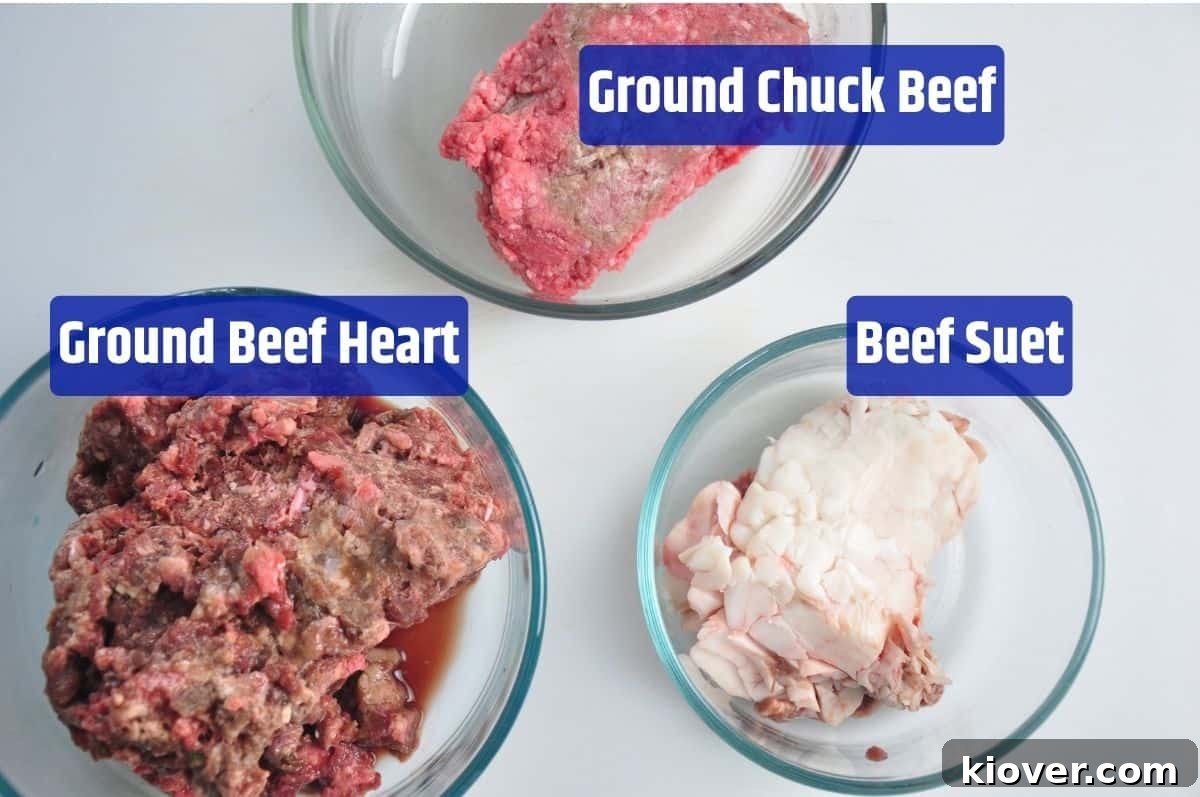
To assist you in gathering everything you need, here’s a comprehensive breakdown of the ingredients required to recreate this iconic American dish with genuine Detroit flair:
- For the Authentic Coney Sauce:
- Ground beef heart: Essential for its unique, deep, gamey flavor and contributes significantly to the sauce’s characteristic texture.
- Ground chuck beef: Provides a robust beefy flavor and excellent fat content that adds to the sauce’s richness.
- Beef suet: Crucial for imparting authentic richness, a silky texture, and traditional fat content that defines the Coney Sauce.
- Water: Used for simmering the sauce, helping to tenderize the meat and create the desired consistency.
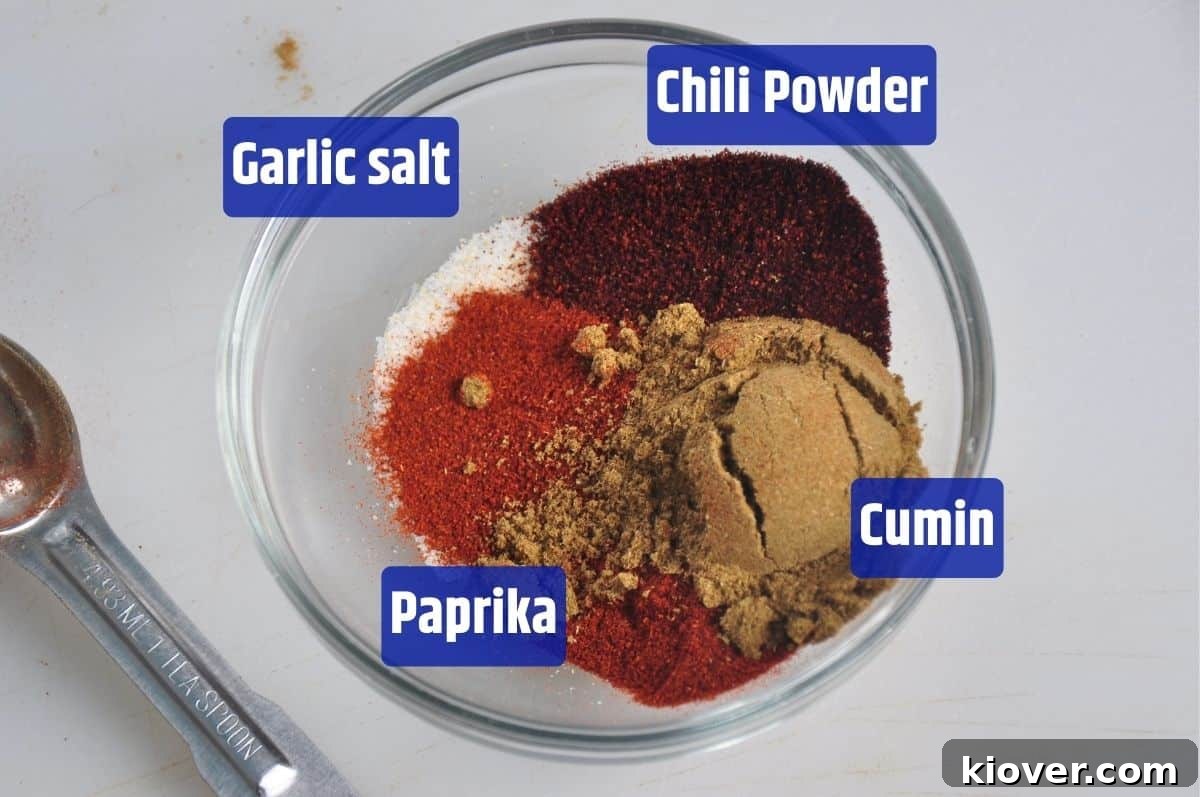
- Garlic salt: A fundamental seasoning that provides a savory base and aromatic depth.
- Chili powder: Contributes warmth, a classic chili aroma, and a subtle spice.
- Cumin powder: Adds earthy, warm notes that are indispensable for any traditional chili or meat sauce.
- Paprika: Enhances the color of the sauce and adds a mild, sweet, peppery flavor.
- Crackers: Act as a unique binder and thickener, absorbing liquids and contributing to the sauce’s distinctive fine, crumbly texture.
- For the Ultimate Detroit Coney Dog Assembly:
- High-quality hot dogs: Opt for natural casing frankfurters, preferably Michigan-made brands known for their ‘snap’ and flavor.
- Soft hot dog buns: Steaming these buns is key for a truly authentic experience, ensuring they are warm, pliable, and comforting.
- Onion: Finely diced yellow onion is a classic topping, adding a fresh, pungent crunch.
- Yellow mustard: The essential condiment, its tanginess perfectly cuts through the richness of the Coney Sauce.
When it comes to selecting your hot dogs, aspiring for a Michigan-made brand such as Koegel’s or Dearborn is highly recommended to capture the authentic Detroit experience. These regional brands are celebrated for their satisfying “snap” (the slight resistance when you bite through the casing) and unique flavor profiles that perfectly complement the rich Coney Sauce. However, if these specific brands aren’t readily available in your area, our comprehensive guide to buying hot dogs offers excellent advice on choosing quality alternatives. I personally favor Ambassador Original Wieners with natural casings for their superb snap and subtle smoky pork notes, which provide a distinct character that shines through, even when embraced by the hearty Coney Sauce, tangy mustard, and crisp diced onions.
Regarding the more “unusual” ingredients, don’t let sourcing them intimidate you. Ground beef heart can often be obtained by simply asking your local butcher; many are happy to special-order or even grind it for you. Beef suet, surprisingly, is frequently found pre-packaged in the frozen meat section of larger, well-stocked grocery stores, or, once again, your butcher can be an invaluable resource. These ingredients, while perhaps a slight deviation from your regular shopping list, are precisely what elevate this “chili” sauce from a simple topping to a truly extraordinary culinary masterpiece.
Step-by-Step Guide to Making Detroit Coney Dogs
Creating a Detroit Coney Dog is an experience that transcends merely cooking a hot dog; it’s an art form, a delightful interplay of textures and flavors that captivates the senses. Unlike your everyday hot dog, the Detroit Coney is traditionally served in a perfectly steamed bun, generously smothered with its distinctive, beanless chili sauce – the celebrated Coney Sauce – and then impeccably finished with a vibrant zig-zag of classic yellow mustard and a scattering of finely diced white onions. The true magic, as you’re about to discover, lies undeniably in that extraordinary sauce.
Before you embark on this rewarding culinary journey, I strongly encourage you to approach the Coney Sauce recipe with an open mind. The inclusion of ingredients like ground beef heart and beef suet might initially seem unconventional, but I assure you, these components are absolute game-changers, delivering an unparalleled depth of flavor and a sumptuously silky texture that defines the authentic Detroit Coney. I, too, harbored a degree of skepticism at first, but the incredible results speak volumes and converted me instantly. Trust the process, and you’ll be richly rewarded.
Preparing the Perfect Hot Dogs
While you can certainly use any high-quality hot dog, an authentic Detroit Coney Dog experience often begins with a frankfurter from Michigan-based brands such as Koegel’s or Dearborn. These brands are highly esteemed for their natural casings and robust, savory flavor, which stand up beautifully to the rich sauce. If these regional favorites aren’t locally available, some can be conveniently ordered online. The most critical aspect is choosing a hot dog with a satisfying “snap” when bitten into, as this adds a crucial textural element. You have several options for cooking your hot dogs: grill them for a delightful smoky char, pan-fry them with a splash of water for tenderness and a slight crispness, or even boil them for a classic, uniform heat. The cooking method is less critical than the overall quality of the hot dog itself, as the Coney Sauce remains the undisputed star. And remember, don’t overlook the importance of steaming your buns; a soft, warm, and pliable bun is absolutely essential for the complete Coney experience, preventing tears and providing the perfect foundation.
Crafting the Homemade Coney Sauce: The Heart of the Dog
This beanless chili is truly where the soul of the Detroit Coney Dog resides. It’s a complex, savory concoction that requires patient simmering to allow its myriad flavors to meld into a harmonious and delectable whole. My approach to developing this sauce has been profoundly shaped by the deep expertise of local Michigan culinary enthusiasts, particularly the incredibly detailed insights and historical perspectives shared in resources like MI Cuisine’s extensive explorations of regional hot dogs. Their unwavering dedication to authenticity is genuinely inspiring and has provided an exceptional foundation for our recipe.
The process begins by gently browning the ground beef heart, ground chuck, and beef suet together in a large skillet or pot. As the meats cook, break them up into very fine crumbles. This step is crucial for achieving the fine, consistent texture characteristic of Coney Sauce and allows the fats to render, creating an incredibly rich base. Once the meats are thoroughly and beautifully browned, you’ll introduce a small amount of water along with a meticulously selected blend of spices: savory garlic salt, warming chili powder, earthy cumin, and vibrant paprika. Stir all these ingredients thoroughly to combine. The mixture then transitions to a slow, gentle simmer, allowing the flavors to deepen and the meat to become wonderfully tender. Throughout this simmering period, which should last at least 30 minutes (and can be extended for even richer flavor), it’s vital to monitor the sauce’s consistency. Add more water, a tablespoon at a time, if the sauce begins to dry out or thickens too much. The ultimate goal is a moist, fine chili consistency that’s neither watery nor overly dense. The final, and somewhat unconventional, step involves stirring in finely crushed crackers. These crackers perform a unique function, acting as both a binder and a thickener, imparting the Coney Sauce with its distinctive texture – a perfect balance that ensures it adheres beautifully to the hot dog without being overly runny or pasty.
Assembling Your Quintessential Detroit Coney Dog
Once your hot dogs are cooked to perfection and your homemade Coney Sauce has simmered into a state of aromatic bliss, it’s time for the eagerly anticipated assembly. Carefully place a hot dog snugly into its warm, steamed bun. Then, with a generous hand, spoon a hearty amount of the rich, homemade Coney Sauce over the hot dog, ensuring it’s thoroughly coated. To complete this masterpiece, finish with a classic zig-zag of bright yellow mustard and a liberal sprinkle of fresh, finely diced white onion. The harmonious contrast between the warm, savory sauce, the tangy mustard, and the crisp, pungent bite of the onion creates an incredibly satisfying and authentically Detroit experience. Serve immediately and prepare for a taste sensation!
Adaptations and Variations for Your Detroit Coney Dog
While our goal is always to guide you towards the most authentic Detroit Coney Dog experience, we understand that home cooking often requires flexibility. It’s about making a recipe work for your preferences, ingredient availability, and dietary needs, without sacrificing too much of the iconic flavor. The Detroit Coney Dog, with its unique foundational ingredients, does offer some room for adaptation.
- Ground Heart Substitution: We recognize that ground beef heart isn’t a common item on everyone’s grocery list and can sometimes be challenging to source. If you find yourself in this situation, or simply prefer not to use it, you can substitute the ground beef heart with an equal amount of lean ground beef or additional ground chuck. While this alteration will subtly shift the traditional flavor profile – you might notice a slightly less intense, deep earthiness that the heart uniquely provides – the sauce will still be wonderfully flavorful and satisfying, especially with the beef suet maintaining much of the crucial richness.
- Hot Dog Choice: As previously emphasized, Michigan-made brands like Koegel’s or Dearborn are highly recommended for their authentic snap and distinctive flavor. However, the most important factor is to select a high-quality hot dog that you genuinely enjoy. Prioritize frankfurters with natural casings for that delightful “pop” when you take a bite. Any good all-beef frankfurter will serve as an excellent base for your Coney Dog. Feel free to experiment with your favorite trusted brand; the sauce is robust enough to elevate many varieties.
- Coney Sauce Flavor Variations (with caution): While the traditional Detroit Coney Sauce is strictly beanless and relies on its precise spice blend, adventurous cooks might consider experimenting with a tiny pinch of cayenne pepper for a subtle hint of heat, or a touch of brown sugar for a barely perceptible sweetness. Be aware, however, that such additions will move the sauce slightly away from its classic Detroit profile. For purists, sticking to the traditional spice mix is best.
- Topping Alternatives: Finely diced yellow onion and classic yellow mustard are the unequivocal traditional toppings for a Detroit Coney Dog. These are non-negotiable for authenticity. However, if you’re exploring variations, some individuals might enjoy a light sprinkle of finely shredded mild cheddar cheese, a dash of your favorite hot sauce, or even a different type of onion for a varied crunch. Just remember that adding these will depart from the true Detroit style.
Ultimately, the homemade Coney Sauce remains the undeniable star of this recipe. Even if you need to make minor ingredient adjustments, concentrating on creating a deeply flavorful, finely textured, and well-simmered Coney Sauce will ensure that your Detroit Coney Dog experience is still incredibly special, memorable, and satisfying. Don’t let a missing ingredient prevent you from trying this fantastic, adaptable recipe!
Storing Your Homemade Coney Sauce and Hot Dogs
One of the fantastic advantages of preparing homemade Coney Sauce is its versatility for meal prepping and enjoying delicious leftovers. Proper storage is key to preserving the authentic flavors of Detroit, allowing you to savor this culinary delight for days or even months to come.
- Storing Coney Sauce: Your freshly made Coney Sauce will keep beautifully in the refrigerator for up to 3-4 days. Ensure it has cooled completely to room temperature before transferring it to an airtight container. This prevents condensation and maintains freshness. For longer storage solutions, homemade Coney Sauce freezes exceptionally well. Portion the cooled sauce into freezer-safe bags or rigid containers, leaving a little headspace for expansion. It will remain fresh and delicious in the freezer for up to 3 months. When you’re ready to use it, simply thaw the frozen sauce in the refrigerator overnight. Reheat it gently on the stovetop over low heat, stirring frequently. If it appears too thick after thawing, you can add a small splash of water or beef broth to achieve your desired consistency.
- Storing Cooked Hot Dogs: If you’ve cooked more hot dogs than you immediately consumed, they can be stored in an airtight container in the refrigerator for 2-3 days. To reheat, gently warm them in a skillet with a tiny bit of water, or for a quick refresh, place them back on the grill for a few minutes until heated through. Avoid microwaving them for too long, as this can make them rubbery.
- Storing Uncooked Hot Dogs: Always adhere to the specific storage instructions provided on the hot dog packaging. Generally, unopened packages of hot dogs can be frozen for several months without significant loss of quality. If you’ve opened a package and have unused hot dogs, transfer them to a freezer-safe bag or wrap them tightly in foil before freezing to prevent freezer burn. Always thaw frozen hot dogs in the refrigerator before cooking.
Having a batch of homemade Coney Sauce readily available means you’re always just minutes away from assembling a quick, delicious, and deeply satisfying Detroit Coney Dog. This makes it an ideal component for impromptu lunches, effortless weeknight dinners, or when unexpected cravings for authentic Detroit flavor strike.
A Brief History of the Detroit Coney Dog: From Immigrant Dream to Culinary Icon
The narrative of the Detroit Coney Dog is a truly captivating tale, profoundly interwoven with the tapestry of American immigration and the dynamic evolution of street food culture. Its historical roots stretch back to the burgeoning decades of the early 1900s, a transformative period during which hot dogs were rapidly ascending in popularity across the entire nation, particularly within the vibrant and densely populated urban centers.
According to extensive research and records from the esteemed Detroit Historical Society, the Coney Dog’s origins within Detroit are frequently attributed to the entrepreneurial spirit of Greek immigrant Gust Keros. He notably opened the doors of American Coney Island in 1917, an establishment that, remarkably, continues to operate as a beloved Detroit landmark today. This pioneering eatery played an instrumental role in firmly embedding the Coney Dog into the city’s culinary landscape. Indeed, the broader development and widespread popularization of the Coney Dog are widely credited to the ingenuity of Greek and Macedonian immigrants, who brought their rich culinary traditions, tireless work ethic, and keen entrepreneurial drive to America’s shores.
The story often commences with these waves of immigrants making their initial landfall at Ellis Island, with many making their first significant stop in the vibrant, bustling amusement district of Coney Island, New York. This iconic seaside resort was already a burgeoning hotspot for hot dog vendors – notably, Nathan’s Famous had already established its indelible presence there early on. It was in Coney Island that countless immigrants first encountered the “wiener in a bun.” Intriguingly, at the time, the newly coined term “hot dog” was met with some public apprehension and was consequently often discouraged or outright disallowed on restaurant signage due to lingering, though entirely unfounded, public concerns about the actual contents of the meat. As a result, this immensely popular new street food became more broadly known simply as a “Coney Island.”
As these determined and enterprising immigrants began to disperse across the vast American landscape, seeking fresh opportunities and new beginnings, they carried with them the nascent “Coney Island” hot dog concept. Many chose to settle in industrial hubs like Detroit, where they rapidly established their own diners, lunch counters, and eateries. They eagerly adopted and ingeniously localized the “Coney Island” name for their unique hot dog creations, which, over time, gradually evolved into the distinct “Coney Island Hot Dog” and, more specifically within Detroit, solidified its identity as the “Detroit Coney Dog.” These new establishments, frequently family-owned and operated, quickly transformed into vital community hubs, offering an affordable, hearty, and undeniably delicious meal that swiftly captured the hearts and palates of local residents.
Detroit’s Coney scene is famously characterized by a spirited, yet friendly, rivalry between two legendary establishments that stand side-by-side on Lafayette Boulevard: American Coney Island and Lafayette Coney Island. Both boast incredibly loyal followings and each offers a subtly distinct take on the classic Coney Dog, fostering a vibrant culinary competition that has only further cemented the Coney Dog’s status as an undisputed Detroit icon. This enduring rivalry itself is a compelling testament to the deep passion, pride, and tradition associated with this beloved dish.
While Detroit proudly champions its own distinct version of the Coney Dog, it is important to acknowledge that Michigan is a state remarkably rich with diverse regional hot dog styles. Beyond the Motor City, you will discover the unique Flint-style Coney, renowned for its “dry” loose meat chili that adheres to the hot dog in a distinct manner, and the Jackson-style Coney, which often features a more heavily seasoned and typically greasier chili. Each of these regional varieties offers a unique and delicious flavor experience, vividly demonstrating the diverse and vibrant culinary landscape that exists within the state. As an enthusiastic connoisseur of all things hot dog, I can unequivocally state that I would happily savor every single one!
Frequently Asked Questions About Detroit Coney Dogs
What exactly is a Detroit Coney Dog?
A Detroit Coney Dog is a quintessential American hot dog served in a soft, often steamed, bun. Its defining characteristic is a generous topping of a savory, beanless chili, specifically referred to as Coney Sauce, which is then traditionally finished with a distinct stripe of bright yellow mustard and a scattering of finely diced white onions. It stands as a profound culinary hallmark of Detroit, celebrated for its rich, unique flavor profile and distinctive sauce consistency.
What kind of food is Detroit famous for, besides Coney Dogs?
Beyond the universally iconic Detroit Coney Dog, the Motor City is esteemed for several other distinctive and beloved culinary creations. Most notably, there’s the Detroit-style pizza, a unique rectangular deep-dish pizza recognized by its thick, wonderfully chewy crust, characteristically crisp, caramelized cheesy edges, and its unique preparation where the sauce is layered on top of the cheese. Another cherished local favorite is the Boston Cooler, a refreshingly effervescent beverage made by artfully blending rich vanilla ice cream with crisp ginger ale. These dishes collectively highlight Detroit’s incredibly rich, diverse, and deeply rooted food scene.
What makes Coney Sauce different from regular chili?
The primary distinguishing feature of authentic Coney Sauce is its unwavering commitment to being beanless, and its texture is considerably finer, often described as an almost paste-like or very finely ground consistency, starkly contrasting with traditional chunky chili. It frequently incorporates unique ingredients such as beef heart and suet, which are instrumental in contributing to its distinctive, deep flavor and unparalleled richness. The spice profile in Coney Sauce is also meticulously balanced to complement the hot dog without ever overwhelming it, making it specifically designed and perfected as a topping rather than a stand-alone dish.
Can I make Coney Dogs without the beef heart and suet?
Yes, absolutely, you can make a delicious Coney-style sauce without beef heart and suet. While these ingredients are traditional and undeniably contribute significantly to the authentic flavor and texture, you can successfully substitute the beef heart with an equivalent amount of additional lean ground beef or ground chuck. For the suet, if unavailable, you can use a small amount of rendered bacon fat or simply omit it, though the sauce’s richness might be slightly less intense. The core spice blend and cooking technique will still yield a very flavorful and satisfying beanless chili that captures the essence of a Coney Dog.
Expert Tips and Tricks for the Perfect Coney Dog
Achieving Detroit Coney Dog perfection is an attainable goal with the application of a few expert tips and thoughtful tricks. These insights will help you elevate your homemade creation to rival the legendary establishments of the Motor City:
- Achieving the Ideal Coney Sauce Texture: The hallmark of an authentic Coney Sauce is its remarkably fine, beanless chili consistency. When you begin browning the meat, it is crucial to break it down into the smallest possible crumbles. Continue to mash and stir diligently throughout the simmering process to ensure this fine texture. The crushed crackers, added near the end, are indispensable for acting as a unique binder and thickener, creating that distinct velvety, clingy texture that coats the hot dog so perfectly. Be mindful not to add an excessive amount, as this can result in a pasty consistency; aim for just enough to absorb any excess liquid and beautifully bind the meat particles together.
- The Art of Steaming Your Buns for Authenticity: A truly authentic Detroit Coney Dog is always presented on a soft, warm, and wonderfully pliable steamed bun. This can be easily achieved at home by placing your buns in a vegetable steamer basket over a pot of gently boiling water for just a few minutes, until they are soft and heated through. Alternatively, you can wrap them loosely in a damp paper towel and microwave them briefly until they are warm and pliable. This steaming process is vital, as it prevents the bun from tearing under the sauce’s weight and provides an incredibly comforting, soft bed for the hot dog and its rich toppings.
- The Importance of Quality Hot Dogs: While the Coney Sauce is undeniably paramount, never underestimate the impact of a high-quality hot dog. Seek out natural casing frankfurters that promise a satisfying “snap” when bitten into. Michigan brands like Koegel’s or Dearborn are exemplary choices, but any premium, all-beef hot dog will serve as an excellent foundation. The subtle smoky notes and firm texture of a well-chosen hot dog provide a fantastic and necessary contrast to the richness of the sauce.
- Finely Dice Your Onions: For the classic, traditional topping, ensure that your white onions are diced into exceptionally fine pieces. This meticulous preparation allows for a delightful burst of fresh, pungent flavor in every bite without overwhelming the other harmonious components of the Coney Dog. A coarse chop will disrupt the texture and balance.
- Don’t Forget the Yellow Mustard: The bright, tangy kick of classic yellow mustard is not merely an optional addition – it is an absolutely integral and non-negotiable part of the authentic Detroit Coney Dog experience. It serves a crucial role in cutting through the richness of the sauce, providing a necessary layer of sharp, zesty flavor that completes the profile.
- Source for Coney Sauce Inspiration: For those who wish to delve even deeper into the historical context and nuanced variations of regional hot dog recipes, detailed discussions and insights found on reputable sites like MI Cuisine offer invaluable historical and recipe insights.
- Nutritional Estimates: Please remember that any calorie and nutritional information provided is an approximate estimate. These values will naturally vary significantly based on the specific brands of hot dogs and buns you choose, as well as the precise quantities of ingredients you use in your preparation. Always calculate your own nutritional information if absolute precision is a requirement for your dietary planning.

Tools to Craft Your Detroit Coney Dog
While the undeniable magic of the Detroit Coney Dog primarily stems from its unique ingredients and specific preparation techniques, having the right set of kitchen tools at your disposal can significantly streamline the entire cooking process, making your culinary journey even more enjoyable and efficient:
- Tongs: An indispensable utensil, tongs are essential for safely and hygienically handling hot dogs, whether you are grilling them, boiling them in a pot, or pan-frying them to perfection. They ensure easy manipulation and prevent burns.
- Large Pot or Dutch Oven: An ideal vessel for both boiling hot dogs to a consistent temperature and, more importantly, for simmering the rich Coney Sauce to perfection. A heavy-bottomed pot is particularly advantageous as it helps to prevent sticking and ensures even heat distribution for optimal flavor development.
- Skillet or Cast-Iron Pan: A sturdy skillet, especially a cast-iron one, is perfectly suited for effectively browning the meat mixture for your Coney Sauce. It also works wonderfully for pan-frying your hot dogs, allowing you to achieve a desirable sear and tender interior.
- Food Processor or Rolling Pin: These tools are crucial for efficiently crushing crackers into a very fine consistency, which is a key step in achieving the Coney Sauce’s unique and authentic texture. A food processor offers speed and uniformity, while a rolling pin provides a more rustic, hands-on approach.
- Fine-Mesh Sieve (Optional): For those who desire an exceptionally smooth Coney Sauce, pressing the simmered meat mixture through a fine-mesh sieve before adding the crackers can achieve a super-fine texture, though this step is not strictly traditional and adds extra effort.
These kitchen staples are generally common and will equip you thoroughly to prepare your homemade Detroit Coney Dogs with both ease and precision, ensuring a satisfying culinary outcome.
Share Your Detroit Coney Dog Creation!
Thank you immensely for embarking on this delicious and culturally rich journey to recreate the iconic Detroit Coney Dog and its unparalleled homemade Coney Sauce. We sincerely hope you thoroughly enjoyed exploring the deep history, unique ingredients, and vibrant flavors that collectively make this dish a true American culinary classic. Your valuable feedback is incredibly important to us, not only for improving our recipes but also for guiding other passionate home cooks who are considering trying this fantastic dish.
If you made this recipe, we would be absolutely thrilled if you would consider leaving a star rating and a detailed review in the comments section below! Your insights, successes, and even challenges help us understand how we’re doing and encourage others in their culinary endeavors. We genuinely love hearing about your kitchen adventures and seeing your delicious results. Don’t forget to sign up for our newsletter to receive more exciting recipes, exclusive cooking tips, and culinary inspiration delivered directly to your inbox. And, of course, please share your beautiful Detroit Coney Dog creations on Pinterest – be sure to tag us so we can admire your amazing work and spread the Detroit Coney love!

Detroit Coney Dog with Homemade Coney Sauce
5 Stars
5 from 4 reviews
- Author: Ben Myhre
- Prep Time: 5 minutes
- Cook Time: 45 minutes
- Total Time: 50 minutes
- Yield: 8 hot dogs
- Category: Comfort Food
- Method: Grilling / Simmering
- Cuisine: Detroit / American
Description
The Detroit Coney Dog is a historic, classic, and incredibly flavorful hot dog experience. Featuring a robust, beanless chili sauce (Coney Sauce), topped with fresh onions and tangy mustard, this iconic dish is sure to make your mouth water!
Ingredients
For the Coney Sauce:
- 1 pound ground beef heart
- 1/2 pound ground chuck
- 1/4 cup beef suet
- 1/4 cup water (plus more as needed)
- 2 teaspoons garlic salt
- 2 teaspoons chili powder
- 2 teaspoons cumin powder
- 2 teaspoons paprika
- 6 Crackers (finely crushed)
For Serving:
- 1/2 onion, finely diced
- Yellow mustard
- 8 Hot Dogs, choose quality dogs with natural casings
- 8 Hot Dog Buns, ideally steamed
Instructions
- Prepare the Meat: In a large skillet or pot, add the beef suet, ground beef heart, and ground chuck. Brown the meats over medium heat, breaking them up into very fine crumbles as they cook.
- Add Spices and Simmer: Once the meat is thoroughly browned, drain any excess fat if desired (though some fat adds to the richness). Add 1/4 cup of water, garlic salt, chili powder, cumin powder, and paprika. Stir well to combine all ingredients.
- Develop Flavors: Bring the mixture to a gentle simmer. Reduce heat to low, cover, and let it simmer for at least 30 minutes, or even longer for deeper flavor (up to an hour). Stir occasionally and add more water (a tablespoon at a time) if the sauce starts to dry out or become too thick. The goal is a moist, fine chili consistency.
- Prepare Crackers: While the sauce simmers, finely crush the crackers. You can use a rolling pin in a resealable bag or a food processor for a very fine powder.
- Cook Hot Dogs: Grill hot dogs for a smoky flavor, pan-fry them with a splash of water for tenderness, or boil them until heated through. Simultaneously, steam your hot dog buns until soft and warm.
- Thicken Sauce: After the sauce has simmered and developed its flavors, stir in the finely crushed crackers. Mix thoroughly until the crackers are fully incorporated and the sauce has thickened to a perfect consistency that clings to a spoon. If it’s too thick, add a tiny bit more water; if too thin, simmer for a few more minutes uncovered.
- Assemble and Serve: Place a cooked hot dog into a steamed bun. Generously top with the homemade Coney Sauce. Finish with a zig-zag of yellow mustard and a sprinkle of finely diced onions. Serve immediately and enjoy!
Notes
- For further inspiration on regional Coney Sauce recipes, check out MI Cuisine.
- Calorie and nutritional estimates are approximate and will vary based on brands and exact quantities used.
Nutrition Facts (per serving)
- Serving Size: 1 hot dog
- Calories: 527 calories
- Sugar: 3 g
- Sodium: 1169 mg
- Fat: 32 g
- Saturated Fat: 13 g
- Unsaturated Fat: 19 g
- Carbohydrates: 27 g
- Protein: 29 g
- Cholesterol: 168 mg