
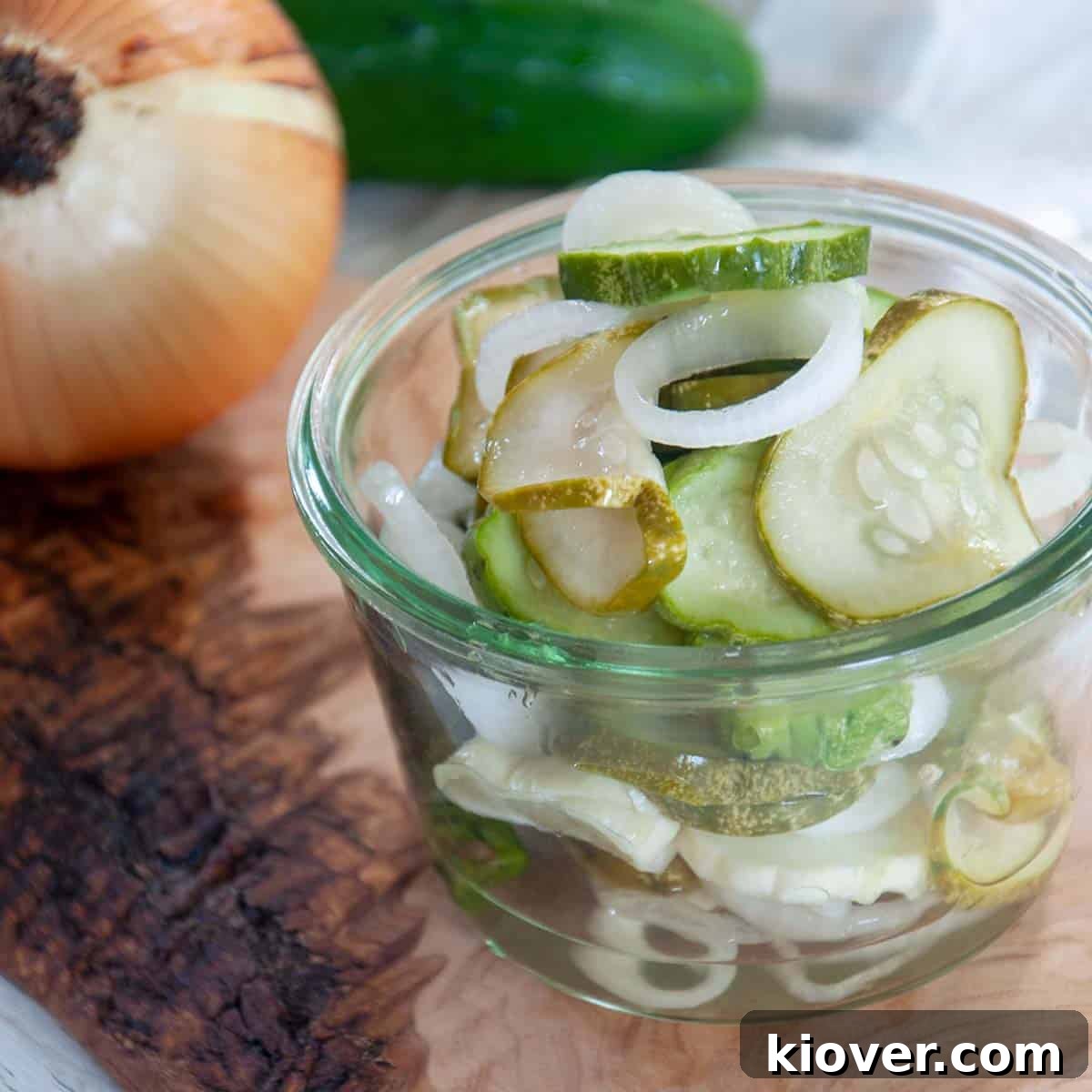
Effortless Homemade Goodness: The Ultimate Guide to Easy No-Cook Refrigerator Pickles
Unlock the secret to preserving your garden’s abundance with this incredibly simple and refreshingly delicious no-cook refrigerator pickle recipe. Perfect for beginners and seasoned picklers alike, this method transforms fresh cucumbers into a tangy, sweet, and crisp treat with minimal effort. Forget complicated canning processes; with just a few common ingredients and a mere ten minutes of prep, you can create a batch of delightful pickles that will elevate any meal or snack. This time-honored recipe, passed down through generations, ensures a consistently perfect result every time.
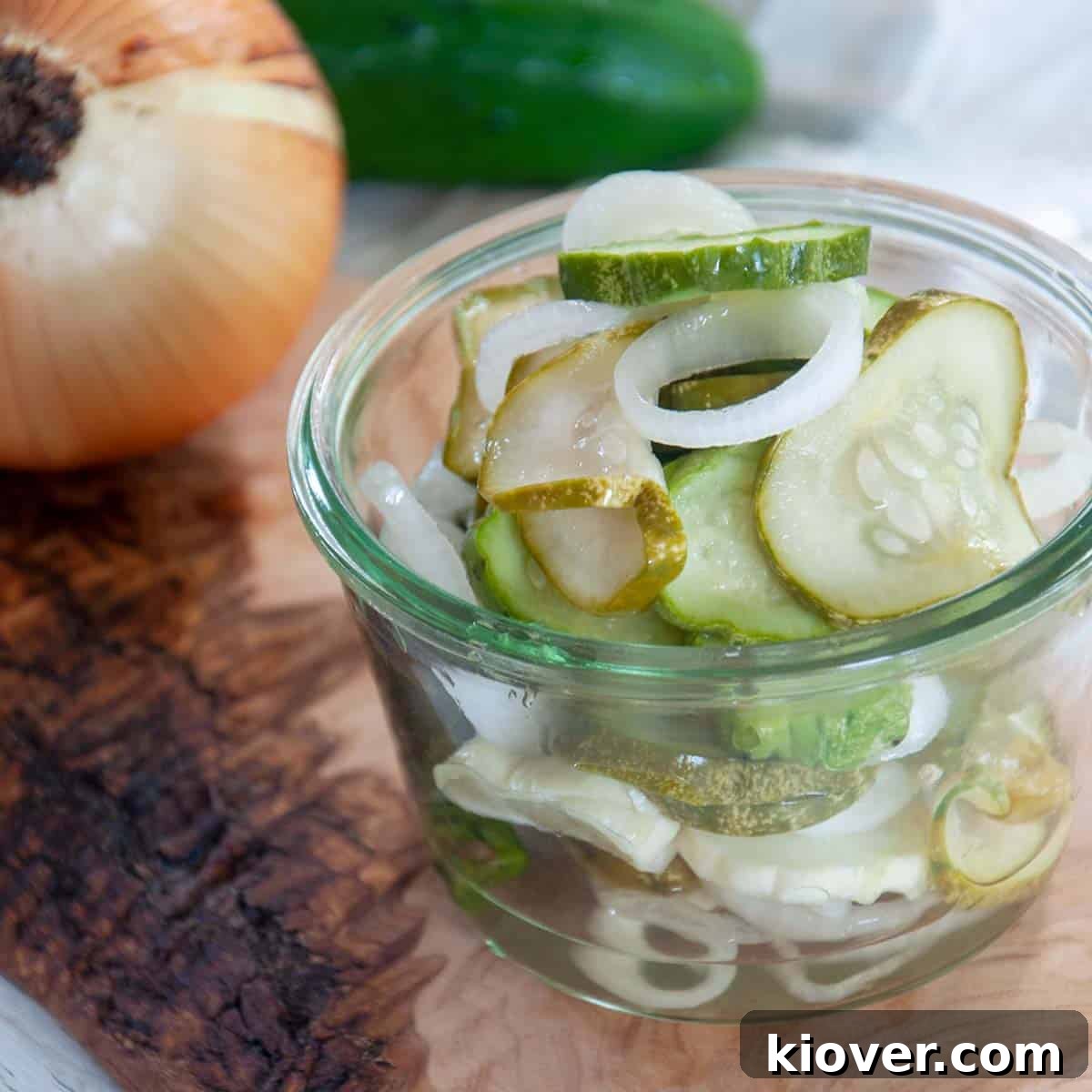
Refrigerator Pickles: A Culinary Delight Made Simple
Dive into the world of homemade pickling without the fuss! Refrigerator pickles are an absolute game-changer, especially when your garden is overflowing with cucumbers. This particular recipe stands out for its straightforward approach, allowing anyone to achieve perfectly brined cucumbers with a delightful sweet-and-sour crunch. It’s truly a testament to how simple ingredients can come together to create something extraordinary. The beauty lies in its “no-cook” nature, eliminating the need for any stovetop time, making it an ideal summer project.
The Magic Behind the Brine: How These Pickles Come to Life
The secret to these sensational pickles lies in their simple yet potent brine. Unlike traditional pickling, where cucumbers are submerged in a pre-made hot brine, refrigerator pickles rely on the cucumbers themselves to release their natural moisture, which then combines with the sugar, vinegar, salt, and celery seed to form the pickling liquid. This osmotic process is what gives them their unique texture and flavor.
- Cucumbers and Onions: These fresh vegetables are the stars, providing the bulk and absorbing the delicious flavors.
- Sugar: Not just for sweetness, sugar also contributes to the pickles’ texture and acts as a mild preservative. This recipe strikes a perfect balance, ensuring a sweet pickle that isn’t cloying.
- White Vinegar: The essential acidic component that gives pickles their characteristic tang and is crucial for preservation.
- Salt: Plays a vital role in drawing out moisture from the cucumbers, firming their texture, and enhancing the flavor.
- Celery Seed: This unassuming spice delivers that classic, slightly earthy, and peppery pickle flavor that ties everything together.
When combined, these ingredients work synergistically. The salt and sugar begin to pull water from the cucumber slices, creating the very brine that will pickle them. This natural process ensures that the cucumbers retain a crisp bite while infusing them with a wonderfully balanced sweet, sour, and savory taste.
Why Choose No-Cook Refrigerator Pickles?
There are countless reasons why these quick and easy pickles should become a staple in your kitchen:
- Unbeatable Flavor Profile: These pickles are the epitome of crisp, tangy, and subtly sweet. They offer a refreshing bite that perfectly complements a wide range of dishes, from hearty sandwiches to delicate salads. The balance of flavors is simply exquisite, making them incredibly addictive.
- Incredible Ease & Time-Saving: The “no-cook” aspect means you skip the laborious canning process, boiling jars, and hot water baths. With just about ten minutes of active preparation, you can have a batch ready to chill. This makes them perfect for busy individuals or those new to food preservation.
- Garden Freshness Preserved: If you have a thriving cucumber patch or found a great deal at the farmer’s market, this recipe is your best friend. It’s an excellent way to utilize excess produce, preventing waste and ensuring you can enjoy the fresh taste of summer long after the season ends.
- Versatile Snack & Side Dish: Refrigerator pickles are incredibly versatile. Enjoy them straight from the jar as a refreshing snack, serve them alongside grilled meats, add them to sandwiches and burgers for an extra zing, or chop them into salads for a burst of flavor. They even make a fantastic addition to charcuterie boards.
- Healthier & Customizable: Making your own pickles allows you to control the ingredients, avoiding artificial preservatives and excessive sodium found in many commercial varieties. Plus, you can easily adapt the recipe to suit your dietary needs or flavor preferences, as we’ll explore in the variations section.
- Cost-Effective: Buying fresh cucumbers and a few pantry staples is often far more economical than purchasing gourmet pickles from the store, especially if you’re working with your own home-grown produce.
Mastering the Process: Step-by-Step for Perfect Pickles
Making these refrigerator pickles is so straightforward, it almost feels like magic. Here’s a detailed look at each simple step:
- Prepare Your Ingredients: Start by thoroughly washing your cucumbers. For this recipe, leaving the peel on is perfectly fine and contributes to their crispness. Slice the cucumbers evenly – aim for a consistent thickness, about 1/4 inch, to ensure they pickle uniformly. Thinly slice your onion as well. Uniformity in slicing is key for even brining and a consistent texture throughout the batch.
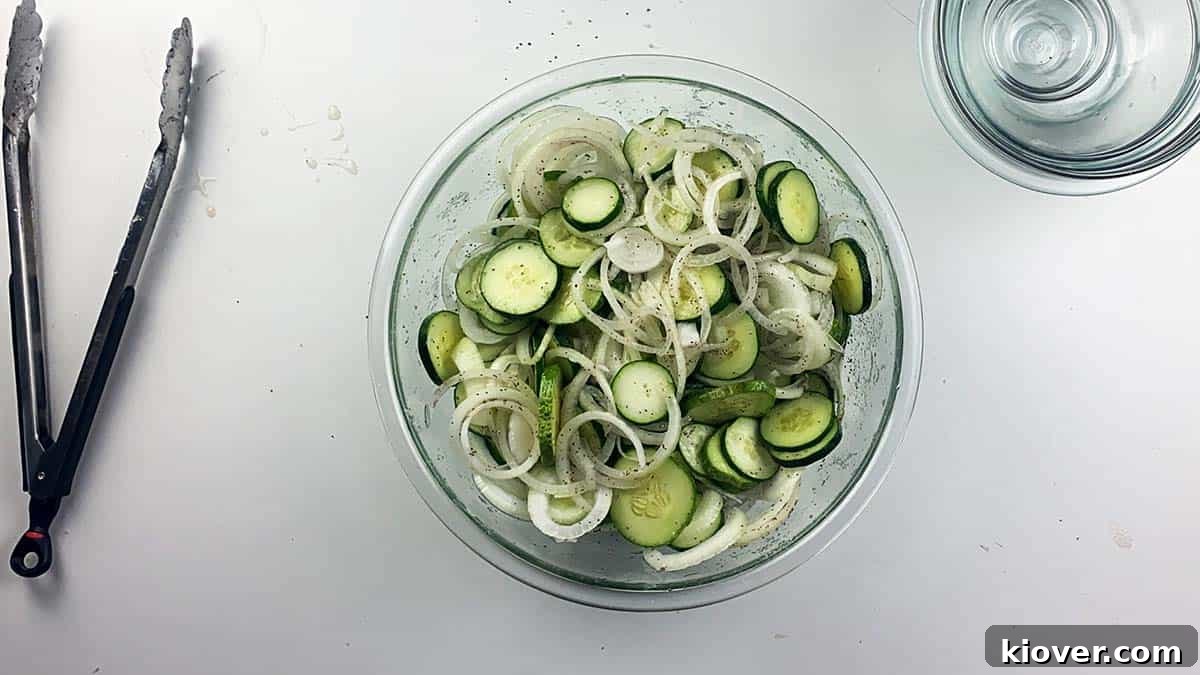
- Combine Everything: In a large, non-reactive bowl (glass or ceramic works best), combine the sliced cucumbers and onions. Then, sprinkle in the sugar, white vinegar, salt, and celery seed. Mix all the ingredients thoroughly. Use a sturdy spoon or your clean hands to gently toss and ensure that every slice is coated with the seasoning mixture. At this stage, you might notice that there isn’t much liquid in the bowl, and that’s perfectly normal – don’t be alarmed!
- The Patience Game: Marination: Once mixed, cover the bowl tightly and transfer it to the refrigerator. This is where the magic truly happens. Allow the mixture to marinate for at least 24 hours, or preferably overnight. During this time, the salt and sugar will draw out the natural moisture from the cucumbers, creating a flavorful brine that will transform them into delicious pickles. If you can, give the bowl a gentle stir or shake a couple of times during the marination period to ensure all the cucumbers get evenly soaked in the developing liquid.
- Serve and Enjoy: After the waiting period, your refrigerator pickles are ready to be devoured! You’ll notice a significant amount of liquid has formed in the bowl, and the cucumbers will have softened slightly while still retaining a satisfying crunch. Serve them chilled and enjoy the fruits of your effortless labor.
Initial Appearance vs. Final Perfection: Don’t Be Alarmed!
It’s common for first-time picklers to feel a little concerned after initially mixing all the ingredients for this recipe. You might look into your bowl and think, “Where’s the liquid? Is this even going to work?” Rest assured, this is exactly how it should look!
The beauty of refrigerator pickles, especially this no-cook variety, is that the cucumbers create their own brine. The salt and sugar in the mixture act as powerful agents, drawing out the natural water content from the cucumber slices through a process called osmosis. As the mixture sits in the refrigerator, this moisture is released, combining with the vinegar to form a perfectly balanced pickling liquid. When you check on them the next day, you’ll be amazed to see the bowl filled with a clear, tangy brine, and your cucumbers will have transformed into genuine pickles. Give them a few days, and their flavor will deepen even further, but an overnight bath is all they truly need to become ready.
Optimal Storage and Longevity: Keeping Your Pickles Fresh
One of the fantastic advantages of refrigerator pickles is their relatively long shelf life compared to fresh cucumbers. While they can certainly last longer, for optimal flavor and texture, we recommend consuming these delicious pickles within one month. If your household enjoys them as much as ours does, this won’t be a problem at all!
To ensure they stay fresh and safe to eat, always store your refrigerator pickles in an airtight, covered container in the coldest part of your refrigerator. A glass jar with a tight-fitting lid is ideal. When retrieving pickles, always use clean utensils to prevent introducing any contaminants that could shorten their shelf life. As with any homemade food, common sense is your best guide. Before eating, quickly check if the pickles look and smell right. Any off-odors, discoloration, or signs of mold mean they should be discarded. The one-month guideline serves as a reliable standard, but trust your senses!
Get Creative: Exciting Variations for Your Refrigerator Pickles
While the classic recipe is fantastic on its own, refrigerator pickles are incredibly versatile and invite customization. Don’t hesitate to experiment and make them truly your own! Here are a few ideas to get you started:
- Spice It Up:
- Garlic: Add a few thinly sliced garlic cloves for a pungent, savory kick.
- Dill: Fresh dill sprigs or a teaspoon of dill seed can transform these into a classic dill pickle flavor.
- Red Pepper Flakes: For those who love a bit of heat, a pinch or two of red pepper flakes will do the trick.
- Mustard Seed: A teaspoon of yellow or brown mustard seeds adds a subtle, classic pickle spice.
- Black Peppercorns: A few whole peppercorns provide a gentle background warmth.
- Sweet & Savory Twists:
- Different Vinegars: While white vinegar is standard, try apple cider vinegar for a fruitier, milder tang, or even a touch of rice vinegar for a slightly different profile.
- Alternative Sweeteners: A small amount of honey or maple syrup could be used instead of sugar for a different kind of sweetness, though this will alter the flavor considerably.
- Vegetable Medley:
- Bell Peppers: Sliced red, yellow, or green bell peppers add color, crunch, and a subtle sweetness.
- Carrots: Thinly sliced carrots can add a lovely texture and earthy sweetness.
- Zucchini: When thinly sliced, young zucchini can also be pickled alongside the cucumbers for a mixed vegetable treat.
- Different Onions: Instead of white or yellow onion, red onion will impart a beautiful purple hue and a slightly sweeter, milder onion flavor.
Remember to taste as you go when adding new ingredients. Start with small amounts and adjust to your preference. The possibilities are endless!
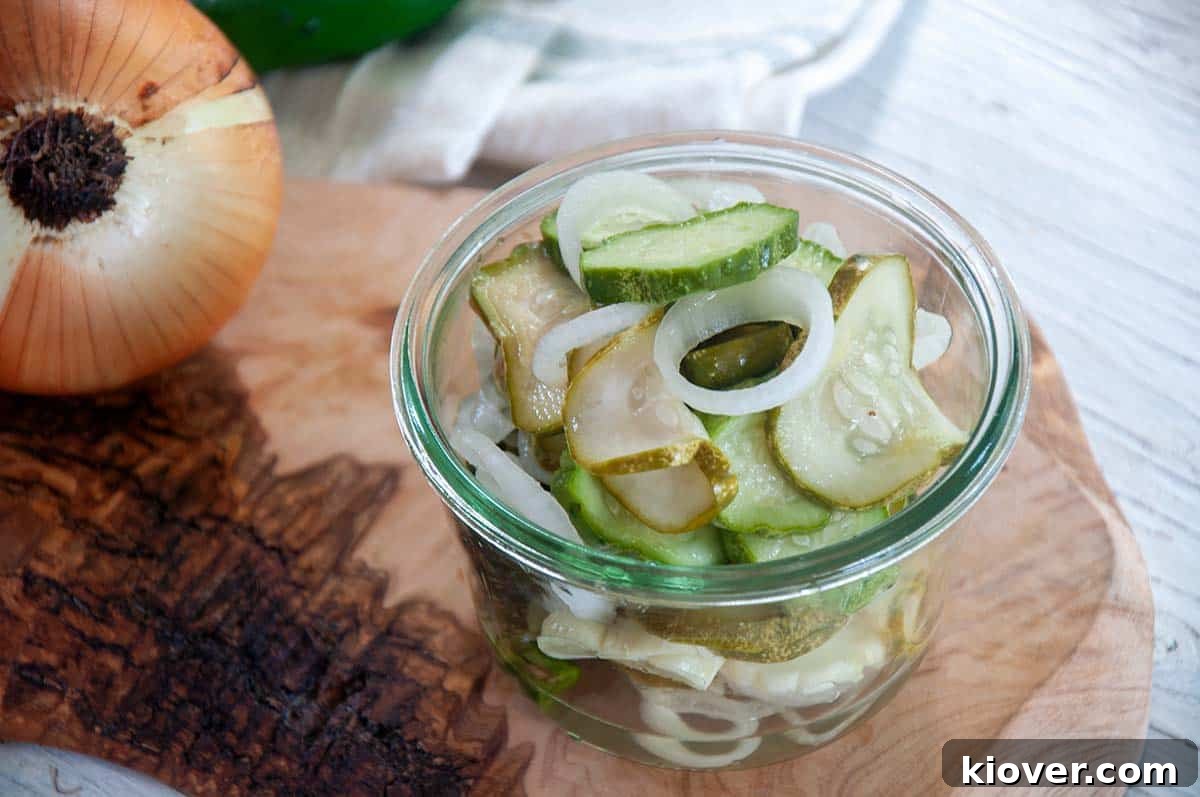
Essential Tips for Refrigerator Pickle Success
To ensure your refrigerator pickles turn out perfectly every time, keep these helpful tips in mind:
- Use Fresh, Firm Cucumbers: The crispier the cucumber, the crisper your pickle will be. Avoid any cucumbers that feel soft or look bruised. Small, pickling varieties work best, but standard slicing cucumbers are also fine.
- Slice Uniformly: Consistent slicing (around 1/4 inch thick) ensures that all cucumber pieces pickle at the same rate, resulting in an even texture and flavor.
- Don’t Overfill Your Container: While the cucumbers will release liquid, ensure you have enough space in your container for the brine to form and for the cucumbers to be adequately submerged.
- Shake or Stir Occasionally: During the marinating period, especially in the first few hours, giving the container a gentle shake or stirring the contents will help distribute the ingredients and ensure all cucumbers get equally exposed to the developing brine.
- Taste and Adjust: After the initial 24-hour marination, taste a pickle. If you prefer it sweeter, add a little more sugar; for more tang, a splash more vinegar. You can adjust the flavor slightly over the first few days.
- Consider Peeling: While this recipe works well with unpeeled cucumbers, if you prefer a softer pickle or are using cucumbers with very thick skins, you can peel them before slicing.
Frequently Asked Questions (FAQ) About Refrigerator Pickles
- Q: Can I use different types of cucumbers?
- A: Yes! While pickling cucumbers (like Kirby or Boston pickles) are ideal for their crispness and smaller seeds, English cucumbers, Persian cucumbers, or even regular slicing cucumbers can be used. Just ensure they are fresh and firm.
- Q: Do I need to peel the cucumbers?
- A: No, it’s generally not necessary. Leaving the peel on contributes to a firmer pickle and adds a touch of visual appeal. However, if your cucumbers have particularly thick or waxy skins, or if you simply prefer, you can peel them before slicing.
- Q: Can I reduce the amount of sugar in the recipe?
- A: You can, but be aware that sugar plays a role in both flavor and texture. Reducing it significantly will result in a tarter pickle and might slightly affect the crispness. Experiment with small reductions to find your preferred sweetness level.
- Q: What kind of vinegar is best for refrigerator pickles?
- A: White vinegar (distilled white vinegar) is typically recommended for its clean, sharp acidity and neutral flavor, which allows the cucumber and celery seed flavors to shine. However, apple cider vinegar can be used for a slightly milder, fruitier pickle, or even a mix of vinegars.
- Q: How long do I have to wait before eating them?
- A: While they develop more flavor over time, a minimum of 24 hours of marination in the refrigerator is recommended for the best taste and texture. You’ll notice a significant change even after this short period!
Easy No-Cook Refrigerator Pickles
Author: Ben
Prep Time: 10 minutes
Cook Time: 0 minutes
Total Time: 5 minutes (active), 24 hours (marination)
Yield: 12 servings
Category: Side Dish, Snack
Method: No Cook
Cuisine: American
Description
If you’re looking for a simple, easy, and no-mess way to transform your fresh cucumbers, this refrigerator pickles recipe is a must-try. They are fantastic to have on hand and an excellent method to utilize your garden’s cucumber harvest.
Ingredients
- 6 medium unpeeled cucumbers, sliced (about 1/4 inch thick)
- 2 cups granulated sugar
- 1 cup white vinegar
- 1 tablespoon salt
- 1 teaspoon celery seed
- 1 onion, thinly sliced
Instructions
- Mix all ingredients together in a large, non-reactive bowl (glass or ceramic). Ensure cucumbers and onions are evenly coated.
- Let stand in the refrigerator for at least 24 hours (or overnight). This allows the cucumbers to release their moisture and form the brine. For best results, stir or gently shake the bowl occasionally during the marination period.
- Serve chilled and enjoy with your favorite meals or as a refreshing snack.
Notes
- Allow to marinate overnight for optimal flavor development.
- Stores well for up to one month in a covered container in the fridge.
- Keep in a tightly covered container to maintain freshness.
- Consider adding other ingredients, such as garlic cloves, fresh dill, or sliced peppers, to customize the flavor.
- The nutrition information provided is an estimate. Calorie count per serving can vary based on factors like how much of the liquid is consumed.
Nutrition
- Serving Size: 1 cup
- Calories: 150 calories
- Sugar: 36 g
- Sodium: 582 mg
- Fat: 0 g
- Saturated Fat: 0 g
- Unsaturated Fat: 0 g
- Trans Fat: 0 g
- Carbohydrates: 38 g
- Fiber: 1 g
- Protein: 0 g
- Cholesterol: 0 mg
Products We Recommend
Having the right tools can make your pickling experience even smoother:
- Large covered bowl: Essential for mixing and marinating your pickles.
- Quality Knife Set: For precise and easy slicing of cucumbers and onions.
Your Pickle Journey Continues!
We are absolutely thrilled that you decided to give this easy no-cook refrigerator pickle recipe a try! It’s truly a fantastic way to enjoy fresh flavors and make the most of your produce. If you enjoyed making and tasting these pickles as much as we do, please consider sharing your experience. We’d love to hear from you in the comments section below – tell us your favorite ways to enjoy them, or any variations you tried!
Your feedback helps our community of home cooks, so don’t hesitate to give this recipe a rating. If you’re a pickle enthusiast, you might also love our Potluck Pickle Wrap recipe for another delightful pickle-inspired dish. For more delicious recipes and kitchen tips, be sure to explore the rest of our website or even consider sending an old-fashioned recipe card to your favorite family member.
Thank you for visiting, for cooking with us, and for being a cherished part of the Ramshackle Pantry family!