
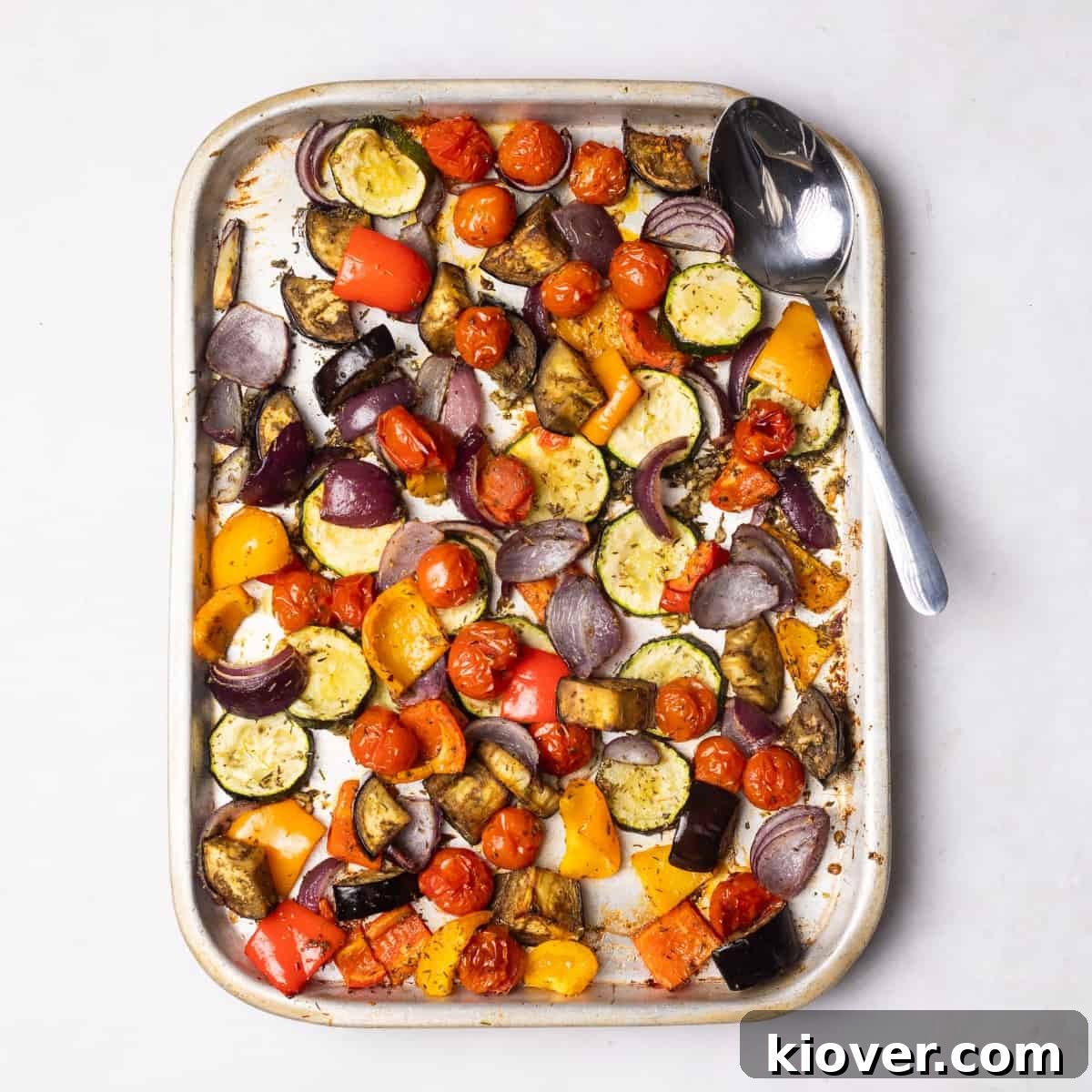
These Mediterranean Roasted Vegetables are not just a side dish; they’re a vibrant celebration of flavor, color, and nutrition! Perfect for any meal or occasion, this recipe offers an incredibly healthy and delicious addition to your culinary repertoire. With minimal preparation, you can achieve a wonderfully aromatic and satisfying dish that truly captures the essence of Mediterranean cuisine. Expect a symphony of textures and tastes, all brought together with just a few simple steps.
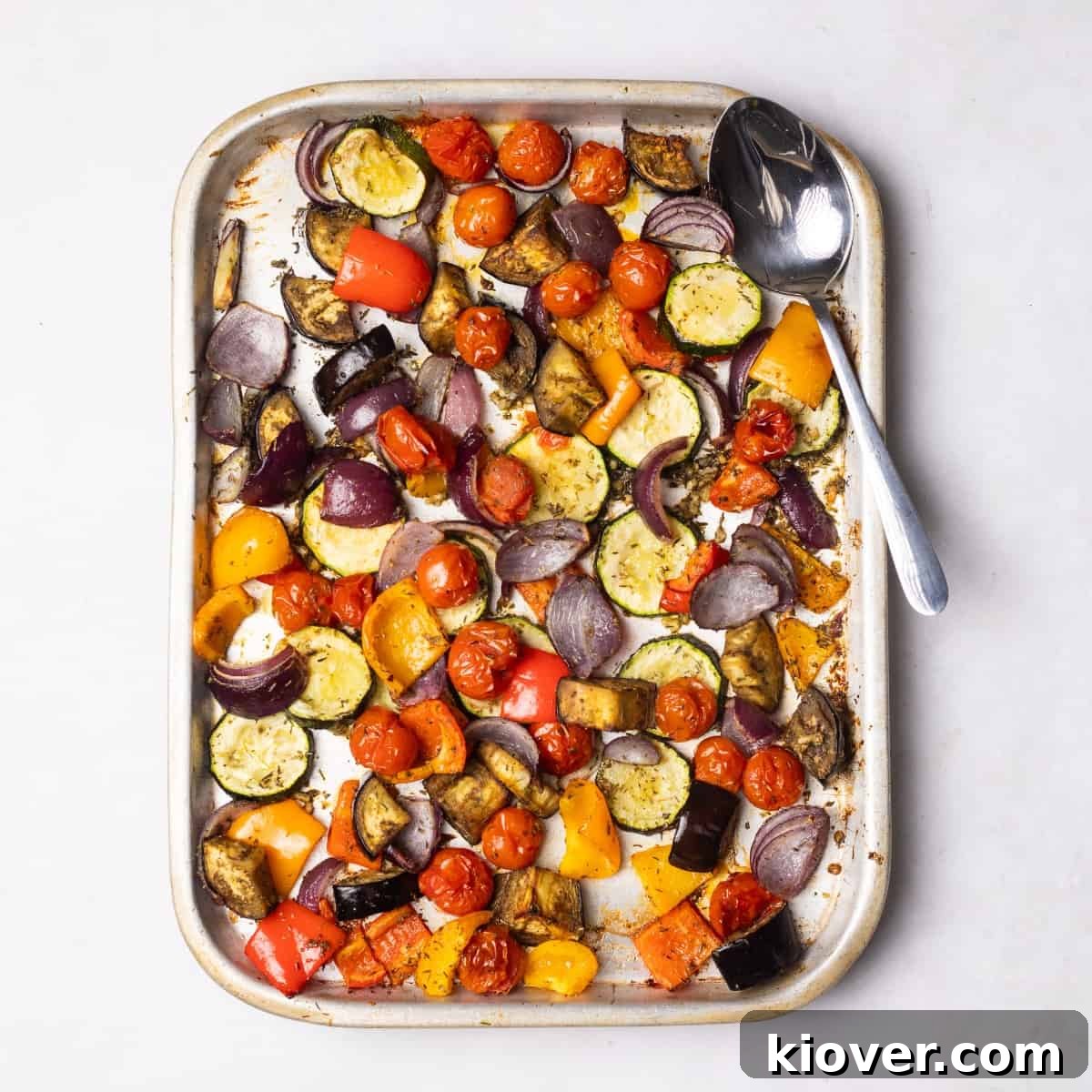
Recipe Difficulty – Very Easy
Table of Contents
- Why This Mediterranean Vegetable Recipe Works
- Essential Ingredients for Mediterranean Roasted Vegetables
- Customizing Your Mediterranean Vegetable Roast: Substitutions and Variations
- Step-by-Step Guide: How to Make Perfect Mediterranean Vegetables
- Expert Tips for Storing and Reheating Roasted Vegetables
- Frequently Asked Questions About Mediterranean Roasted Vegetables
- Mediterranean Roasted Vegetables Recipe Card
- You Might Also Enjoy…
- Rate This Recipe!
Why This Mediterranean Vegetable Recipe Works
Roasted Mediterranean vegetables are more than just a convenient sheet pan side dish; they represent a cornerstone of healthy eating and effortless cooking. This recipe shines throughout the year, offering flexibility whether you’re craving a cozy winter meal or a light summer accompaniment. Imagine the ease of prepping your ingredients and then simply letting the oven do the work, or even taking them outdoors for a delightful summer grill session. Their incredible adaptability means they pair perfectly with a wide array of main dishes, from succulent grilled meats and hearty soups to light sandwiches and vibrant grain bowls. The intrinsic health benefits of these sun-kissed vegetables are undeniable, making them a fantastic choice for anyone looking to boost their nutrient intake.
This Mediterranean vegetable roast brings together a medley of six distinct vegetables, transforming them into a harmonious blend of textures and deeply concentrated flavors. It’s truly special when a side dish becomes a highlight of the meal, and that’s precisely what happens here. Each bite offers a delightful burst of sweetness, earthiness, and aromatic herbs that will tantalize your taste buds. For a truly comforting winter feast, consider serving these alongside a robust Christmas Nut Roast. Both recipes are excellent candidates for doubling, making them ideal for family gatherings or entertaining friends, ensuring everyone gets to enjoy a wholesome and flavorful meal.
One of the most appealing aspects of these Mediterranean roasted vegetables is their remarkable versatility. Don’t have a specific vegetable on hand? No problem! Feel free to substitute it with whatever fresh produce you have in your fridge. If certain vegetables aren’t a family favorite, simply swap them out for alternatives that everyone will enjoy. The beauty of this recipe lies in its forgiving nature; the core seasonings and cooking method remain consistent, allowing for endless customization without compromising on taste or quality. This approach makes healthy eating both exciting and accessible. This recipe was inspired by my popular Sheet Pan Roasted Root Vegetables recipe and complements dishes like my amazing Creamy Mushroom Alfredo or a fresh batch of Beet Hummus beautifully.
Essential Ingredients for Mediterranean Roasted Vegetables
Achieving the perfect balance of flavor in your roasted Mediterranean vegetables starts with selecting high-quality, fresh ingredients. Each component plays a crucial role in building the dish’s rich taste and vibrant appearance. Below is a detailed look at the core ingredients that make this recipe a standout:
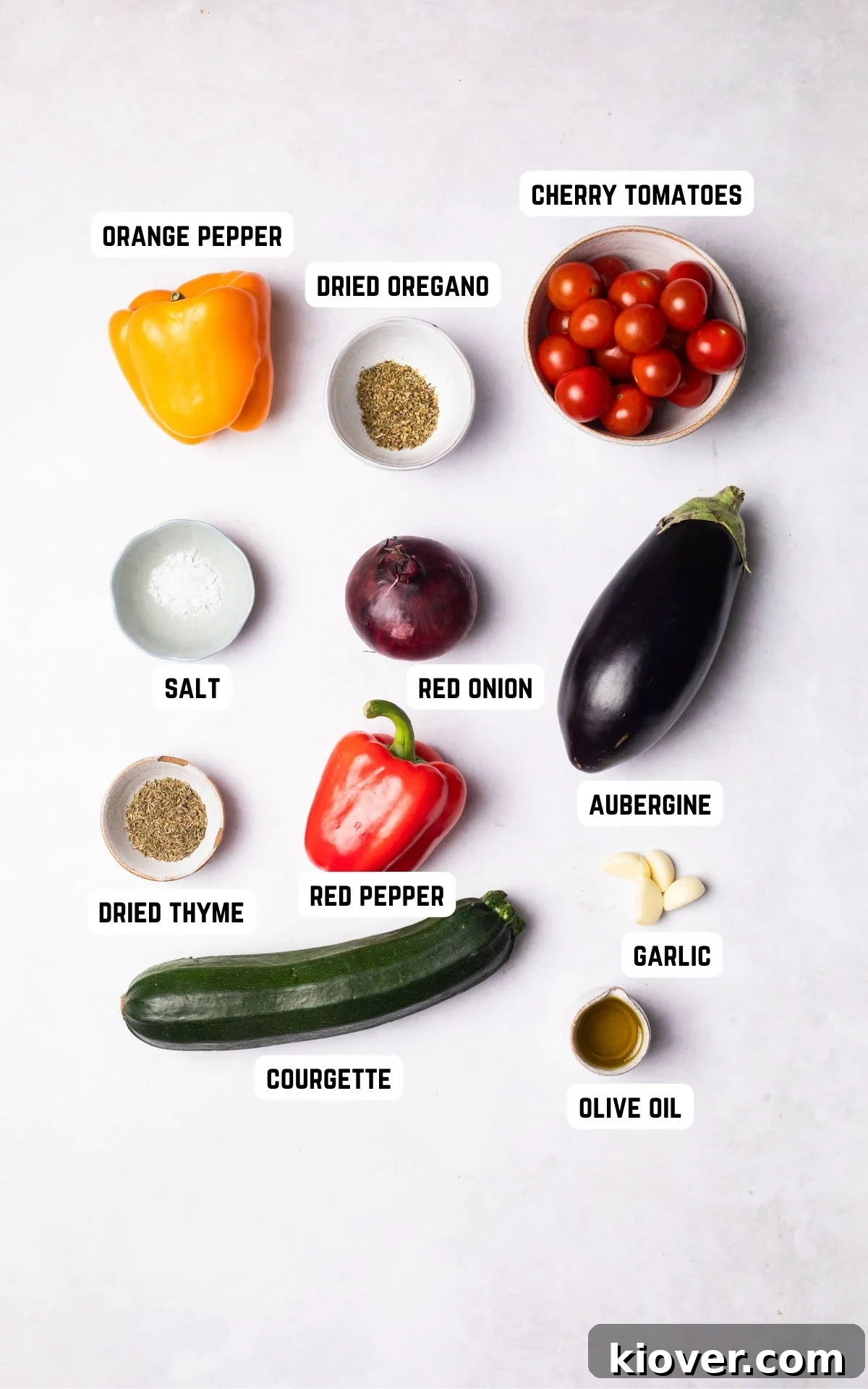
- Extra-Virgin Olive Oil: This isn’t just a cooking fat; it’s a cornerstone of Mediterranean cuisine, lending a distinctive fruity and peppery note. It’s essential for crisping the vegetables to perfection and contributes healthy monounsaturated fats. Always opt for good quality extra-virgin olive oil for the best flavor.
- Garlic Cloves: The aromatic foundation of countless Mediterranean dishes, garlic adds a pungent, savory, and slightly sweet “umami” depth that beautifully complements the vegetables. Freshly crushed garlic is always preferred for its robust flavor.
- Dried Oregano: A quintessential Mediterranean herb, dried oregano offers a bold, earthy, and slightly peppery flavor that pairs wonderfully with roasted vegetables. It evokes the sunny landscapes of the Mediterranean with every bite.
- Dried Thyme: Known for its delicate, earthy, and subtly minty notes, dried thyme is a staple in Italian and French cooking, further enhancing the complex flavor profile of this dish. Together with oregano, it creates a classic herbaceous blend.
- Salt: A fundamental seasoning that elevates all other flavors, salt is crucial for bringing out the natural sweetness and savory characteristics of the vegetables. Use a good quality sea salt or kosher salt.
- Red Onion: When roasted, red onions lose their raw sharpness and develop a delightful sweetness, along with a tender yet distinct texture. They add a beautiful pop of purple to the colorful mix.
- Red Pepper: The sweetest of the bell pepper family, red peppers contribute a wonderful natural sugar content that caramelizes beautifully when roasted. They are rich in vitamins and offer a vibrant red hue.
- Orange Pepper: Adding another layer of visual appeal and a slightly less sweet but still mellow flavor than red peppers, orange bell peppers enhance the overall color palette and nutritional value of the dish.
- Courgette (Zucchini): This mild-flavored squash absorbs the delicious seasoning and olive oil beautifully, becoming tender and slightly browned. It adds a lovely soft texture to the medley. If you have extra, try my delicious Courgette Pasta or savory Courgette Fritters.
- Aubergine (Eggplant): Also known as eggplant, aubergine has a unique, slightly smoky flavor and a wonderfully meaty texture when roasted. It acts like a sponge, soaking up all the aromatic oils and herbs. For more aubergine inspiration, don’t miss my flavorful Aubergine Curry.
- Cherry Tomatoes: These small, sweet tomatoes are absolute flavor bombs! When roasted, their skins burst, releasing a concentrated burst of sweet and tangy juiciness that adds a fresh counterpoint to the other vegetables.
For precise measurements and detailed instructions, please refer to the comprehensive recipe card below.
Customizing Your Mediterranean Vegetable Roast: Substitutions and Variations
The true beauty of Mediterranean roasted vegetables lies in their incredible flexibility. This recipe serves as a fantastic foundation, encouraging you to experiment and tailor it to your preferences, what’s in season, or what you have available. Don’t be afraid to make it your own!
Clever Substitutions to Try:
- Oils: While extra-virgin olive oil is quintessential for its flavor and health benefits, other neutral oils like avocado oil or grapeseed oil can also be used, especially if you’re aiming for a slightly higher smoke point. However, for that authentic Mediterranean taste, olive oil is highly recommended.
- Seasonings: The oregano and thyme blend is a beloved classic for these roasted Mediterranean vegetables, but your spice rack offers a world of possibilities! Feel free to incorporate other Mediterranean herbs like fresh rosemary sprigs, dried basil, or even a touch of marjoram. For a different flavor profile, consider adding a pinch of smoked paprika or a dash of ground cumin for a subtle warmth. Alternatively, a dollop of pesto tossed with the roasted vegetables after baking can introduce a rich, basil-infused finish.
- Vegetables: This recipe is a canvas for your favorite produce. If you don’t have one of the listed vegetables, simply swap it for another, or omit it entirely. The key is to cut vegetables into similar sizes for even cooking. Some excellent additions or substitutions include:
- Root Vegetables: Diced sweet potatoes, carrots, or parsnips can add a lovely sweetness and earthy depth. (Note: Denser root vegetables might need a head start, roasting for 10-15 minutes before adding softer vegetables.)
- Cruciferous Veggies: Broccoli florets, cauliflower florets, or Brussels sprouts roast beautifully, developing nutty flavors.
- Other Favorites: Sliced mushrooms, asparagus spears (add in the last 10-15 minutes), green beans, or even bell peppers of different colors can enhance the dish.
Just be mindful of varying cooking times; denser vegetables will generally take longer to become tender.
Exciting Variations to Elevate Your Dish:
- Spicy Kick: For those who love a bit of heat, mix a pinch of cayenne pepper or a ¼ teaspoon of red pepper flakes into the olive oil mixture. This will add a delightful warmth that complements the sweet roasted vegetables. A dash of chili powder can also work well.
- Deluxe Presentation: To transform this humble side into a showstopper, focus on presentation and gourmet additions. After roasting, sprinkle with fresh herbs like chopped parsley or basil. Serve alongside delicate lemon wedges for a bright, zesty finish. A drizzle of high-quality balsamic glaze or a generous dollop of creamy hummus on the side adds sophistication. For non-vegans, tossing in cubes of Halloumi cheese with the vegetables during the last 15-20 minutes of roasting creates a deliciously salty, chewy texture. A sprinkle of crumbled feta cheese at the end is also a fantastic Mediterranean touch.
- Kid-Friendly Approach: Encourage your little ones to enjoy their veggies by making them appealing. Ensure at least one vegetable your child already likes is included in the mix. You can also cut vegetables into fun shapes, or serve the roasted veggies with a favorite dipping sauce, like a mild yogurt dip or a simple ketchup alternative. Sometimes, offering choices, like “red or orange pepper?” can make them feel more involved and willing to try new foods.
Looking for a complete meal? Check out this Sausage Tray Bake versionof a similar concept on my website, combining protein and veggies in one pan!
Step-by-Step Guide: How to Make Perfect Mediterranean Vegetables
Creating these flavorful Mediterranean roasted vegetables is wonderfully straightforward. Follow these simple steps to achieve a perfectly tender and caramelized medley every time.
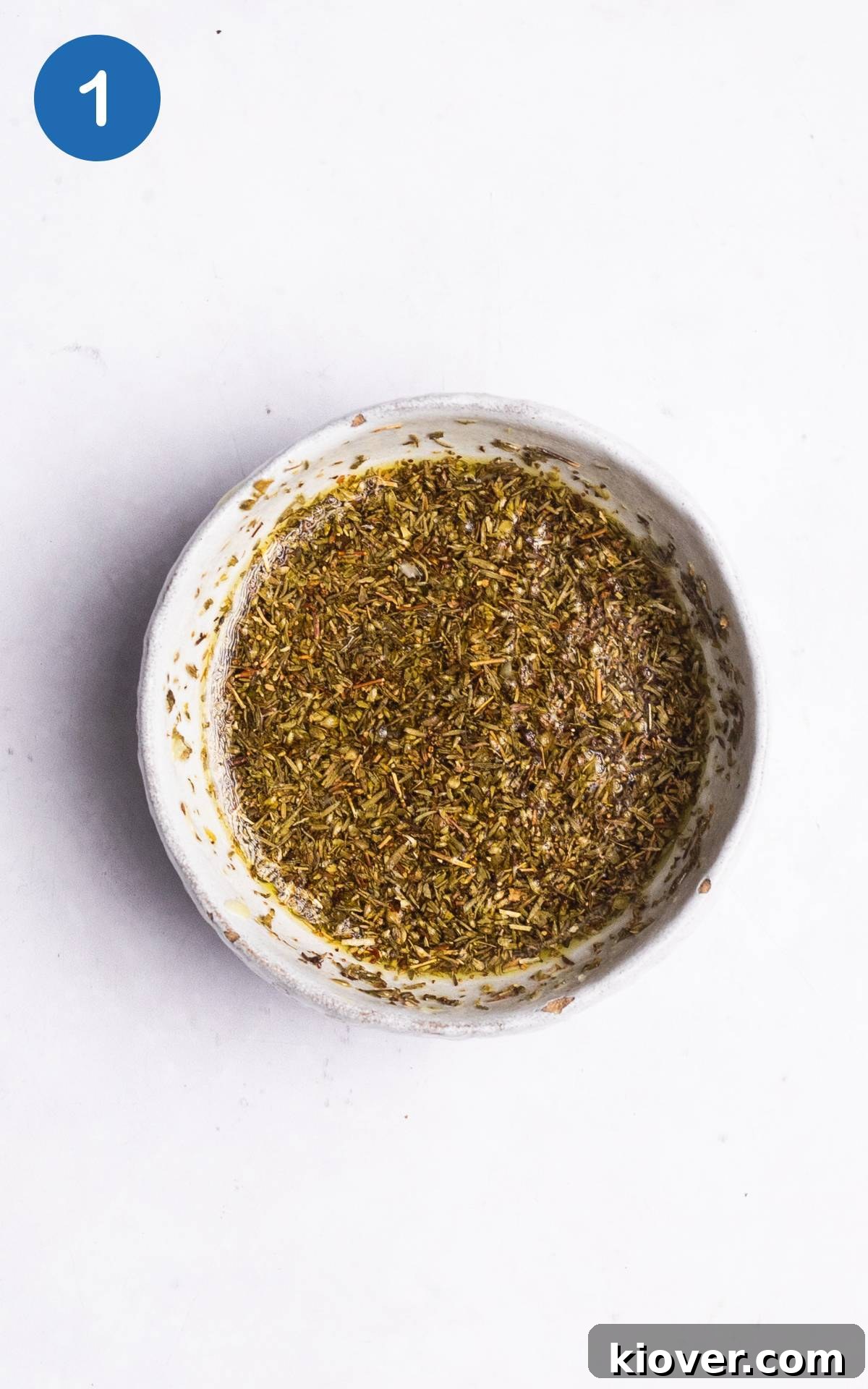
Step 1: Prepare the Seasoning and Preheat the Oven. Begin by preheating your oven to a moderate 180°C (356°F). This ensures the oven is at the correct temperature for even roasting from the start. In a small bowl, combine the crushed garlic with the extra-virgin olive oil, dried oregano, dried thyme, and salt. Stir these ingredients thoroughly until they are well mixed, creating an aromatic coating for your vegetables. This simple blend forms the flavor base of your Mediterranean roast.
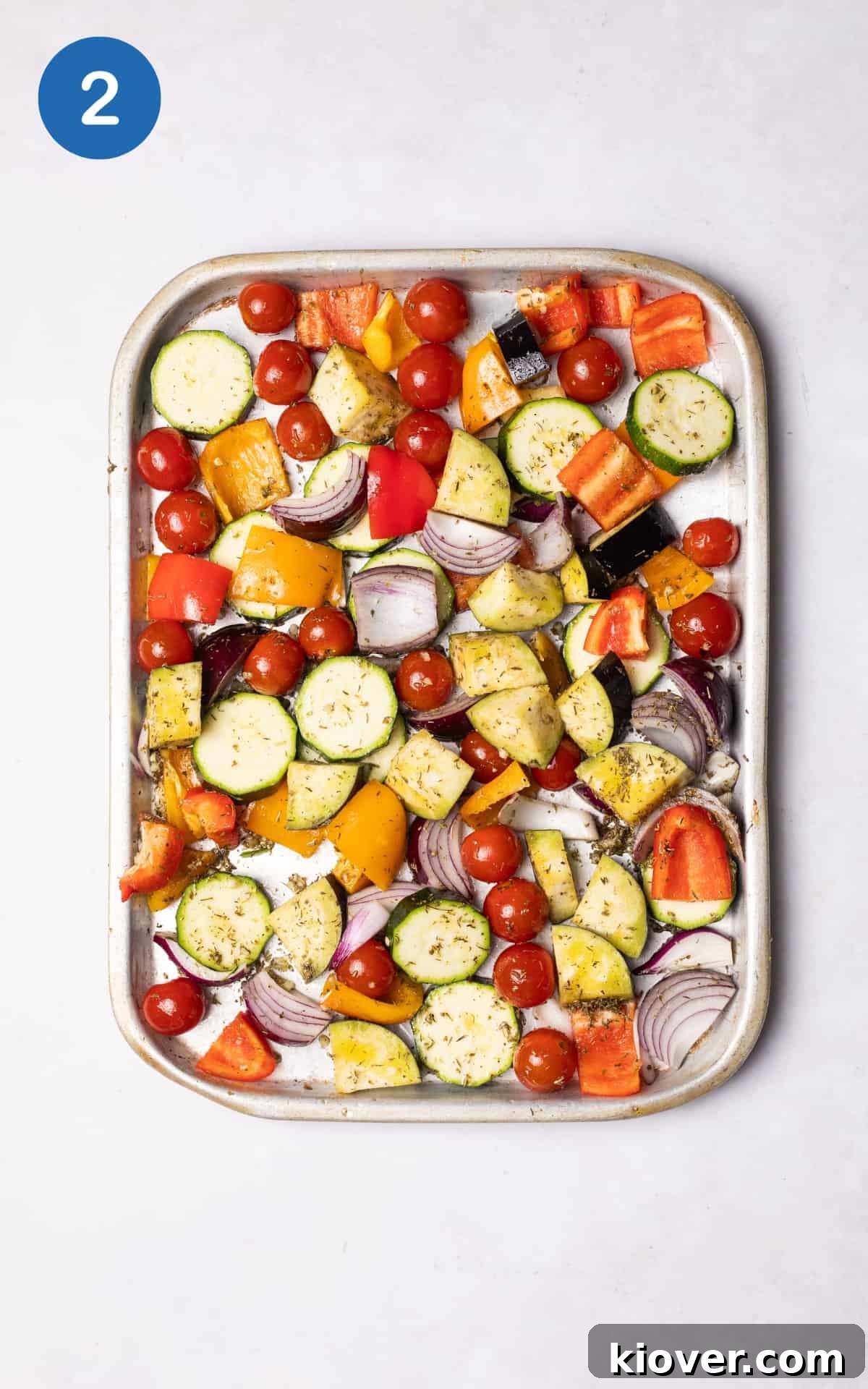
Step 2: Chop, Coat, and Roast the Vegetables. Wash and prepare your vegetables. Chop the red onion, red pepper, orange pepper, courgette, and aubergine into roughly 1-inch (2.5 cm) chunks. Aim for uniform pieces to ensure consistent cooking. Place all the chopped vegetables, along with the cherry tomatoes, onto a large baking tray. Make sure not to overcrowd the tray; if necessary, use two trays to allow the vegetables to roast rather than steam, promoting better caramelization. Pour the olive oil and herb mixture over the vegetables and toss gently to ensure every piece is evenly coated. Spread them in a single layer on the tray. Place the tray into the preheated oven and roast for approximately 35 minutes, stirring the vegetables halfway through the cooking time to ensure all sides get beautifully browned and tender.
Hint: Oven temperatures can vary significantly. Keep a close eye on your vegetables, especially towards the end of the cooking time, to prevent over-roasting and ensure they reach your desired level of tenderness and caramelization.
Expert Tips for Storing and Reheating Roasted Vegetables
While roasted Mediterranean vegetables are undoubtedly at their best when served fresh out of the oven, their deliciousness doesn’t have to end there! With proper storage and reheating techniques, you can enjoy them for days to come. Here’s how to handle leftovers and even prepare ahead:
Storing Leftovers:
- Refrigeration: Allow the roasted vegetables to cool completely to room temperature before storing. This prevents condensation, which can make them soggy. Transfer them to an airtight container and refrigerate for 3-5 days. The flavors often meld and deepen slightly overnight, making them an excellent choice for quick meals.
Reheating Methods:
- Oven: This is generally the best method for restoring some crispness. Spread the vegetables in a single layer on a baking sheet and reheat in a preheated oven at 180°C (356°F) for 10-15 minutes, or until heated through and slightly re-crisped.
- Air Fryer: For smaller batches, an air fryer works wonders for quick reheating and crisping. Cook at 180°C (356°F) for 5-8 minutes, shaking the basket halfway through.
- Microwave: While convenient, the microwave tends to make roasted vegetables softer and less crispy. Use it if you’re in a hurry and prioritize speed over texture. Heat in 30-second intervals until warmed through.
Meal Prepping Roasted Vegetables:
You can certainly meal prep Mediterranean vegetables, though for the absolute best texture, roasting them fresh is ideal. However, there are smart ways to get ahead:
- Pre-Chop and Store: The most effective meal prep strategy is to chop all your vegetables the day before. Store the different types of vegetables in separate airtight containers in the refrigerator. When you’re ready to cook, simply combine them with the olive oil and seasoning mixture, then roast as directed. This significantly cuts down on dinner-time prep.
- Freezing (Before Roasting): If you want to freeze vegetables for future roasting, it’s best to freeze them *before* they are cooked. Wash and chop the vegetables, then spread them in a single layer on a baking sheet and freeze until solid. Transfer the frozen pieces to a freezer-safe bag or container. This prevents them from clumping together. When ready to use, you can often roast them directly from frozen, although they might release more water and take a bit longer to cook. They can be stored for up to 6 months.
- Freezing (After Roasting): While possible, freezing already roasted vegetables can alter their texture significantly upon thawing, often resulting in a softer, mushier consistency. If you do freeze them, ensure they are completely cool and dry, then store in an airtight, freezer-safe container for up to 3 months. Thaw in the refrigerator overnight before reheating in the oven or air fryer to try and regain some texture.
By following these tips, you can extend the enjoyment of your delicious Mediterranean roasted vegetables and make healthy eating even more convenient!
Frequently Asked Questions About Mediterranean Roasted Vegetables
Here are some common questions about making and serving these delightful Mediterranean vegetables:
Mediterranean roasted vegetables are incredibly versatile and pair beautifully with a wide range of dishes. For a simple and healthy meal, serve them alongside fluffy couscous, nutritious quinoa, or a crisp green salad with a lemon-herb dressing. If you’re looking for something more substantial, they are an excellent accompaniment to grilled or baked chicken, flaky salmon, or a perfectly seared steak. They also complement plant-based mains like lentil burgers, tofu skewers, or a hearty bean stew.
Topping your Mediterranean vegetables can add an extra layer of flavor and visual appeal. Simple yet delicious options include a sprinkle of fresh chopped herbs like parsley, basil, or mint after roasting. Crumbled feta cheese (for non-vegans) adds a salty, tangy kick, while a drizzle of honey-balsamic glaze offers a touch of sweetness and acidity. A squeeze of fresh lemon juice brightens the entire dish, and toasted pine nuts or sunflower seeds can add a pleasant crunch. Don’t forget a dollop of your favorite hummus or a spoonful of pesto for added richness.
Yes, absolutely! While they are best enjoyed fresh, you can definitely meal prep Mediterranean vegetables to save time. The most effective way to meal prep is to chop all your vegetables in advance and store them in airtight containers in the refrigerator. When you’re ready to cook, simply toss them with the oil and seasonings and roast. If you’re planning to freeze them, it’s generally best to do so before baking, after chopping, to maintain the best texture. This way, they’re ready to go straight from the freezer to the oven!
They are exceptionally healthy! Mediterranean vegetables themselves are packed with vitamins, minerals, and fiber, contributing to overall well-being. Roasting them with extra-virgin olive oil adds healthy monounsaturated fats, which are beneficial for heart health and nutrient absorption. While some nutrients can be lost during cooking, the vast majority remain, making this a highly nutritious and delicious way to consume a rainbow of vegetables. It’s a fantastic dish for supporting a balanced and health-conscious diet.
YOU MIGHT ALSO ENJOY…
Sides
Roasted Root Vegetables
5 Ingredients
The BEST Aubergine Miso (Nasu Dengaku)
Sides
Rosemary Roast Potatoes
Dinner
Sausage Tray Bake
Rate This Recipe!
Tried this Mediterranean Roasted Vegetables recipe? We’d love to hear from you! Please consider leaving a star rating below and share your experience in the comments. Your positive feedback is incredibly valuable and helps us create more delicious recipes for you.
P.S. Never miss out on new culinary inspiration! Get more healthy, plant-based recipes sent straight to your inbox weekly – Subscribe to our Newsletter and receive a free exclusive recipe eBook!
Mediterranean Roasted Vegetables
By: James Wythe
Roasted Mediterranean Vegetables are packed with vibrant flavors and nutrients, making them a perfect healthy side dish that’s incredibly easy to prepare!
5 minutes
35 minutes
40 minutes
4
Ingredients
- 2.5 tbsp extra-virgin olive oil
- 4 garlic cloves, crushed
- 1 heaped tsp dried oregano
- 1 heaped tsp dried thyme
- ¼ tsp salt
- 1 red onion, chopped into chunks
- 1 red bell pepper, chopped into chunks
- 1 orange bell pepper, chopped into chunks
- 1 courgette (zucchini), chopped into chunks
- 1 aubergine (eggplant), chopped into chunks
- 300 g cherry tomatoes
Instructions
- Preheat your oven to 180°C (356°F). In a small bowl, combine the crushed garlic with the olive oil, dried oregano, dried thyme, and salt. Mix well.
- Chop the red onion, red pepper, orange pepper, courgette, and aubergine into uniform chunks. Place them on a large baking tray along with the cherry tomatoes. Pour the olive oil and herb mixture over the vegetables and toss gently to ensure they are all evenly coated. Spread the vegetables in a single layer to avoid overcrowding.
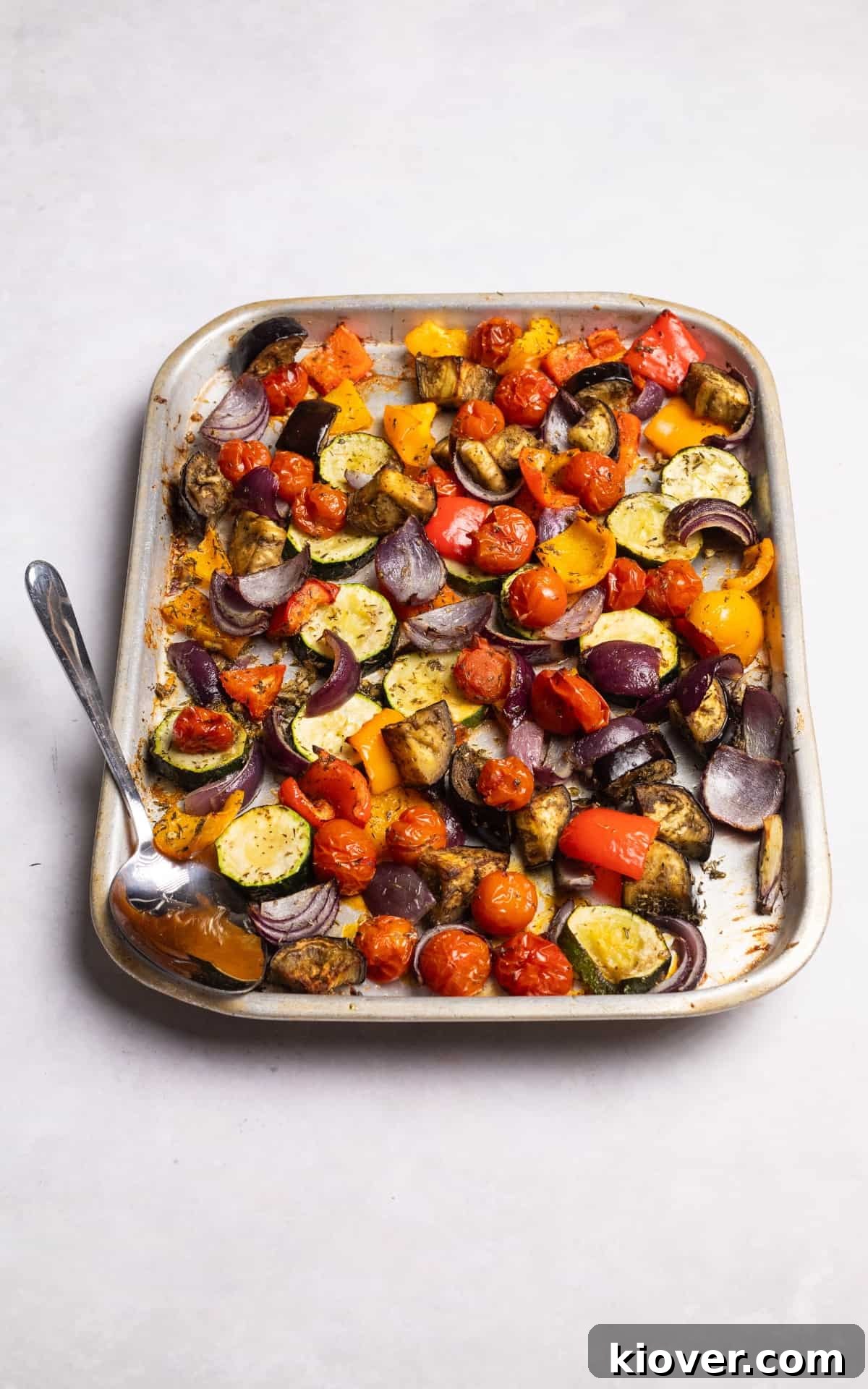
- Place the baking tray into the preheated oven and roast for 35 minutes, stirring the vegetables halfway through to ensure even cooking and browning. Serve immediately and enjoy!
Notes
- Step-by-Step Photos: For visual guidance, helpful step-by-step photos are included in the blog post above to assist you in making this recipe.
- Substitutions & Variations: A comprehensive list of ideas for customizing this recipe, including alternative vegetables and flavor boosters, can be found in the post above.
- To Store: Store any leftover roasted vegetables in an airtight container in the fridge for 3-5 days.
- To Freeze: To maintain texture, it’s best to chop and freeze vegetables raw. If freezing roasted vegetables, ensure they are completely cool and dry, then store in an airtight container for up to 3 months. Thaw in the refrigerator and reheat in the oven or air fryer.
- Tip 1: Don’t hesitate to experiment with the vegetables! Swap out any you don’t prefer for others you enjoy, or simply adjust based on what’s available seasonally.
- Tip 2: If you’re looking for guidance on how to prepare perfect quinoa to serve with these vegetables, refer to my blog post on How to Cook Quinoa.
- Tip 3: To save precious time on busy weeknights, consider chopping your vegetables the day before. Store them in an airtight container in the fridge, and they’ll be ready for roasting when dinner time arrives!