
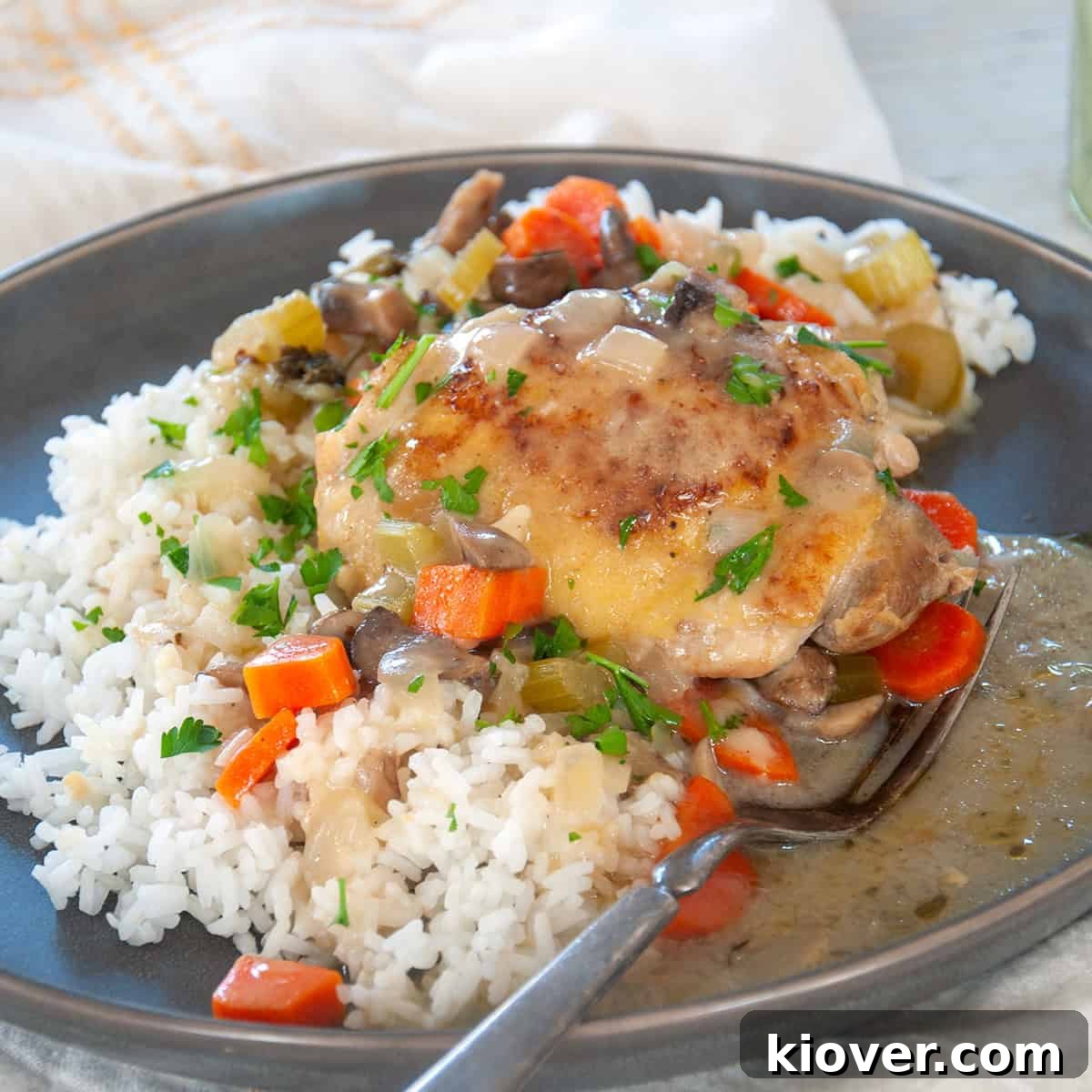
Traditional Chicken Fricassee: A Julia Child Inspired Comfort Classic
Embark on a culinary journey with this timeless Traditional Chicken Fricassee recipe, a dish that has charmed palates for centuries. Inspired by the legendary Julia Child, this rendition marries the elegance of classic French cuisine with the heartwarming simplicity of a home-cooked meal. It’s an extra comforting recipe that remains utterly sophisticated, making it perfect for both weeknight dinners and special gatherings. While its roots are deeply French, this exquisite dish found an early and enthusiastic welcome in America, and for good reason: it is absolutely delicious and surprisingly easy to prepare.
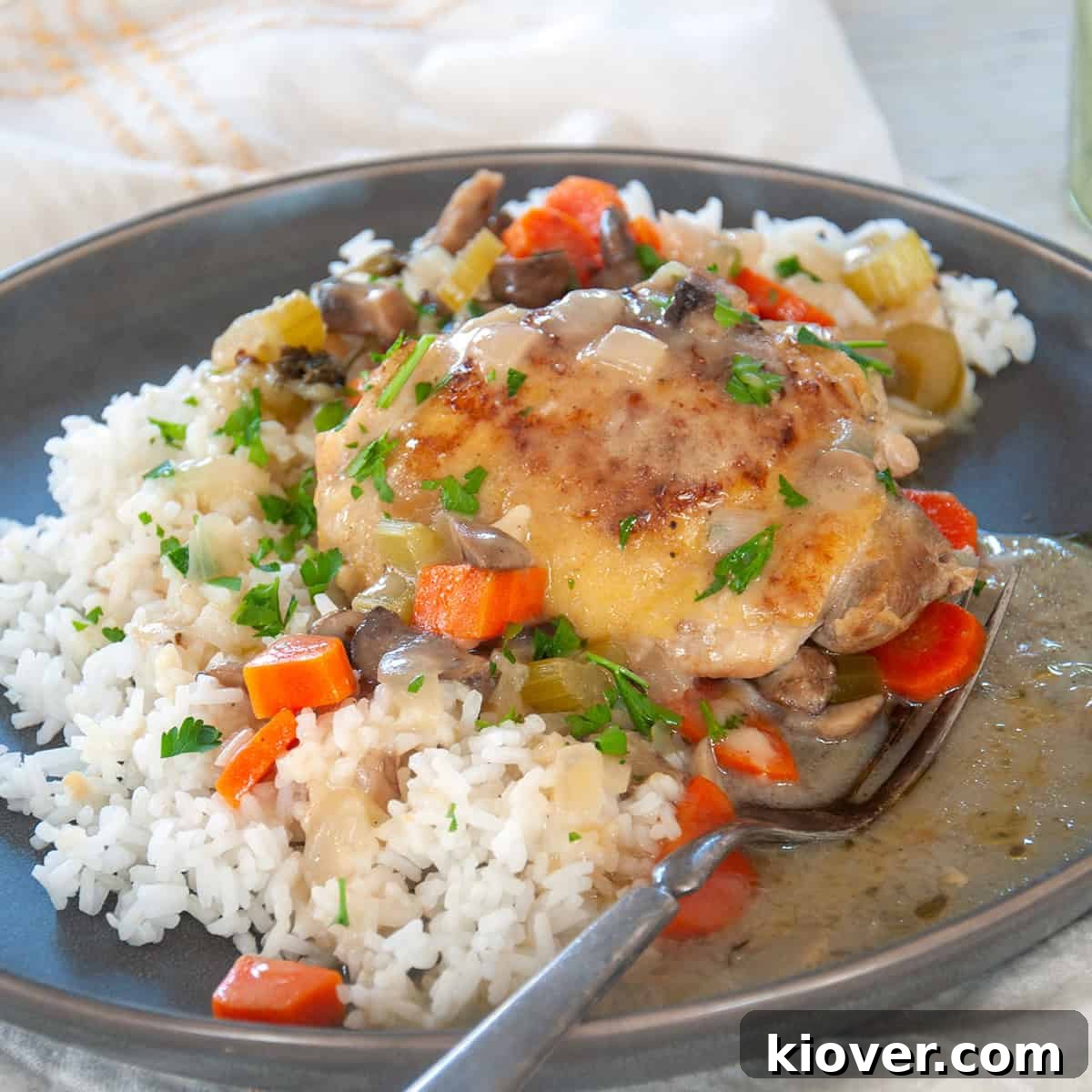
The Art of Fricassee: A Culinary Technique Explained
Fricassee is a distinguished classic cooking technique that beautifully blends the best elements of searing and stewing into a single, cohesive dish. Unlike a deep brown stew or a quick sauté, fricassee involves gently browning meat, usually white meat like chicken, without allowing it to develop a dark crust. This initial browning step is crucial for developing flavor and giving the chicken a tender exterior. Following this, the meat is simmered in a rich, flavorful, often creamy white sauce, allowing it to become incredibly tender and absorb all the aromatic nuances of the accompanying vegetables and herbs.
This method ensures the chicken remains moist and succulent, while the sauce, typically thickened with a roux or a slurry, becomes luxuriously creamy and deeply savory. It’s a technique that prioritizes tenderness and a delicate integration of flavors, resulting in a dish that feels both hearty and refined. The elegance of a fricassee lies in its nuanced flavors and smooth, velvety texture, making it a staple in French culinary traditions and a cherished comfort food worldwide.
Why This Recipe? A Nod to Julia Child, with a Modern Twist
This particular Chicken Fricassee recipe holds a special place in my heart, primarily because it draws inspiration from the unparalleled Julia Child. Her methodical approach and dedication to classic French cooking provided the foundation, but I’ve introduced a few thoughtful tweaks to make it even more accessible and, in my humble opinion, even better suited for modern home cooks. My goal was to maintain the authentic charm and robust flavor profile of Child’s original while simplifying certain aspects for a family-friendly experience.
One key adaptation involves streamlining the thickening process, ensuring a perfectly creamy sauce without unnecessary fuss. Additionally, I’ve optimized ingredient quantities and steps to make the cooking experience smoother and less intimidating for those new to French cuisine. This traditional Chicken Fricassee still captures all the iconic elegance and depth of flavor that made Child’s recipes legendary, but with a personal spin that I believe you and your family will absolutely adore. It’s a testament to how classic recipes can evolve while retaining their core integrity and deliciousness.
Essential Ingredients for a Perfect Chicken Fricassee
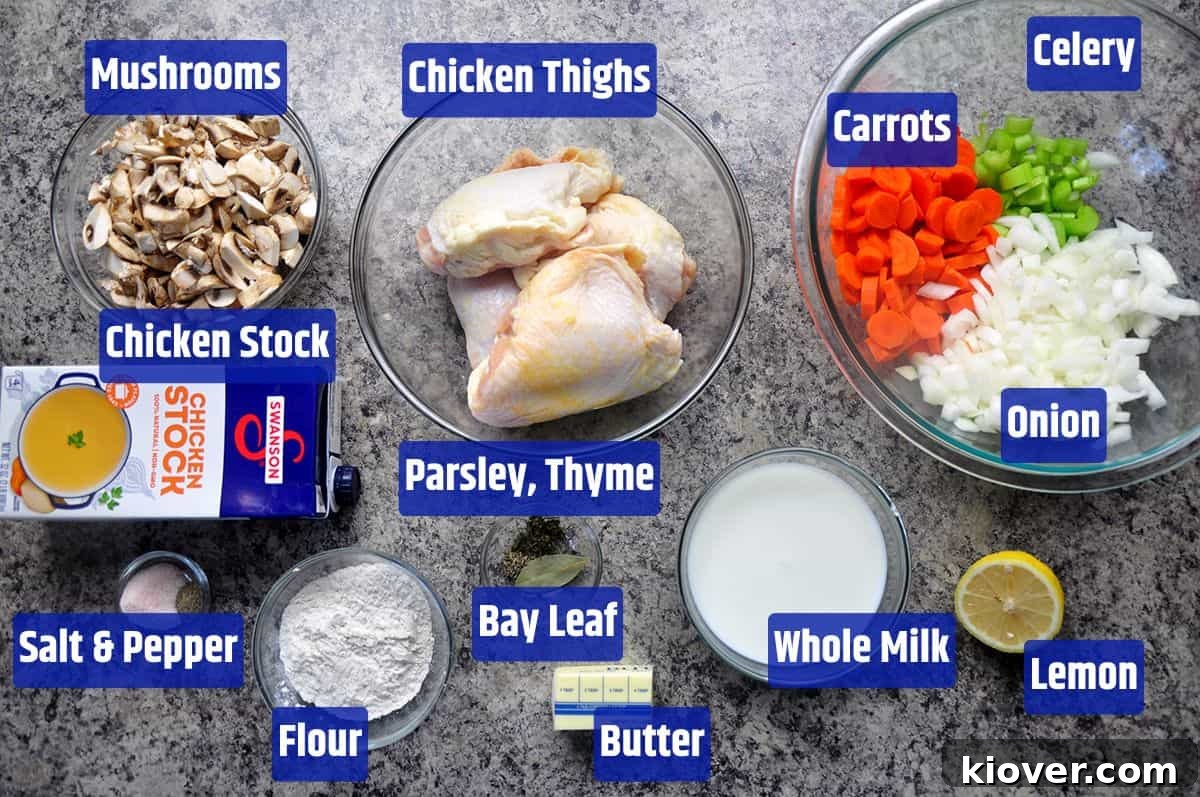
Crafting a truly exceptional Chicken Fricassee starts with selecting the right ingredients. Each component plays a vital role in building the layered flavors and achieving the desired creamy texture that defines this classic dish. While the beauty lies in its simplicity, quality ingredients elevate the experience.
The Chicken
For the most succulent and flavorful fricassee, I highly recommend using bone-in, skin-on chicken thighs. The bones impart a deeper flavor to the sauce as it simmers, and the skin, when lightly browned, contributes richness and helps keep the meat moist. While you can opt for boneless breasts or drumsticks, thighs offer a superior balance of tenderness and flavor that truly shines in this dish. Aim for about 2 1/2 to 3 pounds, which usually translates to 4 medium or 6 small thighs.
The Aromatics: Building the Flavor Base
The foundation of any great sauce begins with a robust aromatic base. Our fricassee features a classic mirepoix, enhanced with earthy mushrooms:
- Butter: Four tablespoons of unsalted butter provide the rich fat for sautéing and form the initial base for the sauce.
- Onion: One medium onion, finely chopped, adds a sweet and pungent depth.
- Carrots: Two carrots, chopped, contribute natural sweetness and color.
- Celery: Two celery ribs, chopped, bring a subtle savory note and aromatic complexity.
- Mushrooms: An 8-ounce package of chopped mushrooms (cremini or white button work beautifully) introduces an umami richness that complements the chicken perfectly.
The Rich Sauce Base
The creamy sauce is the heart of the fricassee, enveloping the chicken and vegetables in a luxurious embrace.
- Flour: Half a cup of all-purpose flour is essential for both browning the chicken slightly and thickening the sauce. Divided usage ensures proper coating and then a smooth slurry.
- Chicken Stock: Four cups of high-quality chicken stock (preferably homemade for superior flavor, like this homemade Chicken Stock recipe) are crucial for the simmering liquid and the body of the sauce.
- Whole Milk: One cup of whole milk adds the characteristic creaminess and richness to the fricassee sauce. For variations, you can adjust the fat content or use dairy-free alternatives.
Herbs and Seasonings
Simple yet powerful herbs and seasonings enhance the natural flavors without overpowering them.
- Salt and Pepper: Starting with 1/2 teaspoon salt and 1/4 teaspoon pepper, with an additional 1 teaspoon of salt (or more to taste), ensures the dish is perfectly seasoned throughout the cooking process.
- Dried Parsley: One teaspoon of dried parsley adds a fresh, herbaceous note.
- Bay Leaf: One bay leaf infuses the sauce with a subtle, aromatic depth during simmering.
- Dried Thyme: A quarter teaspoon of dried thyme complements the chicken and vegetables with its earthy, floral essence.
- Lemon Juice: One tablespoon of fresh lemon juice added at the end brightens the entire dish, cutting through the richness and adding a delightful tang.
Carefully selecting and preparing these ingredients will set the stage for an unforgettable Traditional Chicken Fricassee.
Step-by-Step: Crafting Your Traditional Chicken Fricassee
Creating this delicious Chicken Fricassee is a rewarding process. Follow these detailed instructions to achieve a perfectly tender chicken and a rich, creamy sauce.
- Prepare Your Pan and Melt Butter: Begin by selecting a large sauté pan or Dutch oven that offers ample space for all ingredients – overcrowding can hinder proper browning and sautéing. Melt 4 tablespoons of butter over medium heat. Ensure the butter is fully melted and lightly shimmering before proceeding.
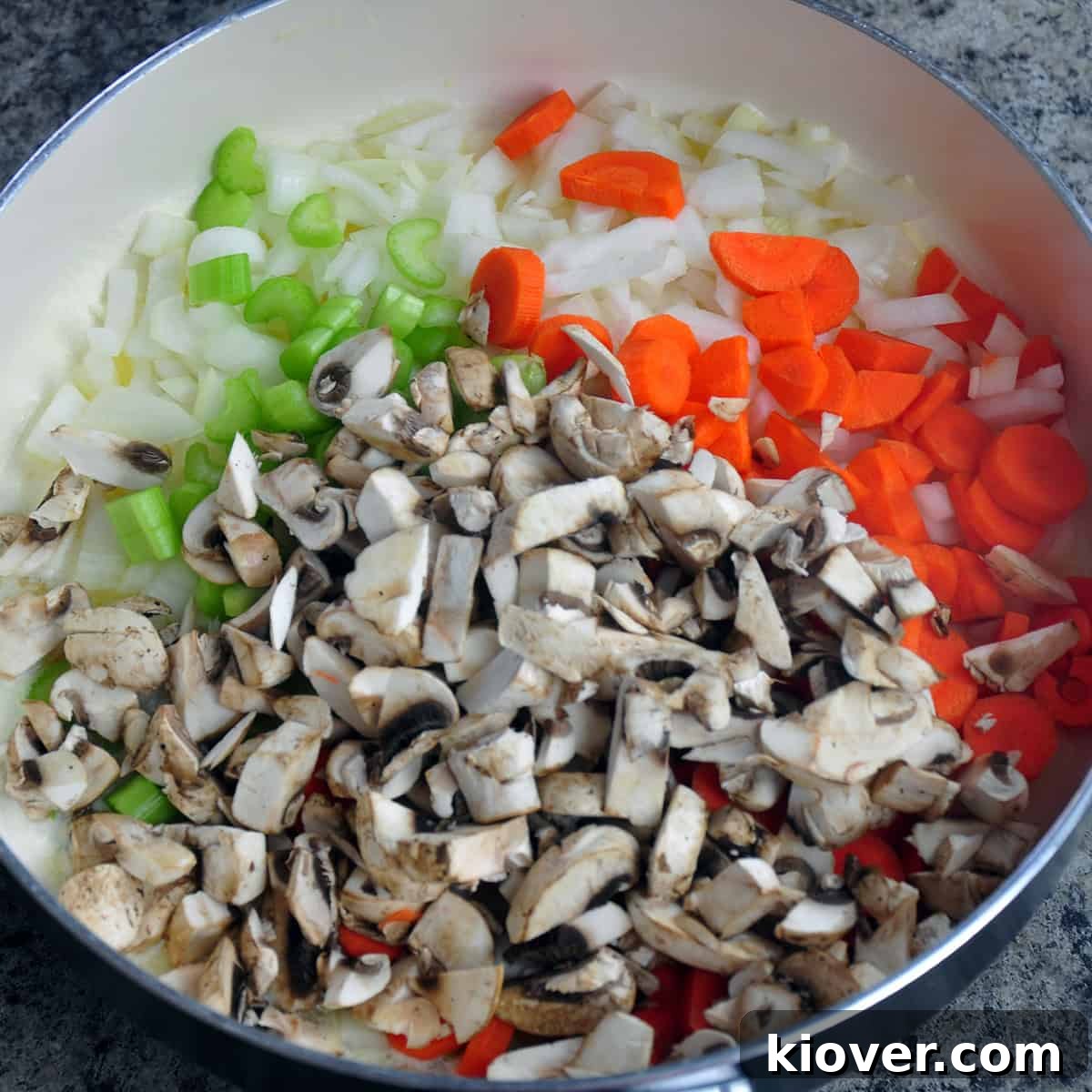
- Sauté the Vegetables: Add the chopped onions, carrots, celery, and mushrooms to the melted butter in the pan. Stir frequently and cook until the vegetables are tender but not browned, typically about 5-7 minutes. This gentle cooking extracts their sweet and savory essences, forming a crucial flavor base.
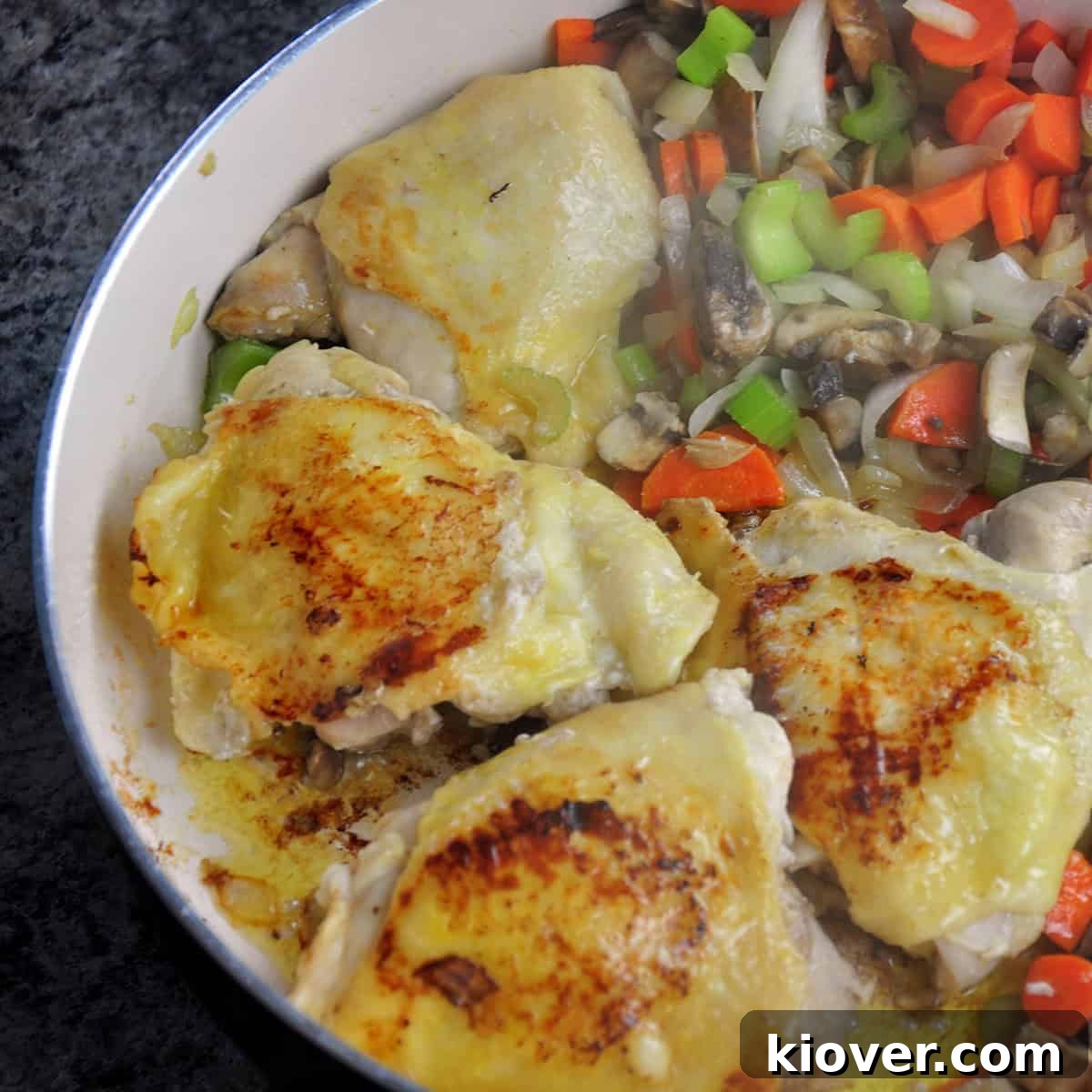
- Sear the Chicken: Once the vegetables are tender, push them to one side of the pan to create space. Increase the heat slightly to medium-high. Place the chicken thighs, skin-side up initially, into the vacant space. Sear the chicken, flipping every 3-4 minutes, until each side develops a light golden-brown color. The goal is a gentle browning, not a deep crisp, which distinguishes fricassee from a typical pan-fried chicken. Finish with the skin side facing up.
- Gently Cook Together: Reduce the heat to medium-low. Cover the pan with a lid and allow the chicken and vegetables to cook together for approximately 10 minutes. This step helps the chicken to begin cooking through and allows the flavors to meld beautifully.
- Season and Dredge the Chicken: In a small bowl, combine 1/4 cup of flour with 1/2 teaspoon of salt and 1/4 teaspoon of pepper. Turn the heat up to medium. Sprinkle this flour mixture evenly over the chicken, making sure to coat all sides thoroughly. Flip the chicken as needed to ensure full coverage, ending with the skin side up. Let the flour cook for just a minute or two to lightly fry, creating a delicate crust.
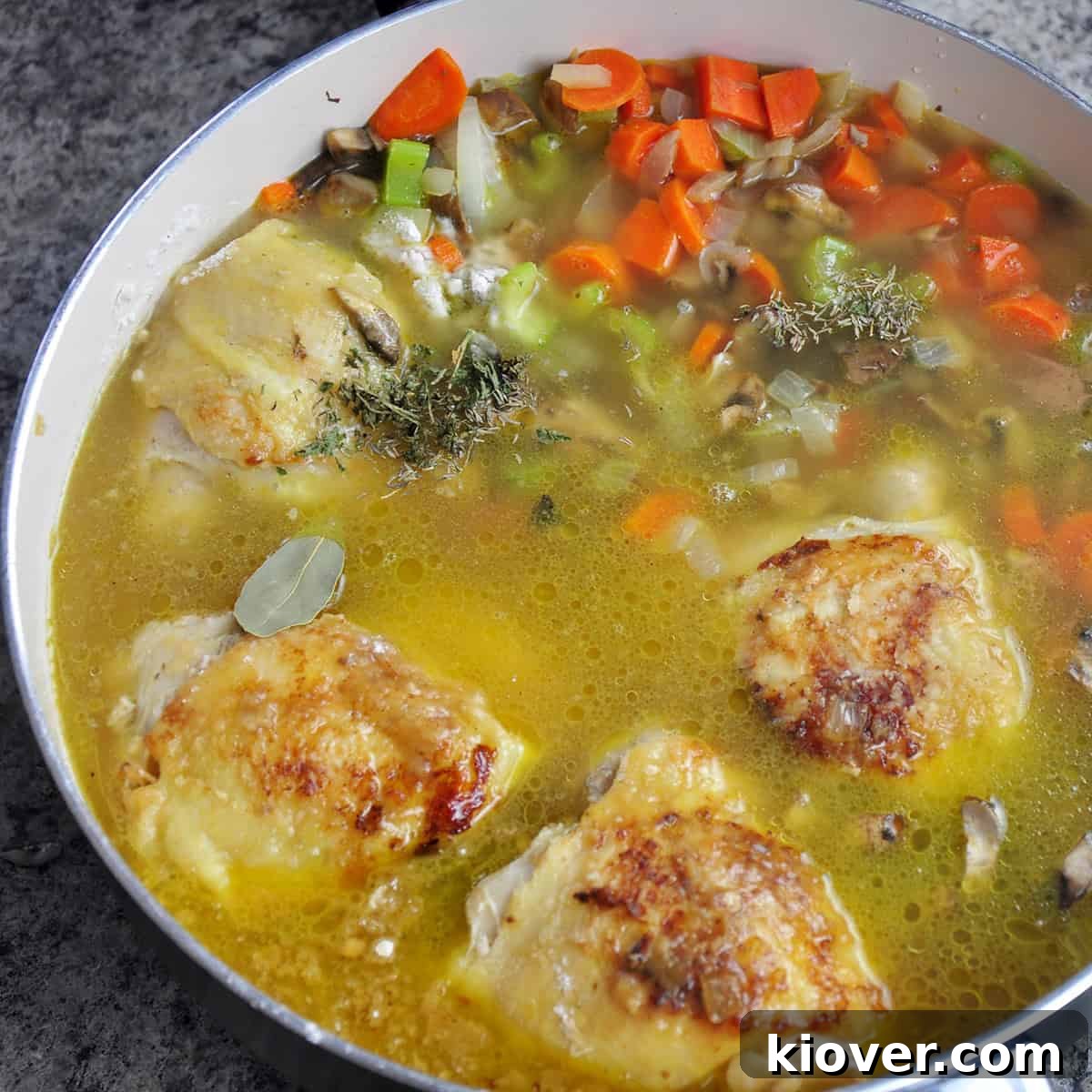
- Add Liquids and Herbs: Pour in the 4 cups of chicken stock, scraping any browned bits from the bottom of the pan (this is called deglazing and adds immense flavor). Add the dried parsley, bay leaf, and dried thyme to the pan.
- Simmer to Tender Perfection: Bring the mixture to a gentle simmer. Once simmering, cover the pan and reduce the heat to maintain a steady, low simmer for 25 minutes. This allows the chicken to become incredibly tender and for the flavors of the herbs and stock to deeply infuse the dish.
- Prepare the Slurry: While the fricassee simmers, prepare the thickening agent. In a separate bowl, whisk together the remaining 1/4 cup of flour with 1 cup of whole milk until a smooth, lump-free slurry forms.
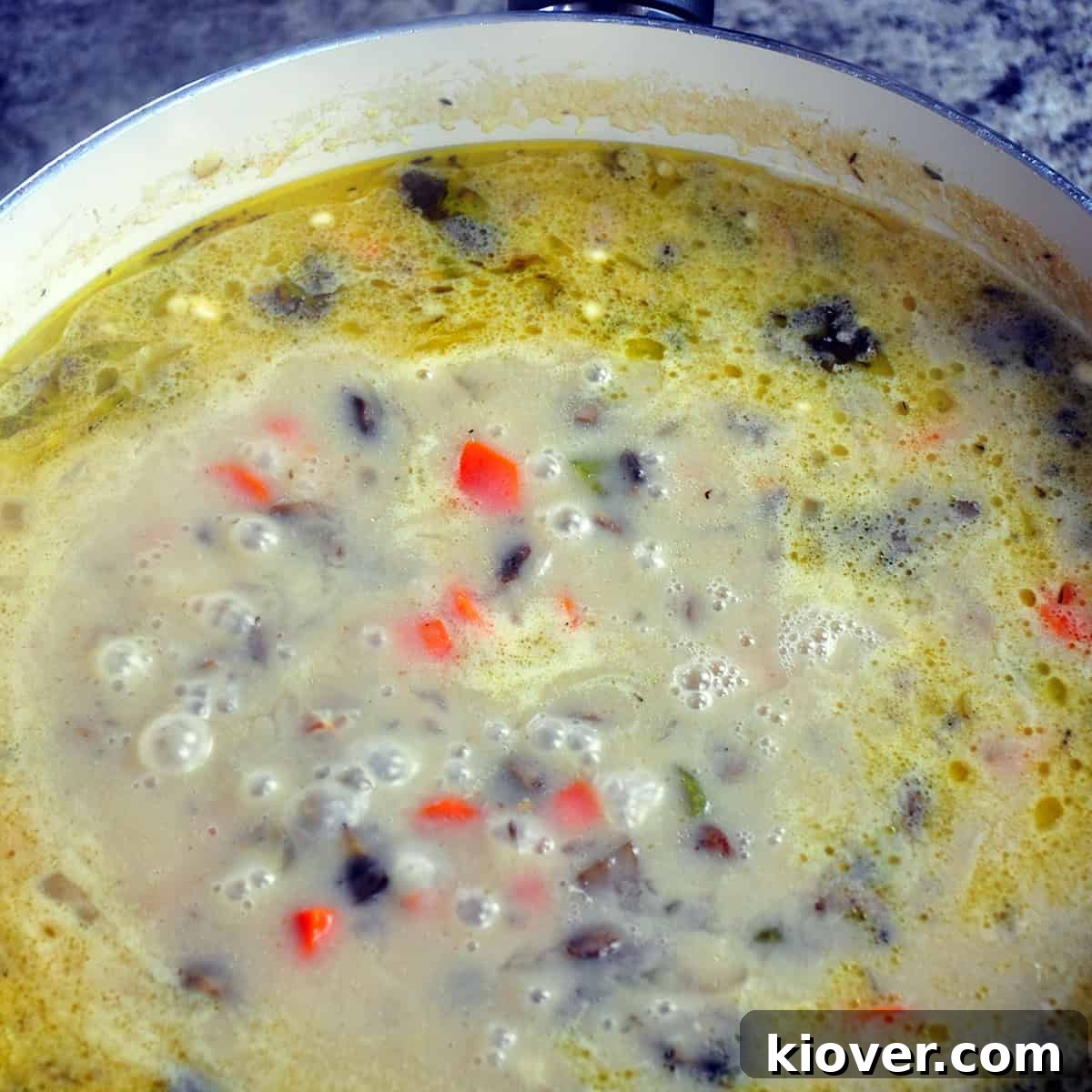
- Thicken the Sauce: After 25 minutes, carefully remove the cooked chicken from the pan and set it aside on a plate. Turn the heat up to medium-high for the sauce. Gradually whisk in the milk and flour slurry to the simmering liquids in the pan. Continue to whisk gently until the sauce begins to bubble and thickens to a creamy consistency that coats the back of a spoon. This should only take a few minutes.
- Finish with Lemon and Seasoning: Remove the pan from the heat. Squeeze in 1 tablespoon of fresh lemon juice. Taste the sauce and adjust the seasoning with any additional salt and pepper as desired. The lemon juice brightens the flavors and balances the richness of the creamy sauce.
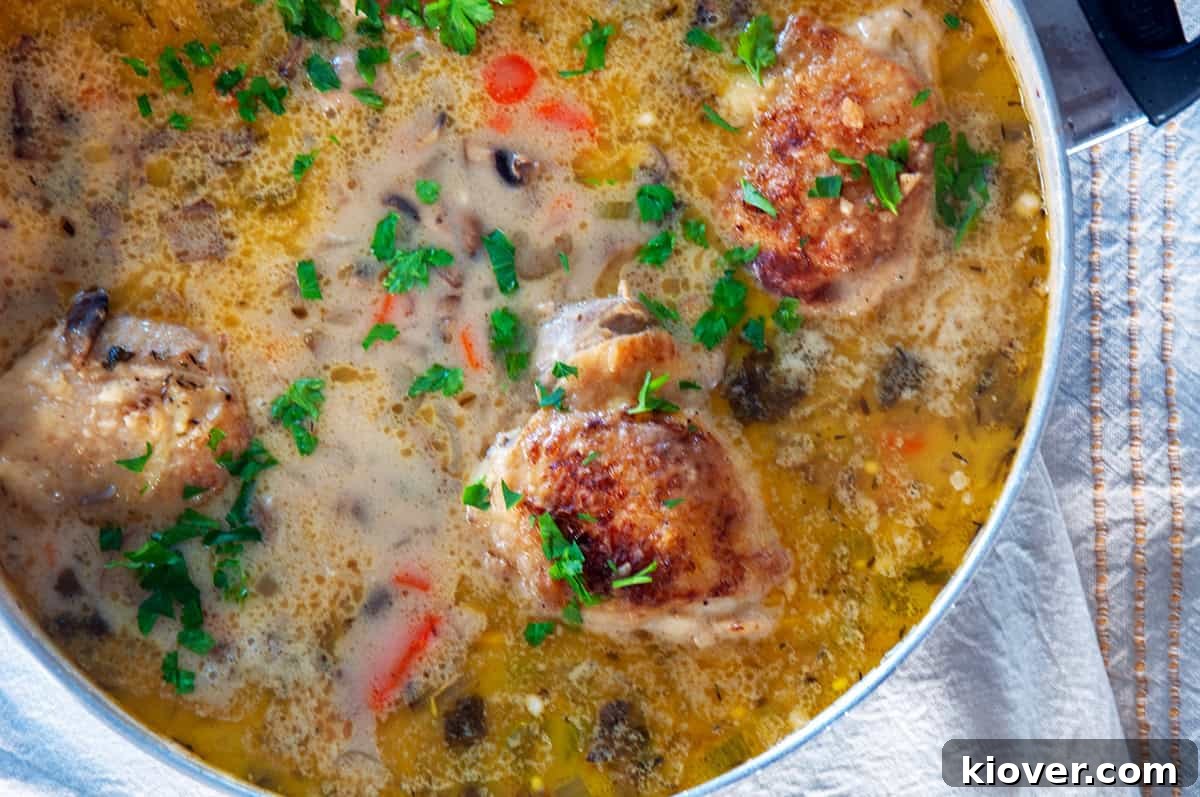
- Serve Your Fricassee: Return the chicken pieces to the pan, nestling them into the rich sauce, or arrange the chicken in a separate serving dish and generously spoon the creamy sauce over the top. Serve immediately with your chosen side dishes.
Visual Guide to Fricassee Preparation
Seeing the process can often make cooking easier and more intuitive. Here’s a visual breakdown of key steps in preparing your Traditional Chicken Fricassee.
Customizing Your Fricassee: Substitutions and Variations
One of the beauties of Chicken Fricassee is its inherent flexibility. While the traditional recipe offers a perfect balance of flavors, it’s also highly adaptable to personal preferences, dietary needs, or whatever ingredients you have on hand. Don’t hesitate to experiment and make this dish truly your own.
Chicken Cuts and Dairy Options
- Chicken Cuts: While bone-in, skin-on thighs are recommended for maximum flavor, you can easily swap them for other cuts. Drumsticks are another excellent choice, offering similar richness. For a leaner option, use boneless, skinless chicken breasts or tenders, but be mindful of cooking times to prevent them from drying out. You might want to cut larger breasts into chunks to ensure even cooking.
- Dairy Alternatives: For a lighter sauce, consider using 2% milk instead of whole milk. If you’re aiming for a dairy-free fricassee, unsweetened almond milk or oat milk can work well, though the sauce’s richness will be slightly altered. For an even more decadent and rich sauce, a splash of heavy cream in place of some milk during the thickening stage will elevate the dish to new levels of indulgence.
Exploring Vegetable Additions
The vegetables in fricassee are easy to customize, allowing you to incorporate your favorites or what’s in season. Feel free to substitute or add:
- Root Vegetables: Try diced parsnips, turnips, or even small potato cubes for added heartiness and flavor.
- Leafy Greens: Stir in a handful of spinach or kale at the very end until just wilted for a touch of freshness and extra nutrients.
- Bell Peppers: Sliced bell peppers (red, yellow, or orange) can add sweetness and vibrant color.
- Green Peas or Green Beans: Added during the last few minutes of simmering, these can brighten the dish with color and a delicate sweetness.
- Mushroom Alternatives: If mushrooms aren’t to your taste, you can simply omit them, or replace them with more onions or a different vegetable like zucchini.
The White Wine Debate: A Nod to Julia Child’s Influence
Julia Child’s original fricassee often included a touch of white wine, which adds a wonderful layer of complexity, acidity, and floral notes to the sauce. If you wish to incorporate this classic element, simply substitute one cup of the chicken stock with a cup of dry white wine, such as Sauvignon Blanc or Pinot Grigio, during step 9 when adding the liquids. The alcohol will cook off, leaving behind a more sophisticated and deeply flavored sauce. This subtle alteration can truly elevate the dish.
Fresh vs. Dried Herbs
While dried herbs are convenient and effective, fresh herbs can add a more vibrant, aromatic punch. If using fresh herbs like thyme or parsley, consider tying them into a small bundle with kitchen twine (a “bouquet garni”) before adding them to the simmering sauce. This makes them easy to remove before serving, ensuring a smooth sauce without stray leaves. Generally, use about three times the amount of fresh herbs compared to dried.
Serving Suggestions: Completing Your Fricassee Experience
Traditional Chicken Fricassee is a wonderfully complete meal on its own, but it truly shines when paired with thoughtfully chosen side dishes that complement its rich, creamy sauce. The goal is to provide a canvas for the sauce and a refreshing counterpoint to its richness.
- Rice: A bed of fluffy white rice is arguably the most classic accompaniment. It beautifully soaks up every drop of the savory, creamy sauce, making each bite incredibly satisfying. Basmati or jasmine rice are excellent choices.
- Mashed Potatoes: Creamy, buttery mashed potatoes are another ideal pairing. Their smooth texture and comforting flavor are a natural match for the tender chicken and luxurious sauce. Consider this Cheesy Mashed Potatoes recipe for an extra indulgent option.
- Noodles: Wide egg noodles, gently cooked and buttered, also make an excellent choice for soaking up the sauce.
- Crusty Bread: Don’t underestimate the power of a good piece of crusty French bread. It’s perfect for mopping up any leftover sauce and ensures no delicious drop goes to waste.
- Green Salad: To balance the richness of the fricassee, a light, crisp green salad with a bright vinaigrette is highly recommended. The acidity and freshness of the salad provide a refreshing contrast. For something more substantial yet still vibrant, try this Extra Baconey Amish Broccoli Salad.
- Steamed Vegetables: Simple steamed asparagus, green beans, or broccoli florets can add a healthy and colorful element to your plate without competing with the fricassee’s flavors.
No matter what you choose, ensure your side dishes are ready to be served hot alongside your freshly prepared Chicken Fricassee for an ultimate comforting meal.
Storage and Reheating Tips
Chicken Fricassee is one of those dishes that often tastes even better the next day as the flavors have more time to meld. Proper storage and reheating will ensure you can enjoy this delicious meal for days to come.
Refrigeration:
Allow any leftover chicken fricassee to cool completely at room temperature (but no longer than 2 hours) before transferring it to an airtight container. Store it in the refrigerator for up to 3 days. This ensures its freshness and prevents bacterial growth.
Reheating:
When you’re ready to enjoy your leftovers, reheat gently on the stovetop over low to medium-low heat. The sauce may have thickened considerably in the fridge, so you might need to add a splash of chicken stock or milk to loosen it back to its original creamy consistency. Stir occasionally to prevent sticking and ensure even heating. Avoid high heat, as it can cause the sauce to separate or become oily.
Freezing:
For longer storage, chicken fricassee freezes remarkably well for up to 3 months. Transfer the cooled fricassee into a freezer-safe container, ensuring there’s as little air as possible to prevent freezer burn. You can freeze individual portions for convenient grab-and-go meals.
To thaw, simply transfer the frozen fricassee to the refrigerator overnight. Reheat on the stovetop as described above, adding a bit more liquid if necessary to restore the sauce’s texture. Keep in mind that while the flavor remains delicious, the sauce may slightly change texture after freezing and thawing, sometimes becoming a bit less smooth. A quick whisk during reheating can often help restore some of its creaminess.
A Culinary Journey: The Rich History of Fricassee
Chicken Fricassee is far more than just a meal; it’s a dish with deep, venerable roots woven into the fabric of culinary history. Its name, deriving from the French verb “fricasser,” meaning “to fry in pieces” or “to cut up and cook in sauce,” perfectly encapsulates its unique cooking method. The origins of fricassee trace back to at least the 16th century in France, when the art of braising meat in a rich, savory sauce began to gain prominence.
Early European cookbooks, dating back to the 1500s, contain mentions and recipes for “fricassees,” often describing a dish where meat (not exclusively chicken, but also veal, rabbit, or lamb) was gently browned and then simmered in a flavorful sauce. This technique offered a way to make tougher cuts of meat tender and palatable, transforming them into a luxurious meal. By the late 18th century, fricassee had evolved into a versatile and beloved dish, appearing in influential culinary texts such as The Lady’s Complete Guide, showcasing its widespread appeal and adaptability for home cooks.
What makes fricassee particularly fascinating from a historical perspective is its longevity. Unlike many recipes that fade with changing tastes, fricassee has endured, continuously adapting while retaining its core identity. While researching recipe histories, it’s rare to find mentions prior to the 18th or even 17th century, but for ‘fricassee,’ its consistent appearance in texts going back to the 1500s underscores its profound and lasting significance in the culinary world. This ancient method of combining gentle browning with a tender simmer truly stands the test of time, proving its versatility across various meats and culinary eras.
As waves of European immigration flowed into the United States, chicken fricassee, among other beloved dishes, made its way across the Atlantic and found a cherished spot on many American family tables. It became a symbol of comfort and good home cooking, embracing both its European sophistication and an approachable, hearty quality. Anecdotes even suggest that it was a favorite dish in the home of Abraham Lincoln. Rumor has it that Mary Todd Lincoln may have served it as part of their simple yet satisfying meals, and some accounts even claim Chicken Fricassee was one of Abe Lincoln’s personal favorites. Whether these anecdotes are historical fact or charming legend, this association reflects the dish’s status as a true classic of its time, deeply embedding itself into the culinary heritage of America.
Frequently Asked Questions About Chicken Fricassee
Understanding the nuances of Chicken Fricassee can help you master this classic dish. Here are answers to some common questions.
Chicken fricassee is a classic French-inspired dish that combines elements of both sautéing and stewing. The chicken is first lightly browned, then gently simmered in a rich, flavorful sauce typically made with broth, often cream or milk, aromatic vegetables, and herbs. The result is exceptionally tender chicken enveloped in a velvety, comforting sauce.
The term ‘fricassee’ refers to a traditional French cooking technique where meat (most commonly chicken or veal) is cut into pieces, lightly browned in fat without being fully seared to a dark crust, and then simmered in a rich, often white sauce. This method creates a tender, moist, and deeply flavored dish that is both elegant and comforting. It’s typically served with starches like rice, potatoes, or bread to absorb the delicious sauce.
Absolutely! Chicken fricassee reheats beautifully, making it an excellent make-ahead dish. In fact, many believe the flavors meld and deepen even further after a day or two. Store it in an airtight container in the refrigerator for up to 3 days. When reheating, warm it gently on the stovetop over low heat, adding a splash of chicken stock or milk if the sauce has become too thick to restore its creamy texture.
For the most flavorful and tender results, bone-in, skin-on chicken thighs or drumsticks are highly recommended. The bones add depth to the sauce during simmering, and the skin provides richness and helps keep the meat moist. Boneless, skinless chicken breasts can be used for a leaner option, but they cook faster and can dry out if overcooked.
Yes, you can! To make chicken fricassee gluten-free, substitute the all-purpose flour with a gluten-free all-purpose flour blend or use cornstarch (or arrowroot powder) as a thickening agent. If using cornstarch, create a slurry with cold water or milk and add it gradually to the simmering sauce, whisking constantly until it reaches your desired thickness. Be aware that the texture might be slightly different but still delicious.
Expert Tips for Fricassee Perfection
Achieving a truly outstanding Traditional Chicken Fricassee is within reach with a few key techniques and considerations. These tips will help you navigate the cooking process and ensure a delicious outcome every time.
- Choose the Right Pan: Use a large sauté pan, Dutch oven, or a deep skillet with a lid that has enough surface area for the chicken, vegetables, and the full quantity of chicken stock. Overcrowding the pan, especially during the initial browning of the chicken and sautéing of vegetables, can lead to steaming instead of browning, diminishing the depth of flavor.
- Gentle Browning is Key: Remember that fricassee involves “light browning,” not deep searing. The goal is a delicate golden hue, not a dark, crispy skin. This gentle browning contributes to the unique flavor profile and allows the chicken to remain tender.
- Don’t Skimp on Aromatics: The combination of onions, carrots, celery (mirepoix), and mushrooms forms the foundational flavor of your sauce. Cook them until tender and slightly translucent to fully release their aromatic compounds, but avoid browning them excessively.
- Embrace Fresh Herbs: While dried herbs are convenient, fresh herbs can elevate the dish significantly. If using fresh parsley and thyme, consider tying them into a small cheesecloth bundle or using kitchen twine to create a “bouquet garni.” This allows their flavors to infuse the sauce during simmering and makes for easy removal before serving, ensuring a smooth, clean sauce.
- Consider White Wine: As Julia Child often did, incorporating a dry white wine (like Sauvignon Blanc or Pinot Grigio) can add a wonderful layer of complexity and acidity. Replace one cup of chicken stock with one cup of white wine during the liquid addition step for a more sophisticated flavor profile.
- Achieve the Perfect Sauce Consistency: The flour slurry is crucial for the fricassee’s signature creamy sauce. Ensure you whisk the flour and milk thoroughly in a separate bowl before adding it to the pan to avoid lumps. Gradually add the slurry to the simmering liquids, whisking continuously, until the sauce reaches a consistency that lightly coats the back of a spoon. It will thicken a bit more as it cools.
- Finish with Lemon Juice: A squeeze of fresh lemon juice at the very end is not optional; it’s essential. The bright acidity cuts through the richness of the creamy sauce, balancing the flavors and adding a fresh, vibrant finish that makes the dish pop.
- Taste and Adjust: Always taste your sauce before serving and adjust the seasoning (salt, pepper, and even a little more lemon juice) as needed. Flavors can mellow during simmering, so a final adjustment ensures perfect balance.
Tools for the Task: Kitchen Essentials
Having the right kitchen tools can make the preparation of your Traditional Chicken Fricassee smooth and enjoyable. Here are a few recommended items that will assist you in creating this delicious meal:
- Large Sauce Pan or Dutch Oven: Essential for its ample space, allowing proper sautéing and simmering without overcrowding. A heavy-bottomed pan ensures even heat distribution.
- Spatula: A sturdy heat-resistant spatula is perfect for stirring vegetables, scraping the bottom of the pan while deglazing, and ensuring a smooth sauce.
- Tongs: Indispensable for safely handling and flipping chicken pieces in the hot pan, ensuring even browning.
- Whisk: A good whisk is key for creating a lump-free flour and milk slurry and for smoothly incorporating it into the sauce.
- Cutting Board and Sharp Knife: For efficiently chopping all your vegetables and chicken.
Your Fricassee Journey: Share and Connect
We are thrilled that you’ve embarked on the delicious journey of making this Traditional Chicken Fricassee recipe. Your effort in bringing this comforting classic to life is truly appreciated!
If you enjoyed preparing and tasting this Julia Child-inspired dish, we would be incredibly grateful if you could take a moment to share your experience. Leaving a rating and comment in the section below not only helps us understand how we’re doing but also guides other aspiring cooks in their culinary choices. Your feedback is invaluable to our community!
Don’t forget to sign up for our newsletter to receive regular updates, new recipes, and cooking tips directly in your inbox. And if this recipe brought joy to your kitchen, please consider sharing it on Pinterest to inspire others. Most of all, thank you for visiting Ramshackle Pantry and for being a part of our culinary family. Happy cooking!
Chicken Fricassee Recipe Card
Description
A comforting classic, Traditional Chicken Fricassee features tender chicken thighs simmered in a creamy, flavorful sauce with vegetables and herbs. Perfect for family dinners or special occasions, this dish is rich, hearty, and satisfying!
Author: Ben
Prep Time: 15 minutes
Cook Time: 45 minutes
Total Time: 1 hour
Yield: 4 servings
Category: Dinner
Method: Stovetop
Cuisine: French
Ingredients
- 4 medium or 6 small chicken thighs, bone in and skin on (about 2 1/2 to 3 pounds)
- 4 Tablespoons of butter
- 1 Medium Onion, chopped
- 2 Carrot, Chopped
- 2 Celery Rib, chopped
- 1 (8 ounce) package of mushrooms, chopped
- 1/2 teaspoon salt + 1 teaspoon (or more to taste)
- 1/4 teaspoon pepper
- 1/2 cup flour
- 4 cups chicken stock
- 1 teaspoon dried parsley
- 1 bay leaf
- 1/4 teaspoon dried thyme
- 1 cup whole milk
- 1 Tablespoon lemon juice
Instructions
- Melt butter: In a large sauté pan, melt butter over medium heat.
- Add Vegetables: Add onions, carrots, celery, and mushrooms to the large saucepan.
- Cook Vegetables: Cook and stir until tender, but not browned (about 5-7 minutes).
- Add Chicken: Push veggies to the side, increase heat to medium-high and add chicken skin side up to the same pan where the veggies are cooking.
- Brown Chicken: Flip chicken every 3 to 4 minutes until it is just a light golden brown. At the end, place skin side up.
- Lightly Cook Chicken: Lower heat to medium-low, cover, and cook for 10 minutes.
- Make Flour Mixture: In a small bowl, combine 1/4 cup of flour, 1/2 teaspoon salt, and 1/4 teaspoon pepper.
- Season Chicken: Turn heat to medium and sprinkle the flour mixture over chicken to completely coat, turning to ensure full coverage and ending with the skin side up. Some mixture getting into the veggies is fine.
- Add Liquid and Seasoning: Add chicken stock, parsley, bay leaf, and thyme.
- Simmer: Bring to a simmer, cover, and simmer for 25 minutes at medium heat.
- Create Slurry: In a separate bowl, whisk together the remaining 1/4 cup flour and milk until smooth.
- Remove Chicken: Remove chicken from the pan and set aside. Turn up heat to medium-high for the sauce.
- Add Slurry: Add the milk slurry and cook, whisking continuously, until it starts to bubble and thickens enough to coat the back of a spoon. This should take just a few minutes.
- Finish Sauce: Add lemon juice, any additional salt and pepper to your taste, and stir well.
- Assemble Meal: Remove from heat and add chicken back into the pan, or assemble in a separate casserole dish with chicken and the sauce poured over the top. Serve immediately.
Notes
- Ensure you are using a sauté pan that has enough room for the chicken, veggies, and a quart of chicken stock to avoid overcrowding.
- You can use fresh herbs (parsley and thyme). If so, tie them into a cheesecloth bundle (bouquet garni) for easy removal before serving.
- Substitute one cup of the chicken stock for a dry white wine (like Sauvignon Blanc) for a more complex and acidic flavor profile, a trick inspired by Julia Child.
- Any cut of chicken can be used, but avoid overcrowding the pan too much to allow for proper browning and even cooking.
Did you make this recipe?
Rate this recipe in the comment section below, sign up to get updates by email, and share this recipe on Pinterest.
Thank you for visiting Ramshackle Pantry!